 EN
EN

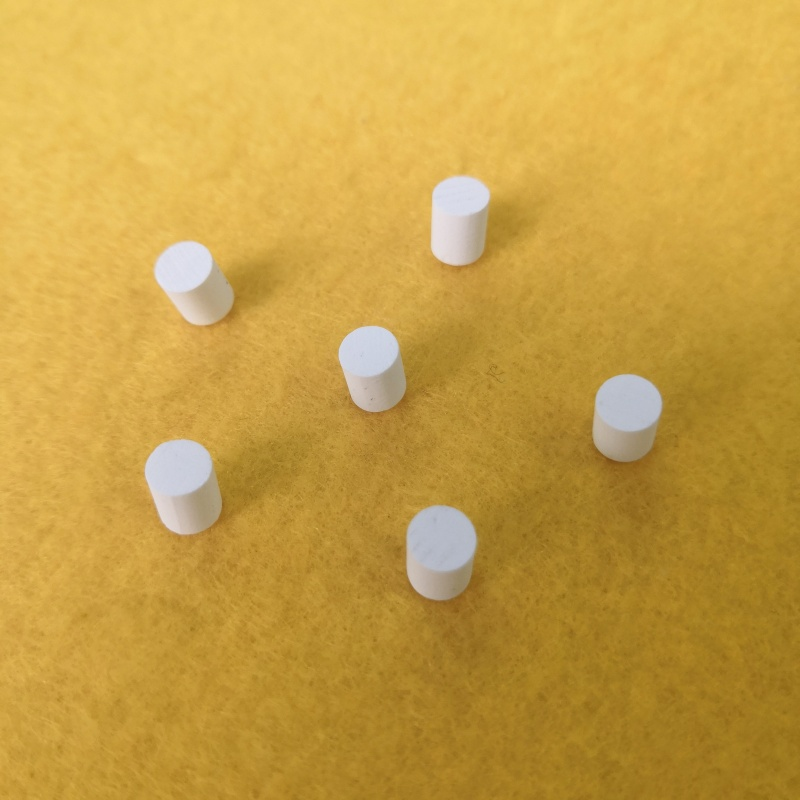
Role of the Reference Electrode Ceramic Rod in Establishing Stable Liquid Junction Potential
Why Junction Potential Stability Is Critical for Accurate pH Measurement
A stable liquid junction potential is the cornerstone of reliable pH measurement. Even minor fluctuations in this potential directly shift the measured voltage, leading to errors of 0.05 pH or more. In industrial process control, such drift can cause off-spec product batches or trigger false alarms. The reference electrode maintains a constant potential only when the liquid junction between the internal electrolyte and the sample is stable. If the junction clogs or allows uneven electrolyte flow, the reference half-cell potential changes unpredictably—forcing frequent recalibration, increasing downtime, and raising maintenance costs. The reference electrode ceramic rod serves as the critical barrier that regulates ionic contact while preventing contamination. Without precise junction potential control, even the best pH sensing electrode cannot produce accurate, repeatable readings.
How Ceramic Rod Pore Structure Regulates Electrolyte Flow and Minimizes Potential Drift
The ceramic rod’s microporous structure directly controls the diffusion rate of the reference electrolyte. Uniform pores between 1 and 5 micrometers create a consistent ionic pathway, ensuring a steady flow of potassium chloride (KCl) into the sample. This regulated flow maintains a nearly constant junction potential—typically within ±0.01 mV per hour. The rod material is high-density sintered ceramic, selected for its chemical inertness and mechanical strength. Porosity is precisely engineered to balance two opposing needs: enough pores to allow sufficient ion movement, yet small enough to block large sample ions and particles from entering the electrode. When pore sizes are too large, electrolyte leaks out quickly, shortening electrode life; when too small, clogging occurs, causing potential drift. Advanced ceramic rods achieve a tight pore size distribution, enabling stable performance for months without refilling—eliminating the erratic voltage shifts seen with older junction materials.
Design Evolution and Performance Advantages of Modern Reference Electrode Ceramic Rods
From Asbestos to High-Density Sintered Ceramic: Improving Reproducibility and Longevity
Early pH electrodes used asbestos or wood plugs as junction materials, but these suffered from inconsistent porosity and chemical degradation. Modern reference electrode ceramic rods are made from high-density sintered ceramic, which provides a rigid, uniform pore structure. This design yields a stable, reproducible junction potential over weeks of continuous immersion. Field data show that electrodes with such rods maintain drift below ±0.02 pH per month, compared to ±0.1 pH for older designs. The ceramic also resists clogging from suspended solids (e.g., in wastewater), extending service life from months to over a year. Manufacturers now standardize sintering temperatures to achieve 30–40% porosity, ensuring consistent electrolyte flow without compromising mechanical strength.
Ceramic Rod vs. Sleeve Junctions: Comparative Stability in Real-World Water and Wastewater Applications
Sleeve junctions rely on a movable ground-glass surface to create a salt bridge, allowing adjustable flow but risking clogging and mechanical wear. In contrast, a fixed reference electrode ceramic rod offers a permanently stable path with no moving parts—eliminating drift from sleeve displacement. In clean water applications, both designs perform similarly. However, in wastewater with high silt loads or biological films, sleeve junctions frequently require cleaning or replacement within weeks, while ceramic rods maintain a stable liquid junction for three to six months longer. This advantage directly reduces maintenance labor and calibration frequency. For process environments where reliability is paramount, the ceramic rod’s predictable performance makes it the preferred choice.
Practical Impact of Reference Electrode Ceramic Rod Quality on Calibration Integrity and Maintenance
Field Evidence: Reduced Calibration Frequency and Extended Electrode Lifespan with Optimized Ceramic Rods
Field studies in water and wastewater treatment plants have demonstrated that a high-quality reference electrode ceramic rod directly reduces calibration drift. Facilities using electrodes equipped with optimized ceramic rods reported up to 50% fewer calibrations per month compared with those using standard porous junctions. The consistent electrolyte flow through the rod’s uniform pores maintains a stable liquid junction potential for weeks—not days—allowing operators to extend calibration intervals from daily to weekly without compromising accuracy. Consequently, electrode lifespan increases significantly: some users observed a 30% longer service life before replacement was needed. A well-sintered ceramic rod resists clogging and fouling, preventing the gradual potential shift that forces premature recalibration. By sustaining ionic equilibrium longer, the rod minimizes the need for pH sensor adjustment—saving maintenance time and reducing operational costs. These field results confirm that investing in robust ceramic rod manufacturing pays off through lower total cost of ownership and higher data reliability.
FAQ
What is a reference electrode ceramic rod? A reference electrode ceramic rod is a microporous structural element in pH electrodes that maintains a stable liquid junction potential by controlling the flow of electrolytes.
Why is the stability of the liquid junction potential important? Stability of the liquid junction potential is essential for accurate and reliable pH measurements, as fluctuations can lead to significant measurement errors.
How does the ceramic rod improve electrode performance? The ceramic rod regulates electrolyte diffusion rates and blocks contaminants, enabling a consistent ionic pathway and minimizing drift over time.
What are the advantages of ceramic rods compared to sleeve junctions? Ceramic rods are more reliable and require less maintenance, outperforming sleeve junctions, especially in wastewater environments prone to clogging and fouling.
How does the use of optimized ceramic rods affect calibration frequency? High-quality ceramic rods help reduce calibration frequency by maintaining a stable potential for longer periods, reducing downtime and operational costs.

