 EN
EN

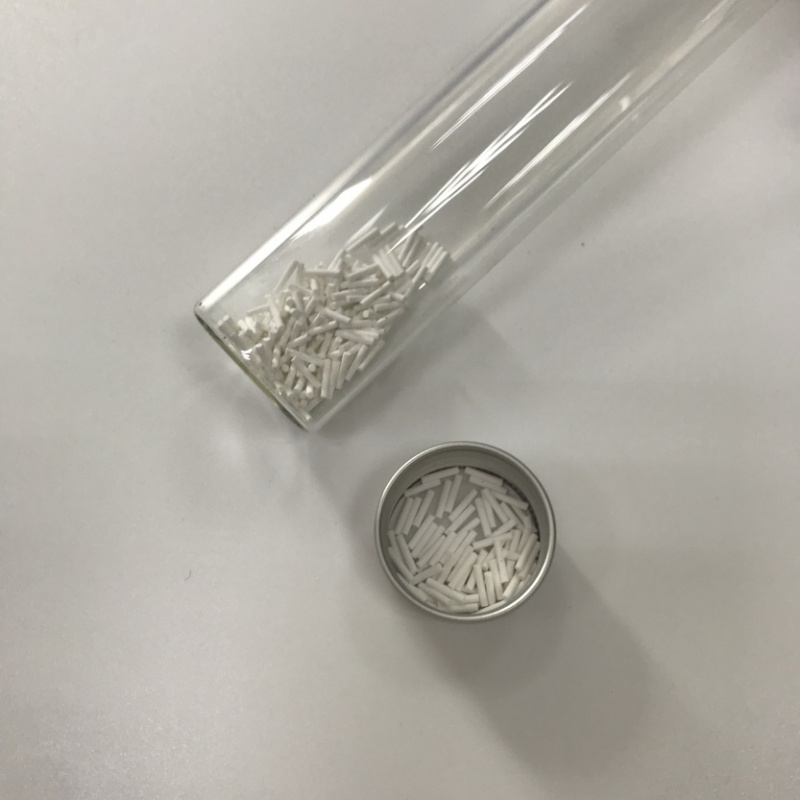
Match Porous Ceramic Pore Size to Oxygen Demand and System Type
Fine-pore (0.5–10 µm) porous ceramic for high-efficiency oxygen transfer in high-density hatcheries and RAS
Ceramic plates with fine pores create those tiny bubbles under 2mm across which really boost the contact between gas and liquid. We're talking oxygen transfer rates over 85% in intensive aquaculture systems and hatcheries where space is at a premium. These microbubbles dissolve 3 to 5 times more oxygen per watt than regular diffusers, something that becomes super important once fish density goes past 40kg per cubic meter. The way these bubbles spread out so precisely stops oxygen from bunching up in shallow tanks and larval rearing areas. This keeps dissolved oxygen levels above the crucial 5mg/L mark even when all the fish are eating at once. Since biofilters work best with consistent oxygen levels, this kind of efficiency helps maintain the nitrogen cycle balance while cutting down on electricity bills for blowers by around 30 to 40% compared to older methods with bigger bubbles.
Coarse-pore (20–100 µm) porous ceramic for durability and clog resistance in outdoor ponds and sediment-prone systems
Ceramic plates with coarse pores are built to last in places where sediment builds up fast, such as in earthen ponds or systems that let water flow through continuously. These plates have bigger openings that keep getting blocked by stuff like algae, clay bits, and all sorts of organic matter which tends to be a big problem when water gets really cloudy beyond 50 NTU levels. Real world tests at shrimp farming operations indicate that these particular plates still manage to keep over 90 percent air flow going even after sitting in muddy conditions for half a year, while similar ones with smaller pores drop below 60 percent efficiency around the same time frame. What makes them durable isn't just their design but also how they handle changes in water acidity between pH 4 and 10 plus whatever knocks they get from farm machinery or animals passing by. Farmers especially appreciate this kind of dependability because it stops those disastrous drops in oxygen levels that happen so often during rainy season when mud washes in suddenly and swamps regular diffusers in just three days flat.
Evaluate Porous Ceramic Material Integrity for Corrosion and Fouling Resistance
High-purity alumina (≥99.5%) porous ceramic withstands sulfide, chlorine, and organic biofilm exposure
Water environments bring along some pretty harsh stuff - think hydrogen sulfide coming from those oxygen-free areas and chlorine used for disinfecting everything. Ceramic plates that are at least 99.5 percent pure alumina stand up really well against corrosion. These plates kept their shape even after sitting in a solution with 50 parts per million of sulfide for an entire year. What makes this material so good is how it resists breakdown when bacteria form films on the surface, something that happens all the time in systems where nutrients are plentiful. Regular ceramics just don't cut it compared to these high quality ones because they let out tiny amounts of dissolved ions over time, which can mess up water quality if left submerged too long.
| Material | Sulfide Resistance (50 ppm) | Chlorine Tolerance (5 ppm) | Biofilm Adhesion |
|---|---|---|---|
| ≥99.5% Alumina | >24 months | >36 months | Low |
| <95% Alumina | <6 months | <12 months | High |
Thermal/ultrasonic cleanability preserves long-term porosity—validated across 500+ cycles per ISO 13320
The repeated cleaning process tends to wear down the effectiveness of air bubbles in ceramic materials over time. When using heat treatment at around 400 degrees Celsius for about two hours or applying ultrasound waves at 40 kilohertz for half an hour, most of the original pore structure comes back, typically restoring over 98 percent functionality while avoiding those pesky tiny cracks. Tests following ISO 13320 standards show pretty stable bubble sizes throughout hundreds of cleanings, staying within about three percent variation even after 500 maintenance rounds. This kind of lasting performance means fewer replacements are needed, cutting overall operating expenses significantly when compared with ceramic options that can't be cleaned properly. Some estimates suggest this could save as much as sixty percent on long term costs for facilities relying on these systems.
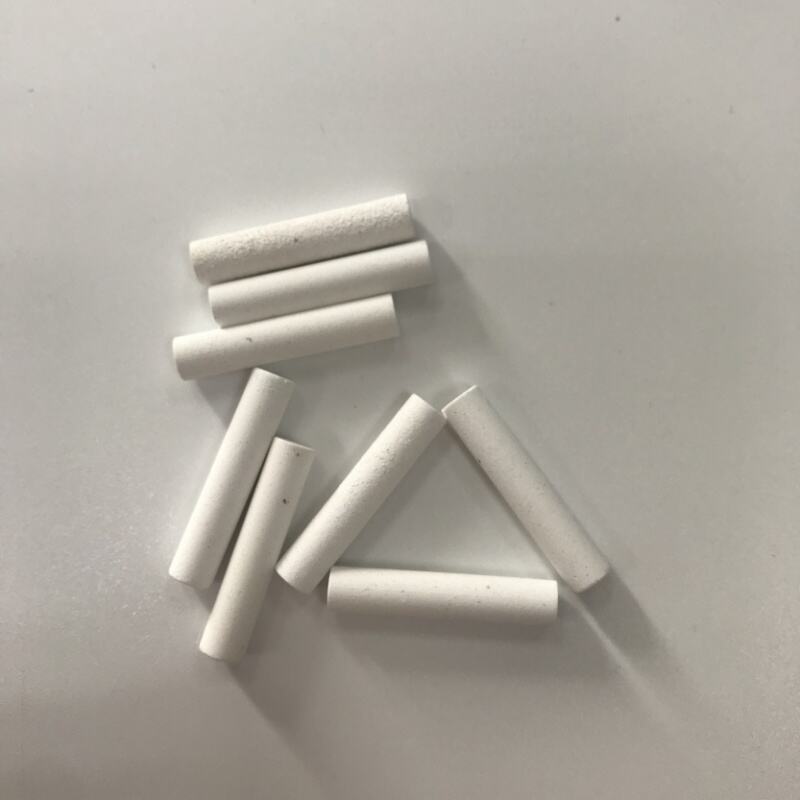
Select Porous Ceramic Geometry and Pressure Rating for System Integration
Dome-shaped porous ceramic plates optimize low-head distribution in gravity-fed hatchery lines
Ceramic plates shaped like domes work really well for spreading bubbles evenly throughout the water while using hardly any extra energy at all. The curve of these plates takes advantage of the natural pressure from water sitting above them in reservoir systems. This helps cut down on those annoying dead spots in larval tanks by around 40 percent when compared to regular flat plates. For hatcheries that rely on gravity fed water lines, they find their dissolved oxygen levels stay pretty consistent too, usually varying no more than 2% between different tanks. And because these systems only need a small amount of pressure (less than 0.2 bar), there's no need for pumps in many important early stage facilities where power failures can be so damaging.
Flat and modular porous ceramic plates enable scalable installation in tank-bottom and recirculating system layouts
Flat porous ceramic plates work really well with tank floors and pipe systems. The modular design makes it easy to connect everything together using standard fittings, which helps if someone wants to expand later on. For recirculating aquaculture systems (RAS), having different layout options is super important since they need to fit around where the biofilters go and match the size of the tanks. When looking at pressure ratings between 1 and 5 bars, it's generally wise to pick something on the higher end for deeper water setups. Installing these systems in a way that can grow means saving money down the road too. Studies show that proper scaling cuts retrofitting expenses roughly 30 percent when companies upgrade their old facilities.

