Main Component:
High‑purity alumina ceramic, Al₂O₃ content up to 92%‑96%
Porosity:
30%‑35%, well‑connected open pore network, suitable water permeability for soil‑water equilibrium
Pore Size:
1.0‑1.5μm, precise pore dimension to build stable hydraulic contact with surrounding soil
Working Temperature:
‑10℃‑110℃, withstand variable open‑air field climate conditions
Key Properties:
Chemically stable, resistant to soil acid and alkali erosion, non‑toxic, will not interfere with soil composition
Processing Type:
Medium‑temperature sintered porous ceramic, precisely controlled pore‑forming manufacturing
Core Application:
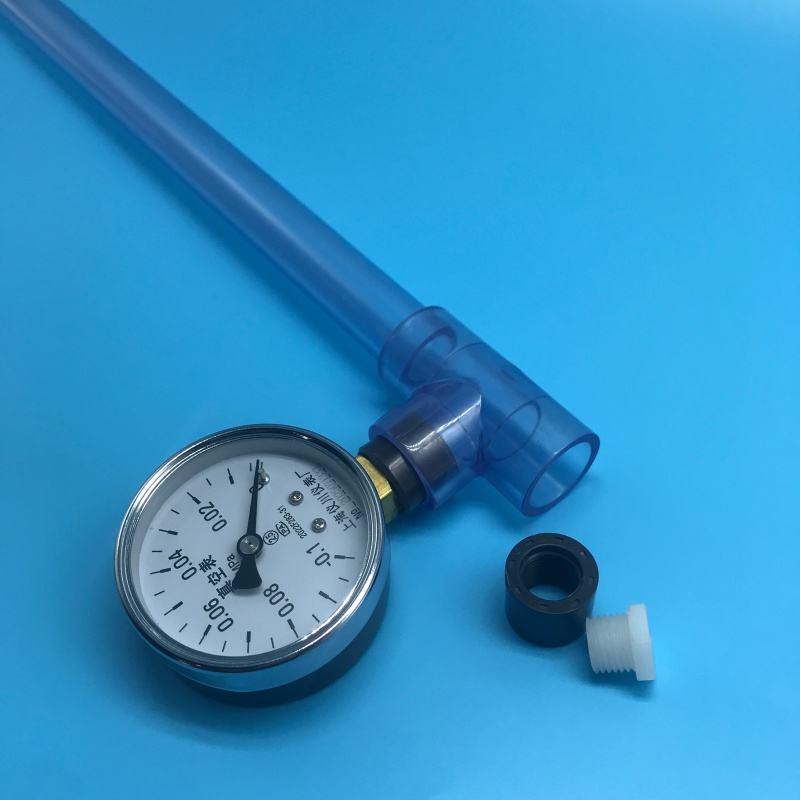
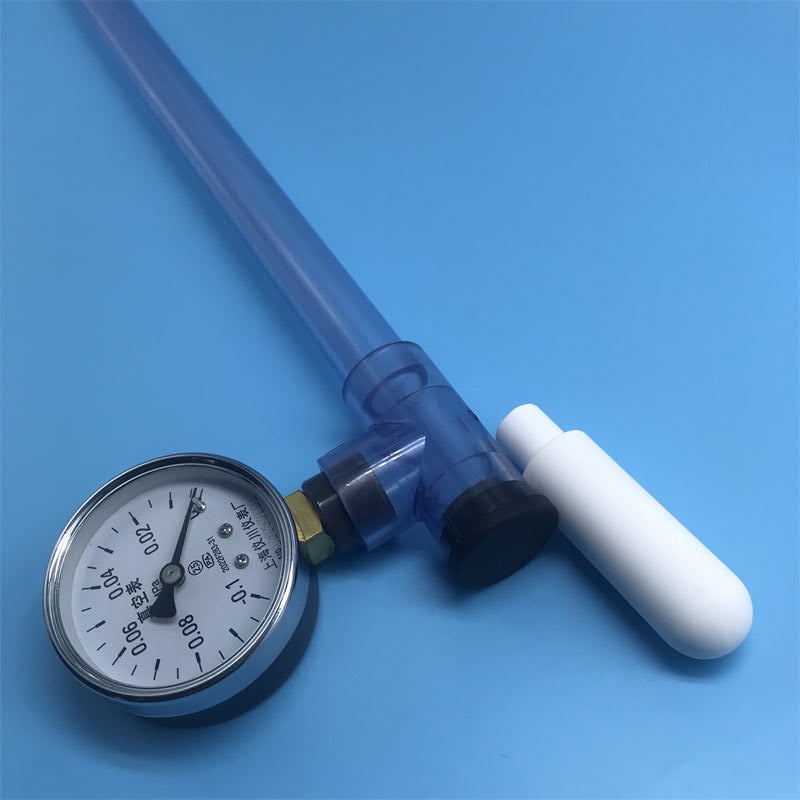
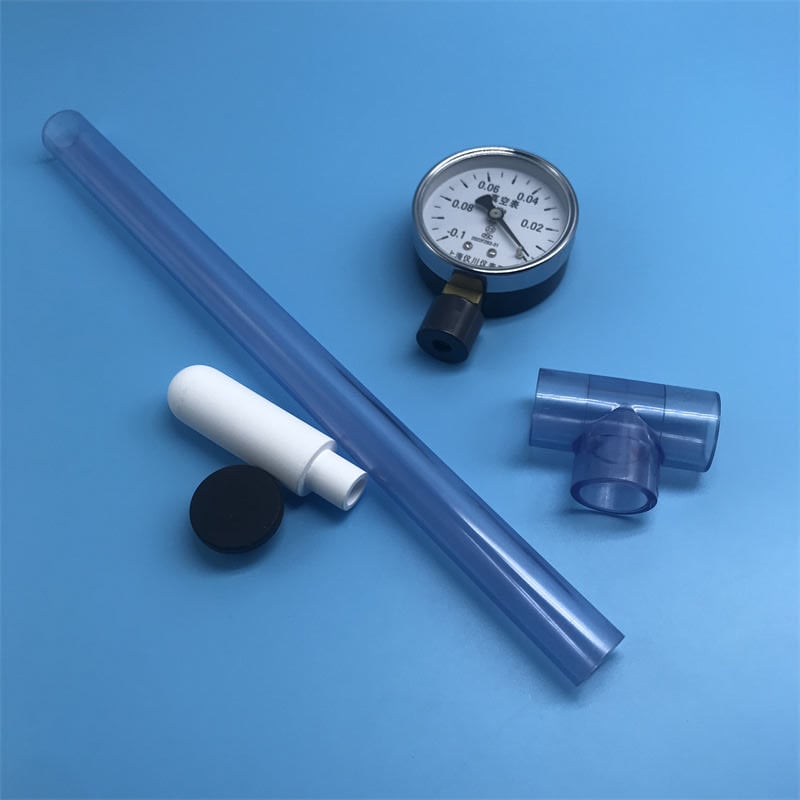
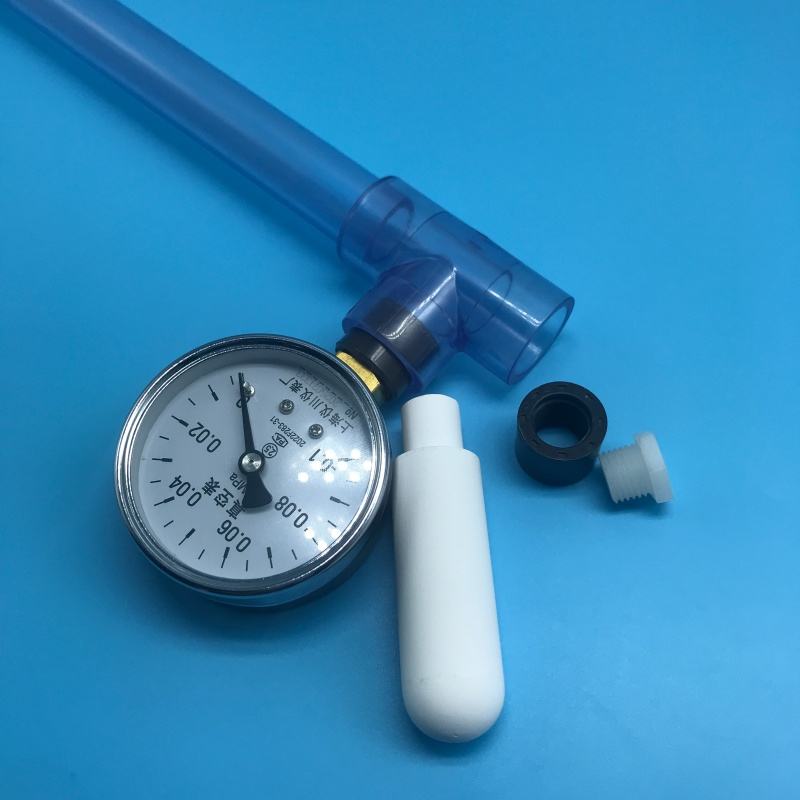
Special porous ceramic part for tensiometer sensors, used for farmland irrigation management, greenhouse soil moisture testing, agricultural scientific experiment
Product Details
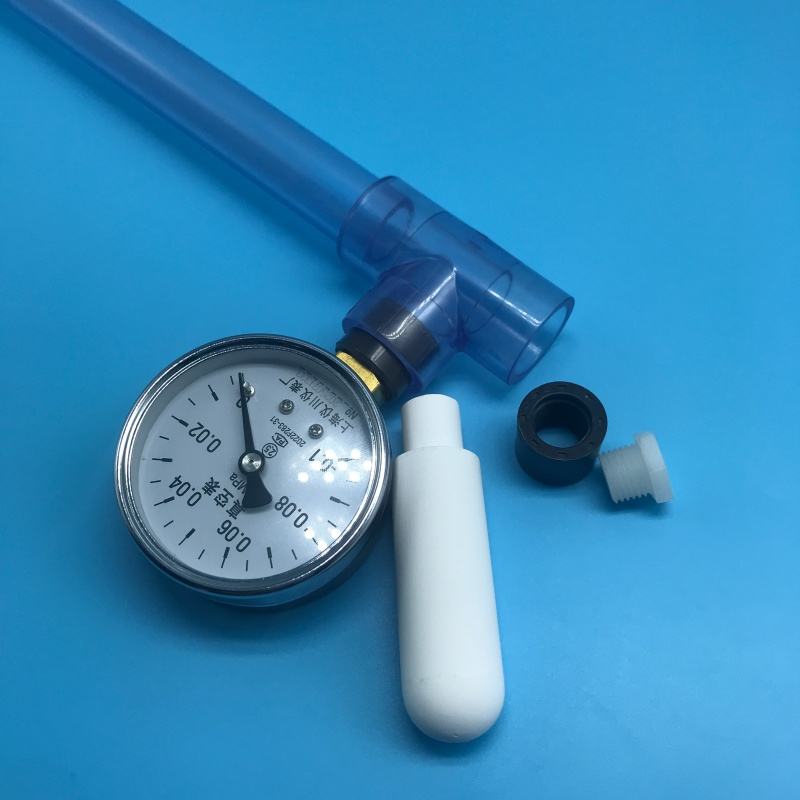
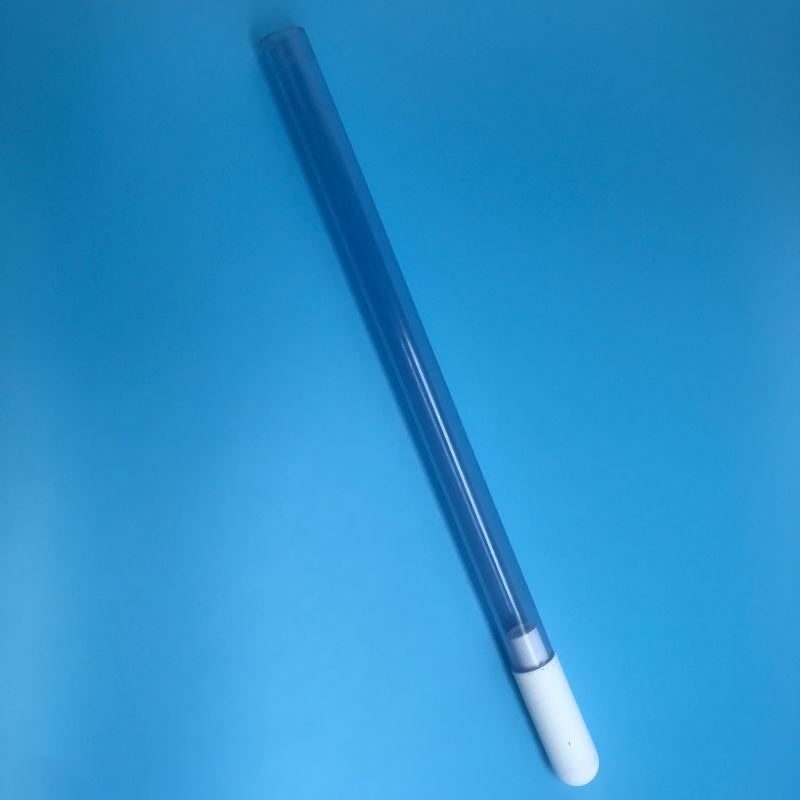
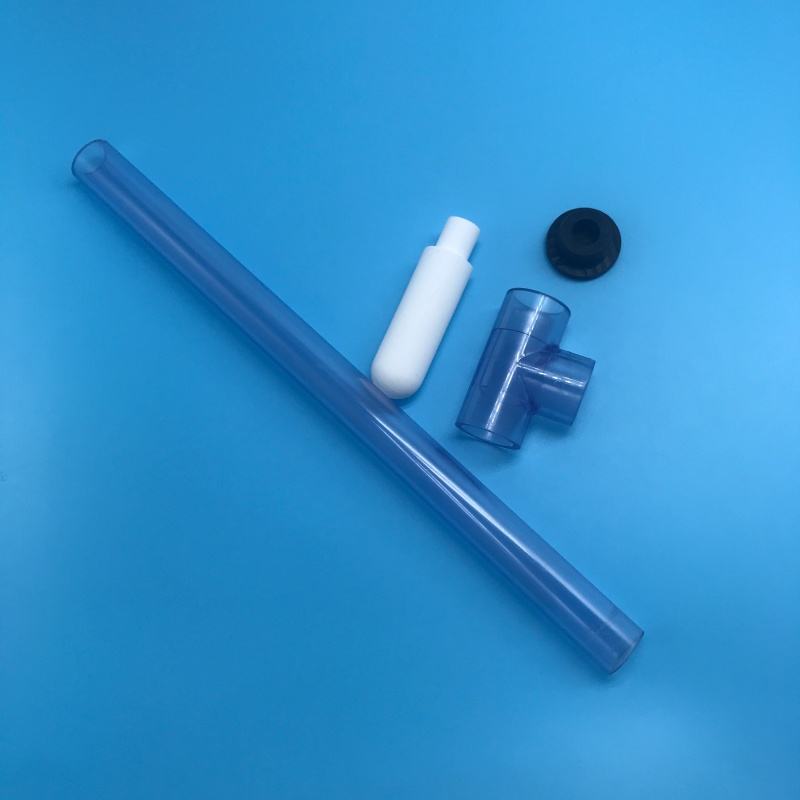
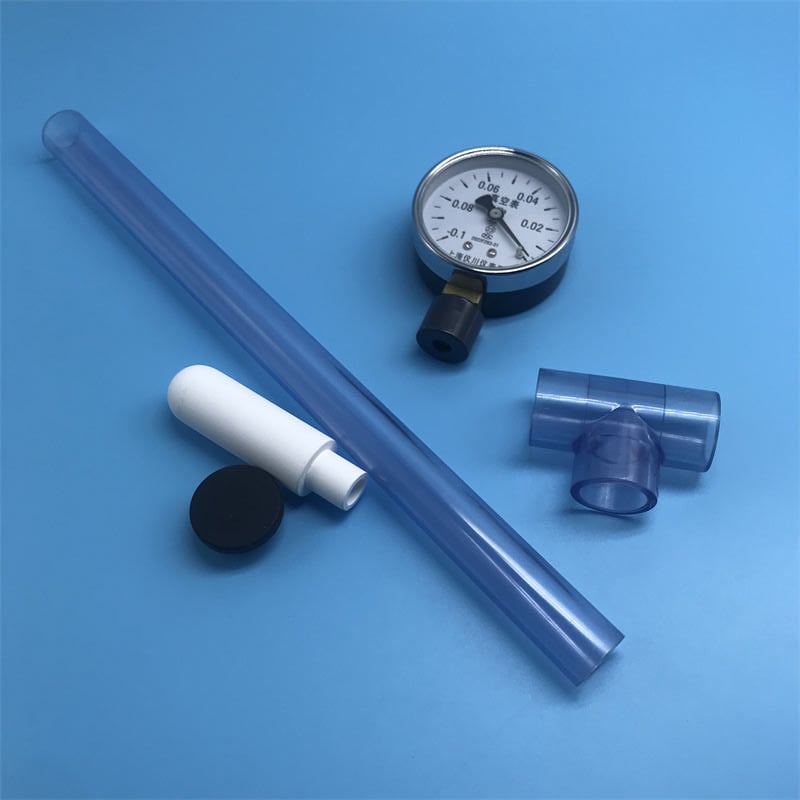
Porous Ceramic Tube for Tensiometer is a special microporous alumina ceramic component, manufactured by powder forming and medium‑temperature sintering process. It serves as the core sensing element of soil tensiometer, realizing hydraulic balance between internal sensor water body and external soil moisture through interconnected open‑pore channels, so as to accurately measure soil water potential value for agricultural irrigation controlSmartBuy.
Different from dense structural ceramics, this product deliberately forms a large number of communicated micro‑pores during sintering. By adjusting powder formula, pore‑forming agent dosage and sintering temperature, manufacturers can precisely control porosity and pore size, to match different soil types including sandy soil, loam and clay soil. This component is widely supplied for agricultural sensor manufacturers, agricultural research institutes and farmland monitoring projects across the globe.
Based on pore‑forming accuracy and dimensional tolerance, porous ceramic tubes for tensiometer can be divided into standard agricultural grade and high‑precision laboratory grade.
Standard agricultural grade is optimized for large‑scale field deployment. It maintains stable permeability under complex field soil conditions, with cost advantages for mass irrigation monitoring equipment. High‑precision laboratory grade adopts strict powder screening and slow sintering technology, with tighter control over pore‑size deviation and dimensional tolerance complying with ISO 2768‑mK, which is designed for soil science research, greenhouse precision agriculture and high‑accuracy test instruments.
The most prominent physical feature lies in its uniform interconnected open‑pore structure. It reaches 30%‑35% porosity with stable pore size of 1.0‑1.5 μm. Such structure allows free water molecule exchange, yet blocks fine soil particles from penetrating inside to avoid internal blockage. Under field soil pressure, the ceramic tube maintains stable pore framework without particle shedding or pore collapse, guaranteeing long‑term continuous measurement performance. Its tubular shape facilitates assembly and sealing with tensiometer housing.
Main raw material is high‑purity alumina, Al₂O₃ content reaches 92%‑96%. The material exhibits outstanding chemical inertness. It resists corrosion from most soil acids and alkalis, will not dissolve or release harmful substances into soil environment. Non‑toxic formula brings zero pollution to soil and crop root system. It keeps stable performance when contacting fertilizer solution and trace‑element irrigation liquid, avoiding chemical reaction that distorts soil water potential test data.
Working temperature range covers ‑10℃‑110℃. It possesses good thermal shock resistance, capable of adapting dramatic temperature fluctuations of open‑air farmland environment, including cold winter frost and summer high‑temperature soil surface. No crack or pore deformation occurs under normal agricultural ambient temperature cycles, securing reliable service life for outdoor buried installation.
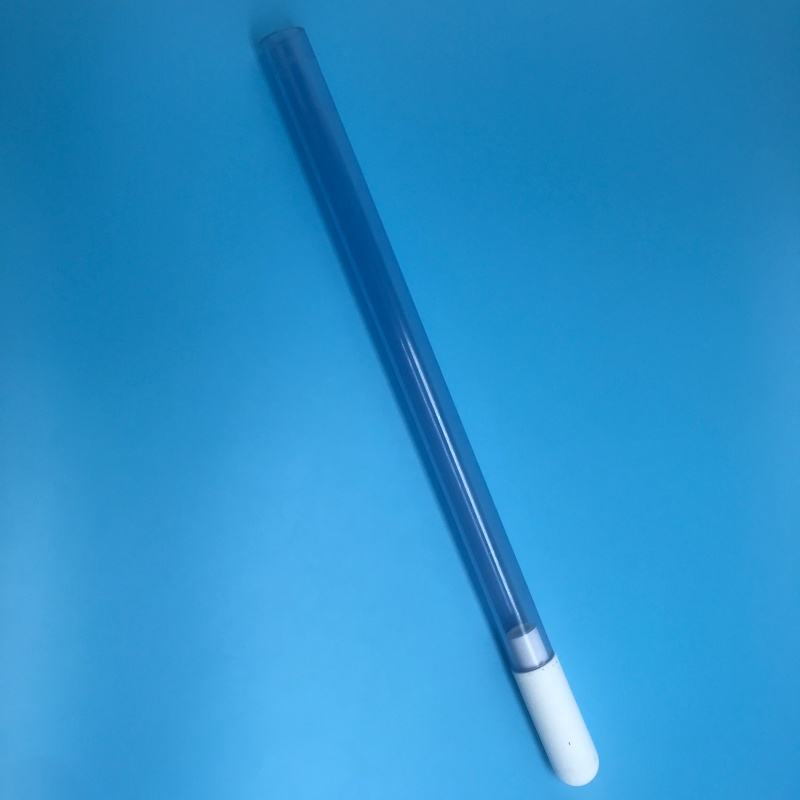
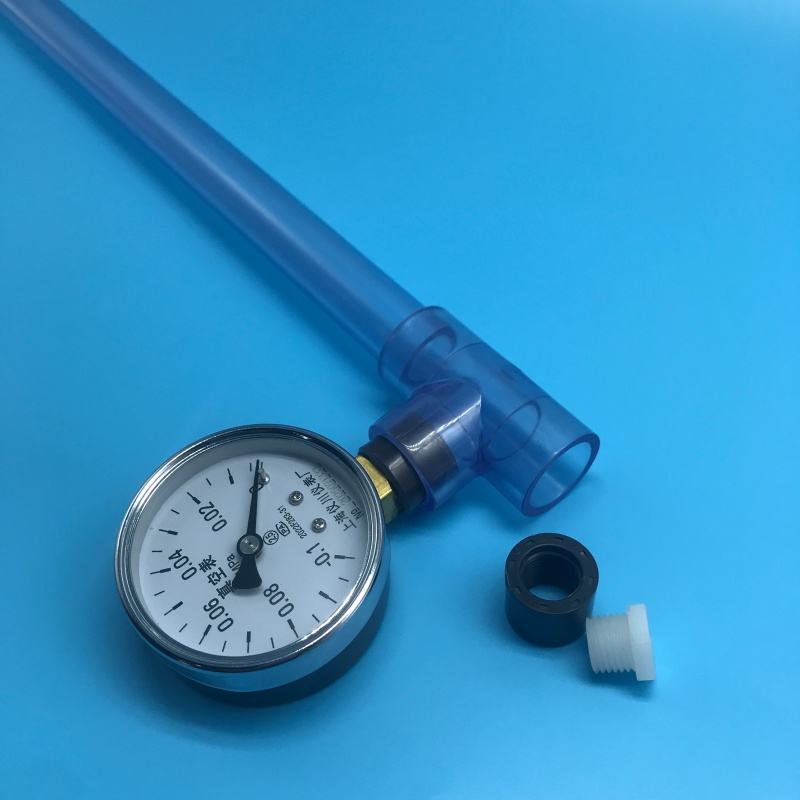
Controllable microporous structure is its core competitive advantage. It can rapidly establish hydraulic equilibrium between sensor internal water and surrounding soil. Accurate soil water potential feedback helps farmers grasp soil moisture status, formulate scientific irrigation schedule, effectively prevent crop drought stress or over‑irrigation water waste. Compared with alternative porous materials, alumina ceramic delivers consistent permeability and less performance drift after long‑time underground burial.
Benefit from stable chemical inertness and high compressive strength, this porous alumina ceramic tube tolerates long‑term underground embedding. It is resistant to soil microbial erosion and chemical corrosion. Users do not need frequent replacement, lowering on‑site maintenance cost for field monitoring stations. It contains no organic additive, will not degrade in soil, and creates no negative impact on crop growth.
This ceramic tube can work normally in diversified planting scenarios, covering dry farmland, orchard, greenhouse, vegetable base and experimental plot. Pore parameters can be adjusted to fit sandy, loamy or clay soils. Custom outer diameter, inner diameter and length are available to match various tensiometer sensor structures.
As a core replaceable part of soil water potential sensor, it balances reliable performance and competitive production cost. Popularization of tensiometer fitted with this porous ceramic tube supports water‑saving irrigation management, reduces water resource consumption and improves crop yield stability. It has become a key consumable component for modern precision agricultural monitoring systems.
Tensiometer porous ceramic tube is the indispensable core component of soil water potential sensor. It is massively applied in farmland irrigation management, greenhouse intelligent planting, orchard soil moisture monitoring, agricultural university laboratory tests, soil science research and ecological environment observation projects. Agricultural water‑saving monitoring occupies the largest share of market consumption.
|
项目 Item |
陶土头/渗灌管Infiltration Cup |
植物吸水棒 Plant Water Absorbing Wick |
电极砂芯 Electrode Wick |
陶瓷芯棒Ceramic Wick |
曝气板/管 Aerator plate/tube |
香薰陶瓷 Scented Ceramic |
真空陶瓷吸盘 Vacumm Ceramic Chuck |
废水废气处理微孔陶瓷 Porous Ceramic for water and gas treatment |
|
|
|
|
|
|
|
白色氧化铝 White Alumina |
碳化硅 Silicon Carbide |
|
|
|
密度(g/cm³) Density |
1.6-2.0 |
0.8-1.2 |
1.8-2.2 |
0.8-1.2 |
2.5-2.6 |
1.6-2.0 |
1.7-2.0 |
2.8-3.2 |
2.6-3.0 |
|
开放孔率(%) Open Porosity Rate |
30-40 |
50-60 |
20-30 |
40-60 |
30-35 |
30-45 |
35-40 |
NA |
NA |
气孔率(%) Porosity Rate |
40-50 |
60-75 |
25-40 |
60-75 |
35-36 |
40-50 |
40-45 |
30-40% |
30-40% |
|
吸水率(%) Water Absorption |
25-40 |
40-70 |
10-28 |
40-70 |
20-23 |
25-40 |
25-35 |
NA |
NA |
孔径 ( μm) Pore Size |
1-5 |
1-3 |
1-3 |
1-3 |
1-3 |
1-5 |
1-10 |
2-50μm |
20-80μm |
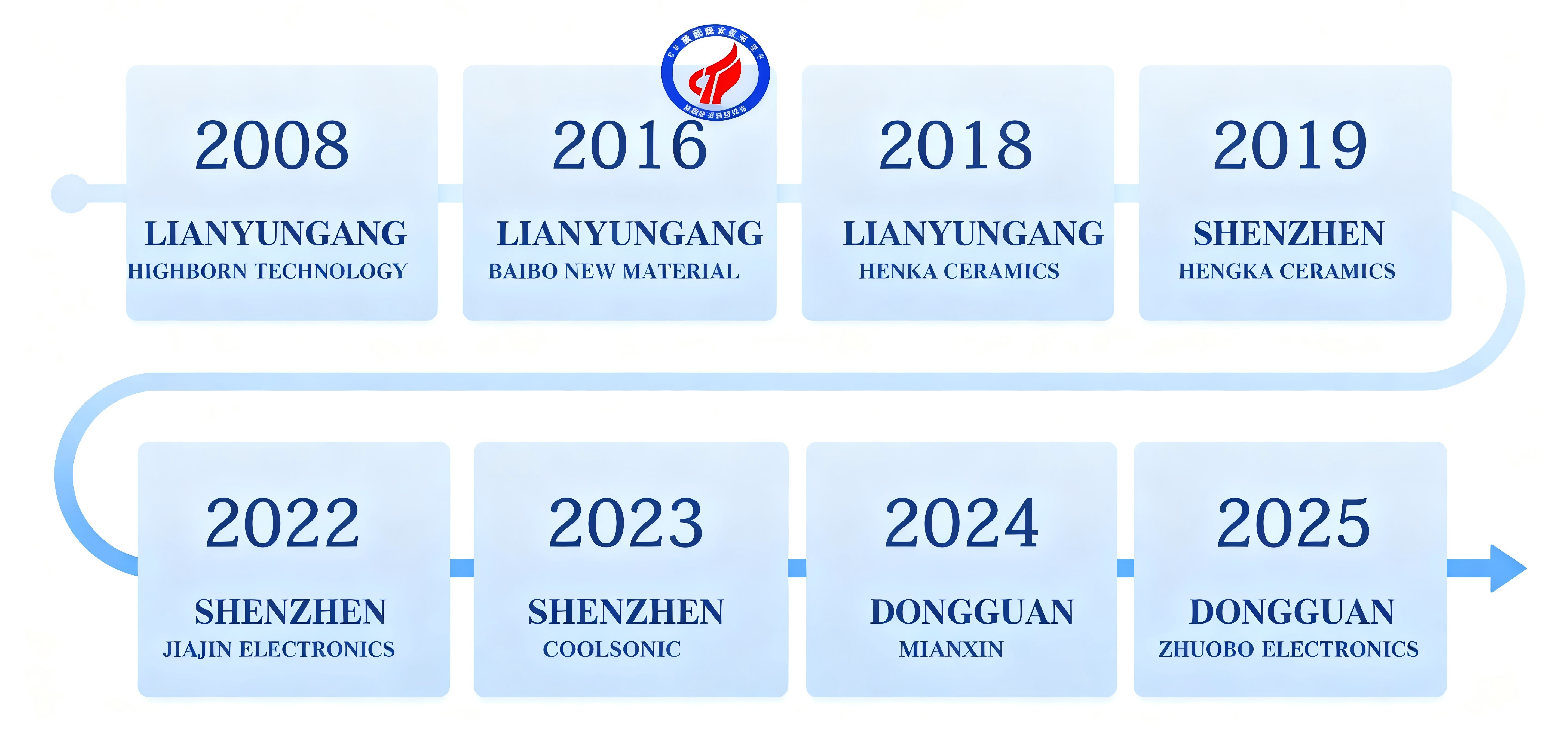
Development History
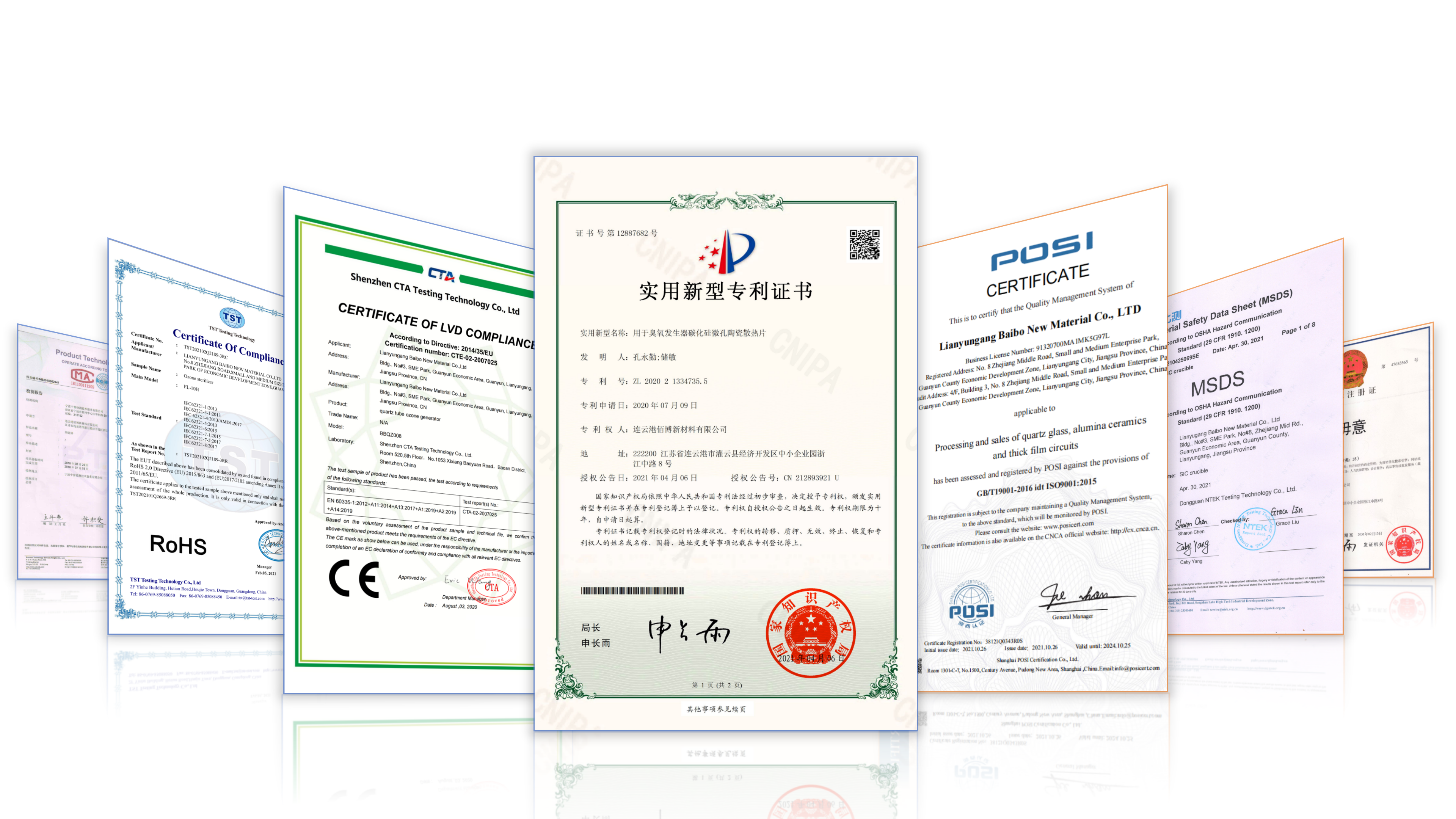
Patents and certification
Package
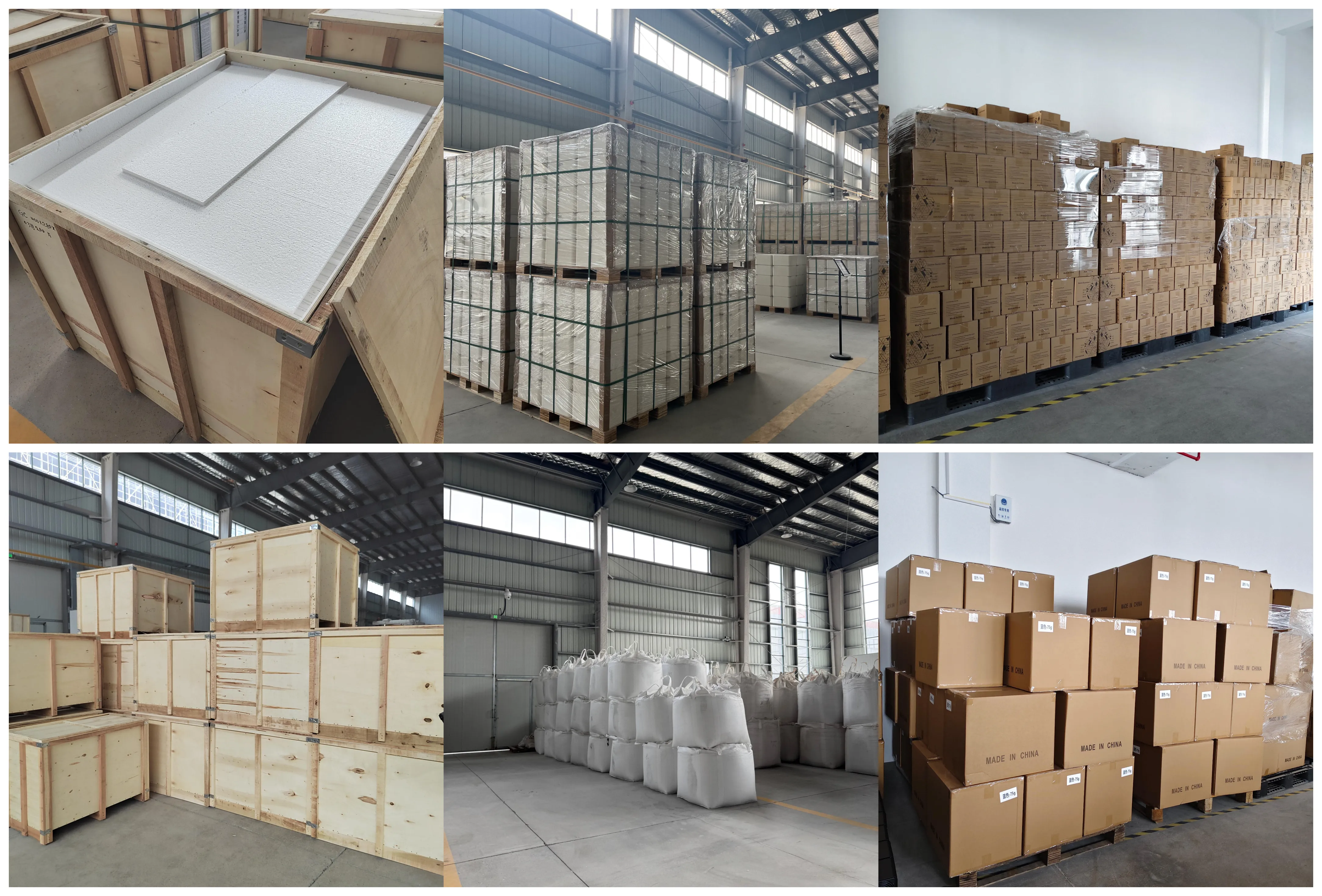
Services
FAQ
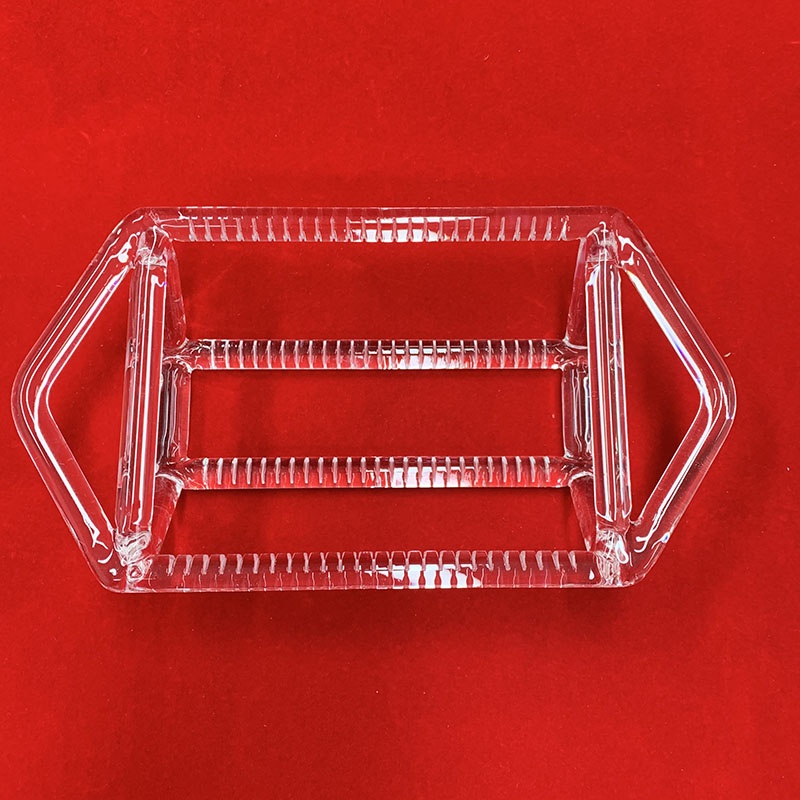
High Purity Quartz Glass Wafer Carrier Boat for Solar Semiconductor
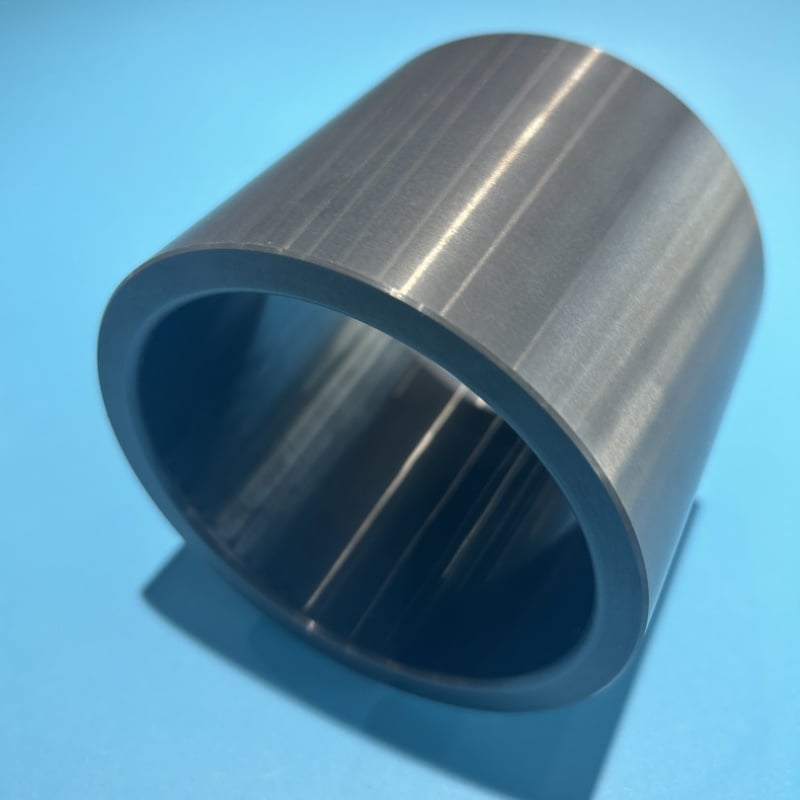
Custom Silicon Nitride Ceramic Sleeve Si3N4 ceramic tubes
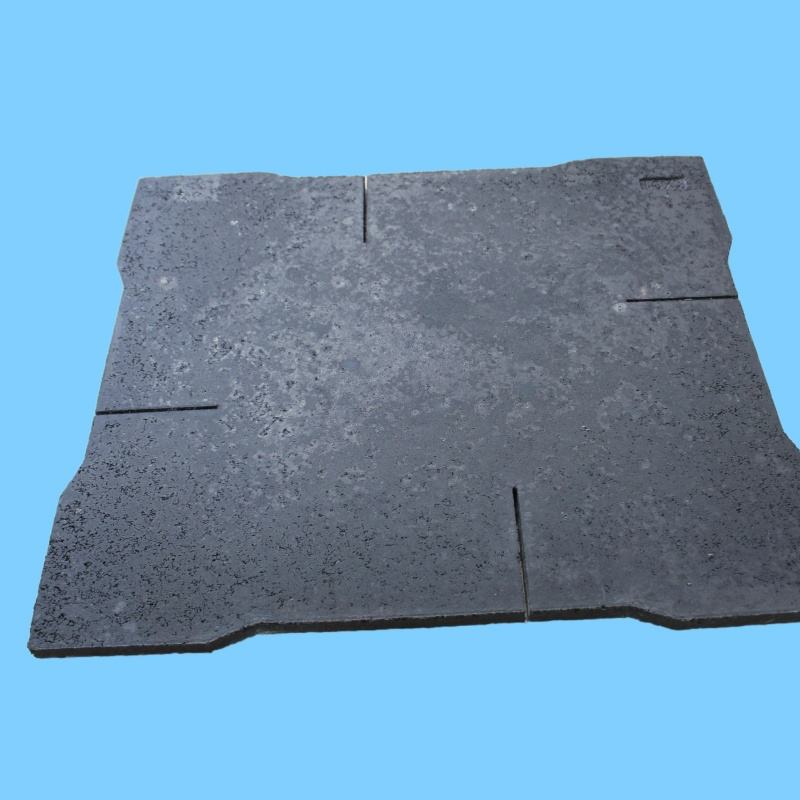
High Temperature Kiln Used Silicon Carbide Settle Plate
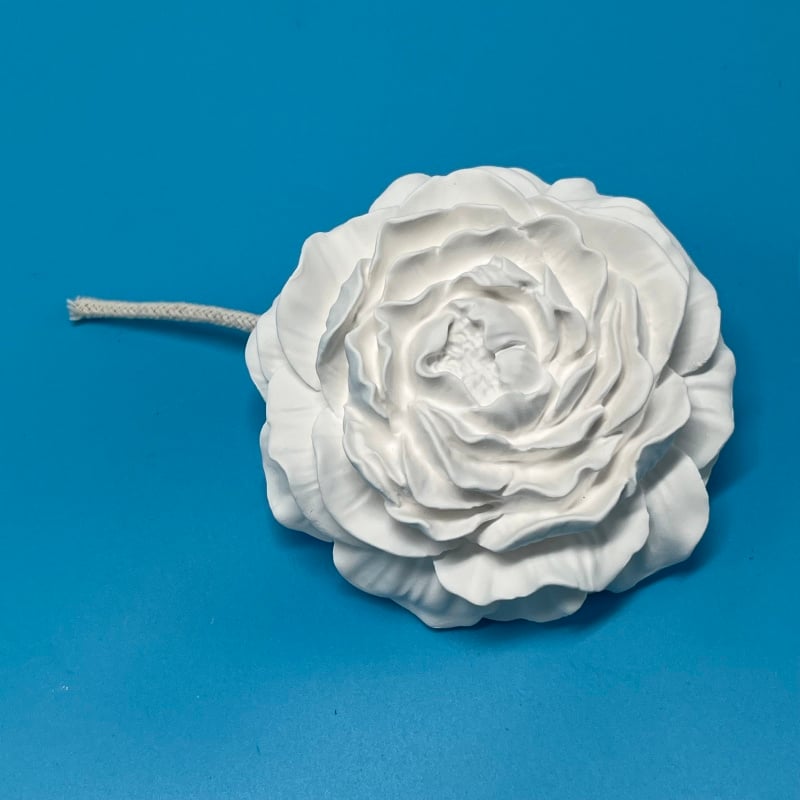
Customized Plaster Aroma Diffuser Stone Gypsum Scented/Unscented Aromatherapy Flower


 EN
EN