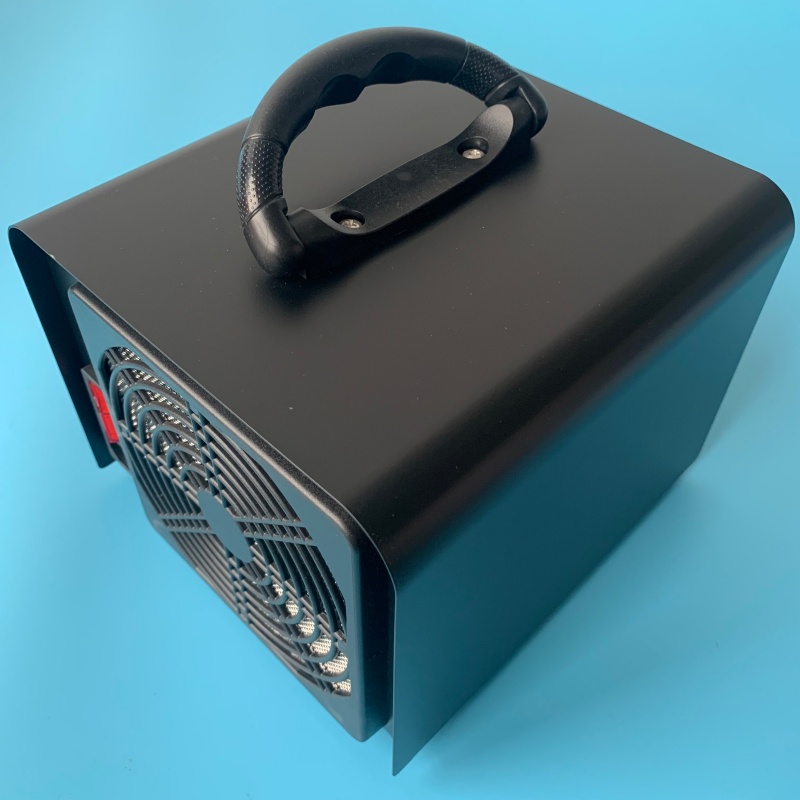
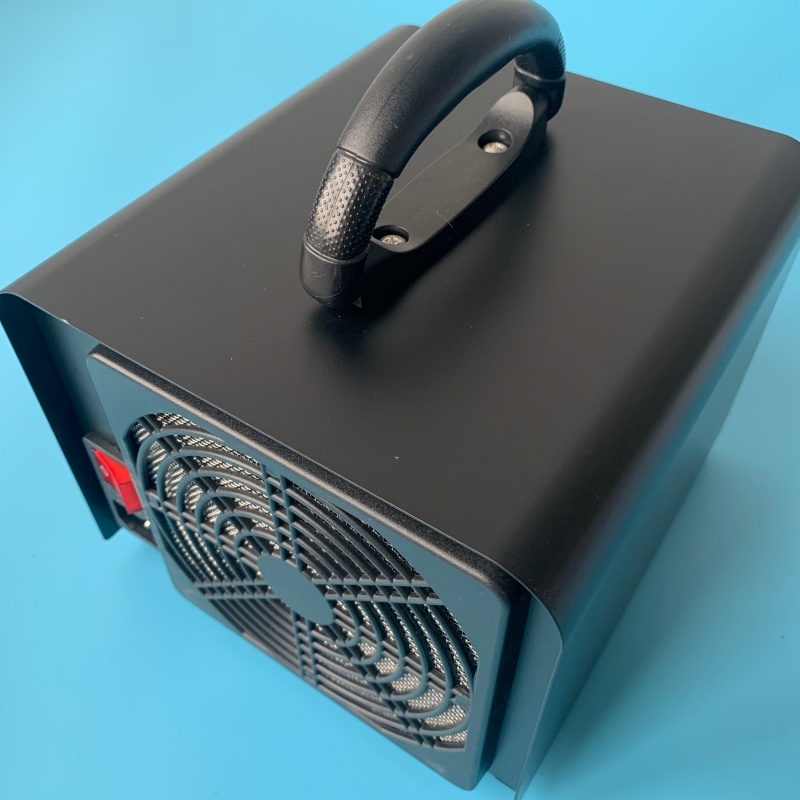
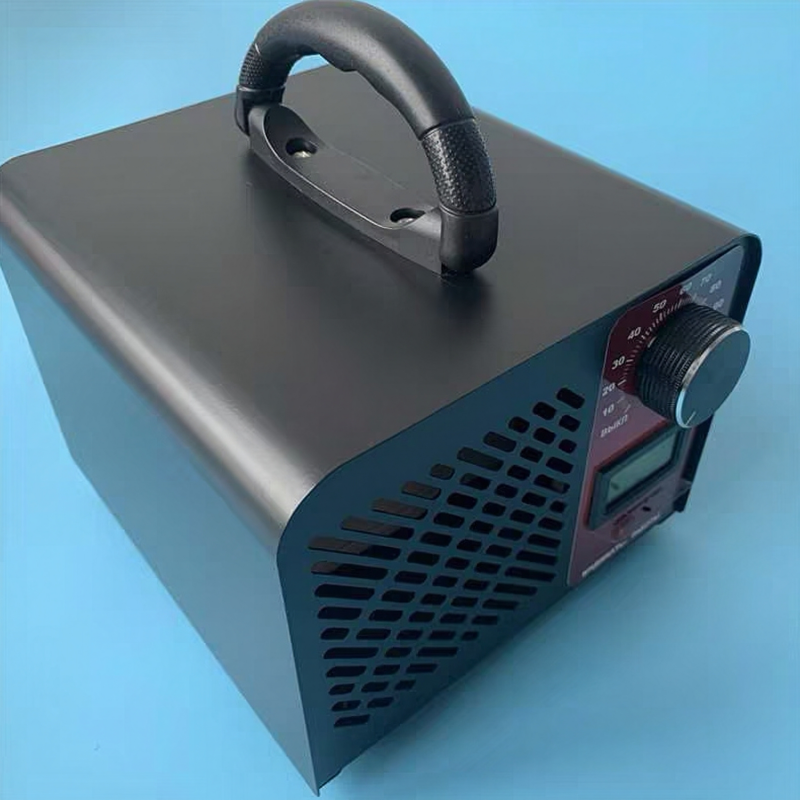
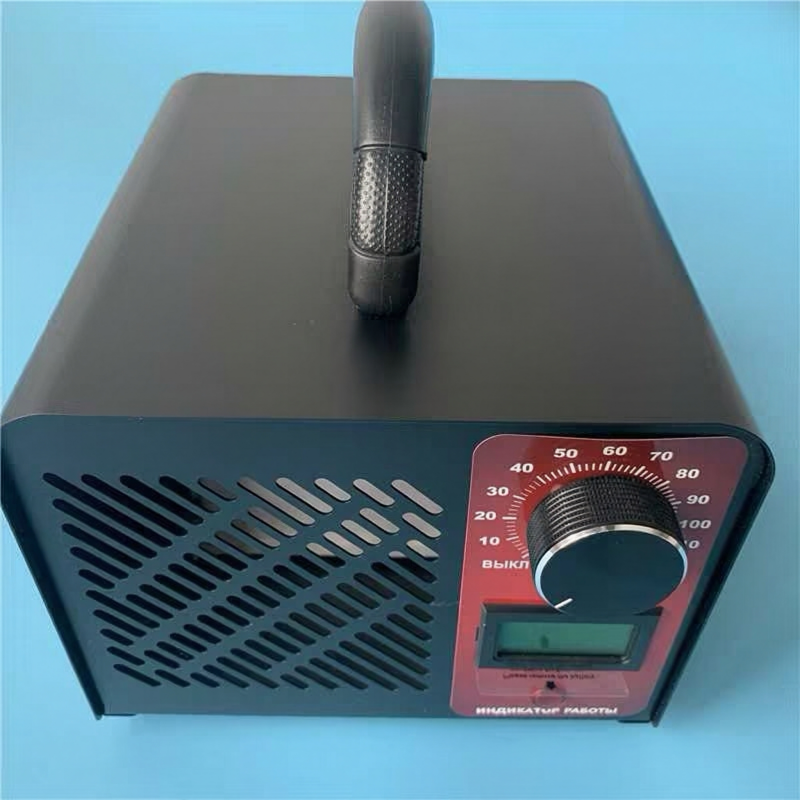
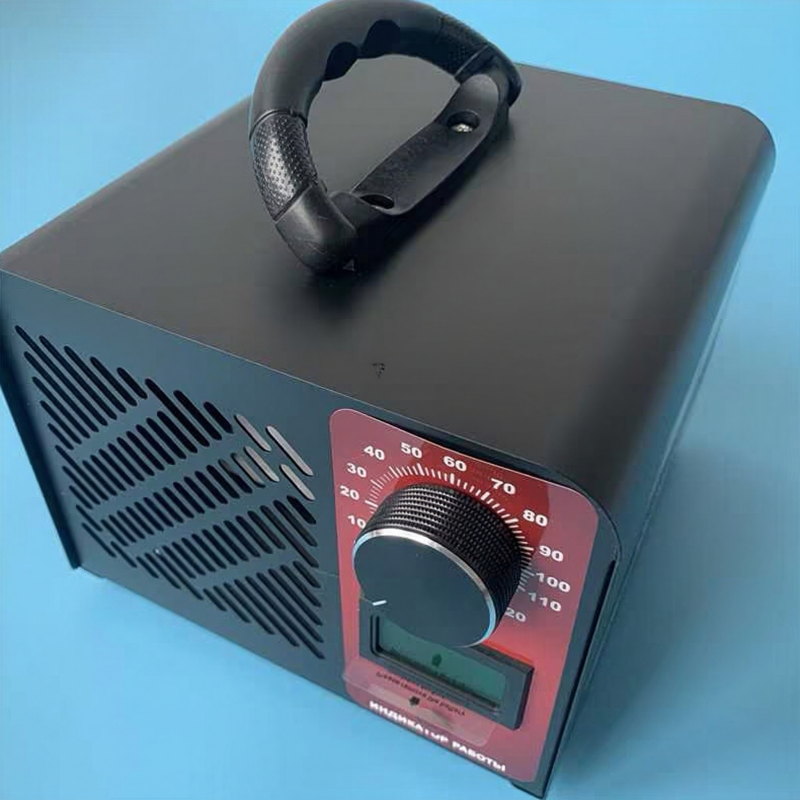
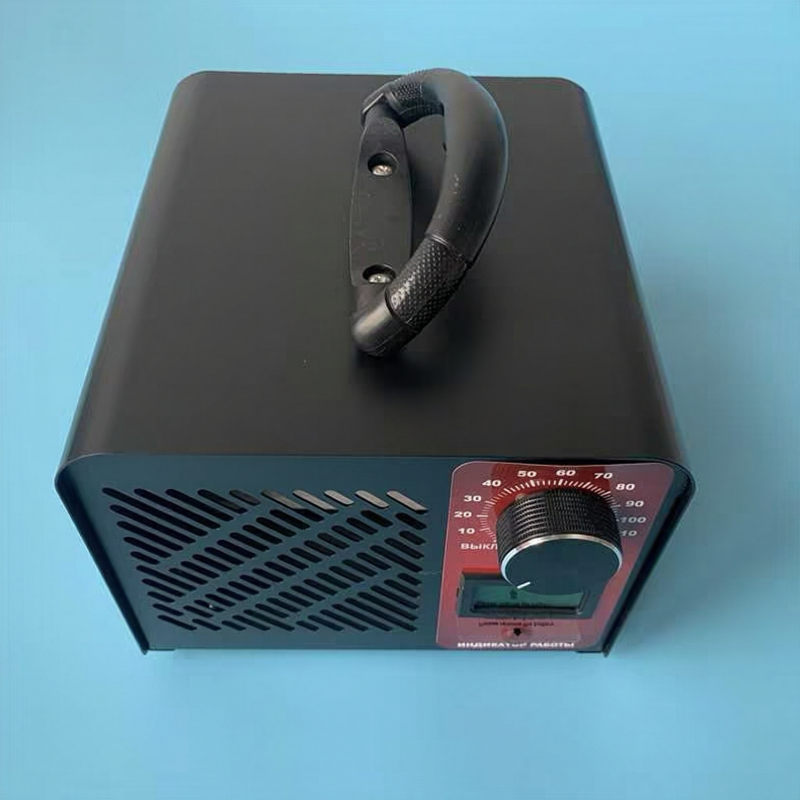
Main Assembly:
Portable Ozone Machine + Negative Ion Ozone Generator Air Purifier
Ozone Production Capacity:
Adjustable output ranging from 5-120 g/h;
Timer:
0-180min
Output Voltage :
2500-2700V
Rated Powel :
80-150W
Control Mode :
Mechanical Control
Applying Space :
50-400m2
Operating temperature range:
-10℃ to 70℃
Operating humidity range:
0% to 65%
Product Details
Looking for a commercial ozone generator that fits your space-treatment workflow? Our industrial ozone generator is built around a high-frequency corona discharge cell, a stainless-steel shell, and a quiet EC fan, so you can run timed oxidation cycles in warehouses, workshops, vehicle interiors, and storage rooms. As an OEM/ODM manufacturer, we tailor each ozone generator to your voltage, timer, and coverage needs rather than selling a one-size unit. Whether you source one ozone generator for a pilot room or a batch of units for your product line, we scale the build to your spec.
Ozone generation. The core uses a high-frequency, high-voltage power supply to drive corona discharge across the internal electrode chamber. Oxygen (O₂) in the passing air is split and recombined into ozone (O₃), which the fan then pushes out into the room. You can also specify a UV-cell version for lighter-duty applications.
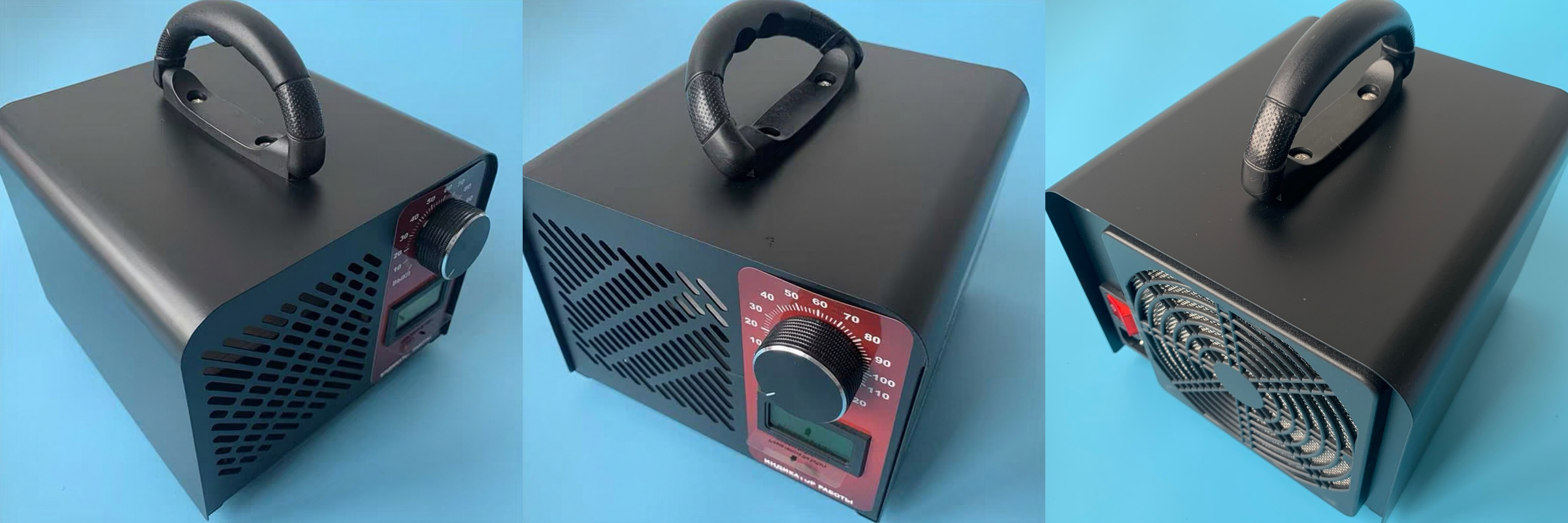
Cooling and diffusion. Corona discharge produces heat. The built-in fan on the side pulls in ambient air, helps keep the electrode chamber within its rated temperature range, and blows the generated ozone out for more even distribution across the space.
Control. A timer knob or touch panel lets operators set the cycle length (up to 60, 120, or 180 minutes) and check status at a glance, so the run matches the room size instead of guessing.
Keep the space empty. Ozone is irritating to the respiratory tract and eyes. Do not run the unit while people, pets, or plants are in the room—especially infants, pregnant staff, the elderly, or anyone with a respiratory condition.
Wait before re-entering. After the cycle ends, give the gas time to break down naturally before walking back in. A practical window is 30 to 60 minutes, depending on room size.
Ventilate fully. Open doors and windows for a complete air-out. Re-enter only when the characteristic ozone smell is no longer noticeable.
Protect sensitive materials. Ozone can speed aging of rubber and latex and may affect uncoated metals. Remove or cover those items before running a cycle.
Seal and place it well. Close doors and windows so the gas builds up, and set the unit on a dry, flat surface with 20–30 cm of clearance around the fan inlet for proper airflow.
Oxidizing action. Ozone reacts with odor molecules and airborne organic compounds, which is why this kind of ozonator is used for routine deodorization after smoke, cooking, or storage work. The output of each ozone generator is sized to the room so cycles stay short and controlled.
Reaches the whole space. As a gas, ozone spreads on its own into corners, gaps, fabrics, and duct runs that wiping cannot reach.
No leftover chemical. Ozone naturally reverts to oxygen over time, so there is no sticky residue to rinse afterward. That is why it suits food storage areas, vehicle interiors, and finished basements.
Deodorizes rather than masks. Instead of covering odors with fragrance, ozone works on the source molecules; ventilation afterward finishes the process.
Penetrates materials. Compared with liquid cleaners, the gas reaches sofa crevices, carpet fibers, and tight corners for more consistent space treatment.
Cutting down recurring odors such as smoke, cooking smells, pet odors, and waste odors.
Periodic air treatment in enclosed spaces like bedrooms, living rooms, wardrobes, shoe cabinets, and storage rooms.
Supporting VOC reduction in newly renovated homes as part of a ventilation routine before occupancy.
5.1 Confirm the room is empty—no people, pets, or plants.
5.2 Keep 20–30 cm of clearance around the unit, especially near the fan grille.
5.3 Set the timer up to 60 minutes for most rooms; larger or newly furnished spaces may run longer, within the manual's maximum.
5.4 Leave and keep the space sealed until the cycle finishes.
5.5 Re-enter only once the ozone smell is gone, then store the industrial ozone generator in a dry, cool, dust-free place out of reach of children.
Q: How long should I run the unit?
A: For a normal room, 20–30 minutes usually covers a cycle. Larger or newly furnished spaces may extend toward 60 minutes, within the limit stated in the manual. Longer runs are not always better; good ventilation afterward matters more.
Q: Can I stay in the room while it runs?
A: No. Set the timer, start the unit, and leave immediately. Keep the room sealed until the cycle ends, then air it out before re-entry.
Q: Does it leave chemical residue?
A: No. The gas reverts to oxygen, which is why a wait-and-ventilate routine is enough. There is no film to wash off.
Q: Why do I notice a faint chlorine-like smell when I come back?
A: That is residual ozone itself. It clears quickly once windows are open. If the smell stays strong, keep ventilating before using the room again.
Technical data sheet
|
202 stainless steel or SGCC + electrostatic coating |
|
EC120 or other |
|
170 m³/h or other |
|
60 / 120 / 180 min |
|
AC110V/60Hz or AC220V/50Hz |
|
2500–2700V |
|
80–150W |
|
Manual or touch control |
|
20–400 m² |
|
−10°C to 70°C |
|
0% to 65% |
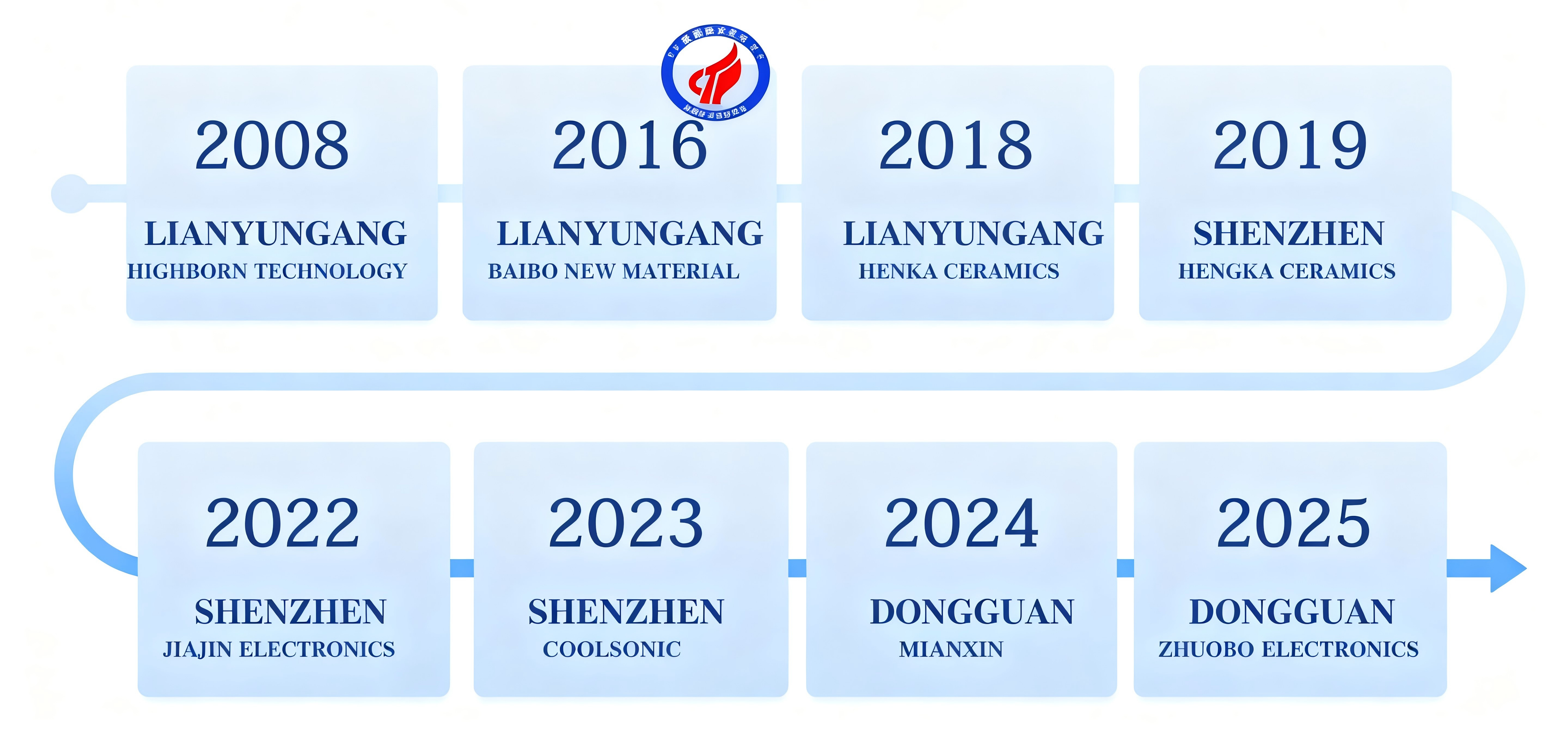
Development History
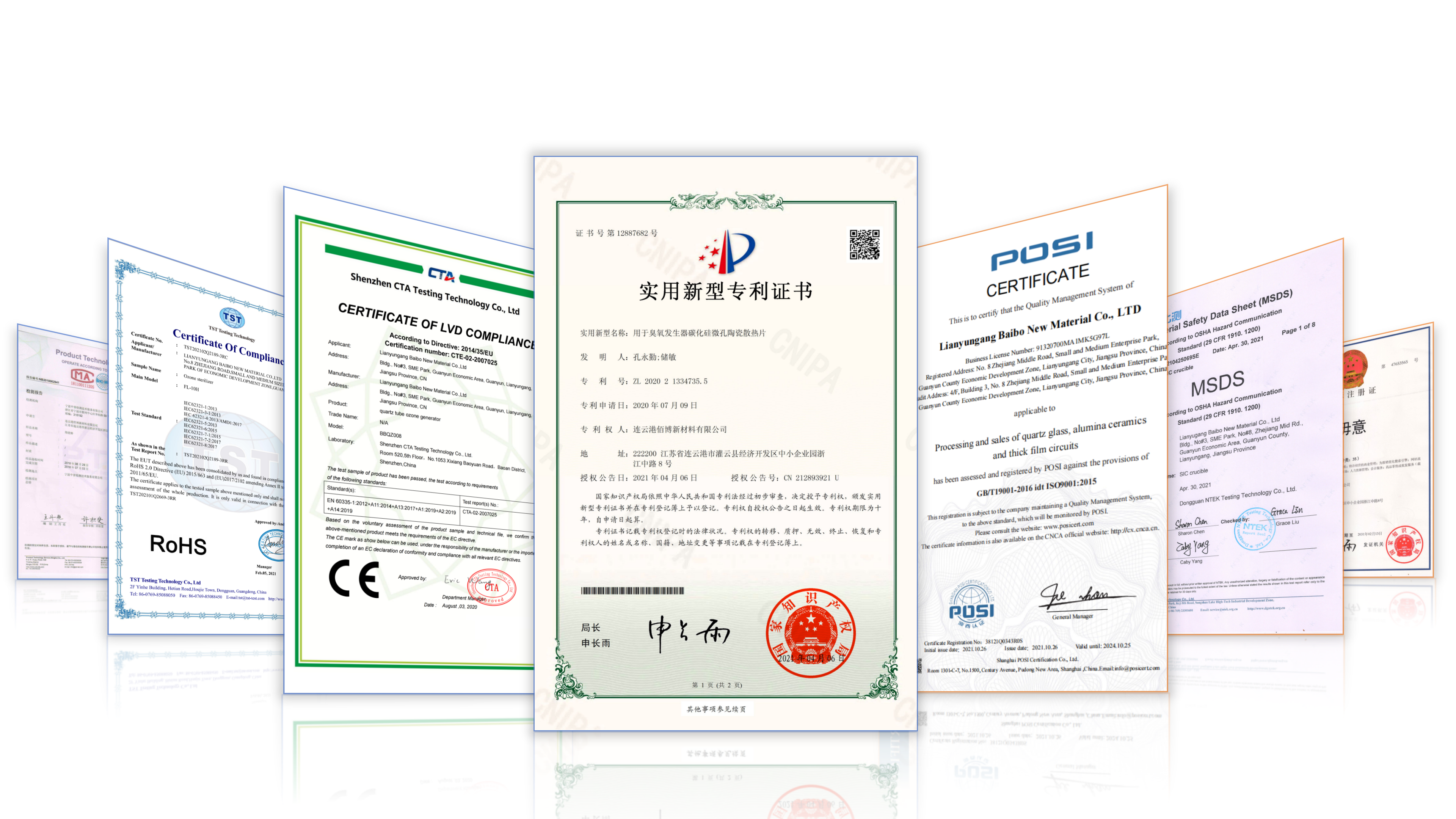
Patents and Certification
We hold a range of global certifications including IATF16949, CE, EMC, LVD, RoHS, FDA, MSDS, ISO 9001, SGS, and TUV, along with registered trademarks and technical patents that support our in-house R&D. Our core technologies run across porous ceramics, industrial ceramic components, special glass, metallized ceramics, liquid absorption cotton, ozone generators, and silicone goods, with production held to international quality standards for every commercial ozone generator we ship.
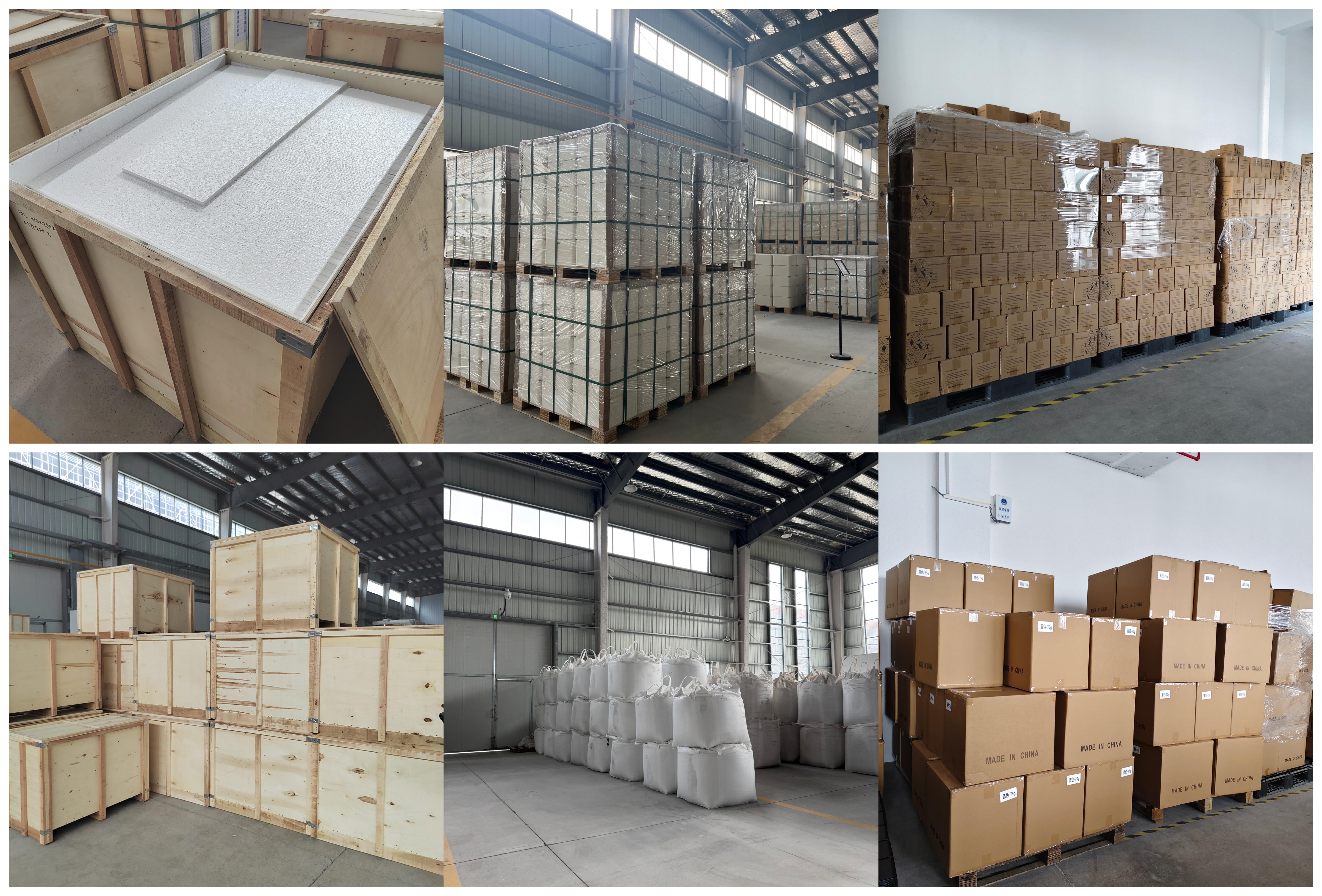
Package
We use standardized packaging matched to each product's characteristics to protect against collision, extrusion, dust, and moisture. With an established shipping network and pre-shipment inspection, we work to keep every custom ozone generator intact over long-distance delivery and provide one-stop logistics support.
Services
We respond to inquiries with a clear quotation and offer flexible OEM & ODM customization to match your custom ozone generator design, packaging, and branding needs.
We keep you updated on production progress through the order cycle and run a pre-shipment inspection to help ensure goods meet your quality standard before delivery.
We prepare standard export documents—commercial invoice, packing list, certificate of origin, and related certification papers—to support smooth customs clearance.
Sea freight, air freight, and express options are available to match your schedule and budget, with cargo tracking so you can monitor the shipment.
We support common cross-border payment terms such as T/T, L/C, and Western Union to reduce transaction friction.
Our team provides ongoing technical and business support and maintains steady supply to back up your repeat orders and project demands.
FAQ
Answer: Yes. We accept technical drawings in mainstream file formats as well as physical samples of your ozone generator. Before production, our engineering team provides a DFM feasibility review for your reference.
Answer: Custom mold: 5–10 working days. Mass production: 7–20 working days, depending on structure complexity and order quantity. We confirm sample timing separately after reviewing your drawing.
Answer: We offer flexible MOQ. We work to keep the minimum low for trial orders while handling stable mass production for long-term bulk demand.
Answer: Size, shape, appearance, tolerance, surface treatment, timer/voltage options, and high-temperature parameters. Custom engraved logo and exclusive packaging are available on request.
Answer: Yes. We cooperate with recognized bodies such as SGS and BV and can provide inspection reports and material certification documents as required.
Answer: Yes. We select materials based on your working conditions and performance needs, including alumina, zirconia, quartz, silicone, and other engineering materials, and adjust parameters to your standards.
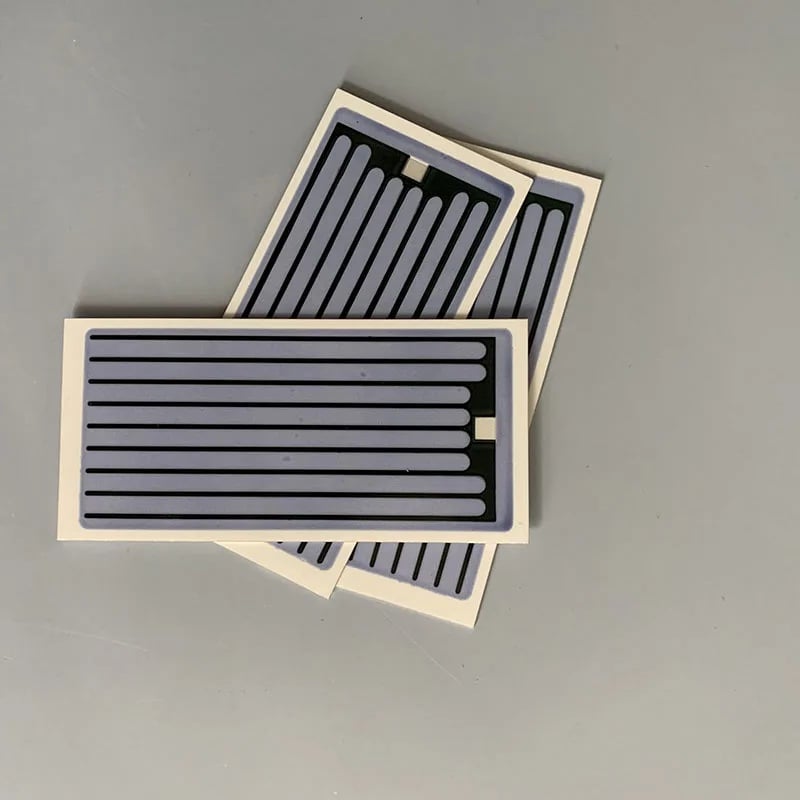
Ozone Ceramic Plate Blue Film Covered Ozonizer Ceramic Plate Air Sterilization Purification Parts
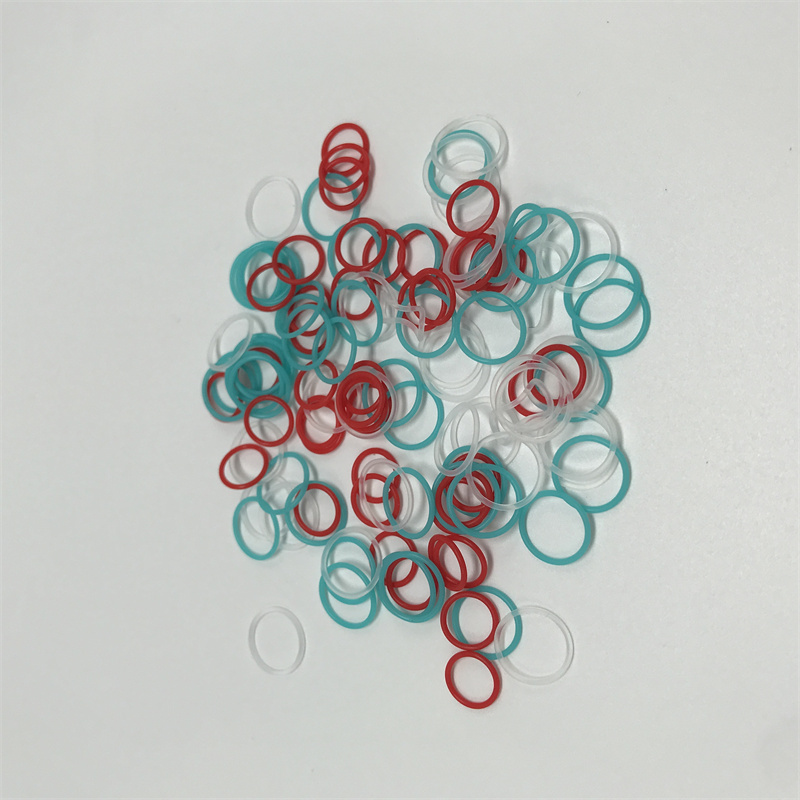
Hot Sale High-Temperature Silicone Rubber O-Ring Gasket
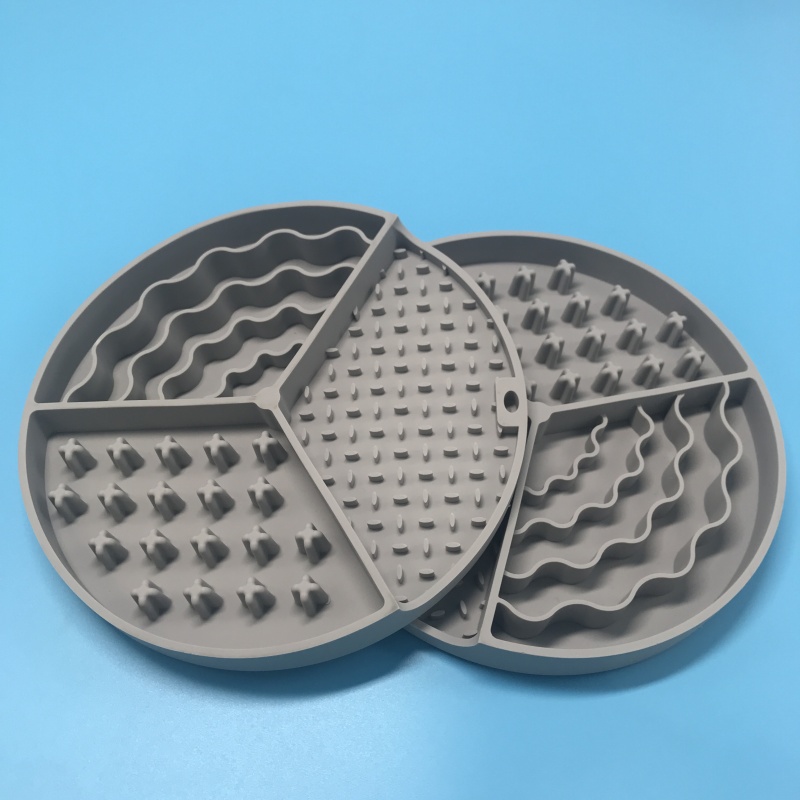
Food-Grade Silicone Rubber Pet Slow Feeder Anti-Choke Licking Bowl
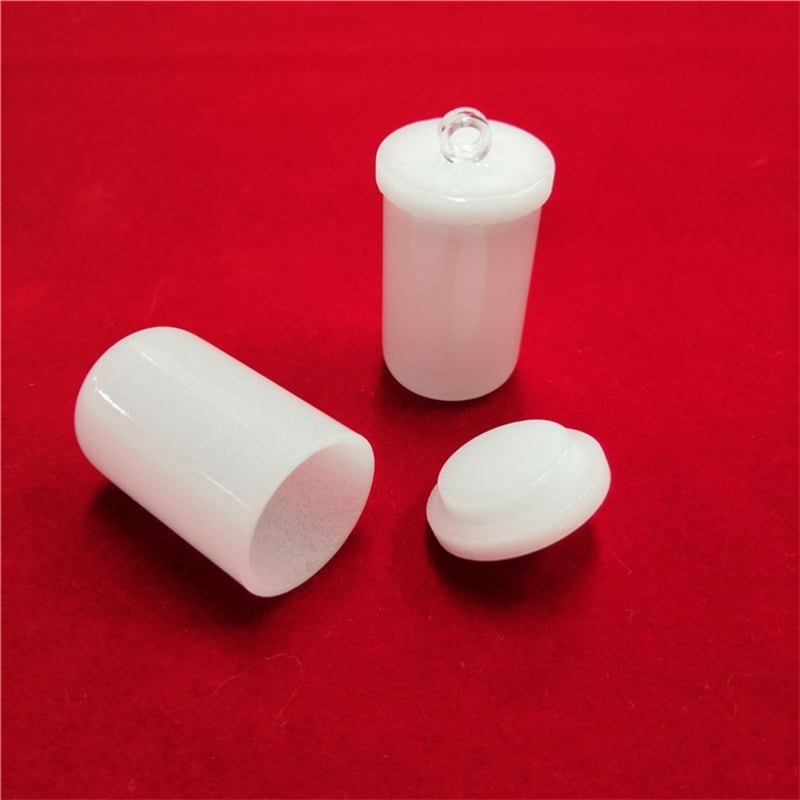
Customize melting milky white silica quartz crucible


 EN