Production Process of Milky White Quartz Crucibles
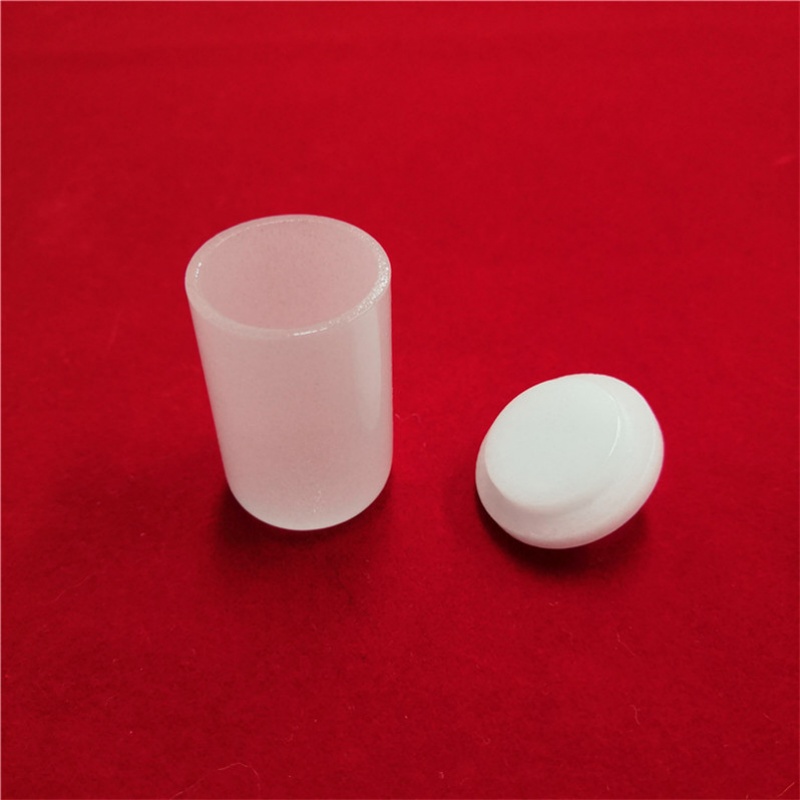
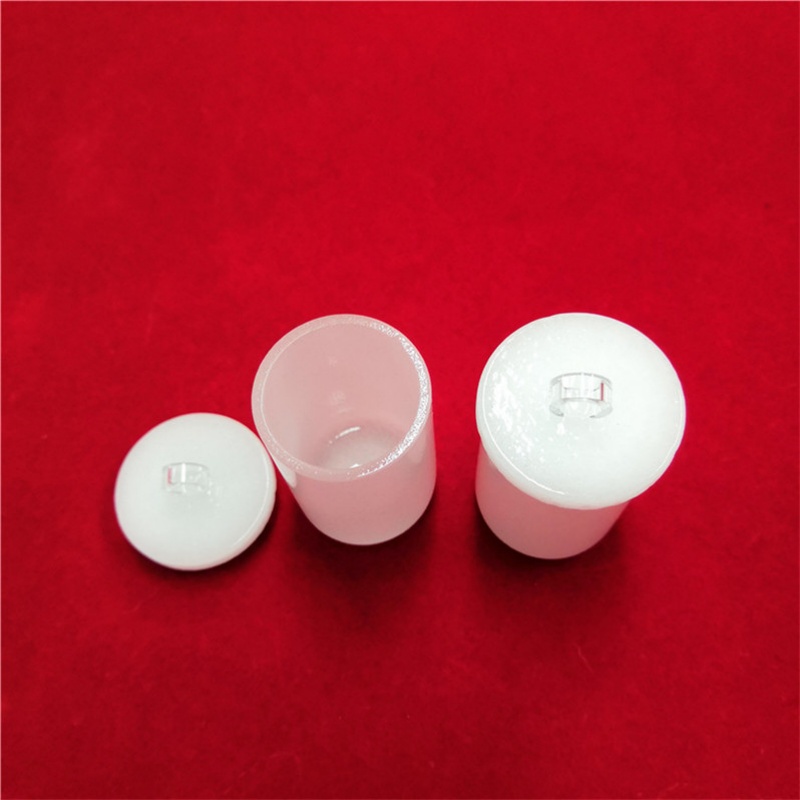
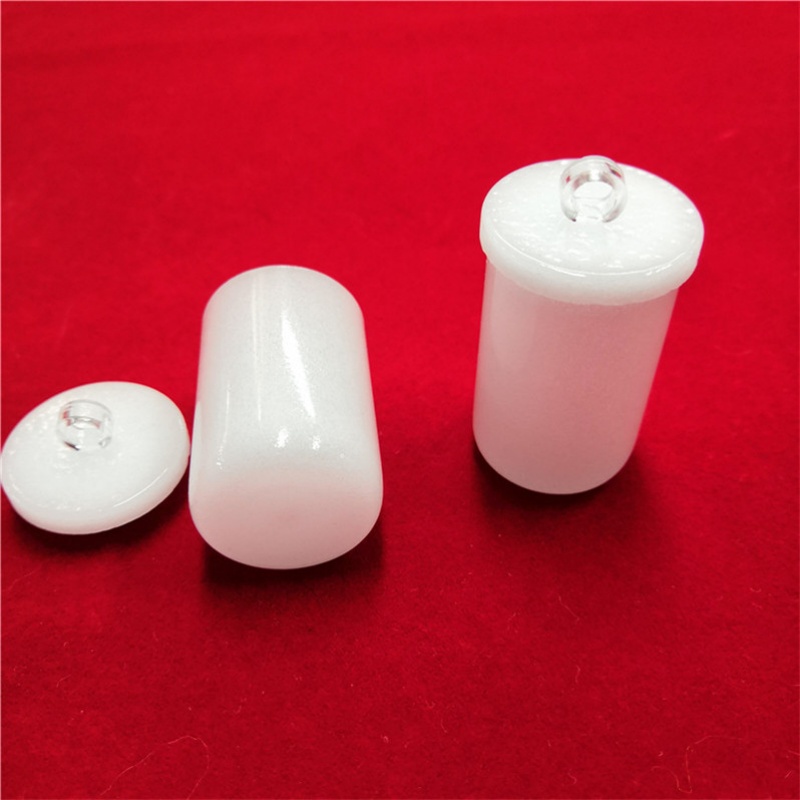
Milky white quartz crucibles, also known as opaque quartz crucibles, are typically manufactured using a high-temperature melting process. The primary raw material is high-purity natural quartz sand (with a SiO₂ purity of 99.99%) .
The most common production method of milky white quartz crucible is
the arc melting method :
- Preparation: High-purity quartz sand is loaded into a rotating mold (centrifuge).
- Melting: Carbon electrodes generate a high-temperature arc (exceeding 1800°C) to melt the quartz sand. The centrifugal force distributes the molten quartz evenly against the walls of the mold.
- Forming the Opaque Layer: Due to the rapid melting and presence of gas bubbles, a significant number of micro-bubbles (ranging from 0.1 to 30 microns) are trapped within the structure. These bubbles scatter light, creating the characteristic milky white, opaque appearance . The outer layer is often milky white, while the inner layer may be transparent or translucent depending on the application requirements .
- Annealing and Cooling: The formed crucible is carefully cooled in a controlled environment to relieve internal stresses and prevent cracking.
- Processing and Inspection: The crucible is then cleaned, inspected for defects, and packaged for shipment .
Characteristics of milky white silica quartz crucible
The unique structure of the milky white quartz crucible gives it several distinct physical and thermal properties:
- High Thermal Shock Resistance: It can withstand rapid temperature changes without cracking, making it ideal for repeated heating and cooling cycles.
- Excellent Thermal Insulation: The numerous micro-bubbles inside the milky white wall act as an insulating layer. This reduces heat loss, improves energy efficiency, and creates a more uniform temperature distribution inside the crucible .
- High Purity: Made from high-purity quartz ( 99.99%SiO2), it minimizes contamination of the materials being melted .
- High Temperature Resistance: It can withstand continuous operating temperatures up to 1000°C .
- Chemical Stability: It is highly resistant to corrosion from most acids (except hydrofluoric acid and phosphoric acid) and has a long service life; the milky white quartz tube itself can last up to 10 years in some applications .
Precautions
To ensure safety, maintain the purity of your materials, and extend the lifespan of the crucible, the following precautions should be strictly observed:
- Avoid Rapid Temperature Changes: Although quartz has good thermal shock resistance, sudden and extreme temperature differentials can cause cracking.
- Preheating: It is advisable to preheat the crucible gradually, especially if it is being placed directly into a hot furnace.
- Cooling: Allow the crucible to cool naturally after use. Do not place a hot crucible on a cold, conductive surface (like metal or a wet brick), as this can cause the bottom to crack from thermal stress. Use a refractory pad or ceramic support.
- Avoid Alkaline and Metal Oxides:
Quartz is acidic in nature. At high temperatures, it will react with alkaline substances (alkalis, alkaline earth metals), heavy metal oxides, and salts (e.g., sodium carbonate, borax). These reactions can cause devitrification—where the quartz turns from a glassy state into a brittle, crystalline state (cristobalite), leading to flaking and failure.
- Avoid Hydrofluoric Acid (HF) and Hot Phosphoric Acid (H₃PO4):
Even in small traces or vapors, HF will aggressively etch and dissolve quartz.
- Structural Integrity and Support
- Uniform Support: When placing the crucible in a furnace, ensure the support is flat and even. Uneven support creates stress points that can cause the crucible to crack when heated.
- Avoid Mechanical Shock: The crucible is glass-like and brittle. Do not drop it or strike it against hard objects.
- Wall Thickness: Be aware that the milky white layer is slightly porous due to bubbles. While this provides insulation, it is slightly less mechanically strong than a fully vitrified transparent layer. Avoid applying excessive mechanical force when scraping or cleaning.
- Gradual Heating: Always ramp up the temperature slowly to allow the heat to penetrate evenly through the thick, insulating milky white wall.
-
Avoid Localized Overheating: Ensure the heating source is distributed evenly. A flame or heat source focused on a single spot can create a hot spot that differs in temperature from the surrounding area, leading to stress fractures.
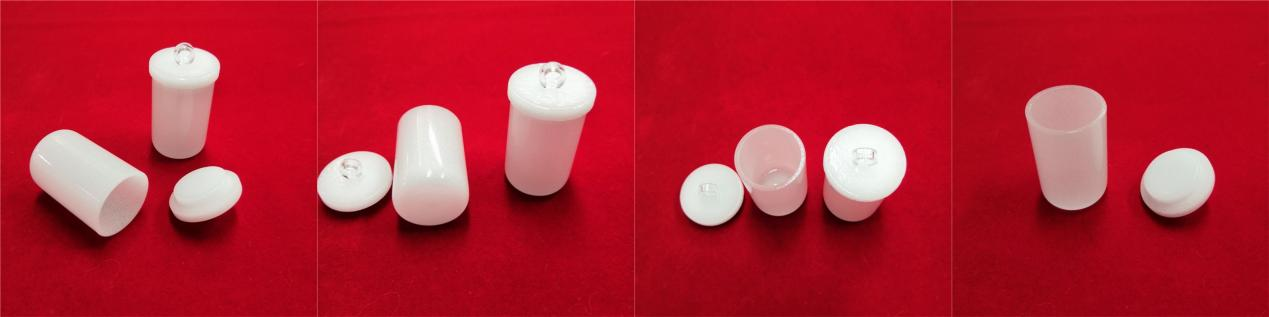
Uses (Applications) of milky white quartz crucible:
Due to its thermal efficiency and purity, the milky white crucible is widely used in various industrial and research fields:
- Semiconductor and Solar Industry: Used for melting and holding polycrystalline silicon and other high-purity metals. It is an indispensable material in the production of silicon wafers for integrated circuits and transistors .
- Metal Melting: Ideal for melting precious metals, non-ferrous metals, and alloys (such as copper, gold, and silver) .
- Chemical and Laboratory Analysis: Used as a container for high-temperature chemical reactions, sample digestion, and ashing tests due to its chemical inertness.
- Optical and Lighting: While the crucible form is for melting, the milky white quartz material itself is also used in infrared heaters for applications like electroplating bath heating, home heating, and industrial drying .
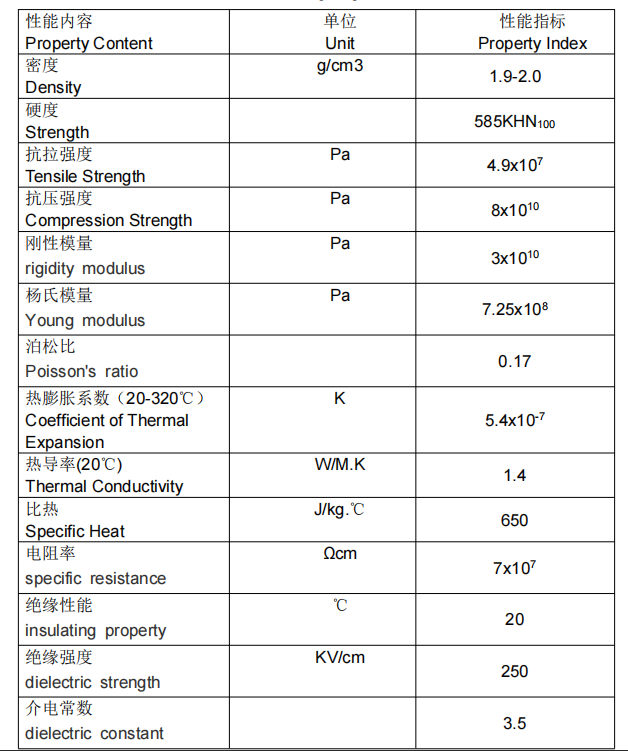
Technical specifications



 EN
EN