Home > Products > Industrial Ceramics > Machinable Glass Ceramic
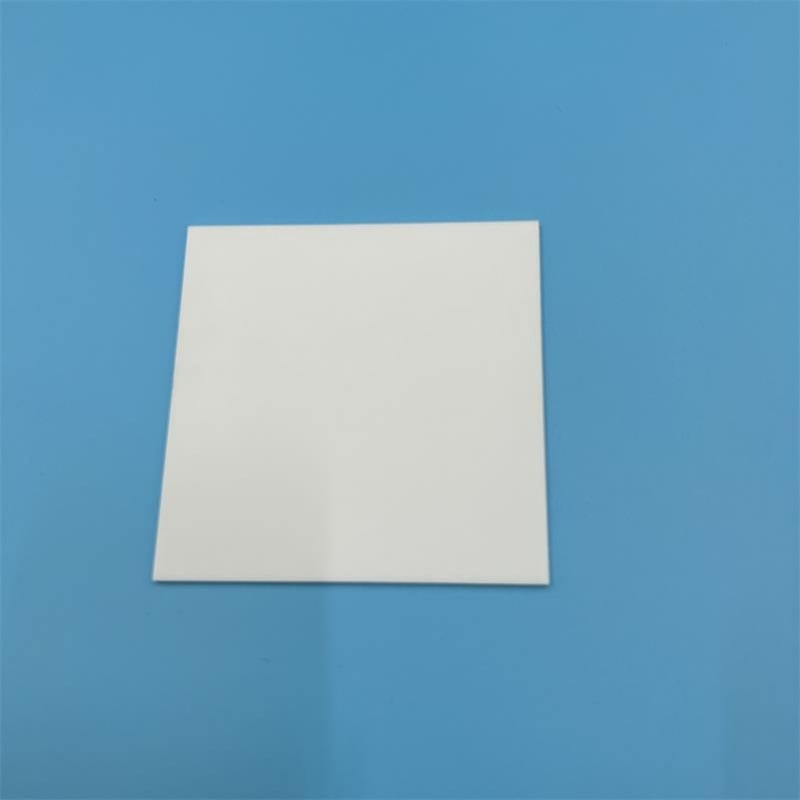
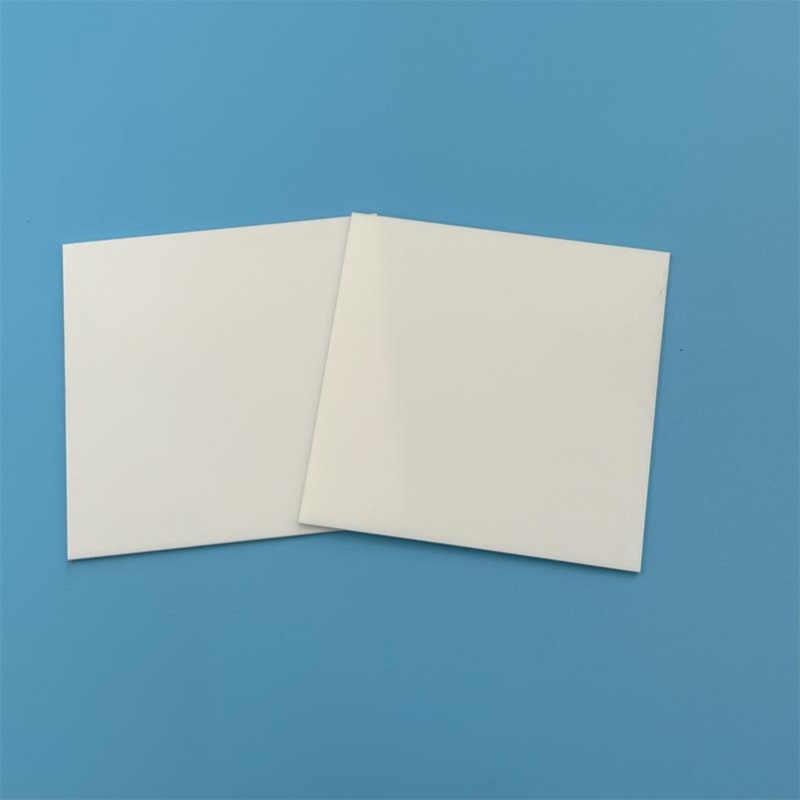
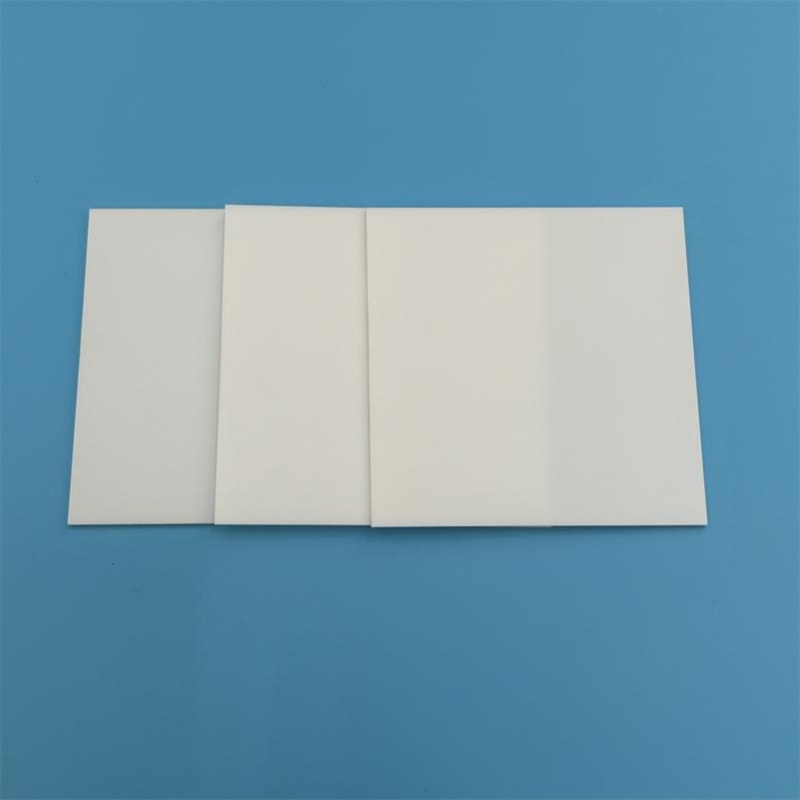
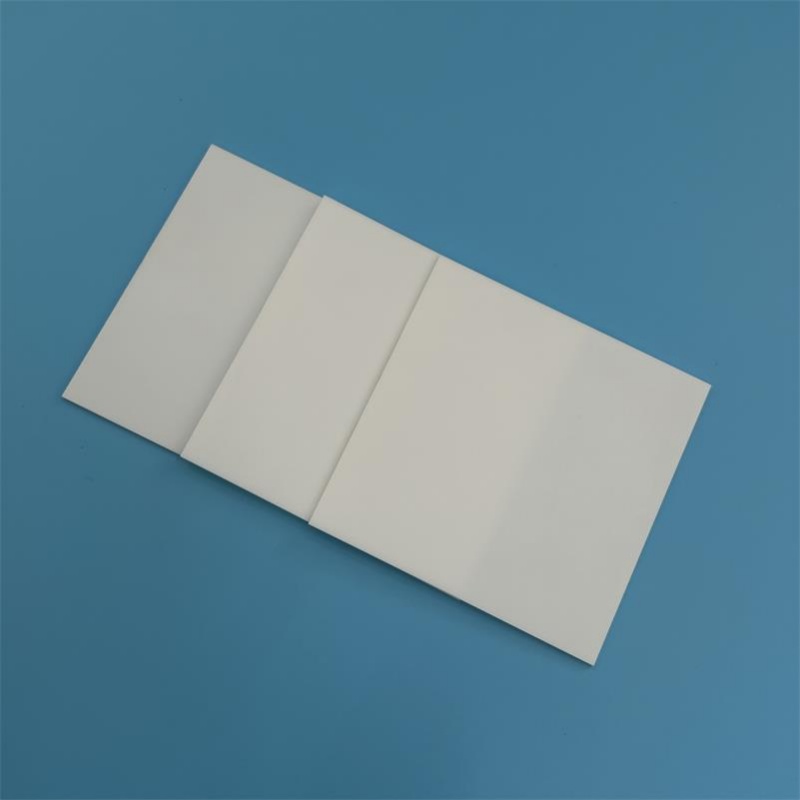
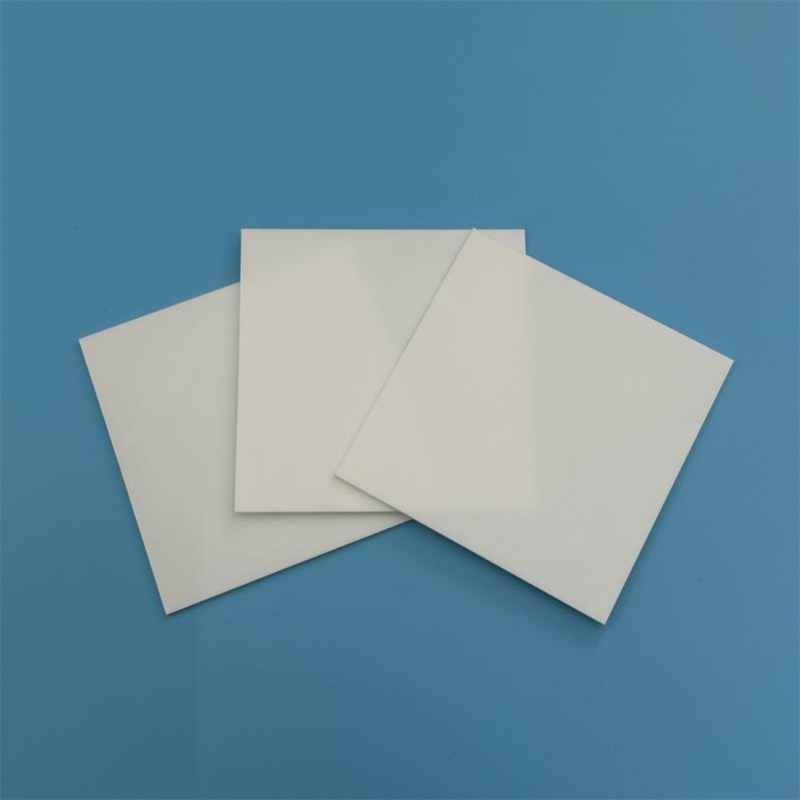
Good Insulation Macor Ceramic Plate Machinable Glass Ceramic Sheet. Request a quotation from Highborn at once.
Introduction:
Machinable ceramic plate, a high-performance advanced ceramic material, have revolutionized modern manufacturing and engineering applications with their unique combination of excellent machinability and outstanding physical and chemical properties.
Unlike traditional hard ceramics that require diamond grinding and are prone to cracking during processing, machinable ceramics can be directly shaped, drilled, milled, and turned using standard metalworking tools, enabling the production of complex, high-precision components with minimal cost and short lead times.
This makes them an ideal alternative to metals, plastics, and conventional ceramics in demanding industrial, medical, electronic, and mechanical fields.
Key Properties of machinable glass sheet:
Most machinable ceramics are based on mica glass-ceramics, or macor-grade ceramics, formulated with special mineral additives to enhance ductility and processability.
Their defining properties include:
Precision Machinability: Can be processed with high-speed steel or carbide tools to achieve tight tolerances (up to ±0.005mm) and intricate geometries—such as thin walls, tiny holes, and threaded structures—that are unachievable with traditional ceramics. No sintering post-processing is needed after machining, saving production cycles.
High Thermal Stability: Withstand operating temperatures from -200°C to 800°C, exhibiting low thermal expansion and excellent thermal shock resistance, making them suitable for high-temperature insulation and heat-resistant components.
Superior Electrical Insulation: Outstanding dielectric strength, low dielectric loss, and non-conductive characteristics, ideal for electronic insulation, high-voltage components, and semiconductor equipment parts.
Chemical Corrosion Resistance: Inert to most acids, alkalis, salts, and organic solvents, with strong anti-aging and anti-degradation properties for harsh chemical environments.
Mechanical Strength: High compressive strength, good wear resistance, and low porosity, ensuring long-term dimensional stability and durability under mechanical stress.
Non-toxic and Biocompatible: Food-safe and bioinert grades comply with medical and food industry standards, suitable for surgical instruments and food processing equipment.
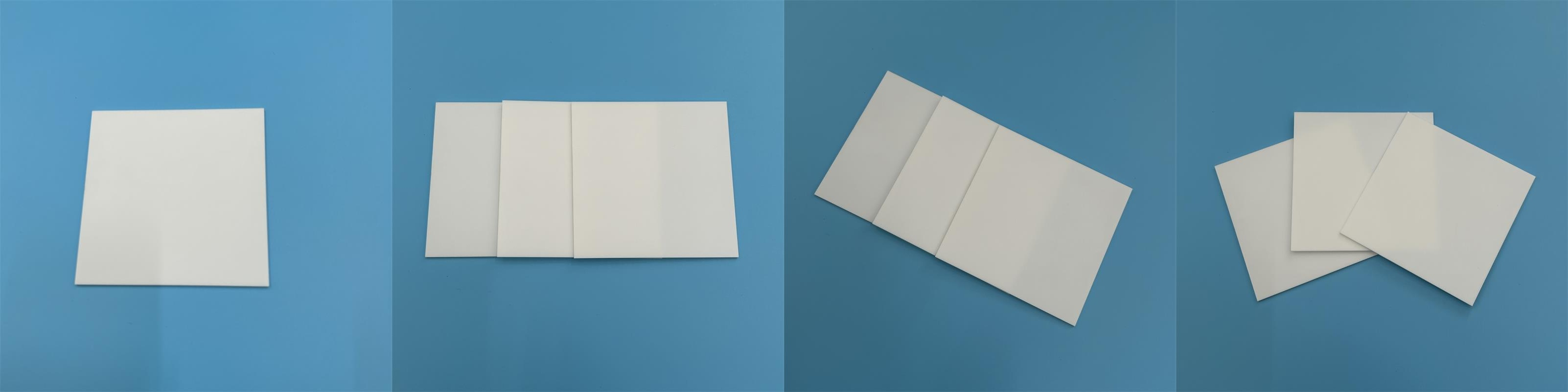
Main Product Categories and Applications of machinable glass ceramic plate:
Standard Blanks and Blocks
Available in various sizes of plates, rods, blocks, and discs, these are the base materials for custom processing. They are widely used in tooling fixtures, precision jigs, and prototype manufacturing, providing a flexible blank for rapid processing of customized parts.
Precision Machined Components
Custom-machined parts cover almost all industrial sectors:
Electronics & Semiconductors: Insulation seats, wafer carriers, circuit board substrates, and sensor housings—leveraging insulation and high-purity properties to avoid signal interference and contamination.
Medical Devices: Surgical instrument handles, implantable component blanks, dental processing fixtures, thanks to biocompatibility and easy sterilization.
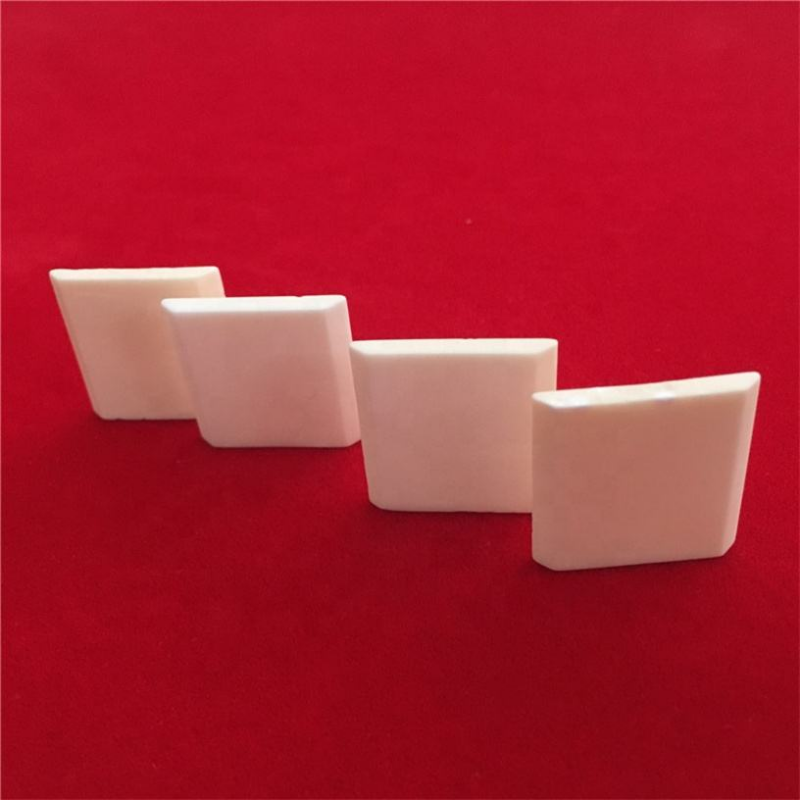
Machinable ceramics can be processed into various complex-shaped parts using conventional metal processing tools and equipment, achieving quite high machining precision. Therefore, they are processed into structural ceramics with complex shapes, such as insulation pads, thermal insulation pads, insulating supports, and heat-resistant supports for various mechanical equipment.
Machinable ceramics are excellent high-temperature electrical insulating materials, with a breakdown voltage strength of up to 40KV/mm, and can be used in many electrical devices, including key parts of lightning rods.
Machinable ceramics are also seen in welding fixtures, secondary molding molds for optical glass, and more. The operating range of machinable ceramics is from -200℃ to 800℃, with excellent thermal shock resistance. Because the mica crystals in glass-ceramics have some elasticity and can prevent the propagation of microcracks, they also have good thermal shock resistance. Their low coefficient of thermal expansion ensures dimensional stability of the workpiece and allows for the creation of hermetic seals.
Aerospace & Automotive: High-temperature insulation parts, engine sensor components, and lightweight structural parts, replacing metals to reduce weight while resisting heat and corrosion.
Mechanical Engineering: Wear-resistant bearings, sealing rings, pump components, and gear parts, operating efficiently in high-wear, high-temperature, or oil-free lubrication environments.
Laboratory & Analytical Instruments: Sample holders, corrosion-resistant reactors, and precision measuring parts, ensuring stability in chemical and precision testing scenarios.
Advantages Over Traditional Materials
Compared with metals, machinable ceramics are lighter, corrosion-resistant, non-magnetic, and non-conductive; compared with plastics, they have higher temperature resistance and mechanical strength; compared with conventional ceramics, they eliminate complex and costly post-processing, greatly reducing production difficulty and cost. They bridge the performance gap between traditional ceramics and machinable materials, solving the pain point of "high-performance ceramics are hard to process".
Machinable ceramics products integrate processability, high performance, and versatility, becoming an indispensable key material in high-tech manufacturing. Whether for mass production of industrial parts or customized high-precision components, they deliver reliable performance, cost efficiency, and design flexibility. With the continuous development of intelligent manufacturing and high-end equipment, machinable ceramics will further expand their applications, driving innovation in multiple industries and meeting the evolving needs of modern engineering technology.
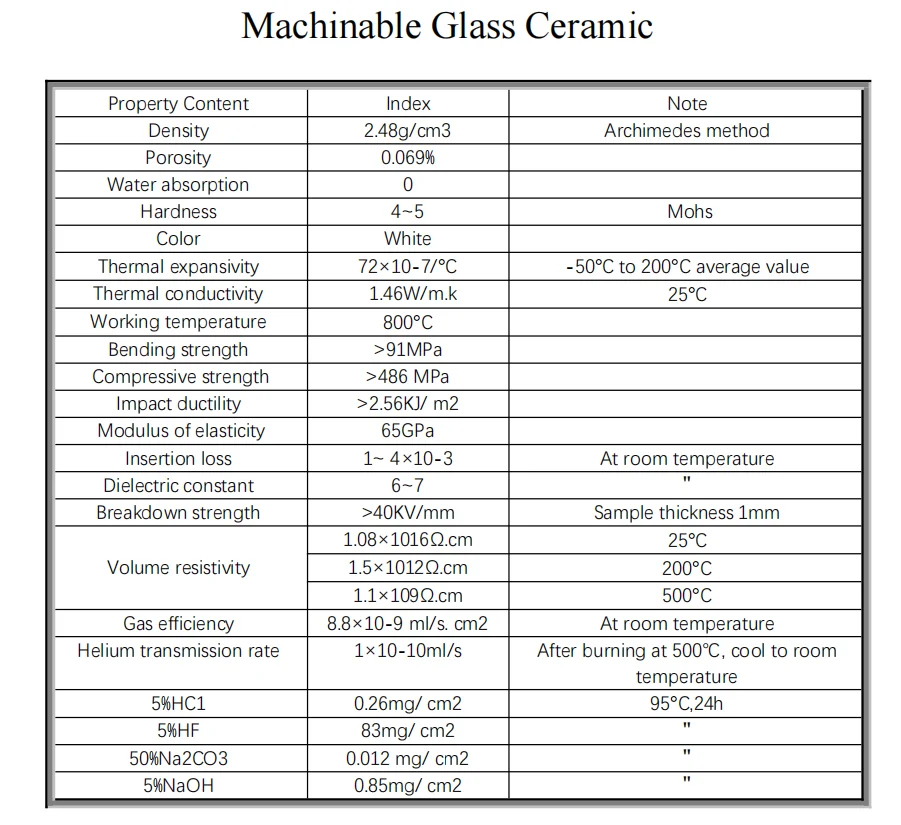
Technical specifications
Wear Resistant Al2o3 Alumina Ceramic Plate for Protecting Tube
Portable Soil Ergometer Digital Water Tensiometer for Measuring Moisture
Customize Long pass Infrared Black RG IR RM Series Optical Filter Glass
Customized High temperature resistance transparent quartz glass tube for heating


 EN
EN