Introduction
Product Details
1. Overview of Porous ceramic
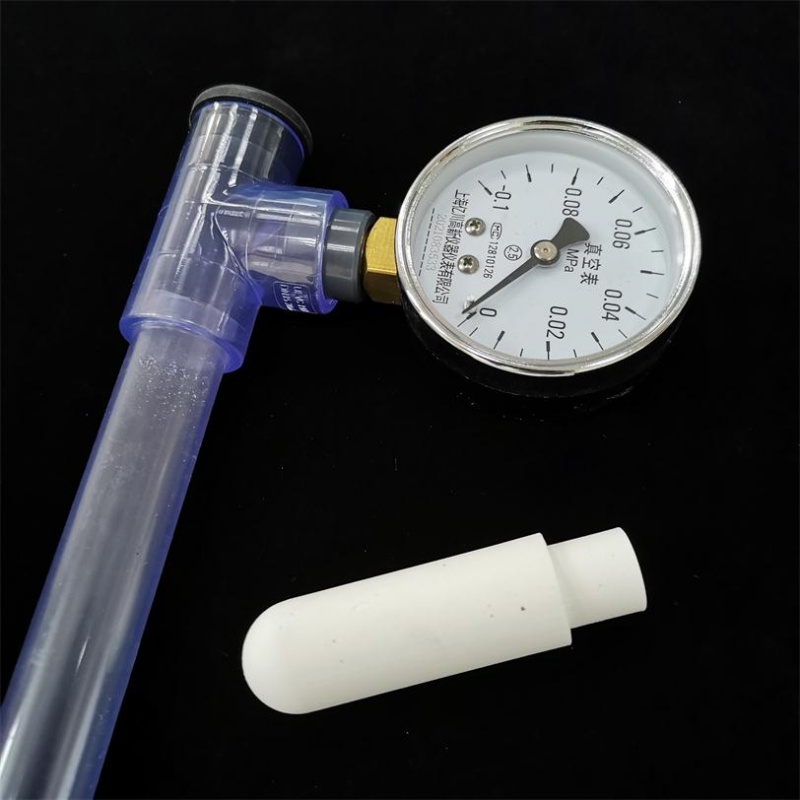
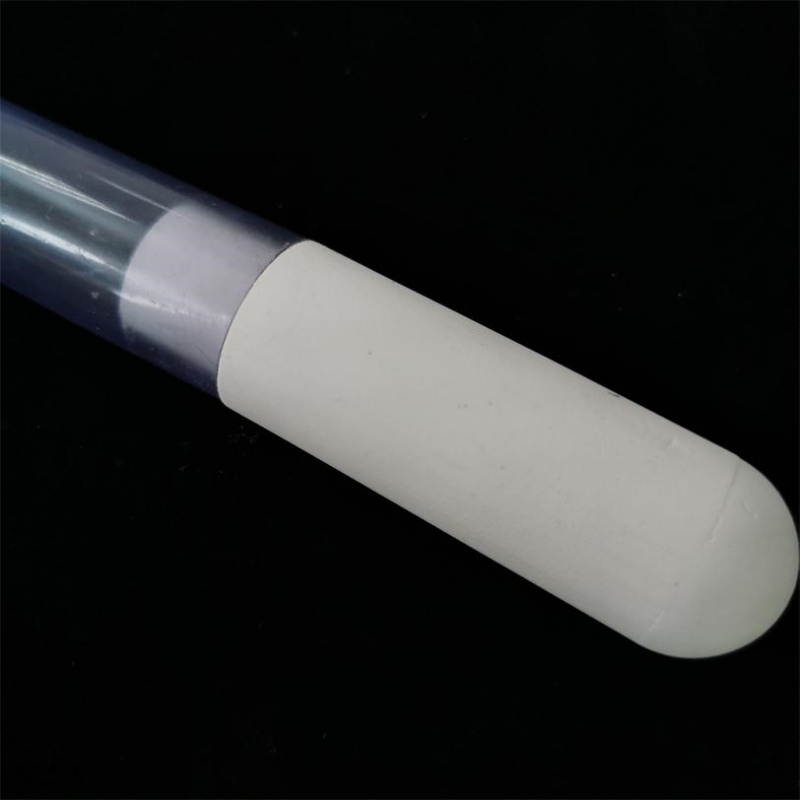
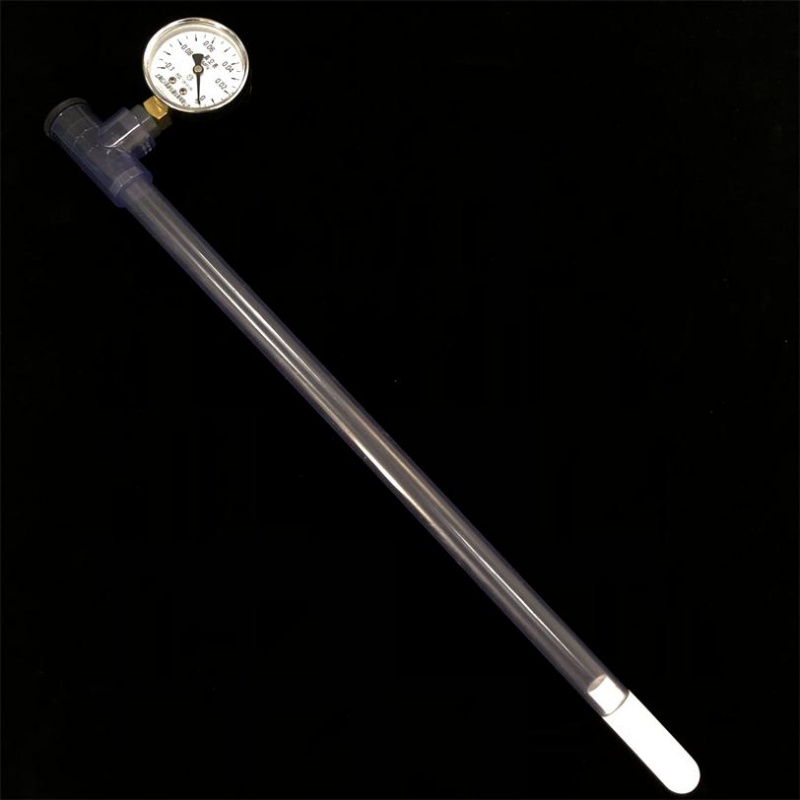
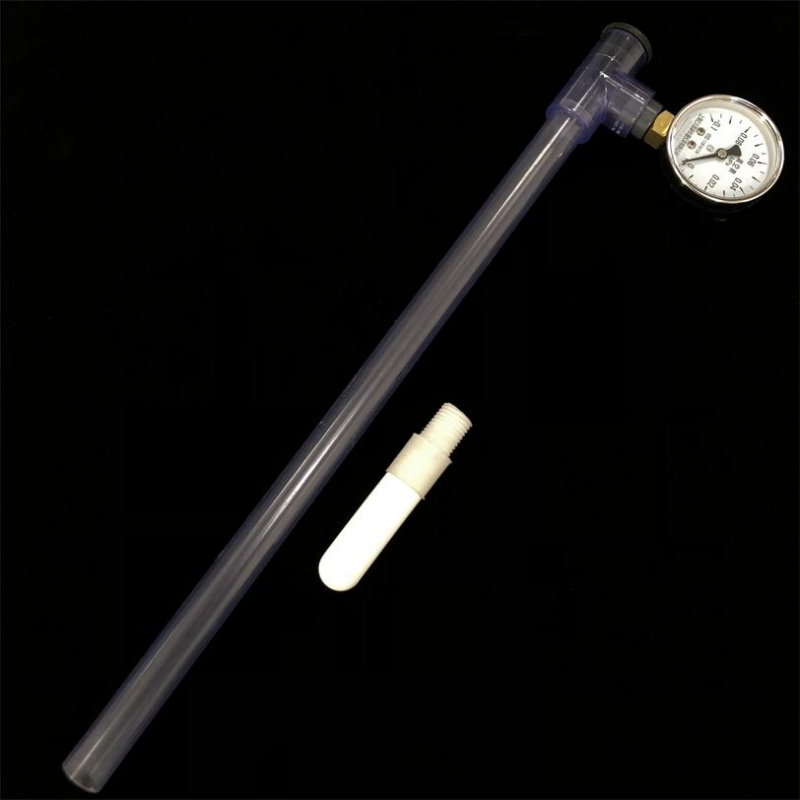
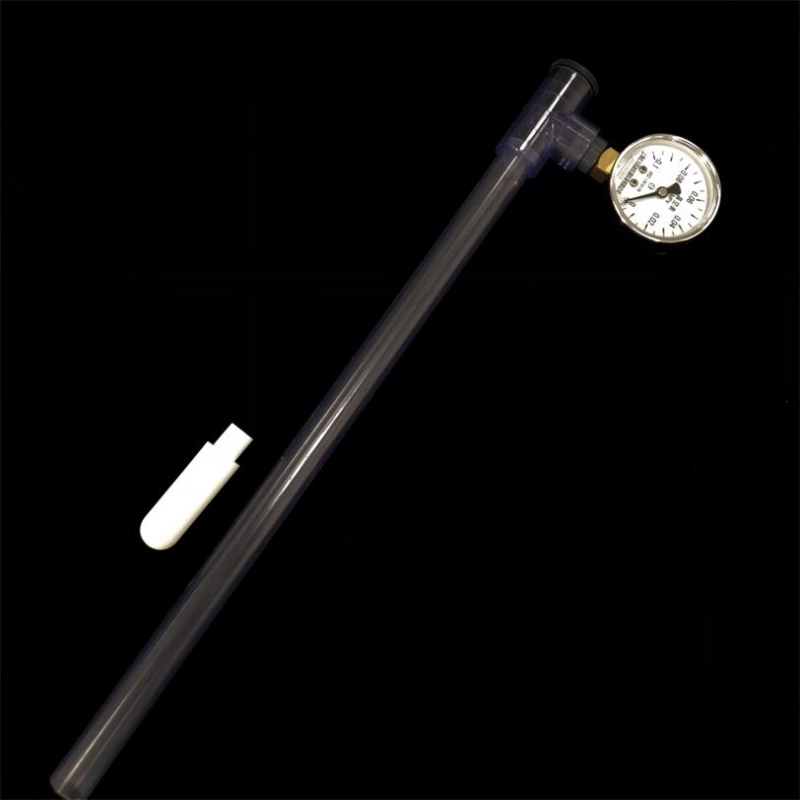
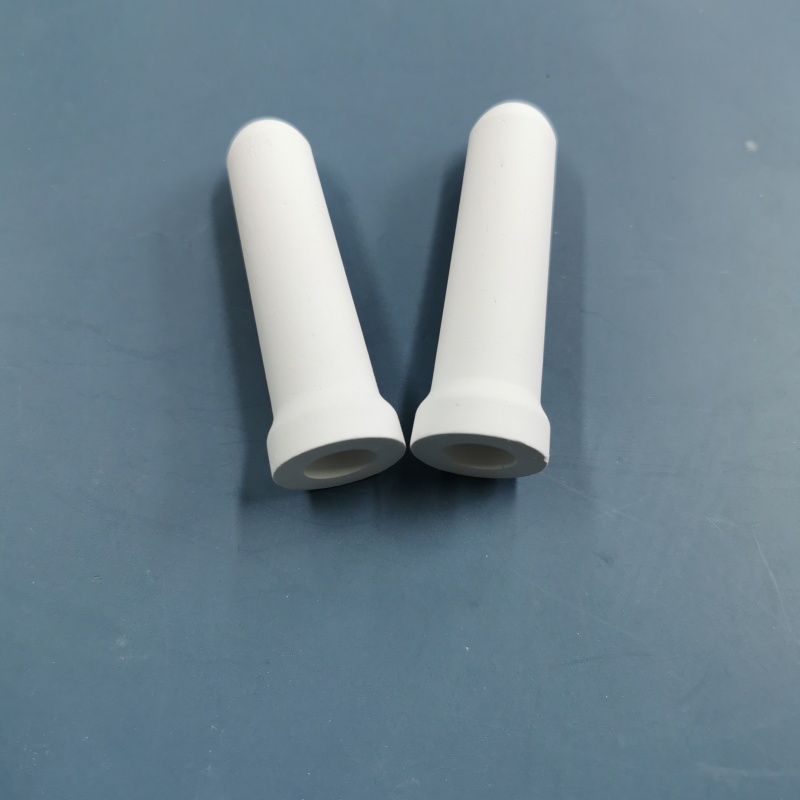
A complete set of soil tensiometers consists of porous ceramic tubes, UPVC tubes, tee-junction, threaded plugs, vacuum gauge connectors a
nd vacuum gauges. Soil moisture tensiometer is an instrument that measures soil moisture by using negative pressure. Measuring soil moisture content can effectively understand the soil condition. It provides a scientific basis for guiding agricultural irrigation and achieving precise agricultural production.
The soil water tension measured by a tensiometer is the suction force of the soil for water. The wetter the soil is, the less it can absorb water. Conversely, it is large. When the soil moisture increases to the point where all voids are filled with water, the soil water tension will drop to zero. In other words, at this point, the soil moisture content has reached saturation. The saturated moisture content of various soils varies in terms of weight moisture content and volumetric moisture content, but they are all consistent with zero in terms of soil water tension.
2. Core Characteristics of Porous ceramic
2.1. Boiling water for cooling: Boil tap water for 20 minutes and then let it cool down for later use.
2.2. Water filling: Open the cover of the water collection pipe and tilt the instrument. Slowly fill the plastic bottle with boiled and cooled water until it is full. Stand the instrument upright for 10 to 20 minutes (without covering the cover), allowing the water to moisten the ceramic tube and water to drip from the surface of the ceramic tube.
2.3. Venting: Fill the instrument with water again. Use a dry cloth or paper with good water absorption to draw water from the surface of the ceramic tube (or insert a rubber stopper with an injection needle into the water injection point and use a syringe to evacuate air. When evacuating, make sure the needle tip passes through the rubber stopper and extends into the interior of the instrument.) At the same time, press the rubber stopper with your left hand to prevent it from loosening and leaking air. At this point, bubbles can be seen overflowing from the vacuum gauge and gradually gathering in the gas collection pipe. Slowly pull out the stopper to allow the pointer of the vacuum gauge to slowly return to zero. Continue to fill the instrument with anhydrous water and still perform the vacuuming using the above method. Repeat this process 3 to 4 times, and most of the air inside the vacuum gauge can be removed.
2.4. Gas collection: Fill the instrument with anhydrous water, add a stopper, seal it, and stand the instrument upright to allow the ceramic tube to evaporate in the air. At this point, buried bubbles will overflow from the ceramic tube vacuum gauge, plastic tube and gas collection pipe. Meanwhile, gently invert the instrument up and down to concentrate the bubbles in the gas collection pipe.
2.5. Re-evaporation: Immerse the ceramic tube in water. At this point, you can see the vacuum gauge pointer return to zero. Open the lid, refill it with water, put the lid back on, and let the ceramic tube evaporate in the air again. At the same time, gently invert the instrument up and down to collect the overflowing air.
2.6. Repeat: Follow the above steps 2 to 3 times. After each repetition, the pointer of the vacuum gauge can rise higher until the ceramic tube is immersed in water and the vacuum pointer returns to zero. Open the lid, fill it with water, close the lid tightly, and immerse the clay tube in the anhydrous water for later use.
3. Advantages of Porous Ceramic
3.1 Excellent Adsorption and Filtration Performance
The ultra-high porosity and large specific surface area are the core competitive advantages of diatomite. Different from conventional filter materials, it achieves efficient adsorption and filtration effects.
It can accurately capture micro-particles, heavy metals and organic impurities while ensuring the smooth flow of liquids and gases, with comprehensive filtration performance far superior to traditional filter materials.
3.2 Safe and Non-toxic with Stable Chemical Properties
Benefiting from stable chemical inertness and non-toxic properties, diatomite is extremely safe for food, beverage and pharmaceutical production. It requires no additional safety protection measures and will not cause secondary pollution to processed products, meeting strict industrial safety requirements.
3.3 Lightweight and High Thermal Insulation Performance
Diatomite is lightweight and high-temperature resistant. It will not bring extra load to building and industrial materials. In addition, it can effectively enhance the thermal insulation and sound insulation performance of products, realizing multi-functional optimization of materials.
3.4 Economical and Environmentally Friendly
As a natural mineral, diatomite has abundant global reserves and low mining and processing costs, serving as a cost-effective alternative to synthetic materials.
It is fully biodegradable in natural environments. Its application as natural insecticide and soil conditioner reduces the dependence on chemical agents, perfectly fitting the requirements of sustainable green development.
4. Industry-Specific Applications of Diatomite Ceramic
4.1 Food and Beverage Industry
As a high-precision, food-grade filtration aid (over 60% of global usage), diatomite removes tiny impurities down to 0.1 μm. It is widely used for clarifying beer, wine, juice and edible oil and complies with FDA and EU safety standards.
4.2 Water Treatment Industry
Thanks to high porosity and strong adsorption, it effectively removes suspended solids, heavy metals and organic pollutants, suitable fordrinking water, industrial wastewater and swimming pool water purification.
4.3 Construction & Building Materials Industry
Added to mortar, concrete, fireproof coatings and interior paints, it improves thermal insulation, sound insulation and fire resistance, and can regulate humidity and adsorb formaldehyde for eco-friendly interiors.
4.4 Daily Chemical Industry
With fine particles and mild abrasiveness, purified diatomite is safe for toothpaste, facial scrubs and metal polishes, providing gentle cleaning without scratching surfaces.
4.5 Agricultural Industry
It acts as a zero-residue natural insecticide for crop and grain storage pest control, and serves as an efficient carrier for slow-release fertilizers and pesticides to optimize soil structure.
Precautions
- 1. Ceramic cups must be protected from oil stains to prevent clogging of micro-pores and malfunction of the instrument.
- 2.When opening the box, do it slowly; otherwise, it is easy to cause damage to the vacuum gauge and make it malfunction.
- 3.When closing the lid, it should be screwed in slowly to let the excess water seep out of the ceramic cup. Under no circumstances should the rubber stopper be quickly pressed into the instrument; otherwise, a high positive pressure will be generated inside the instrument, which may damage the vacuum gauge and the sensor.
- 4. Before the temperature drops to freezing point, the instruments buried outdoors should be retrieved to prevent them from cracking due to freezing.
Porous Ceramics
| Item |
Infiltration Cup |
Plant Water Absorbing Wick |
Electrode Wick |
Ceramic Wick |
Scented Ceramic |
| White alumina |
Silicon Carbide |
| Density(g/cm³) |
1.6-2.0 |
0.8-1.2 |
1.8-2.2 |
0.8-1.2 |
1.6-2.0 |
1.7-2.0 |
| Open Porosity Rate(%) |
30-40 |
50-60 |
20-30 |
40-60 |
30-45 |
35-40 |
| Porosity Rate(%) |
40-50 |
60-75 |
25-40 |
60-75 |
40-50 |
40-45 |
| Water Absorption(%) |
25-40 |
40-70 |
10-28 |
40-70 |
25-40 |
25-35 |
| Pore Size(μm) |
1-5 |
1-3 |
1-3 |
1-3 |
1-5 |
1-10 |
Development History 
Patents and certification
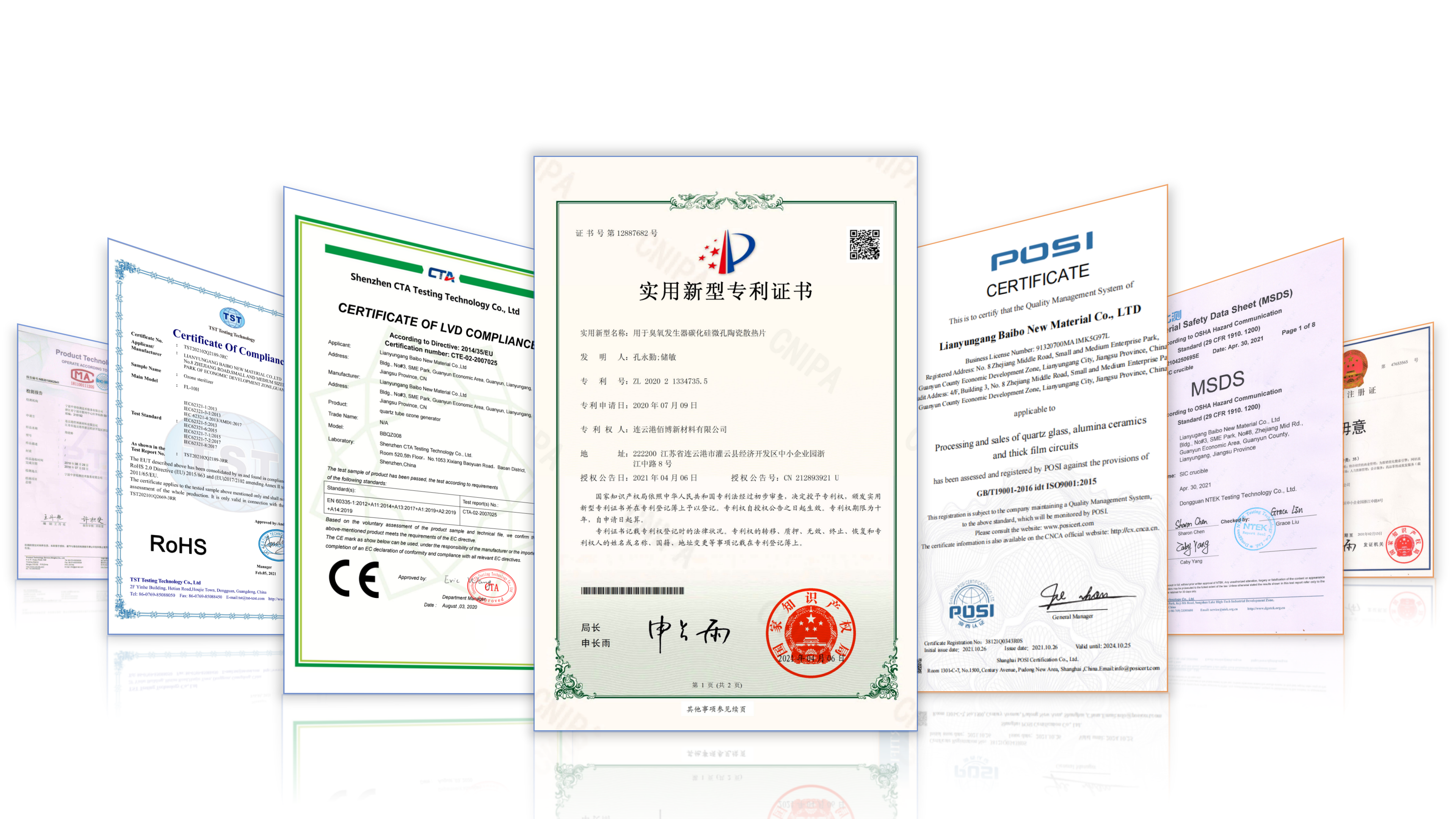
We’ve obtained various global certifications including CE, EMC, LVD, RoHS, FDA, MSDS, ISO 9001, SGS and TUV. We also own eight registered trademarks and forty technical patents to support independent R&D.
Our proprietary core technologies run through all product lines: porous ceramics, industrial ceramic components, special glass, metallized ceramics, liquid absorption cotton, ozone generators and silicone goods. All products are manufactured in strict accordance with international quality standards, delivering reliable and high-performance solutions that have gained wide recognition and market trust worldwide.
Package
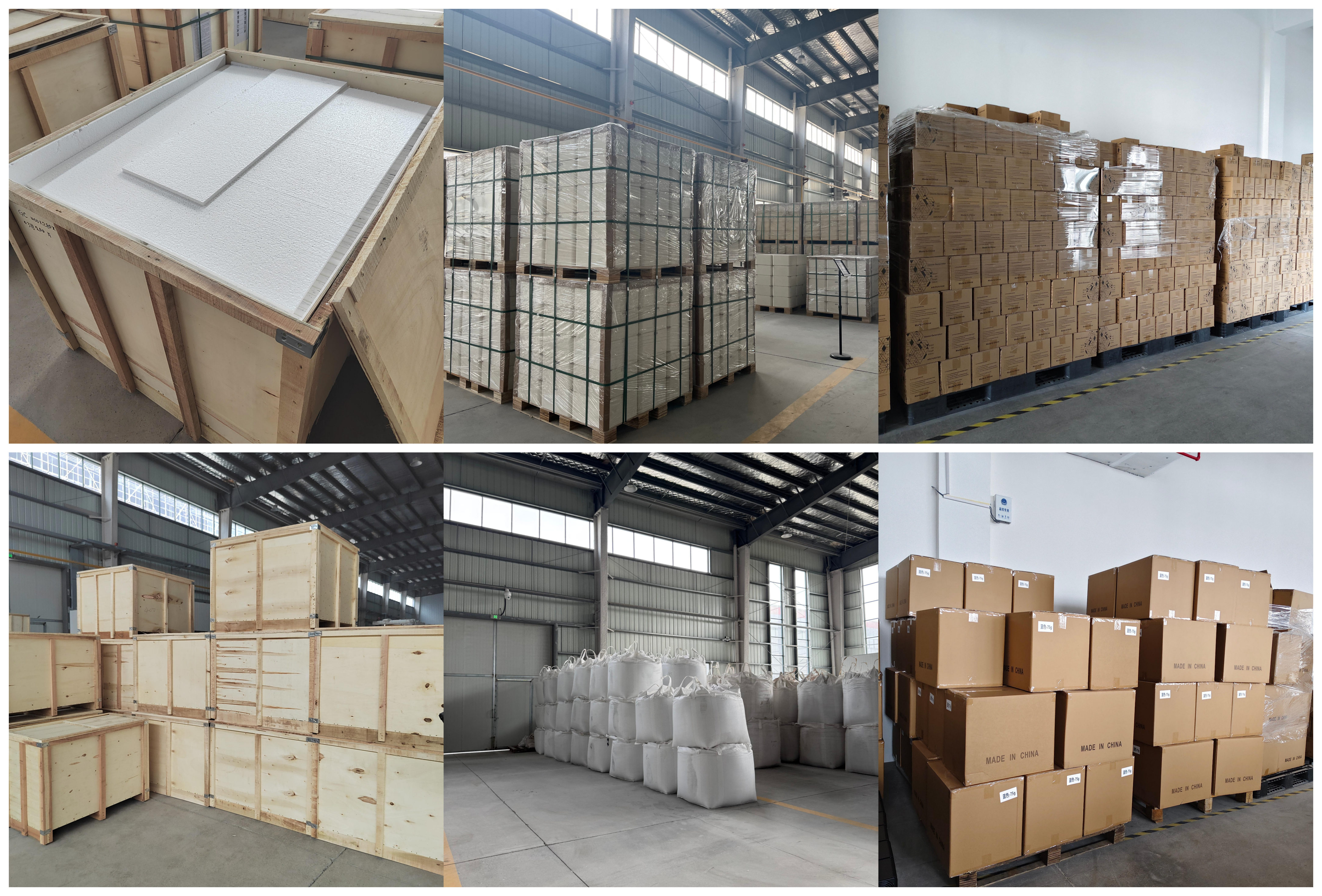
We adopt scientific and standardized packaging solutions tailored to product characteristics to effectively prevent collision, extrusion, dust and moisture damage. With mature global transportation system and strict shipment inspection procedures, we ensure all products remain intact and stable during long-distance delivery, providing customers with safe, efficient and reliable one-stop logistics service.
Services
Inquiry & Customization
We provide fast and accurate quotation response for all your inquiries. Flexible OEM & ODM customization solutions are available to meet your unique product design, packaging and branding requirements.
Order Quality Control
We keep clients updated with full production progress throughout the whole order cycle. Our QC team carries out strict comprehensive pre-shipment inspection to guarantee all goods comply with your quality standards before delivery.
Customs Document Support
We prepare a full set of standard export documents including commercial invoice, packing list, certificate of origin and other certification papers, to ensure smooth global customs clearance for shipments to all destinations worldwide.
One-Stop Logistics
Multiple shipping methods including sea freight, air freight and express delivery are offered to match your schedule and budget. We supply real-time cargo tracking service so you can monitor shipment status anytime.
Flexible Payment
We support a wide range of secure international payment terms such as T/T, L/C, Western Union and other mainstream cross-border settlement methods to reduce your cross-border transaction risks.
After-Sales Support
Our professional after-sales team offers timely technical and business support all year round. We maintain steady long-term stable supply capacity to fully back up your continuous market sales and project demands.
FAQ
01
Question: Can you produce based on customers’ drawings or physical samples?
Answer: Absolutely yes. We accept technical drawings in all mainstream file formats as well as actual physical samples. Before formal production, our engineering team will provide a full professional DFM feasibility evaluation for your reference.
02
Question: How long is the production lead time for custom orders?
Answer: Sample lead time: 3–7 working days. Custom mold lead time: 5–10 working days (we will confirm the cycle separately with you for complex molds). Mass production lead time: 7–20 working days, depending on product structure complexity and order quantity.
03
Question: What’s your minimum order quantity for custom products?
Answer: We provide flexible MOQ solutions for all customized items. We will try our best to set a low minimum order volume to support your small-batch trial orders, meanwhile we can handle stable mass production to satisfy your long-term bulk demands.
04
Question: What customization services can you provide?
Answer: We support comprehensive one-stop customization, including product size, shape, appearance, precision tolerance, surface treatment, hole grooving, bending, cutting and adjustable high-temperature resistant parameters. Custom engraved LOGO and exclusive customized packaging are also available as extra personalized options upon request.
05
Question: Do you accept third-party inspection of finished products?
Answer: Yes, we fully cooperate with all mainstream authorized third-party testing institutions. Well-known organizations such as SGS, BV and other internationally recognized inspection bodies are all acceptable. We can supply complete official inspection reports and material certification documents as you require.
06
Question: Can you customize raw material options for products?
Answer: Sure. We can select and match appropriate raw materials according to your application scenarios, working conditions and performance requirements, including alumina, zirconia, quartz, silicone and other special engineering materials, and adjust related performance parameters to meet your usage standards.



 EN
EN