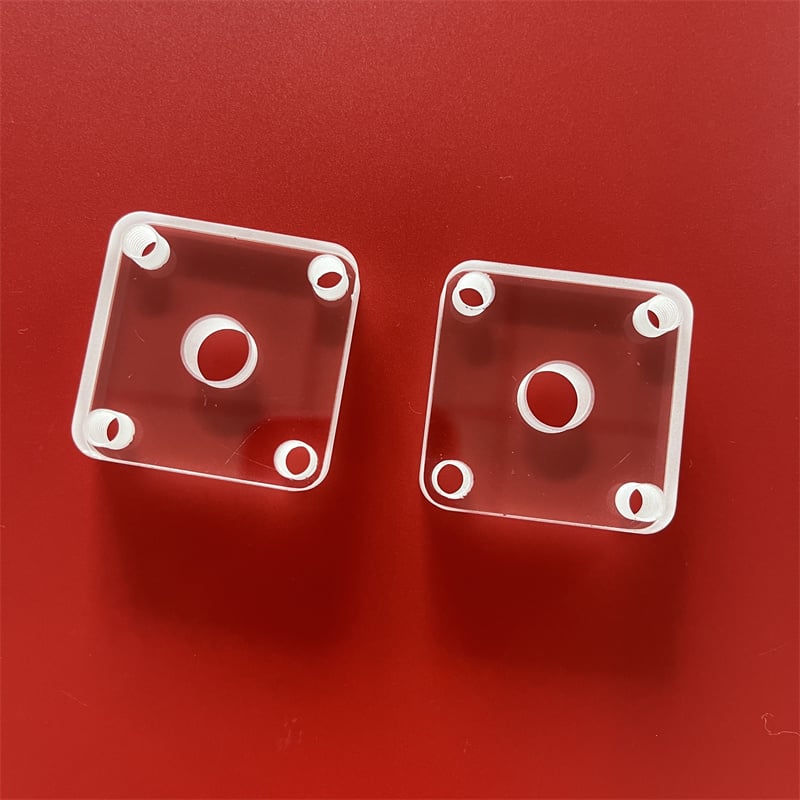
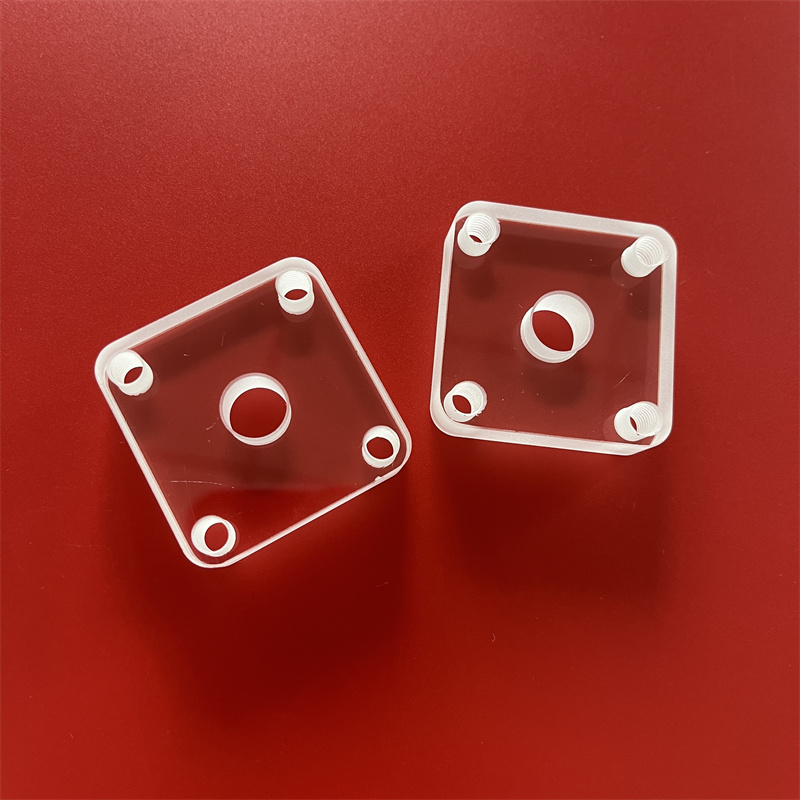
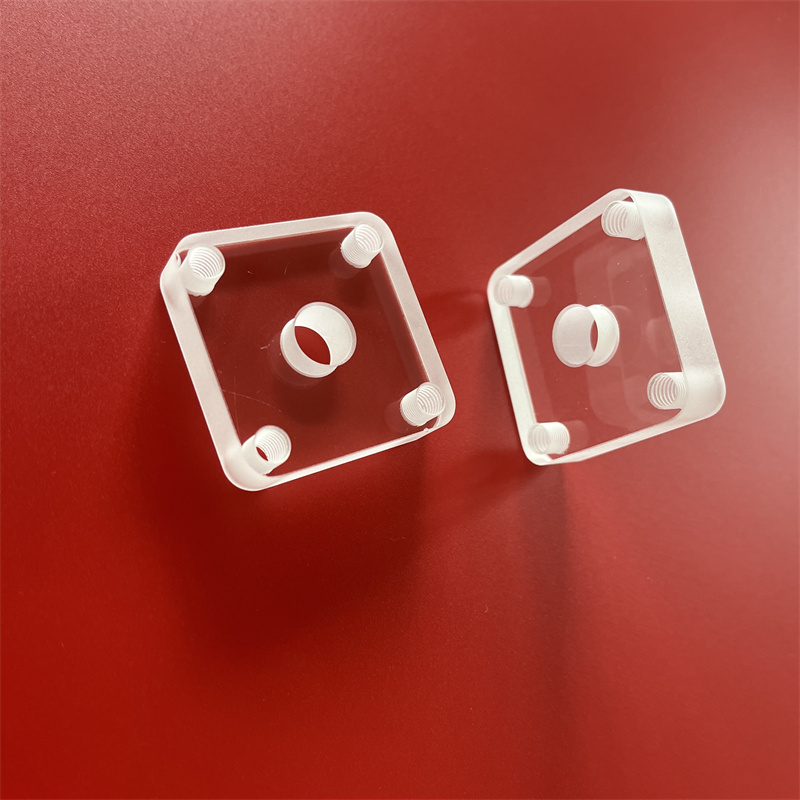
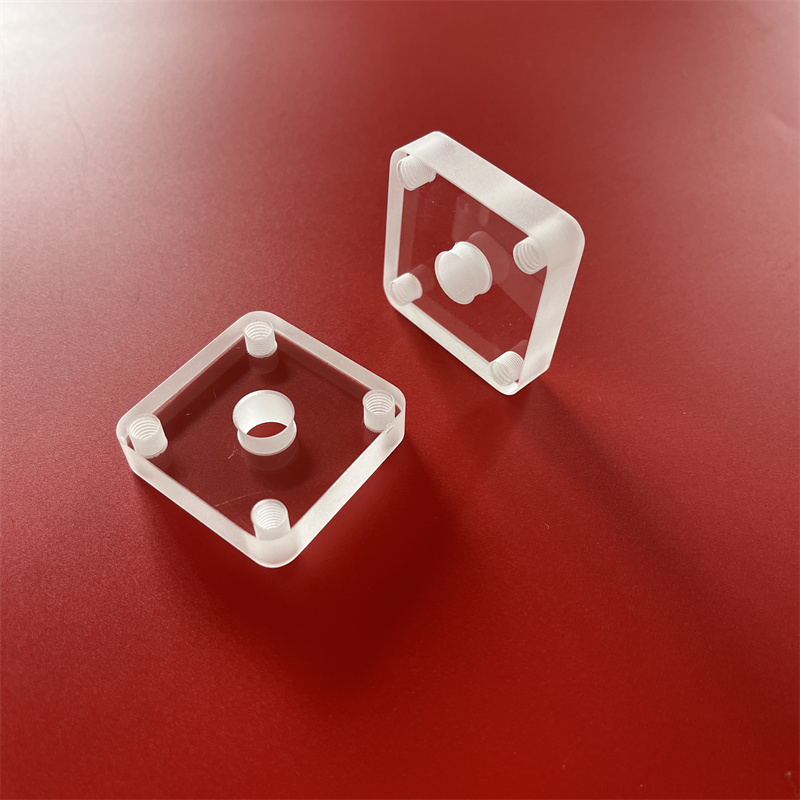
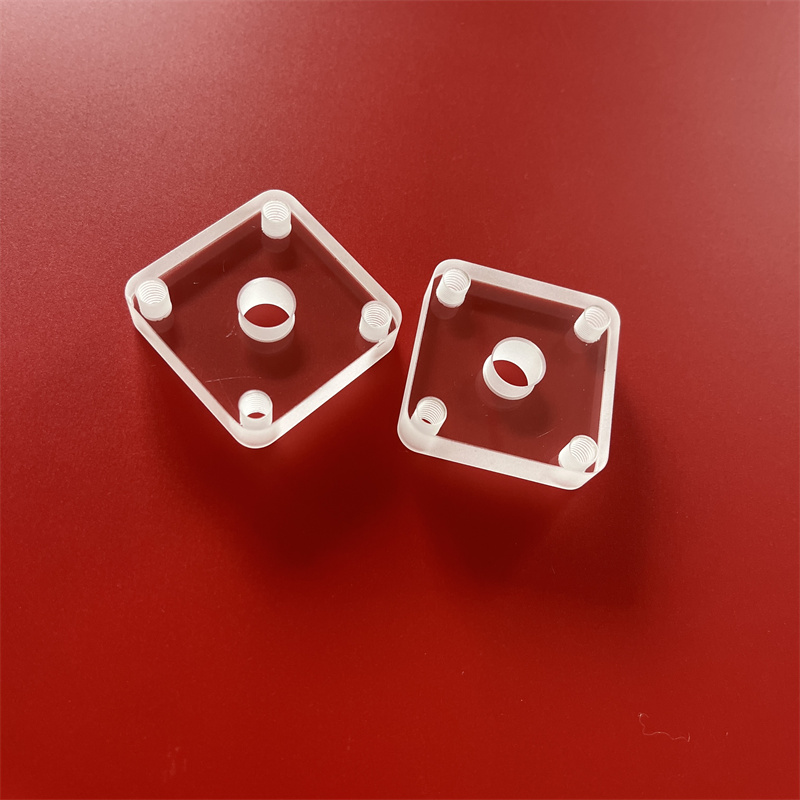
Main Component:
SiO₂, content up to 99.9%
Coefficient of Thermal Expansion:
Up to 5.5×10⁻⁷cm/cm℃
Heat Resistance:
Good to 1100°C for long time use
Softening Point:
1700℃, with excellent fire resistance
Key Properties:
high-quality quartz glass, ensure no bubbles, no stripes
Strong corrosion resistance:
can withstand 6mol/L hydrochloric acid, anhydrous ethanol
Good Thermal Stability:
Quartz glass coefficient of thermal expansion is small, can withstand drastic temperature changes
Product Details
1. Overview of the quartz plate:
1.1 Desprotion of the quartz plate:
Silica Quartz Glass Plates:Fused quartz plates, made from high-purity silica through a melting and shaping process, are a premium material valued for their exceptional performance across multiple industries.
1.2 Appearance of the quartz plate:
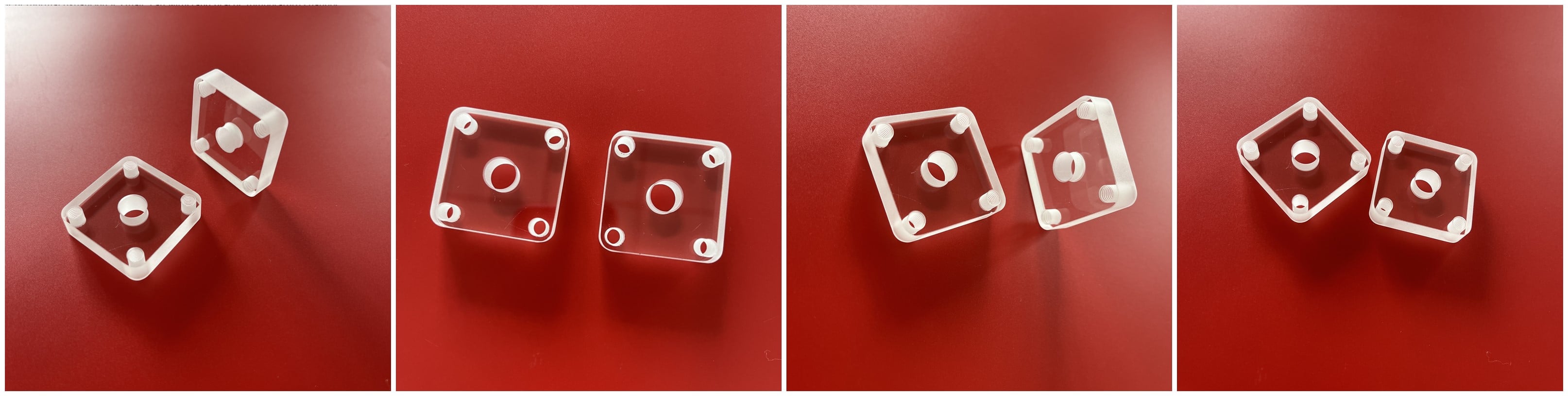
Visual Clarity: Transparent quartz sheet is highly clear and colorless, presenting a crystal-like, flawless appearance without visible bubbles, inclusions or streaks.
Surface Smoothness: Its surface is extremely smooth and flat, with a polished finish that offers a glossy, mirror-like reflection.
Shape & Dimensions: It can be fabricated into various regular shapes (such as square, rectangular, circular) and customized dimensions, with precise edge processing (including chamfered or rounded edges).
Thickness Uniformity: The sheet maintains consistent thickness across the entire surface, ensuring no obvious warping or unevenness.
2. Manufacturing Process:
2.1 Raw Material Selection
Select high-purity quartz or synthetic quartz crystal, ensuring low impurity content to guarantee the final product's optical and physical properties.
2.2 Crushing and Grinding
Crush the raw quartz material into small pieces, then grind it into fine powder using a ball mill or other grinding equipment.
2.3 Purification
Use methods like acid leaching, flotation, or high-temperature roasting to remove impurities such as metal ions and other non-quartz minerals from the quartz powder.
2.4 Shaping
Casting Method: Pour the purified quartz powder into a mold, then heat it to a high temperature (around 1700℃) to melt and solidify it into a rough quartz block.
Crystal Growth Method: For high-precision quartz wafers, use techniques like the Czochralski process to grow single quartz crystals, then cut them into rough blocks.
2.5 Cutting
Use diamond saws or laser cutting machines to cut the rough quartz blocks into thin slices of the required thickness.
2.6 Lapping and Polishing
First, use abrasive materials to lap the quartz slices to achieve the desired flatness. Then, perform precision polishing with finer abrasives or polishing pads to get a mirror-like surface finish.
2.7 Cleaning
Rinse the polished quartz wafers with deionized water, and use ultrasonic cleaning or chemical cleaning to remove any residual abrasive particles or contaminants.
3.Advantages of Clear Quartz Plates
3.1 High Transmittance:
Transparent quartz glass has excellent transmittance in the ultraviolet, visible and infrared regions, with a transmittance of over 90% in the range of 200-2500nm.
3.2Low Thermal Expansion Coefficient:
The linear expansion coefficient is only about 5.5×10^-7/℃, which is much lower than ordinary glass, and it has strong resistance to rapid temperature changes.
3.3High Temperature Resistance:
It can be used for a long time at a high temperature of 1100℃, and can withstand short-term high temperature impact of 1400℃.
3.4 Corrosion Resistance:
It is resistant to the erosion of most acids (except hydrofluoric acid and hot phosphoric acid) and has good chemical stability.
3.5 High Hardness:
Its Mohs hardness is 7, which is higher than ordinary glass, and it has good scratch resistance.
3.6 Good Electrical Insulation:
It has excellent electrical insulation performance, and its dielectric loss is very low, which can maintain stable performance in high-frequency and high-voltage environments.
In summary, the quartz plate is a high-performance material that uniquely combines the superior thermal and mechanical properties of quartz with an exceptional ability to diffuse light.This makes it indispensable for high-temperature heating and lighting applications where both safety and visual comfort are paramount.
4.Common Applications:
Optical Industry: Used in manufacturing lenses, prisms, optical windows, and optical fibers for telescopes, microscopes, cameras, and laser systems.
Semiconductor Industry: Serves as wafer carriers, process tubes, and furnace components in semiconductor fabrication due to its high purity and thermal stability.
Solar Energy Industry: Applied in solar panel cover glasses and photovoltaic equipment to enhance light transmittance and resist environmental corrosion.
Chemical Industry: Utilized in making reaction vessels, distillation towers, and pipeline components that require resistance to strong acids and high temperatures.
Electronics Industry: Acts as insulation materials, high-frequency dielectric components, and packaging materials for electronic devices and integrated circuits.
Medical Equipment: Used in medical lasers, surgical instruments, and diagnostic equipment due to its biocompatibility and sterilization resistance.
Aerospace Industry: Employed in optical sensors, heat shields, and window components for spacecraft and aviation equipment, withstanding extreme temperature changes.
Precautions for Using Quartz Products:
Avoid Extreme Temperature Changes Do not expose quartz products to sudden or drastic temperature fluctuations, such as placing a hot pot directly on a quartz countertop or pouring boiling water into a quartz container. Extreme temperature differences may cause cracking or damage.
5.Parameter
Technical Data of Clear Quartz Glass Plate
| Property Content | Unit | Property Index |
| Density | g/cm³ | 2.21 |
| Tensile Strength | Pa(N/㎡) | 4.9×10⁷ |
| Compression Strength | Pa | >1.1×10⁹ |
| Coefficient of Thermal Expansion | cm/cm℃ | 5.5×10⁻⁷ |
| Thermal Conductivity | W/m℃ | 1.4 |
| Specific Heat | J/kg℃ | 680 |
| Softening Point | ℃ | 1700 |
| Annealing Point | ℃ | 1210 |
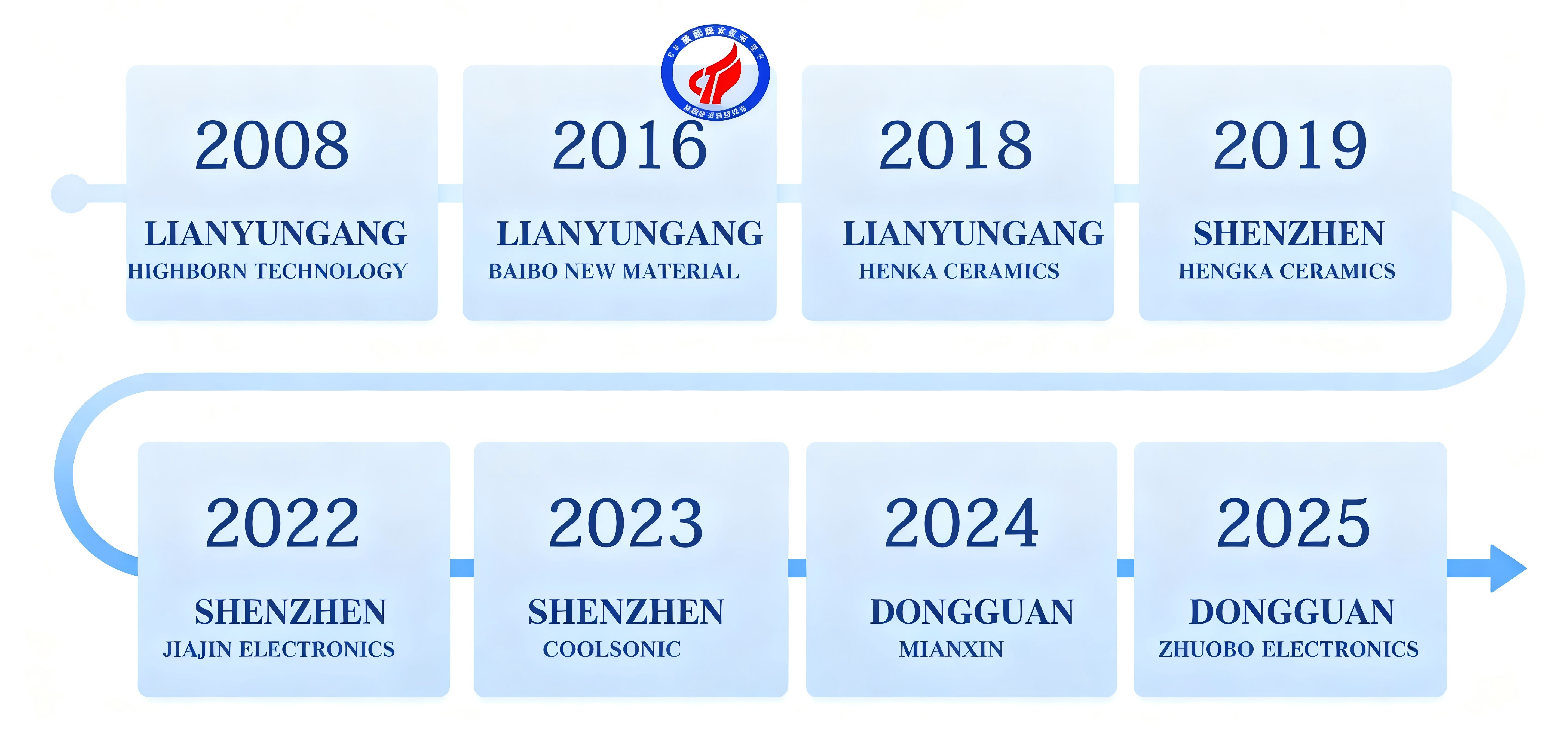
Development History
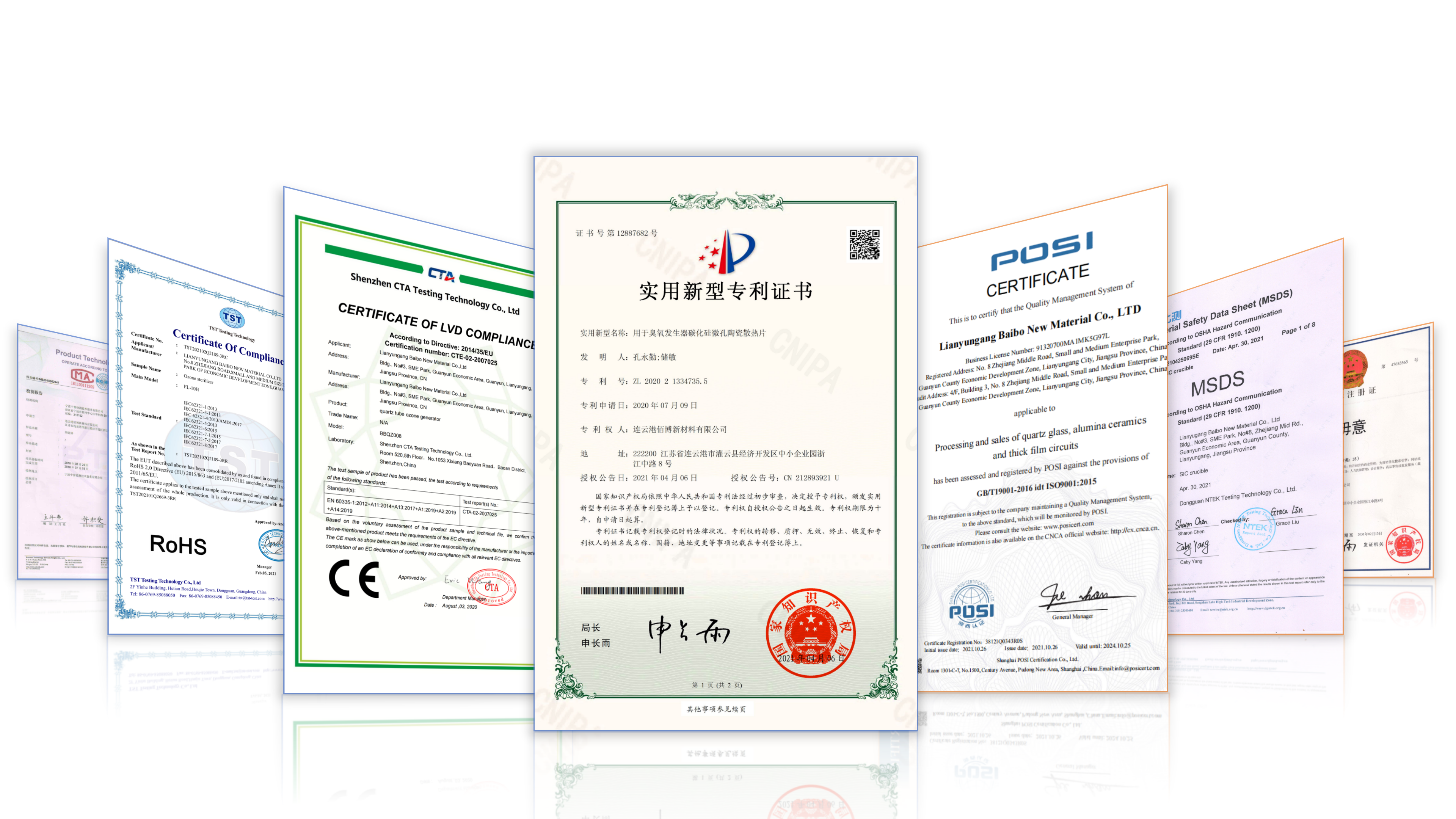
Patents and certification
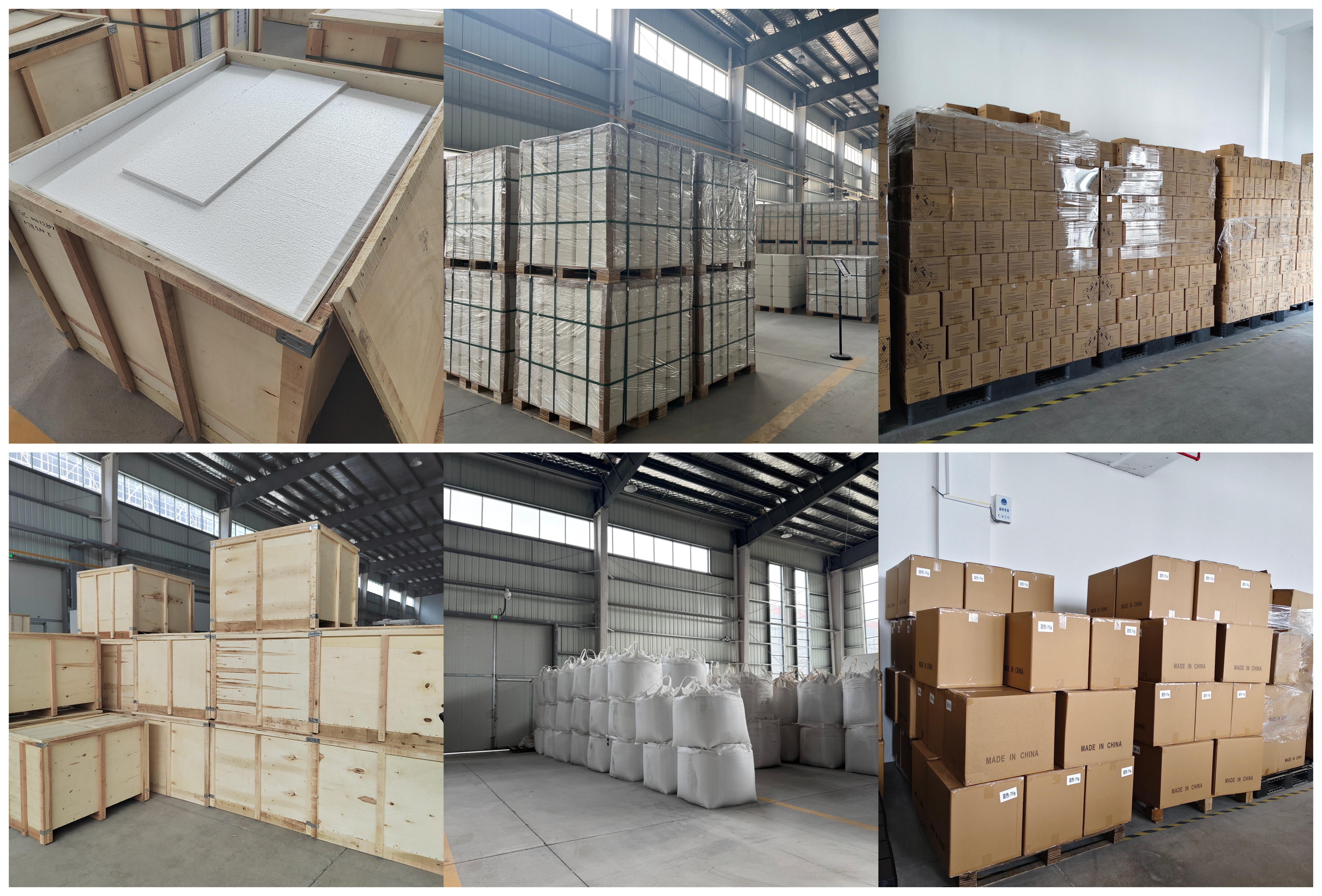
Package
Services
FAQ
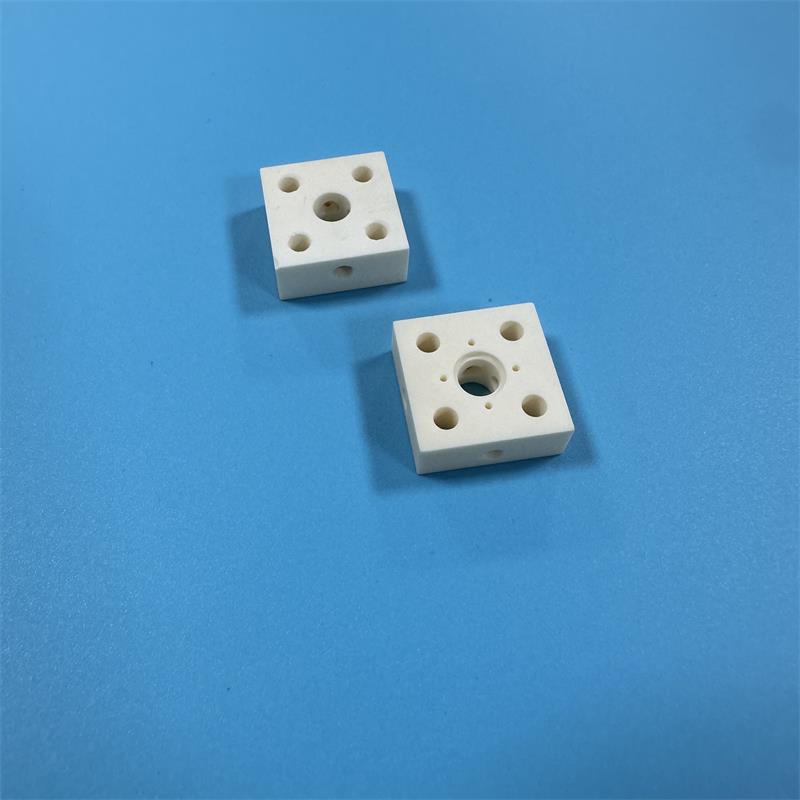
Alumina Ceramic Insulator Precise Dimensional Accuracy for Electronic Components
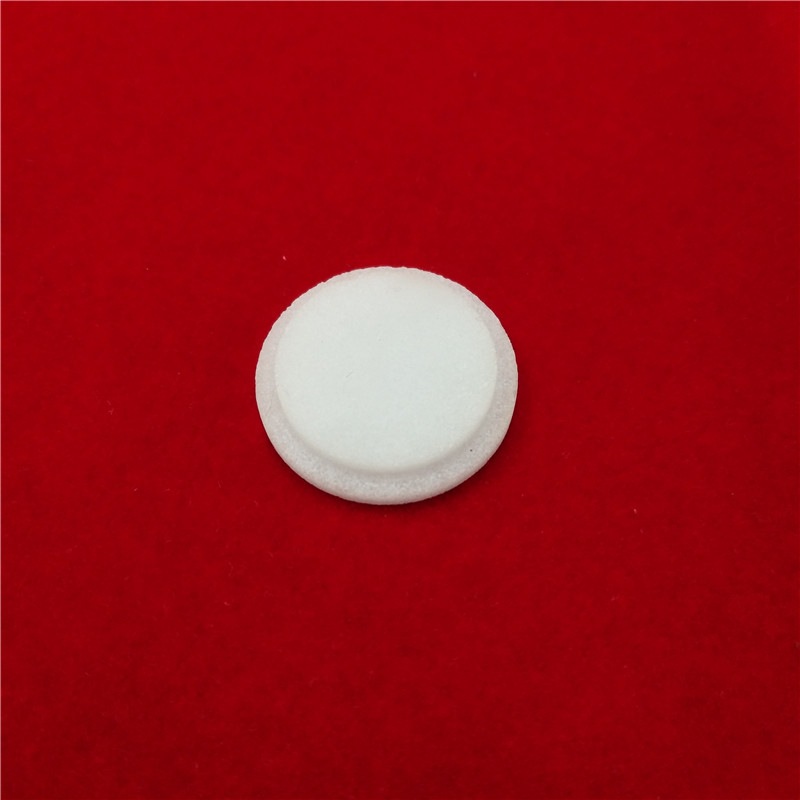
Hot Sale Heat Resistant Custom Size Milky Quartz Glass Plate
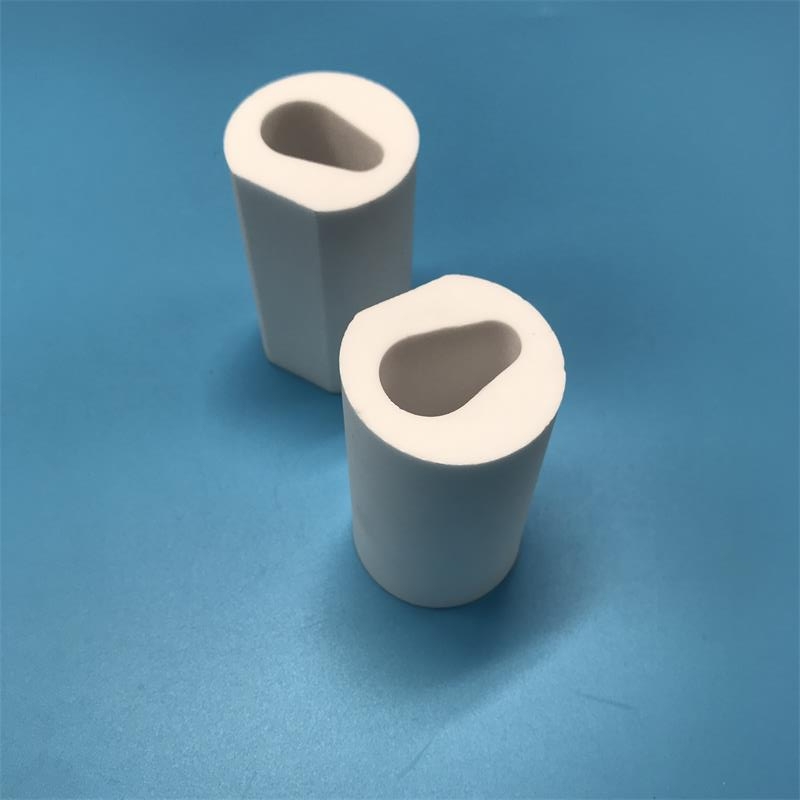
High Reflectivity Laser Welding Ceramic Reflectors 99% Alumina Ceramic Cavity
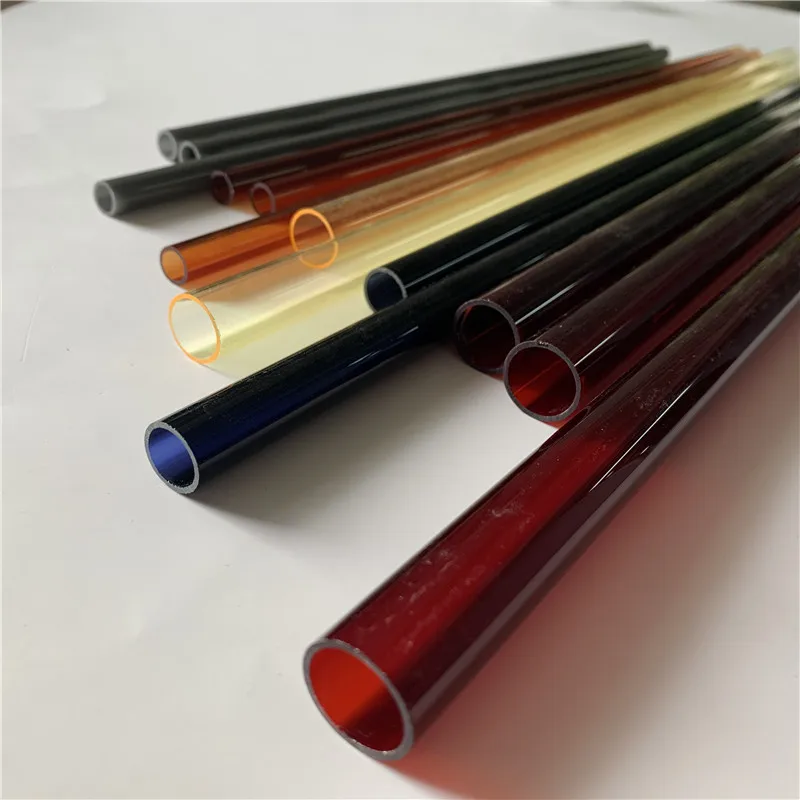
High purity colored quartz tube for semiconductor


 EN
EN