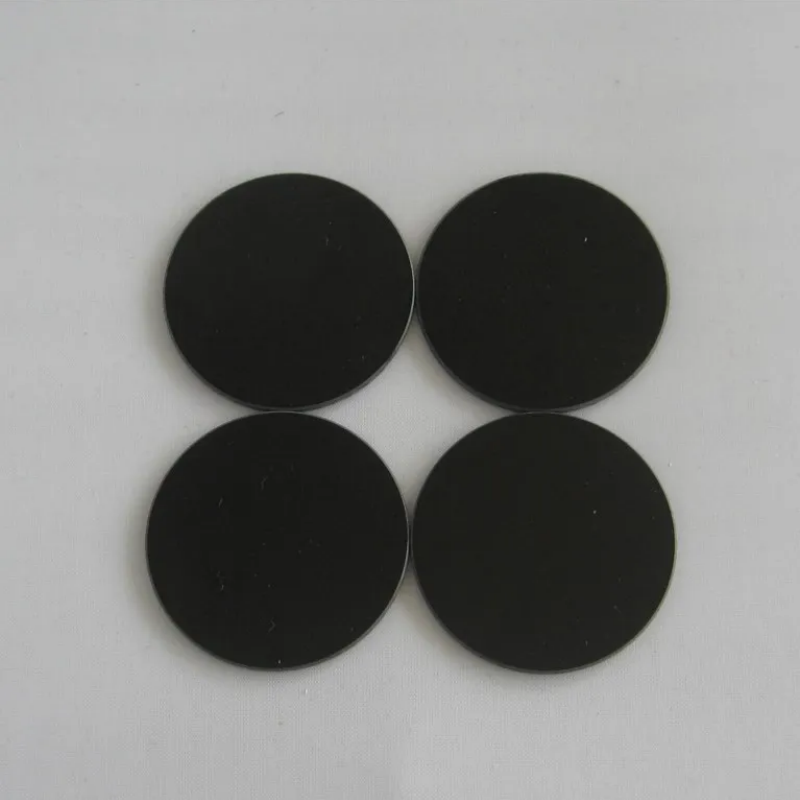
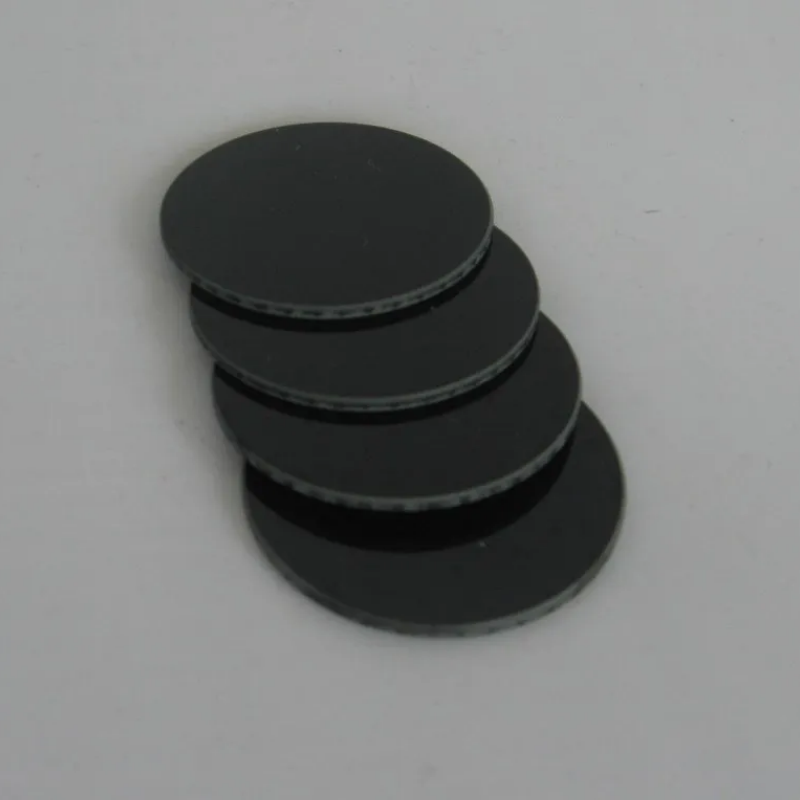
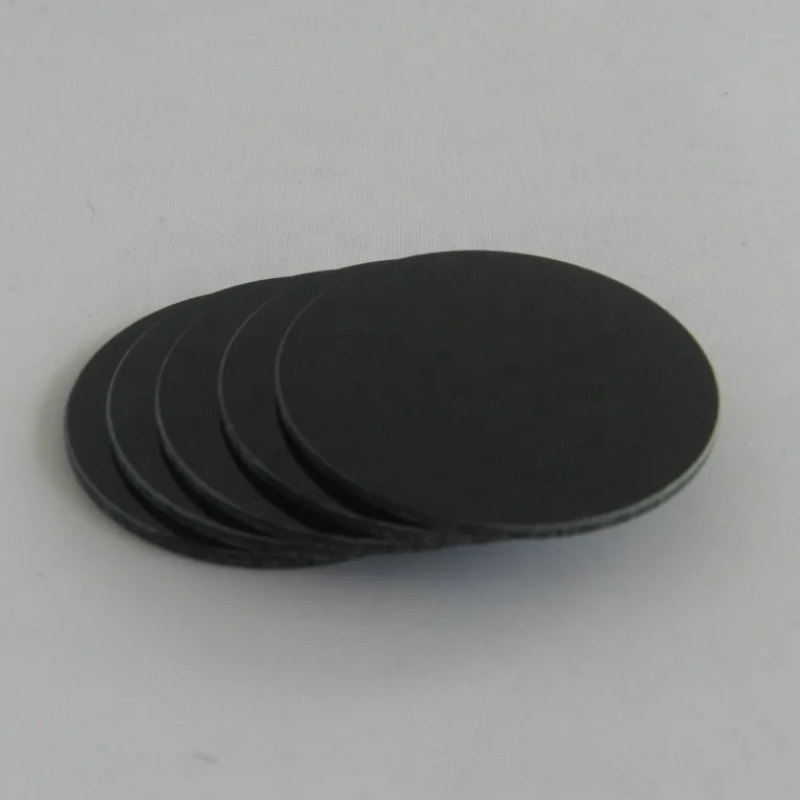
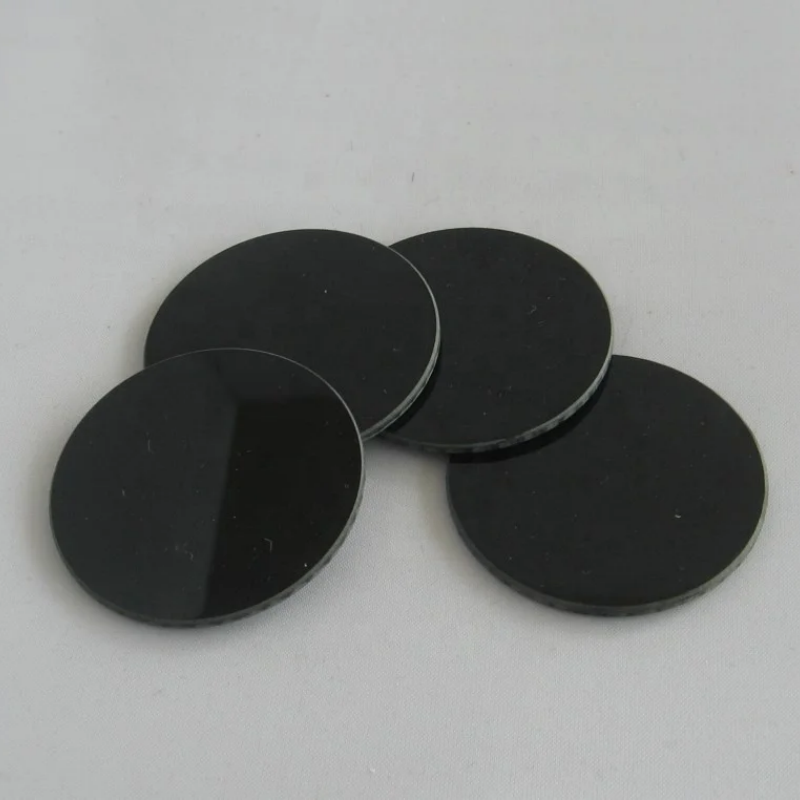
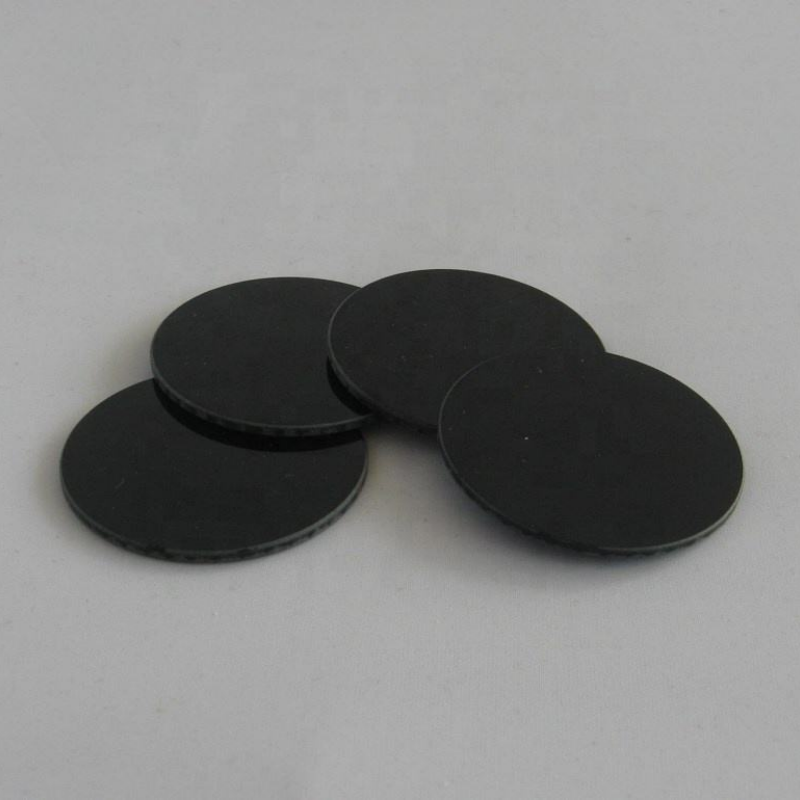
Typical optical density (OD) value of the black filter glass at 550nm:
Black filter glass has an OD value of ≥4.0 at 550nm, which can effectively block over 99.99% of visible light.
The peak transmittance of UV-transmitting black filters:
The peak transmittance at 365nm is over 80% when the thickness is 1mm. We can also customize products with transmittance up to 85%-90% according to your needs.
The maximum operating temperature of your black filter plates:
The black filter glass can operate continuously at temperatures up to 500℃, with a short-term peak temperature resistance of up to 800℃.
Surface quality standards of the black filter glasses meet:
It usually meets the 60/40 scratch-dig standard, and we can provide higher precision products such as 40/20 or 0/0 according to customer needs.
The standard dimensions and thickness tolerances of the black filter plates:
The customize sizes from 5mm to 500mm. The thickness tolerance can be controlled within ±0.01mm to ±0.02mm according to requirements.
Product Details
1.Manufacturing Process and Workflow of RG IR RM Series Optical Glass
The production of RG IR RM Series optical glass is a highly precise and controlled sequence of operations designed to achieve specific optical properties such as refractive index, Abbe number, and high transmittance. The entire process can be broken down into the following key stages:
1.1Batching and Raw Material Preparation
Process: Ultra-high-purity raw materials (e.g., silicon dioxide, boron oxide, barium carbonate, and various other oxides and dopants) are precisely weighed according to the proprietary chemical formula for RG IR RM Series glass.
Purpose: To ensure the final glass has the exact chemical composition required for its target optical and physical properties. The mixture is called a "batch."
1.2 Melting
Process: The mixed batch is fed into a high-temperature furnace. For high-quality optical glass like RG IR RM Series, the melting pot or tank is often lined with platinum or similar inert materials to prevent contamination from the furnace walls.
Conditions: Melting occurs at extreme temperatures, typically between 1300°C and 1600°C, depending on the composition.
1.3Refining and Homogenization
Refining (Fining): The molten glass is held at a high temperature to allow gas bubbles (seeds) to rise to the surface and escape. Chemical fining agents may also be used to help dissolve and remove these bubbles.
Homogenization: The melt is vigorously stirred using a platinum stirrer to eliminate any striae or cord (local variations in composition). This step is critical for achieving the high optical homogeneity required for precision lenses.
1.4Forming
Process: The homogeneous, bubble-free melt is then shaped into a usable form. Common forming methods include:
Molding: Pouring the melt into pre-heated molds to form rough lens blanks, prisms, or blocks.
Casting: Casting into large blocks which are later cut into smaller pieces.
Continuous Rolling: For producing large sheets of glass.
1.5Annealing
Process: The formed glass is transferred to a special furnace called an annealing lehr. Here, it is heated to a precise temperature below its melting point and then cooled very slowly according to a strictly controlled time-temperature profile.
Purpose: To relieve internal stresses created during forming and cooling. Unrelieved stress can cause birefringence and make the glass prone to fracture, rendering it useless for optical applications.
1.6 Cold Working / Precision Machining
This is typically done by optical component manufacturers who purchase the annealed glass blanks. The process involves:
Cutting: Cutting large blocks into smaller, workable sizes.
Grinding: Using diamond-impregnated wheels to shape the glass to the required curvature and dimensions (generating).
Lapping and Polishing: Progressively using finer abrasives and finally a polishing slurry (e.g., cerium oxide) on a polishing pad to achieve an optical-quality surface with nanometer-level smoothness and minimal sub-surface damage.
1.7Coating
Process: After polishing, optical coatings (such as anti-reflection coatings) are often applied to the surfaces using techniques like Physical Vapor Deposition (PVD) or Sputtering.
Purpose: To enhance light transmission and reduce reflections, improving the overall performance of the optical element.
1.8 Quality Control and Inspection
This is an integral part of the entire process. Key parameters checked include:
Optical Properties: Refractive index (nd) and Abbe number (νd).
Internal Quality: Homogeneity, presence of bubbles, and inclusions.
Stress: Level of residual internal stress, measured with a pol
2. Advantages of RG IR RM Series Optical Glass
The primary advantages of RG IR RM Series optical glass stem from its carefully engineered chemical composition, which typically offers a balance of the following properties:
2.1Excellent Transparency and High Transmittance
It exhibits very high light transmittance across a broad spectral range, from the visible to near-infrared (or specific designed wavelengths), minimizing light loss within the optical system.
2.2 Good Environmental Stability
This glass typically possesses high resistance to environmental factors such as humidity, staining, and mild chemicals. This ensures long-term durability and reliability of optical components without significant degradation in performance.
2.3 High Chemical Durability
It often demonstrates strong resistance to corrosion and weathering, protecting the glass surface from attacks by water, acids, or alkalis, which helps maintain surface quality and optical clarity.
2.4 Low Birefringence
Through precise manufacturing and controlled annealing processes, glass can achieve very low levels of internal stress, resulting in minimal birefringence. This is critical for high-precision applications like microscopy and lithography where polarized light is used.
2.5 Good Mechanical Properties and Processability
It has sufficient hardness and strength to withstand the rigors of optical fabrication, including cutting, grinding, and polishing, allowing it to be shaped into complex lenses and prisms with high precision.
3.Applications of RG IR RM Series Optical Glass
Due to its advantageous properties, RG IR RM Series optical glass is widely used in various high-tech and industrial fields:
3.1Precision Imaging Lenses
3.2Microscopy
3.3Photographic Lenses
3.4Optical Instruments and Sensors
3.5Laser Systems
Technical specifications
|
Thickness mm |
Λtj (nm) |
Λo (nm) |
Tλo () |
k |
IR-76 |
3 |
760±10 |
850 |
83.6 |
0.6 |
RG780 |
3 |
780±10 |
900 |
83.6 |
0.5 |
IR-80 |
3 |
800±10 |
900 |
83.6 |
0.5 |
|
RG-830 IR-83 |
3 |
830±10 |
930 |
83.6 |
0.5 |
IR-85 |
3 |
850±10 |
950 |
80.0 |
0.5 |
|
Bubble |
Stripe |
Stress |
IR-76 |
C-B |
3C |
3 |
RG780 |
C-B |
3C |
3 |
IR-80 |
C-B |
3C |
3 |
|
RG-830 IR-83 |
C-B |
3C |
3 |
IR-85 |
C-B |
3C |
3 |
Development History
Patents and certification
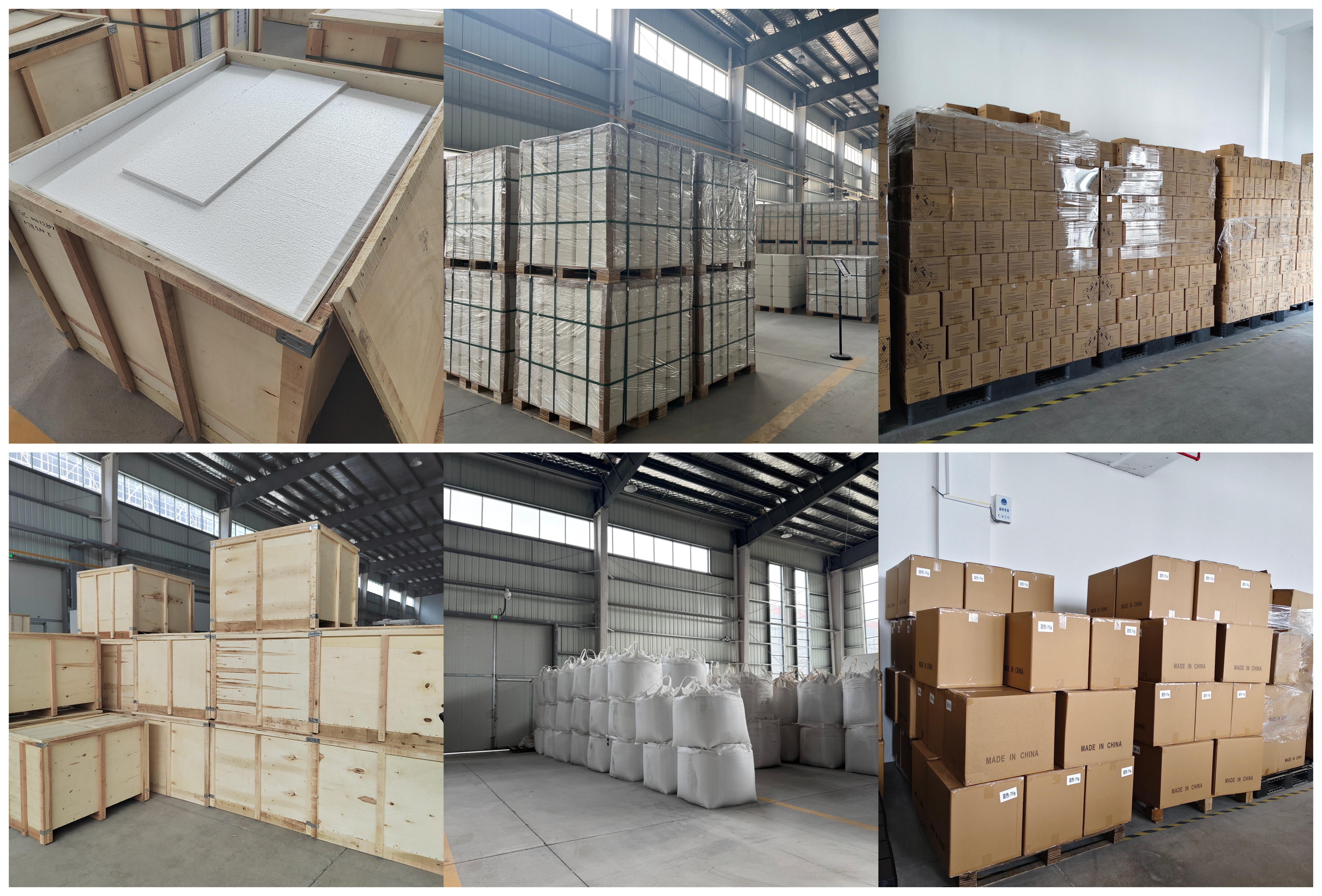
Package
Services
FAQ
Aluminum nitride copper plated ceramic substrate Insulator AIN Ceramic Sheet
Aquaculture Aeration Disk Micro Porous Ceramic Oxygen Diffufer for Fish Farm Pond
High Purity Custom Size square shape Clear Quartz Glass Rod
8mol Yttria-stablized YSZ Oxygen Sensor Zirconia Ceramic Tube ZrO2 One End Closed Sleeve


 EN
EN