1. Overview of Wear Resistant Al₂O₃ Alumina Ceramic Protection Plate for Pipeline
1.1 Definition and Formation
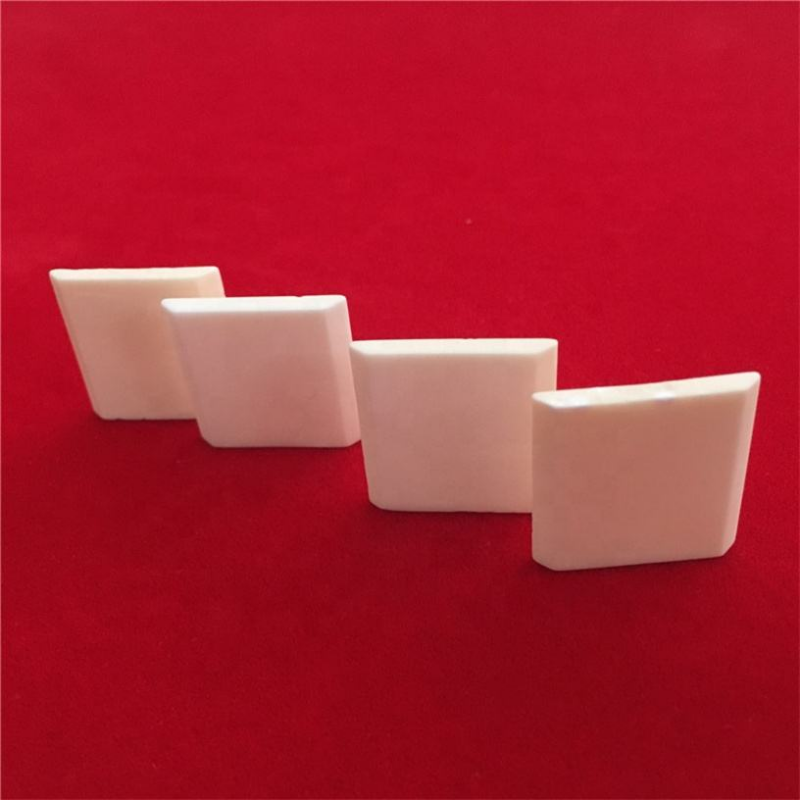
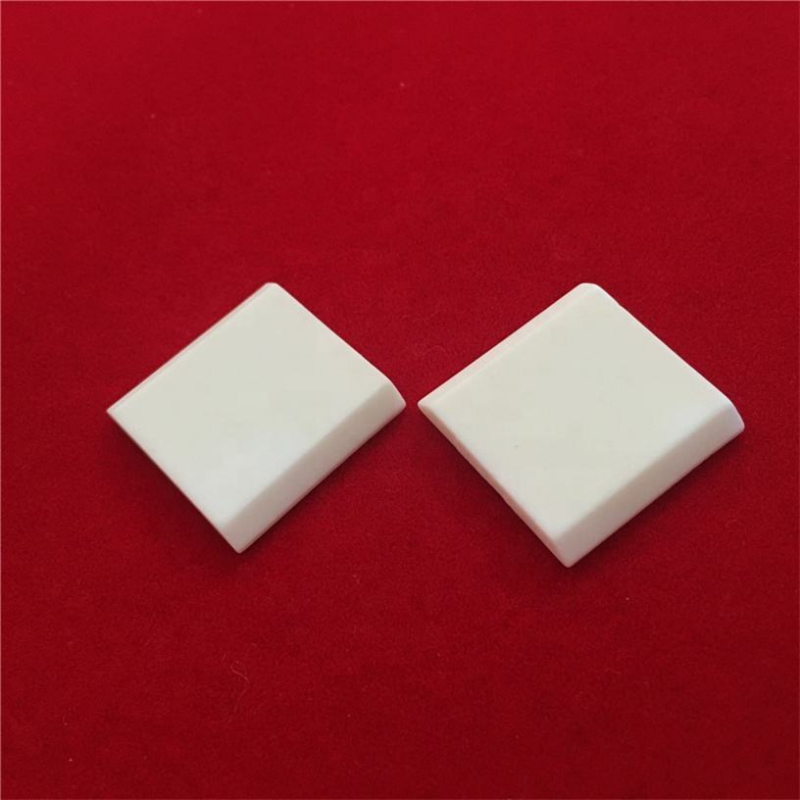
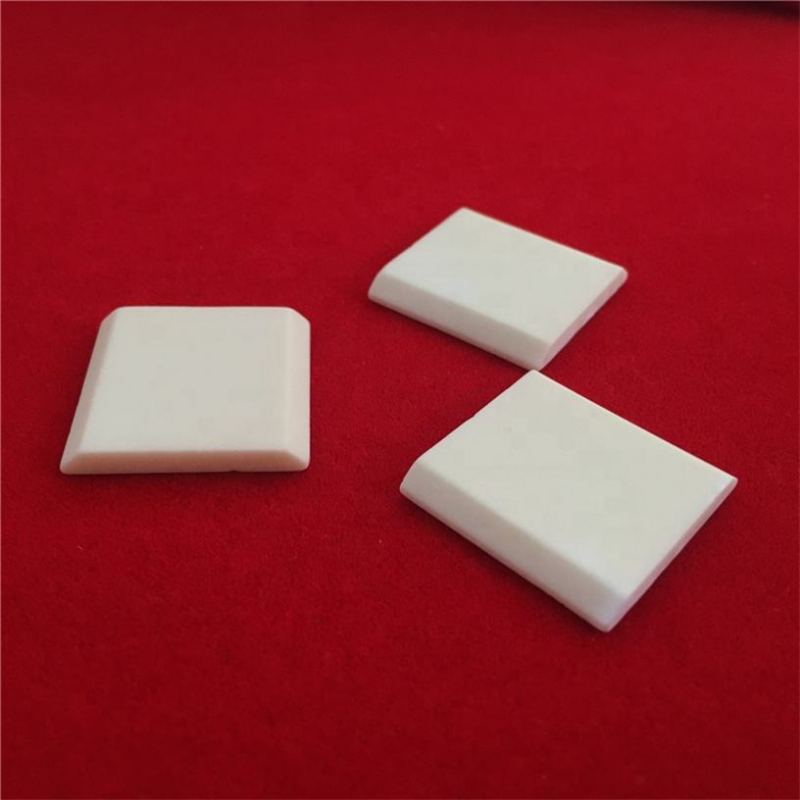
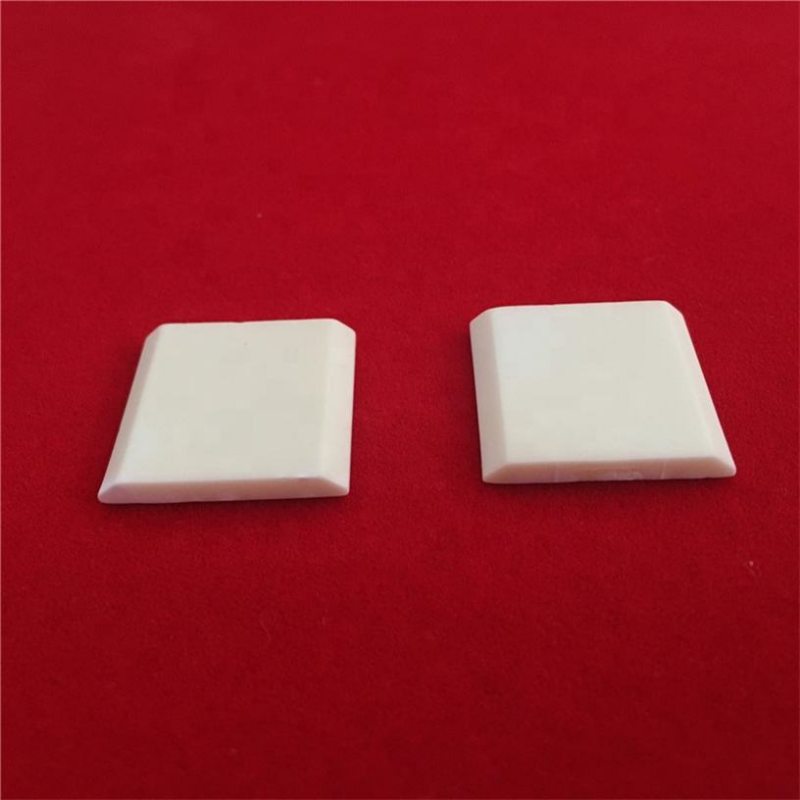
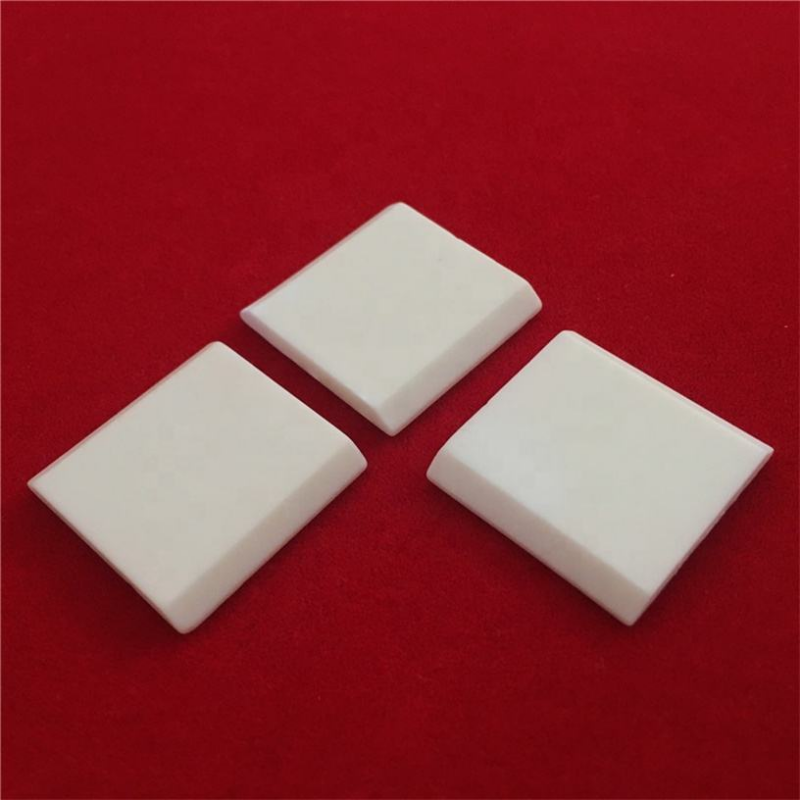
Wear Resistant Al₂O₃ Alumina Ceramic Protection Plate, also commonly referred to as alumina wear liner, pipeline anti-abrasion tile or ceramic lining block, is a rigid high-performance oxide structural ceramic specially developed for the inner wall protection of material conveying pipes, elbows, tees and cyclone separators. The product takes high-purity alumina (Al₂O₃) micro-powder as the core raw material, mixed with a small amount of high-temperature sintering additives, and is formed by isostatic pressing, dry pressing or injection molding before being fired in a high-temperature tunnel kiln at 1580°C to 1650°C.
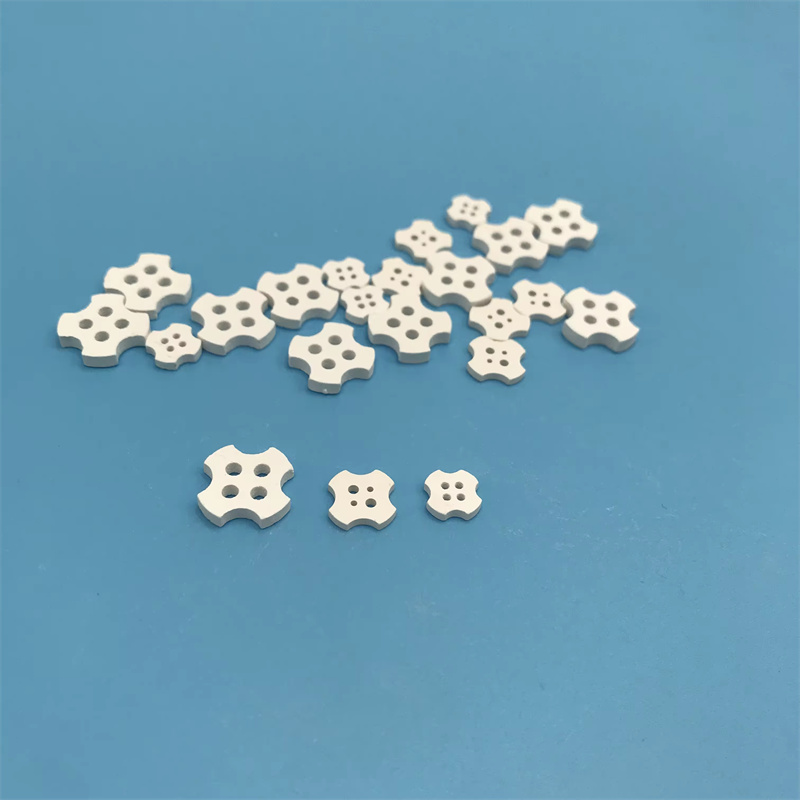
After full high-temperature sintering, aluminum oxide forms a compact α-Al₂O₃ polycrystalline dense structure with tight internal grain bonding and almost zero internal porosity. The sintered ceramic blank is further processed through precision surface grinding, edge chamfering, hole drilling and dimensional calibration to reach strict flatness and tolerance requirements. These finished alumina plates are fixed on the inner wall of metal pipelines by high-strength heat-resistant adhesive or mechanical bolt locking, forming a sacrificial protective barrier to resist continuous impact, friction and scouring from high-speed flowing granular materials, slurry and dust-laden airflow. Reliable production bases are mainly concentrated in professional advanced ceramic manufacturers in China, supplying stable standardized and customized products to mining, thermal power, cement, metallurgy, new energy and environmental protection industries worldwide.
1.2 Classification and Grade Standards
According to alumina content, sintering process and application load conditions, wear-resistant alumina ceramic protection plates are mainly divided into three mainstream industrial grades: 92% alumina ceramic plate, 95% alumina ceramic plate and 99% high-purity alumina ceramic plate.
The 92% Al₂O₃ grade has prominent cost performance and is widely deployed in medium-abrasion working conditions such as conventional fly ash conveying and general mineral powder transportation. The 95% alumina version balances hardness, bending strength and impact toughness, which is the most widely used universal grade for heavy wear elbows, slurry pipelines and long-distance bulk material delivery systems. The 99% high-purity alumina plate features ultra-low impurity content, outstanding chemical corrosion resistance and no metal ion precipitation, which is applied to the transportation of high-purity lithium battery raw materials, pharmaceutical auxiliary materials and high-value fine mineral powders with strict contamination control requirements.
High-end precision customized products will undergo double-sided fine grinding to control dimensional accuracy, complying with DIN ISO 2768-mK general machining tolerance specifications. Characterized by superior abrasion resistance, stable chemical inertness, high temperature resistance and ultra-long service life, alumina pipeline protection plates have gradually replaced high-chromium cast iron, alloy steel, polyurethane and rubber liners, becoming a mature and cost-effective anti-wear component with continuously expanding downstream application scenarios.
2. Core Characteristics of Wear Resistant Al₂O₃ Alumina Ceramic Protection Plate
2.1 Physical Structure Characteristics
All excellent physical performances of alumina protection plates stem from the fully dense α-alumina crystal matrix, with ultra-high hardness and outstanding anti-wear performance as its most prominent core advantage.
Its Rockwell hardness reaches HRA 85 to 92, only inferior to silicon carbide and zirconia ceramics, far surpassing carbon steel, alloy steel and polymer lining materials. The pore-free compact internal structure effectively prevents material particle embedding, cutting erosion and wall thinning during long-term scouring, greatly reducing the maintenance and replacement frequency of conveying pipelines. The rigid ceramic structure maintains stable geometric shape under long-term continuous extrusion and material impact, with extremely high compressive strength and deformation resistance.
The only inherent physical limitation comes from the intrinsic brittleness of oxide ceramics. The plate is likely to chip or crack under instantaneous violent heavy impact and sharp rigid collision. This defect can be effectively mitigated through multiple optimized measures: reasonably increasing the thickness of the ceramic liner, adopting arc transition splicing design at joints, setting buffer baffles at pipeline feeding inlets, and matching elastic bonding layers between the ceramic plate and the metal pipe wall.
2.2 Chemical and Thermal Adaptability Characteristics
Dense sintered alumina ceramic possesses excellent and lasting chemical inertness in complex industrial environments. It can withstand long-term erosion of weak acid, weak alkali, industrial wastewater, mineral slurry and corrosive flue gas inside pipelines, without aging, swelling, decomposition or corrosion failure like rubber and plastic liners. More importantly, it will not dissolve out harmful impurities to pollute the conveyed materials, perfectly meeting the cleanliness standards for new energy cathode materials, food additives and high-purity quartz sand transportation.
Alumina has a melting point as high as 2072°C, with remarkable thermal stability and oxidation resistance. It can operate stably in high-temperature flue gas waste pipelines of power plants, hot clinker conveying pipes of cement plants and high-temperature tailings delivery equipment, without softening, warping or performance degradation under sustained heat load. Its extremely low water absorption rate also enables stable service in outdoor open-air pipelines under humid, freezing and thawing climatic conditions.



 EN
EN