 EN
EN

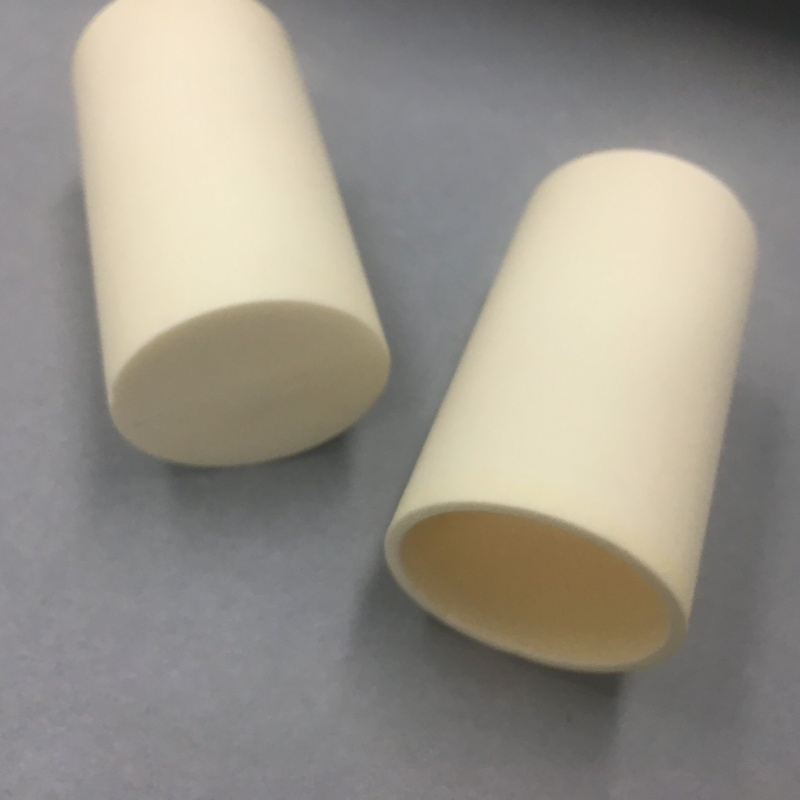
Uitstekende Termiese Stabiliteit en Strukturele Integriteit by 1500°C
Volgehoue prestasie tot by 1500°C sonder faseafbreking of versagting
Industriële komponente ondergaan katastrofiese mislukking wanneer konvensionele coatings bo 1000°C ontbind. Ons hittebestendige glanslaag behou strukturele integriteit by 1500°C deur middel van geoptimaliseerde kristallyne chemie wat weerstand bied teen fase-oorgange—en sodoende sagmaking, verskraling of viskositeitsveranderinge onder maksimum termiese belasting voorkom. Onafhanklike termiese analise bevestig ’n nul meetbare viskositeitsverskuiwing by 1500°C, ’n kritieke voordeel vir oondrolle en reaktorbinnekante waar selfs geringe vervorming prosesbesoedeling kan veroorsaak. Hierdie stabiliteit is ook voordelig vir sensitiewe stelsels soos ozoniseerdermodules, waar termiese konsekwentheid ozonontbinding voorkom. Die glanslaag bereik hierdie eienskap deur vuurvaste oksiednetwerke wat atoomherreëling onderdruk—en dit oortref standaardkeramieke, wat 15–20% sterkte verloor teen 1300°C (Joernaal van Materialewetenskap, 2023). Gevolglik maak dit ononderbroke bedryf in glasmaakovne en halfgeleier-verwerkingomgewings moontlik sonder dat onderhoud weens ontbinding nodig is.
Uitstaande weerstand teen termiese skok en minimale lineêre krimp tydens vinnige verhitting/afkoelingssiklusse
Vinnige termiese siklusse veroorsaak krake in konvensionele keramieke as gevolg van die ongelykheid in uitsetting tussen die oppervlak en die kern. Ons glanslaag los hierdie probleem op met 'n lineêre krimp van minder as 2%—bevestig deur meer as 500 doopsproewe vanaf 1500°C na omgewings-temperatuur—wat dimensionele stabiliteit verseker in veeleisende toepassings soos turbineblad-bekledings. Ingenieursmatig ontwerpte mikrokrak-afbuiging lewer 'n termiese skokweerstand wat drie keer groter is as die bedryfsnorm. Die sleutel prestasiemetriek word hieronder opsom:
| Eienskap | Konvensionele Glanslaag | Ons 1500°C-glanslaag | Verbetering |
|---|---|---|---|
| Lineêre Krimp (%) | 5.8–7.2 | 0.9–1.5 | 74% laer |
| Termiese Siklusse tot Mislukking | 120–180 | 550+ | 206% hoër |
| Residuële Sterktebehoud | 45–60% | 92–98% | 68% verbetering |
Hierdie betroubaarheid elimineer spanningbreuke in aluminiumsmeltelktrodes wat daagliks aan temperatuurswings van meer as 1000 °C onderwerp word, en verminder sealversagtings in oksiderende atmosfere—wat die frekwensie van herlynings met 40% verminder in sementvoorverhitters (Ceramics International, 2024).
Werkverrigtingsverbeterings: Uitgebreide dienslewe en verminderde onderhoud
Gekwantifiseerde verlenging van leeftyd in keramiese oondbekledings en weerstandsbasismateriaal
Laboratoriumtoetse (2023) bevestig dat ons 1500°C-glasuur die dienslewe van keramiese oondvoeringe met 40% verleng in vergelyking met standaarddeklagings, terwyl dit sy saamdruksterkte bo 80 MPa behou na 2000 termiese siklusse. Refraktêre substrate wat met hierdie glasuur behandel is, toon 65% minder kraakvoortplanting tydens vinnige verhitting/afkoeling. Velddata van vervaardigingsaanlegte toon dat gemiddelde vervangingsintervalle van 14 na 23 maande toeneem—veral van impak in ozonmoduuls, waar termiese stabiliteit mikro-kraake in behuisinge voorkom. Hierdie duurzaamheid kom direk voort uit die glasuurs kristallyne struktuur, wat fase-ontbinding by volgehoue ekstreme temperature verhoed.
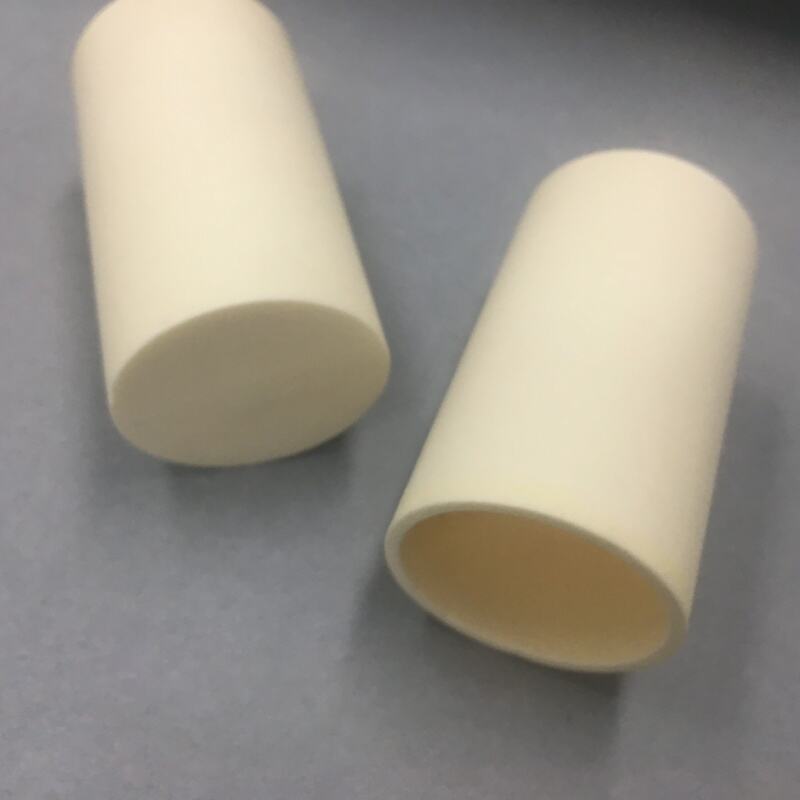
Laer totale eienaarskapskoste deur verminderde stilstandtyd en minder heraanwending van glasuur
Fasiliteite wat ons 1500°C-bestandige glasuur gebruik, rapporteer 72% minder onbeplande afsluitings jaarliks—wat neerkom op 450 addisionele produksieure per lyn. Plantoudits (2023) toon dat onderhoudskoste met 28% daal oor vyf jaar, aangedryf deur:
- Eliminasie van tussenstadium-herverfwerk tydens toerustingseerstelling
- 80% vermindering in noodherstelintervensies
- Uitbreiding van onderhoudsintervalle van kwartaallank tot tweejaarlikse skedules
Hierdie doeltreffendhede lewer geskatte besparings van $740 000 per vervaardigingslyn oor drie jaar, terwyl 'n bedryfsbeskikbaarheid van 95% gehandhaaf word—teenoor 82% met konvensionele coatings—wat 'n sterk ROI aantoon deur minimale materiaalverspilling, arbeidskoste en verlore vervaardigingstyd.
Presisietoepassings in hoë-hitte-industriële stelsels, insluitend ozoniseerdermodules
Kritieke beskerming vir osoonisatormodulebehuisings wat blootgestel word aan gekombineerde termiese spanning en oksidatiewe osoonomgewings
Osoonversterkermodules word met dubbele ekstrems geconfronteer: termiese siklusse bo 1000 °C en aggressiewe oksidatiewe aanvalle vanaf gekonsentreerde osoon. Ons glans wat vir 1500 °C beoordeel is, vorm ’n noodsaaklike beskermende barrier op metaalhuisings en voorkom die vorming van mikrokrake tydens vinnige termiese oorgange. Laboratoriumtoetse toon dat dit die korrosietempo van huisings met 68% verminder in vergelyking met onbekleede eweknieë onder aanhoudende osoonblootstelling (Materials Performance Report, 2023). Sy nie-poreuse mikrostruktuur belemmer suurstofdiffusie by verhoogde temperature—wat hermetiese seals wat noodsaaklik is om osoonlekke en stelselbesoedeling te voorkom, bewaar. In waterbehandelingsfasiliteite verleng dit onderhoudintervalles met 3–5×, waar ’n enkele-module-faal die hele suiweringsprosesse kan stilbring. Belangrik genoeg vermy die bekleding se chemiese onaktiwiteit katalitiese osoonontbinding—wat behandelingsdoeltreffendheid oor volledige bedryfsiklusse behou.
Verenigbaarheid met lug- en ruimtevaart-, turbine- en gevorderde glasvervaardigingstelsels wat stabiele 1500°C-oppervlakprestasie vereis
Buite osoonvervaardiging bied ultra-hoë-temperatuurglasse bewese prestasie oor missie-kritieke sektore wat betroubare 1500°C-oppervlakstabiliteit vereis. In die lug- en ruimtevaartbedryf weerstaan turbinebladbedekkings verbrandingstemperature wat 1400°C oorskry, terwyl dit ook oksidasie-geïnduseerde brosigheid in nikkel-superlegerings onderdruk. Glasvervaardigingskruibel voordeel van die glas se minimale lineêre krimp (<0,3%) tydens herhaalde 1500°C-vul siklusse—wat dimensionele presisie vir optiese-graadproduksie behou. Die toepassingsvereistes oor verskeie nywerhede word hieronder uiteengesit:
| Industrie | Kritiese komponente | Glasseprestasievoordele |
|---|---|---|
| Lugvaart | Kombustiekamers | Voorkom warmkorrosie in swawelryke brandstowwe |
| Kragopwekking | Gas turbine-vanne | Verminder kriepvervorming by volgehoue hoë belastings |
| Spesialiteitsglas | Oppervlaktes in kontak met vloeibare glas | Elimineer silika-uitwas vanaf partysels |
Vervaardigers rapporteer 40% langer onderhoudsintervalle in floatglasprodusielyne as gevolg van die glans se weerstand teen alkaliese dampaanval by piekbedryfstemperatuure—’n gevolg van ’n aangepaste koëffisiënt van termiese uitsetting (CTE)-ooreenstemming wat delaminering tydens termiese skokke voorkom.

