 EN
EN

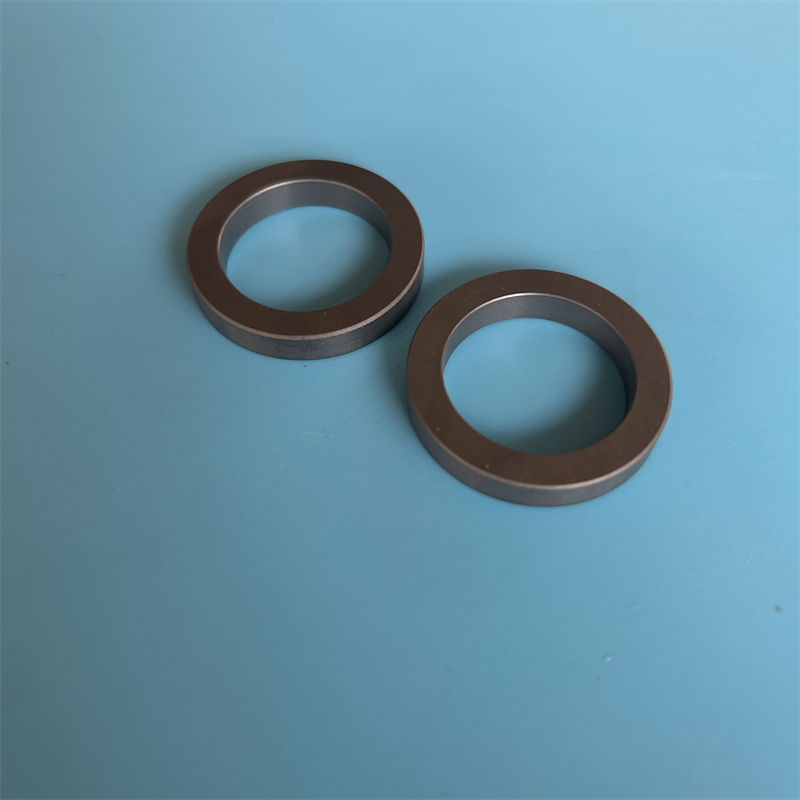
Industrial sensors operating in extreme heat face a constant battle against degradation. At temperatures above 800°C, unprotected sensor housings and substrates undergo oxidation, grain boundary corrosion, and ionic migration, all of which lead to signal drift, false readings, and premature failure. High temperature resistant ceramic glaze provides a solution by forming a dense, non porous protective layer that preserves sensor integrity. Engineered with zirconia stabilized matrices and controlled crystallization, this advanced glaze extends sensor service life by blocking thermal stress, chemical attack, and electrical interference.
Protection Against Thermal Degradation
Repeated thermal cycling from ambient to 1000°C or higher causes unprotected ceramic and metallic sensor components to expand and contract at different rates. This mismatch generates microcracks that propagate over time. High temperature resistant ceramic glaze solves this with a coefficient of thermal expansion carefully matched to the substrate. The glaze’s engineered microcrack deflection mechanism dissipates stress before it reaches the sensor body. Independent tests show that sensors coated with this glaze survive over 500 rapid temperature swings without measurable signal deviation. Uncoated sensors typically fail within 200 cycles. By maintaining structural integrity at up to 1400°C, the glaze prevents softening, embrittlement, and viscosity changes that would otherwise distort sensor geometry and calibration.
Resistance to Chemical Corrosion and Oxidation
Industrial environments often contain aggressive species such as sulfur compounds, alkali vapors, and molten salts. These chemicals attack sensor surfaces at high temperature, causing pitting, leaching of sensitive elements, and eventual signal loss. The ceramic glaze acts as a hermetic barrier with porosity below 2%. Its non porous microstructure blocks oxygen diffusion, which is the primary driver of oxidation driven failure. In combined cycle power plants, uncoated oxygen sensors show 30% signal drift after three months of exposure to flue gases. Coated sensors retain better than 95% accuracy after six months. The glaze also resists alkali volatilization, a common failure mechanism where sodium and potassium evaporate from unprotected surfaces at temperatures above 1175°C. This chemical inertness makes the glaze suitable for sensors used in glass melting furnaces, cement kilns, and chemical reactors.
Prevention of Electrical Interference and Signal Drift
For sensors relying on electrical signals such as thermocouples, RTDs, and gas detection probes, ionic migration at high temperature is a hidden killer. When unprotected ceramic insulators absorb moisture or contaminants, ions move freely under a potential difference, creating leakage currents that corrupt measurements. High temperature resistant ceramic glaze provides a high resistivity, non hygroscopic surface that suppresses ionic mobility. The fully vitrified glaze layer eliminates open pores where contaminants could accumulate. In field tests with thermocouple assemblies, glazed surfaces reduced leakage current by a factor of ten compared to standard alumina insulators. Signal to noise ratio improved by 8 decibels, allowing more precise temperature control in semiconductor processing and aerospace testing.
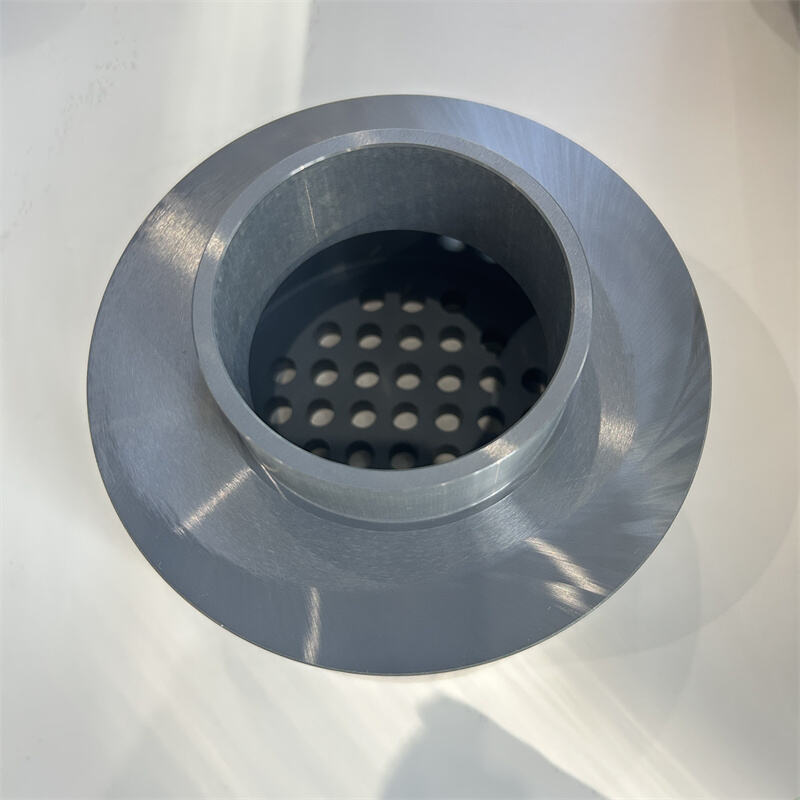
Quantifiable Longevity Improvements in Industrial Settings
Manufacturers that apply high temperature resistant ceramic glaze to their sensors report measurable gains in service life and reliability. A 2023 audit of a steel mill using glazed thermocouple protection tubes showed replacement intervals increasing from 12 weeks to 28 weeks, a 133% improvement. In a petrochemical cracker, uncoated pressure sensors failed every six months due to coking and corrosion. Glazed equivalents operated for 24 months without recalibration. The glaze reduces unplanned sensor related shutdowns by 70% in high temperature processes, translating to hundreds of additional production hours per year. For a typical industrial furnace line, the savings from avoided sensor replacements and process interruptions exceed $120,000 annually. The initial cost of glazing adds about 15% to sensor price, but the extended lifespan and reduced downtime deliver a return on investment within six months.
Conclusion
High temperature resistant ceramic glaze directly addresses the three main killers of industrial sensors thermal stress, chemical corrosion, and electrical interference. By providing a dense, stable, and chemically inert protective layer, it enables sensors to maintain accuracy and reliability at temperatures up to 1400°C. The result is longer service life, fewer unplanned shutdowns, and lower total cost of ownership. For any industry that relies on precise measurement in extreme heat, this glaze technology is a proven investment.

