 EN
EN

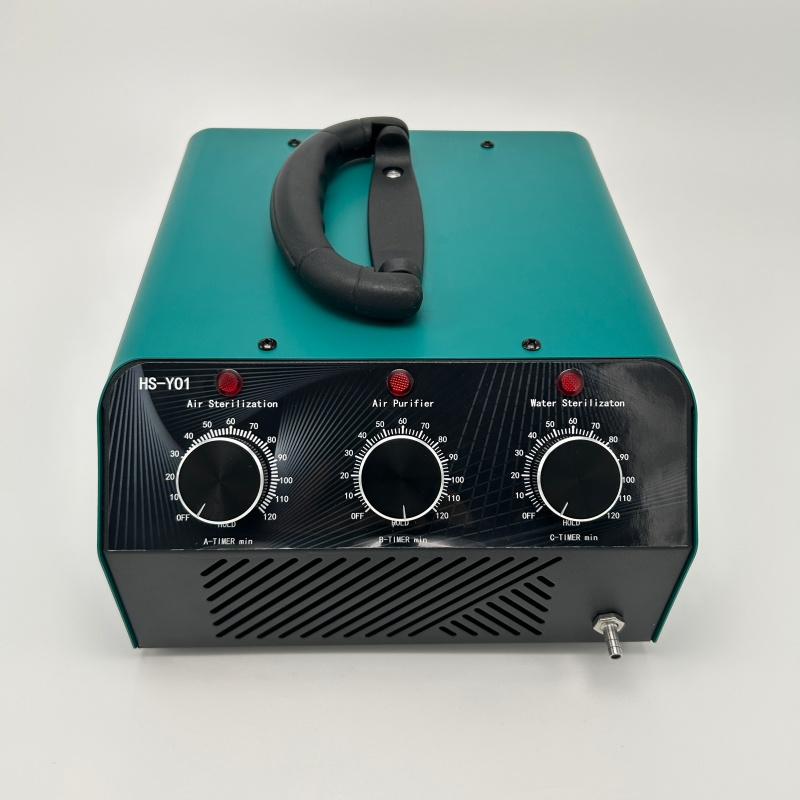
Unmatched Oxidation Power and Rapid Pathogen Inactivation
Ozone’s 2.07 V oxidation potential vs. chlorine (1.36 V) and hydrogen peroxide (1.78 V)
Ozone possesses the highest oxidation potential among common disinfectants at 2.07 volts—significantly exceeding chlorine (1.36 V) and hydrogen peroxide (1.78 V). This exceptional reactivity enables ozone to break down contaminants far more rapidly than conventional chemicals. While chlorine may require minutes to hours for effective disinfection, ozone achieves pathogen inactivation in seconds. Its superior voltage allows it to oxidize recalcitrant compounds—such as certain industrial pollutants and complex organic matter—that chlorine cannot reliably degrade. This makes ozone especially valuable in high-demand environments like food processing facilities and municipal water treatment plants.
Near-instant inactivation of bacteria, viruses, and chlorine-resistant protozoa (e.g., Cryptosporidium)
Ozone delivers broad-spectrum microbial inactivation within seconds of contact. E. coli and Salmonella are typically neutralized within 30 seconds at low-to-moderate concentrations; viruses—including norovirus and hepatitis A—are inactivated even faster. Critically, ozone effectively destroys chlorine-resistant protozoa such as Cryptosporidium parvum, which can survive standard chlorination for days. This rapid, reliable action eliminates the need for extended contact times or repeated dosing, minimizing operational downtime and ensuring consistent, high-level microbial control.
Non-selective, adaptation-proof mechanism: direct oxidation of cell membranes, proteins, and nucleic acids
Unlike antibiotics or quaternary ammonium compounds—which target specific cellular structures—ozone acts through non-selective, direct oxidation. It ruptures lipid membranes, denatures structural and enzymatic proteins, and fragments DNA and RNA. Because it attacks multiple essential biomolecules simultaneously, microorganisms cannot develop resistance through genetic adaptation. No known pathogen has demonstrated tolerance to ozone after repeated exposure, making it uniquely resilient against the growing global challenge of antimicrobial resistance.
Zero Residuals and No Harmful Disinfection Byproducts
Complete decomposition to oxygen within minutes — no toxic residues or rinse requirements
Ozone decomposes spontaneously into ambient oxygen (O₂) within minutes after application, leaving no chemical residue on surfaces or in water. This eliminates post-treatment rinsing—a major advantage in food-contact zones, pharmaceutical cleanrooms, and healthcare settings where residual chemicals pose safety or compliance risks. In contrast, chlorine and quaternary ammonium disinfectants often require thorough washing to remove potentially toxic residues, increasing labor, water use, and regulatory scrutiny.
Avoidance of regulated DBPs (e.g., trihalomethanes, haloacetic acids) linked to chlorine use
Chlorine-based disinfection reacts with natural organic matter to form regulated disinfection byproducts (DBPs), including carcinogenic trihalomethanes (THMs) and haloacetic acids (HAAs). Ozone avoids these halogenated compounds entirely: its decomposition pathway produces only oxygen, with no persistent chlorinated organics. As a result, ozone is widely adopted in potable water treatment, pharmaceutical manufacturing, and food processing—sectors where strict DBP limits and chemical-free validation are non-negotiable.
On-Site Generation Enhances Operational Safety and Logistics
Eliminates risks of storing, transporting, and handling hazardous chemicals like liquid chlorine or concentrated H₂O₂
Ozone generators produce disinfectant on demand from ambient air or oxygen—removing the need to store, transport, or handle hazardous substances such as liquid chlorine or concentrated hydrogen peroxide. This eliminates risks associated with chemical spills, leaks, inhalation hazards, and accidental mixing. Facilities avoid costly infrastructure for ventilated storage, hazmat transport compliance, and emergency response planning. Staff benefit from reduced chemical exposure, while operations gain supply-chain resilience and simplified regulatory reporting—no inventory tracking, SDS management, or DOT shipping documentation required.
Environmental Sustainability Across the Lifecycle
An ozone generator machine operates with a truly carbon-neutral lifecycle. After disinfection, ozone reverts completely to ordinary oxygen (O₂) within minutes, generating no toxic residues, persistent metabolites, or bioaccumulative compounds. Unlike conventional disinfectants—which may persist in soil, leach into groundwater, or accumulate in aquatic organisms—ozone poses zero risk of aquatic toxicity, soil persistence, or ecological bioaccumulation.
Carbon-neutral operation: ozone reverts to O₂ with no aquatic toxicity, soil persistence, or bioaccumulation risk
The entire use-phase chemistry of ozone is closed-loop: it is generated from air or oxygen, performs its disinfection function, then fully reverts to O₂ without shifting environmental burdens across media. Independent lifecycle assessments confirm that ozone-based systems avoid trade-offs—such as reducing water contamination at the expense of increased air emissions or soil impact. For organizations pursuing science-based sustainability targets, LEED certification, or ESG reporting, ozone offers verifiable environmental integrity alongside operational excellence.
FAQ
Why is ozone considered more effective than chlorine as a disinfectant?
Ozone has a higher oxidation potential (2.07 V vs. chlorine's 1.36 V), enabling it to inactivate pathogens like bacteria, viruses, and protozoa significantly faster than chlorine.
Does ozone leave any harmful residues after use?
No, ozone decomposes completely into oxygen within minutes, leaving no chemical residues that require rinsing or removal.
Can ozone inactivate chlorine-resistant microorganisms?
Yes, ozone can effectively destroy chlorine-resistant protozoa like Cryptosporidium, which survive traditional chlorination processes.
Is ozone safe for the environment?
Yes, ozone is eco-friendly as it converts back to oxygen, causing no aquatic toxicity, soil persistence, or bioaccumulation risks.
What are the operational benefits of on-site ozone generation?
On-site ozone generation eliminates storing and handling hazardous chemicals like chlorine or hydrogen peroxide, reducing risks and regulatory burdens.

