 EN
EN

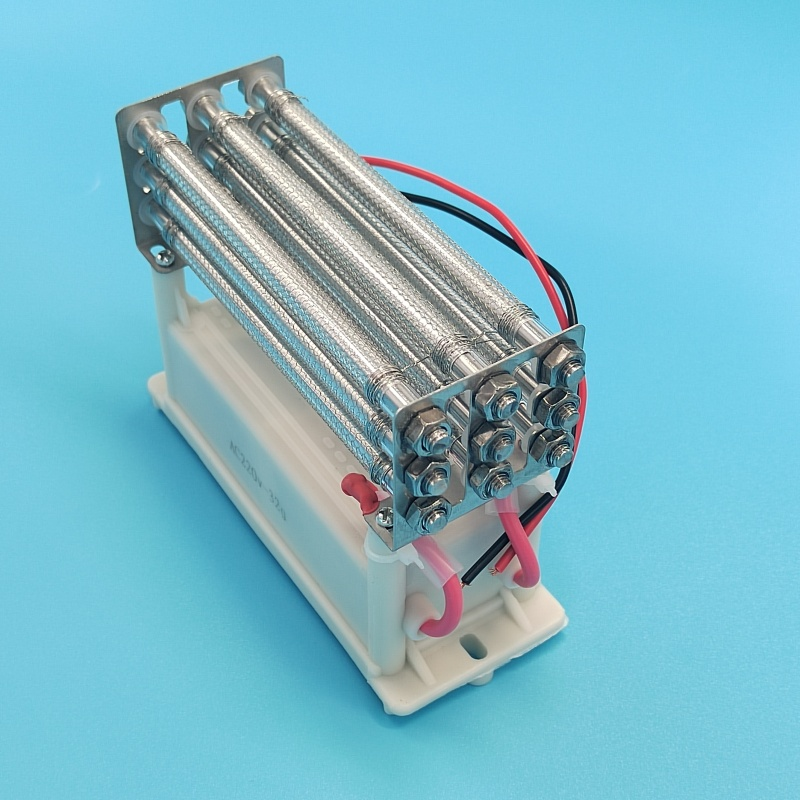
Why Proactive Ozone Module Maintenance Is Critical for Clinical Safety and Uptime
The High-Stakes Consequence of Ozone Module Failure in Sterilization Cycles
An ozone module failure during a sterilization cycle poses serious clinical and operational risks. Incomplete microbial inactivation can lead to surgical site infections, prolonged patient recovery, or life-threatening complications—particularly against resilient pathogens like C. difficile spores. Unplanned downtime disrupts operating room schedules, triggers costly reprocessing of contaminated loads, and cascades into hours of lost productivity. Beyond immediate harm, such failures invite regulatory scrutiny, liability claims, and reputational damage. Proactive maintenance—including regular output calibration and corona cell inspection—ensures consistent delivery of the lethal ozone dose required for validated sterilization, directly safeguarding both patient safety and operational continuity.
Regulatory Expectations: Linking Ozone Module Reliability to ISO 13485 and FDA QSR Compliance
ISO 13485 and the FDA Quality System Regulation (QSR) require that all sterilization equipment components—including ozone modules—perform reliably within validated parameters. These standards mandate documented maintenance schedules, calibration records, and performance verification logs. When an ozone module drifts out of specification, it compromises the sterilizer’s validated cycle, placing the entire quality management system at risk. Noncompliance may result in FDA Form 483 observations, warning letters, or enforcement actions. Proactive maintenance generates auditable evidence—trend reports, cleaning logs, and replacement histories—that demonstrates due diligence and aligns with good manufacturing practices (GMP) for medical device reprocessing.
Optimizing Feed Gas Quality to Protect the Ozone Module Core
How Humidity and Particulates Accelerate Ozone Module Degradation
Feed gas quality is the most significant determinant of ozone module longevity. High humidity destabilizes corona discharge and accelerates nitric acid formation, corroding dielectric barriers and electrodes. Particulates—including dust, oil aerosols, and biological debris—create localized hot spots that degrade ceramic surfaces and reduce ozone yield. Even modest moisture levels can depress ozone output by more than 15% and double electrode cleaning frequency. Dry, particle-free feed gas is therefore the foundational safeguard against premature ozone module failure.
Filter, Dryer, and Oxygen Concentrator Maintenance Schedules Tailored to Hospital HVAC Profiles
Hospital HVAC conditions vary widely—so maintenance intervals must be risk-based, not calendar-driven. In high-traffic areas with elevated particulate loads, replace inlet filters every three months instead of six. Desiccant dryers require monthly inspection to verify dew point remains below –40°C. Oxygen concentrators feeding ozone modules demand routine checks of molecular sieve beds and particulate filters. Integrating real-time ambient humidity and particulate monitoring enables predictive adjustments to these schedules—preserving ozone module performance across its full service life and preventing unexpected interruptions in medical disinfection.
Corona Cell Care: Cleaning, Nitric Acid Mitigation, and Ozone Module Integrity Checks
Understanding NOₓ Byproduct Formation and Its Corrosive Impact on Ozone Module Electrodes
In corona discharge ozone generation, nitrogen and oxygen react under high-energy conditions to form nitrogen oxides (NOₓ). When combined with trace moisture, NOₓ converts to nitric acid—a highly corrosive agent that attacks electrodes and degrades dielectric materials. This corrosion increases leakage current, reduces ozone yield, and ultimately leads to irreversible module failure. Research confirms that a 10% rise in relative humidity can triple NOₓ production—making aggressive dehumidification (to a dew point below –60°C) essential. Routine corona cell integrity checks are critical to detecting early signs of this degradation before clinical performance is compromised.
Medical-Grade Corona Cell Cleaning Protocol (Validated per ISO 13485 Requirements)
A validated, ISO 13485-aligned cleaning protocol ensures corona cell reliability while supporting audit readiness. Begin by disconnecting power and allowing full cooldown. Remove loose particulates using compressed air or a non-abrasive brush. For nitric acid residue, apply 70% isopropyl alcohol with lint-free wipes—never water-based cleaners, which risk moisture ingress. After cleaning, conduct a dielectric resistance test to confirm electrode integrity. Document each event with date, technician name, and key observations. Perform this procedure every 500 operating hours or quarterly—whichever occurs first—to maintain consistent ozone output and traceable compliance.
Monitoring, Calibrating, and Diagnosing Ozone Module Performance Decline
Detecting Early Degradation: Interpreting Output Drift, Sensor Drift, and Power Anomalies
Early detection of ozone module decline relies on three interrelated indicators: ozone output drift, sensor calibration drift, and electrical anomalies. A sustained 5% drop in ozone concentration from baseline warrants investigation—compare current readings against commissioning data weekly. Frequent zero-span recalibrations of the ozone sensor often signal underlying corona cell deterioration or sensor aging. Similarly, rising current draw or erratic voltage spikes may indicate dielectric breakdown or nitric acid accumulation. Logging all metrics on a trend chart allows pattern recognition well before failure thresholds are reached.
Actionable Thresholds: When a 15% Ozone Output Drop Triggers Ozone Module Servicing or Replacement
A sustained 15% reduction in ozone output—verified over two consecutive daily measurements—is the universally accepted trigger for intervention. First, rule out external causes: confirm feed-gas quality and recalibrate the ozone analyzer. If output remains subpar, inspect and clean the corona cell. For modules older than 18 months, replacement is typically more cost-effective and clinically reliable than repeated servicing, as internal electrode wear is rarely reversible. This threshold balances sterility assurance with resource stewardship—and must be documented with rationale, per manufacturer guidelines and internal quality procedures.
FAQ
Why is proactive ozone module maintenance critical?
Proactive maintenance prevents clinical risks, ensures operational continuity, avoids regulatory violations, and helps maintain sterilization effectiveness.
How does feed gas quality impact ozone modules?
High humidity and particulates degrade ozone module components and reduce longevity. Quality feed gas ensures consistent performance and reduced maintenance.
What is the recommended cleaning protocol for corona cells?
Disconnect power, clean with compressed air or alcohol wipes, and confirm dielectric resistance. Follow this procedure every 500 operating hours or quarterly.
When should an ozone module be replaced?
A sustained 15% drop in ozone output over two consecutive days, or modules older than 18 months, typically require servicing or replacement.
How does ozone drift signal module degradation?
Sustained ozone concentration drift, sensor recalibrations, and electrical anomalies indicate internal wear or functional decline in ozone modules.
Table of Contents
- Why Proactive Ozone Module Maintenance Is Critical for Clinical Safety and Uptime
- Optimizing Feed Gas Quality to Protect the Ozone Module Core
- Corona Cell Care: Cleaning, Nitric Acid Mitigation, and Ozone Module Integrity Checks
- Monitoring, Calibrating, and Diagnosing Ozone Module Performance Decline
- FAQ

