 EN
EN

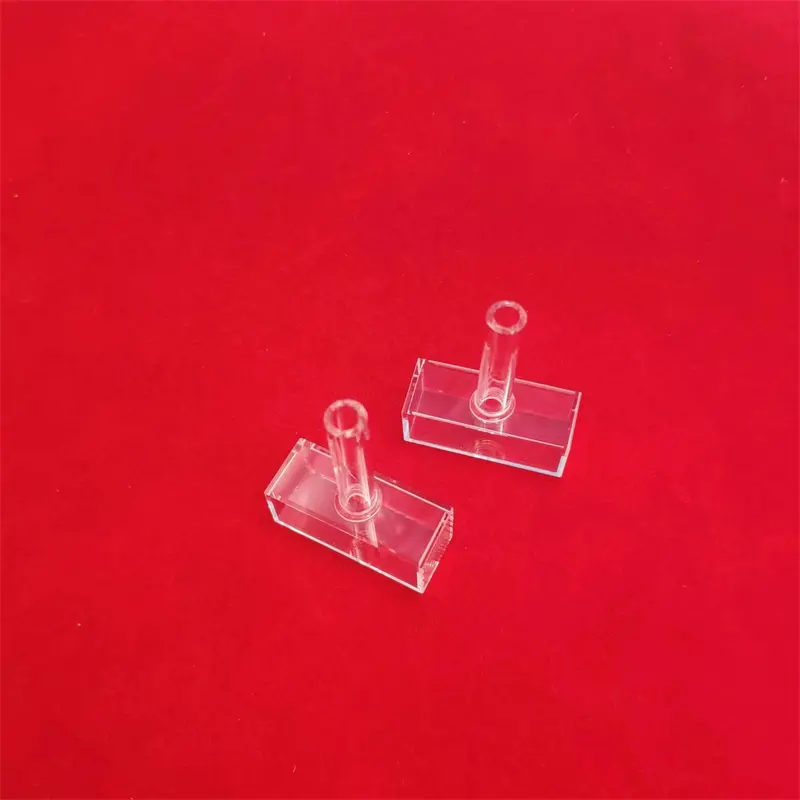
What Are the Key Specifications of Glass Cuvette Cell for Spectrophotometry
In the demanding world of analytical chemistry and modern laboratory research, the glass cuvette cell serves as the primary interface between the chemical sample and the high-precision analytical instrument. Whether a facility is conducting routine qualitative assessments or complex, high-stakes quantitative analyses, the overall accuracy and reliability of spectrophotometric measurements are heavily dependent on the physical and optical properties of the cuvette itself. For experienced laboratory professionals, research scientists, and analytical chemists, understanding the critical, technical specifications of these cells is not merely a matter of selecting a basic container; it is about ensuring that the optical path remains perfectly consistent, fully repeatable, and entirely free from environmental interference. As precise data remains the essential cornerstone of modern scientific discovery, a deeper technical look into the parameters of glass cuvettes reveals why specific dimensions, manufacturing techniques, and material purities are selected to meet the diverse, rigorous requirements of contemporary laboratory experiments.
Optical Path Length and Dimensional Precision
The optical path length is perhaps the most defining technical specification of any spectrophotometric cell. Standardized to a 10mm distance in the vast majority of global laboratory settings, this path length is critical because spectrophotometry fundamentally relies on the Beer-Lambert Law, where the measured absorbance is directly proportional to the distance that light travels through the liquid sample. Any microscopic deviation in this measurement—even by a fraction of a millimeter—inevitably introduces systematic error into the experimental data. Beyond the internal path length, the external dimensions must align perfectly with the spectrophotometer’s internal cell holder. Precision manufacturing ensures that the cuvette fits snugly within the optical beam, significantly minimizing the risk of incident light "bypassing" the sample. When sourcing these cells, verifying the strict tolerance of these dimensions is essential for ensuring that the instrument records true absorbance values rather than artifacts created by a poorly fitting or improperly manufactured cell.
Spectral Transmission Range and Material Purity
The material composition of the glass cuvette cell dictates its functional utility across the electromagnetic spectrum. While standard glass cuvettes—often composed of high-quality optical glass—are incredibly effective for routine measurements in the visible range (typically from 340nm up to 2500nm), they exhibit significant, unavoidable absorption in the ultraviolet (UV) region. This makes them inherently unsuitable for experiments involving proteins, DNA, or specific organic compounds that require high UV absorbance analysis. Understanding the specific cutoff wavelength of the glass is vital; attempting to use a cell below its effective transmission range will result in saturated detector readings and fundamentally useless spectral data. Superior glass cells are manufactured with high-purity raw materials designed to minimize internal light scattering and maximize optical transparency, ensuring that the light reaching the detector is attenuated only by the sample, not by the container itself.
Surface Quality and Window Parallelism
At a microscopic level, the clarity, smoothness, and flatness of the optical windows directly determine the signal-to-noise ratio of every measurement. High-quality glass cuvettes are characterized by windows that are polished to exceptional, laboratory-grade levels of flatness, ensuring that incoming light rays pass through without erratic refraction or scattering. Furthermore, window parallelism—the degree to which the two transparent faces of the cell are perfectly parallel to one another—is a major factor in preventing light beam deviation. If the windows are not perfectly aligned, the light path can shift or disperse significantly before reaching the internal detector, leading to inconsistent baseline readings and unreliable data. Manufacturers of precision analytical hardware utilize specialized grinding and polishing techniques to ensure that the windows meet strict, industry-standard flatness requirements, which remains a hallmark of a truly reliable, high-performance cuvette.
Chemical Compatibility and Thermal Stability
While pure optical performance is paramount, the physical resilience of the cuvette is equally important in a working laboratory. Analytical facilities often work with a wide variety of solvents, ranging from simple aqueous solutions to volatile, reactive organic compounds. A robust glass cuvette cell must be chemically inert and highly resistant to the common acids, bases, and aggressive solvents used in daily sample preparation. The manufacturing process, particularly the fusion of the windows to the main cuvette body, determines the cell’s long-term resistance to chemical degradation. Cells constructed with high-temperature fusion techniques—rather than standard adhesive bonding—offer superior longevity, as they present no risk of contamination from chemical leaching. Additionally, thermal stability is critical for kinetic reactions performed directly within the cuvette; the glass must be able to withstand varying temperature ranges without altering its shape or optical properties during sensitive long-term studies.
Precision Engineering and Supply Consistency with Highborn
The ultimate reliability of any analytical process is fundamentally rooted in the consistent quality of the laboratory consumables utilized. Choosing a partner that prioritizes manufacturing consistency, optical purity, and dimensional accuracy provides a massive advantage in maintaining reproducible results over the long term. Highborn focuses intensely on the technical specifications and structural integrity of their optical laboratory hardware, ensuring that each unit produced meets the rigorous, unforgiving demands of professional research environments. By emphasizing stringent quality control, precise polishing, and high-purity material selection, Highborn creates a technical foundation that makes accurate, reliable spectrophotometry a standard expectation rather than a variable outcome. Their ongoing commitment to technical consistency means that laboratories have a dependable, stable source for high-performance optical cells, ensuring that every measurement translates into accurate, actionable scientific data. By integrating such high-caliber equipment, researchers can confidently pursue their analytical goals while maintaining the absolute highest standards of hardware reliability and measurement fidelity.
Table of Contents
- What Are the Key Specifications of Glass Cuvette Cell for Spectrophotometry
- Optical Path Length and Dimensional Precision
- Spectral Transmission Range and Material Purity
- Surface Quality and Window Parallelism
- Chemical Compatibility and Thermal Stability
- Precision Engineering and Supply Consistency with Highborn

