 EN
EN

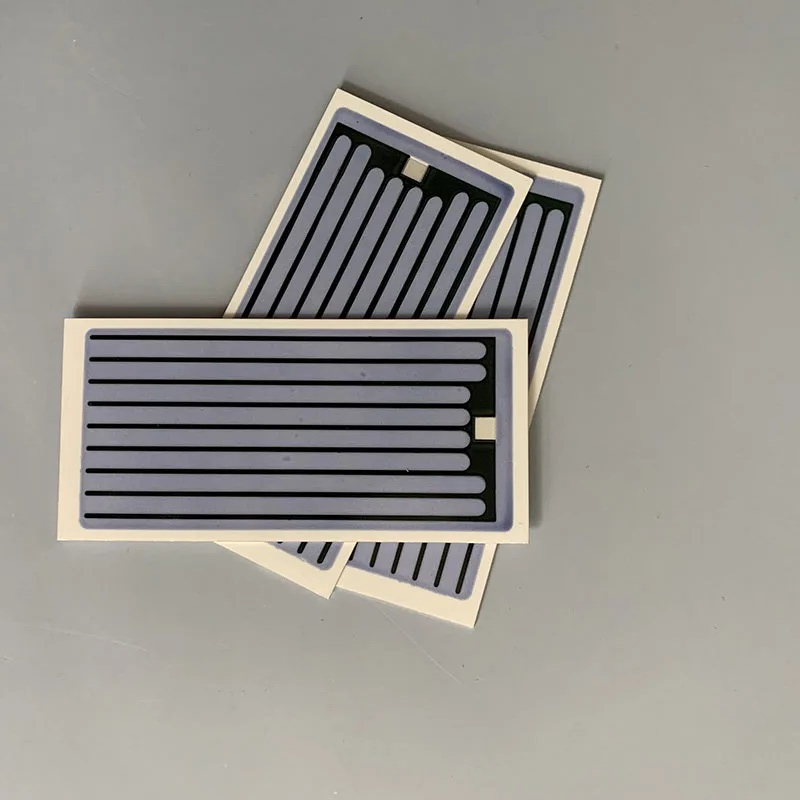
What Is an Aquarium Aeration Plate? Core Design and Oxygen Transfer Mechanism
How Porous Diffusion Plates Generate Fine Bubbles for Efficient O₂ Transfer
Aeration plates for aquariums work by passing compressed air through porous materials like ceramic or EPDM membranes, creating those tiny bubbles we all know and love (usually between half a millimeter to two millimeters across). The way these plates are designed actually increases the contact area between gas and water at the same time as keeping those bubbles suspended longer in the tank water. This leads to better oxygen getting dissolved into the water overall. Surface aerators just stir things up at the top of the water, but when we go with subsurface diffusion methods, oxygen gets spread throughout the entire water column from bottom to top. Those small bubbles don't merge together as much and they rise slower too, which means about 30 to 50 percent more oxygen ends up transferred compared to systems with bigger bubbles. For folks running Recirculating Aquaculture Systems (RAS), maintaining consistent dissolved oxygen levels above 5 mg/L becomes possible with this kind of setup—something absolutely critical for proper fish health and keeping the whole system balanced and functioning well over time.
Ceramic vs. EPDM Membrane: Material Impact on Durability and Performance in RAS
Material selection directly affects performance longevity and suitability across aquaculture environments:
| Property | Ceramic | EPDM Membrane |
|---|---|---|
| Bubble Size | Ultra-fine (0.5–1mm) | Fine (1–2mm) |
| Clog Resistance | Low (requires frequent cleaning) | High (biofouling-resistant) |
| Lifespan | 2–3 years | 5+ years |
| Best For | Low-solids RAS | Muddy ponds or high-biofouling environments |
Ceramic plates definitely offer better oxygen transfer efficiency compared to other options, though they tend to get clogged pretty easily when dealing with murky or organic rich water conditions. EPDM membranes might sacrifice around 12 to 15 percent in SOTE at about 2 meters depth, but what they lose in efficiency they gain back many times over in terms of lasting power and low maintenance requirements. These membranes work really well in earthen ponds or any system where biofilms are likely to develop. Looking at actual numbers from real world applications, both ceramic plates and EPDM membranes beat traditional paddlewheel systems in energy efficiency by roughly 40%. This has been confirmed through various studies conducted in aquaculture operations and published in the Journal of Aquacultural Engineering, so it's not just theoretical stuff here.
Where Aquarium Aeration Plates Fit in Aquaculture Systems
Subsurface Diffused-Aeration Advantages Over Surface Methods in Ponds and Tanks
Designed specifically for subsurface diffused aeration, these plates work better than those surface methods we all know too well like paddlewheels or agitators when it comes to RAS systems and ponds alike. What happens with surface aeration? Well, it stirs things up at the top but leaves most of the water below starved for oxygen. That's why many ponds end up with these nasty hypoxic areas down deep plus problems with temperature layers forming. The real magic happens with those subsurface plates though. They put out tiny bubbles that float up slowly through the water column. This means oxygen gets distributed throughout the entire system instead of just sitting on top. No more dead spots under the surface, more stable dissolved oxygen levels across the board, and best of all, energy bills drop anywhere from 30 to 50 percent compared to running those old surface aerators day after day. Makes sense for anyone running serious aquaculture operations where every penny counts.
Optimal Placement, Spacing, and Depth Guidelines for Earthen and Lined Aquaculture Ponds
Effective deployment hinges on hydrodynamics and system geometry:
- Depth: Install at 1.5–2 m in earthen ponds to leverage hydrostatic pressure for enhanced bubble dissolution; ≥1 m is sufficient in lined ponds.
- Spacing: Position plates 3–5 m apart in circular or grid patterns to prevent low-oxygen pockets.
-
Layout: Mount near tank or pond bottoms in RAS to promote uniform DO distribution. Avoid placement beneath feeding zones to reduce biofilm accumulation and clogging risk.
For ponds exceeding 3 m depth, vertical stacking of plates ensures consistent DO ≥5 mg/L throughout the water column—supporting healthy fish physiology and reducing stress-related mortality during temperature fluctuations.
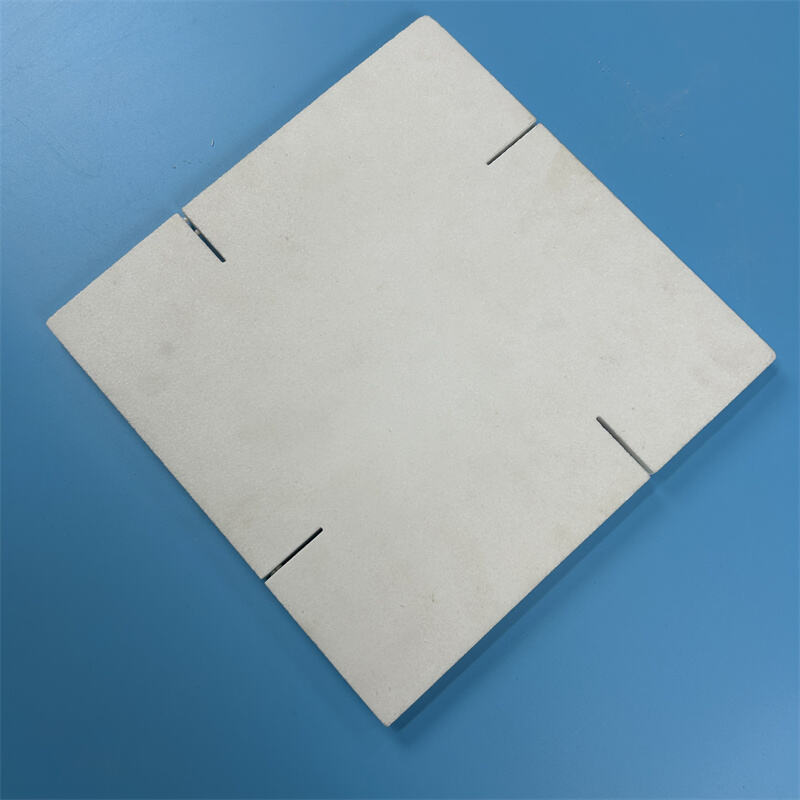
Aquarium Aeration Plate Efficiency Compared to Alternative Aeration Equipment
Energy Use and Oxygen Transfer Efficiency (SOTE): Plates vs. Venturi Injectors and Paddlewheels
When it comes to getting oxygen into aquarium water, aeration plates beat most other options when looking at how much energy they use and how reliably they transfer oxygen. Venturi injectors typically manage around 5 to 8 percent SOTE because they create turbulence just on the surface and bubbles don't stay in contact with water long enough. Paddlewheel systems aren't much better either, using between 1.5 and 3.5 kilograms of oxygen per kilowatt hour, and this gets even worse in deeper tanks where efficiency drops off sharply. Aeration plates solve many of these problems by releasing tiny bubbles deep down in the water column. These small bubbles hang around longer before rising to the surface, allowing more oxygen to dissolve into the water for each unit of electricity consumed. Fish farmers have seen real savings too, with operational costs dropping anywhere from 30 to 50 percent in commercial setups according to tests done following USDA-NRCS guidelines for proper aquaculture practices.
Real-World SOTE Data: 12–18% at 2m Depth Confirms Aquarium Aeration Plate Effectiveness
Measurements taken in actual RAS operations and traditional earthen ponds regularly show SOTE readings between 12% and 18% at around 2 meters deep, which confirms these systems work well in practice. The reason for this good performance? Well, it comes down to several factors working together: smaller bubbles that stay suspended longer, controlled release rates that prevent wasted energy, and even distribution throughout the water column. All this helps keep dissolved oxygen levels above 5 mg/L even when there's heavy biological activity going on. Surface aerators just can't match this kind of performance once they get past about 1 meter depth. That's where aeration plates really shine, delivering strong oxygen transfer right where fish need it most—in those crowded growing areas. Systems with correctly installed plates can handle stocking densities as high as 40 kg per cubic meter without needing extra aeration equipment. This makes a big difference in reducing the risk of low oxygen events during hot summer days or those critical early morning hours when oxygen levels naturally dip.

