1. Overview of Diatomite
1.1 Definition and Formation
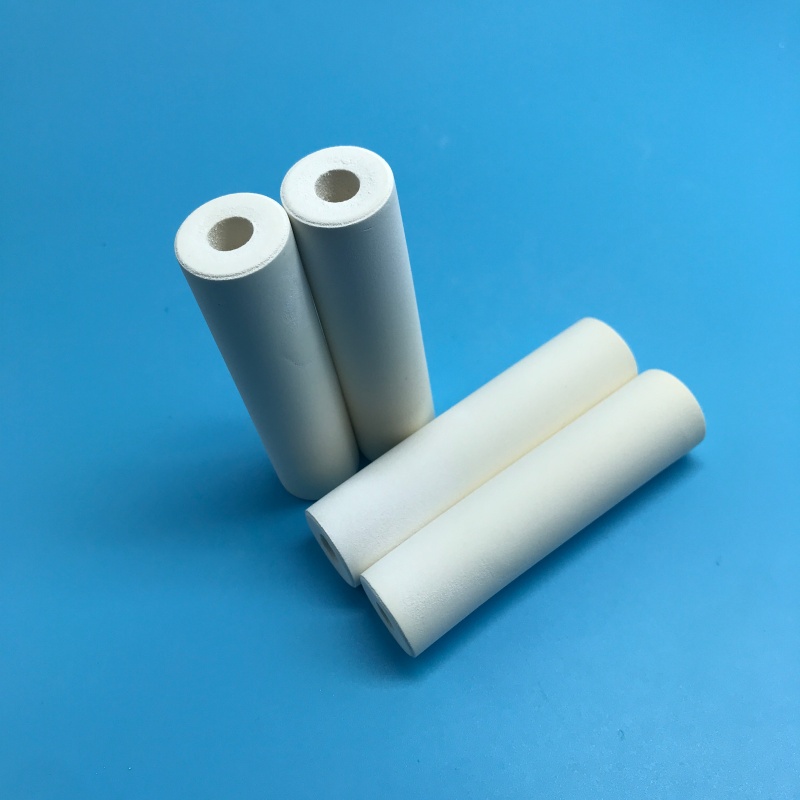
Diatomite, also known as diatomaceous earth (DE) or kieselguhr, is a soft, porous, naturally occurring sedimentary rock. It is formed by the fossilized remains of diatoms — single-celled aquatic photosynthetic algae that have existed on Earth for over 100 million years.
These microscopic organisms possess intricate silica-based cell walls (frustules). After death, their remains settle in aquatic environments including lakes, oceans, and marshes. Over millions of years, geological compression and mineralization accumulate these frustules into diatomite deposits. The mineral is globally mined in ancient aquatic basin regions, such as the United States, China, Germany, and Denmark.
1.2 Classification and Grade Standards
Based on processing methods, diatomite is mainly divided into two categories: natural diatomite and calcined diatomite.
Natural diatomite is directly mined and crushed for use. Calcined diatomite is treated at 600–1000℃ to remove organic substances, densify pore structures, and improve filtration performance and mechanical strength.
High-end food-grade and pharmaceutical-grade diatomite undergoes deep purification to reduce heavy metals and impurities, complying with FDA and EU international food safety standards. Featuring abundant reserves, low processing cost and eco-friendliness, diatomite is a vital sustainable material with continuously expanding application scenarios.
2. Core Characteristics of Diatomite
2.1 Physical Structure Characteristics
Diatomite’s physical properties are derived from fossilized diatom frustules, with high porosity as its core feature.
It has a porosity of 80%–90% and a large specific surface area, delivering strong adsorption capacity for liquids, gases and fine particles. Its rigid frustule structure maintains good stability under pressure, with excellent wear resistance and filtration performance.
The only physical limitations are low natural plasticity and relatively low mechanical strength caused by high porosity, which can be effectively improved by modification treatment.
2.2 Chemical Properties
The main chemical component of high-quality diatomite ore is amorphous SiO₂ (80%–95%), with trace impurities of Al₂O₃, Fe₂O₃ and organic matter.
It features excellent chemical inertness, resisting corrosion from most acids and alkalis (except hydrofluoric acid). Meanwhile, it is non-toxic and environmentally friendly, which guarantees safe application in food, pharmaceutical and environmental protection fields.
2.3 Thermal Performance
Diatomite has outstanding thermal performance with a high melting point of 1650–1750℃. It possesses excellent thermal stability and low thermal conductivity, making it an efficient and reliable thermal insulation and fire-resistant material for industrial and construction scenarios.
3. Advantages of Diatomite Ceramic
3.1 Excellent Adsorption and Filtration Performance
The ultra-high porosity and large specific surface area are the core competitive advantages of diatomite. Different from conventional filter materials, it achieves efficient adsorption and filtration effects.
It can accurately capture micro-particles, heavy metals and organic impurities while ensuring the smooth flow of liquids and gases, with comprehensive filtration performance far superior to traditional filter materials.
3.2 Safe and Non-toxic with Stable Chemical Properties
Benefiting from stable chemical inertness and non-toxic properties, diatomite is extremely safe for food, beverage and pharmaceutical production. It requires no additional safety protection measures and will not cause secondary pollution to processed products, meeting strict industrial safety requirements.
3.3 Lightweight and High Thermal Insulation Performance
Diatomite is lightweight and high-temperature resistant. It will not bring extra load to building and industrial materials. In addition, it can effectively enhance the thermal insulation and sound insulation performance of products, realizing multi-functional optimization of materials.
3.4 Economical and Environmentally Friendly
As a natural mineral, diatomite has abundant global reserves and low mining and processing costs, serving as a cost-effective alternative to synthetic materials.
It is fully biodegradable in natural environments. Its application as natural insecticide and soil conditioner reduces the dependence on chemical agents, perfectly fitting the requirements of sustainable green development.



 EN
EN