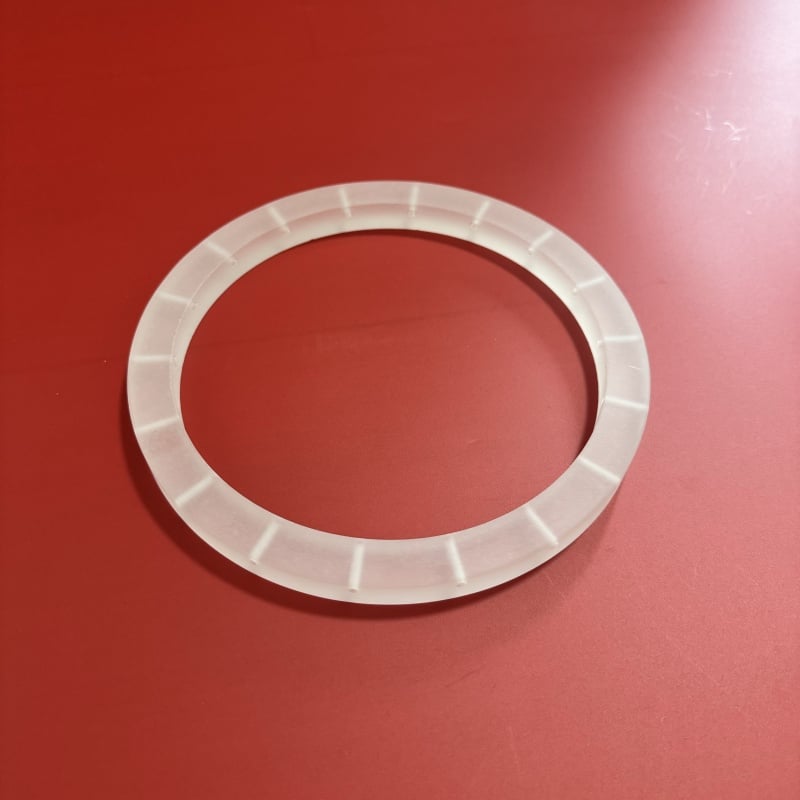
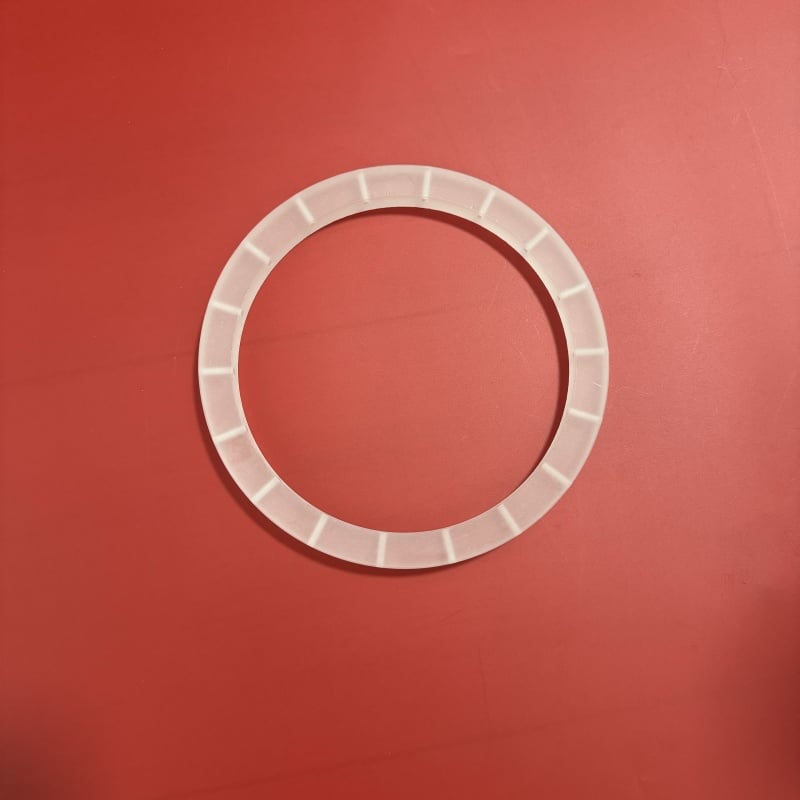
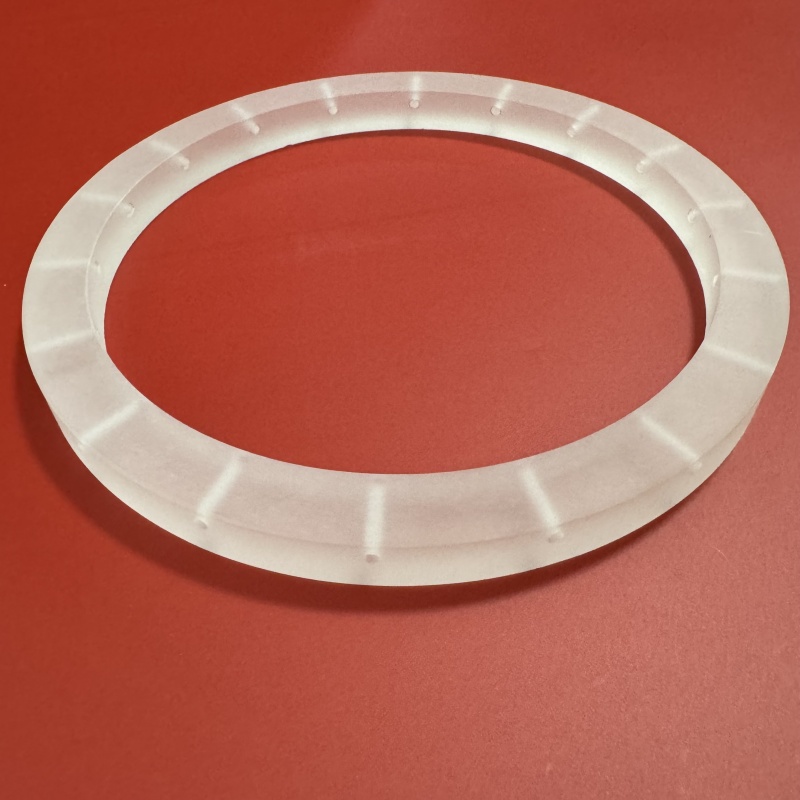
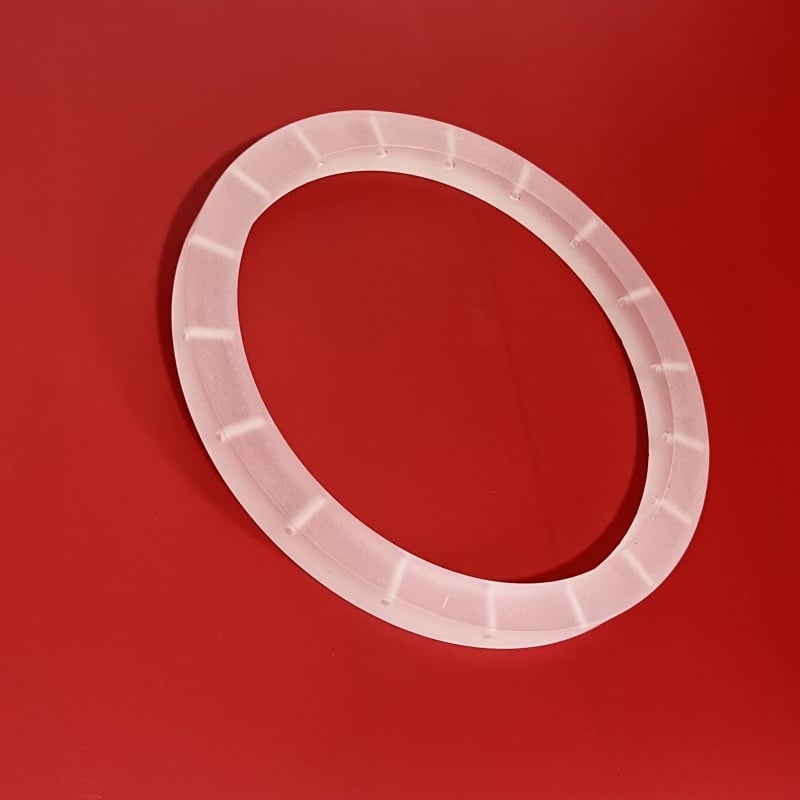
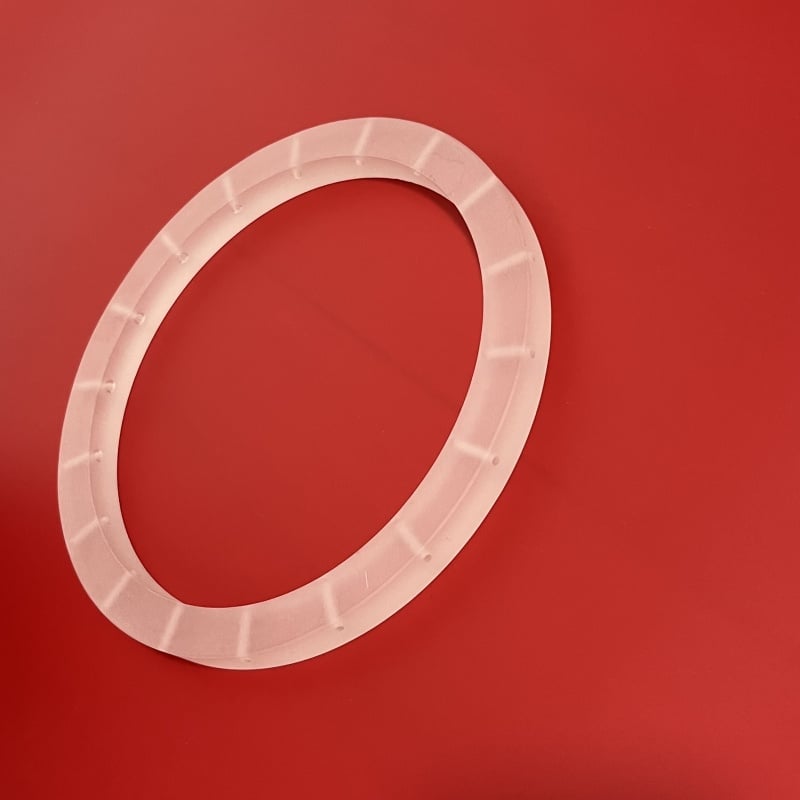
Frosty quartz flange Material purity:
SiO₂, content up to 99.9%
Working temperaturerange:
Long time working temperature is 1100 degree and short time working temperature is 1200 degree
Size and design:
Accept customize according to different diameter , thickness, length or sending your drawing.
Key Properties:
Chemically inert, acid and alkali resistant
Application:
mainly used in semiconductor manufacturing, vacuum equipment connections, and high-temperature chemical processes, serving as high-temperature and corrosion-resistant sealing or connecting components
Product Details
The manufacturing of frosted quartz flanges has evolved significantly. While traditional methods relied on time-consuming hot and cold processing, modern production predominantly utilizes a "quartz casting" process to achieve high precision and efficiency. The process can be broken down into the following key steps:
1.1 Molding and Forming: The process begins with high-purity quartz sand, which is placed into a specially designed forming furnace. This furnace features an inner isolation cylinder and multiple outer isolation cylinders that create separate insulation zones. The quartz sand is heated until it melts, and the furnace shell is rotated to ensure the molten quartz evenly adheres to the inner wall of the cylinder. Once the desired shape is achieved, heating is stopped, and the material is allowed to cool and solidify into the rough flange shape. This one-step molding process is a key advantage, as it reduces production costs, lowers energy consumption, and improves efficiency compared to older methods.
1.2 Precision Machining: After the initial casting, the flange often requires further precision work. For specific applications, such as sealing surfaces, the flange may undergo CNC machining to achieve tight tolerances, including a flatness of up to 0.02mm. This step is crucial for ensuring a perfect fit and optimal performance.
1.3 Frosting Treatment: The final and defining step is the creation of the "frosted" surface, which is typically achieved through precision grinding or sandblasting. The sealing surface is ground with a specific grit-size wheel to create a uniform micro-texture. This is not a simple roughening but a controlled process to create a specific surface roughness (Ra value typically controlled between 0.8-1.6 μm). This precise finishing is what gives the flange its characteristic matte appearance and critical sealing functionality.
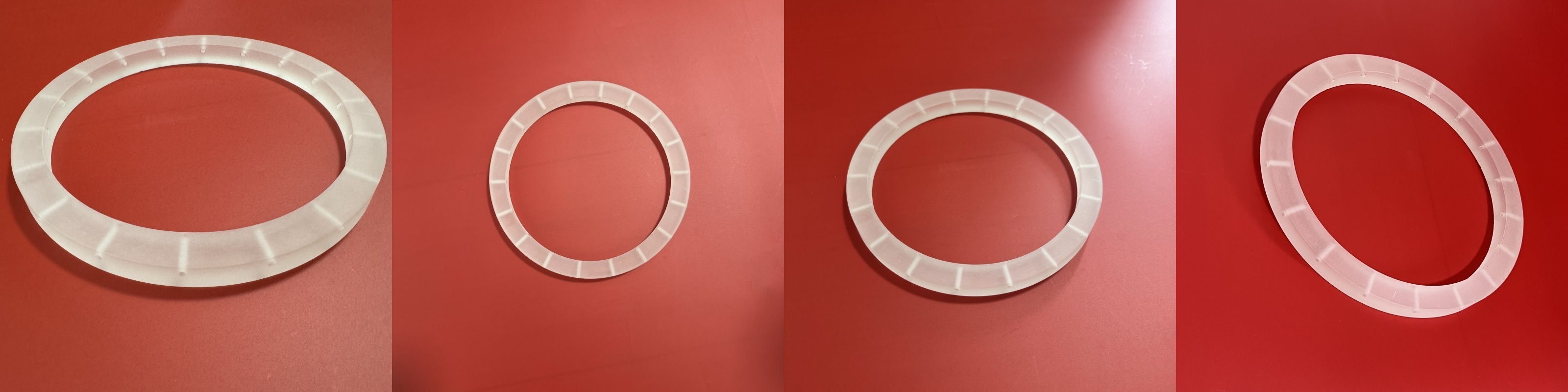
Frosted quartz flanges offer a range of superior properties derived from both the base material and the specific frosted finish:
2.1 Superior Material Properties: High-purity fused quartz (SiO₂ > 99.9%) provides exceptional thermal resistance, capable of continuous operation at temperatures up to 1100°C and short-term exposure up to 1450°C, with a softening point around 1730°C. It also boasts excellent chemical resistance, withstanding most acids (except hydrofluoric) and is highly resistant to thermal shock due to its extremely low coefficient of thermal expansion (5.5 x 10⁻⁷ /°C). Furthermore, it is an outstanding electrical insulator.
2.2 Enhanced Sealing Performance: The "frosted" finish is a key advantage. The micro-texture created by grinding increases the friction coefficient and the sealing surface contact area. When used with a gasket (e.g., PTFE or perfluoroether), it provides a more stable seal, preventing gasket slippage due to pressure fluctuations or thermal expansion and contraction. This "micro-groove locking" effect can improve pressure resistance by up to 30% compared to a polished surface.
2.3 High Purity and Cleanliness: As a non-metallic material, quartz eliminates the risk of metal ion contamination, which is critical for sensitive processes in the semiconductor industry. The material's high purity also ensures it does not introduce contaminants into the process stream.
The unique combination of properties makes frosted quartz flanges indispensable in demanding high-tech industries:
3.1 Semiconductor Manufacturing: They are extensively used in etching machines and atomic layer deposition (ALD) equipment for gas path connections and chamber interfaces. Their high purity, chemical resistance, and superior sealing prevent metal contamination and ensure the integrity of vacuum systems.
3.2 Photovoltaic and Display Production: In PECVD equipment, these flanges serve as source gas pipeline interfaces, resisting corrosive gases like silane and ammonia.
3.3 Fiber Optic Preform Manufacturing: They are used as sealing connectors in high-temperature processes, such as those involving hydrogen chloride, where their corrosion resistance is vital.
3.4 Laboratory and Research: They are used to create custom high-temperature reaction vessels, vacuum systems, and specialized equipment. Their ability to be machined into complex, non-standard shapes makes them ideal for bespoke laboratory setups, where they can provide leak-tight seals for customized vacuum chambers (achieving vacuum levels down to 5 x 10⁻⁵ Pa). They are also used in chemical processes like reactors, separation, and distillation columns.
Specifications
| Property Content | Property Index |
| Density | 2.2×10³kg/cm³ |
| Strength | 580KHN100 |
| Tensile Strength | 4.9×10⁷Pa(N/㎡) |
| Compression Strength | >1.1×10⁹Pa |
| Coefficient of Thermal Expansion | 5.5×10⁻⁷cm/cm℃ |
| Thermal Conductivity | 1.4W/m℃ |
| Specific Heat | 670J/kg℃ |
| Softening Point | 1680℃ |
| Annealing Point | 1215℃ |
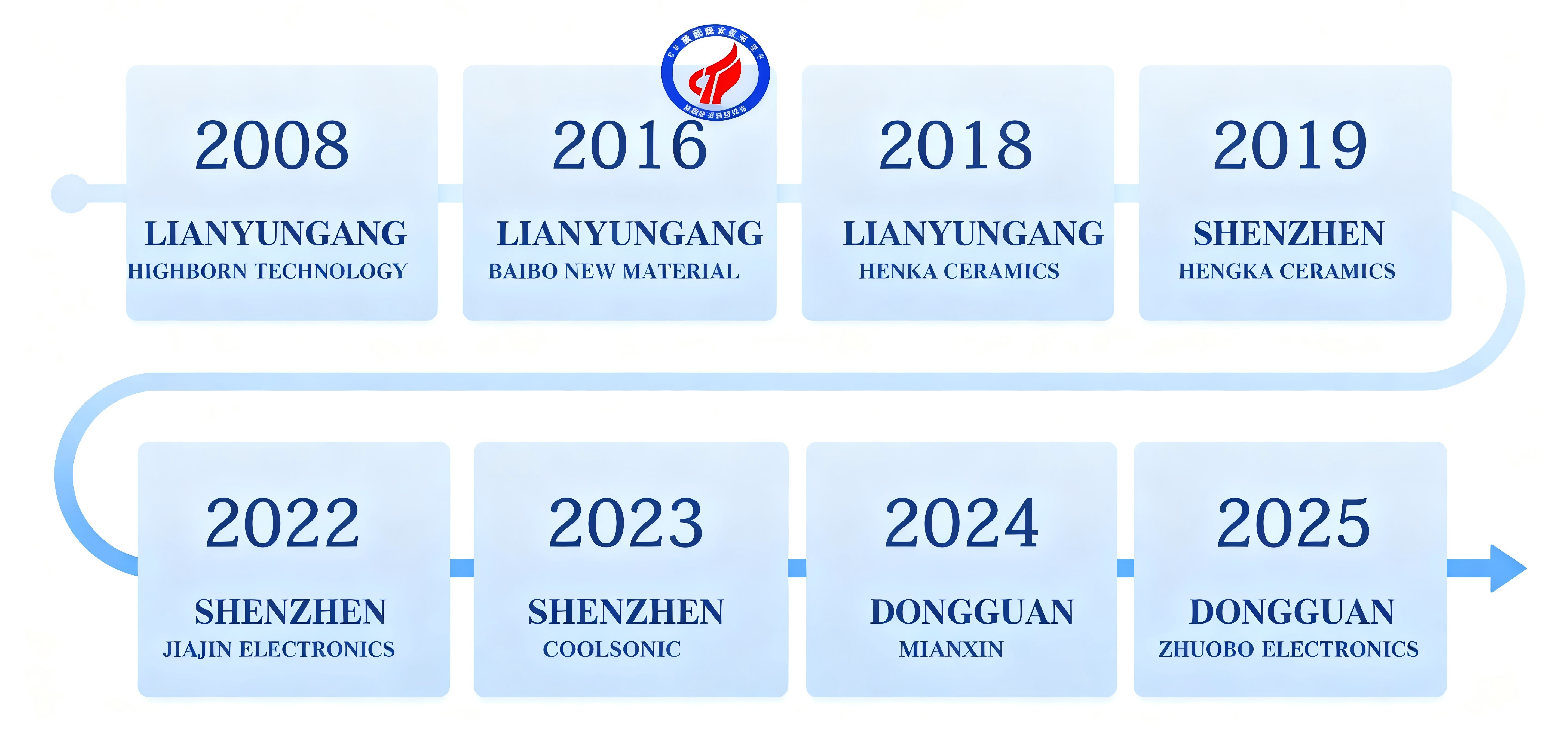
Development History
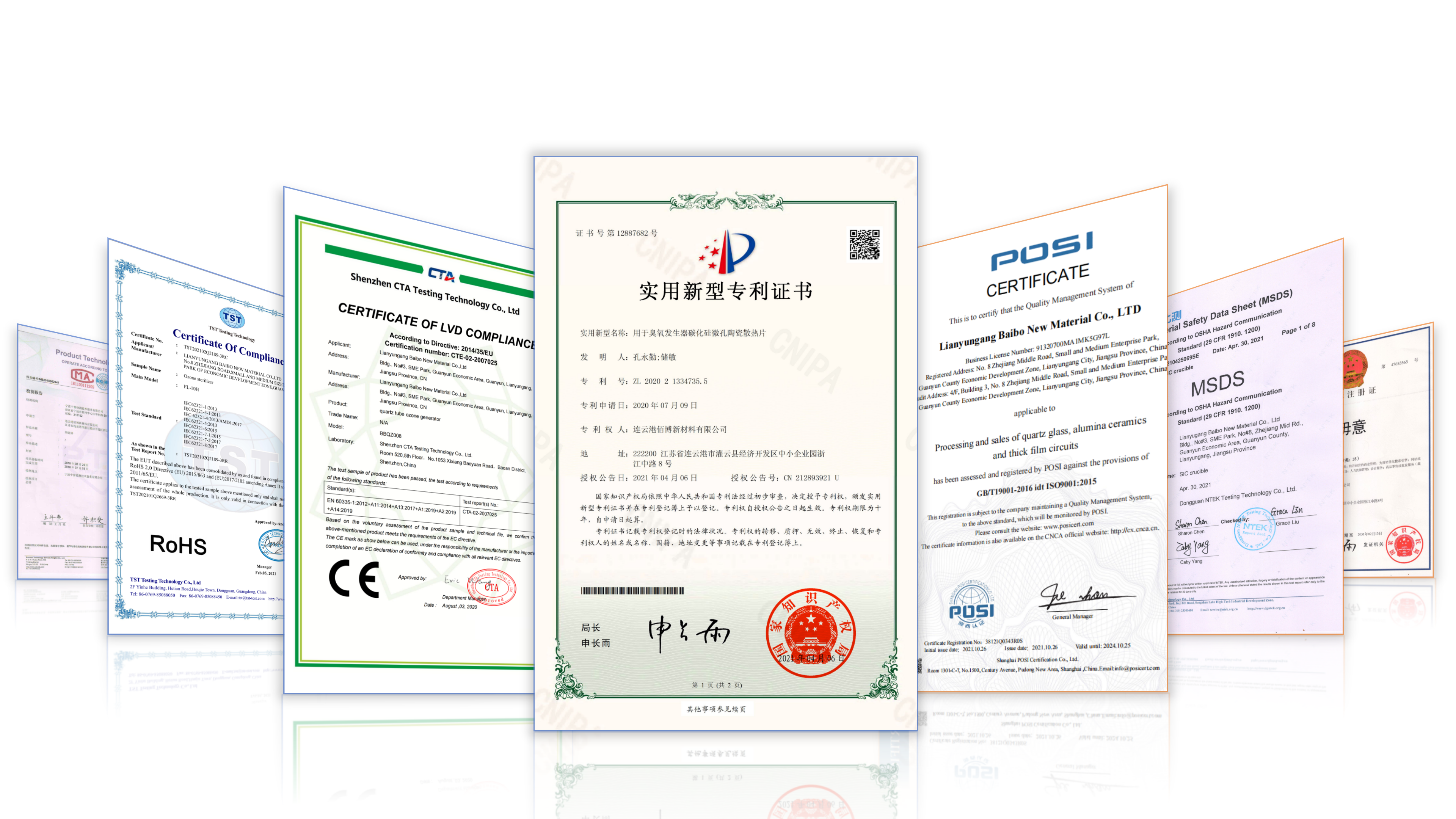
Patents and certification
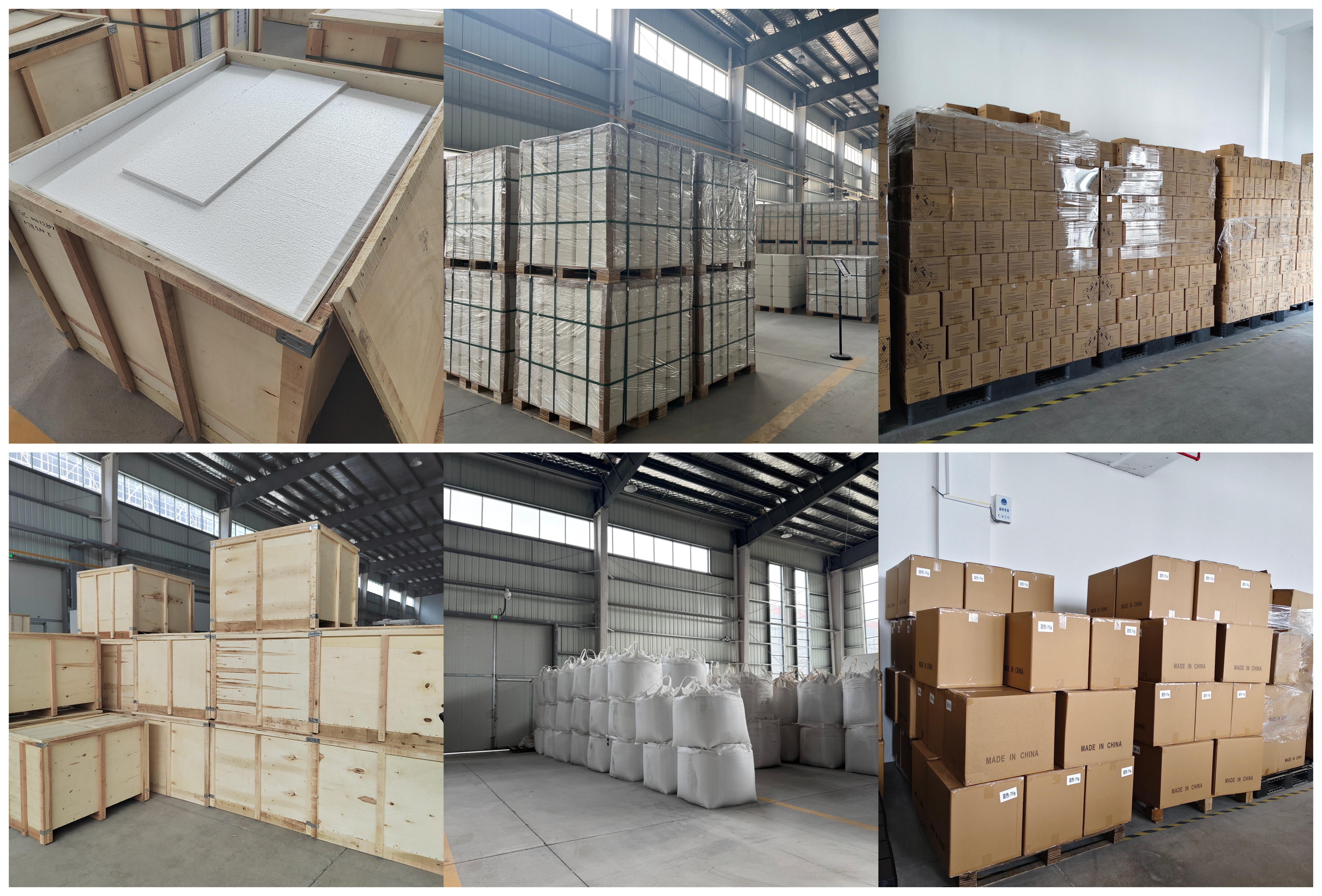
Package
Services
FAQ
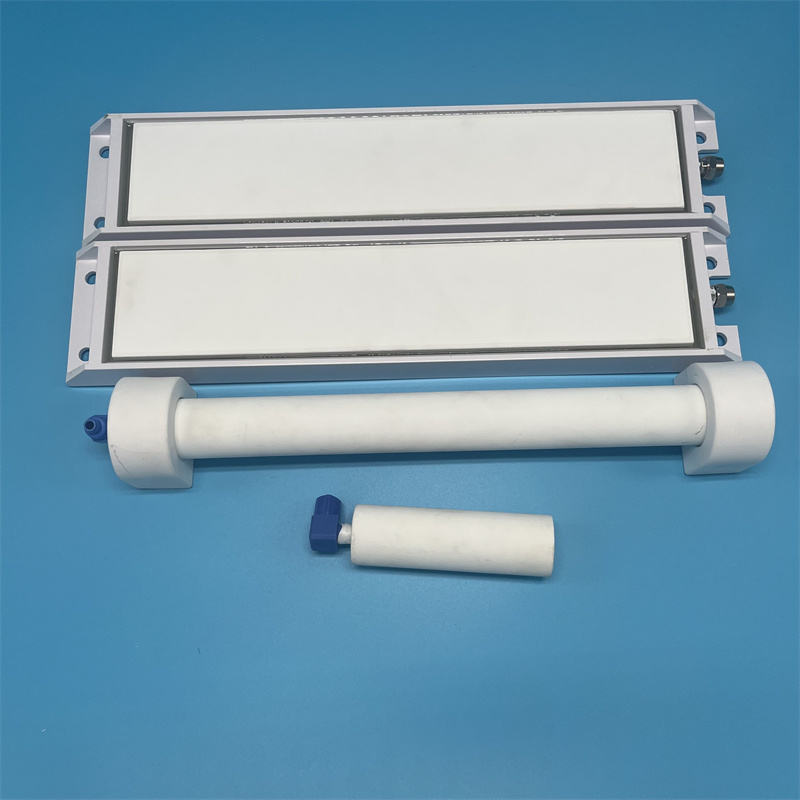
Aquaculture Aeration Disk Micro Porous Ceramic Oxygen Diffufer for Fish Farm Pond
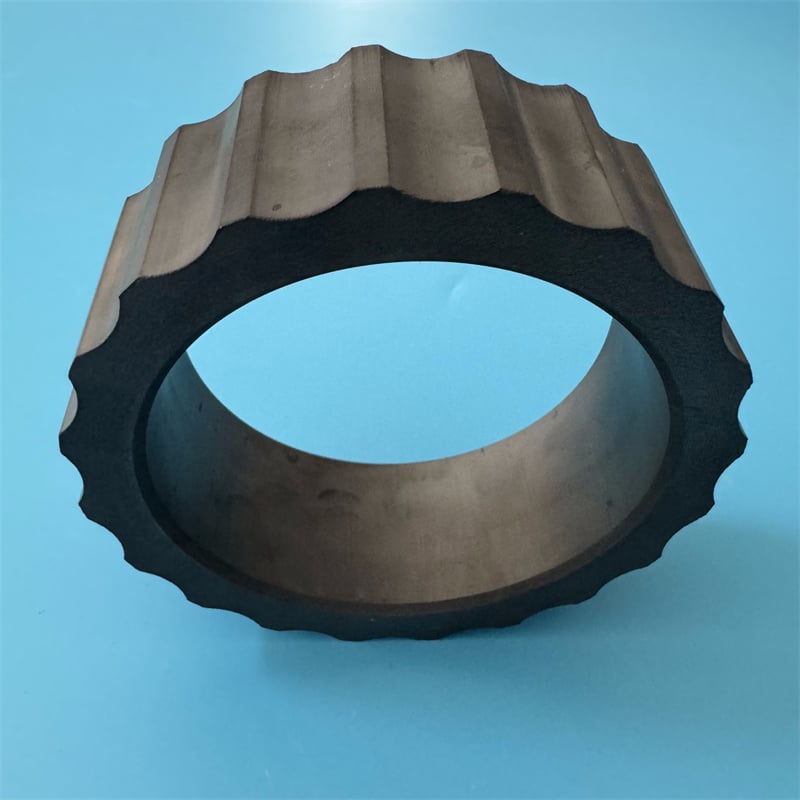
HRA 95 High Hardness SiC Ceramic Sleeve Silicon Carbide Bushing
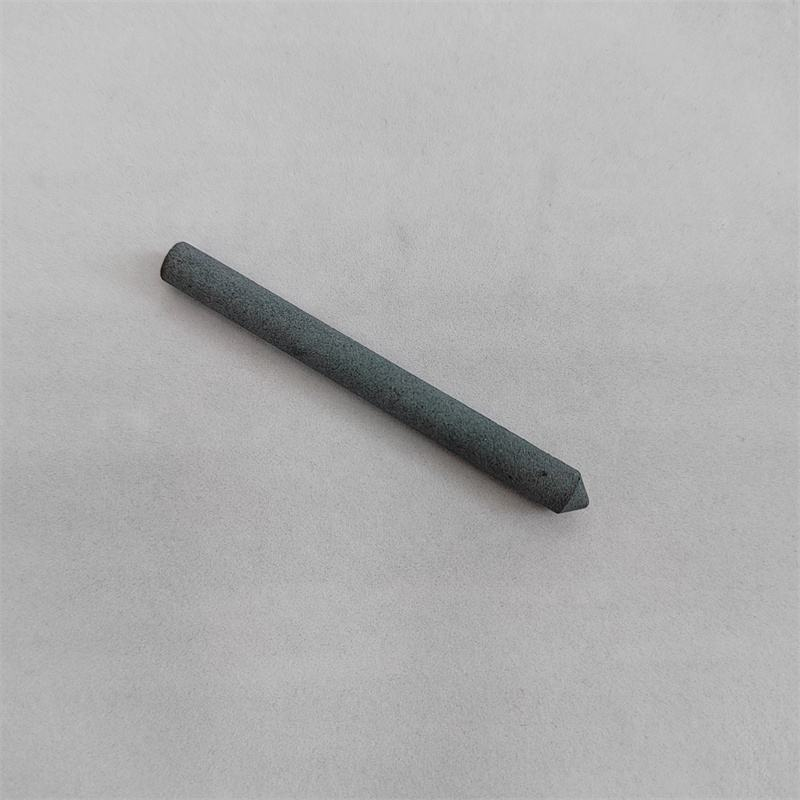
Adjustable Porosity Silicone Carbide Filter Sticks Filter Tube for Water Impurities
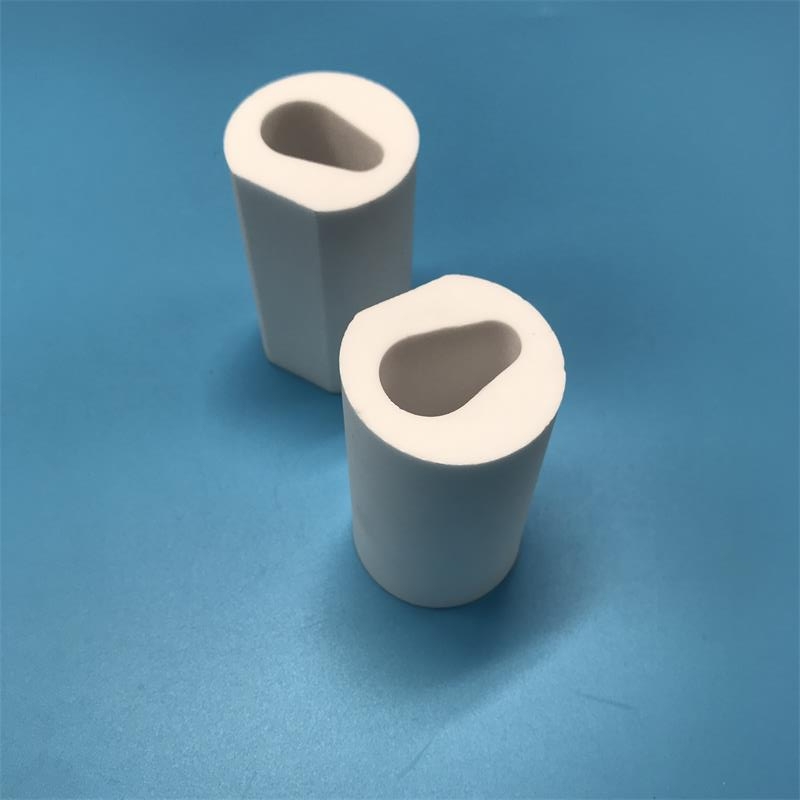
High Reflectivity Laser Welding Ceramic Reflectors 99% Alumina Ceramic Cavity


 EN
EN