 EN
EN

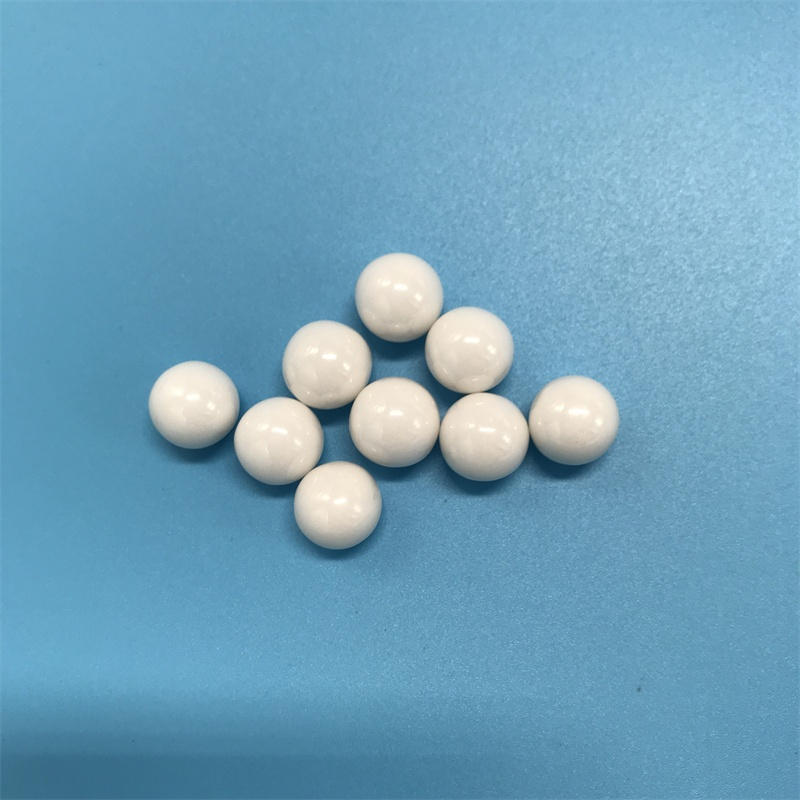
مزایای اصلی ماده هستهای گلوله زیرکونیا برای آسیابکاری در کاربردهای حساس به خلوص
سختی و مقاومت عالی در برابر سایش، سایش محیط آسیاب را به حداقل میرساند
گلولههای زیرکونیا موادی بسیار سخت هستند که سختی آنها در مقیاس سختی ویکرز حدود ۱۲ تا ۱۳ گیگاپاسکال است؛ بنابراین از محیطهای سرامیکی آلومینا و فولادی سختترند. به دلیل چگالی بالا و ساختار بلوری مناسب، این گلولهها در فرآیندهای مکانیکی بهسرعت سایش نمییابند. آزمایشها نشان میدهند که سایش محیطها نسبت به گزینههای سرامیکی معمولی حدود ۸۰ درصد کاهش مییابد. این امر در کاربردهای عملی به این معناست که هنگام استفاده از گلولههای زیرکونیا در عملیات آسیاب، اندازه ذرات حتی پس از چندین ساعت کار نیز ثابت باقی میماند. اپراتورها متوجه میشوند که نیازی به تعویض محیطها بهطور مکرر ندارند؛ که این امر بهویژه در واحدهای تولیدی که خطوط تولیدشان ۲۴ ساعته و شبانهروزی است، صرفهجویی قابلتوجهی در طول زمان ایجاد میکند.
بیواکنشی شیمیایی اطمینانبخش صفر واکنش در سوسپانسیونهای اسیدی، قلیایی یا آبی است
ساختار اکسید زیرکونیوم پایدارشده در زیرکونیا، آن را در کل محدوده pH از ۱ تا ۱۴ در برابر واکنشهای شیمیایی مقاوم میسازد. این بدان معناست که حتی در معرض مواد سختگیر مثل نمکهای لیتیوم یا ترکیبات بهکاررفته در تولید داروها نیز هیچ خطری از فرار یونی یا وقوع واکنشهای کاتالیستی نامطلوب وجود ندارد. ماهیت بیاثر این ماده بهویژه در کاربردهایی که حتی مقادیر بسیار اندک فلزات ناخالص میتوانند استانداردهای کیفی محصول را خراب کنند، اهمیت ویژهای پیدا میکند. آزمایشهای آزمایشگاهی نشان دادهاند که پس از ۵۰۰ ساعت قرار گرفتن در مخلوطهای بسیار خورنده، زیرکونیا همچنان کمتر از ۰٫۰۱ قسمت در میلیون از عناصر خارجی آزاد میکند. سطح بسیار پایین آلودگی ناشی از این ماده، دلیل این است که بسیاری از صنایع از اجزای زیرکونیا در فرآیندهای حیاتی که نیازمند خلوص بسیار بالایی هستند، استفاده میکنند.
مقاومت بالا در برابر شکست، از ترکخوردن و آلودگی ذرات جلوگیری میکند
زیرکونیا دارای مقاومت شکست حدود ۸ مگاپاسکال-متر به توان ۰٫۵ است که تقریباً دو برابر مقاومت شکست آلومینا میباشد. این بدان معناست که زیرکونیا میتواند تنشهای ضربهای بالا را بدون ایجاد ترکهای ریز (به نام ترکهای میکروسکوپی) تحمل کند. مواد سنتی تمایل دارند تحت فرآیندهای سایش شدید، لبههای خود را از دست داده و تکهتکه شوند. اما زیرکونیا در برابر این شرایط عملکرد بسیار بهتری دارد. این ویژگی در کاربردهایی مانند تهیه سوسپانسیون الکترود باتری از اهمیت ویژهای برخوردار میشود. ذرات ریز ناشی از سایر مواد ممکن است در این مخلوطها آلودگی ایجاد کنند؛ و در صورت وقوع چنین آلودگیای، ممکن است رشد دندریت در داخل باتریها رخ دهد که در نهایت بر ایمنی باتری و عمر کاربردی آن (قبل از نیاز به تعویض) تأثیر منفی میگذارد.
گلولههای زیرکونیا از آلودگی متقابل در فرآیندهای حساس با خلوص بالا جلوگیری میکنند
تولید داروسازی: عدم آزادسازی فلزات در نانوسوسپانسیونهای مواد مؤثر دارویی (API)
هنگام تهیه نانوسوسپانسیونهای API، گلولههای زیرکونیا از ورود یونهای فلزی به مخلوط در طول فرآیندهای آسیاب مرطوب جلوگیری میکنند. این موضوع بهویژه زمانی اهمیت پیدا میکند که نیاز به خلوص بالاتر از ۹۹٫۹۵٪ باشد، چرا که مقرراتی مانند بخش ۱۱ قانون ۲۱ CFR سازمان غذا و داروی آمریکا (FDA) برای محصولات تزریقی هیچگونه انعطافپذیری را نمیپذیرند. عامل اصلی برتری این گلولهها چیست؟ این گلولهها اصلاً با حلالهای آلی رایج یا محلولهای اسیدی و قلیایی پیچیدهای که در فرآیند تولید استفاده میشوند واکنش نمیدهند. آزمایشها نشان میدهند که این ویژگی موجب کاهش مشکلات آلودگی تا حدود ۹۸٪ در مقایسه با جایگزینهای معمول از فولاد ضدزنگ میشود. چنین تفاوت عملکردی در تولید دارویی بسیار حائز اهمیت است، زیرا حتی ناخالصیهای بسیار جزئی نیز میتوانند منجر به مشکلات جدی شوند.
تولید کاتد باتری: حفظ استوکیومتری در سوسپانسیونهای NMC و LFP
نسبتهای دقیق کاتیونها عملکرد کاتدهای نیکل-منگنز-کبالت (NMC) و لیتیوم-آهن-فسفات (LFP) را تعیین میکند. بیواکنشبودن زیرکونیا از جابهجایی کاتیونها یا مداخله در فرآیندهای اکسید-کاهش در طول آسیابکاری با انرژی بالا جلوگیری میکند و وفاداری استوکیومتریک را حفظ مینماید. سطح باقیمانده تأییدشده در پوششهای نهایی الکترود کمتر از ۰٫۰۱٪ باقی میماند که این امر حفظ بیش از ۹۹٪ چگالی انرژی پس از ۵۰۰ چرخه، پروفایلهای ولتاژ پایدار و رفتار حرارتی یکنواخت را تضمین میکند.
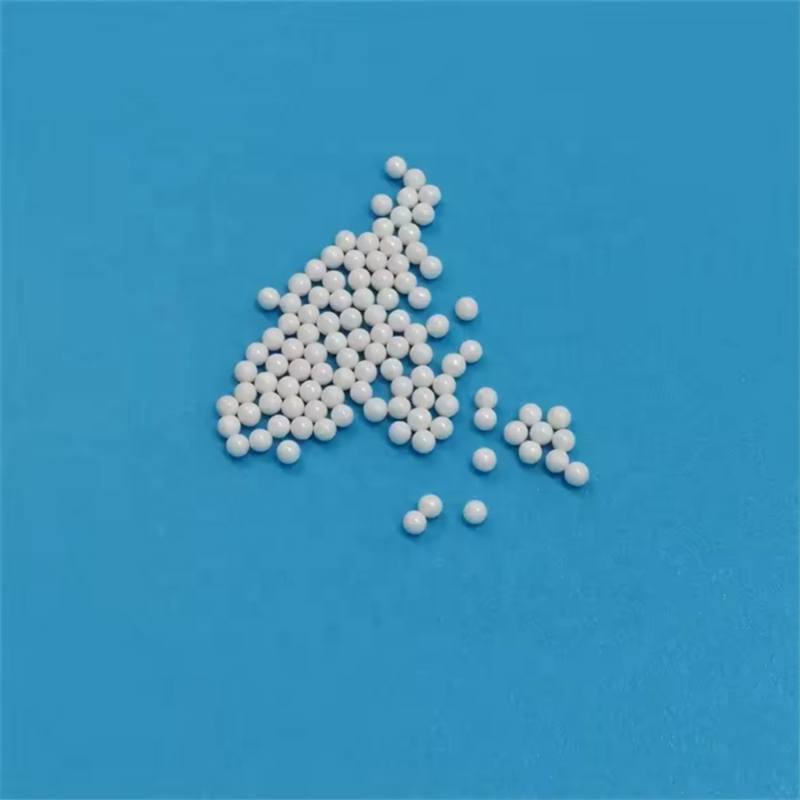
عملکرد اثباتشده گلولههای زیرکونیا در کاربردهای صنعتی پ demanding
سرامیکهای ریز: توزیع اندازه ذرات زیر ۱۰۰ نانومتر بدون انتقال ناخواسته ZrO₂
گلولههای زیرکونیا امکان توزیع اندازه ذرات زیر ۱۰۰ نانومتر را در سرامیکهای پیشرفته - از جمله آلومینا، نیترید سیلیکون و فرمولاسیونهای پیزوالکتریک یا بیوسرامیک - بدون ایجاد آلودگی قابل تشخیص ZrO₂ فراهم میکنند. سختی آن (~1500 HV) و چقرمگی شکست (>9 MPa·m⁁¹/₂) حداقل سایش و عدم لبپریدگی را در چرخههای طولانی مدت تضمین میکند و خلوص دوغاب و رفتار پخت را حفظ میکند.
بیفعالیت شیمیایی این ماده از وقوع فرآیند شستشوی یونی در شرایط سخت جلا دادن مرطوب—چه در محیطهای قلیایی و چه اسیدی—جلوگیری میکند. این ویژگی به حفظ نسبتهای شیمیایی مناسب در این مواد سرامیکی ظریف در طول فرآیند پردازش کمک میکند. هنگامی که به کاربردهایی نگاه میکنیم که هر اتم اهمیت دارد—مانند ساخت قطعات نوری، نیمههادیها یا ایمپلنتهای پزشکی—این رویکرد پاک و تمیز تأثیر واقعیای ایجاد میکند. کارخانههایی که از این روش استفاده میکنند، حدود ۱۸ درصد کاهش در دفعههای ردشده نسبت به استفاده از محیطهای معمولی جلا دادن مشاهده میکنند. چنین بهبودی در طول زمان برای تولیدکنندگانی که به کنترل کیفیت اهمیت میدهند، تجمعی و قابل توجه است.
| عامل عملکرد | تأثیر بر تولید سرامیکهای ریز |
|---|---|
| مقاومت در برابر سایش | فرسودگی محیط جلا دادن ≤۰٫۰۱٪ پس از ۱۰۰ ساعت کارکرد |
| کنترل آلودگی | انتقال غیرقابل تشخیص ZrO₂ از طریق SEM-EDS |
| یکنواختی ذرات | محدوده ۹۰ تا ۱۱۰ نانومتر با Iₙ < ۰٫۱۵ |
| پایداری شیمیایی | سازگاری کامل در محدوده pH از ۱ تا ۱۴ بدون تخریب |

