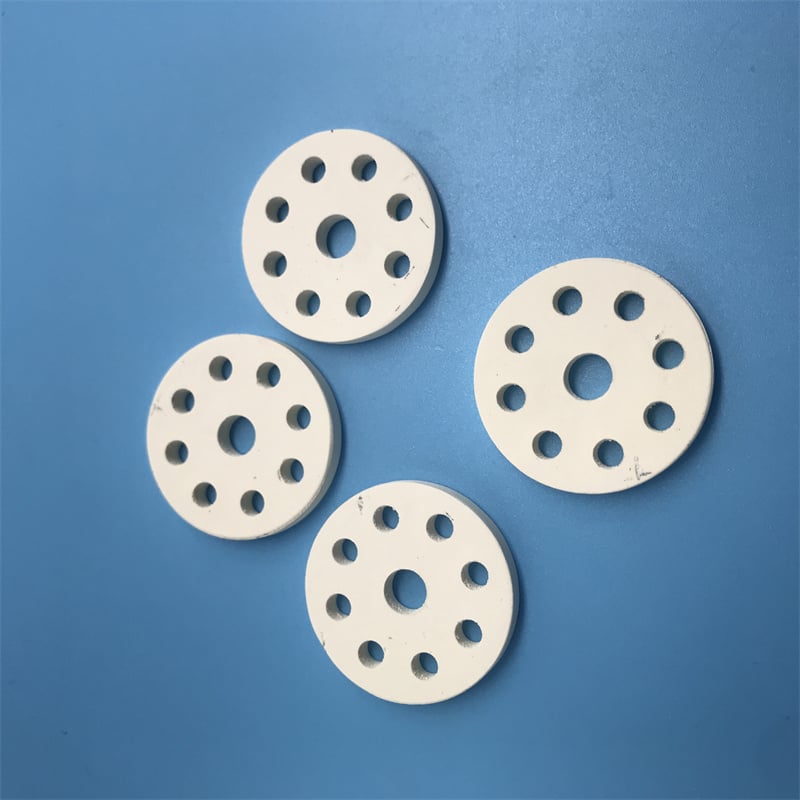
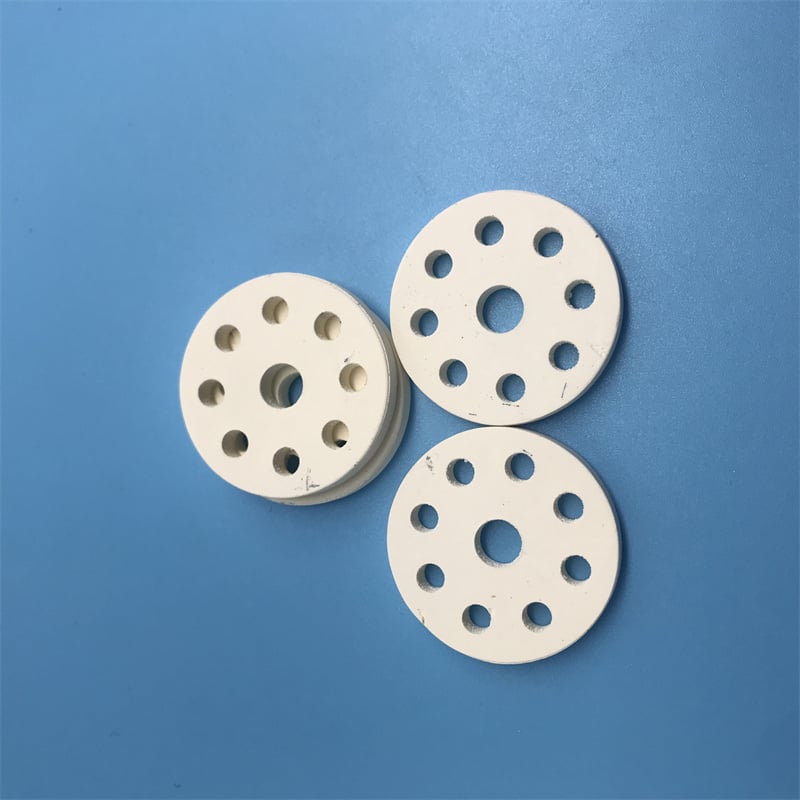
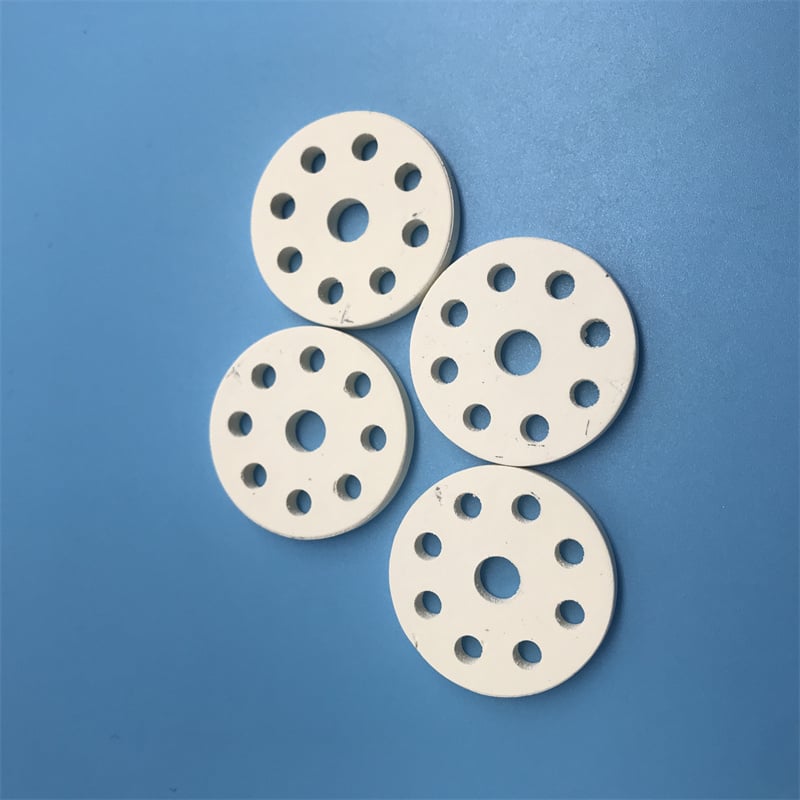
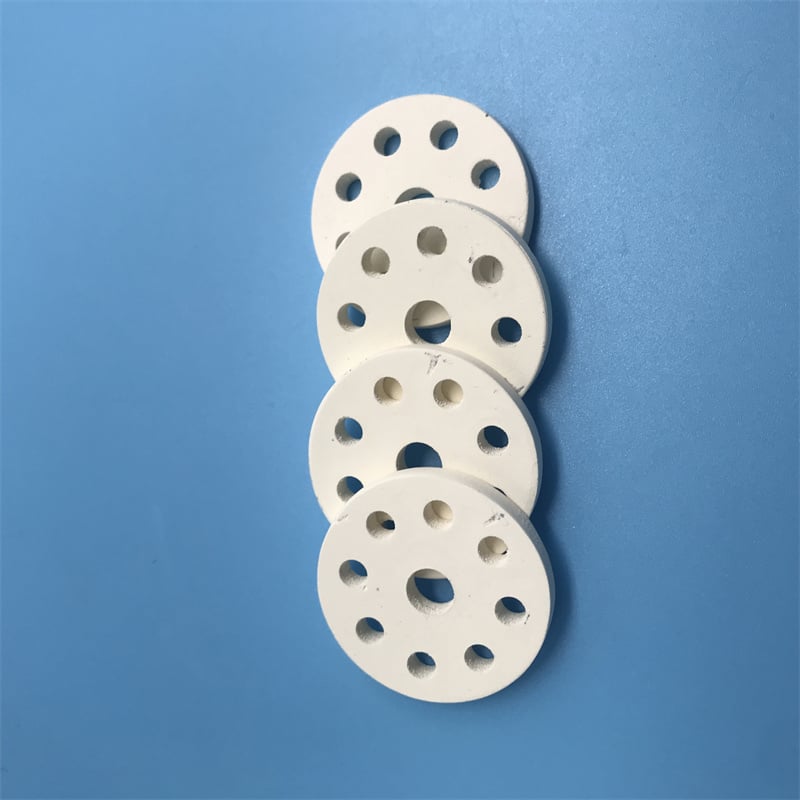
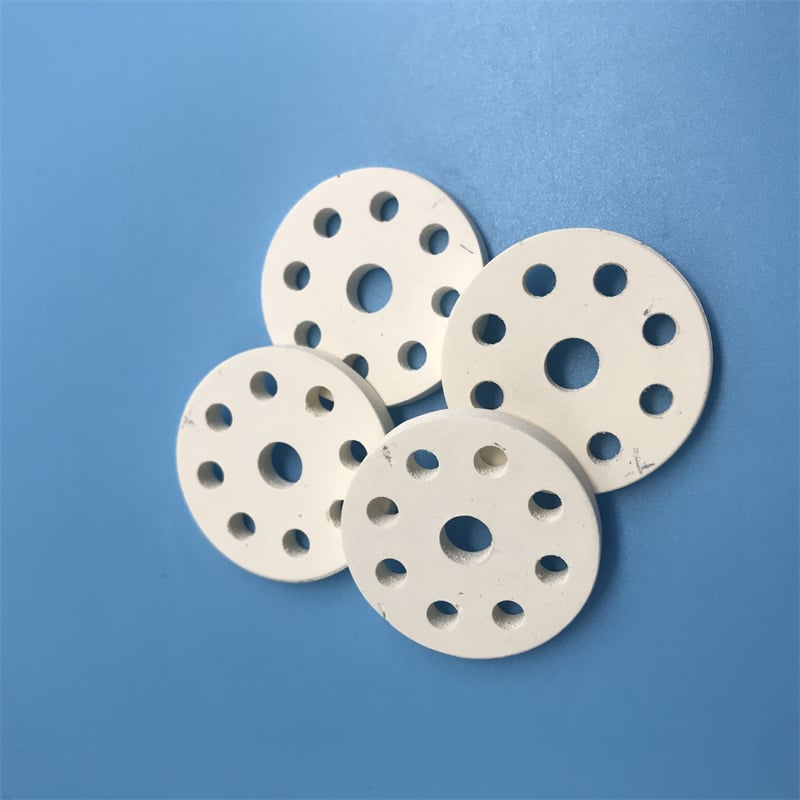
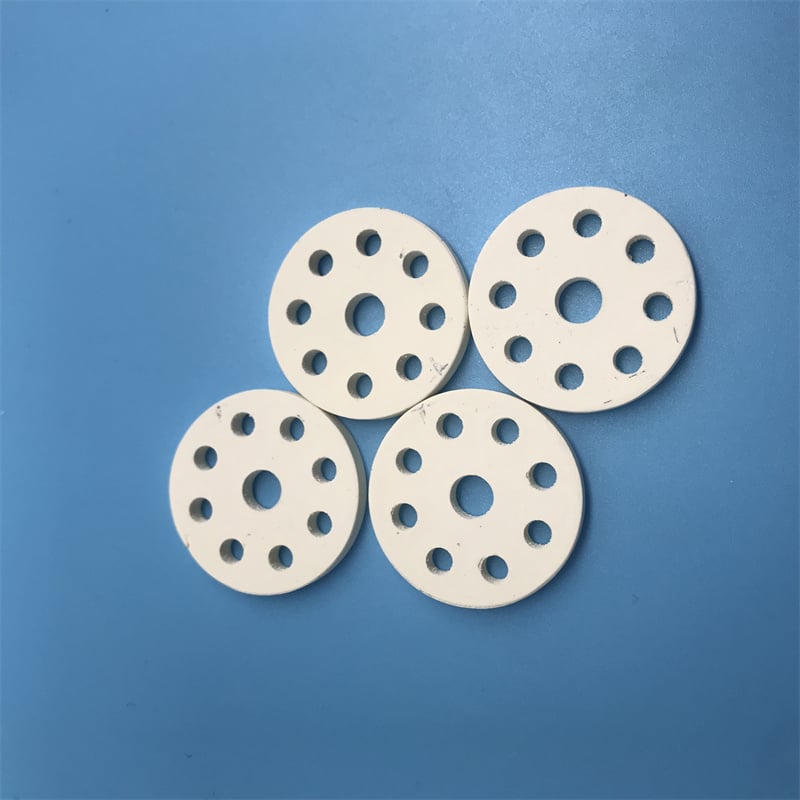
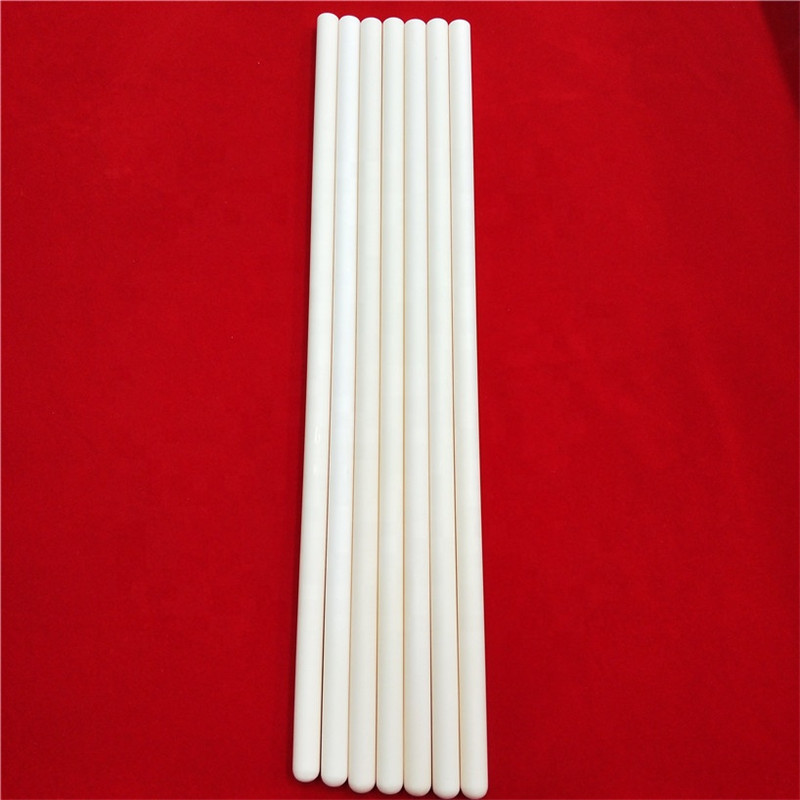
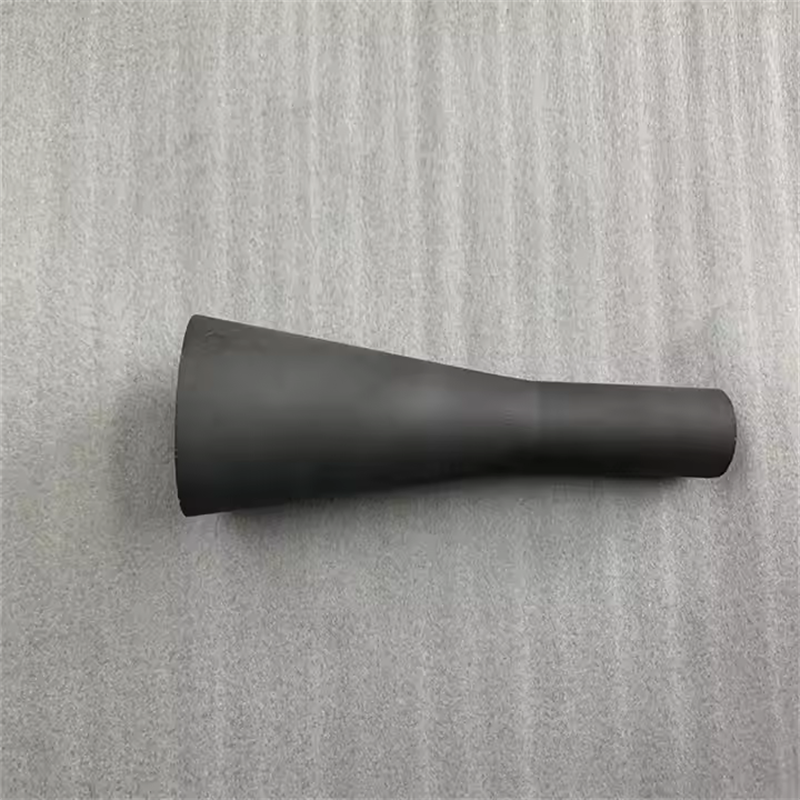
Diatomite ceramic components are high-performance porous inorganic functional materials made from natural high-purity diatomaceous earth via precision high-temperature sintering process. The material perfectly inherits the unique microporous structure of diatom fossils and integrates ceramic structural stability, solving the common defects of easy deformation, poor durability and unstable pore structure of traditional porous filter materials. With non-toxic, eco-friendly and chemically inert characteristics, it possesses balanced mechanical and physical properties, adapting to diverse complex working conditions in environmental protection and industrial manufacturing fields.
1.1 Core Performance Advantages
1.1.1 Excellent Functional Properties
Exceptional Chemical Resistance: Featuring ultra-stable molecular structure, the material resists strong acids, strong alkalis and various organic solvents. It maintains stable performance in long-term corrosive working environments without deterioration, corrosion or functional attenuation, supporting long-cycle industrial operation.
Superior Thermal Stability: It achieves awide temperature resistance range of -40℃ to 1200℃, resisting extreme cold and high-temperature alternation. No cracking, deformation or performance loss occurs under drastic temperature changes, ensuring reliable operation in high-temperature industrial scenarios.
Excellent Mechanical Durability: The dense and rigid integral structure endows the product with outstanding compression resistance, impact resistance and wear resistance. It withstands long-term high-pressure loads, effectively preventing structural damage and greatly extending the overall service life of equipment.
Accurate and Efficient Filtration: Uniform and ordered micropore distribution forms stable filtration channels, enabling precise interception of tiny impurities and particulate matter. It fully meets the high-purity filtration standards of liquid and gas in industrial production.
1.2 Product Unique Superiority
Different from traditional flexible filter media, diatomite ceramic has fixed rigid pore structure that will not deform or block easily. Its non-toxic harmless formula avoids secondary pollution, and the ultra-long service cycle effectively reduces equipment replacement frequency and operation and maintenance costs, serving as a high-efficiency and sustainable functional material for various industrial and environmental scenarios.
2. Main Application Fields
2.1 Environmental Engineering Application
In water treatment engineering, it acts as core filter medium for drinking water purification and industrial wastewater treatment, efficiently removing suspended solids, heavy metal ions and organic pollutants. In air purification, it is widely used in industrial dust removal and HVAC systems to capture fine particles and harmful volatile organic compounds (VOCs), realizing clean and efficient environmental governance.
2.2 Industrial Manufacturing Application
It is applied as high-temperature refractory insulation lining for industrial kilns and heating equipment, cutting energy consumption by 20%-30% and improving thermal efficiency. Relying on high specific surface area, it also serves as an excellent catalyst support, widely used in petroleum refining and pharmaceutical synthesis chemical reactions to stabilize reaction efficiency.
3. Material Structural Characteristics
3.1 Microstructure Advantage
The material retains natural diatom fossil microporous structure with uniform pore size and high porosity. The three-dimensional interconnected pore channels ensure smooth fluid circulation and stable filtration efficiency, avoiding the pore blockage and uneven filtration problems of traditional filter materials.
3.2 Structural Stability
Formed by high-temperature integrated sintering, the overall structure is compact and rigid. It will not produce structural loosening or pore deformation under long-term working pressure and temperature changes, maintaining permanent structural stability and long-term working reliability.
4. Industry Application Value
4.1 Economic Value
The product’s long service life and maintenance-free performance greatly reduce the frequency of equipment replacement and later operation costs. Its energy-saving insulation performance effectively reduces industrial energy consumption, bringing significant cost-saving benefits for enterprise production.
4.2 Environmental Value
With pure natural raw materials and non-toxic formula, the material produces no secondary pollution during use. It efficiently purifies water and air pollutants, matches green environmental protection production standards, and is a low-carbon and sustainable industrial functional material.
4.3 Social Value
As a green and environmentally friendly industrial material, diatomite ceramic components support the construction of ecological environmental protection systems in various industries. Its efficient purification performance effectively improves air and water environmental quality, reducing industrial pollutant emissions and ecological damage. While promoting the green transformation of traditional manufacturing industries, it optimizes the industrial ecological environment, protects public ecological resources, and brings positive and long-term social benefits for regional environmental governance and sustainable industrial development.
4.4 Practical Application Value
This multi-functional porous ceramic material integrates filtration, insulation, catalysis and environmental purification performance, realizing multi-scenario and multi-purpose application. It solves the shortcomings of single function, poor adaptability and easy aging of traditional single-function filter and thermal insulation materials. With strong compatibility with various industrial equipment and environmental protection systems, it can adapt to diversified and complex working conditions. It simplifies enterprise equipment configuration, improves overall operational efficiency, and provides reliable technical and material support for modern industrial intelligent production and efficient environmental governance.



 EN
EN