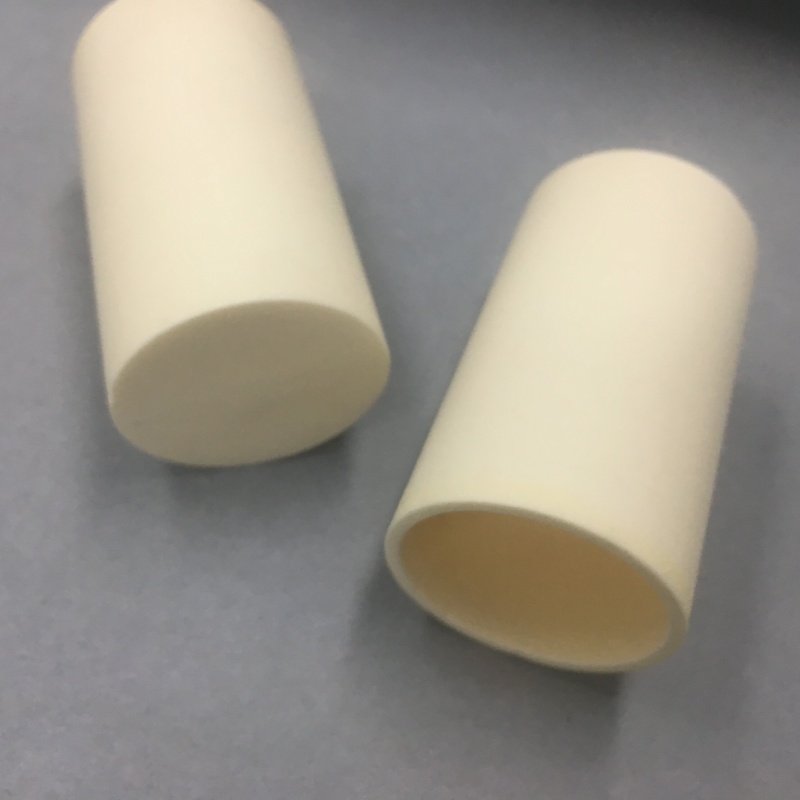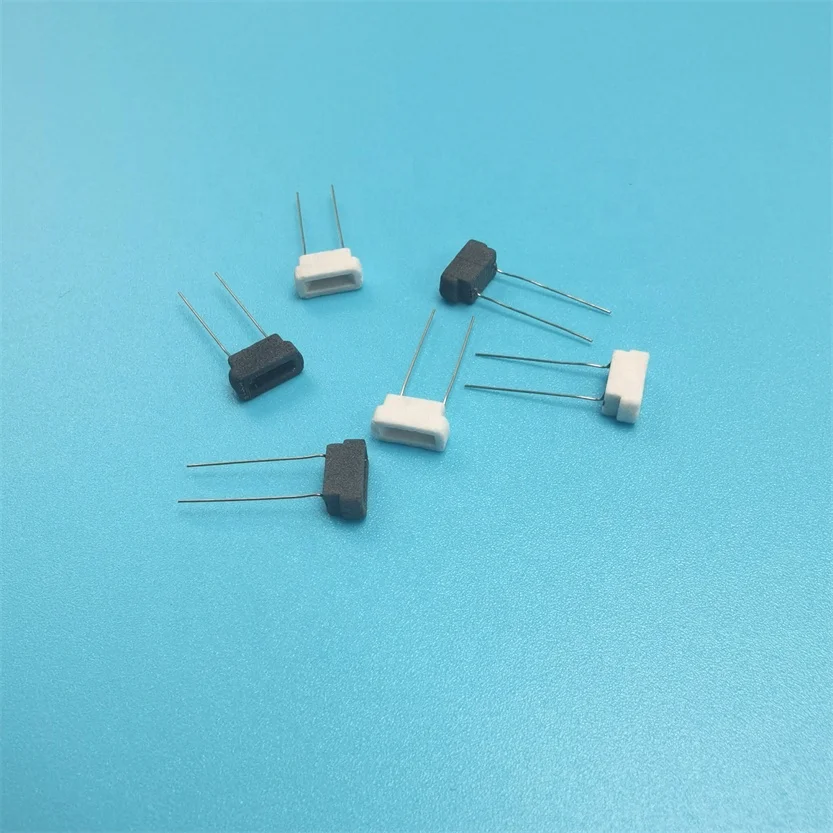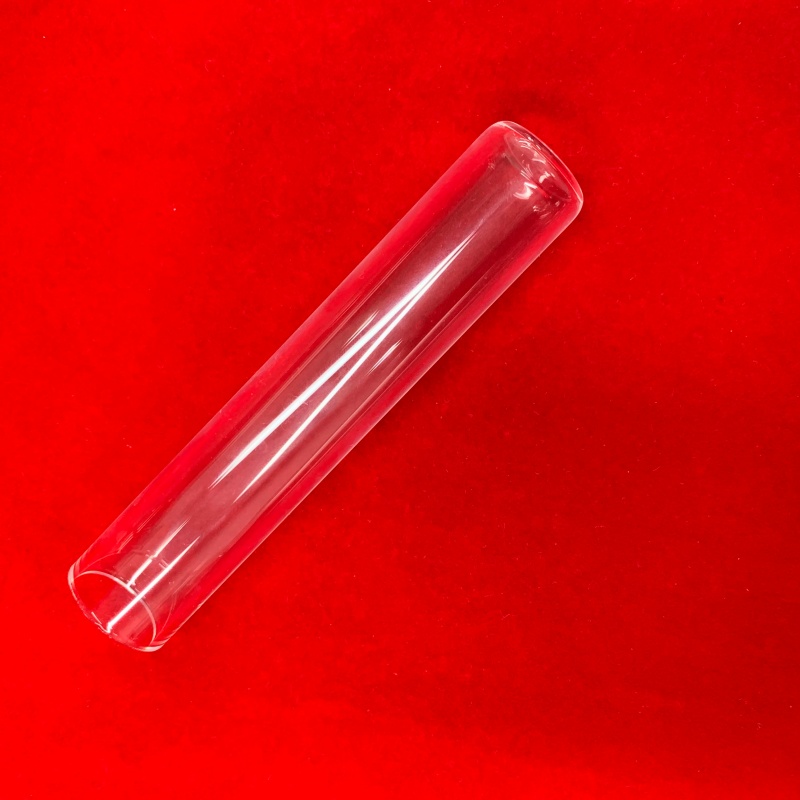
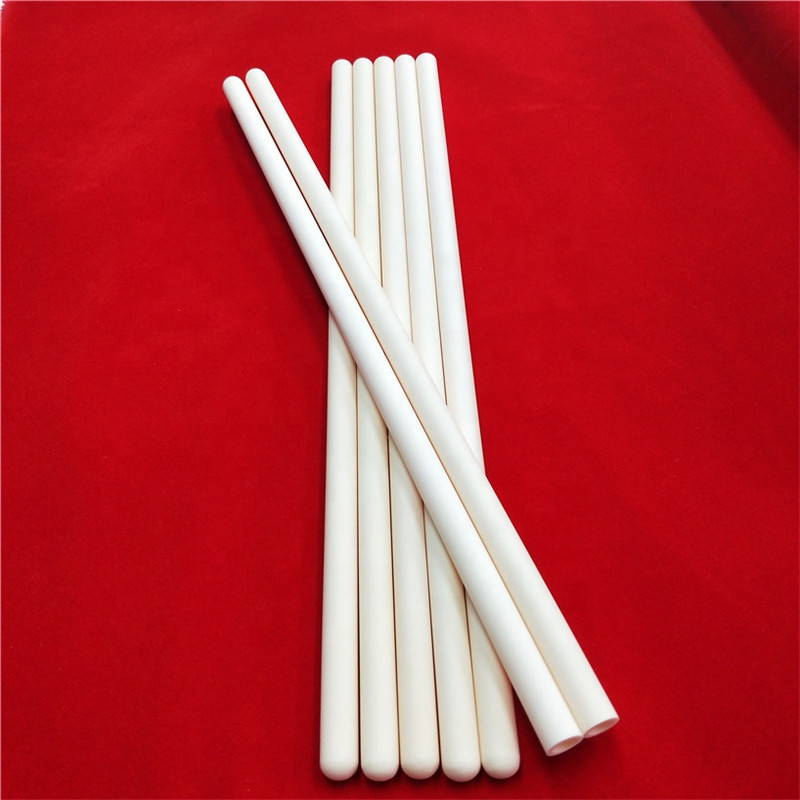
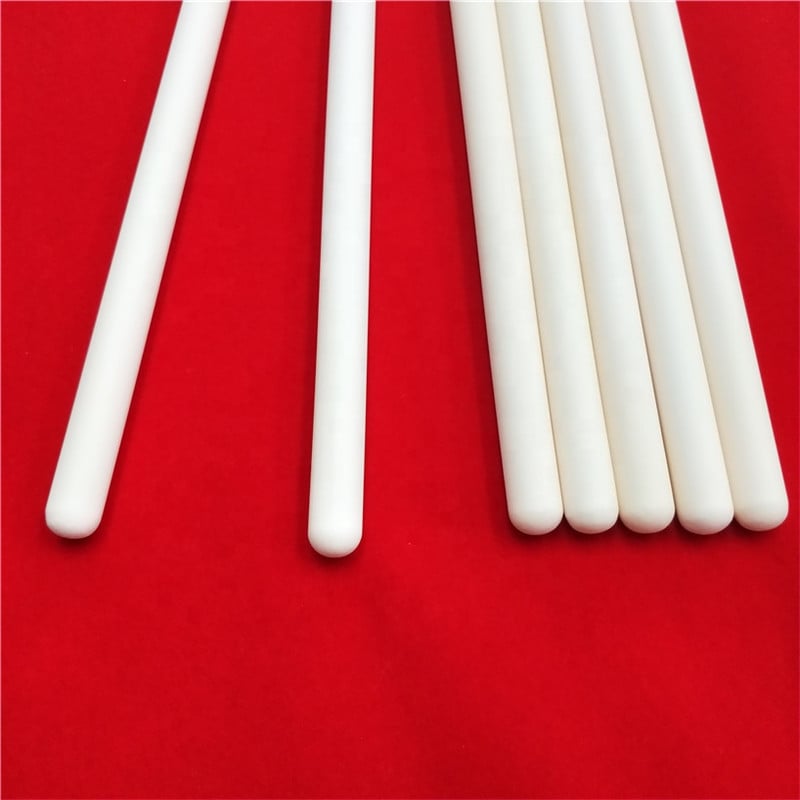
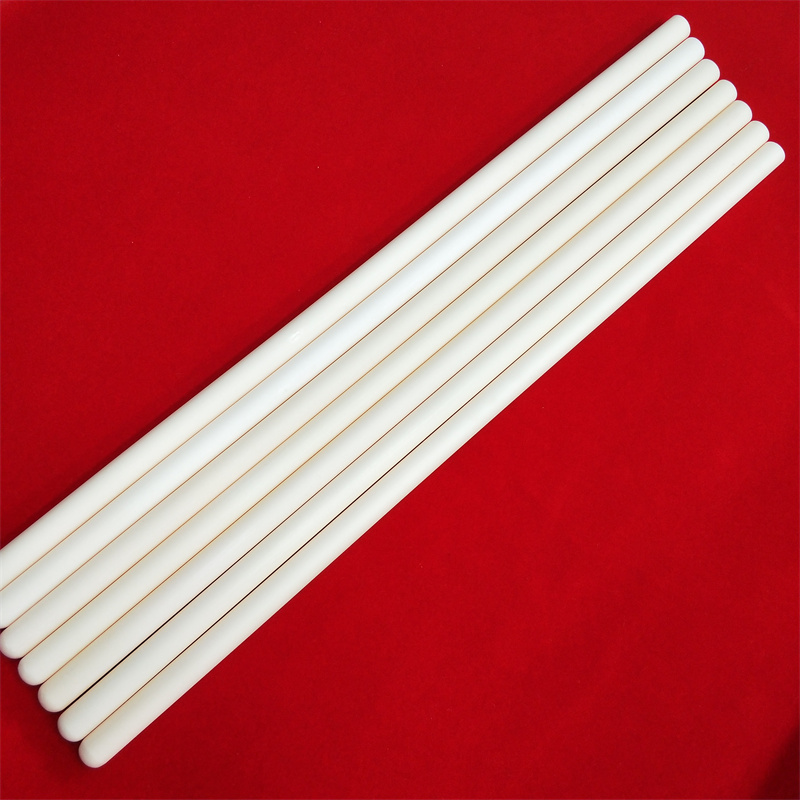
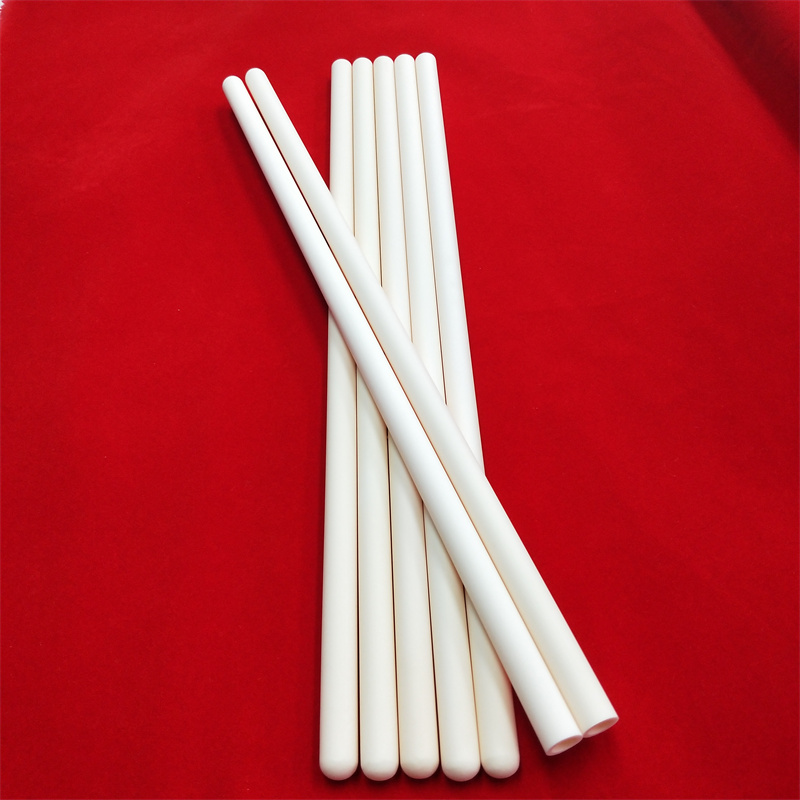
Alumina ceramic, a ceramic material primarily composed of aluminum oxide (Al₂O₃), is renowned for its exceptional combination of properties. It offers high mechanical strength, superior hardness, and excellent wear resistance. This material is characterized by outstanding electrical insulation, strong chemical stability, excellent high-temperature resistance, and superior dielectric properties. It also possesses high thermal conductivity. However, its thermal shock resistance and fracture toughness are relatively lower. Alumina Protection Tubes, also known as corundum tubes or closed-end tubes, are formed via slip casting. Based on their alumina content, they are classified into 95% alumina (95%), 99% alumina (99%), 99.5% high-purity, and 99.7% extra-high-purity grades, catering to different application requirements. All grades offer good density and are suitable for temperature measurement.
Thermocouple alumina protection tubes primarily serve to shield the temperature-sensing element from the external environment, minimizing or preventing corrosion, oxidation, or physical damage.
95% Alumina Protection Tube: Maximum service temperature is below 1400°C. Available in white and pink, these are mature, mass-produced products often used for disposable molten steel temperature measurement.
99.5% Alumina Protection Tube: Maximum service temperature is below 1650°C. These are off-white, uniform in texture, and produce a clear ringing sound when struck. They are mainly used for thermocouples in harsh environments. Due to direct contact with the measured medium, high material purity is essential. This grade is often used domestically to replace imported alumina protection tubes.
99.7% Alumina Protection Tube: Maximum service temperature is below 1700°C. These are light yellow, very uniform, and offer excellent density. The higher raw material shrinkage presents challenges in forming and dimensional control, resulting in lower yield and higher cost. They are primarily used for export orders, research institutions, and extremely demanding temperature measurement scenarios.
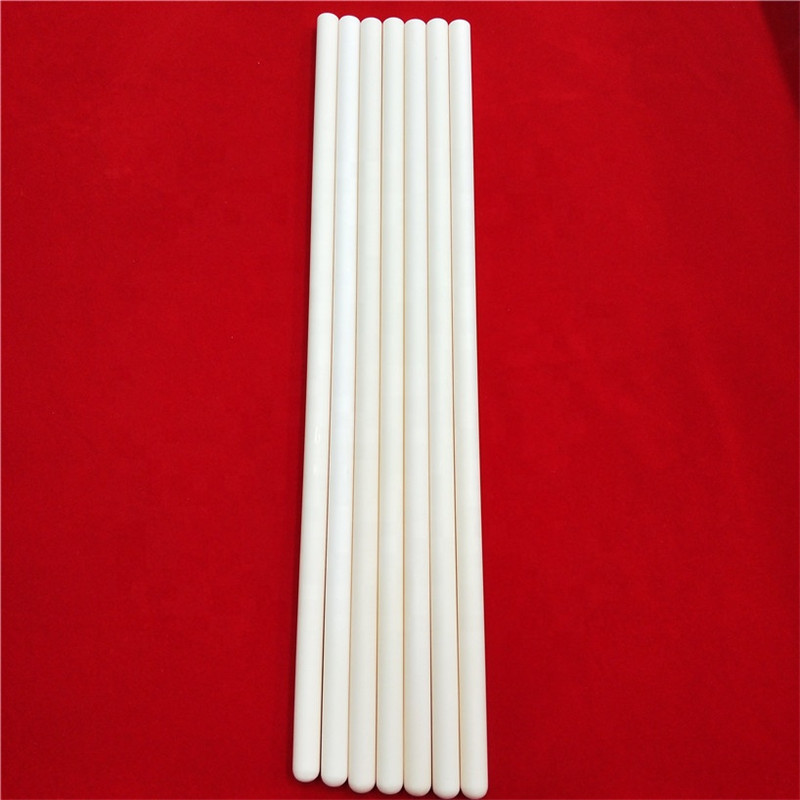
Alumina Insulating Cores are formed by extrusion molding. The Alumina Insulating Core's material properties are defined by its main component, alumina, providing excellent electrical insulation, high-temperature resistance (withstanding over 1600°C), and mechanical strength. It is a common insulating structural material in the electronics and power industries.
Typical Uses: Often used in high-voltage electrical equipment, electronic components, and electric heating devices as insulating supports or spacers for wires and electrodes, e.g., inner cores for insulating sleeves, insulating supports for high-temperature furnaces. They typically involve wire threading, serving to separate different poles of a temperature-sensing element to prevent interference or short-circuiting.
Core Product Advantages
- Exceptional High-Temperature Resilience
Withstands extreme temperatures up to 1700°C, ensuring reliable performance in demanding thermal environments like steelmaking and high-temperature furnaces.
- Superior Electrical Insulation & Dielectric Strength
Provides excellent electrical isolation even at high voltages and elevated temperatures, preventing short circuits and ensuring signal integrity in sensitive electronic and thermocouple applications.
- High Mechanical Strength & Wear Resistance
Offers outstanding hardness and mechanical strength, protecting internal components from physical damage, abrasion, and mechanical stress in harsh industrial settings.
- Excellent Chemical Inertness & Stability
Highly resistant to corrosion and oxidation from molten metals, aggressive chemicals, and atmospheric gases, guaranteeing long-term durability and measurement accuracy.
TECHNICAL SPECIFICATION OF ALUMINA CERAMIC
Item |
Test Condition |
Unit Symbol |
95% |
99% |
99.5% |
The main chemical ingredient |
|
|
Al₂O₃ |
Al₂O₃ |
Al₂O₃ |
Bulk Density |
|
g/cm³ |
3.6 |
3.89 |
3.4 |
Maximum Use Temperature |
|
°C |
1450 |
1600 |
1400 |
Water Absorption |
|
% |
0 |
0 |
< 0.2 |
Flexural Strength |
20°C |
MPa (psi x 10³) |
358 (52) |
550 |
300 |
Coefficient of Thermal Expansion |
25-1000°C |
1 x 10⁻⁶/°C |
7.6 |
7.9 |
7 |
Coefficient of Thermal Conductivity |
20°C |
W/m·K |
16 |
|
|
Standard-sized table
Φ16×300 |
Φ16×500 |
Φ16×600 |
Φ16×750 |
Φ16×1000 |
Φ16×1250 |
Φ16×1500 |
Φ16×1650 |
Φ16×2000 |
Φ25×600 |
Φ25×750 |
Φ25×1000 |
Φ25×1250 |
Φ25×1500 |
Φ25×1650 |
Φ25×2000 |
Φ20×300 |
Φ20×750 |
Φ20×1000 |
Φ20×1250 |
Φ20×1500 |
Φ20×1650 |
Φ20×2000 |
|
Typical Application Scenarios
1. Molten Steel Temperature Measurement
- Scenario: Disposable temperature measurement in electric arc or ladle furnaces.
- Product Used: 95% Alumina Protection Tube (for cost-efficiency).
- Role: The tube is immersed directly into the molten steel bath. It provides crucial, short-term protection to the thermocouple from rapid thermal shock, abrasion, and dissolution, ensuring an accurate temperature reading before the tube is consumed.
2. High-Temperature Industrial Furnace Profiling
- Scenario: Continuous temperature monitoring and thermal profiling in sintering, heat treatment, or crystal growth furnaces.
- Product Used: 99.5% Alumina Protection Tube with Alumina Insulating Cores.
- Role: The tube shields the thermocouple from corrosive atmospheres and long-term exposure to temperatures up to 1650°C. The insulating cores precisely separate and electrically isolate the thermocouple wires, preventing signal drift and ensuring measurement stability over time.
3. Semiconductor Manufacturing Process
- Scenario: Critical temperature control in diffusion, LPCVD, and epitaxy reactors.
- Product Used: 99.7% Alumina Protection Tube.
- Role: In these ultra-clean and highly corrosive environments, the ultra-high-purity tube prevents contamination from particulates or metallic ions. Its excellent density and stability ensure it does not outgas or degrade, which is essential for maintaining process integrity and wafer yield.
4. Aerospace & Research Testing
- Scenario: Measuring extreme temperatures in jet engine test beds, rocket nozzles, or materials science research.
- Product Used: 99.5% or 99.7% Alumina Protection Tube.
- Role: The tube provides reliable performance under the most demanding thermal and mechanical stress conditions. Its high-temperature capability and resistance to thermal cycling are critical for obtaining accurate data in prototype testing and advanced research.
5. High-Voltage Heater & Sensor Insulation
- Scenario: Providing electrical insulation for heating elements, sensors, or electrodes in industrial heaters or kilns.
- Product Used: Alumina Insulating Core.
- Role: The core acts as a robust mechanical support that maintains excellent electrical insulation at high temperatures, preventing short circuits and ensuring the safe and reliable operation of the electrical system.