1. Basic Definition of Microporous Ceramic Filter Tube
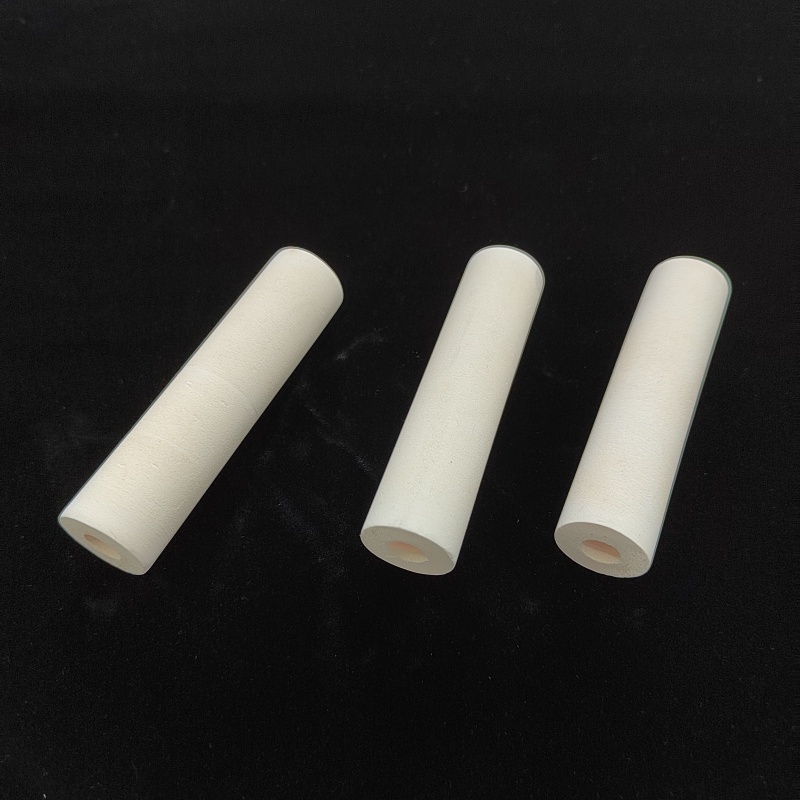
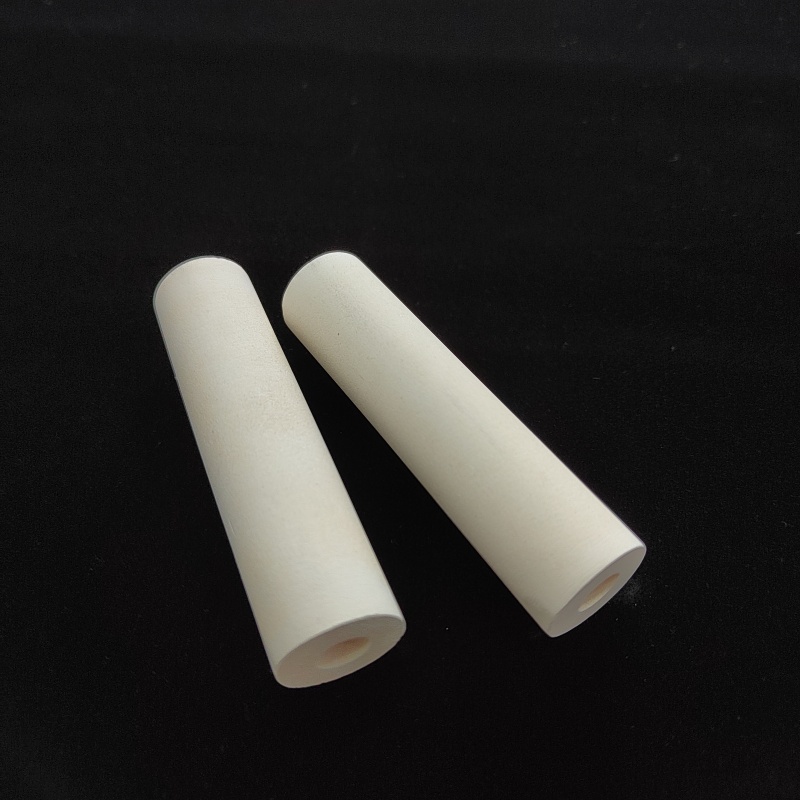
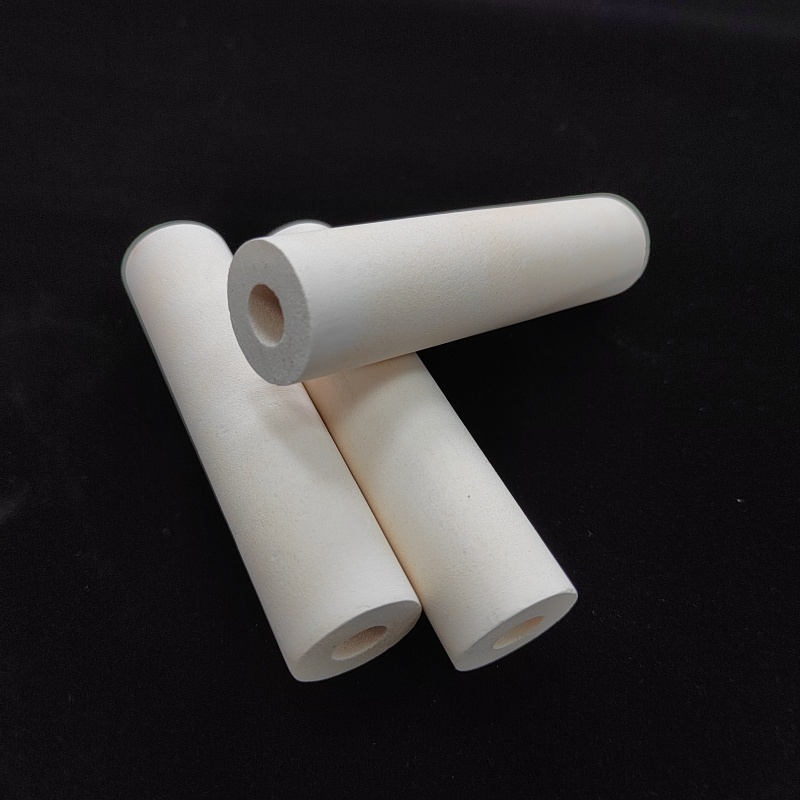
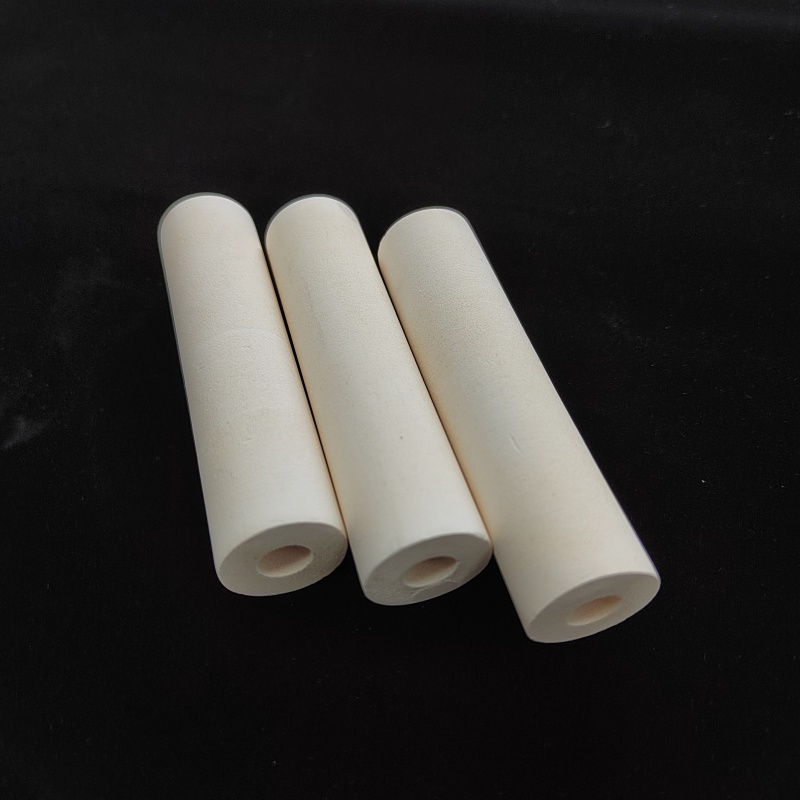
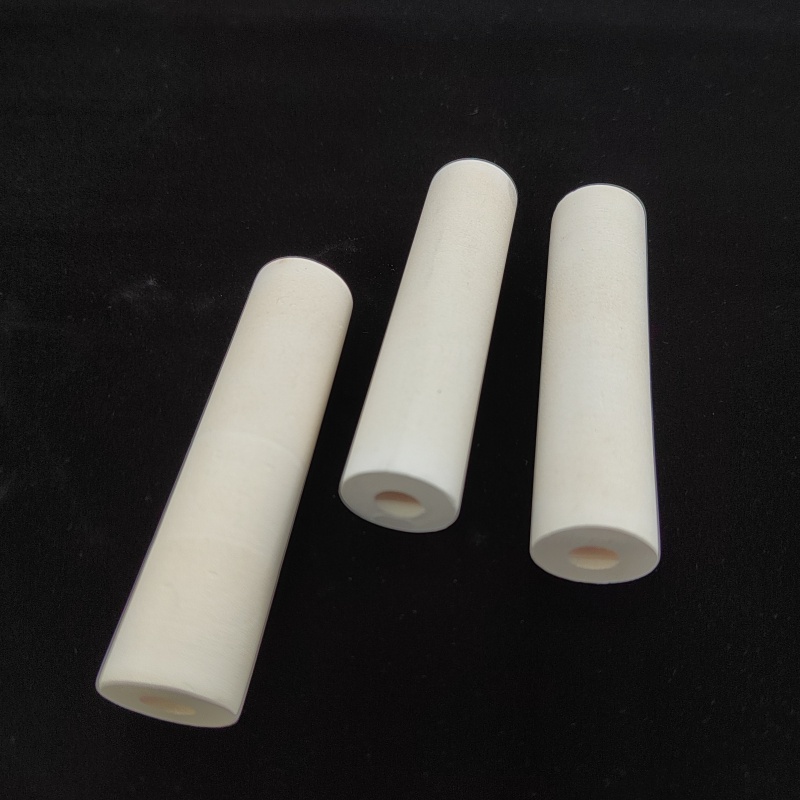
Microporous ceramic filter tube is a high-precision porous ceramic filtration element formed by high-temperature sintering of inorganic ceramic raw materials. It features a uniform and stable microporous structure on the tube wall. Relying on mechanical screening, adsorption interception and physical diffusion effects of micropores, it can effectively separate solid particles, suspended matter, colloids, bacteria and other impurities from gas and liquid fluids. As a core inorganic filtration material, it replaces traditional filter media such as filter cloth, metal mesh and plastic filter elements, and is widely used in industrial purification and environmental treatment fields.
2. Main Raw Materials and Production Process
2.1 Core Raw Materials
The mainstream raw materials for manufacturing microporous ceramic filter tubes include high-purity alumina, silicon carbide, quartz sand, diatomaceous earth and other inorganic ceramic powders. Auxiliary materials such as pore-forming agents and binders are added in proportion. All raw materials are non-toxic, environmentally friendly, with stable chemical properties and no secondary pollution during use.
2.2 Production Process
The complete production flow includes raw material proportioning, fine grinding and mixing, extrusion molding or grouting molding, low-temperature drying, high-temperature sintering (1200℃-1600℃), precision cutting and surface finishing. The high-temperature sintering process ensures the tight combination of ceramic particles, forms uniform and orderly micropores, and endows the filter tube with excellent structural stability and overall performance.
3. Core Structural and Performance Parameters
Microporous ceramic filter tube has standardized and adjustable structural parameters to adapt to different filtration scenarios. The key performance indicators are as follows:
Pore size range: 0.1μm - 500μm, with customizable precision pore sizes; the micropores are evenly distributed without local blockage or uneven pore diameterPorosity: 30% - 43%, which balances filtration flux and interception accuracy to ensure high filtering efficiencyMechanical strength: The breaking strength reaches 5.3MPa or above, with strong pressure resistance, not easy to deform or crack under fluid pressureBulk density: 1400-1600kg/m³, lightweight and easy for installation and transportatioWorking pressure: Maximum bearable working pressure up to 1MPa, suitable for most industrial circulating filtration systems
4. Outstanding Product Characteristics
4.1 Extreme Temperature Resistance
This filter tube has excellent high and low temperature resistance. It can work stably for a long time in a high-temperature environment up to 500℃ without thermal deformation or performance attenuation, and also maintains intact structural stability in low-temperature and freezing environments. It is far superior to polymer filter materials in high-temperature flue gas filtration and hot liquid purification scenarios.
4.2 Strong Chemical Corrosion Resistance
Made of pure inorganic ceramic materials, it is resistant to acid, alkali, salt solution and organic solvent corrosion. It can adapt to a full pH range of 0-14, and will not dissolve, deteriorate or fail in corrosive fluid environments. It solves the problem of easy aging and damage of organic filter elements in chemical industrial filtration.
4.3 High Filtration Precision and Stable Effect
The micropore structure is fixed and will not expand or deform with the change of pressure and temperature. It can accurately intercept tiny impurities such as fine suspended particles, colloids and bacteria. The filtration effect is stable and consistent, avoiding the filtration failure caused by pore deformation of traditional filter media.
4.4 Easy Regeneration and Long Service Life
The filter tube has a smooth inner and outer wall with not easy adhesion of impurities. It can be quickly cleaned and regenerated through backwashing, air blowing and ultrasonic cleaning. Its service life is more than 5 times that of polymer membrane filter elements. It effectively reduces replacement frequency and later operation and maintenance costs.
4.5 Environmental Protection and Safety
The product is non-toxic and odorless, with no precipitation of harmful substances during use. It will not cause secondary pollution to fluid media, and meets the environmental protection and food-grade safety standards, suitable for food, pharmaceutical and drinking water purification industries.
5. Product Classification
5.1 Classification by Filtration Precision
Microfiltration ceramic filter tube: Pore size 0.1-10μm, mainly used to remove sediment, large particles, bacteria and suspended matter in water and gas
Precision filtration ceramic filter tube: Pore size 10-100μm, suitable for conventional industrial impurity filtration and fluid purification
Coarse filtration ceramic filter tube: Pore size 100-500μm, applied to primary filtration of large particle impurities in wastewater and flue gas
5.2 Classification by Raw Material
It is mainly divided into alumina ceramic filter tube, silicon carbide ceramic filter tube and diatomite ceramic filter tube. Among them, silicon carbide products have higher temperature resistance and wear resistance, while alumina products have higher cost performance and wider application range.
6. Main Application Fields
6.1 Water Treatment Industry
It is used for industrial wastewater purification, domestic sewage advanced treatment, circulating water filtration, drinking water purification and underground water impurity removal. It effectively intercepts suspended solids and colloidal impurities to improve water quality and realize water resource recycling.
6.2 Chemical Industry
Suitable for filtration and purification of acid-base chemical solutions, chemical reaction liquid clarification, removal of catalyst residues and fine particles in chemical fluids. It adapts to corrosive and high-temperature working conditions to ensure the purity of chemical products.
6.3 Food and Pharmaceutical Industry
Applied to sterile filtration of beverage, wine, edible oil and pharmaceutical liquid, intercepting bacteria and tiny impurities. With food-grade safety and no secondary pollution, it guarantees product quality and meets industrial production standards.
6.4 Environmental Flue Gas Treatment
Used for high-temperature flue gas dust removal, boiler exhaust gas purification and industrial waste gas particle interception. It stably works in high-temperature flue gas environment to realize ultra-clean emission of waste gas.
6.5 Other Industrial Fields
It can also be used for fluidization aeration, gas diffusion, liquid defoaming and precision filtration in laboratory, metallurgy and new energy industries, with diversified functional applications.
7. Cleaning and Maintenance Methods
To ensure long-term stable operation of microporous ceramic filter tube, regular cleaning and maintenance are required:
Backwashing cleaning: Use clean fluid to reverse flush the filter tube at regular intervals to wash away surface intercepted impurities, suitable for daily conventional maintenance
Air blowing cleaning: Compressed air is used to blow off dry particle impurities on the tube wall, which is widely used in gas filtration systems
Ultrasonic cleaning: For stubborn adsorbed impurities, ultrasonic cleaning is adopted to thoroughly dredge micropores and restore filtration flux
Regular inspection: Check the tube body for cracks, blockages and damage regularly, and replace damaged filter tubes in time to ensure filtration efficiency
8. Market Advantages and Development Prospects
Compared with traditional organic filter materials and metal filter elements, microporous ceramic filter tube has irreplaceable advantages in high temperature resistance, corrosion resistance, precision filtration and service life. With the continuous improvement of industrial environmental protection standards and the upgrading of precision production requirements, it has gradually replaced traditional filter media and become the mainstream product in the industrial filtration market. In the fields of high-end environmental protection, biopharmaceuticals and new energy fine chemical industry, the market demand is growing steadily, with broad development prospects.



 EN
EN