Get a Free Quote

Our representative will contact you soon.
Email
Mobile/WhatsApp
Name
Company Name
Message
0/1000
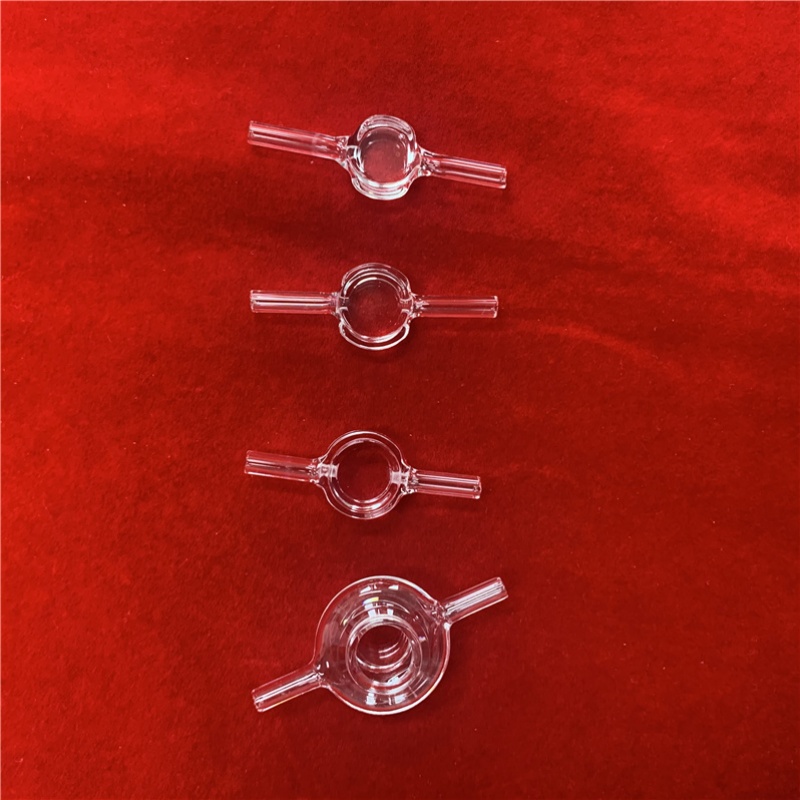
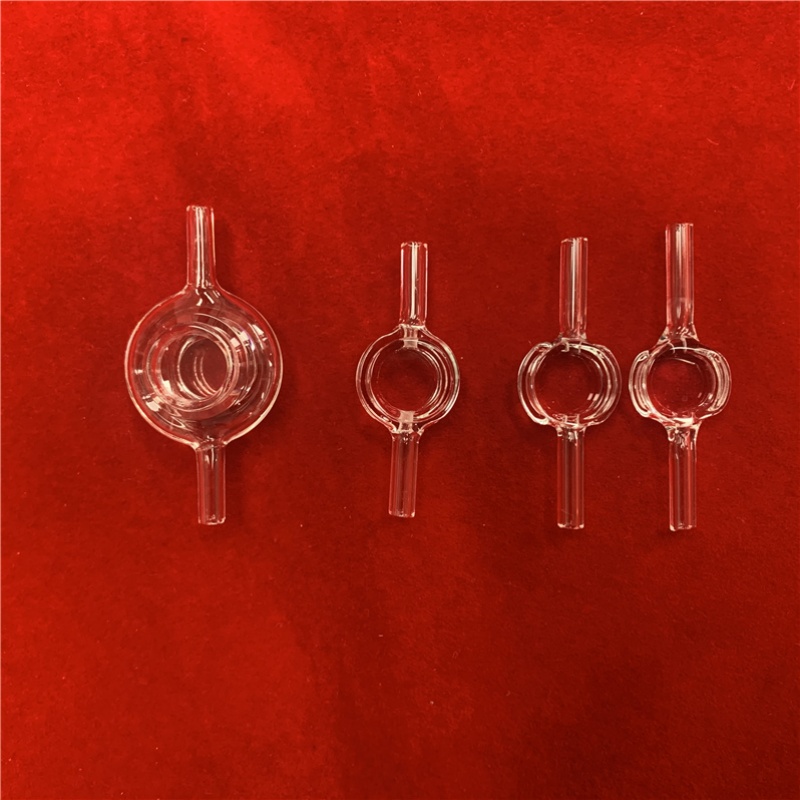
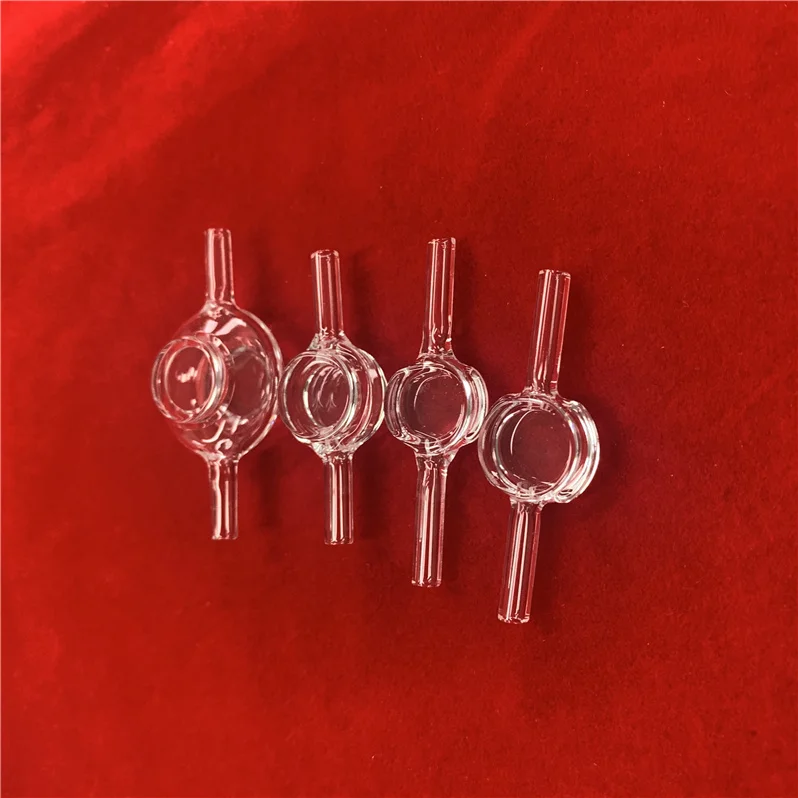
cylindrical flow quartz cuvette cell for water quality testing-0

Cuvette

Home >  Products >  Special glass >  Cuvette
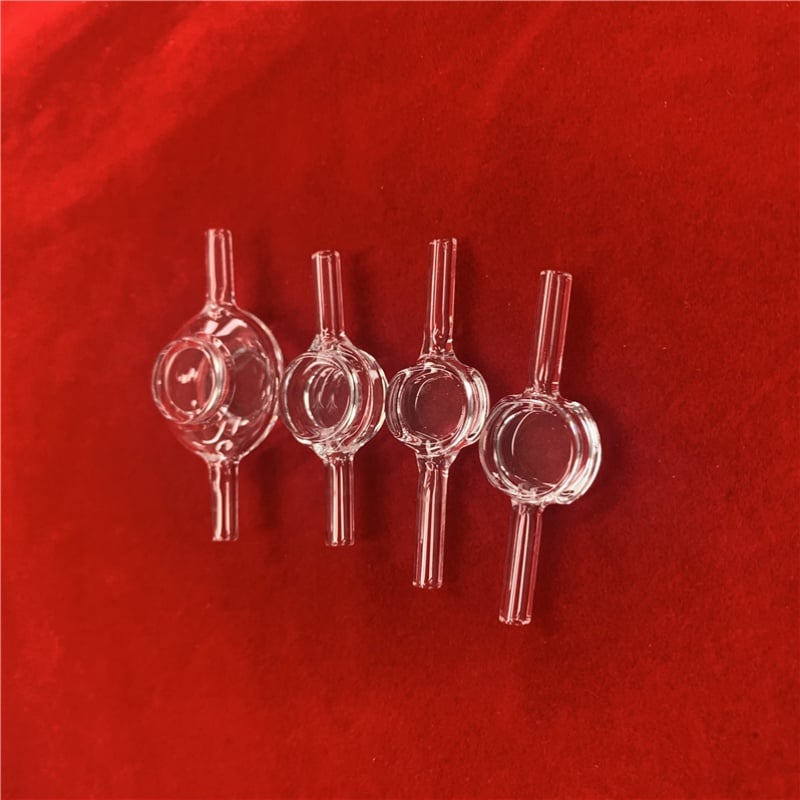
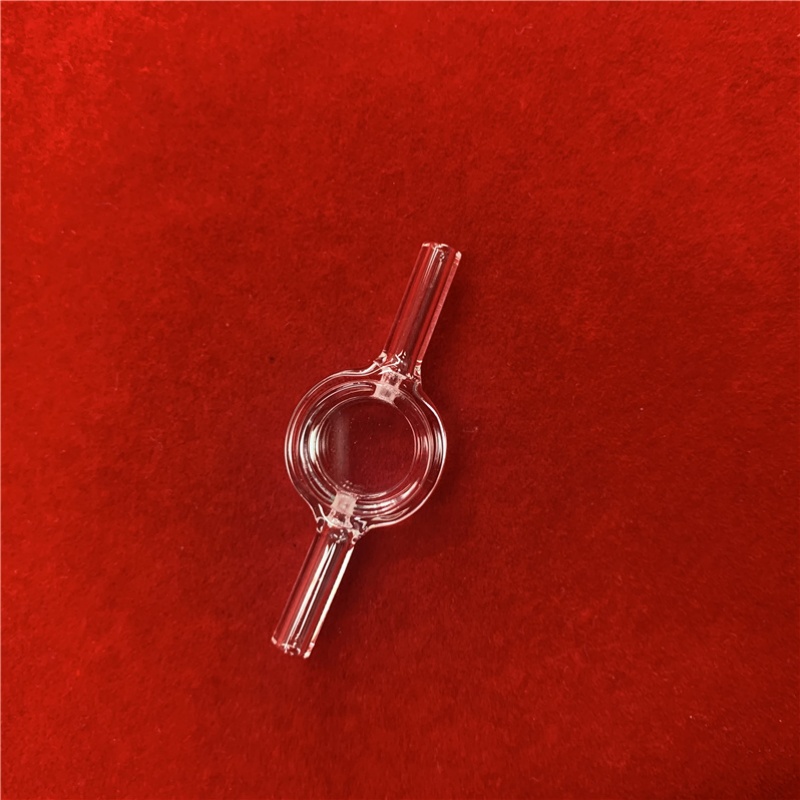
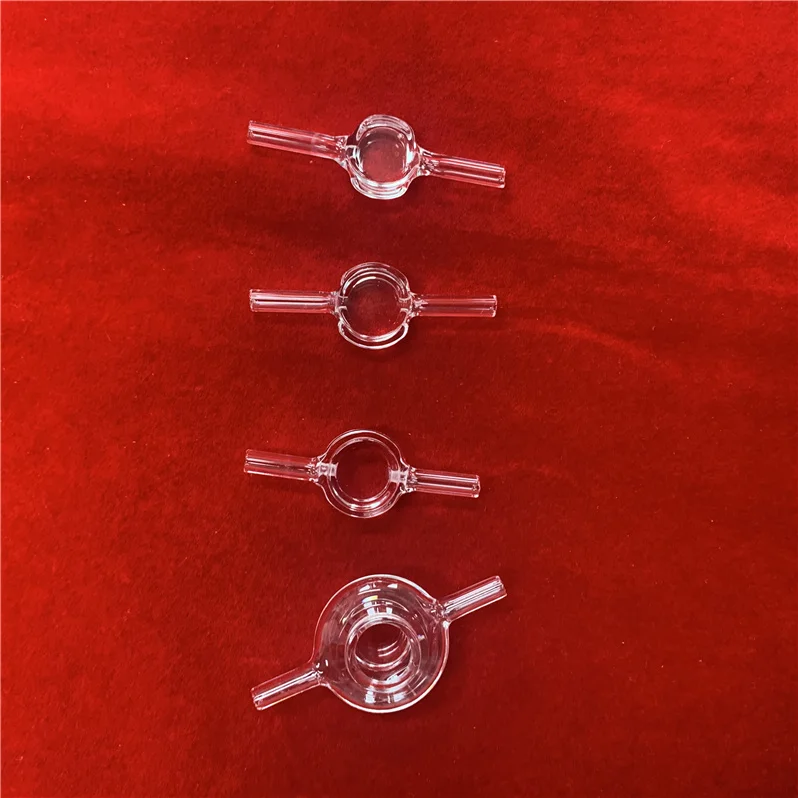
Cylindrical flow quartz cuvette cell for water quality testing

Transmittance Range:

190nm-2500nm, Transmittance in 200nm UV Band ≥85%

Material Purity:

High-purity fused quartz (SiO₂ content ≥99.99%), no impurity interference

Optical Path Specifications:

0.1mm, 0.5mm, 1mm, 5mm, 10mm, 20mm, 30mm, 50mm, 100mm

Capacity Range:

0.05mL (micro-volume) - 20mL (large volume)

Temperature Resistance:

 -40℃~+200℃, some models support 121℃ autoclaving

Optical Precision:

Optical path error ±0.02mm, surface roughness ≤2nm

Special Design:

 Four-sided transmittance model suitable for fluorescence spectroscopy analysis, flow-through model supports online continuous detection

Introduction

                                                                                            Product Details                                                                                         

1. Advantages of Quartz Cuvette cell:

1.1 Quartz Cuvette with high Accuracy and Precision: Enable highly accurate and reproducible optical measurements.

1.2 Quartz Cell Path Length Consistency: Provide a fixed, reproducible path length, which is critical for quantitative analysis.

1.3 Quartz cell Versatility: Compatible with a wide range of samples (liquids, gases) and solvents.

1.4 Quartz cuvette Optical Clarity: Made from materials (e.g., quartz, glass) that offer excellent transmission at specific wavelengths.

1.5 Quartz cell Durability and Reusability: High-quality cuvettes (e.g., quartz, glass) are durable and can be cleaned and reused multiple times.

2.Application of quartz cuvette cell:
2.1 Quartz cuvette cell is used in chemical industry, metallurgy, medical, pharmaceutical, food, environmental protection, power plants, water plants, oil and other industries, departments and colleges and universities, and laboratory etc.
2.2 According to the wavelength range used, cuvettes can be classified into visible light series (glass cuvettes), ultraviolet-visible light series (quartz cuvettes), and infrared light series (infrared quartz cuvettes). In ultraviolet photometric experiments, glass cuvettes and quartz cuvettes are usually selected. It is worth noting that in the ultraviolet region, since glass cuvettes strongly absorb ultraviolet light, which can affect the experimental data and results, quartz cuvettes that do not absorb ultraviolet light are usually selected.
2.3 In the visible light region, the influence of glass cuvettes is relatively small and can be ignored. Both glass cuvettes and quartz cuvettes can be used. However, considering economic factors, since the price of glass cuvettes is much lower than that of quartz cuvettes, glass cuvettes are more often chosen for use in the visible light region.
3.Instructions for Quartz cuvette cell Use:

3.1 Orientation and Placement in Spectrophotometer

 Maintain Consistent Orientation: Always place the cuvette into the holder in the same orientation. Due to minor imperfections in glassware, readings can vary slightly depending on which face is in the light path. Marking the cuvette on one frosted side can help maintain consistency.

Ensure Proper Seating: Ensure the cuvette is seated squarely and securely in the designated compartment, so the light beam passes perfectly through the center of the two clear optical windows.

3.2 Chemical Compatibility

Know Your Cuvette Material: Different cuvette materials (e.g., glass, quartz, plastic) have different chemical resistances.

Glass: Suitable for visible wavelength range but can be etched by strong bases.

Quartz (Fused Silica): Essential for UV spectroscopy. Resistant to most acids and high temperatures.

Plastic (e.g., PS, PMMA): Disposable and inexpensive, but incompatible with many organic solvents (e.g., acetone, acetonitrile), which can dissolve or craze the plastic.

Never Use Abrasive Cleaners: Do not use abrasive brushes or cleaners, as they will permanently scratch the optical surfaces.

4.Management and maintenance of cell cuvettes

4.1 Select the appropriate cuvette material according to the wavelength required for the experiment. In the ultraviolet region, quartz cuvettes should be selected, while in the visible region, both glass and quartz cuvettes can be used. Considering economy, glass cuvettes are usually selected for the visible light region. It is recommended to implement a system of dedicated personnel or dedicated groups for dedicated use. After use, the cuvettes should be cleaned up and returned in a timely manner to avoid confusion and ensure the accuracy of cuvette matching.

4.2 Try to ensure that each ultraviolet spectrophotometer is equipped with a dedicated matching cuvette to avoid cross-use. If cross-use is required, records should be made and the original state should be restored in a timely manner after use.

4.3 The used cuvettes should be cleaned immediately and dried naturally in a well-ventilated and cool place. After drying, put it in the corresponding storage container. When placing, ensure that the storage container is clean and dry, and follow the principle of "smooth side up, rough side on both sides". This makes it easier to access and prevents the smooth side from being contaminated.

Identification of cuvettes
Through vision and hearing, we can observe and compare the appearance and clarity of the cuvette to make a distinction.
5. The specific methods include:

5.1 Observe the letter markings on the cuvette.

 The rim of a Glass cuvette is usually marked with "G" (Glass), while a Quartz cuvette is marked with "Q" (Quartz) or "QS/S" (Quartz glass).

5.2 If there is no letter marking or the marking is worn out, it can be judged by observing the edge surface at the rim. The fracture surface of ordinary glass is light green, that of boric acid glass is whitish, while the cross-section of quartz is transparent. Therefore, when looking down from the rim, if the edge appears green, it is made of glass. If it is transparent or white, it may be made of quartz.

5.3 Tapping the cuvette can also help identify its material.

When a quartz cuvette is struck, it makes a clear sound, while a glass cuvette makes a muffled sound.

5.4 The hardness of quartz is higher than that of glass. Therefore, when grinding, the wear of quartz cuvettes is much smaller, while that of glass cuvettes is greater.

5.5 When using an incandescent lamp to illuminate a cuvette, the glass cuvette has a higher light transmittance, while the quartz cuvette should appear slightly cloudy.
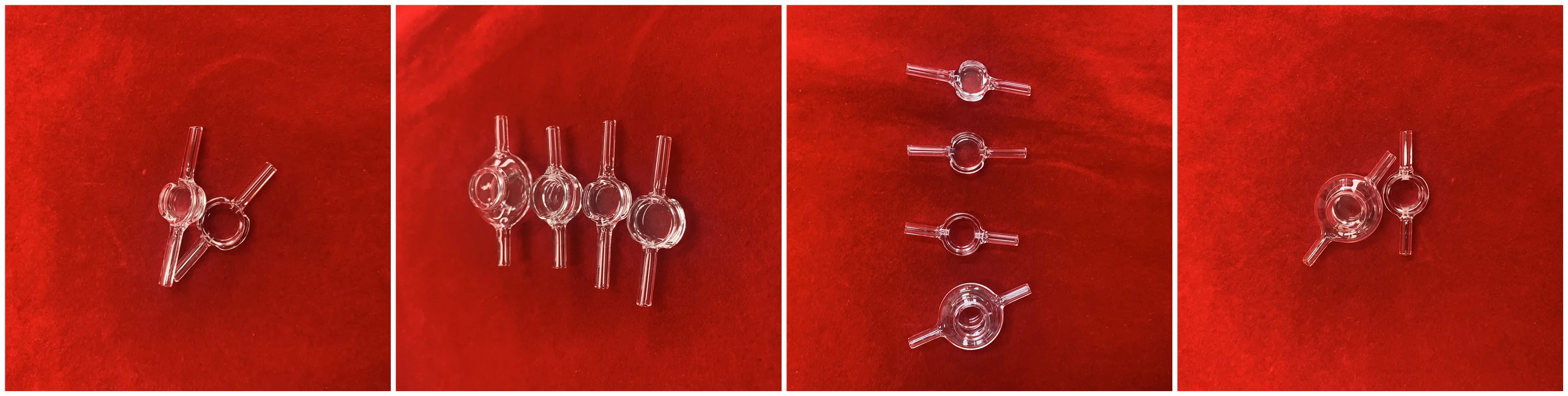
比色皿.jpg

Technical parameters of Cuvette:

Material

Code

Transmission on empty cell

Deviations in Matching

Optical glass

G

at 350nm approx. 82%

at 350nm max. 0.5%

ES quartz glass

Q

at 200nm approx. 80%

at 200nm max. 0.5%

IR quartz glass

I

at 2730nm approx. 88%

at 2730nm max. 0.5%

                                                                                          Development History                                                                                    

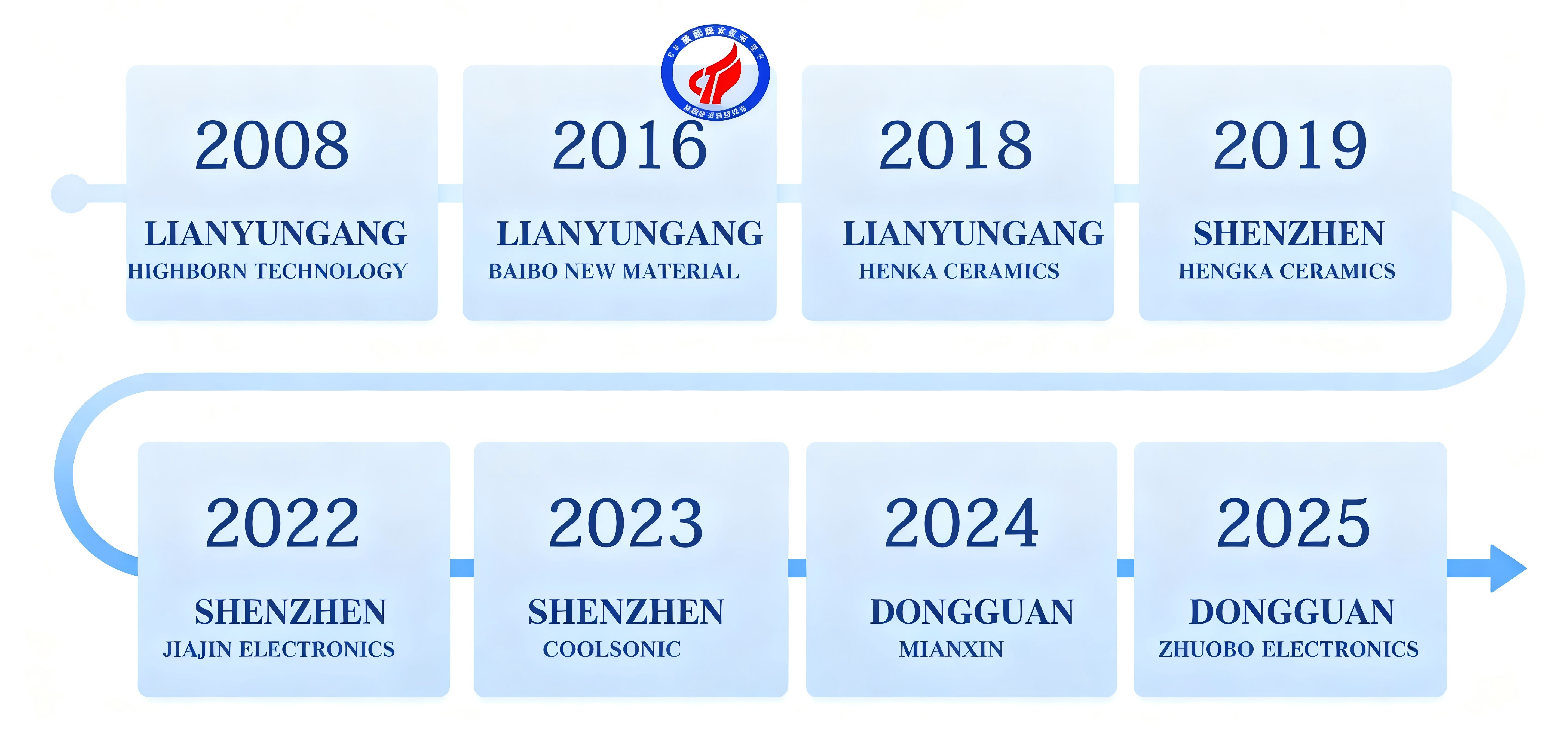
Development history.png

                                                                                        Patents and certification                                                                                  

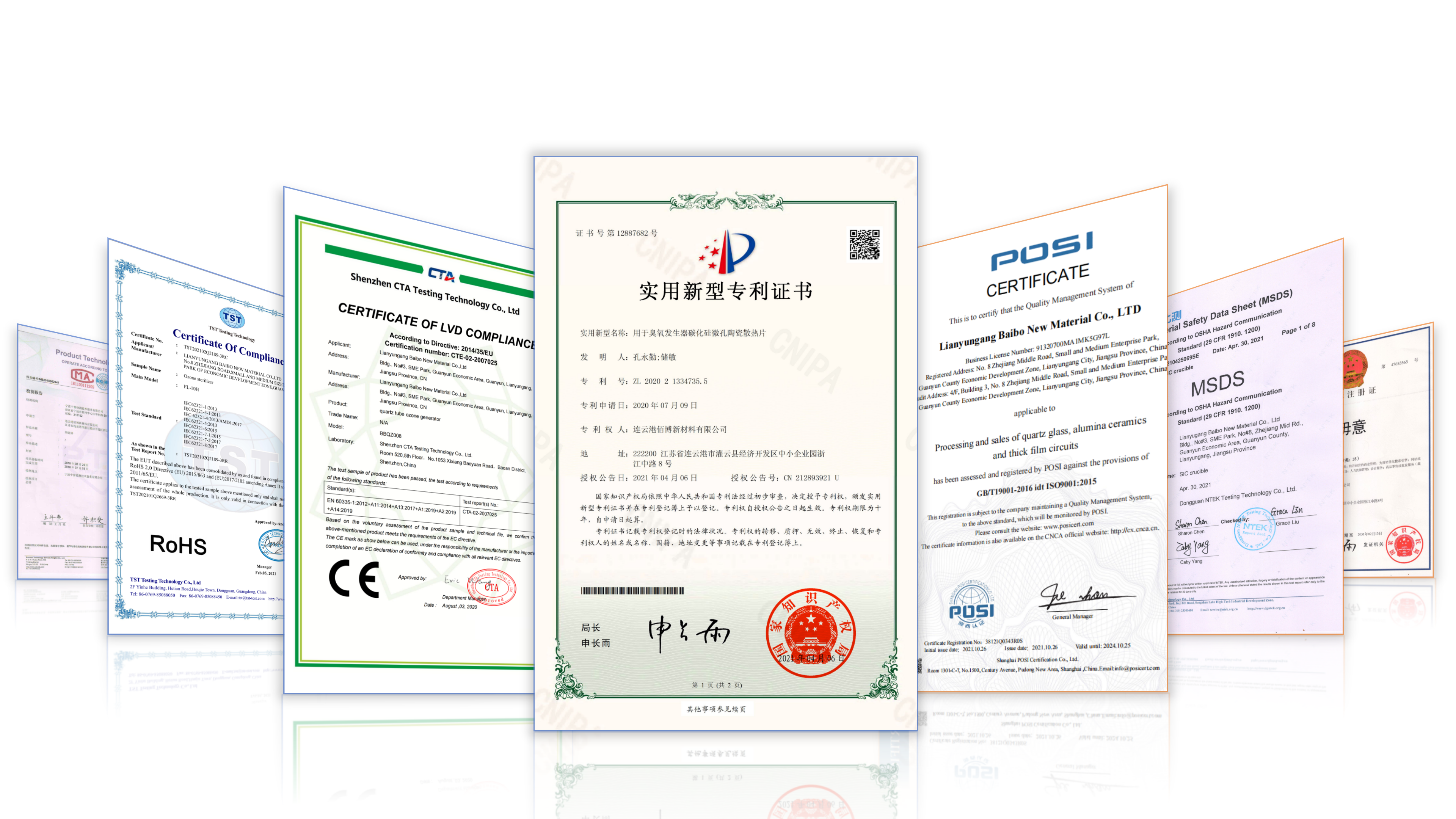
We’ve obtained various global certifications including CE, EMC, LVD, RoHS, FDA, MSDS, ISO 9001, SGS and TUV. We also own eight registered trademarks and forty technical patents to support independent R&D.
Our proprietary core technologies run through all product lines: porous ceramics, industrial ceramic components, special glass, metallized ceramics, liquid absorption cotton, ozone generators and silicone goods. All products are manufactured in strict accordance with international quality standards, delivering reliable and high-performance solutions that have gained wide recognition and market trust worldwide.                   

新建 PPTX 演示文稿_02.png

                                                                                               Package                                                                                                    

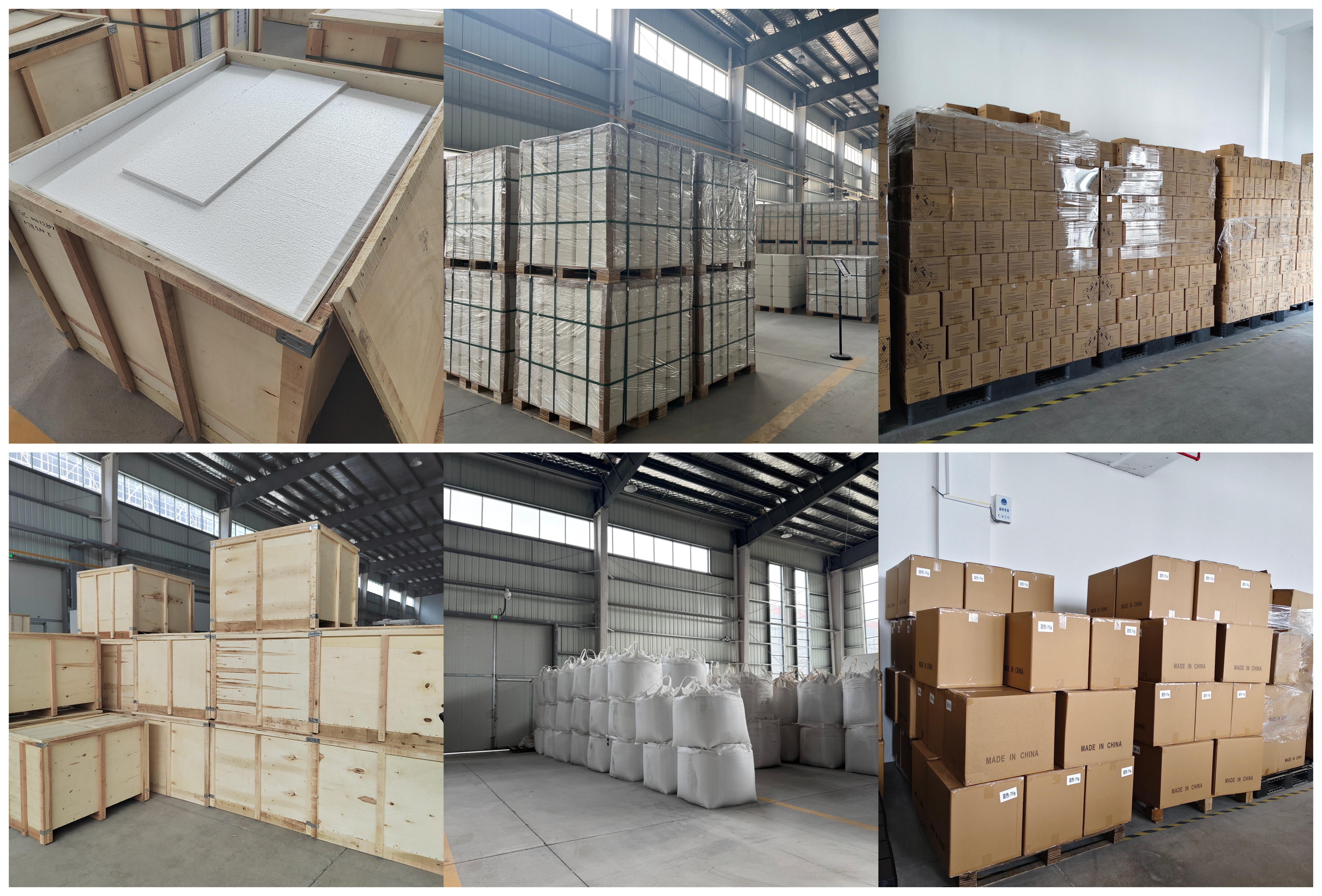
We adopt scientific and standardized packaging solutions tailored to product characteristics to effectively prevent collision, extrusion, dust and moisture damage. With mature global transportation system and strict shipment inspection procedures, we ensure all products remain intact and stable during long-distance delivery, providing customers with safe, efficient and reliable one-stop logistics service.

packing(2).png

                                                                                           Services                                                                        

Inquiry & Customization

We provide fast and accurate quotation response for all your inquiries. Flexible OEM & ODM customization solutions are available to meet your unique product design, packaging and branding requirements.

Order Quality Control

We keep clients updated with full production progress throughout the whole order cycle. Our QC team carries out strict comprehensive pre-shipment inspection to guarantee all goods comply with your quality standards before delivery.

Customs Document Support

We prepare a full set of standard export documents including commercial invoice, packing list, certificate of origin and other certification papers, to ensure smooth global customs clearance for shipments to all destinations worldwide.

One-Stop Logistics

Multiple shipping methods including sea freight, air freight and express delivery are offered to match your schedule and budget. We supply real-time cargo tracking service so you can monitor shipment status anytime.

Flexible Payment

We support a wide range of secure international payment terms such as T/T, L/C, Western Union and other mainstream cross-border settlement methods to reduce your cross-border transaction risks.

After-Sales Support

Our professional after-sales team offers timely technical and business support all year round. We maintain steady long-term stable supply capacity to fully back up your continuous market sales and project demands.

                                                                                               FAQ                                                                                                           

01

Question: Can you produce based on customers’ drawings or physical samples?

Answer: Absolutely yes. We accept technical drawings in all mainstream file formats as well as actual physical samples. Before formal production, our engineering team will provide a full professional DFM feasibility evaluation for your reference.

02 

Question: How long is the production lead time for custom orders?

Answer: Sample lead time: 3–7 working days. Custom mold lead time: 5–10 working days (we will confirm the cycle separately with you for complex molds). Mass production lead time: 7–20 working days, depending on product structure complexity and order quantity.

03 

Question: What’s your minimum order quantity for custom products?

Answer: We provide flexible MOQ solutions for all customized items. We will try our best to set a low minimum order volume to support your small-batch trial orders, meanwhile we can handle stable mass production to satisfy your long-term bulk demands.

04 

Question: What customization services can you provide?

Answer: We support comprehensive one-stop customization, including product size, shape, appearance, precision tolerance, surface treatment, hole grooving, bending, cutting and adjustable high-temperature resistant parameters. Custom engraved LOGO and exclusive customized packaging are also available as extra personalized options upon request.

05 

Question: Do you accept third-party inspection of finished products?

Answer: Yes, we fully cooperate with all mainstream authorized third-party testing institutions. Well-known organizations such as SGS, BV and other internationally recognized inspection bodies are all acceptable. We can supply complete official inspection reports and material certification documents as you require.

06 

Question: Can you customize raw material options for products?

Answer: Sure. We can select and match appropriate raw materials according to your application scenarios, working conditions and performance requirements, including alumina, zirconia, quartz, silicone and other special engineering materials, and adjust related performance parameters to meet your usage standards.

More Products

  • Refractory Cordierite Mullite Ceramic Push Setter Plate for Kiln Furnace
    Refractory Cordierite Mullite Ceramic Push Setter Plate for Kiln Furnace

  • Pressureledd Sintered Black Silicon Carbide Grinding Ball
    Pressureledd Sintered Black Silicon Carbide Grinding Ball

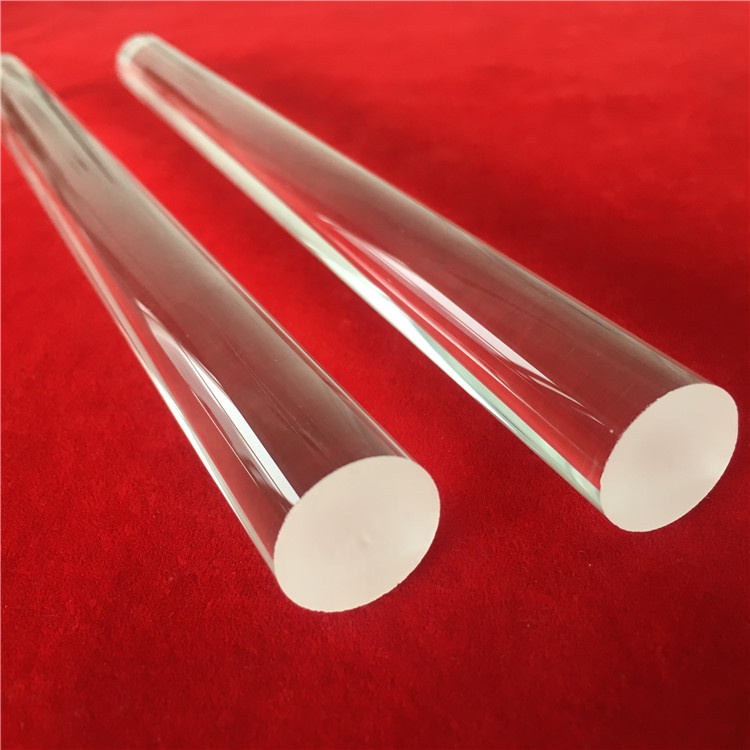
  • Round Shape Heat Resistant Custom Size Clear Quartz Glass Rod
    Round Shape Heat Resistant Custom Size Clear Quartz Glass Rod

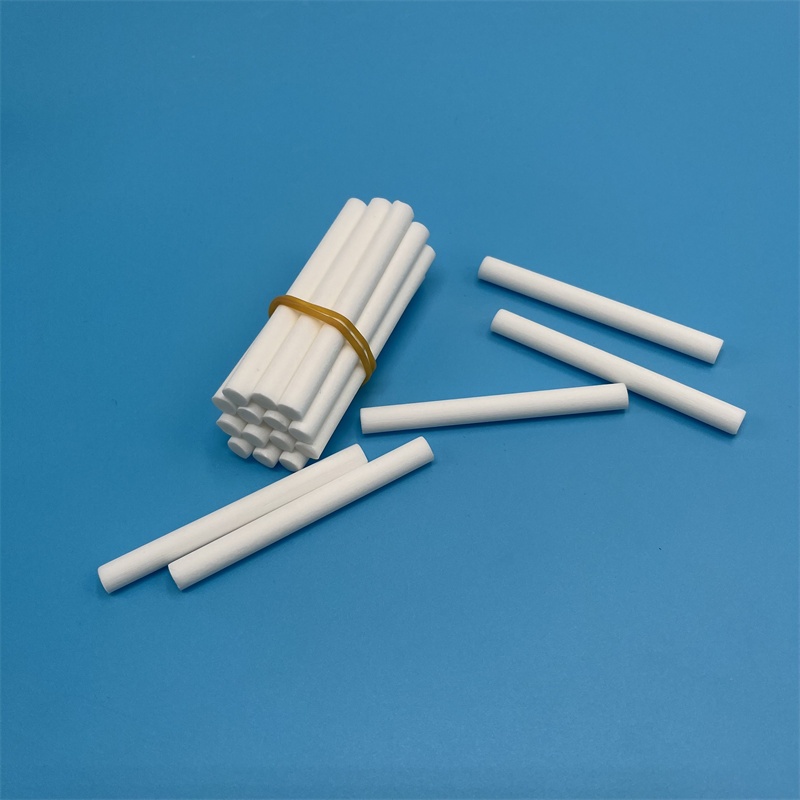
  • 7*73mm Water-based Oil-based Universal PET Rod Liquid Mosquito Repellent Wick

    7*73mm Water-based Oil-based Universal PET Rod Liquid Mosquito Repellent Wick

Get a Free Quote

Our representative will contact you soon.
Email
Mobile/WhatsApp
Name
Company Name
Message
0/1000
email goToTop