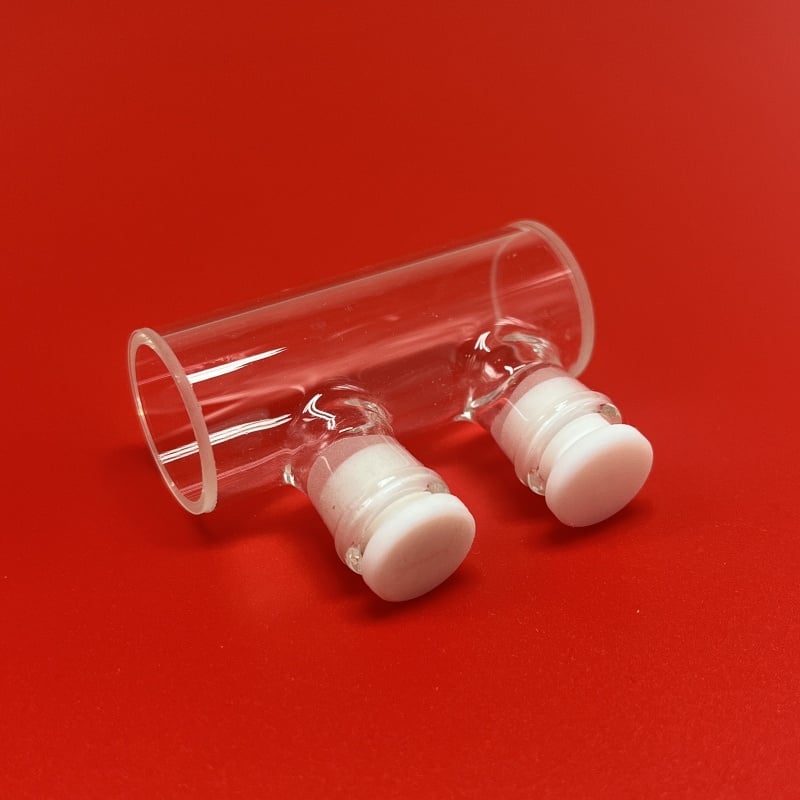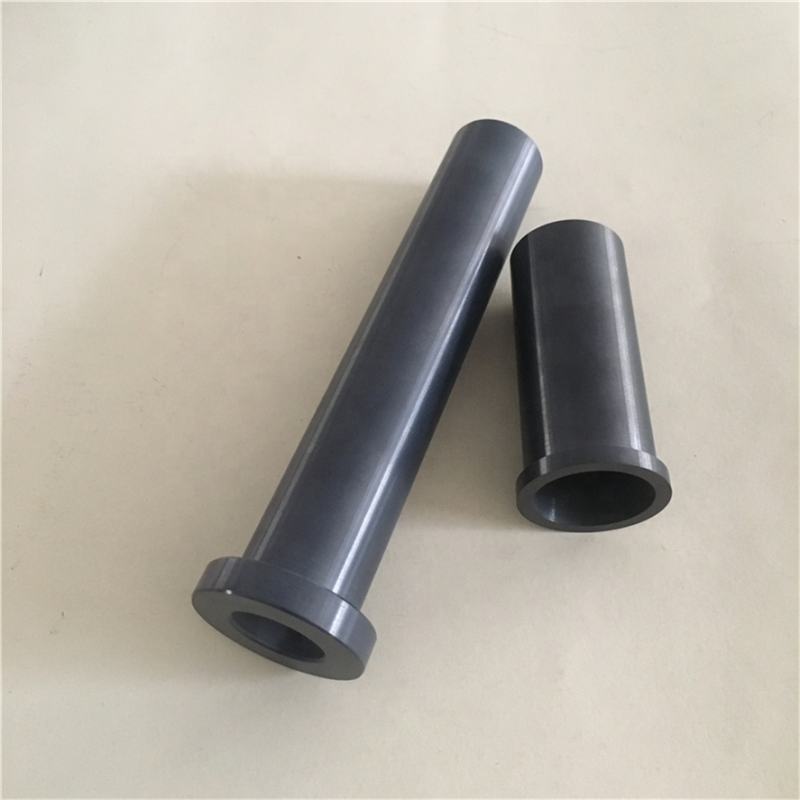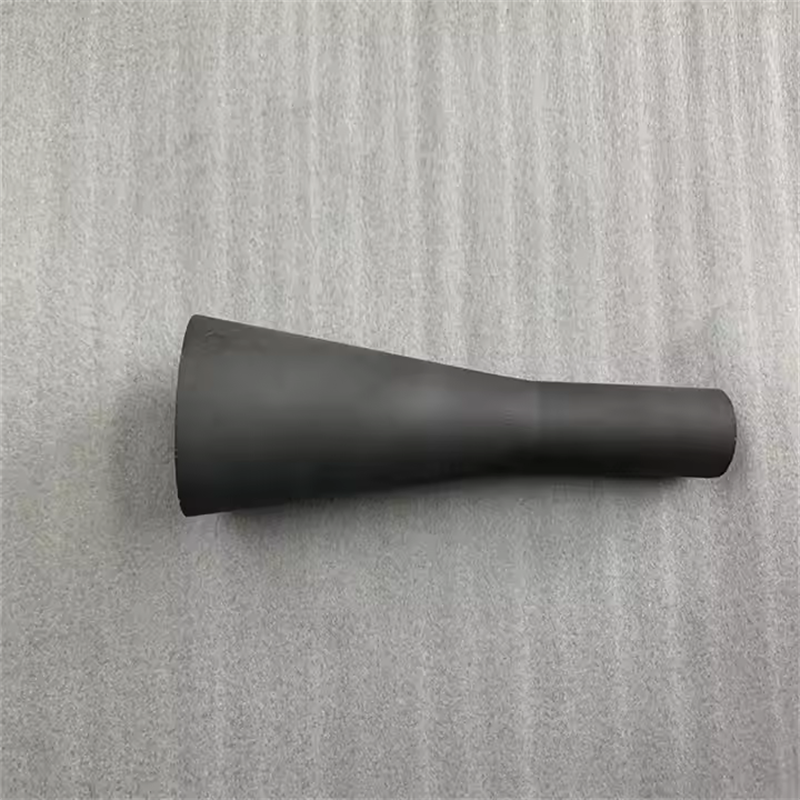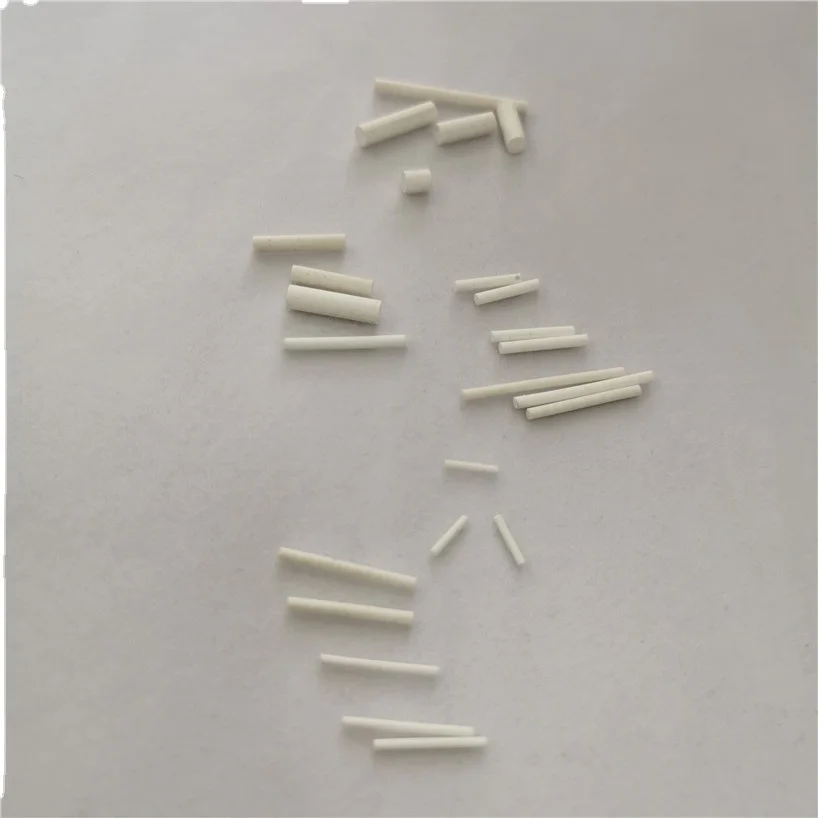
Ang Research Team mula sa King Fahd University of Petroleum and Minerals ay gumawa ng mga composite membrane para sa paghihiwalay ng langis at tubig gamit ang porous alumina ceramics ng Highborn at inilathala ang mga kaugnay na natuklasan
Kamakailan, inilathala ng peer-reviewed na journal na Membranes (2022, 12, 394, DOI: 10.3390/membranes12040394) ang isang pananaliksik na may pamagat na A Simple Approach to Fabricate Composite Ceramic Membranes Decorated with Functionalized Carbide-Derived Carbon for Oily Wastewater Treatment ng research team mula sa Interdisciplinary Research Center for Membranes and Water Security, King Fahd University of Petroleum and Minerals, Saudi Arabia. Sa seksyon ng Materials and Methods ng papel, malinaw na nabanggit na ang lahat ng porous alumina supports na ginamit sa mga eksperimental na pagsusulit ay binili mula sa Lianyungang Highborn Technologies Co., Ltd., Lianyungang, China.
1. Mga pangunahing spec ng substrate na nakatala sa orihinal na manuskrito (kinuha mula sa Seksyon 2.1 Materials)
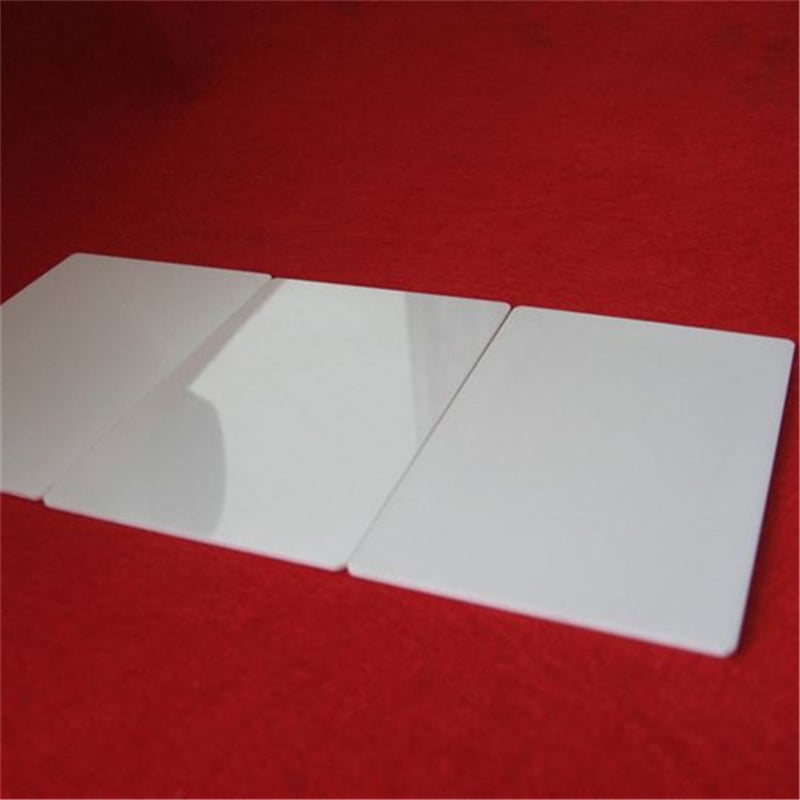
Ang lahat ng sample ng membrane na nabuo sa pag-aaral na ito ay pare-parehong gumamit ng porous na alumina ceramic substrates na suplay ng Highborn Technology, na may nakatakda na mga parameter: bukas na porosity na 45%, nominal na sukat ng butas na 0.5 micron. Ang substrate ng alumina ay nagsilbing matigas na pang-ilalim na balangkas ng composite membranes. Sa batayan ng ceramic support na ito, ang grupo ng pananaliksik ay natapos ng buong hanay ng mga proseso ng pagbabago, kabilang ang paglo-load ng APTES-functionalized carbide-derived carbon (APTES@CDC), piperazine impregnation, at interfacial polymerization kasama ang terephthaloyl chloride (TPC). Tatlong grupo ng iba’t ibang composite ceramic membranes—na tinatawag na M-50, M-100, at M-200—ay nabuo para sa mga pagsubok sa paghihiwalay ng surfactant-stabilized oil-in-water (O/W) emulsions.
2. Buong Experimental System na Sinusuportahan ng Alumina Substrates (Lahat ng datos ay kinuha mula sa orihinal na resulta ng pagsubok)
Isinagawa ang buong hanay ng pag-uuri ng materyales at mga pagsusulit sa pangmatagalang pagkakapantay ng pag-filter, na umaasa sa mga suporta ng alumina mula sa Highborn, at ang lahat ng eksperimentong datos ay nakakuha batay sa lokal na keramikong substrato na ito:
Pagsusuri ng Kakatian sa mga Proseso ng Pagbabago ng Membrana
Ang maraming paraan ng pagpapaliwanag—kabilang ang Scanning electron microscopy (SEM), Energy dispersive x-ray spectroscopy (EDX) na may elemental mapping, X-ray diffraction (XRD), at Attenuated total reflectance Fourier transform infrared (ATR-FTIR) spectroscopy—ay nagpapatunay na ang alumina substrates ng Highborn ay kayang mahigpit na i-ankor ang mga partikulo ng CDC nang pantay sa buong ibabaw. Ang mga functional group na naglalaman ng carbon (C), nitrogen (N), at silicon (Si) ay naka-distribute nang pantay sa ibabaw ng substrate. Ang katangi-tanging absorption band ng Al-O bond ay nanatiling buo, na nagpapatunay na ang ceramic support ay kayang tumagal ng buong hanay ng mga kemikal at thermal na proseso—kabilang ang ethanol dispersion, modipikasyon sa parehong temperatura na 50 °C, curing sa 60 °C, at paghuhugas gamit ang n-hexane. Walang naganap na side reactions sa pagitan ng alumina substrate at ng mga organic modifier tulad ng APTES, piperazine, at TPC, kaya’t nawala ang posibilidad ng kontaminasyon sa substrate na maaaring makasagabal sa katiyakan ng mga datos sa eksperimento.
Kakatagan ng Estructura sa ilalim ng mga Kondisyon ng Transmembrane Pressure
Ang dead-end filtration cell na ginamit sa lahat ng pagsubok sa pag-filter ay gumana sa maximum na transmembrane pressure na 1.5 bar. Walang obserbasyon na deformation o cracking sa mga alumina substrates sa buong proseso ng pagsubok, na nagpapakita ng perpektong compatibility sa karaniwang laboratoryo na dead-end filtration setups. Sa 720-minutong long-term continuous operation test, ang ceramic substrate ay matatag na naka-immobilize ang nasa itaas na polyamide-CDC composite active layer nang walang leaching o detachment ng functional materials.
Nai-publish na mga Sukat ng Pagganap sa Paghihiwalay ng Langis at Tubig (Opisyal na datos mula sa journal article)
Ang M-50 membrane na may 50 mg na APTES@CDC ay nakamit ang permeate flux na 76.05 LMH (L m⁻² h⁻¹) sa feed oil concentration na 67.5 ppm at 1 bar na transmembrane pressure;
Ang M-200 membrane ay nagbigay ng pinakamataas na kahusayan sa paghihiwalay ng langis na lampas sa 99.88%;
Ang pangunahing sample na M-100 ay nanatiling pare-pareho ang pagganap nito sa paghihiwalay sa loob ng 720 minuto ng tuloy-tuloy na pagpasa, na may kaunti lamang pagbaba sa daloy ng permeate, at nanatiling matatag ang rate ng pagtanggi sa langis sa 99.8%;
Ang mga pagsukat ng angle ng pagkakadikit ay nagpapatunay na ang binago na kompositong membrane ay nagpapakita ng superhydrophilicity sa hangin at underwater superoleophobicity, kung saan ang substrate na alumina ay gumaganap bilang isang matatag na suportang platform para sa regulasyon ng surface wettability.
Garantiya sa Uulit-ulit na mga Resulta ng Parallel na Eksperimento
Ang mga pagsubok sa gradient CDC loading contrast at variable-concentration feed (mga emulsyon ng langis sa tubig na 67.5 ppm, 125 ppm, at 250 ppm) ay lahat gumamit ng identikal na Highborn alumina substrates. Ang parehong mga pattern ay napansin sa data ng material characterization at filtration performance sa lahat ng parallel na sample, na nagpapatunay sa uniform na porosity at surface flatness sa bawat batch ng alumina ceramics ng Highborn—na isang mahalagang paunang kondisyon para sa uulit-ulit na comparative research sa mga aklatang pampang-aaral.
3. Pahayag ng Layunin Tungkol sa Halaga ng Pananaliksik na Pang-agham
Ang papel na ito ay nakatuon sa mga hamon sa paggamot ng tubig na nabuo mula sa pagsasamantala sa oilfield at ng tubig na may langis na naka-stabilize gamit ang surfactant. Kumpara sa mga polimerikong ultrafiltration membrane at iba pang sistema ng ceramic membrane, ang mga alumina-based composite membrane ay nagpapakita ng kabuuang mga kalamangan tulad ng napakagandang thermal at chemical inertness, mababang kinakailangang operating pressure, at mataas na kahusayan sa pagtanggi ng langis. Ang porous alumina supports ng Highborn na may 45% porosity at 0.5 μm pore size ay nagbibigay ng standard at istruktural na matatag na carrier substrates para sa bagong CDC-decorated ceramic membrane na ito, na gumaganap bilang isang hindi mapagkakaitang rigid skeleton para sa buong sistema ng oil/water separation membrane.
Ito ay isang pormal na aklatang pang-aklatan na sinuri ng mga kapwa eksperto at nailathala sa awtoridad na journal ng MDPI na Membranes, na siyang opisyal na publikong literatura ng pananaliksik na direktang binanggit ang porous alumina ceramics na suplay ng Lianyungang Highborn Technology. Ito ay obhektyibong nagpapatunay sa istruktural na katatagan, pagkakapareho ng bawat batch, at kakayahang magkasya sa buong proseso ng modipikasyon ng mga alumina support ng Highborn sa aklatang paggawa ng membrane, mahabang panahon ng pressure-driven filtration, at multi-step na chemical functionalization procedures. Sa susunod, ipagpapatuloy ng Highborn Technology ang pagbibigay ng mga pasadyang porous alumina ceramic substrates na may maa-adjust na sukat ng butas (0.1–10 μm) at bukas na porosity (30%–55%) batay sa mga kailangan ng pasadyang laboratoryo, at patuloy na magbibigay ng standardisadong lokal na substrate solutions para sa mga proyektong pananaliksik sa membrane separation na isinasagawa ng mga unibersidad at research institutes sa buong mundo.
Profile ng Kumpanya
Ang Lianyungang Highborn Technology Co., Ltd. ay nakaspecialize sa pananaliksik at pag-unlad (R&D) at malawakang produksyon ng mga advanced na porous ceramic component, kabilang ang porous alumina, silicon carbide, at zirconia substrates. Available ang serbisyo ng pagpapasadya na sumasaklaw sa adjustable na sukat ng butas (0.1–10 μm) at bukas na porosity (30%–55%). Ang aming mga produkto ay malawakang ginagamit sa mga senaryo ng pagsasaliksik sa laboratorio at pilot-scale, kabilang ang paghihiwalay ng langis at tubig, paggawa ng substrate para sa ultrafiltration/nanofiltration, mga tagapagdala ng katalisador, at mga ceramic membrane para sa paghihiwalay ng gas. Ang aming mga ceramic substrate ay na-export na sa maraming bansa at paulit-ulit na ginamit sa opisyal na pagsasaliksik na nailathala sa internasyonal.
Tala sa Pagkakasunod-sunod
Ang lahat ng paglalarawan sa pagganap ng substrate, mga parameter ng eksperimento, at datos ng paghihiwalay na binanggit sa artikulong ito ay kumpleto nang kinuha mula sa orihinal na aklatang pampag-aaral ng Membranes noong 2022. Walang nakapaloob na labis na pagpapahalaga sa pagganap o subhetibong pagpapalaki; ang lahat ng pahayag ay maaaring i-cross-reference at i-verify batay sa orihinal na aklatang pampag-aaral.
Paalala sa Pagkakapareho ng Orihinal na Terminolohiya ng Journal
Ang lahat ng propesyonal na teknikal na termino sa balitang ito ay sumusunod nang mahigpit sa pagpapahayag na ginamit sa papel na may pamagat na A Simple Approach to Fabricate Composite Ceramic Membranes Decorated with Functionalized Carbide-Derived Carbon for Oily Wastewater Treatment, kabilang ang:
karbido-hango na carbon (CDC), APTES, piperazine, terephthaloyl chloride (TPC), interfacial polymerization, dead-end filtration cell, transmembrane pressure, permeate flux (LMH), oil-in-water (O/W) emulsion, surfactant-stabilized emulsion, separation efficiency, oil rejection rate, long-term continuous operation, Scanning electron microscopy (SEM), EDX elemental mapping, X-ray diffraction (XRD), ATR-FTIR, superhydrophilic, underwater superoleophobic, open porosity, nominal pore size, produced water, polymeric ultrafiltration membrane, thermal at chemical inertness


 EN
EN