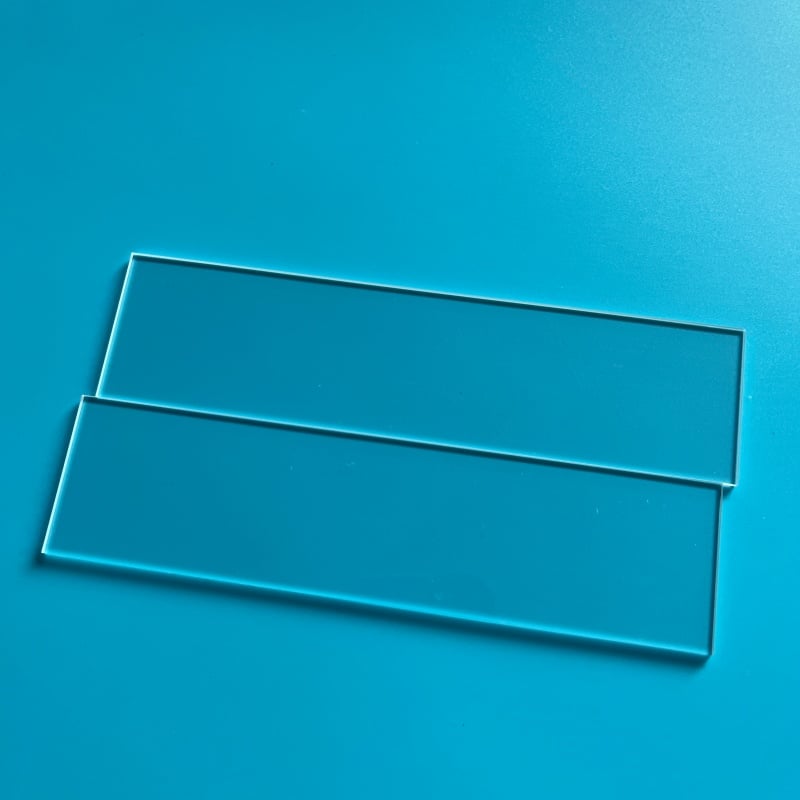
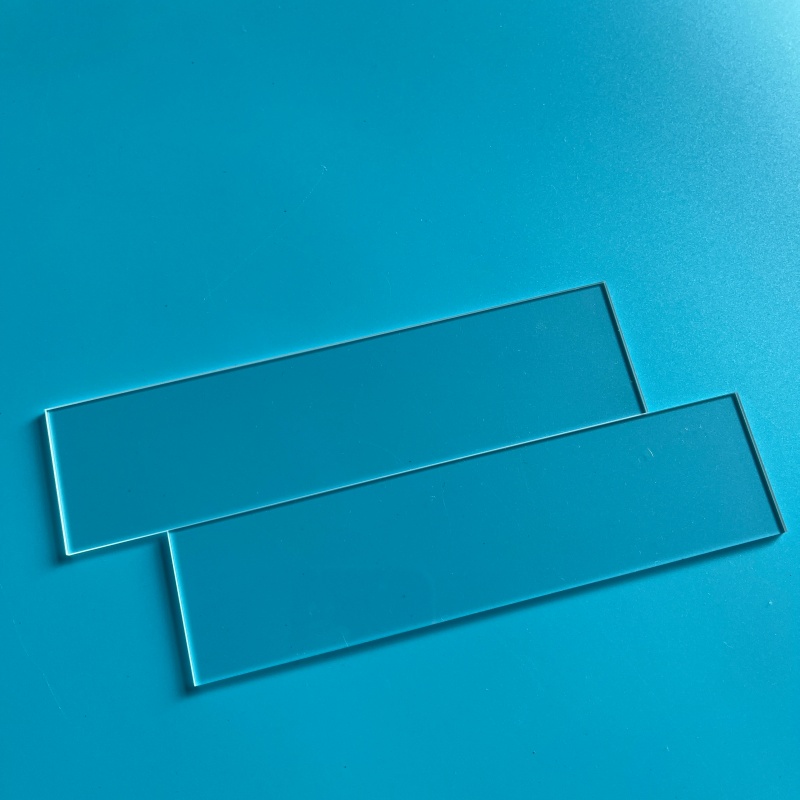
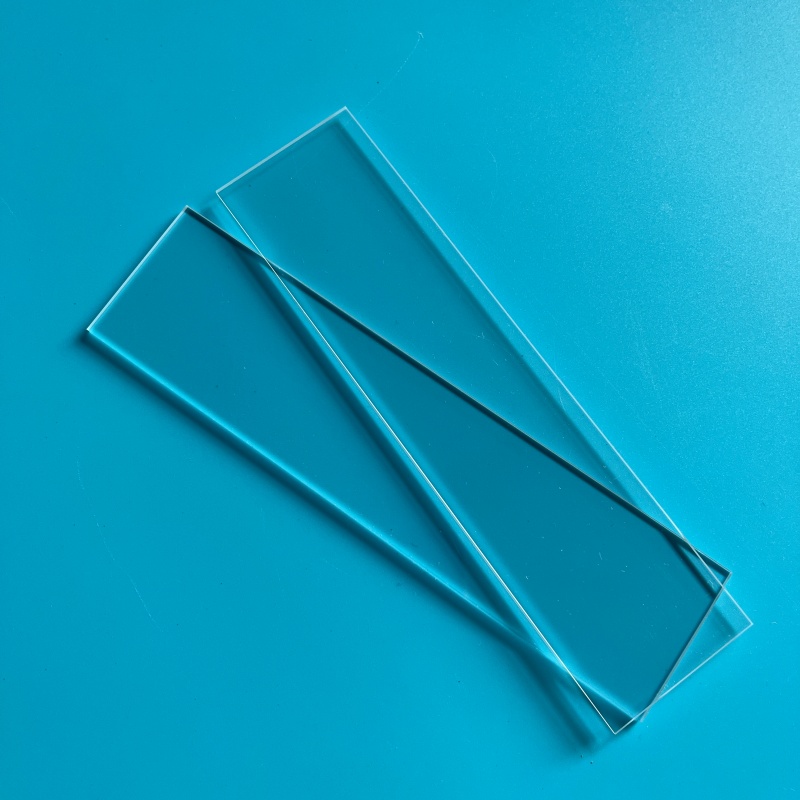

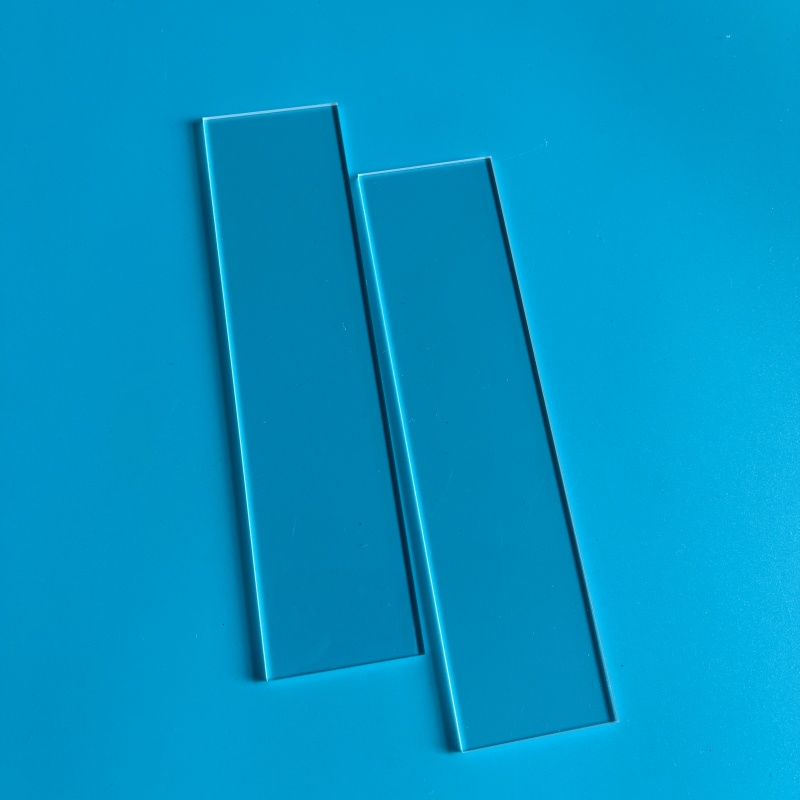
Hardness of the quartz plate:
5.3-7.0 on Mohs Scale, providing superior scratch resistance
Tolerances of quartz plate dimensions:
For standard sizes, we can achieve a tolerance of ±0.05mm. For high-precision applications, we can control the tolerance within ±0.02mm using advanced grinding and polishing techniques.
Special shapes of the plate:
we can process quartz plates into various shapes such as circles, rectangles, squares, and irregular shapes using CNC precision cutting.
The maximum operating temperature of the quartz plates:
high-purity fused quartz plates can withstand continuous operating temperatures up to 1200℃, and short-term peak temperatures up to 1500℃
Outstanding Thermal Stability:
Near-zero thermal expansion coefficient (0.55×10⁻⁶/°C), resisting thermal shock and deformation
Superior Chemical Resistance:
Inert to most acids, alkalis, and organic solvents, ideal for corrosive environments
Product Details
1.Definition of quartz glass plate:
Quartz plates are special industrial materials made from high-purity silicon dioxide (with a purity of ≥ 99.99%). They are produced through melting, cutting and grinding processes. They have a Mohs hardness of 7, can withstand high temperatures (with a long-term usage temperature reaching 1100℃), have low thermal expansion, high thermal stability and excellent electrical insulation properties. In their normal state, they are colorless and transparent, with a visible light transmittance of over 85%.
2.Advantage of quartz glass plate:
Quartz plate are special industrial technical glass made from silicon dioxide. They are a very excellent basic material. Quartz plate possess a series of excellent physical and chemical properties, such as:
2.1High temperature resistance.
The softening point temperature of quartz glass is approximately 1730℃, and it can be used for a long time at 1100℃. The maximum short-term usage temperature can reach 1450℃.
2.2 Corrosion resistance.
Apart from hydrofluoric acid, quartz glass hardly undergoes chemical reactions with other acid substances. Its acid resistance is 30 times that of ceramics and 150 times that of stainless steel. Especially in terms of chemical stability at high temperatures, it is unmatched by any other engineering materials.
2.3 Good thermal stability.
It has an extremely small thermal expansion coefficient of glass, and can withstand drastic temperature changes. If quartz glass is heated to around 1100℃ and then placed in cold water, it will not crack.
2.4 Good light transmission performance.
Quartz sheets have excellent light transmission performance across the entire light spectrum band, with a visible light transmittance of over 93%. Especially in the ultraviolet light spectrum region, the maximum transmittance can reach over 80%.
3.Characteristics of quartz glass plate:
3.1 Exceptional Purity and Chemical Inertness:
High purity quartz wafers are virtually inert. They do not react with most chemicals, including the aggressive acids and plasmas used in semiconductor etching processes. This ensures they do not contaminate sensitive processes or materials.
3.2 High Thermal Stability and Low Thermal Expansion:
Quartz has one of the lowest coefficients of thermal expansion of any commercial material. This means it experiences minimal dimensional change when subjected to extreme temperature fluctuations, a common occurrence in processes like thermal oxidation and chemical vapor deposition in semiconductor fabrication. This stability prevents warping, misalignment, and stress-induced failure.
3.3 Superb Optical Properties:
Quartz wafers are transparent across a very broad spectral range, from the deep ultraviolet (DUV) to the near-infrared (NIR). This transparency, particularly to short-wavelength UV light, is critical for photomask substrates in photolithography, the process used to pattern integrated circuits. It allows for high-resolution patterning essential for creating today's nano-scale transistors.
3.4 High Electrical Insulation:
As an excellent electrical insulator, quartz wafers are ideal for use as carriers or spacers in electronic processes and equipment, preventing short circuits and electrical interference.
3.5 Remarkable Mechanical Rigidity and Hardness:
While brittle, fused quartz is a very hard and rigid material, providing a stable and durable platform for delicate processes.
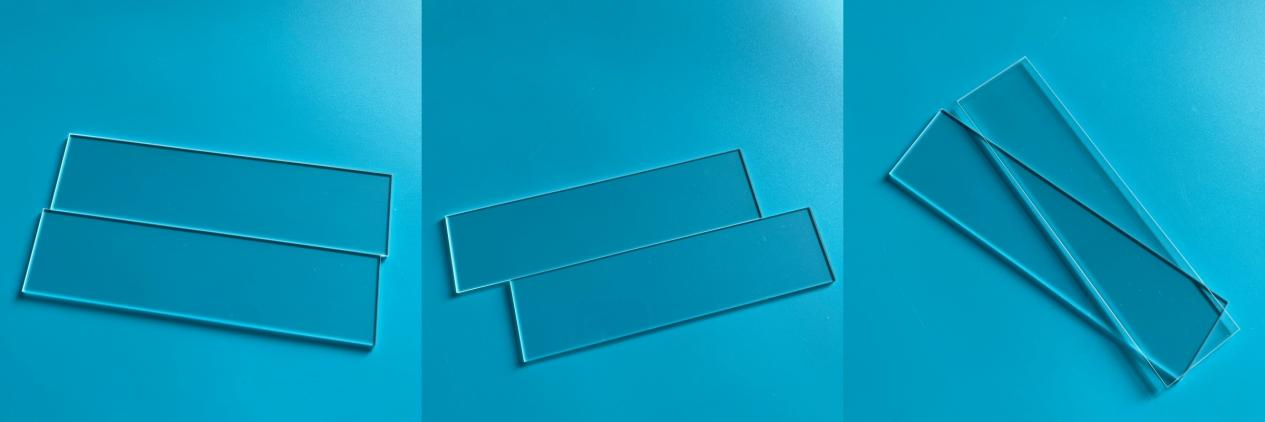
4. Application of quartz glass plate:
Quartz plates are widely used in semiconductor manufacturing, optical instruments, medical equipment, and high-temperature environment protection, among others. They possess characteristics such as high temperature resistance, corrosion resistance, and high light transmittance.
4.1 Semiconductor manufacturing
For the growth of single-crystal silicon, and the processing of wafers (such as etching, diffusion, oxidation and other processes), as key consumables such as quartz crucibles and quartz boats, high purity (above 99.99%) is required to avoid impurity contamination.
4.2 Optics and Laser Field
Optical Instruments: Lenses, colorimeters, coated protective films, etc. The visible light transmittance is over 93%, and it is transparent in the ultraviolet to near-infrared wavelength range.
Laser equipment: Protective window, high-temperature observation window, capable of withstanding 1100℃ temperature and having a low thermal expansion coefficient.
4.3 Medical equipment
Ultraviolet sterilization device: Utilizes the ultraviolet transmittance of quartz for disinfection.
Endoscope: Meeting the precise light transmission requirements.
High temperature and corrosive environment
Chemical equipment: Resistant to hydrofluoric acid corrosion, suitable for chemical instruments and high-temperature reactors.
Aerospace: Fused quartz glass is used as a high-temperature window material.
4.4 Other industrial applications
Ceramics and building materials: As raw materials for ceramic cores and shells, they enhance mechanical strength.
Electronic components: Piezoelectric quartz plates are used in quartz clocks, sensors, etc.
Technical specifications
性能内容 Property Content |
性能指标 Property Index |
密度 Density |
2.21g/cm3 |
抗拉硬度 Tensile Strength |
4.9×10⁷ Pa(N/m2) |
抗压硬度 Compression Strength |
>1.1×10⁹ Pa |
热膨胀系数 (20℃-300℃) Coefficient of Thermal Expansion |
5.5×10⁻⁷ cm/cm℃ |
热导率 (20℃)Thermal Conductivity |
1.4W/m℃ |
比热 (20℃) Specific Heat |
680J/kg℃ |
软化点 Softening Point |
1700℃ |
退火点 Annealing Point |
1210 ℃ |
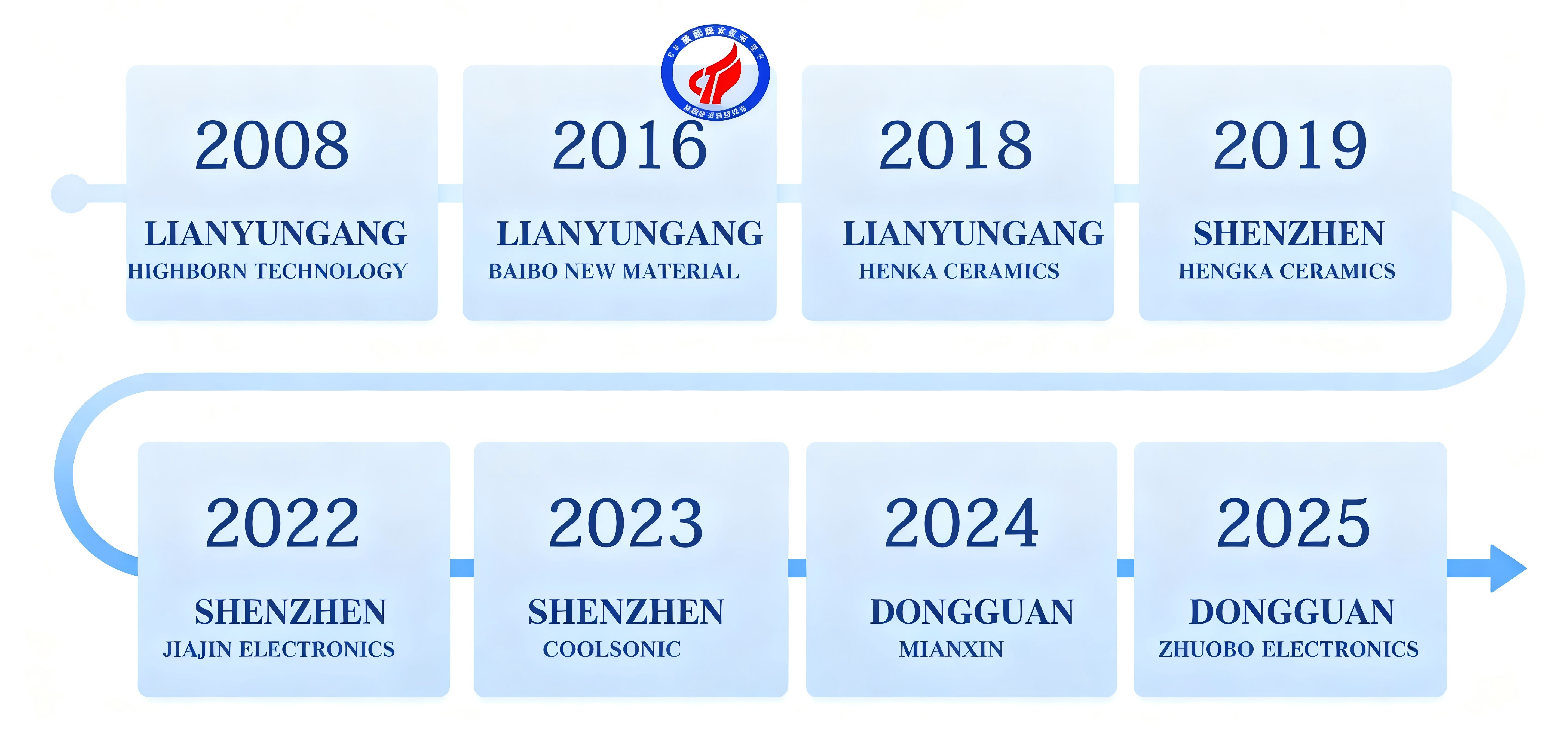
Development History
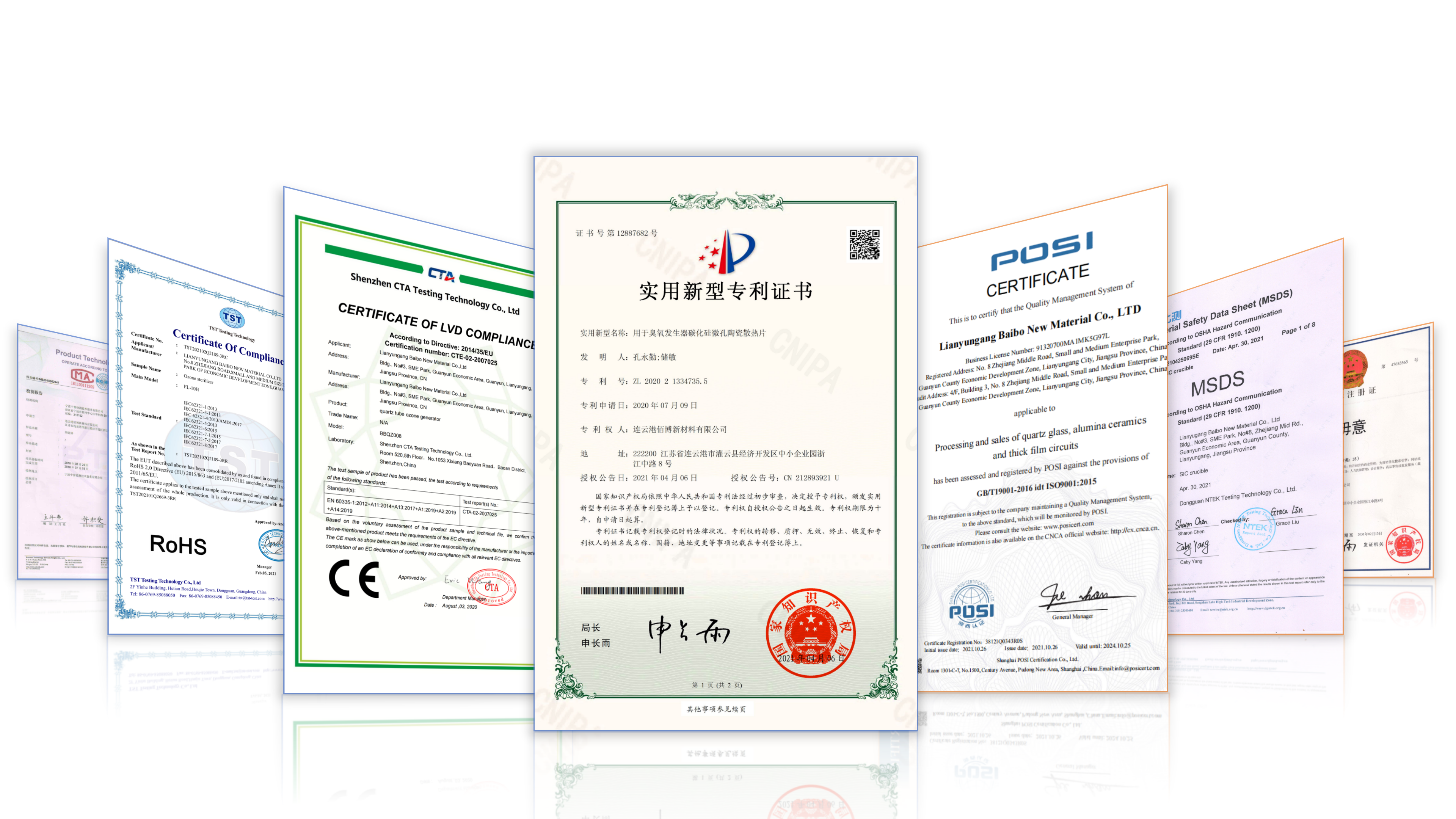
Patents and certification
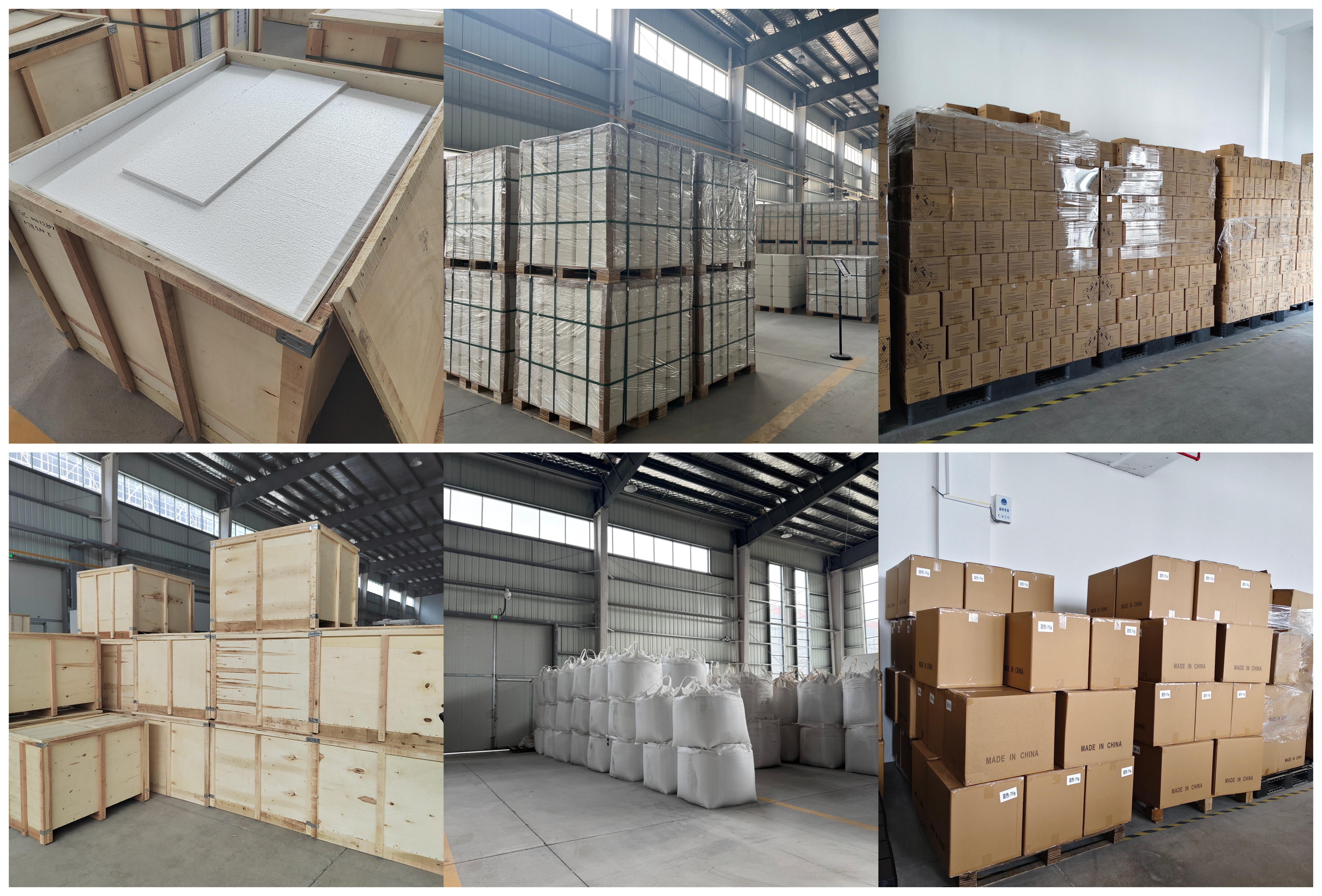
Package
Services
FAQ
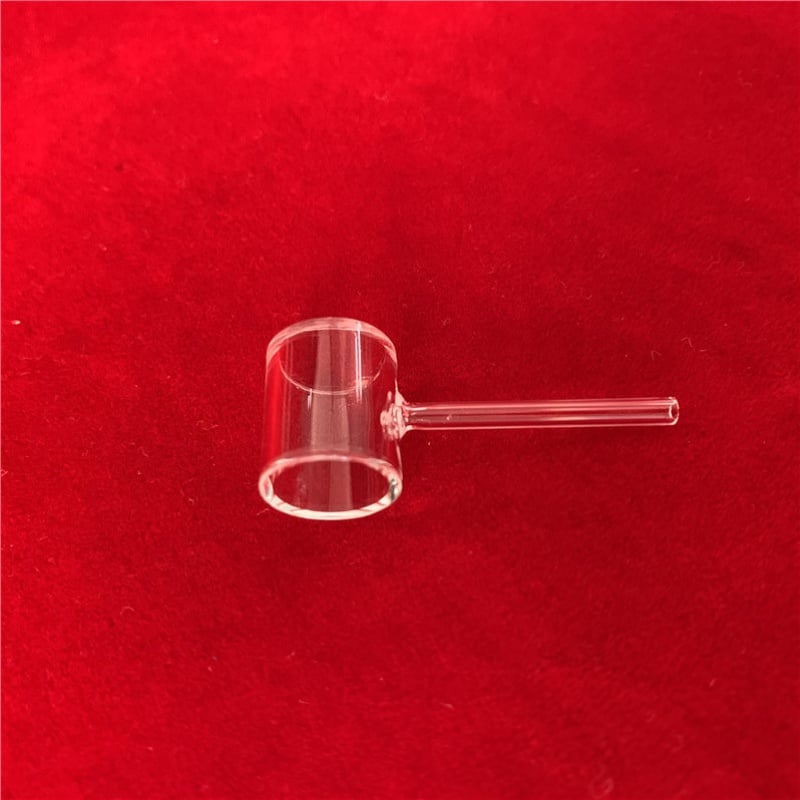
Corrosion resistance Cylindrical atomic vapor quartz cuvette cell with stem
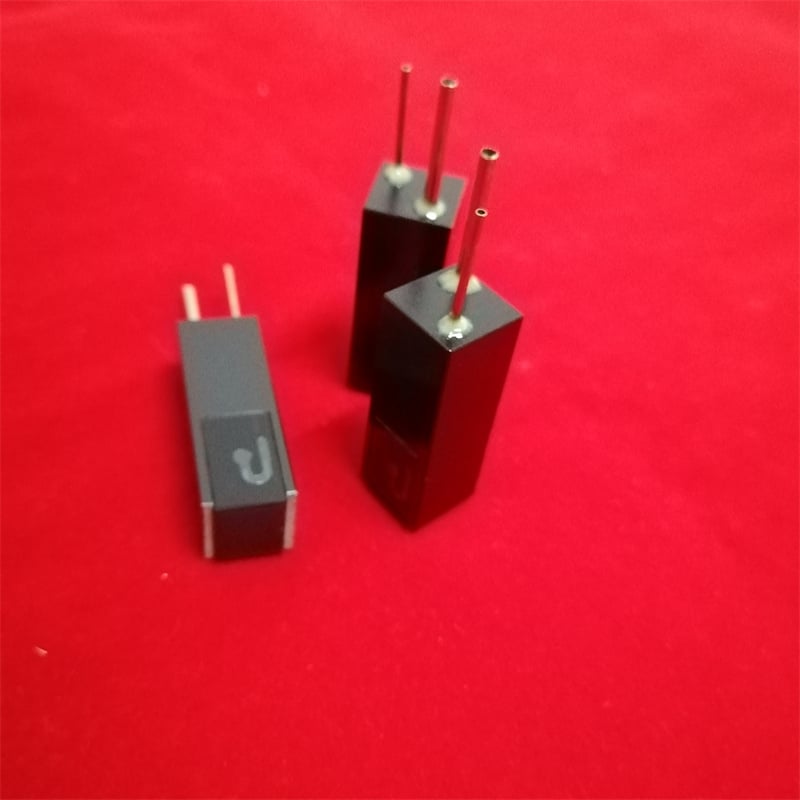
Q614 Black Wall Avoid Light Flow Cell Biochemical Analyzer Quartz Glass Cuvette For Biochemical Analyzer
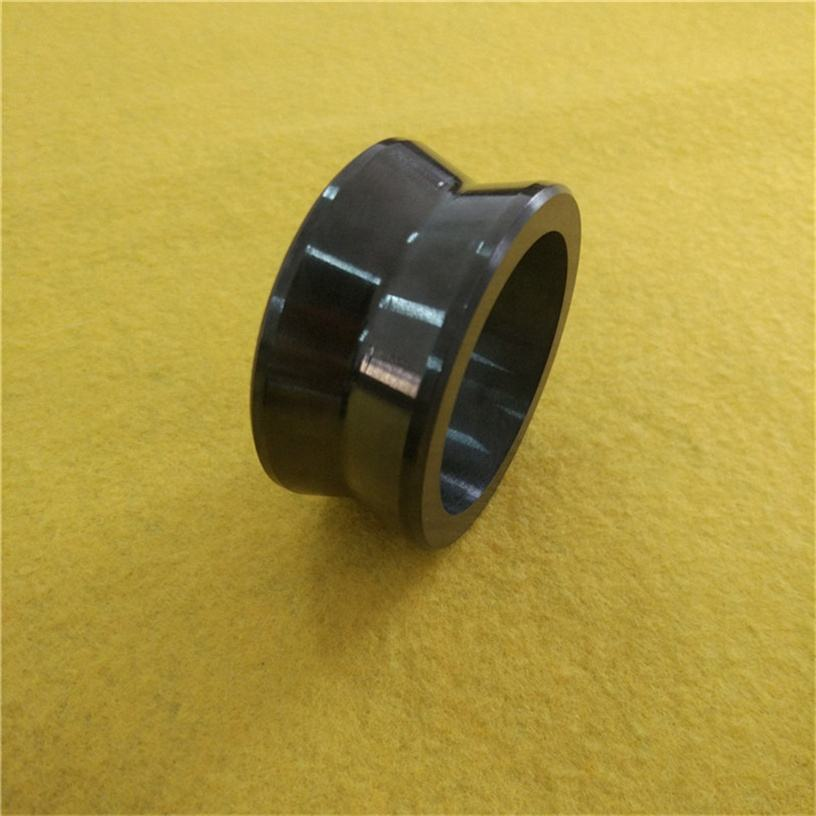
Silicon Nitride Ceramic Wire Guide Ring for Textile Machinery
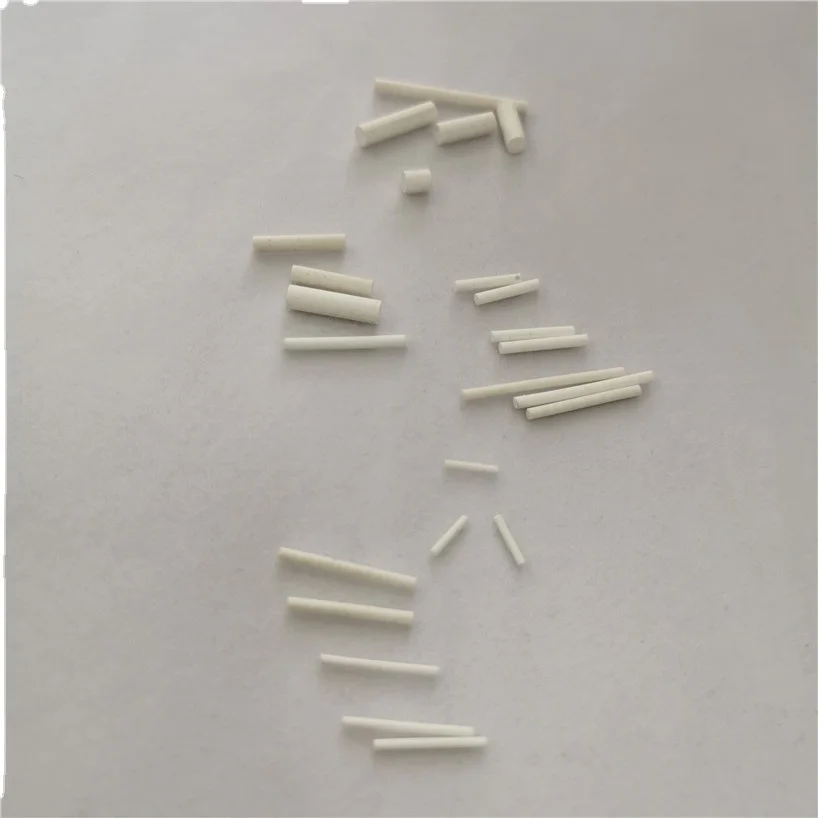
Low-permeability microporous ceramic electrode rod


 EN
EN