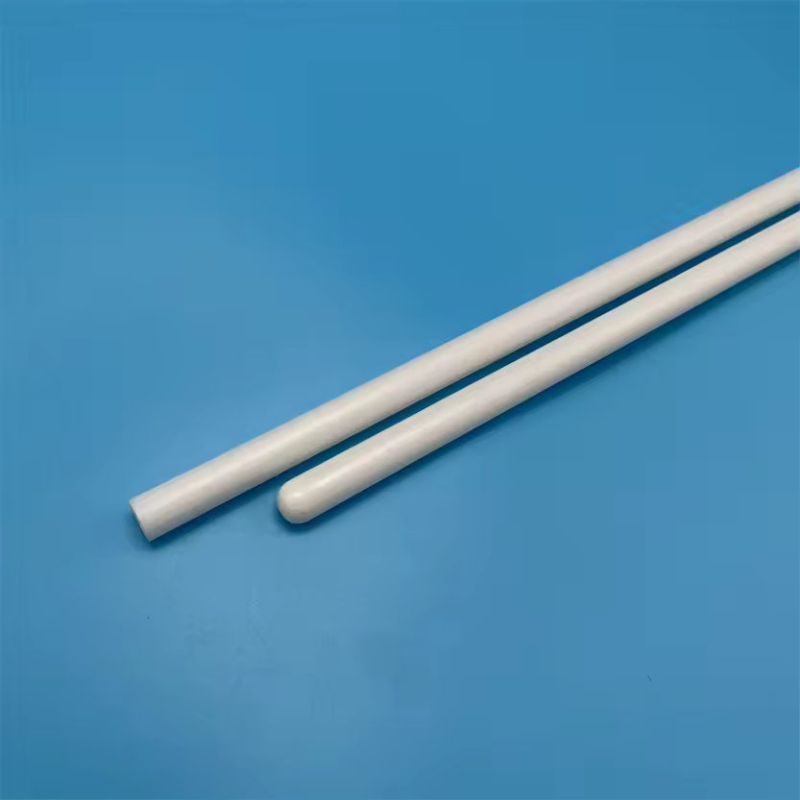
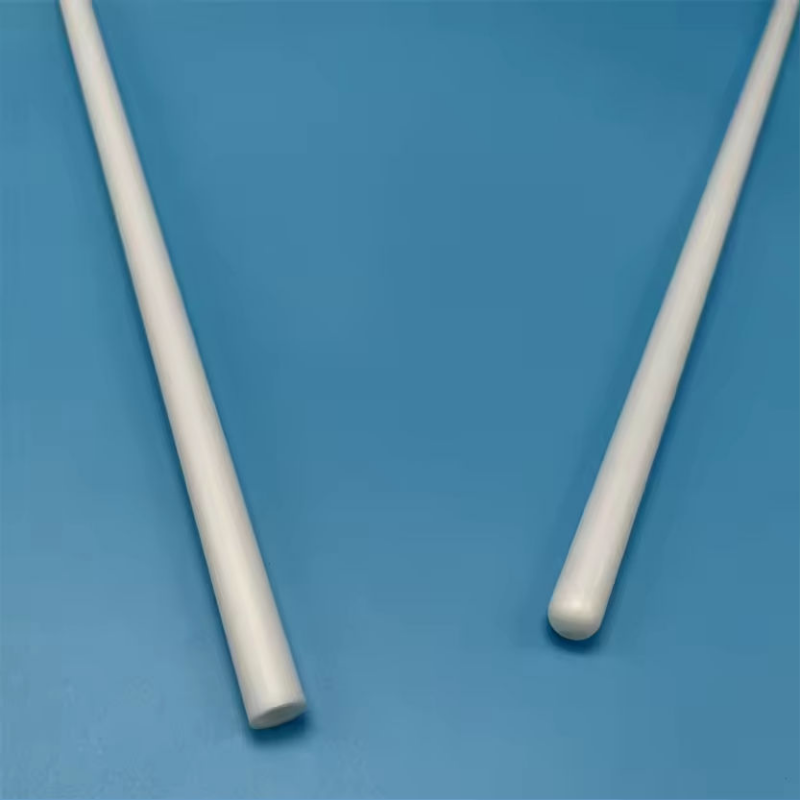
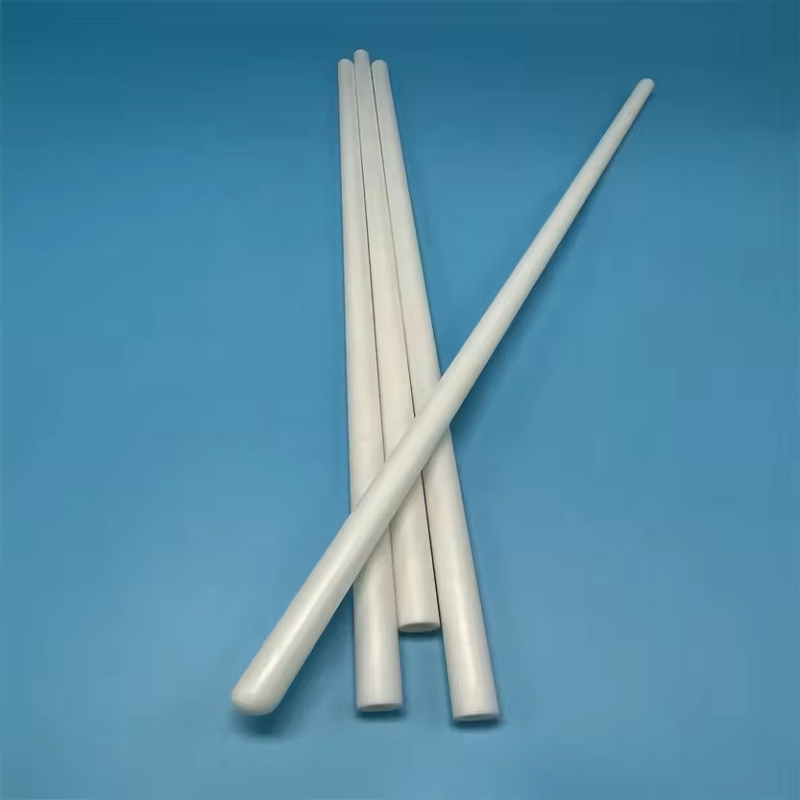
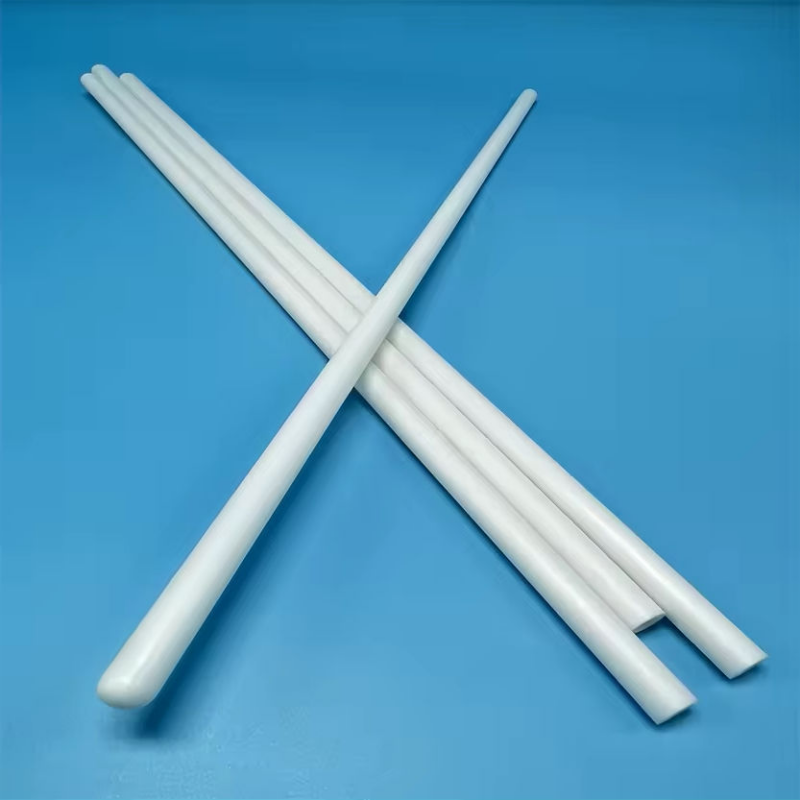
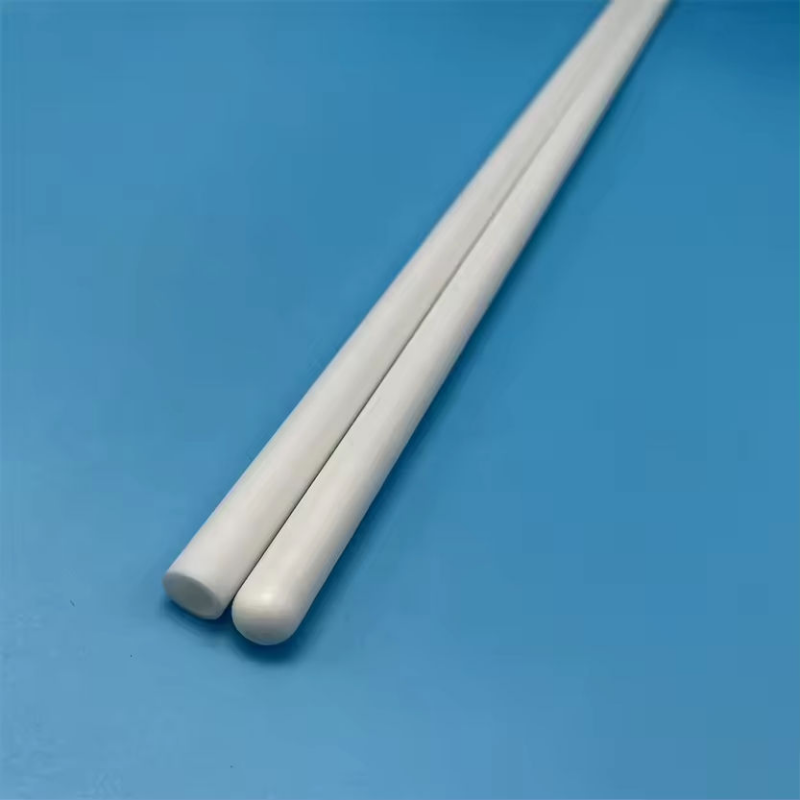
High Temperature zirconia ceramic pipe with 8 mol Yttria. Request a quotation from Highborn at once.
Yttria-stabilized zirconia (YSZ) is an important ceramic material. It is mainly composed of zirconium oxide (ZrO₂) and yttrium oxide (Y₂O₃). By adding an appropriate amount of yttrium oxide to zirconium oxide, zirconia can form stable cubic and tetragonal crystal phases at room temperature. YSZ with 8 mol% Y₂O₃ can form a fully cubic crystal phase at room temperature. Cubic zirconia has good oxygen ion conductivity, making it important in fields such as solid oxide fuel cells and oxygen sensors, enabling rapid migration of oxygen ions within the material for efficient power generation in fuel cells or accurate oxygen content detection by sensors. Pure zirconium oxide undergoes phase transitions at different temperatures, but after adding yttrium oxide, the ionic radius of yttrium is similar to that of zirconium, allowing it to enter the zirconia lattice, stabilize the lattice structure, and suppress phase transitions during cooling, thus preventing volume changes and material cracking caused by these phase transitions.
Material characteristics:
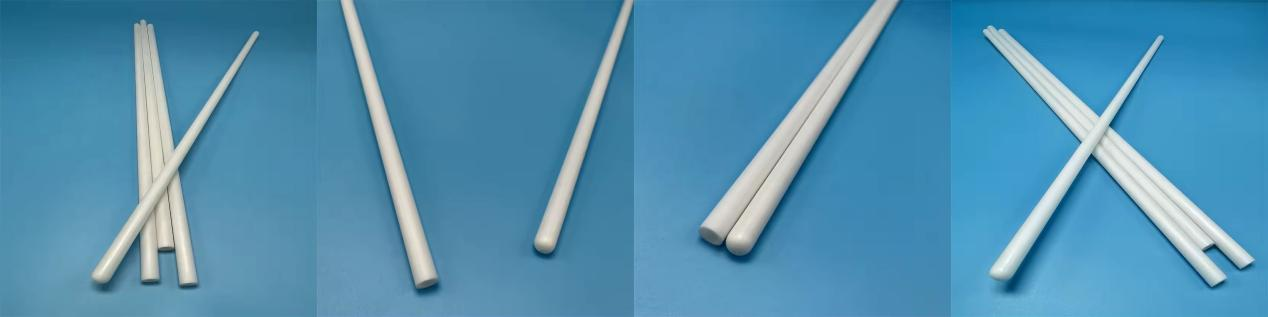
Key performance benefits:
1.Stable working ability in a wide temperature range: Relying on the excellent thermal stability of 8mol YSZ, the zirconia sensor can stably output data in the range of 400-1100°C, and can maintain its structural integrity even under short-term high-temperature shock of 1200°C, far exceeding ordinary oxygen sensors (the upper limit of the normal operating temperature is 800°C).
Although its ionic conductivity is lower than 3mol YSZ in the low temperature range (400-600°C), it can meet the detection needs of medium and low temperature scenarios and adapt to more industrial conditions by optimizing the electrode structure (such as porous platinum electrodes).
2.Ultra-long cycle life and reliability: The high fracture toughness and phase transition resistance of 8mol YSZ zirconia tubes make the sensor significantly improve the cycle stability in repeated temperature rise and fall cycles (such as the start and stop of industrial combustion equipment) - after testing, after 150 high-temperature cycles, the oxygen concentration detection accuracy is attenuated by less than 10%, while the 3mol YSZ sensor attenuates by more than 25% during the same period; In the foam structure sensor design, the cyclic stability (OEC) of the 8mol YSZ base oxygen carrier can reach more than 90%, far exceeding that of traditional particle sensors.
3.Anti-interference and accurate detection: 8mol YSZ ceramic tubes are chemically inert, which can resist the erosion of strong acids, alkalis, sulfides and molten dust in industrial flue gases, and avoid the sensitivity reduction caused by electrolyte pollution; At the same time, the surface smoothness of zirconia ceramic tubes (Ra≤0.8μm) can reduce impurity adsorption, so that the sensor response speed is as fast as 0.1-0.5s, the detection accuracy can reach ±0.1vol%, and the minimum trace oxygen content can be detected below 1vol%, meeting the strict requirements of environmental monitoring and precision industrial control.
4.Low energy consumption and adaptability optimization: The low thermal conductivity (2.0W/(m·K)) of the 8mol YSZ tube can reduce the energy consumption of the sensor heating module, and with the multi-layer heterogeneous structure design (such as compounding with SndC/AO), the operating temperature of the sensor can be reduced by more than 200°C, further reducing the operating cost while ensuring the detection accuracy.
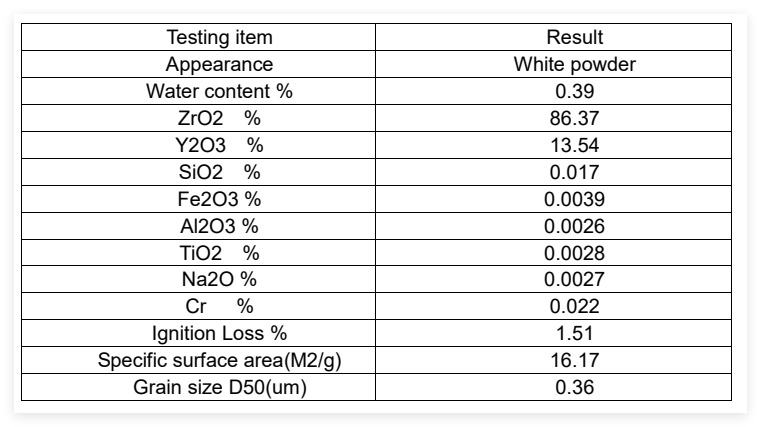
Data:
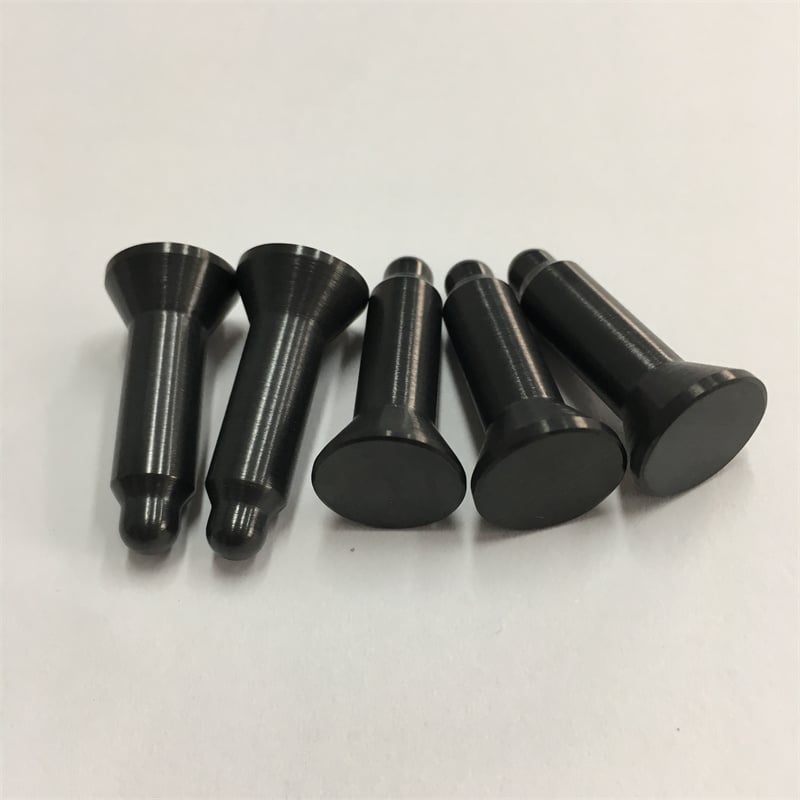
Silicon Nitride Ceramic Location Pins for Spot or Bolt Welding Industry
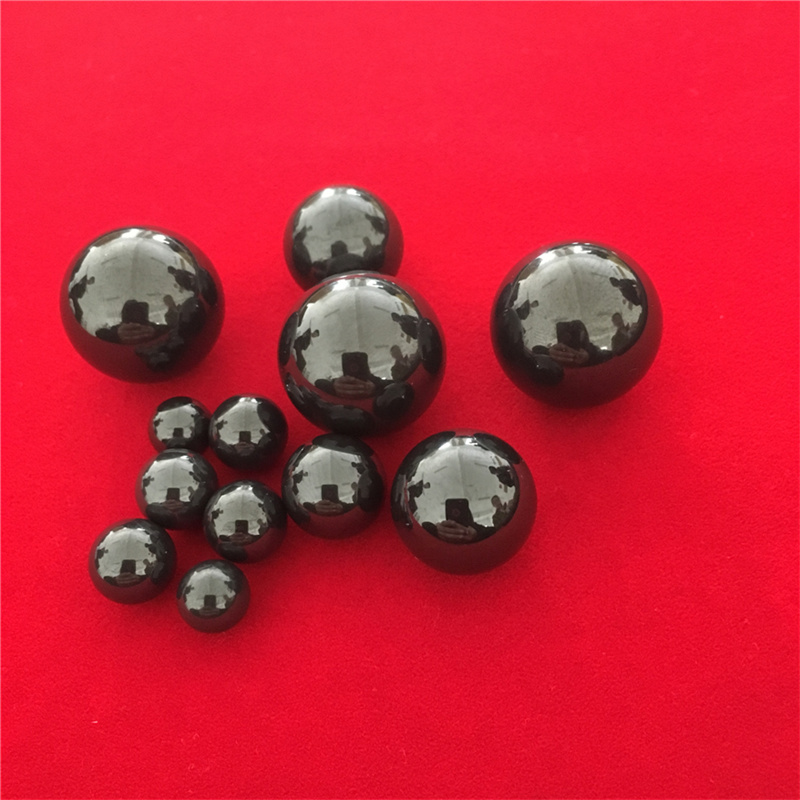
Silicon Nitride Bearing Ball Used for High-speed Bearings
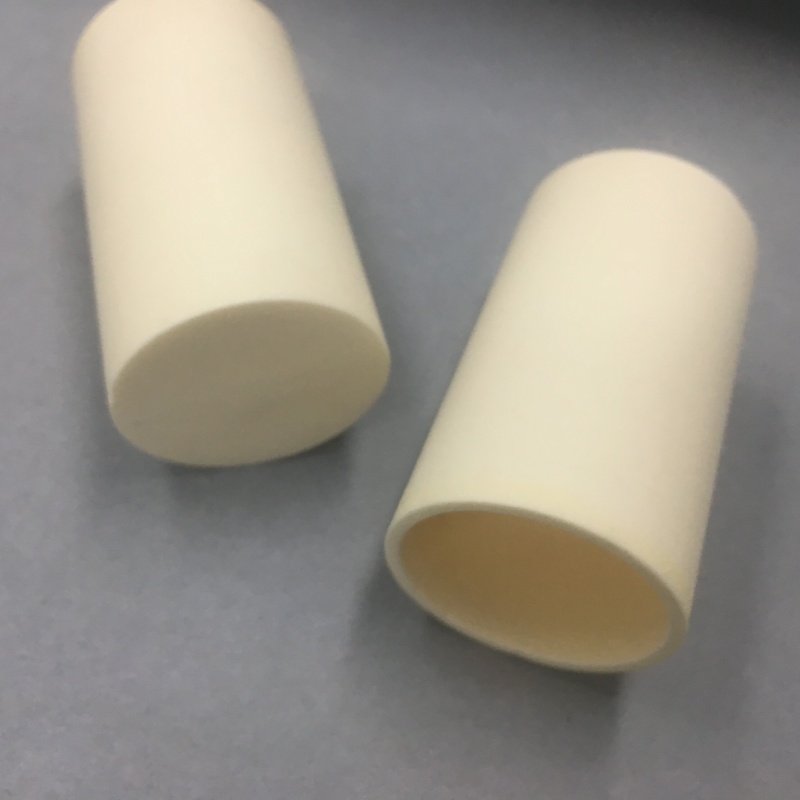
Heat Resistant Alumina Al2O3 Ceramic Crucible for Lab Melting
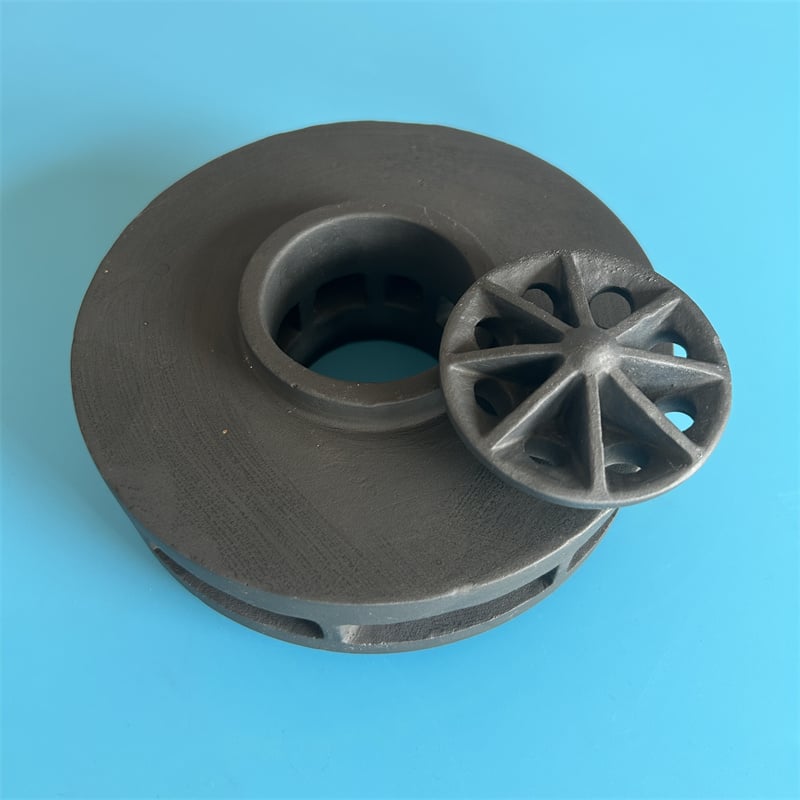
Silicon Carbide Irregular Part For Mechanical Seals and Pump Components


 EN
EN