 EN
EN

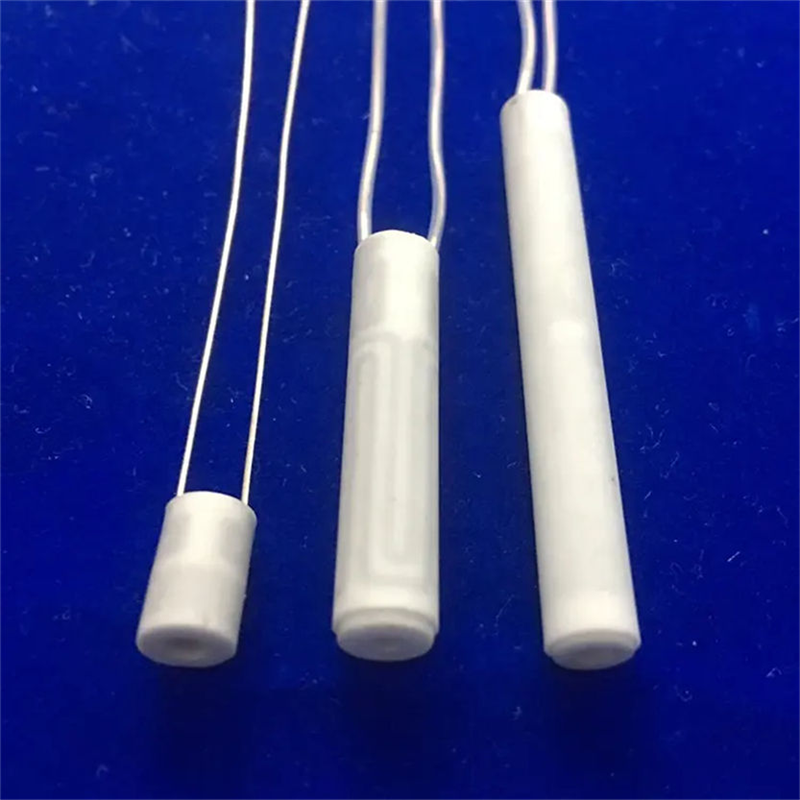
Superior Thermal Performance of MCH Heater Ceramic
Rapid Heating and Low Thermal Mass for Dynamic Temperature Control
The MCH heater ceramic transfers heat almost instantly because it has very little thermal mass, which means temperatures can be adjusted precisely in just a few seconds. This kind of quick response matters a lot in industries that require constant changes, such as making semiconductors or running plastic injection machines. When there are delays in these operations, materials get inconsistent and factories waste energy. Traditional metal coils just don't compare here. The ceramic base doesn't overheat when adjusting temperatures, so it keeps things stable within about 1 degree Celsius range even when turned on and off repeatedly throughout production runs.
Uniform Heat Distribution and High Power Density for Precision Applications
Monolithic ceramic structures spread heat evenly over the whole surface area, which means no more annoying hot spots that ruin things when working on delicate stuff like sterilizing medical devices or doing detailed 3D printing jobs. Power density here goes beyond 30 watts per square centimeter actually about double what regular wire heaters can manage making MCH tech really good at delivering focused yet controlled amounts of heat. What this all adds up to are smaller heating units that pack quite a punch, perfect for machines where there just isn't much room to spare while still keeping temperatures stable across everything being heated.
High-Temperature Capability (Up to 500°C+) with Consistent Thermal Efficiency
Ceramic MCH heaters work well even above 500 degrees Celsius, which is way past what most metal heating elements can handle (usually around 400C) and also beats quartz heaters that max out at about 450C. The special alumina material used keeps over 95 percent of its heat transfer capability when things get really hot because it doesn't expand much when heated. This means fewer tiny cracks form and the heater maintains its performance longer. Recent tests from 2024 on material durability show these ceramic heaters need adjustment only 30% as often as traditional ones during long running high temp applications such as glass tempering operations or when testing parts for aircraft manufacturing.
| Heating Element | Max Operating Temp | Thermal Efficiency @500°C | Thermal Shock Resistance |
|---|---|---|---|
| MCH Heater Ceramic | 500°C+ | >95% | Excellent |
| Metal Wire Coils | 400°C | 70–80% | Moderate |
| Quartz Heaters | 450°C | 85–90% | Poor |
Energy Efficiency and Lower Operational Costs with MCH Heater Ceramic
Targeted, Instant-On Heating Reduces Energy Waste and Cycle Times
The MCH heater ceramic gets going right away without those annoying preheat waits that old school systems always had. Plus, it doesn't waste energy sitting there waiting to be used either. What makes this thing special is how it directs heat exactly where needed, which cuts down on wasted energy output by around 30% when compared to regular heaters. For industries running things like powder coating operations, this means parts cure much faster, so whole production runs get done quicker and factories can crank out more product overall. Factory managers across the country are seeing their electricity bills drop by about 20% sometimes even more because the heat stays focused where it matters most instead of drifting off everywhere. The way the thermal energy moves through the system just works better during long shifts too.
Higher Thermal Efficiency vs. Wire and Quartz Heaters in Continuous Operation
In sustained industrial use, MCH heater ceramic outperforms wire and quartz alternatives on three key efficiency metrics:
- Reduced energy leakage: Ceramic substrates retain heat 40% longer than metal coils, lowering recurrent input demand
- Stable high-temp output: Unlike quartz heaters—which degrade above 300°C—ceramics sustain ≥95% thermal efficiency beyond 500°C
- Lower lifetime electricity consumption: Over 10,000-hour runtime cycles, MCH systems use 25% less electricity than nickel-chrome wire heaters
The ceramic substrate’s resistance to oxidation and resistance drift—common failure modes in wire heaters—extends service life by up to 300% while eliminating routine replacement costs. Combined with zero-maintenance operation, this positions MCH heater ceramic as the lifecycle cost leader for thermal systems.
Enhanced Safety and Long-Term Durability in Harsh Industrial Settings
Inherent Electrical Insulation, Flame-Free Operation, and Corrosion Resistance
MCH heater ceramics offer real safety benefits when used in tough industrial settings. The ceramic base doesn't conduct electricity, so there's no risk of sparks flying around in places where moisture builds up or dust accumulates heavily. That matters a lot in areas prone to explosions too. These ceramic heaters work differently compared to traditional metal ones that rely on burning fuel or resistance heating. They don't produce flames at all and won't release dangerous gases, which is why many chemical plants and pharmaceutical companies prefer them. What makes these materials stand out even more is their ability to withstand harsh chemicals like acids and alkalis without breaking down over time. Tests show they last about 60 percent longer than standard metal heaters when exposed to similar corrosive conditions. Field tests in mining operations have demonstrated another key advantage: after going through over 10,000 temperature changes in humid environments, MCH units still functioned perfectly, saving companies roughly 45 percent on replacement expenses compared to conventional wire-based heating solutions.
Material-Driven Reliability: Why the Ceramic Substrate Defines MCH Heater Ceramic Longevity
What makes MCH heater ceramics last so long? A lot has to do with their ceramic substrate base. Made from fine grained alumina that stays chemically stable, these materials stand up to thermal shock, won't warp, and resist oxidation even when exposed to temperatures over 500 degrees Celsius for extended periods and through countless thermal cycles. Metal heating elements are a different story altogether. Most need replacing somewhere between one and five years down the road. But MCH systems keep performing reliably for anywhere from five to fifteen years straight. Another big plus is how little they expand when heated, plus they come with built in electrical insulation properties. This means surfaces stay cooler during operation and there's no risk of short circuits happening. All these material characteristics mean fewer maintenance headaches, less unexpected downtime, and equipment that just keeps working properly year after year in even the toughest industrial environments where reliability matters most.

