 EN
EN

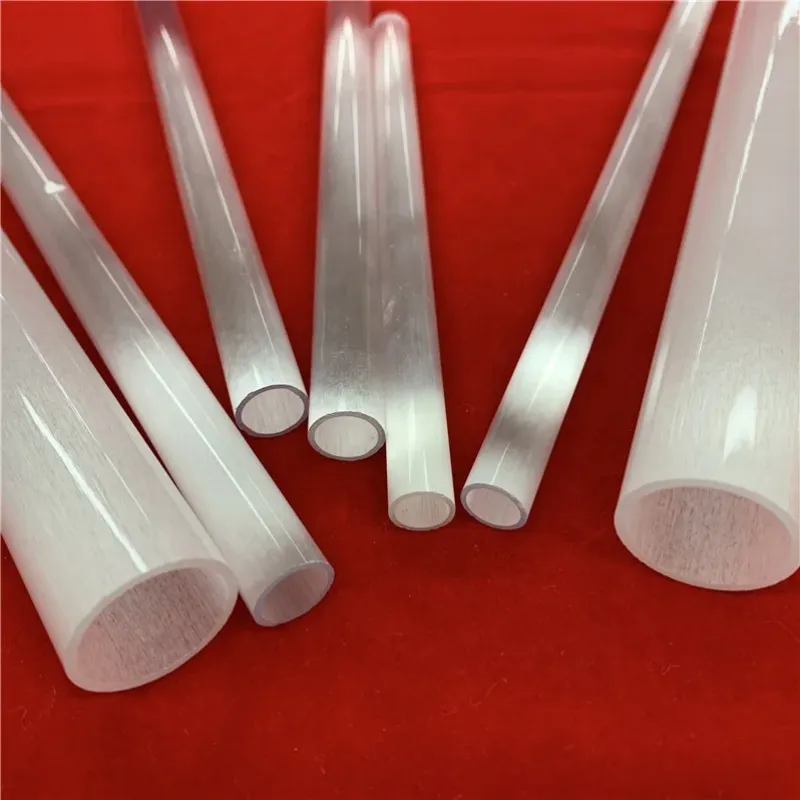
The Critical Challenge of Trace Element Contamination in Storage
Storing high-purity chemicals, ultra-clean reagents, and sensitive standard solutions requires containment infrastructure that remains completely non-reactive under diverse environmental conditions. In analytical chemistry laboratories and advanced facilities, even minor particulate shedding or trace ion leaching from storage vessel walls can ruin expensive chemical batches and distort experimental data. Conventional plastic containers, standard borosilicate glass, and low-grade metallic drums frequently degrade when exposed to strong acids, organic solvents, or long-term liquid storage, releasing unwanted alkali metals and metallic impurities into the payload. Senior analytical chemists and fluid handling specialists consistently emphasize that maintaining absolute reagent purity demands a specialized containment medium capable of resisting both chemical attack and structural degradation. A quartz container serves as the premier storage solution for these critical applications, offering an impenetrable, ultra-pure barrier designed to safeguard sensitive chemicals over extended periods.
Absolute Chemical Inertness and Purity Preservation
Achieving flawless chemical containment relies fundamentally on the atomic stability and purity of the vessel material. Fused silica features a remarkably uniform silicon-oxygen network that possesses virtually no soluble metallic fluxes, alkaline earth residues, or heavy metal contaminants. When aggressive acids, strong oxidizing agents, or high-purity solvents remain in prolonged contact with this pristine interior surface, the material does not leach ions or introduce background noise into the stored liquid. Analytical research papers and material science reviews consistently confirm that utilizing high-purity silica vessels prevents cross-contamination and preserves the exact stoichiometry of trace elemental standards. By eliminating container-induced chemical shifts, laboratories ensure that stored reagents retain their initial purity from the moment of preparation until final dispensing.
Resistance to Extreme Thermal Environments and Thermal Shock
Storage workflows often involve rigorous cleaning, hot-fill procedures, or sterilization cycles that subject containment vessels to severe thermal stress. Standard laboratory glassware and various polymer containers frequently warp, soften, or crack when transferred between high-temperature autoclaves and ambient environments. Fused silica features an extraordinarily low coefficient of thermal expansion, allowing the vessel structure to endure rapid temperature swings without experiencing thermal shock fracturing or dimensional warping. Laboratory managers rely on this exceptional thermal resilience to perform high-temperature sterilization, acid boiling, and rigorous thermal cleaning cycles safely, ensuring that valuable chemical inventories remain securely contained and protected from environmental exposure.
Long-Term Durability and Surface Integrity Against Corrosive Media
Industrial chemical storage and laboratory stock management require materials that maintain structural integrity over months or years of continuous exposure to harsh media. Hydrofluoric acid aside, high-purity quartz exhibits phenomenal resistance to virtually all organic solvents, mineral acids, and corrosive liquid formulations. Furthermore, its ultra-smooth, non-porous surface structure prevents microscopic crevices from forming, thereby eliminating sites where chemical residues or bacterial growth can accumulate. This exceptional surface smoothness ensures that the container can be thoroughly cleaned and rinsed between different batches with minimal effort, preventing cross-contamination and extending the operational lifespan of the storage hardware across demanding industrial and scientific environments.
Elevating Laboratory Storage Reliability Through Global Supply Excellence
Selecting the correct storage hardware directly impacts the safety, operational reliability, and economic viability of modern chemical handling facilities. By completely eliminating chemical leaching, thermal cracking, and surface degradation, organizations protect expensive inventories and streamline daily workflows. Reliable containment transforms unpredictable storage challenges into standardized, highly secure operational protocols. Highborn leverages advanced manufacturing expertise and stringent quality control protocols to produce exceptional quartz components designed for demanding containment requirements. Through a robust, globally integrated supply chain, Highborn ensures that research laboratories and industrial facilities have continuous access to the precision hardware necessary to keep operations running smoothly. Dedicated material engineering transforms raw high-purity silica into a strategic operational advantage, empowering global scientific and industrial communities to manage high-purity chemicals with absolute confidence.
Table of Contents
- The Critical Challenge of Trace Element Contamination in Storage
- Absolute Chemical Inertness and Purity Preservation
- Resistance to Extreme Thermal Environments and Thermal Shock
- Long-Term Durability and Surface Integrity Against Corrosive Media
- Elevating Laboratory Storage Reliability Through Global Supply Excellence

