 EN
EN

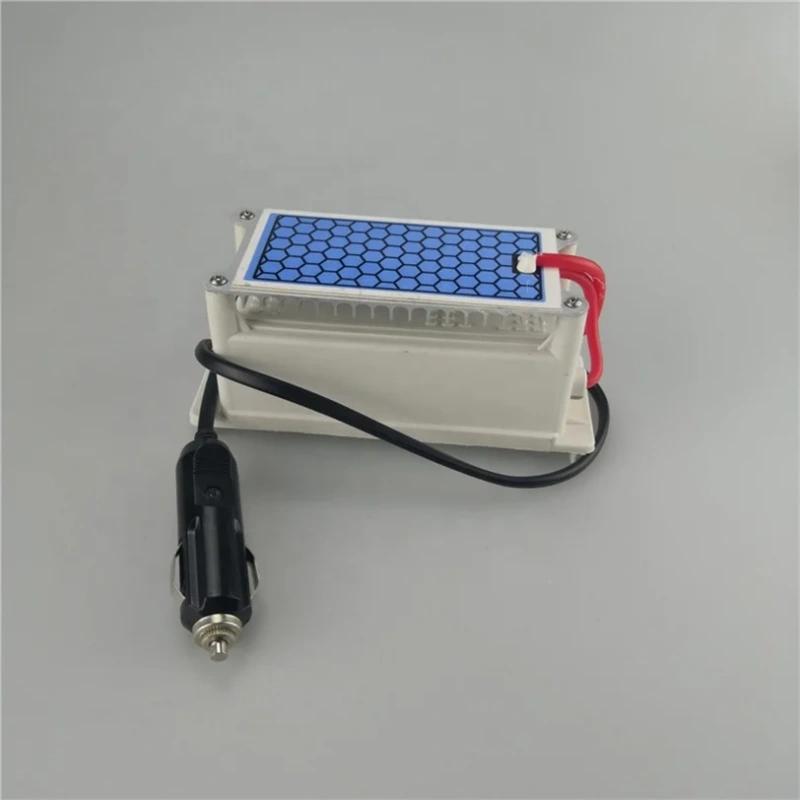
The Dissolved Oxygen Crisis in Intensive Aquaculture
Maintaining adequate dissolved oxygen (DO) levels remains the most critical challenge in high-density aquaculture operations. Fish require DO concentrations above 5 ppm for healthy growth; below 3 ppm, they experience severe physiological stress that suppresses immune function and feeding activity. Mortality spikes catastrophically when DO falls under 2 ppm—even briefly.
Three compounding factors drive this crisis:
- Stocking density: Over 80% of commercial farms exceed recommended biomass limits, escalating oxygen demand
- Organic load: Accumulated feed and fecal waste consume oxygen during decomposition
- Temperature sensitivity: Warm water holds up to 30% less oxygen than cooler water
These conditions create perpetual vulnerability—equipment failures or algal blooms can trigger oxygen crashes within hours. Traditional aeration often fails during peak demand, resulting in stock losses exceeding $740k per incident. Proactive oxygen management isn’t optional—it’s the decisive factor between profitability and financial failure.
How Bubble Plate Technology Maximizes Oxygen Transfer Efficiency
Microbubble physics and enhanced interfacial mass transfer
When bubble plates are used, they create thick clusters of tiny bubbles measuring under 100 micrometers across, which completely changes how oxygen gets dissolved into water. What makes these plates so effective is their massive surface area relative to volume, creating lots of points where gas meets liquid for oxygen transfer to happen. Because these small bubbles don't float up as fast as regular ones, they stay in the water column about 4 to 7 times longer. This extra time allows most of the oxygen to dissolve before the bubbles reach the surface. According to Henry's Law, when bubbles spend more time interacting with water, oxygen diffuses much better. The right mix of bubble sizes and how they move through the system leads to oxygen transfer efficiencies between 85% and 92%. Such high efficiency means operators save money on running costs without compromising performance.
Superior performance vs. conventional diffusers: +32–47% DO saturation
According to FAO's 2023 study, bubble plate systems actually get about 32 to 47 percent better dissolved oxygen (DO) saturation compared to those old school airstones and membrane diffusers most folks still use. Why does this happen? Well, there are basically two reasons behind it. First off, these bubble plates create smaller bubbles that don't merge together as much, so they stay distributed properly all through the water. Second, the way water flows around them creates smoother patterns that stop oxygen rich water from just rushing straight back up to the top. What makes this really important is how consistent the results are under different conditions. Tests showed they kept DO levels above 6 mg/L even when dealing with biomass loads reaching 40 kg per cubic meter, which is basically the point where regular systems start needing extra oxygen added manually.
Tangible Aquaculture Productivity Gains from Optimized Oxygenation
Optimized oxygenation delivers measurable gains in productivity, profitability, and sustainability.
Improved feed conversion ratio (FCR) and reduced mortality through stable DO
Stable DO prevents stress-induced metabolic disruptions, improving nutrient absorption and lowering FCR by 12–18%. Consistent oxygenation also reduces mortality by 22–30% during critical growth phases. Tilapia farms using precision oxygenation report FCRs of 1.5 versus the industry average of 1.8—and 25% fewer losses.
Higher biomass yield per m³: +28% intensification in Mekong Delta trials
Advanced oxygenation enables sustainable intensification. Mekong Delta pangasius farms achieved 28% greater biomass yield per cubic meter—192 kg/m³ versus the traditional 150 kg/m³—without compromising water quality or growth rates. By maintaining ¥6 mg/L DO at peak densities, the technology unlocks new revenue potential from existing infrastructure.
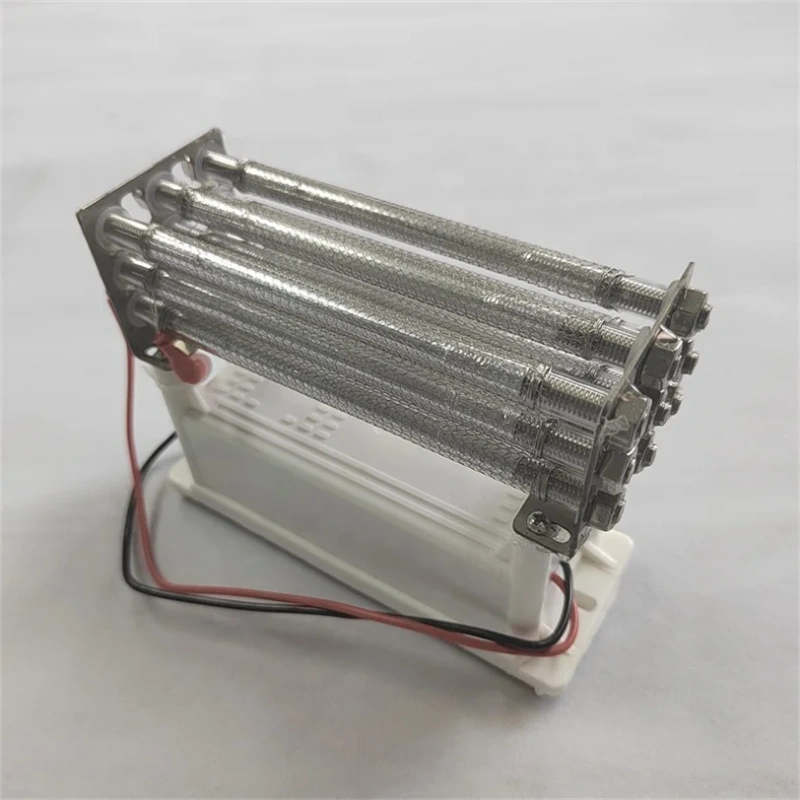
Integration Considerations: Compatibility with Ozone Generators and System Scalability
Synergistic use of bubble plates with ozone generators for combined oxygenation and water sanitation
Bubble plates integrate seamlessly with ozone generators, delivering dual benefits: elevated DO and enhanced water sanitation. Microbubble dispersion increases ozone dissolution efficiency by 40% over traditional diffusers, improving pathogen control without chemical residues—a key advantage for biosecurity in recirculating aquaculture systems.
Modular design, energy efficiency, and ROI timeline for commercial farms
Scalable configurations support incremental capacity expansion as stocking densities rise. Key advantages include:
- Energy savings: 30% lower operating costs than conventional aeration
- ROI acceleration: Achieved in 12–18 months for intensive operations
- Space optimization: Compact units adapt to hatcheries, grow-out ponds, and processing facilities without performance trade-offs

