 EN
EN

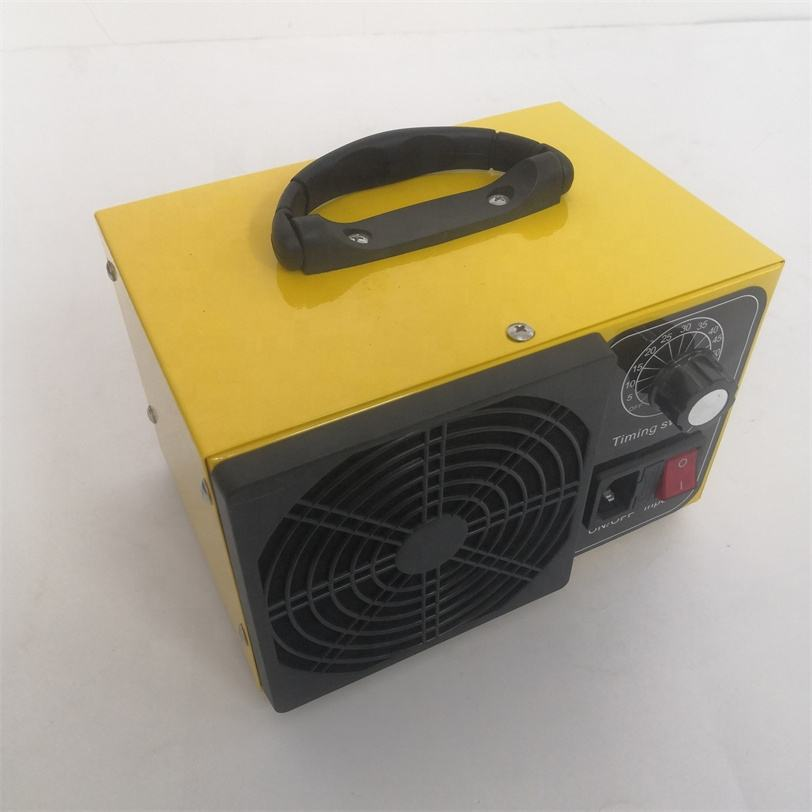
Capital and Operational Cost Advantages of Bubble Plates
Lower Upfront Investment vs. Pumps, Venturis, and Surface Aerators
Bubble plates save money compared to other mechanical aeration options. Made from basic stainless steel without any complicated moving parts, they cut down on upfront costs by around half when looking at pumps and venturis. Surface aerators require expensive electrical systems, concrete bases, and special setup work, while bubble plates just plug into regular low pressure blowers. The simpler design means less money spent on engineering plans and site prep too. Small operations working with tight budgets find these cost advantages really make a difference when deciding if a project is worth pursuing.
Reduced Energy Consumption: Fine-Bubble Efficiency at Low-Pressure Operation
Fine bubble diffusion systems typically reach around 85 to 92 percent oxygen transfer efficiency when operating at pressures between just 2 and 5 psi. This represents a significant drop in energy consumption compared to traditional surface aerators, cutting usage by roughly 30 to 50 percent. The smaller bubbles, measuring about half a millimeter to two millimeters in size, create much greater surface area as they rise through water. These tiny bubbles move upward at approximately 0.2 meters per second, which is notably slower than the 0.5 m/s speed seen with larger coarse bubbles. This slower ascent gives them more time in contact with water, allowing almost complete oxygen dissolution into the system. Because these systems work at lower pressure levels, they require less powerful blowers, which translates directly into reduced electrical expenses. Considering that aeration alone can consume anywhere from 60 to 70 percent of all power used in intensive fish farming operations, such improvements in efficiency mean real money savings for operators over both short and long term periods.
Lifecycle Economics: Maintenance, Durability, and Total Cost of Ownership
Minimal Maintenance Requirements and Extended Service Life (5–8 Years)
Bubble plates don't need much cleaning at all really just once every three months to deal with any biofilm buildup. And there's absolutely no need for lubrication work on them, nothing about aligning components or replacing bearings either. The material they're made from polymer or ceramic is basically non porous which means it doesn't corrode easily, won't scale up, and stays clean longer so the oxygen transfer keeps working well year after year. Since these things have no moving parts whatsoever and no electronics built in, they tend to last forever basically. Most installations see them functioning properly between five to eight years before needing anything serious. Compare that to those old school rotating paddle wheels that require bearing service every other month and complete motor overhauls somewhere around eighteen to twenty four months down the line. That kind of regular maintenance adds up fast driving labor costs way up probably somewhere in the neighborhood of sixty to seventy five percent higher overall. Plus when bubble plates keep running without interruption, the whole system maintains stable biomass growth patterns without those annoying production stoppages we all hate so much.
Replacement Frequency and Spare Part Costs Compared to Rotating Paddles or Diffuser Arrays
Bubble plates significantly reduce long-term replacement and downtime burdens. While rotating paddles require full unit replacement every 3–4 years and diffuser membranes must be swapped annually, bubble plates remain in service for 5–8 years with minimal part expenditure. A representative lifecycle cost analysis shows:
| Component | Bubble Plate | Rotating Paddle | Diffuser Array |
|---|---|---|---|
| Annual part costs | $15–$30 | $220–$400 | $90–$180 |
| Full replacement | 5–8 years | 3–4 years | 2–3 years |
| Downtime hours/yr | 2–4 | 12–18 | 8–12 |
These advantages lower total cost of ownership by 40–55% versus high-maintenance alternatives. Savings can be redirected toward stock expansion, feed optimization, or real-time water quality monitoring—enhancing overall system resilience.
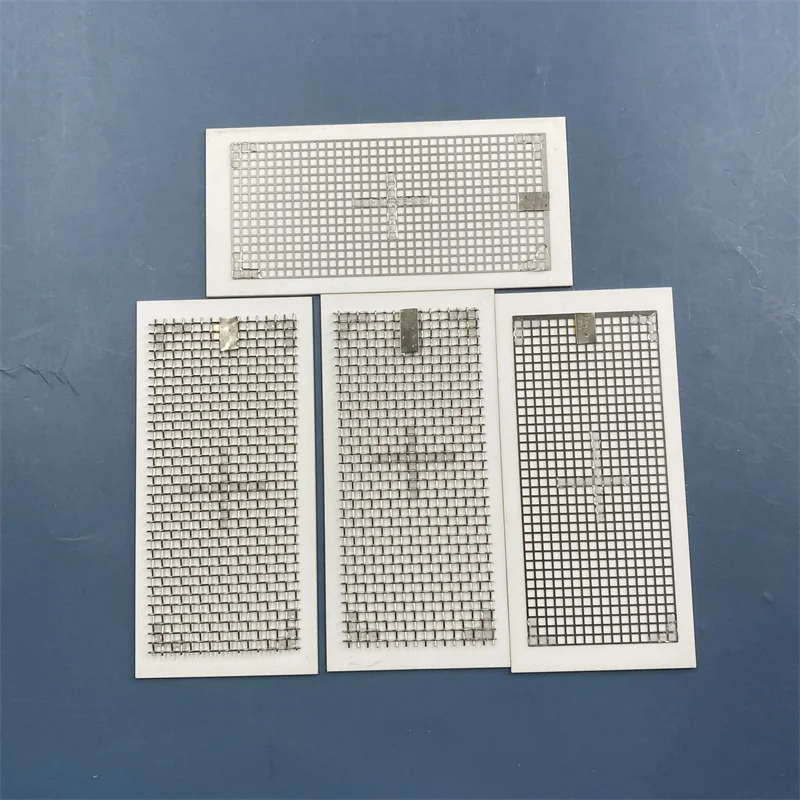
Oxygen Transfer Efficiency and Its Direct Impact on Production Outcomes
Bubble plates outperform mechanical aerators—and fundamentally differ from ozone generators—in delivering targeted, efficient oxygenation. While ozone systems serve disinfection purposes, bubble plates specialize in maximizing dissolved oxygen (DO) saturation through proven gas-transfer physics.
Fine-Bubble Physics: Higher Interfacial Area and Longer Water Contact Time
Ceramic or sintered bubble plates produce those tiny uniform bubbles measuring between half a millimeter and two millimeters across. These little bubbles create all sorts of microscopic interfaces where oxygen actually gets dissolved into water. What makes them so effective? Well, they offer around 60 percent more surface area per volume compared to those bigger bubble systems we've been using. And when combined with their slower rise through water at about 0.2 meters per second, the contact time goes up almost threefold. This extra time means most of the oxygen dissolves completely before it even reaches the top of the tank. The end result? Oxygen utilization rates hitting 85 to 92 percent, which beats out traditional paddlewheel aerators by a wide margin since those only manage about 50 to 65 percent efficiency on average according to industry standards.
Field Evidence: 32–47% Higher DO Saturation and Correlated Gains in Biomass Yield & Survival Rate
Commercial trials across tilapia and shrimp farms confirm bubble plates sustain 6.5–8.2 mg/L DO—32–47% higher than equivalent paddlewheel systems in matched pond volumes [Aquaculture Engineering Reports, 2023]. This elevated baseline DO translates directly into measurable production gains:
- Biomass yield: +19% average weight gain in tilapia over 16-week cycles
- Survival rates: 89% vs. 76% in paddlewheel controls—reducing restocking frequency and cost
- Feed conversion ratios: Improved by 14%, reflecting lower metabolic stress and more efficient nutrient uptake
Critically, stable DO levels also prevent dawn crashes—the leading cause of mass mortality in earthen ponds—making bubble plates a foundational tool for risk mitigation.
Strategic Technology Fit: Why Bubble Plates—Not Ozone Generators—Are the Right Choice for Core Oxygenation
Functional Clarity: Oxygenation (Bubble Plate) vs. Disinfection (Ozone Generator)
In aquaculture systems, bubble plates and ozone generators serve completely different functions and cannot be swapped out for each other. Bubble plates are specifically designed to boost oxygen levels in water. These devices work by physically transferring gases into solution, creating much longer contact time at the air-water interface compared to regular coarse aerators. Field tests have shown that proper oxygenation from bubble plates can actually increase biomass yields anywhere from 19% to 28% according to research published in Aquacultural Engineering last year. On the flip side, ozone generators focus on cleaning rather than oxygenating. They create active ozone molecules that break down harmful organisms and organic matter in the water, but they don't really contribute to raising dissolved oxygen levels. The process actually uses up existing oxygen as the ozone breaks down, which means extra aeration equipment is needed to maintain healthy oxygen levels. Most manufacturers warn clearly in their manuals that relying on ozone alone for oxygenation is risky business because it can lead to dangerous chemical residues and sudden spikes in oxygen that might harm fish populations.
Operational data reinforces this functional divide:
- Bubble plates deliver reliable DO elevation at 0.2–0.5 kW per kg of O₂ transferred
- Ozone systems consume 3–5 kW per gram of O₃ generated—primarily for sanitation
For farms prioritizing growth, survival, and energy efficiency—not pathogen control—bubble plates provide the most direct, economical, and biologically appropriate solution for core oxygenation.
Table of Contents
- Capital and Operational Cost Advantages of Bubble Plates
- Lifecycle Economics: Maintenance, Durability, and Total Cost of Ownership
- Oxygen Transfer Efficiency and Its Direct Impact on Production Outcomes
- Strategic Technology Fit: Why Bubble Plates—Not Ozone Generators—Are the Right Choice for Core Oxygenation

