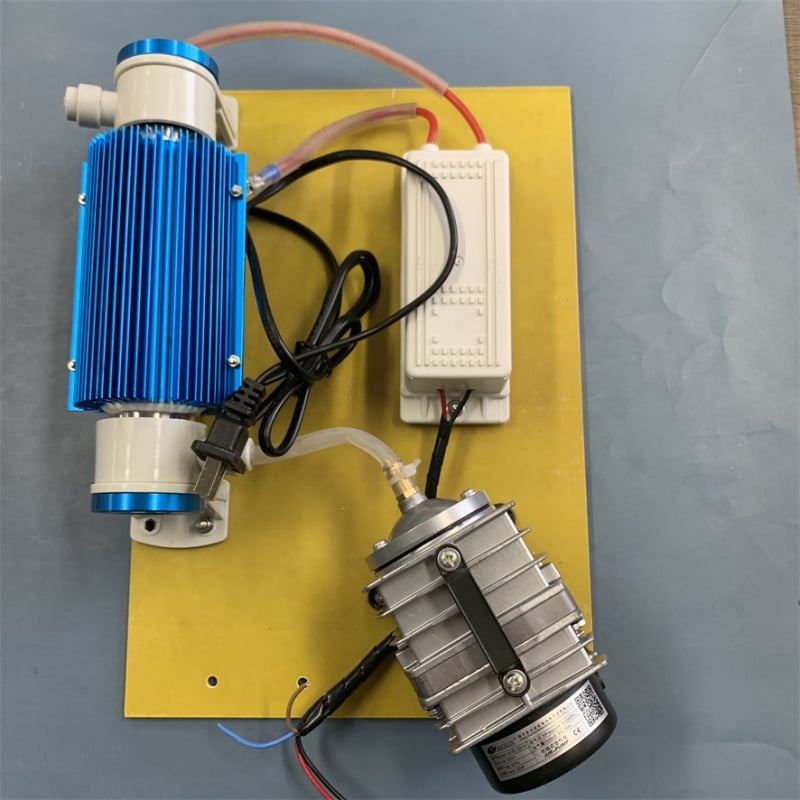
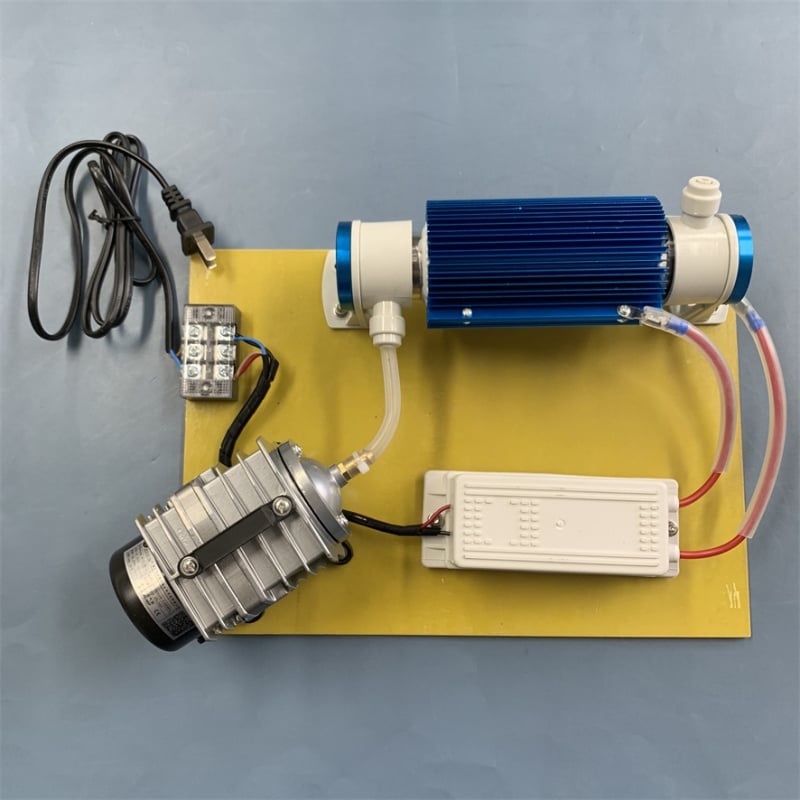
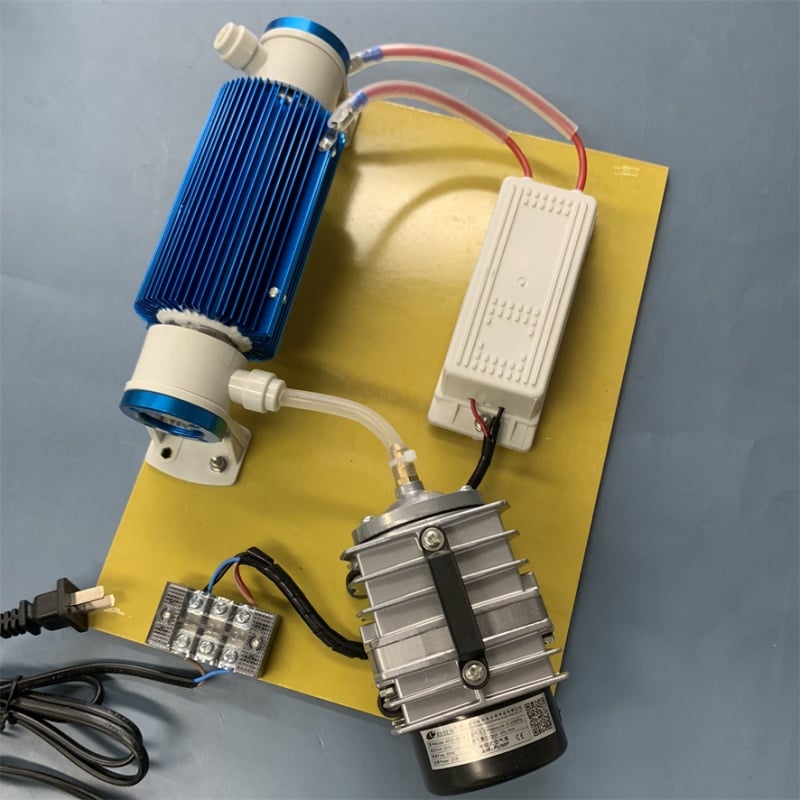
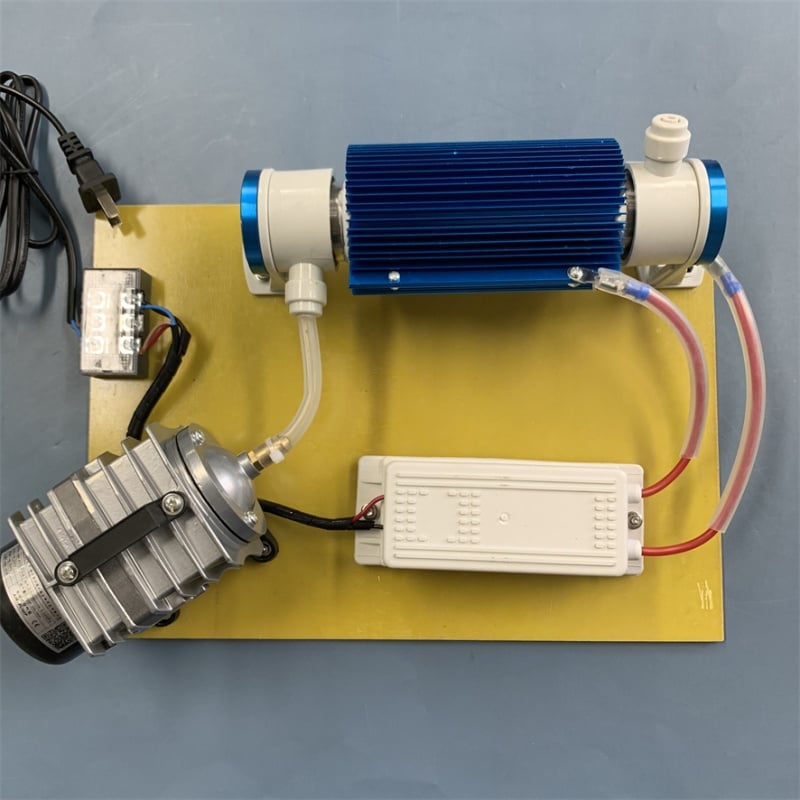
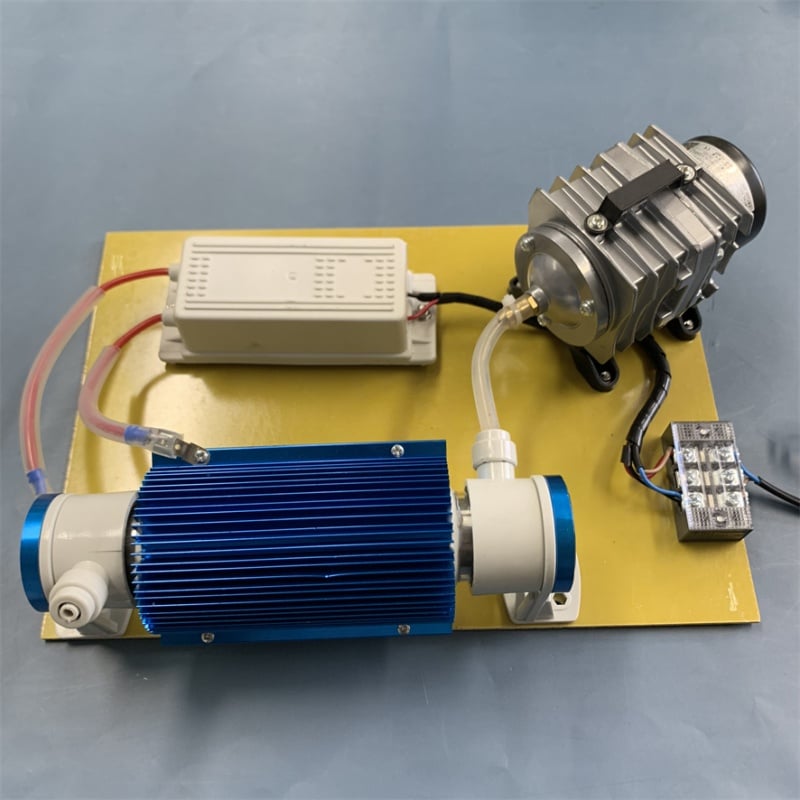
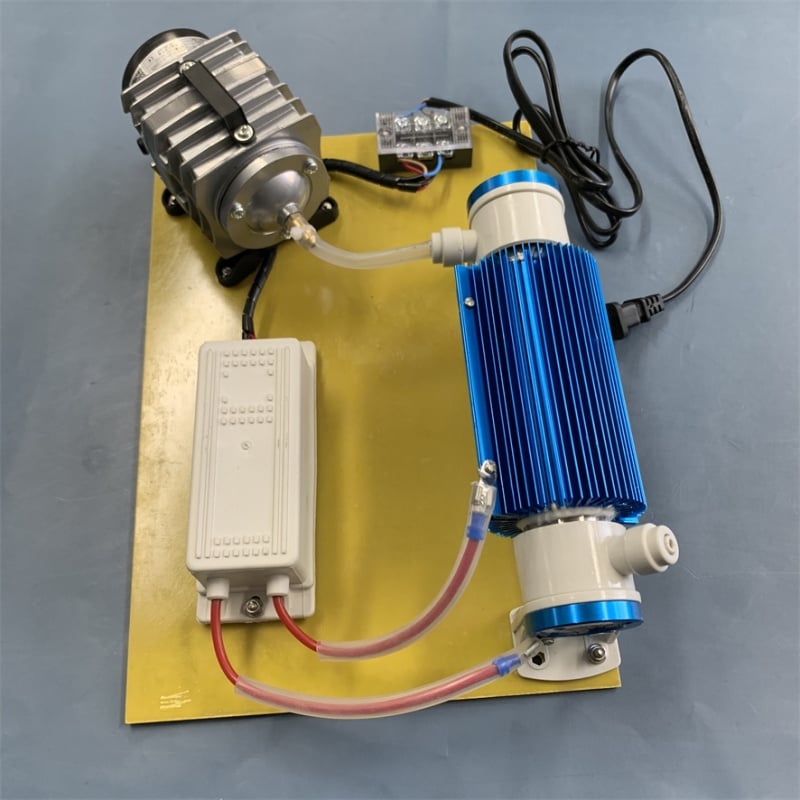
Quartz Tube Ozone Generator module:
Can design and customize it according to clients’ requirement.
Ozone Output:
20g/hr, other specification customizable
Service Life:
The long service life is above 10000 hours
Thermal resistance:
The thermal resistance temperature is -10℃ to 600℃
Working voltage:
Wide working voltage AC100-240V
SiO₂ Purity
Purity of silicon dioxide, typically ≥99.99% for semiconductor-grade crucibles
Product Details
Water Treatment Ozone Generator Module:
The OzoneCore water-treatment ozone module is an integrated on-site ozone generation and dissolution unit built on the Dielectric Barrier Discharge (DBD) platform. Using high-purity alumina (95–99.7% Al2O3) ceramic tubes as the dielectric medium, paired with 316L stainless steel electrodes and PTFE seals, the module converts dry air or oxygen into high-concentration ozone (O3) with an oxidation-reduction potential of 2.07 V—far above chlorine's 1.36 V. Modern modules achieve ozone yield of 5–200 g/h, concentrations of 1–10 wt%, energy consumption as low as 12–15 kWh/kgO3 (30% lower than legacy equipment), and service life exceeding 10,000 hours. Ozone dissolves in water to deliver broad-spectrum, instantaneous sterilization: at 0.4 mg/L dissolved concentration held for 4 minutes (CT value = 1.6) it meets international drinking-water standards, killing bacteria, viruses, Cryptosporidium and Giardia—pathogens that are resistant to chlorine. After treatment, ozone naturally decomposes into oxygen within roughly 30 minutes, leaving zero chemical residue or harmful disinfection by-products such as trihalomethanes.
A complete ozone module consists of six sub-systems working in closed loop:
Gas Source Unit: Air-source models integrate compressed air with refrigeration dryer, adsorption dryer and precision filtration to guarantee dew point of –40 to –70°C; oxygen-source models use PSA/VPSA on-site oxygen generators or liquid oxygen with purity above 92–99%.
Ceramic DBD Ozone Generator: The core component. Imported high-purity alumina ceramic tubes are high-temperature sintered, precision ground and paired with 316L stainless steel inner electrodes, PTFE gas nozzles and fluororubber seals. Micro-gap discharge of 0.5–0.8 mm keeps operating voltage at only 10% of the breakdown threshold, delivering 80–120 mg/L ozone concentration—4 to 5 times higher than conventional glass dielectric tubes.
Cooling System: Internal water cooling plus external forced-air cooling ("sunflower" aluminum heatsink). Cooling water flow is 2–5 L/min, keeping continuous-operation ozone decay below 5%.
Power & Control: High-frequency high-voltage power supply (output 2.5–4.2 kV, 3–12 kHz), supporting 20–100% stepless output adjustment, PLC touch-screen control, RS485 remote communication, and interlock protection for over-voltage, over-current and over-temperature.
Gas-Water Mixing Device: Venturi injectors or micro-porous titanium/ceramic diffusers achieve mixing efficiency ≥ 95%, with adjustable ozone dosing of 0.2–1.5 mg/L and contact time of 1–10 minutes depending on application.
Tail-gas Destruction & Safety: Catalytic or thermal ozone destructors, online dissolved-ozone analyzers, ozone-leak alarms (trigger at ≥ 0.1 mg/m³), and automatic ventilation interlock—ensuring no ozone is released directly to the environment.
The housing uses 304/316L stainless steel or titanium alloy to resist corrosion in harsh water chemistries.
Ultra-High Efficiency & Energy Saving: Ozone's sterilization speed is 300–600 times faster than chlorine; 4 ppm ozone water kills surface microbes within minutes—600–3,000 times faster than chlorine preparations. A 10 g/h ceramic tube consumes only 120 W, and large-scale ceramic dielectric units achieve power consumption below 10 kWh/kgO3 at 120 mg/L concentration.
Superior Material Durability: High-purity alumina dielectric features high permittivity and low loss, with operating voltage at only 10% of breakdown. The 316L electrode and PTFE sealing resist oxidation and corrosion, enabling continuous 24-hour operation with single-tube lifetime up to 20,000 hours.
Zero Secondary Pollution: Ozone decomposes to oxygen only, eliminating chlorinated by-products, chemical residuals and sludge. This is critical for drinking water, food processing and semiconductor ultrapure water.
Modular Scalability: Single tubes produce 15–60 g/h; multiple tubes combine in parallel to reach 3 g/h–100 kg/h total capacity, covering everything from household purifiers to 10,000-ton/day municipal plants.
Intelligent Control: PLC-based linkage with flow, pressure, temperature and residual-ozone sensors enables fully automatic, on-demand dosing. Water pump interlock ensures "no water, no ozone", preventing dry-run risk.
Compact Footprint: tube design reduces module volume by 1/3 to 1/2 versus comparable-output competitors, saving installation space.
Drinking Water & Bottled Water: ~40% of China's drinking-water plants already use ozone. Dosing 1 m³ water with 3 g O3 to reach 0.3–0.5 mg/L dissolved ozone satisfies GB standards for bottled water; simultaneously removes iron, manganese, color, odor and degrades pesticides, endocrine disruptors and antibiotics.
Municipal & Industrial Wastewater: For secondary effluent deep treatment, ozone reduces refractory COD/BOD, decolorizes dye wastewater, decomposes antibiotics and surfactants, and enables water reuse for landscape, greening or cooling purposes.
Swimming Pools & Spas: As primary or auxiliary disinfectant, ozone kills pathogens dozens of times more effectively than chlorine, dramatically reducing chlorinated by-products (trihalomethanes) and improving water clarity and comfort.
Food & Beverage: Ozone water cleans fruits, vegetables, meat and seafood—degrading pesticide residues and hormones, extending shelf life; sanitizes pipelines, containers and processing surfaces without chemical residue.
Aquaculture & Agriculture: Circulating aquaculture water is disinfected to prevent disease; seed soaking with low-concentration ozone water kills viruses and promotes germination.
Semiconductor & Photovoltaic: Ultrapure water (UPW) preparation uses ozone for TOC removal, photoresist stripping and wafer cleaning, ensuring particle- and organics-free process water.
Cooling Water Systems: Industrial circulating cooling water and central-air-conditioning cooling towers use ozone to suppress microbial growth and biofilm, controlling Legionella and scaling while improving heat-exchange efficiency.
Sizing & Selection: Calculate ozone demand at 5–10 g/h per 100 tons of circulating water; keep dissolved residual ozone at 0.1–0.3 mg/L. Select air source for economy (yield 25–40 mg/L) or oxygen source for high concentration (60–290 mg/L).
Gas Source Quality: Compressed air must be oil-free, dust-free, with dew point ≤ –40°C. Moisture reacts with ozone to form corrosive nitric acid, sharply reducing output.
Temperature & Cooling: Ambient temperature 0–40°C; cooling-water inlet ≤ 25°C. Higher water temperature significantly reduces ozone solubility—at 20°C only 32% of gas-phase ozone transfers to water, dropping to 7% at 50°C. Keep process water below 25°C for optimal absorption.
Contact Time Design: Follow the CT value principle. Drinking water: 0.4 mg/L for 4 minutes (CT = 1.6). Use a contact tower or pipeline mixer to guarantee 4–10 minute retention.
Piping & Material: All ozone-contact piping must use 316L stainless steel, PTFE, PVDF or specialized ozone-resistant plastics. Ordinary rubber, mild steel and galvanized sheet corrode rapidly—these are prohibited.
Safety Interlock: Maintain ventilation (ozone is heavier than air, exhaust fans near floor level). Personnel are strictly forbidden from entering during operation; 8-hour occupational exposure limit is 0.1 ppm. Install ozone-leak detectors with alarm at ≥ 0.1 mg/m³, and link to automatic power cutoff.
Startup/Shutdown Sequence: Always start gas source first, then power; on shutdown, continue purge airflow for 10–15 minutes to clear residual ozone from the tubes.
Maintenance Cycle: Inspect electrodes and tubes every 3 months; clean scaling or carbon deposits promptly. Perform a full overhaul every 5,000 hours. Test tail-gas destructors and calibrat online monitors per manufacturer schedule.
Pressure Testing: Before commissioning, pressure-test water lines at 1.5× operating pressure and gas lines at 1.2× operating pressure; verify check valves to prevent water backflow that could destroy the generator.
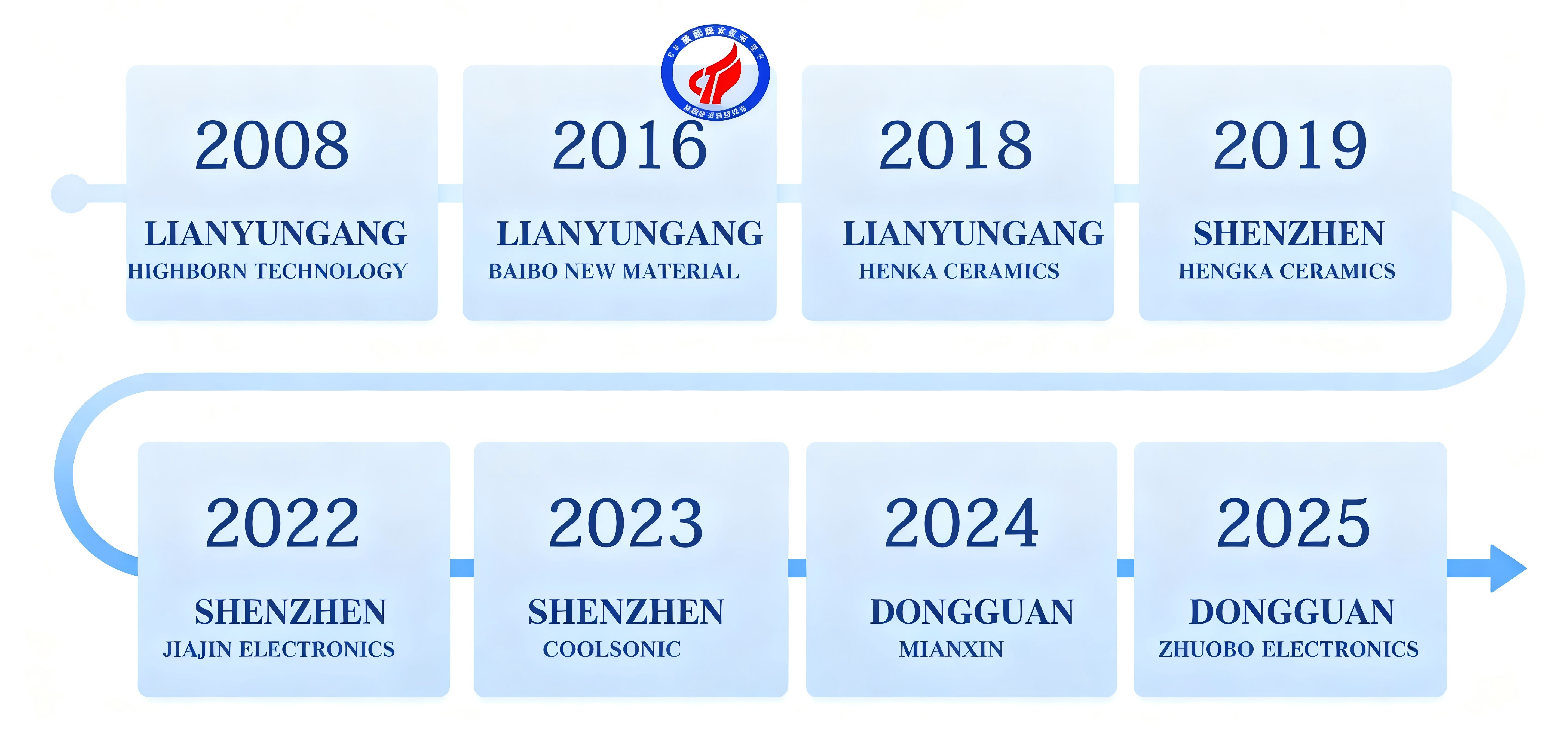
Development History
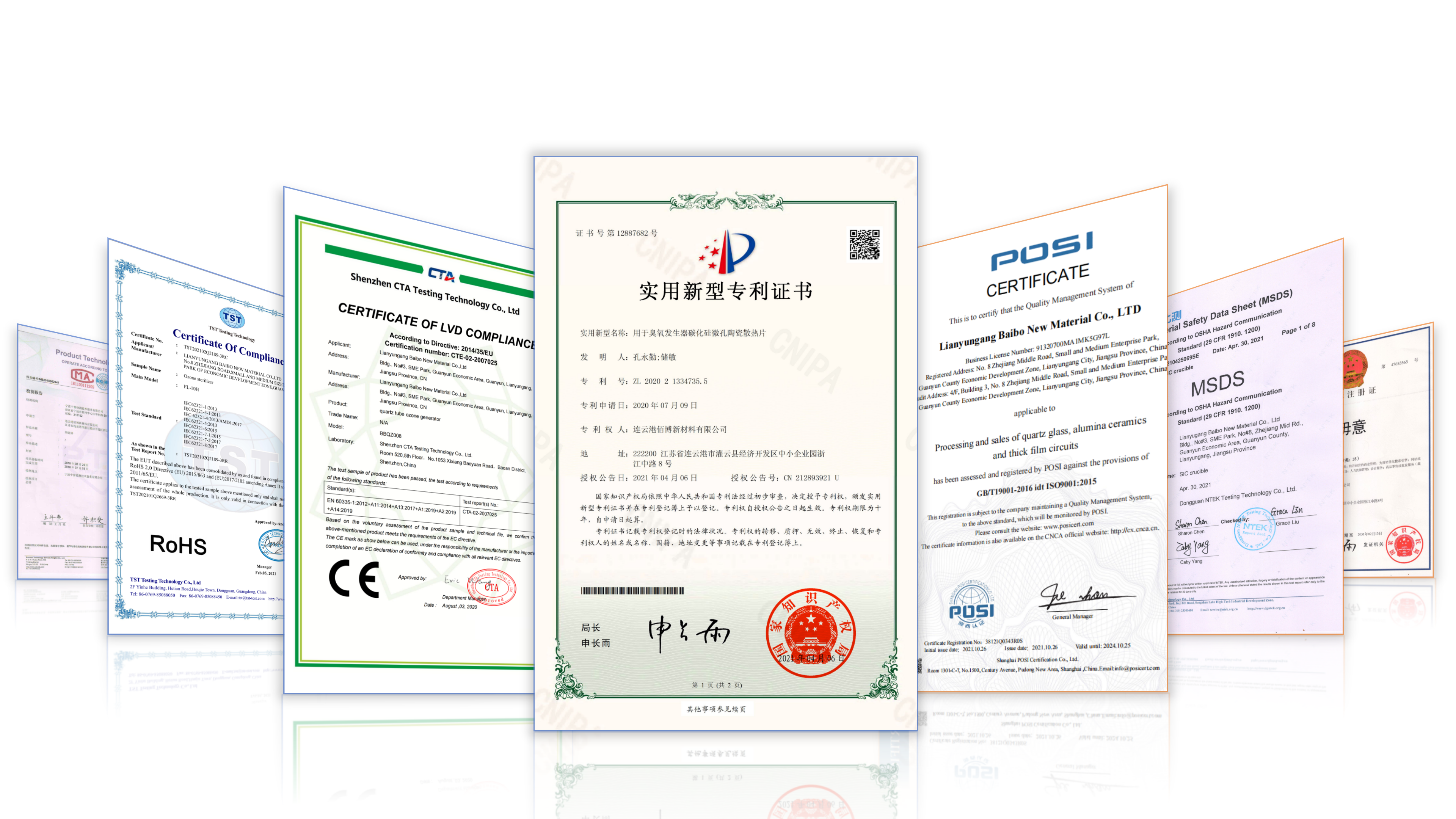
Patents and certification
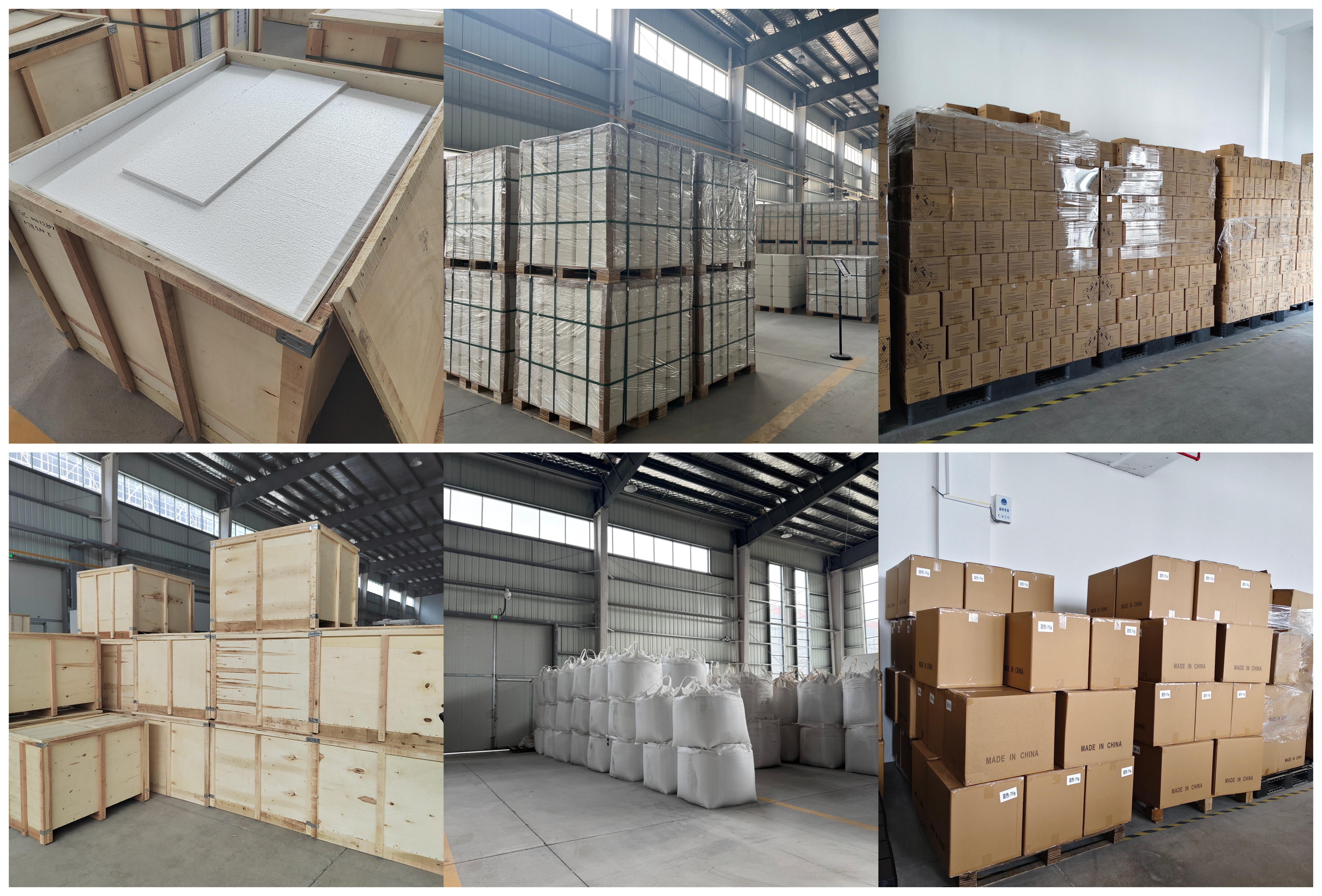
Package
Services
FAQ
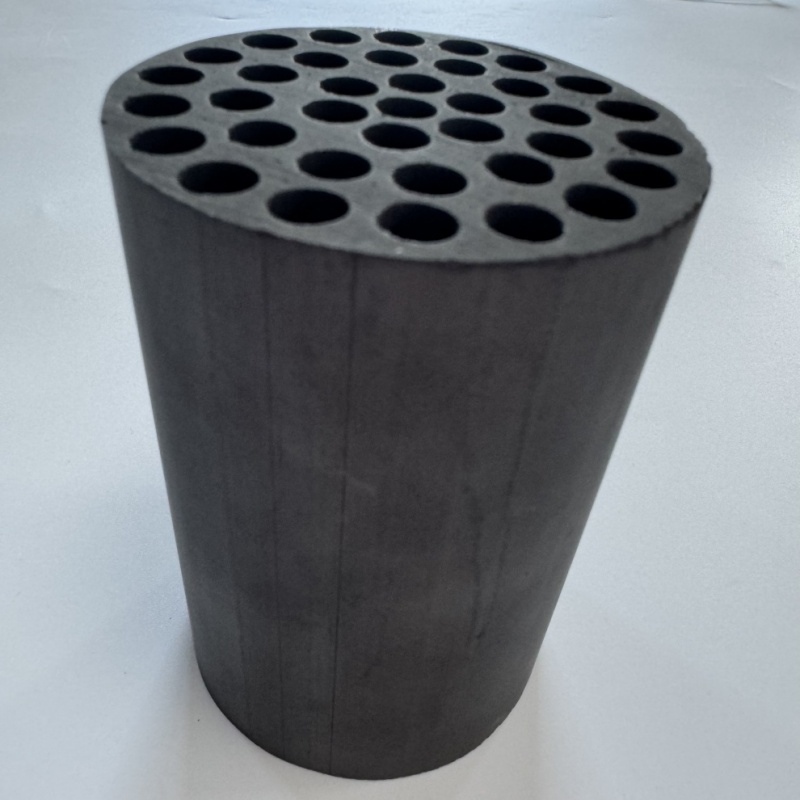
Solid-liquid Separation Microporous SiC Ceramic Filter Membrane
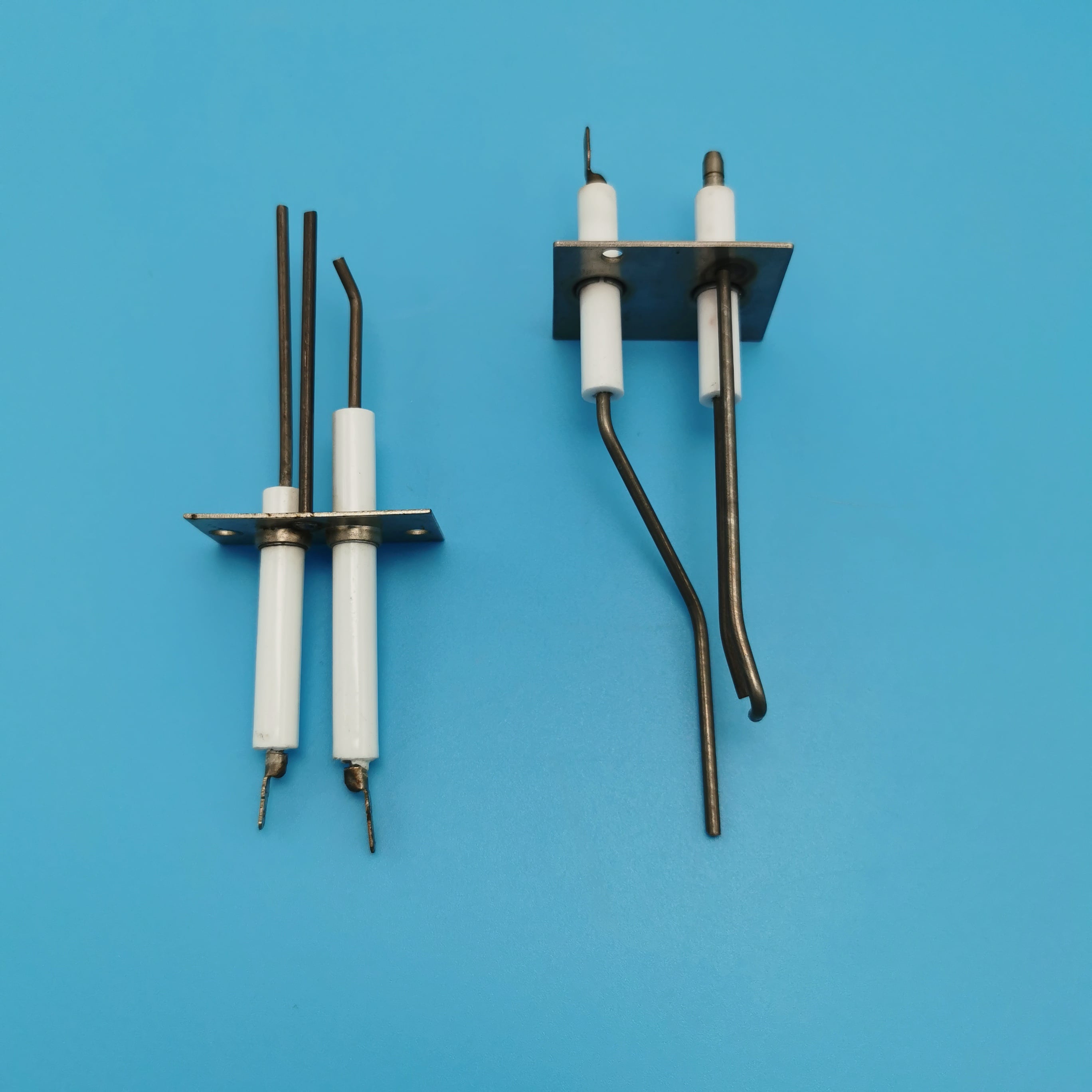
Gas Cooker Stove Electrical Alumina Ceramic Oven Parts Flame Ignitor Electrode Spark Ignition
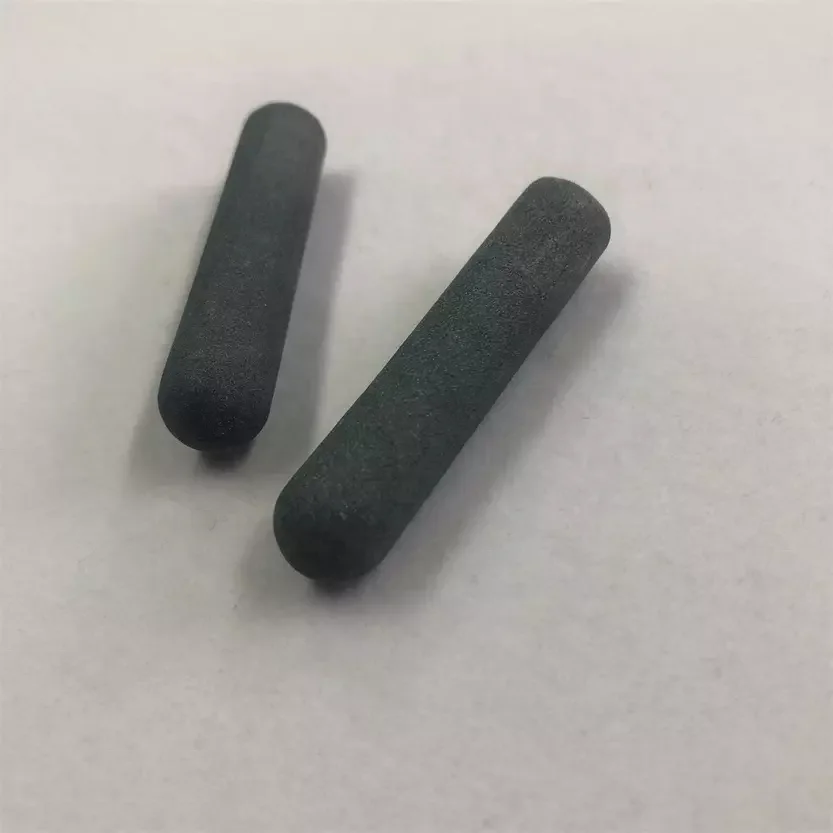
High Accuracy Vacuum Porous SiC Ceramic Filter Tube With Round Bottom
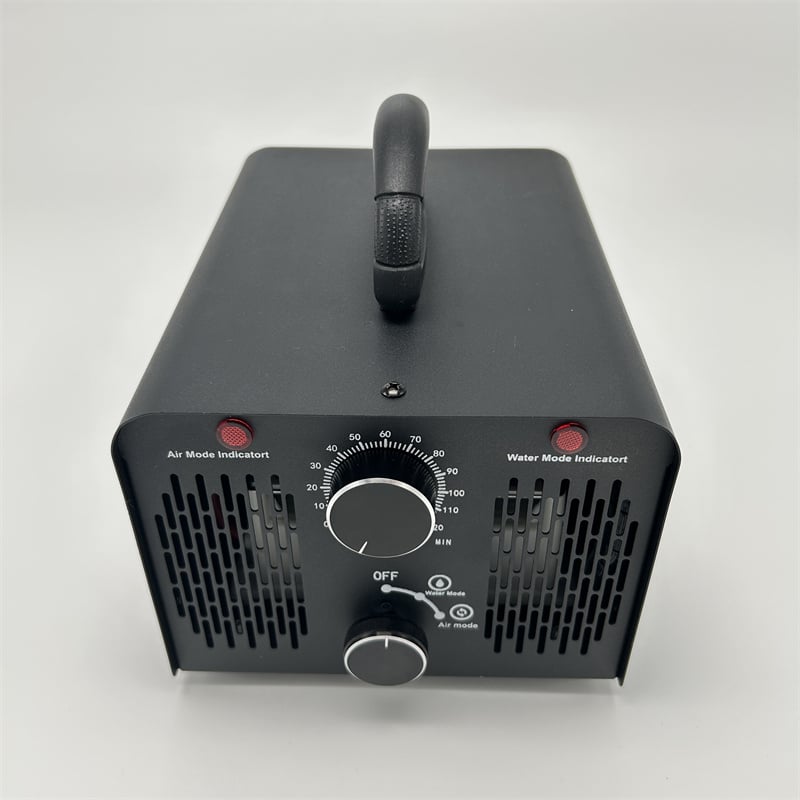
Portable 110V 220V 20g Household Ozone Generator Machine


 EN
EN