1. Overview of Ozone Disinfection Machine
1.1 Definition and Working Principle
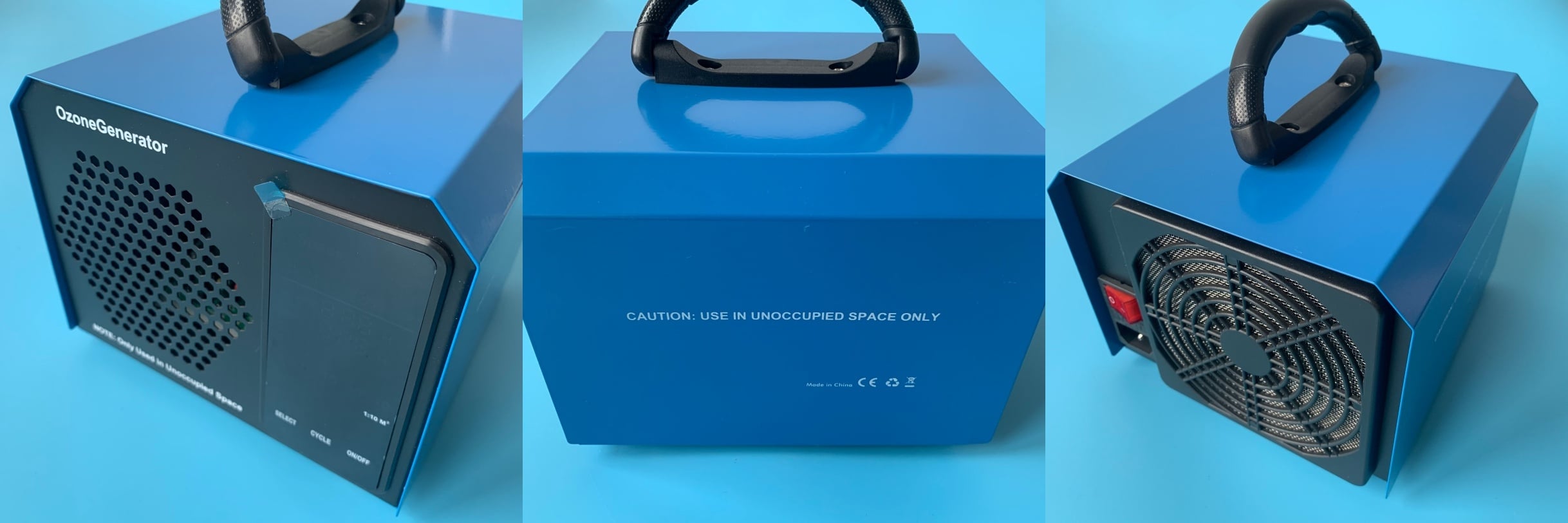
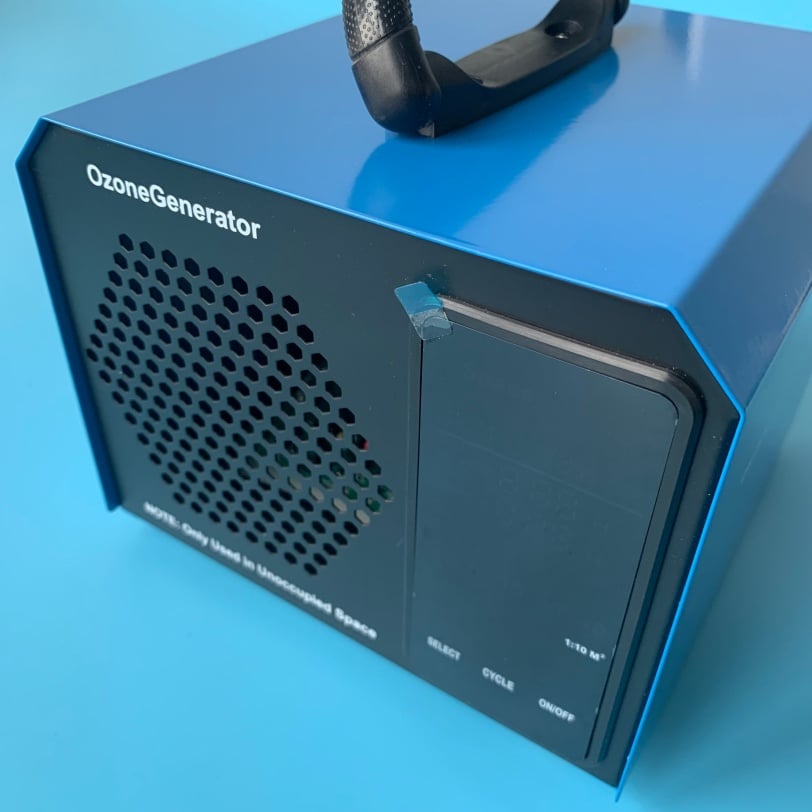
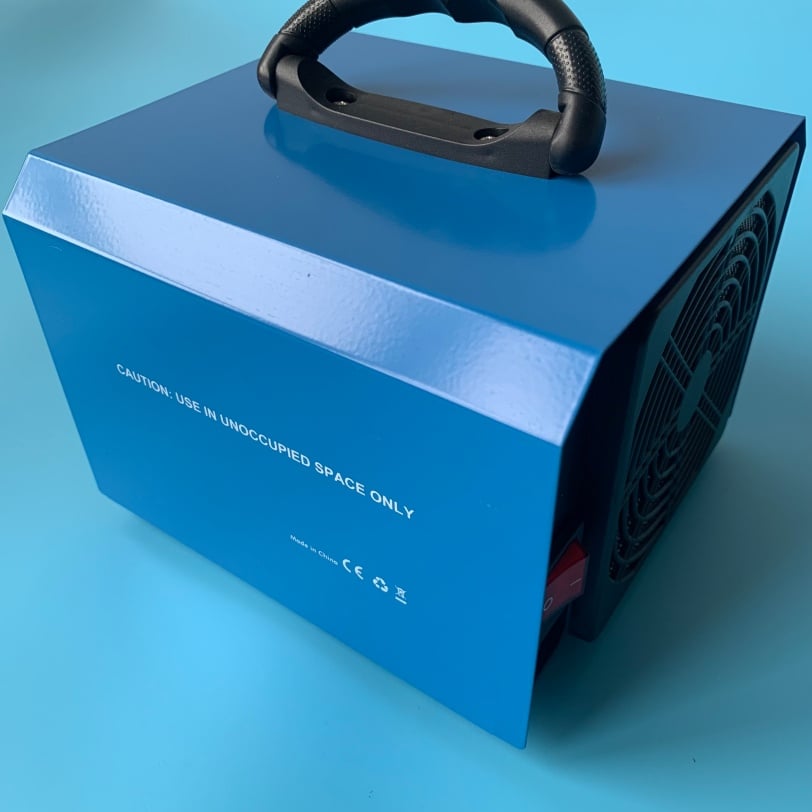
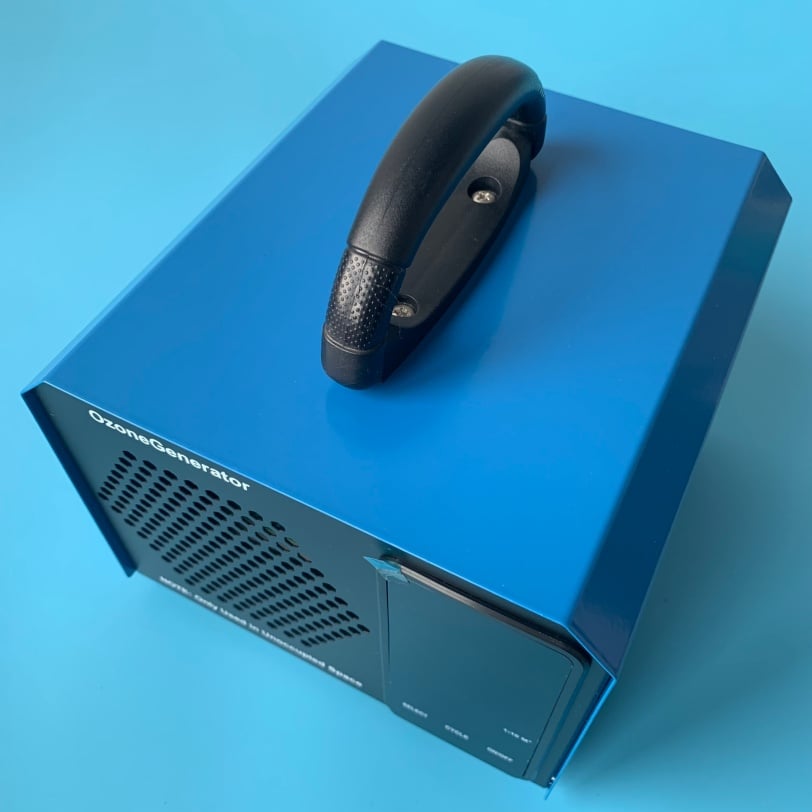
The ozone disinfection and sterilization machine, also known as an ozone generator, generates ozone (O₃) based on corona discharge principle. Primarily adopting ambient air as raw material, the equipment applies a high‑voltage electric field to split oxygen molecules into oxygen atoms, which further recombine with oxygen molecules to form ozone.
The use of ozone to purify the air is the most effective and direct way to eliminate odors and bacteria. Ozone is released from the machine into the air. When it hits molecules like mold or smoke, the extra oxygen atom attaches itself to molecules of the pollutant and basically eliminates it. The O₃ attaches itself to bacteria, fungus, germs, odors, and other contaminants. This process eliminates the contaminant while reverting the ozone back to oxygen. As one of the most potent oxidants available, ozone can rapidly inactivate various harmful bacteria, viruses and degrade organic pollutants in water and air at specific concentrations. It is globally recognized as a broad‑spectrum and high‑efficiency sterilization medium.
1.2 Classification and Grade Standards
Ozone generators are mainly categorized by feed gas type and cooling mode, with clear grade and certification standards:
Air-source type: Operates with dried and filtered ambient air. It features low operating cost, with only trace nitrogen oxides generated during operation.
Oxygen-source type: Adopts high-purity concentrated oxygen from oxygen concentrators or gas cylinders, delivering higher ozone output and purity.
Cooling method: Equipped with air cooling for small and medium-sized units, and water cooling for industrial high-power systems.They are equipped with built-in overload protection, automatic power-off and timing control functions to ensure safe and stable operation.
2. SAFETY PRECAUTIONS
WARNING:
Excessively‑high ozone concentration may irritate mucous membranes and lead to symptoms such as shortness of breath and chest tightness. If you smell ozone upon entering the room, immediately verify that the ozone generator has been switched off, ventilate the space, and leave the room.
1.Not intended for use by children.
2.Keep humans and animals out of the treatment zone during operation.
3.Do not operate the unit in high‑temperature, high‑humidity, flammable, explosive, or corrosive environments (e.g. acid, alkali, oil fumes).
4.Never insert foreign objects into the equipment, which may cause equipment damage or fire hazards.
5.Do not cover the heater. Maintain unobstructed, well‑ventilated clearance around the machine.
6.Do not operate the device with wet hands.
7.Switch off and unplug the power supply when the machine is left unattended or out‑of‑service for extended periods.
8.Never rinse the machine directly with water.
9.In case of equipment malfunction, please contact your supplier for support.
3. Advantages of Ozone Generation Technology
3.1 Molecular-Level Odor Removal
Different from traditional deodorization methods that merely cover odors, ozone eliminates odor sources fundamentally through oxidative decomposition. It is applicable to various stubborn odors, including cigarette and fire smoke odors in vehicles, families and hotels, pet excrement and dander odors, cooking fume and food peculiar smells, VOCs released from paints, carpets and adhesives, as well as moldy and musty odors.
3.2 Efficient Broad-Spectrum Disinfection
Ozone is a high-efficiency broad-spectrum bactericide. It can oxidize and rupture microbial cell walls and destroy internal DNA and reproductive structures to achieve thorough sterilization. It acts on common harmful microorganisms such as Escherichia coli, Salmonella, Legionella, influenza virus, norovirus, SARS-CoV-2, mold spores and dust mite allergens. Under standard working concentrations (1–5 ppm for air disinfection, 0.4 mg/L for water disinfection), the pathogen removal rate can exceed 99.9% within several minutes.
3.3 Omnidirectional Gas Penetration Performance
As a gaseous disinfectant, ozone has excellent diffusion and penetration capabilities that liquid sprays, wiping cleaning and filter purification cannot match. It can fill the whole confined space and penetrate into air ducts, deep carpet fibers, sofa upholstery, wall gaps and the back of electrical appliances, realizing dead-angle-free disinfection and decontamination for areas that are difficult to clean manually.
3.4 Zero Residue Environmental Protection
Compared with chemical deodorants and cleaning agents that are prone to residual stains and chemical residues, ozone leaves no pollutants after working. It will naturally decompose into breathable pure oxygen within 30 minutes to several hours, without residual fragrance, sticky surface residue or waste disposal problems.
3.5 Fast and Efficient Operation
Ozone disinfection and deodorization efficiency is far higher than passive purification methods such as HEPA filters and activated carbon bags. A short-term concentrated ozone shock treatment can completely eliminate stubborn odors and hidden microbial pollution that persist for weeks with conventional methods, delivering efficient and thorough purification results.
4. Application fields
Homes & Living Areas New paint & wallpaper areas Smoking areas
High pollen environments Kitchens Day care centers
All types of offices & stores Hospitals & nursing homes Restaurants & bars
New carpet furniture & Rooms Attics & basements Car & bus
5. Cleaning and maintenance
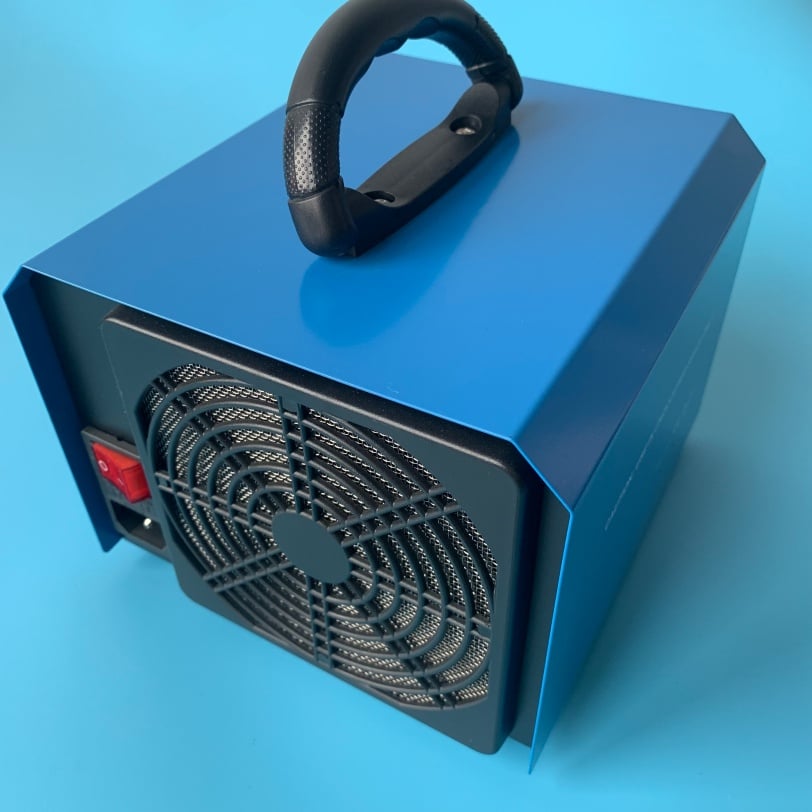
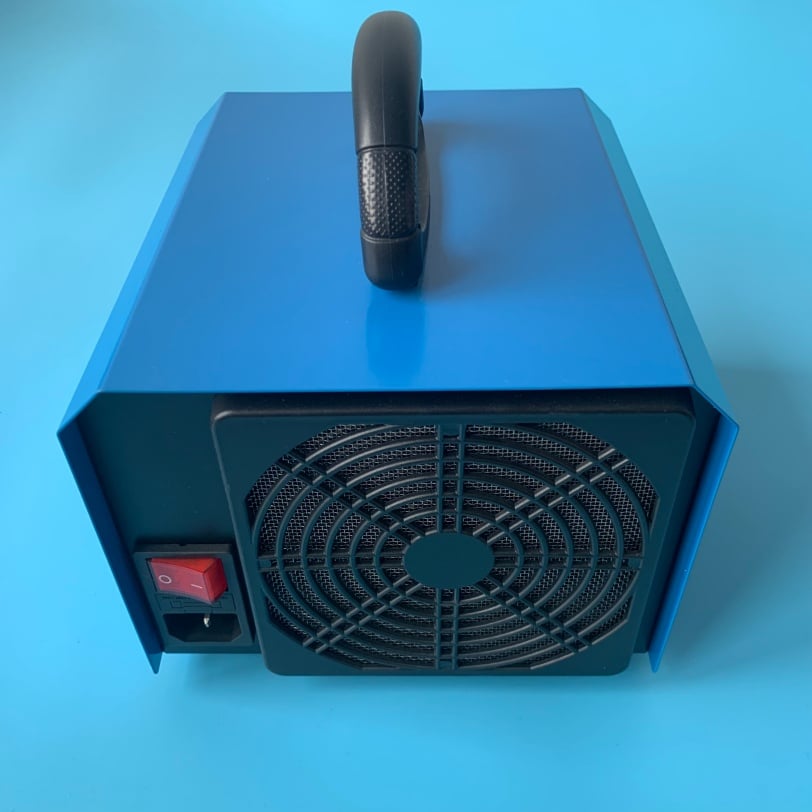
Before cleaning, switch off the device and disconnect it from the power supply. Then gently remove the air intake mesh cover on the back of the device and remove any accumulated dust. Regular cleaning of the ozone generation module helps to maintain proper and stable operation of the device; it is recommended to do this once every 3 months. To do this, switch off the device, disconnect it from the power supply, and then use a screwdriver to remove the eight screws on the left and right sides of the housing. After carefully removing the housing, wipe the metal parts and fan with a clean cloth slightly moistened with alcohol.
If the device will not be used for a long time, store it in a dry place, protected from moisture and dust. The device is equipped with a replaceable fuse located in a plastic holder; if necessary, the fuse can be replaced with a new one with the same parameters.
6. Frequently asked questions
Q: What are the benefits of using this device?
A: The device is designed to reduce unpleasant odours in enclosed spaces, such as tobacco smoke, animal odours, cooking smells and organic odours.
Q: What is the difference between an ozone generator and an air filter?
A: Air filters work by mechanically trapping particles. An ozone generator works by temporarily producing ozone, which reacts with odour molecules in the air. These devices use different operating principles.
Q: Does ozone remove stains or nicotine deposits?
A: No. Ozone does not remove physical stains or deposits. It can only reduce the odour associated with a given substance without removing its physical form.
Q: Is a smell resembling chlorine or bleach normal?
A: During operation, the device generates ozone, which sometimes smells like chlorine. This is normal and occurs during operation of the device.
7. Technical specification
Shell Material |
202stainless steel or SGCC+electrostatic coating |
Fan model |
EC120. or other |
Air Flow |
170m3/H or other |
Timer |
60min,120min or 180min |
Input Voltage |
AC110V/60Hz or AC220V/50Hz |
Output Voltage |
2500-2700V |
Rated Power |
80-150W |
Control Mode |
Manual control or Touch control |
Applying Space |
20-400m2 |
Operating temperature range |
-10℃ to 70℃ |
Operating humidity range |
0% to 65% |
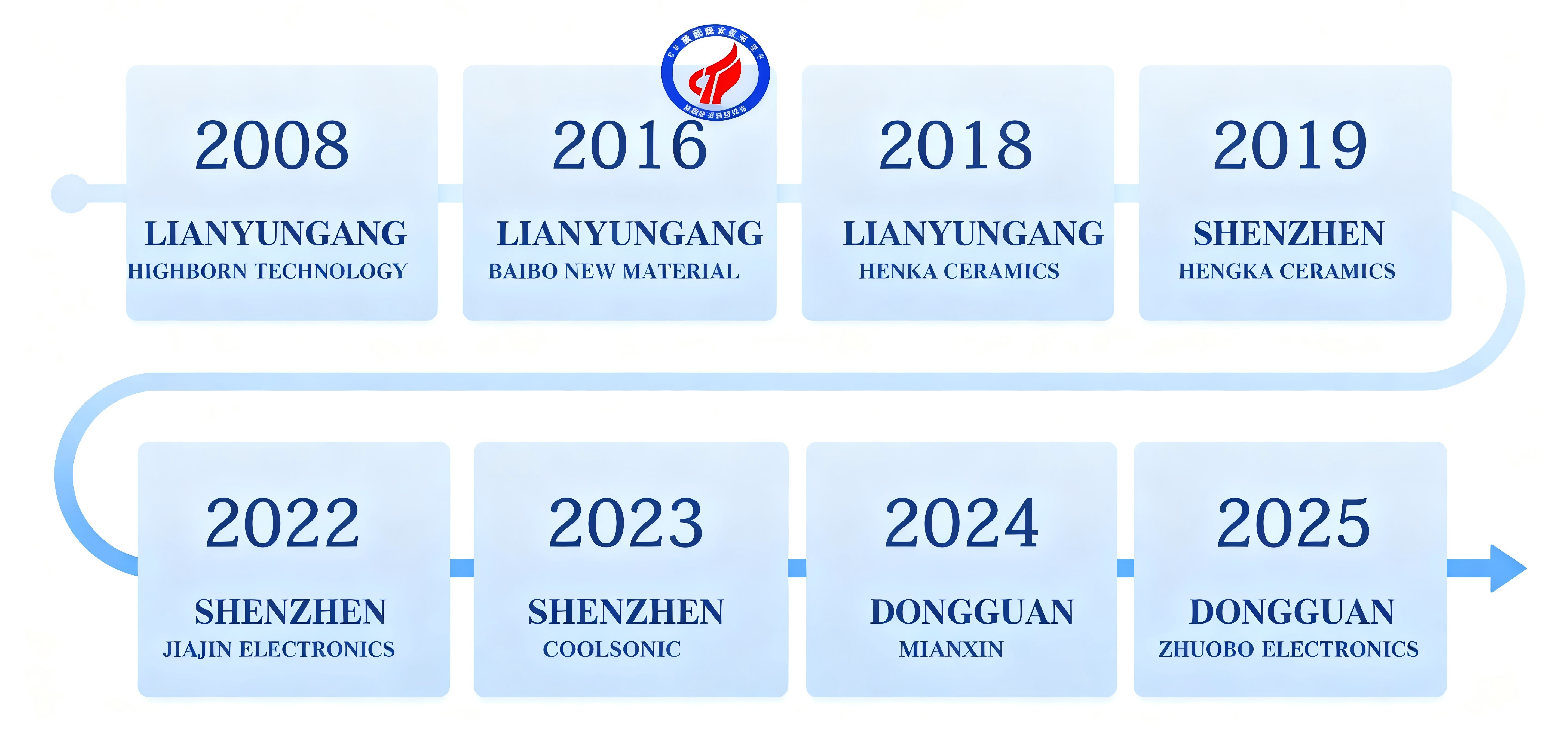
Development History
Patents and certification
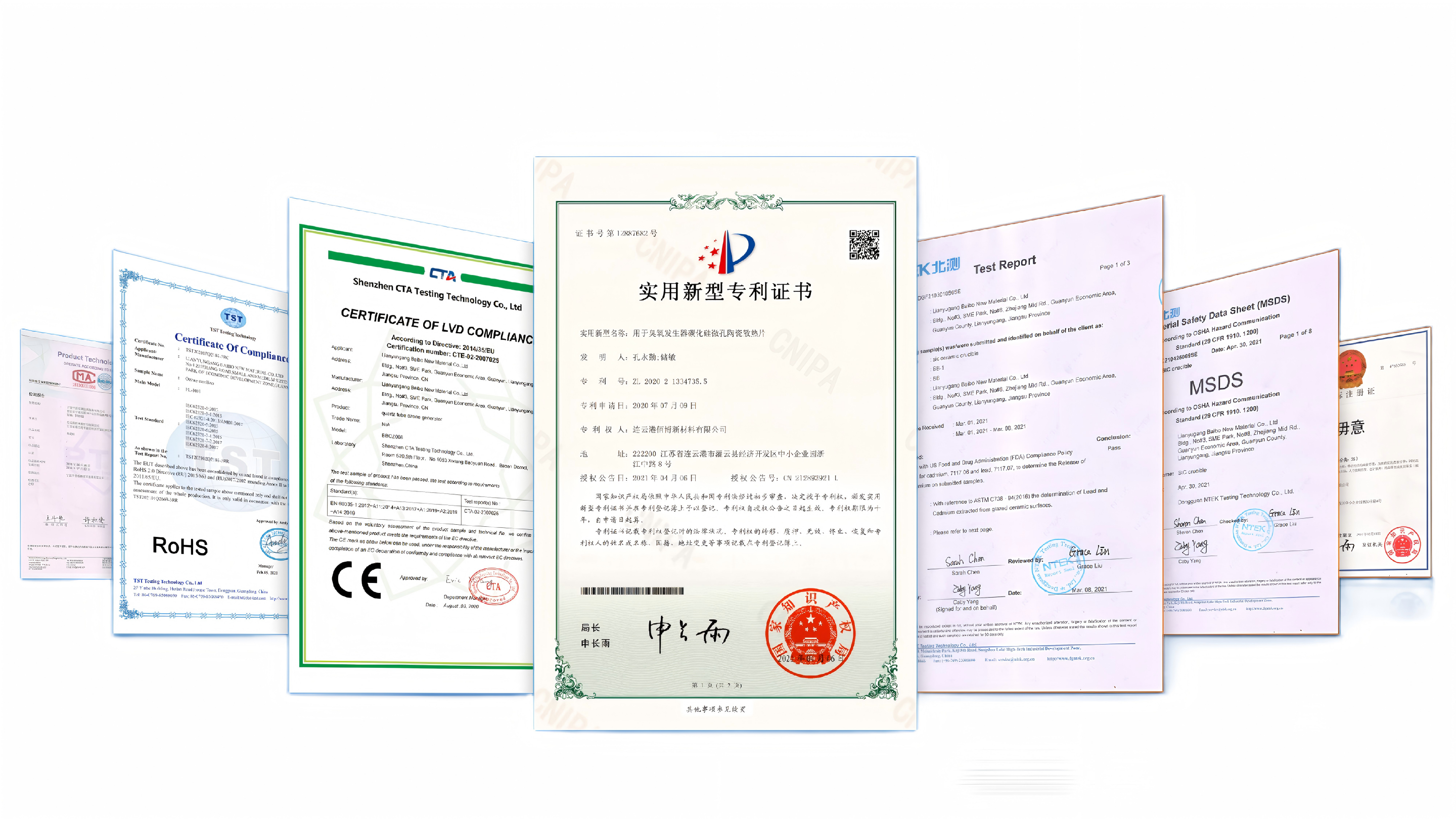
We’ve obtained various global certifications including CE, EMC, LVD, RoHS, FDA, MSDS, ISO 9001, IATF16949, SGS and TUV. We also own eight registered trademarks and forty technical patents to support independent R&D.
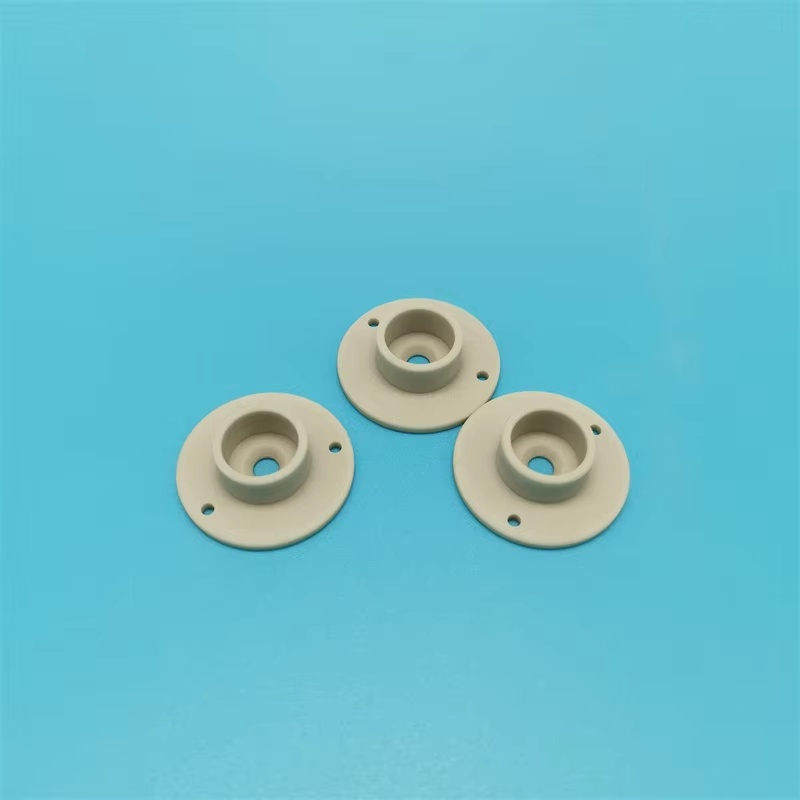
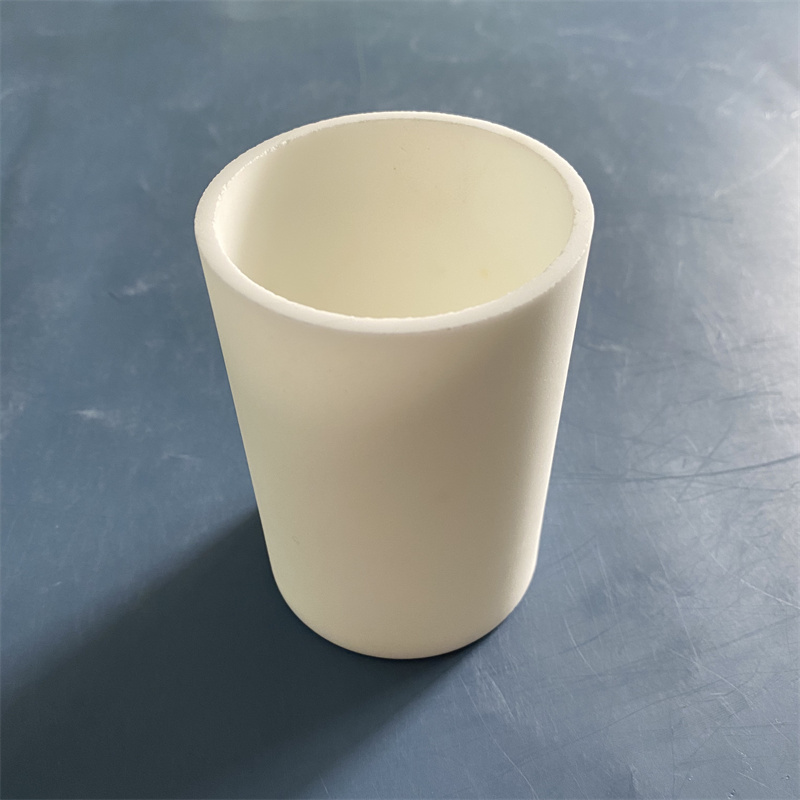
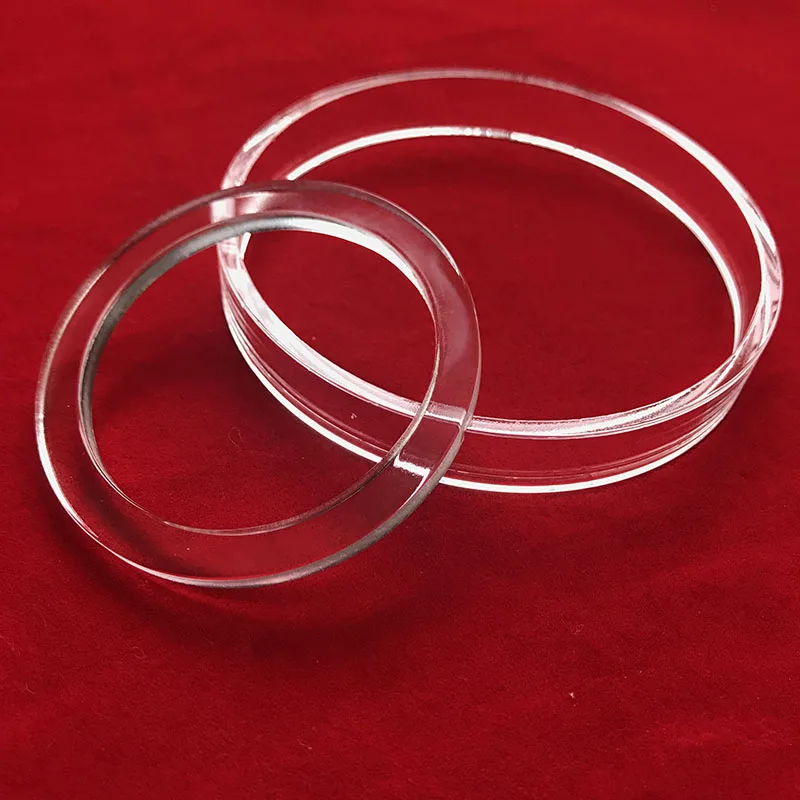
Our proprietary core technologies run through all product lines: porous ceramics, industrial ceramic components, special glass, metallized ceramics, liquid absorption cotton, ozone generators and silicone goods. All products are manufactured in strict accordance with international quality standards, delivering reliable and high-performance solutions that have gained wide recognition and market trust worldwide.
Package
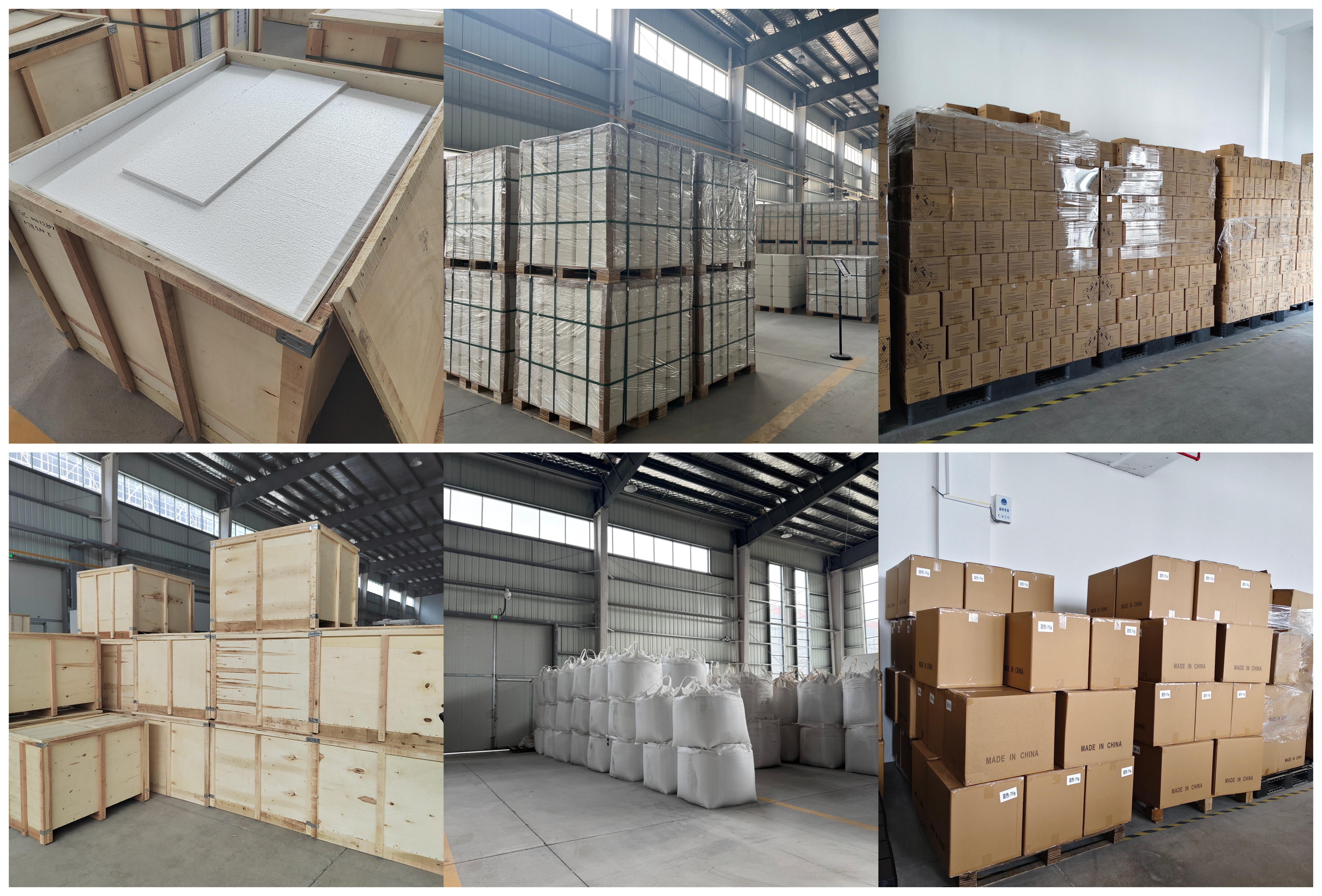
We adopt scientific and standardized packaging solutions tailored to product characteristics to effectively prevent collision, extrusion, dust and moisture damage. With mature global transportation system and strict shipment inspection procedures, we ensure all products remain intact and stable during long-distance delivery, providing customers with safe, efficient and reliable one-stop logistics service.
Services
Inquiry & Customization
We provide fast and accurate quotation response for all your inquiries. Flexible OEM & ODM customization solutions are available to meet your unique product design, packaging and branding requirements.
Order Quality Control
We keep clients updated with full production progress throughout the whole order cycle. Our QC team carries out strict comprehensive pre-shipment inspection to guarantee all goods comply with your quality standards before delivery.
Customs Document Support
We prepare a full set of standard export documents including commercial invoice, packing list, certificate of origin and other certification papers, to ensure smooth global customs clearance for shipments to all destinations worldwide.
One-Stop Logistics
Multiple shipping methods including sea freight, air freight and express delivery are offered to match your schedule and budget. We supply real-time cargo tracking service so you can monitor shipment status anytime.
Flexible Payment
We support a wide range of secure international payment terms such as T/T, L/C, Western Union and other mainstream cross-border settlement methods to reduce your cross-border transaction risks.
After-Sales Support
Our professional after-sales team offers timely technical and business support all year round. We maintain steady long-term stable supply capacity to fully back up your continuous market sales and project demands.
FAQ
01
Question: Can you produce based on customers’ drawings or physical samples?
Answer: Absolutely yes. We accept technical drawings in all mainstream file formats as well as actual physical samples. Before formal production, our engineering team will provide a full professional DFM feasibility evaluation for your reference.
02
Question: How long is the production lead time for custom orders?
Answer: Sample lead time: 3–7 working days. Custom mold lead time: 5–10 working days (we will confirm the cycle separately with you for complex molds). Mass production lead time: 7–20 working days, depending on product structure complexity and order quantity.
03
Question: What’s your minimum order quantity for custom products?
Answer: We provide flexible MOQ solutions for all customized items. We will try our best to set a low minimum order volume to support your small-batch trial orders, meanwhile we can handle stable mass production to satisfy your long-term bulk demands.
04
Question: What customization services can you provide?
Answer: We support comprehensive one-stop customization, including product size, shape, appearance, precision tolerance, surface treatment, hole grooving, bending, cutting and adjustable high-temperature resistant parameters. Custom engraved LOGO and exclusive customized packaging are also available as extra personalized options upon request.
05
Question: Do you accept third-party inspection of finished products?
Answer: Yes, we fully cooperate with all mainstream authorized third-party testing institutions. Well-known organizations such as SGS, BV and other internationally recognized inspection bodies are all acceptable. We can supply complete official inspection reports and material certification documents as you require.
06
Question: Can you customize raw material options for products?
Answer: Sure. We can select and match appropriate raw materials according to your application scenarios, working conditions and performance requirements, including alumina, zirconia, quartz, silicone and other special engineering materials, and adjust related performance parameters to meet your usage standards.



 EN
EN