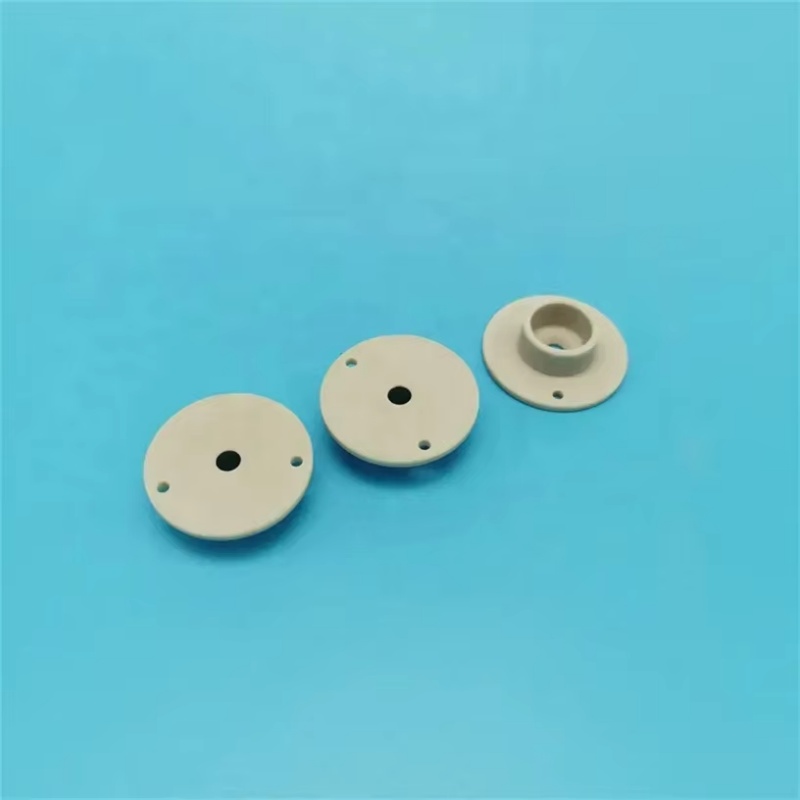
Main Component:
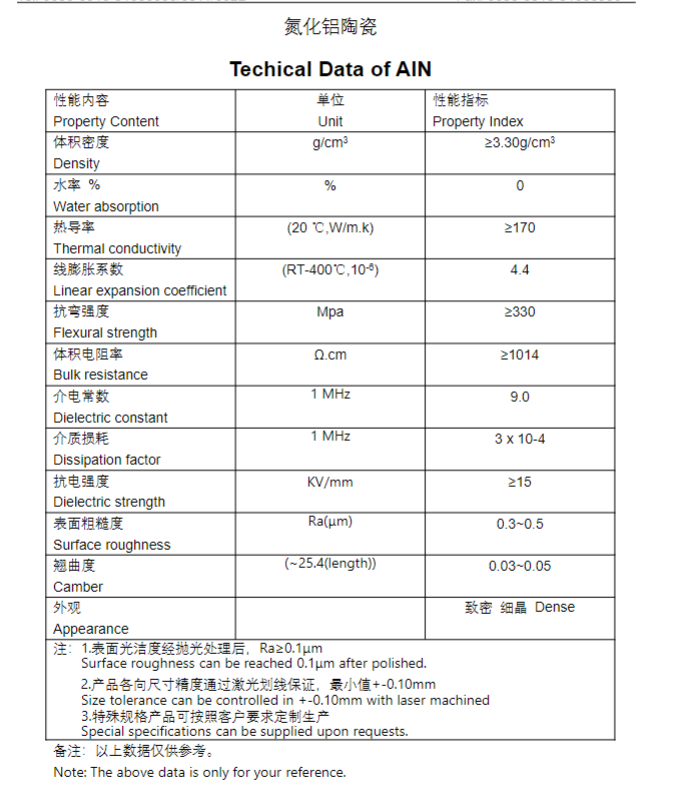
AlN ≥ 99%, O-bound ≤ 0.7 wt% (hot-pressed dense body)
Porosity:
< 2% (near fully dense), ensuring high thermal conductivity and mechanical strength
Thermal Conductivity:
≥ 170 W/(m·K) at room temperature, enabling efficient and uniform heat dissipation
Melting Point:
2200℃ (sublimation), featuring excellent thermal stability and fire resistance
Key Properties:
High thermal conductivity combined with electrical insulation, chemically inert, acid and alkali resistant, non-toxic, and compatible with silicon expansion coefficient
Processing Type:
Hot-pressed (HP) and pressureless sintered (PLS) grades; also available as metallized substrates and thin-film coated ceramics
Industrial Standard:
Complies with RoHS, REACH, and applicable IPC/MIL standards for electronic ceramic components
Product Details
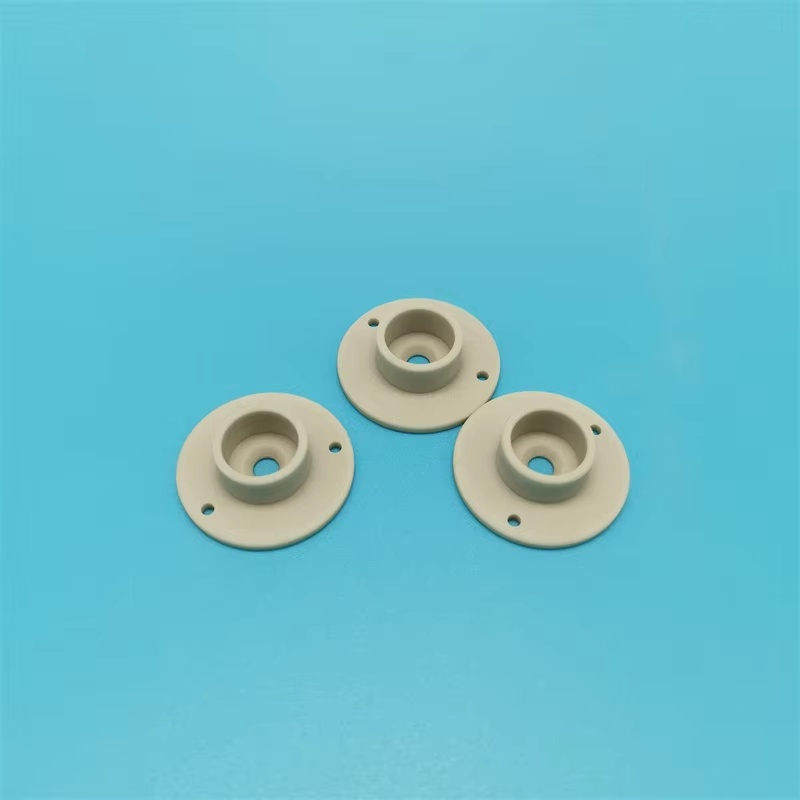
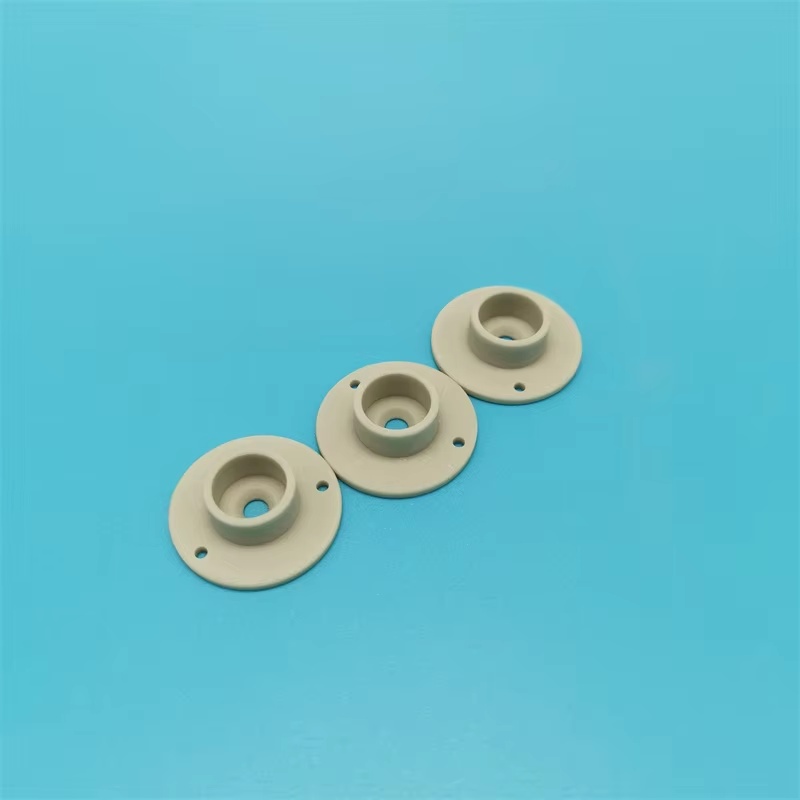
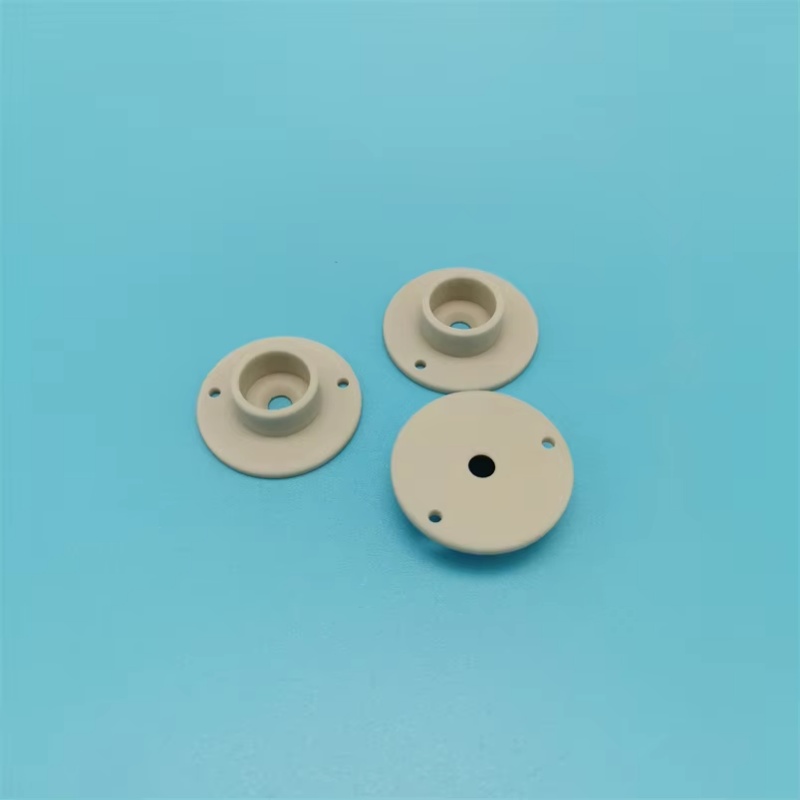
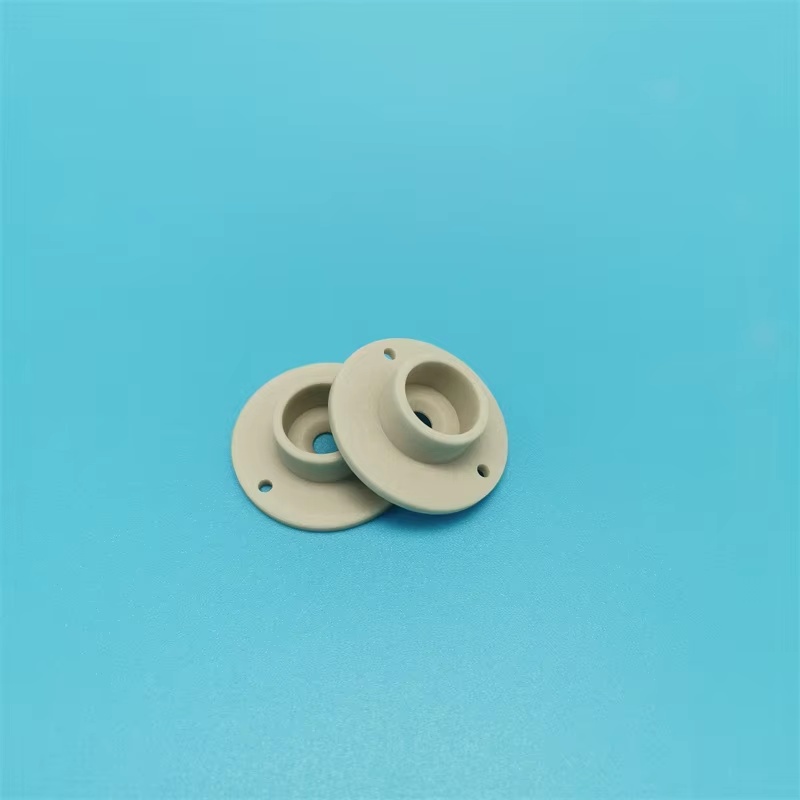
Aluminum Nitride (AlN), also known as aluminium nitride ceramic or AlN ceramic, is a synthetic, high-performance ceramic material composed of aluminum and nitrogen. It is produced by advanced powder metallurgy techniques such as hot pressing or pressureless sintering, using high-purity AlN powder synthesized from alumina carbothermal reduction or direct nitridation of aluminum.
These engineered ceramics possess a hexagonal wurtzite crystal structure, which enables ultra-high thermal conductivity (over 170 W/(m·K)) while maintaining excellent electrical insulation. During manufacturing, the powder is compacted and sintered at temperatures above 1800 °C in a controlled nitrogen atmosphere, forming a dense, near-pore-freebody. The material is globally manufactured in leading industrial nations including Japan, China, the United States, and Germany, primarily serving power electronics, LED packaging, and semiconductor industries.
Based on processing methods, aluminum nitride (AlN) is mainly divided into two categories: pressureless sintered AlN and hot-pressed AlN.Pressureless sintered AlN is shaped and sintered at above 1800 °C in nitrogen, suitable for large-scale substrate producion. Hot-pressed AlN uses uniaxial pressure to achieve near‑full density and thermal conductivity > 200 W/(m·K), ideal for high‑power electronics.High‑end electronic‑grade AlN undergoes strict impurity control, complying with RoHS, REACH, and IPC/MIL standards. Featuring high thermal conductivity, electrical insulation, and CTE matching silicon, AlN is a key material for power modules, LED packaging, and RF devices, with rapidly expanding applications.
Aluminum nitride (AlN) physical properties derive from its hexagonal wurtzite crystal structure, with high density and low porosity as its core features.
It has a porosity of less than 2% and a theoretical density of 3.26 g/cm³, delivering ultra‑high thermal conductivity (> 170 W/(m·K)) and excellent electrical insulation. Its rigid covalent bond structure maintains good stability under thermal cycling, with outstanding wear resistance and dimensional stability.
The only physical limitations are inherent brittleness and relatively high processing cost caused by hardness, which can be effectively improved by composite reinforcement or advanced machining techniques.
The main chemical component of high‑quality aluminum nitride (AlN) ceramic is AlN (content ≥ 99%), with trace impurities of oxygen, carbon and metallic elements (Fe, Ca, Si).
It features excellent chemical stability, resisting corrosion from most acids (except hydrofluoric acid) and organic solvents. Meanwhile, it is non‑toxic and environmentally friendly, which guarantees safe application in electronics, semiconductor and medical device fields.
Aluminum nitride (AlN) has outstanding thermal performance with a high melting point of ~2200 ℃. It possesses excellent thermal stability and ultra‑high thermal conductivity (≥ 170 W/(m·K)), making it an efficient and reliable heat dissipation and thermal management material for power electronics, LED packaging and semiconductor scenarios.
The ultra‑high thermal conductivity and excellent electrical insulation are the core competitive advantages of aluminum nitride (AlN). Different from conventional ceramic materials like alumina, it achieves efficient heat dissipation and reliable electrical isolation.
It can effectively transfer heat from power modules and LED chips while maintaining stable dielectric properties, with comprehensive thermal management performance far superior to traditional ceramic substrates.
3.2Safe and Non-toxic with Stable Chemical Properties
Benefiting from stable chemical inertness and non-toxic properties, aluminum nitride (AlN) is extremely safe for electronics manufacturing and semiconductor processing. It requires no additional protective measures during normal handling and will not cause contamination to processed components, meeting strict industrial safety requirements.
3.4 Economical and Environmentally Friendly
As a synthetic high-performance ceramic, aluminum nitride (AlN) has moderate production costs relative to its superior thermal performance, serving as a cost-effective solution for advanced electronics.
It is fully recyclable in industrial waste recovery systems. Its application in power modules and LED lighting reduces energy consumption and device failure rates, perfectly fitting the requirements of sustainable green development.
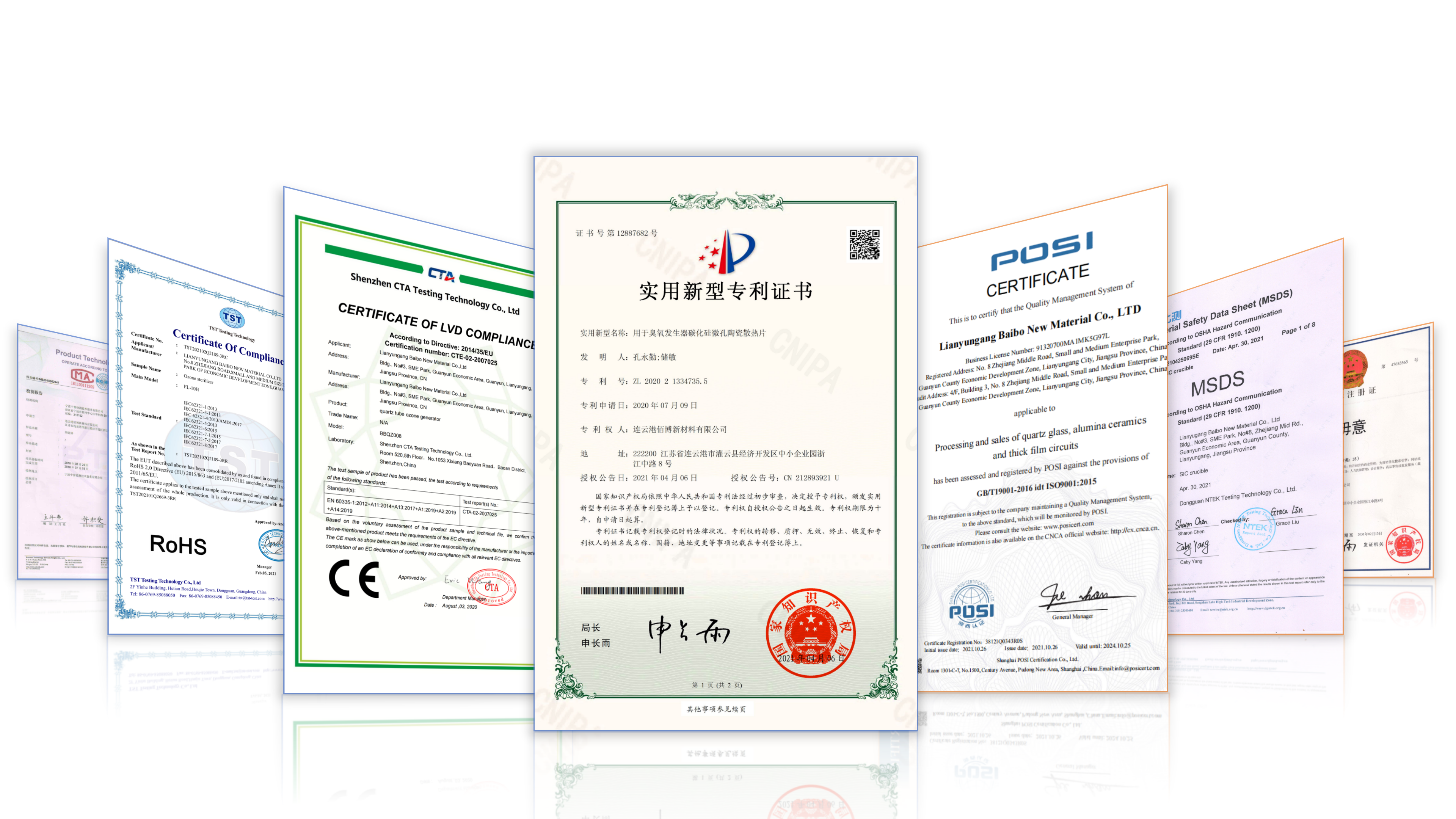
Package
We adopt scientific and standardized packaging solutions tailored to product characteristics to effectively prevent collision, extrusion, dust and moisture damage. With mature global transportation system and strict shipment inspection procedures, we ensure all products remain intact and stable during long-distance delivery, providing customers with safe, efficient and reliable one-stop logistics service.
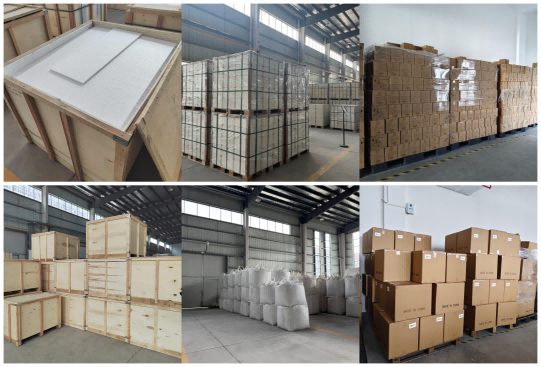
Services
FAQ
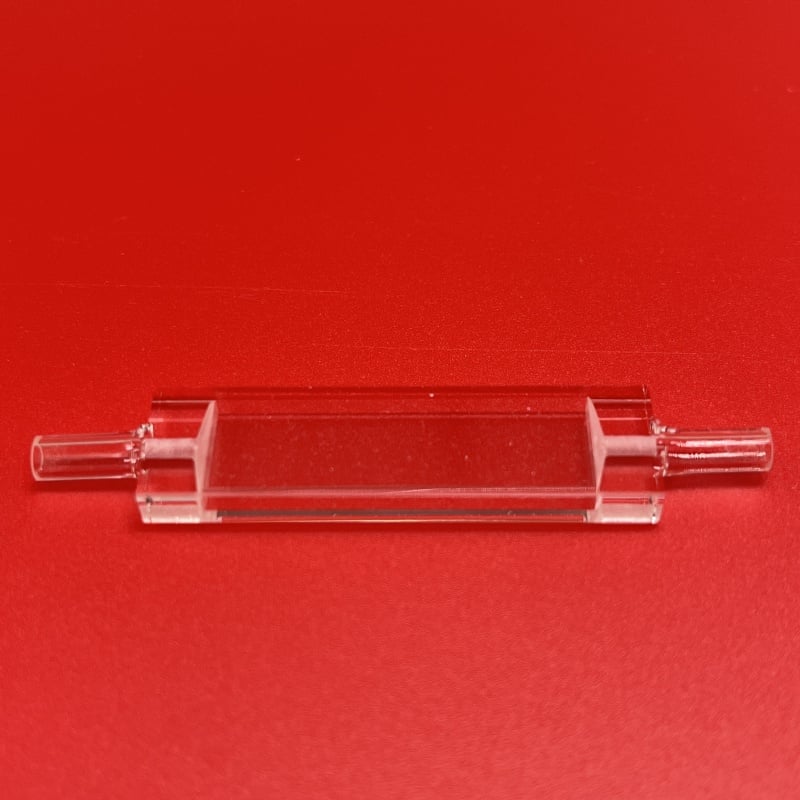
quartz glass flow cell 4 windows polish single channel for environmental monitoring
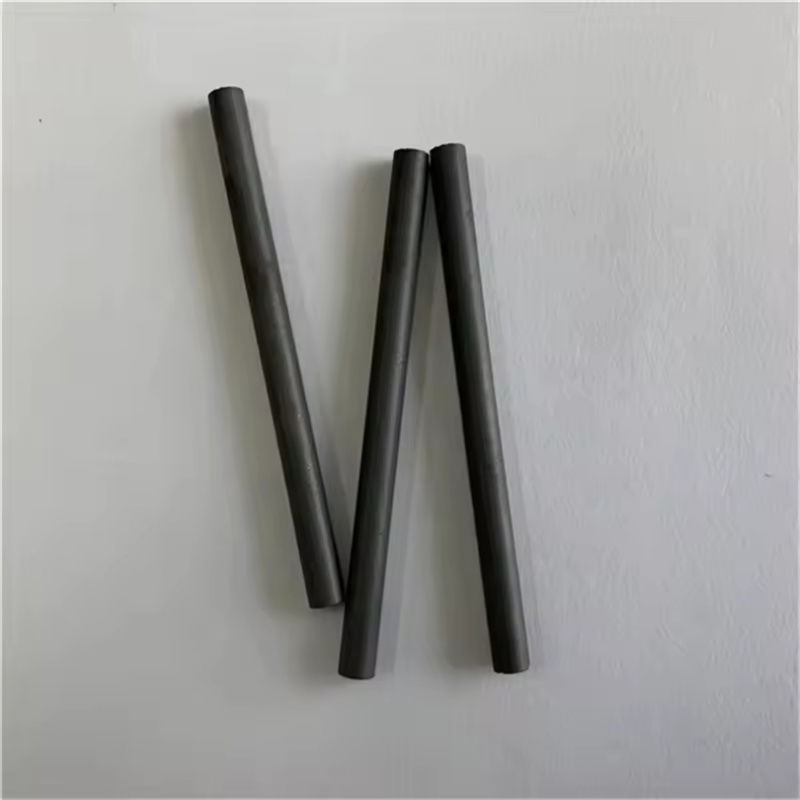
Sizings Customized Silicon Carbide Ceramic Shaft SiC ceramics Rods
Heat resistance customize clear quartz Petri dish
Round Shape Heat Resistant Custom Size Clear Quartz Glass Rod


 EN
EN