 EN


How porous aroma ceramic controls fragrance volatilization rate precisely
A porous ceramic aroma component is not simply a scented solid. It is a small transport system: fragrance moves from an internal liquid reserve through connected pores, reaches the exposed surface, and then enters the surrounding air as vapor. That sequence explains why two parts with a similar shape can release fragrance at noticeably different rates. From an application-engineering viewpoint, the useful question is not whether a porous ceramic can hold oil, but which features of the porous ceramic make its fragrance output steadier for a specified formulation and use environment.
A ceramic aroma diffuser may look simple, yet its output depends on material microstructure, part geometry, fragrance viscosity, airflow, and temperature. Treating any one of those as the sole control can lead to uneven early release, a weak later phase, or an apparent mismatch between samples. The more practical approach is to define the release target first, then select a porous ceramic structure and test conditions that support it.
Why a porous ceramic releases fragrance in stages
After loading, liquid fragrance wets the internal surface of a porous ceramic. Capillary forces draw liquid through interconnected channels toward regions where evaporation has lowered the liquid level. At the outer surface, volatile ingredients pass into the air. In simplified terms, the component has two coupled jobs: replenish the surface from inside and let vapor leave the surface. A balance between those jobs is more useful than a material described only as “highly porous.”
Smaller connected pores can raise capillary pressure, which can help feed liquid toward an evaporating surface. However, smaller pores can also add resistance to liquid movement. Larger channels may replenish liquid more readily, but they may produce a faster initial release or less uniform wetting if the network is poorly controlled. So pore size has meaning only alongside pore volume, connectivity, tortuosity, and the fragrance formulation.
Here, “precisely” should mean repeatable control within an agreed test window, not a universal scent-output promise. A porous ceramic that performs consistently with one oil blend, room temperature, and exposed area can behave differently after the base liquid, colorant, humidity, or air movement changes.
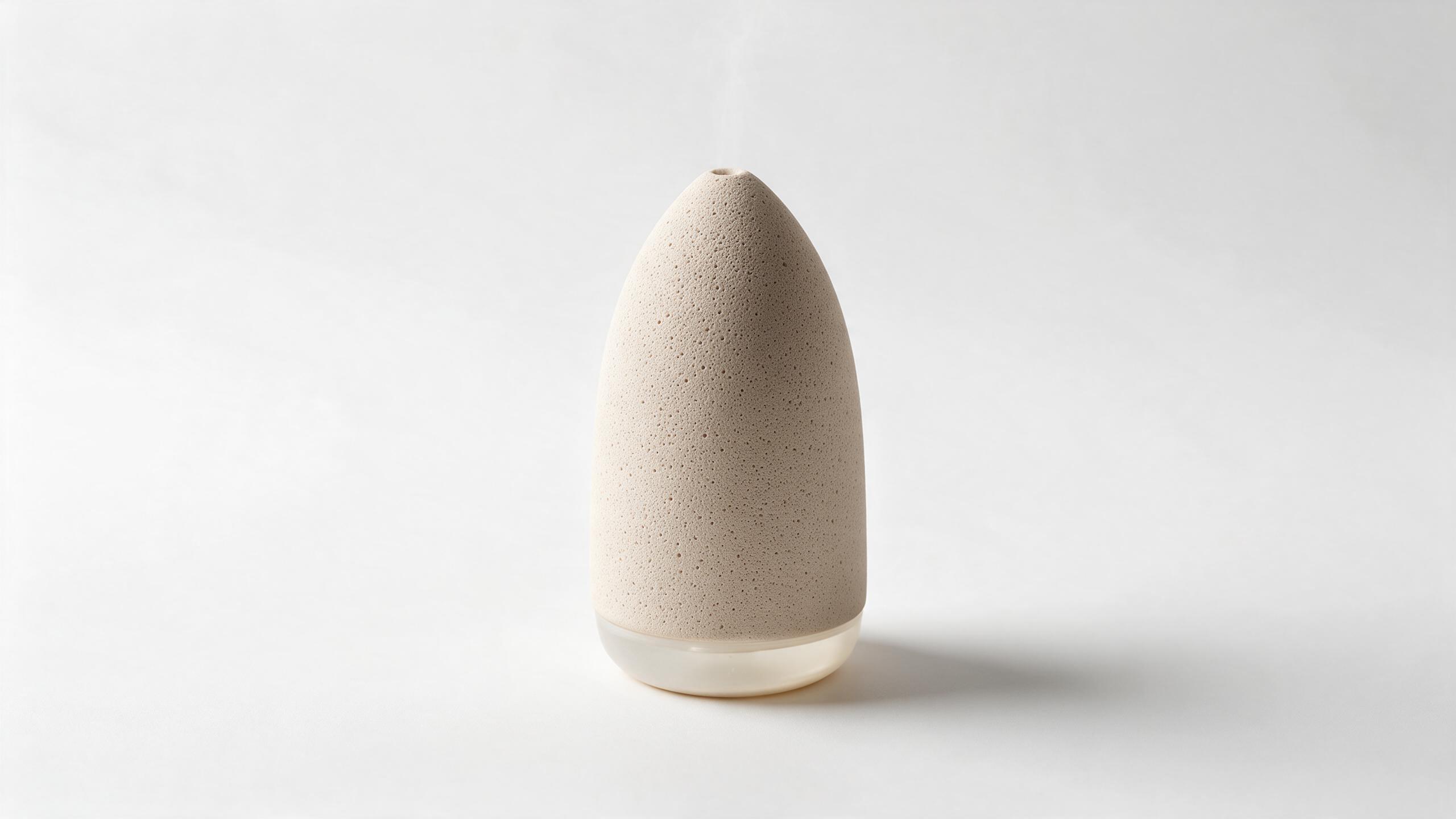
The five controls that shape volatilization rate
1. Pore size distribution
A single average pore size does not describe a porous ceramic fully. A narrow distribution can make liquid uptake and replenishment more predictable, while a broad distribution may create fast and slow transport paths in the same part. For a fragrance component, specify the intended pore-size range and the method used to verify it. This gives a ceramic atomizer core developer a more actionable basis for comparing samples than appearance alone.
2. Open porosity and connected pathways
Open, connected pores allow fragrance to travel from the loaded region to the release surface. Closed pores may add volume but do not contribute to that route. The useful porosity level is therefore tied to continuity, not just a percentage value. In a porous ceramic core, too little connected volume can limit replenishment; too much open structure can make the component mechanically delicate or make an initial wet-out too rapid. The appropriate range should be validated with the actual fragrance system.
3. Surface area and part geometry
Evaporation occurs at surfaces exposed to air. Increasing the exposed area of a porous ceramic can raise the available evaporation area, but it also changes how quickly the reservoir is consumed. Thickness, wall shape, grooves, and the length of the transport path all matter. A compact disc, a hanging pendant, and a wick-like insert can use the same material while producing different release profiles because their geometry changes both airflow contact and liquid travel distance.
4. Fragrance formulation and wetting behavior
Viscosity, surface tension, and the volatility of individual fragrance ingredients influence how the liquid enters and moves through a porous ceramic. A blend that wets one composition readily may move slowly in another. The base liquid can matter as much as the scent concentrate. Rather than assuming material compatibility from a visual soak test, compare uptake, mass loss over time, surface wetness, and odor perception under the same loading protocol.
5. Ambient temperature and airflow
Warmer conditions generally raise vapor pressure and can accelerate evaporation. Air movement removes vapor near the surface and can increase the driving force for additional release. A ceramic heating core adds another control because heat can affect both liquid transport and vaporization. It should be evaluated with temperature limits, formulation stability, and the actual housing design in mind. A bench test in still air is not a substitute for a test in the intended device or room environment.
Turn a fragrance-release target into a specification
For a ceramic aroma diffuser project, begin with a measurable target such as mass loss per day or retained fragrance after a defined period. Then document the test conditions: starting loading mass, exposed area, orientation, air velocity, temperature range, humidity, and sampling interval. This shifts the discussion from vague requests for “slow release” to a comparison that a porous ceramic supplier and product team can repeat.
- Define the application: passive diffuser, refill insert, heated component, or atomization-related part.
- State the liquid: fragrance composition, base liquid, viscosity range, and whether colorants or additives are present.
- Set the component geometry: dimensions, exposed faces, loading area, and contact region with the container or holder.
- Describe the pore requirement: target pore range, open porosity, permeability direction if relevant, and acceptance method.
- Agree on the release test: loading method, weighing schedule, environmental window, and pass/fail tolerance.
For example, a development team evaluating a porous ceramic core might find that a sample absorbs liquid quickly but loses mass too rapidly in a ventilated setting. The first corrective step is not automatically to reduce porosity. It may be more useful to compare exposed area, formulation wetting, pore-size distribution, and whether the part is receiving more airflow than the intended product. That troubleshooting sequence keeps the material discussion tied to the whole system.
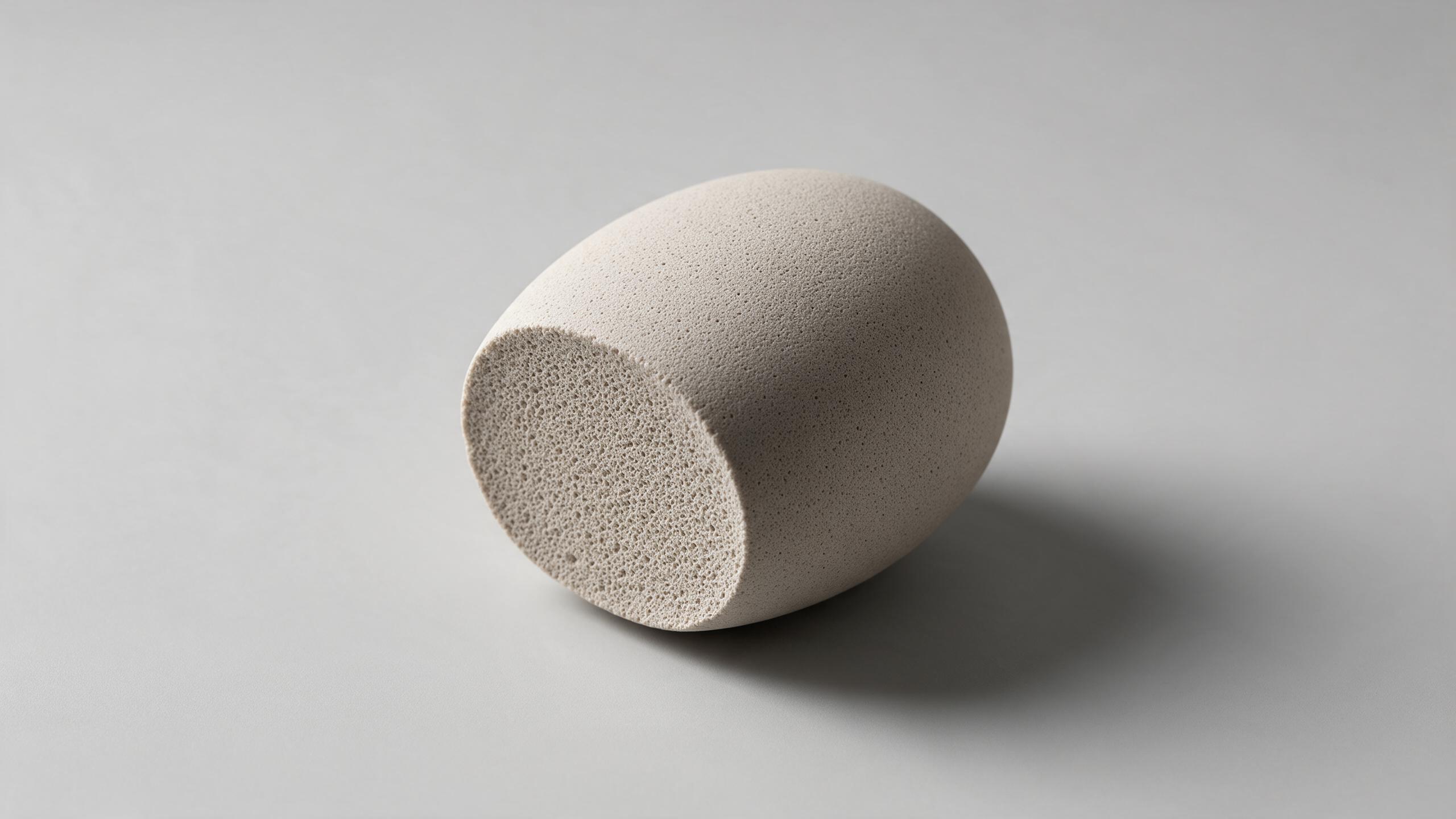
Common mistakes when judging porous ceramic fragrance parts
One mistake is to evaluate a porous ceramic with water and assume the same behavior with fragrance oil. Water can be a useful process check, but it does not represent every oil-based or solvent-containing formulation. Another is to compare components by pickup mass alone. High pickup does not automatically mean a suitable release curve. The relevant outcome is how the loaded liquid is retained, replenished, and volatilized under defined conditions.
It is also easy to call a release change a material defect before checking the environment. A ceramic atomizer core exposed to a fan, a warm window, or an enclosed holder may show a different profile without any change in the ceramic itself. Look at material, geometry, liquid, and use conditions together.
Practical conclusion
A porous ceramic controls fragrance volatilization by linking capillary replenishment with surface evaporation. Pore size and connectivity influence liquid movement; open structure and geometry affect exposed surface; formulation, airflow, and temperature set the operating conditions. For a ceramic aroma diffuser, the reliable route is to define a target release window, specify the pore and geometry variables that can be checked, and test the assembled system with the actual fragrance. That is how a ceramic part becomes a controllable fragrance-release component rather than an uncertain absorbent insert.

