 EN


What benefits does ceramic aroma stick bring to car fragrance systems
A car diffuser is a small system with a demanding job: it must hold fragrance liquid, release it at a sensible pace, fit a compact housing, and remain presentable through changing cabin conditions. A porous ceramic aroma stick is useful because its internal pore network can hold liquid and present it gradually at the surface. For a buyer developing a passive car fragrance format, the value is not just that the part is ceramic. It is that a porous ceramic can be specified as a controlled liquid-handling component.
That distinction matters when comparing a ceramic aroma diffuser with a cotton or synthetic ceramic wick. The right choice depends on the fragrance formula, rod dimensions, exposed area, reservoir design, vehicle temperature range, and the release profile the brand wants to test. A supplier discussion is more productive when those conditions are clear at the start.
How a porous ceramic aroma stick works
A porous ceramic body contains void space created during material processing. Where pores are connected, fragrance liquid can move into the structure by capillary action and remain distributed through the body. The exposed surface is then the boundary from which volatile components can evaporate. In a car fragrance system, this creates a passive route from the liquid reservoir to the cabin air without a pump or electrical heater.
The material alone does not set the result. A porous ceramic with a different pore-size distribution, density, or geometry may take up liquid differently. The same applies to a porous ceramic rod with a larger exposed surface or a longer path between the reservoir and air. Formula viscosity and the volatility of its ingredients also change the observed scent curve. For that reason, a prototype should be evaluated as an assembly rather than as an isolated stick.
For a broader explanation of how pore size relates to fragrance release, see our guide to porous ceramic aroma diffusers and fragrance release. It is a useful starting point before a buyer sets acceptance criteria for a new car format.
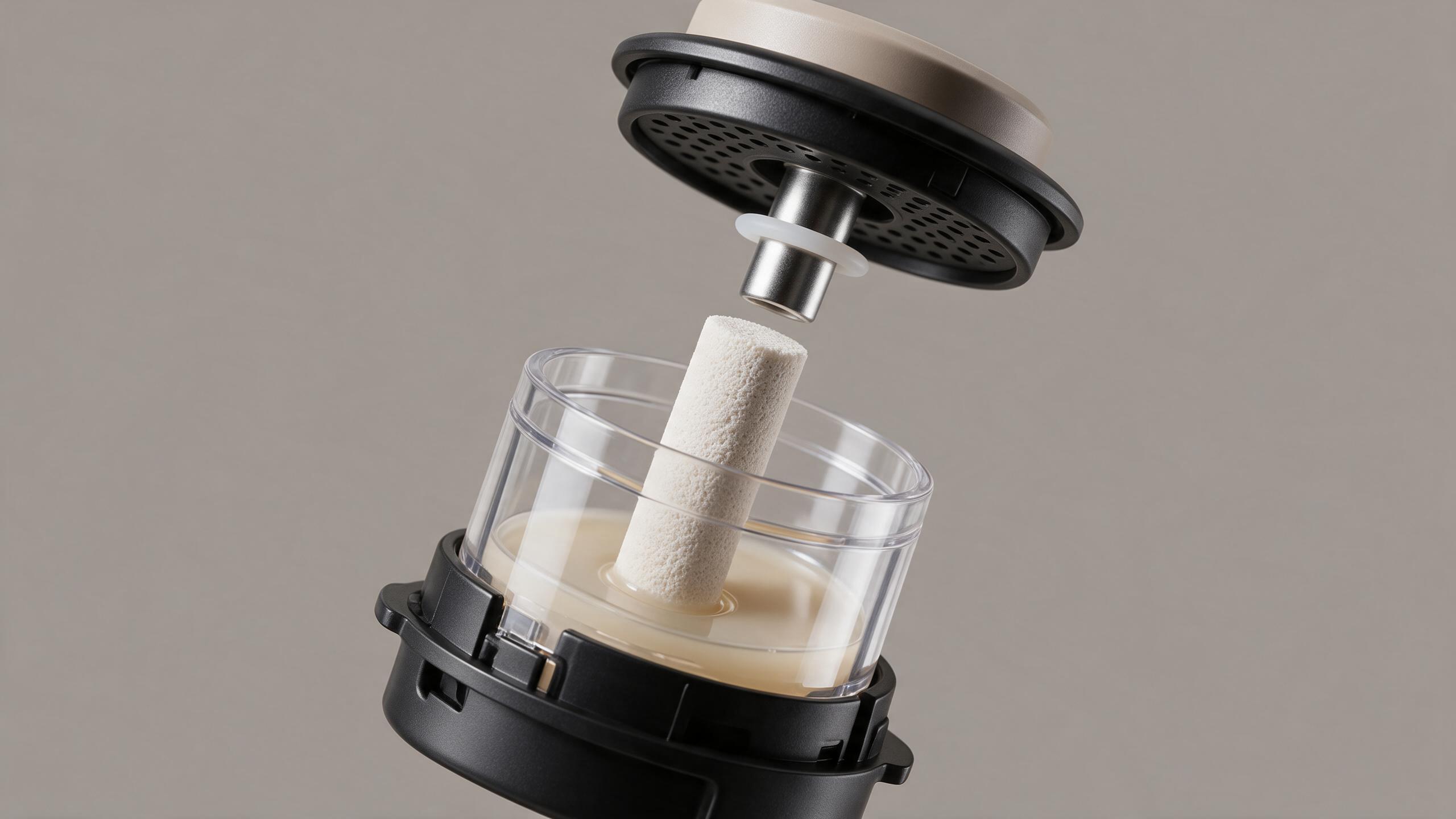
Benefits a porous ceramic component can bring to car fragrance
1. Passive fragrance delivery
A porous ceramic can support passive fragrance delivery after it is paired with a suitable reservoir or pre-loaded format. This can simplify designs intended to avoid batteries, wiring, or powered heat. It does not remove the need for formula testing; instead, the porous ceramic part gives the system a material-based route for absorbing and presenting the liquid.
2. A tunable release surface
Because a porous ceramic is defined by its pore structure and shape, it offers several levers for development. Buyers can discuss diameter, length, exposed area, insertion depth, and desired pore behavior with the part supplier. These variables give a ceramic aroma diffuser program a clearer experimental path than choosing by appearance alone. Small geometry changes may affect how much surface contacts air, while the liquid and housing determine whether that change is useful.
3. Design flexibility for compact housings
Car fragrance devices often have limited space at a vent clip, dashboard position, hanging bottle, or small refillable case. A porous ceramic rod can be made as a simple cylindrical component, but it can also be discussed in relation to holes, shoulders, grooves, or a mating feature that matches the reservoir. The practical benefit is integration: the aroma element can be designed around the mechanical assembly instead of being treated as a loose decorative insert.
4. A stable-looking, non-fibrous scent element
In a visible consumer product, the aroma component contributes to the perceived finish. A ceramic wick has a different visual and tactile character from loose fibers. A porous ceramic may suit a design that needs a solid, clean-looking element; however, surface finish, color, fragility, and handling requirements should be reviewed alongside the fragrance function. This remains a design consideration, not a claim that one material is right for every formula.
5. A useful platform for repeatable testing
A porous ceramic component lets a development team build a repeatable test matrix. Keep the same bottle, fill mass, and housing while changing one variable at a time: formula, stick geometry, exposed length, or storage orientation. Track liquid mass change, perceived intensity under defined conditions, seepage, and changes after hot and cold exposure. This approach helps separate a material question from a formula question.
What to specify before ordering a porous ceramic rod
A request for “a ceramic aroma stick” is usually too broad for a meaningful quotation or sample plan. Give the supplier enough detail to link the porous ceramic part to the actual diffuser design:
- Dimensions and tolerance: diameter, length, insertion depth, and the mating feature inside the housing.
- Fragrance liquid information: whether a sample formula, viscosity range, base-liquid type, or compatibility restrictions can be shared for evaluation.
- Target use: vent clip, hanging diffuser, refillable bottle, or another car-fragrance format.
- Exposure conditions: expected storage orientation, transport handling, sunlight, and temperature swings that the finished unit may see.
- Acceptance tests: liquid uptake, fit, appearance, breakage screening, leakage observations, and a defined evaluation period.
This specification-first approach is especially important for a ceramic aroma diffuser rod because a promising laboratory uptake result does not automatically predict the same release behavior in a closed car cabin. The formula, cap design, air movement, and real handling all affect the outcome.
Porous ceramic versus a conventional wick: frame the choice correctly
A conventional wick can be appropriate where the liquid system, cost target, and assembly process are already proven. A porous ceramic becomes compelling when the development brief values a solid aroma element, a controllable geometry, and a material that can be evaluated through pore structure and fit. For this reason, porous ceramic samples should be compared in the final assembly rather than judged only by dry appearance. Neither option should be selected from a generic performance statement.
Ask the same questions of both solutions: Does it fit the formula? Does it deliver the intended sensory experience over the planned test window? Does it remain secure in the housing? Can the part be assembled consistently? The answers turn “ceramic wick” from a search term into an engineering decision.
A practical next step for buyers
Start with a sample plan that pairs two or three porous ceramic options with the intended fragrance liquid and final-style housing. Record the dimensions, exposed length, fill weight, temperature conditions, and observations for each unit. Comparing those controlled samples will show whether the porous ceramic structure is helping the system meet its desired fragrance-delivery and design goals. A porous ceramic trial should therefore document both liquid movement and physical fit.
For custom discussions, provide drawings, target dimensions, formula-handling constraints, and the test conditions that matter to your car fragrance program. That gives a manufacturer a factual basis for discussing a porous ceramic aroma component rather than making unsupported assumptions about performance.

