 EN


How silicon carbide ring fits harsh abrasive working environments
A silicon carbide ring is often considered when a pump, mixer, agitator, or slurry-handling assembly must keep a sealing contact zone stable while solids are moving through the system. The material choice matters, but it is not the whole answer. As an application-engineering question, a silicon carbide ring should be assessed together with the abrasive medium, pressure, temperature changes, mating face, lubrication or flush plan, and the way the ring is mounted.
That broader view is important in harsh service. A hard ceramic face can resist abrasive contact better than many softer materials, yet a ceramic component can still be damaged by poor handling, distorted hardware, dry running, or an unsuitable face pair. The practical aim is to match the ring, its geometry, and the operating conditions rather than to treat a material name as a complete specification.
Why abrasive duty changes the job of a silicon carbide ring
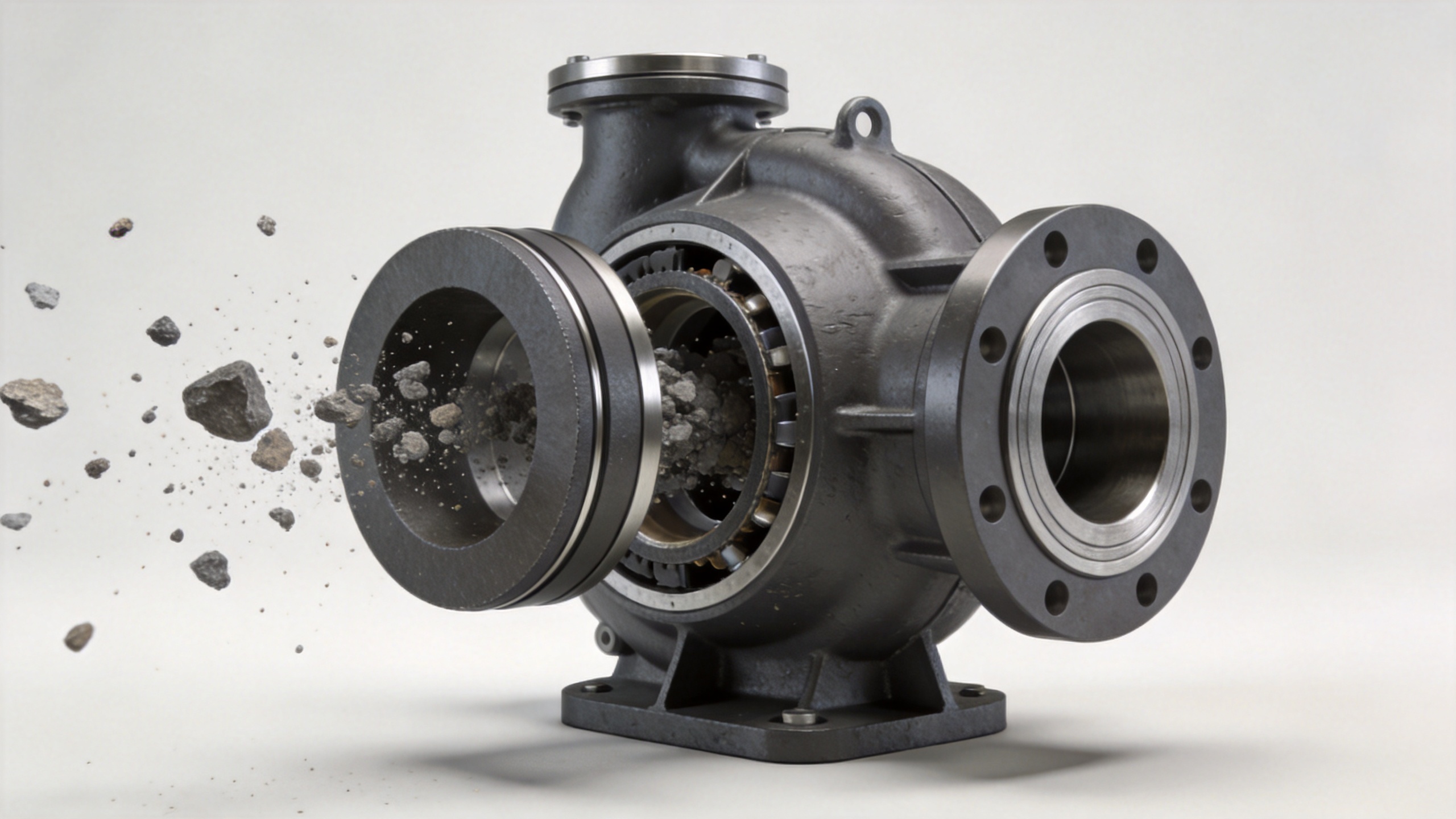
In a mechanical seal, two precision faces run close together while a very thin fluid film supports the contact zone. In a slurry or contaminated liquid, particles may enter or approach that contact zone. Their size, hardness, concentration, and velocity affect how quickly the contact condition changes. This material is relevant because its hard structural-ceramic character can support wear and chemical resistance in many demanding duties.
Hardness alone does not decide the result. The selected ring still needs a suitable counterface, stable closing load, and enough heat removal for the actual duty. A clean, compatible flush or barrier system may be just as influential as the ring grade. If the liquid flashes, runs intermittently dry, contains oversized solids, or forms deposits, those conditions need to be addressed at the complete seal arrangement.
What the material can contribute
This ring material can offer a useful combination of hardness, stiffness, chemical resistance, and heat-transfer behavior. These traits explain why silicon carbide sealing faces appear in applications involving abrasive liquids, chemical process fluids, mining slurries, and water systems with solids. Depending on grade and processing route, a silicon carbide ceramic may be reaction-bonded, pressureless sintered, or otherwise engineered for a specific component requirement. Grade selection should be verified against the medium and the design, rather than inferred from the word “SiC.”
The same material family may also appear as a silicon carbide plate, wear liner, nozzle, or bearing surface. Those forms share material-level traits, but their success depends on different load paths and geometries. A ring used as a sealing face has especially tight requirements for flatness, surface finish, concentricity, and edge condition. This is why a silicon carbide ring drawing should identify the functional face and the dimensions that control assembly.
Fit is more than the inside and outside diameter
A common oversight is to confirm only the nominal inside diameter and outside diameter of a silicon carbide ring. A more reliable review also includes face width, thickness, counterbore or drive features, corner treatment, allowable runout, mounting clearance, and the location of any secondary seal. A ceramic ring can be hard but still sensitive to point loading. Uneven clamping, a burr on a metal seat, or a forcing fit can concentrate stress at an edge.
For that reason, installation practice should protect the finished face. Keep the mating hardware clean, inspect seats and shoulders, follow the assembly clearance specified by the seal design, and avoid using the lapped surface as a handling point. If a silicon carbide ring arrives with a chip, scratch, or uncertain identification, pause the installation and compare it with the drawing or inspection requirement. Reworking a lapped face in the field can change the geometry that the seal depends on.
Check the abrasive environment before selecting a silicon carbide ring
Ask what the solids are, not just whether the liquid is described as abrasive. Mineral type, particle-size distribution, concentration, density, velocity, and whether the solids settle during stops can each change the duty. A silicon carbide ring may be suitable for one slurry and unsuitable as a drop-in choice for another because the seal arrangement, face pair, or flushing method changes.
- Medium: Identify the liquid chemistry, solids, pH range, and any cleaning chemicals.
- Operating window: Record pressure, temperature, speed, start-stop frequency, and upset conditions.
- Face pair: Confirm the mating-ring material and whether the combination suits lubrication and heat conditions.
- Flush or barrier plan: State fluid cleanliness, pressure relationship, flow method, and maintenance checks.
- Assembly: Provide shaft or sleeve dimensions, housing details, drawing tolerances, and the method used to retain the ring.
This checklist turns a broad request for a silicon carbide ring into information that can be reviewed. It also makes it easier to separate a material issue from an installation or process issue.
Where a silicon carbide ring needs caution
Silicon carbide is a ceramic, so it should not be treated like a ductile metal ring. Impact during handling, severe misalignment, trapped debris, thermal gradients, or an interference condition outside the design can create a failure risk. A silicon carbide ring may retain its wear-resistant surface while another part of the seal arrangement is causing unstable contact. In other words, an early seal problem is not automatically proof that the ring material is wrong.
A useful troubleshooting sequence is to inspect the removed faces, document the process conditions, examine the mating hardware, and review flush quality before changing only the material. Look for localized chipping, uneven tracks, deposits, discoloration, or scoring, then compare those observations with the pressure and temperature history. That sequence supports a more disciplined decision than replacing a sic ring solely on appearance.
Specify the ring for a usable technical review
When requesting a silicon carbide ring, share a dimensional drawing or a measured sample, the SiC grade if known, the mating material, intended medium, pressure and temperature range, shaft speed, and acceptance criteria. Include surface-finish or flatness requirements when they are controlled by the design. For a replacement part, photographs can help identify configuration, but they do not replace measured dimensions or the original seal data.
For custom ceramic parts, separating sample needs from production needs is also helpful. A sample may be used to confirm fit, while a production order may require a defined inspection plan, packaging method, traceability expectations, and agreed dimensional tolerances. Lianyungang Highborn Technology can organize technical discussions around drawings, dimensions, media, and assembly conditions; final suitability should still be confirmed against the actual equipment duty.
Conclusion: match the silicon carbide ring to the complete duty
A silicon carbide ring can be a sound option for abrasive working environments when its wear resistance and thermal behavior align with the seal design. The decision is stronger when the ring grade, lapped face, mating material, solids profile, flush conditions, and mounting details are reviewed together. Start with the operating data and drawing, then use those facts to evaluate a silicon carbide ring for the real service rather than an assumed one.

