Main Component: Amorphous SiO₂, content up to 80%–95%
Porosity: 80%–90% with large specific surface area, strong adsorption capacity
Filtration Accuracy: Precise interception of tiny particles down to 0.3 μm
Melting Point: 1650–1750°C, featuring low thermal conductivity and excellent fire resistance
Key Properties: Chemically inert, acid and alkali resistant, non-toxic and biodegradable
Processing Type: Natural type and 600–1000°C calcined type
Industrial Standard: High-end grade complies with FDA, EU food safety regulations
Core Application: Filtration industry accounts for over 60% of global consumption
Product Details
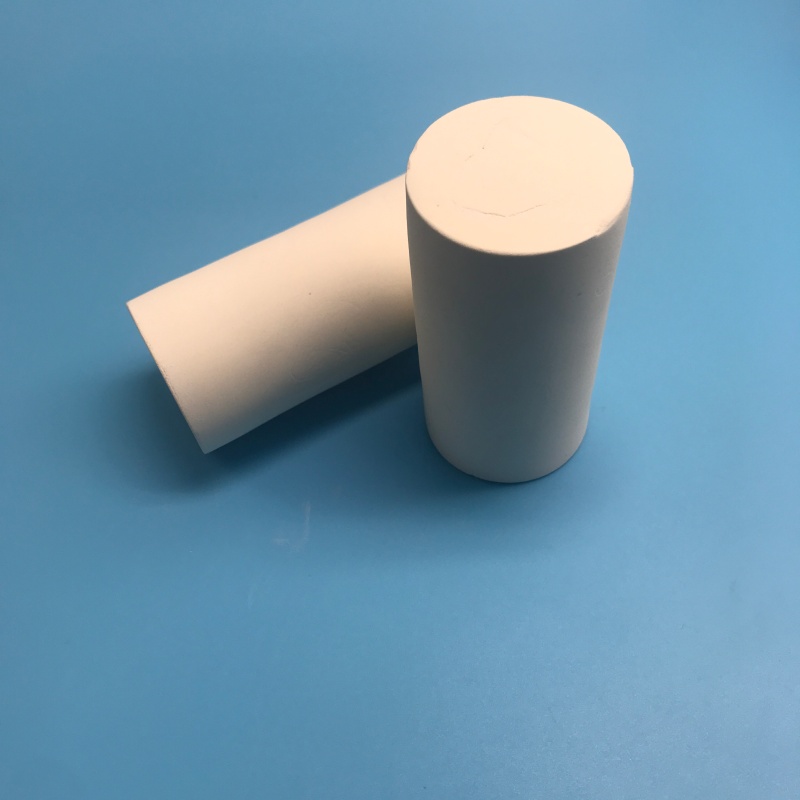
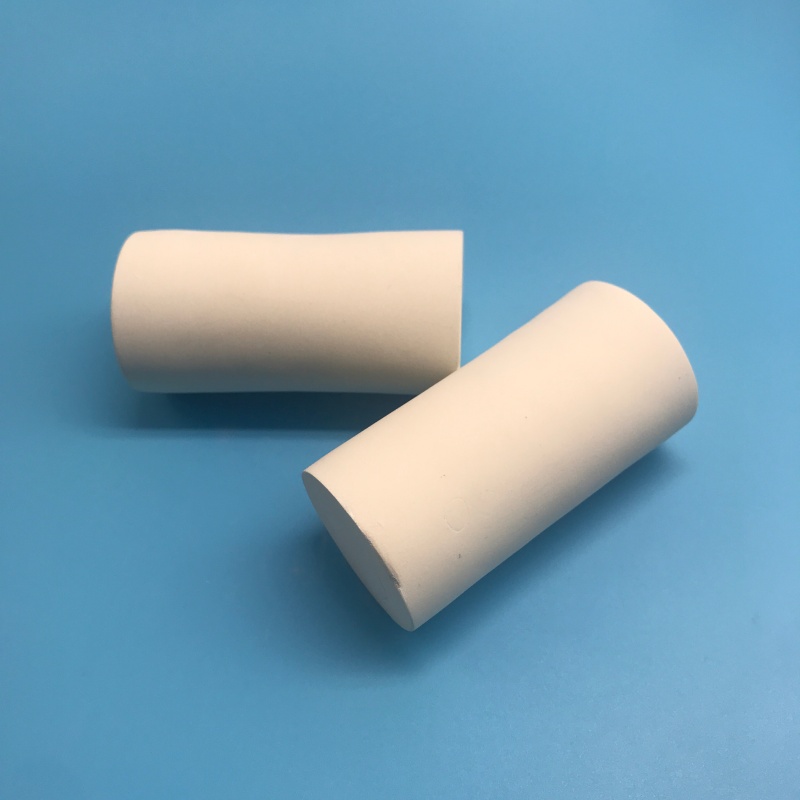
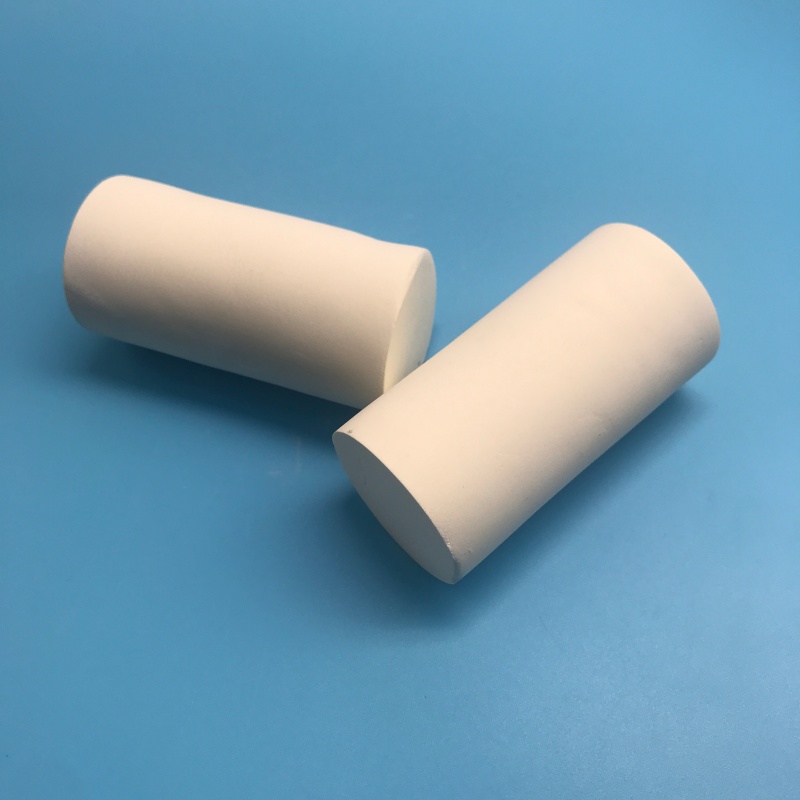
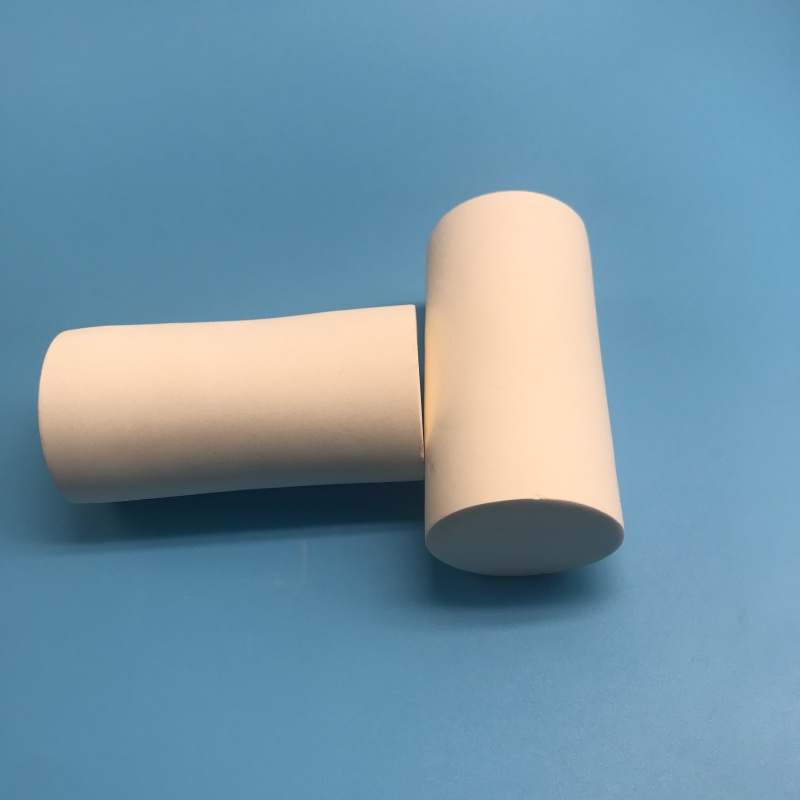
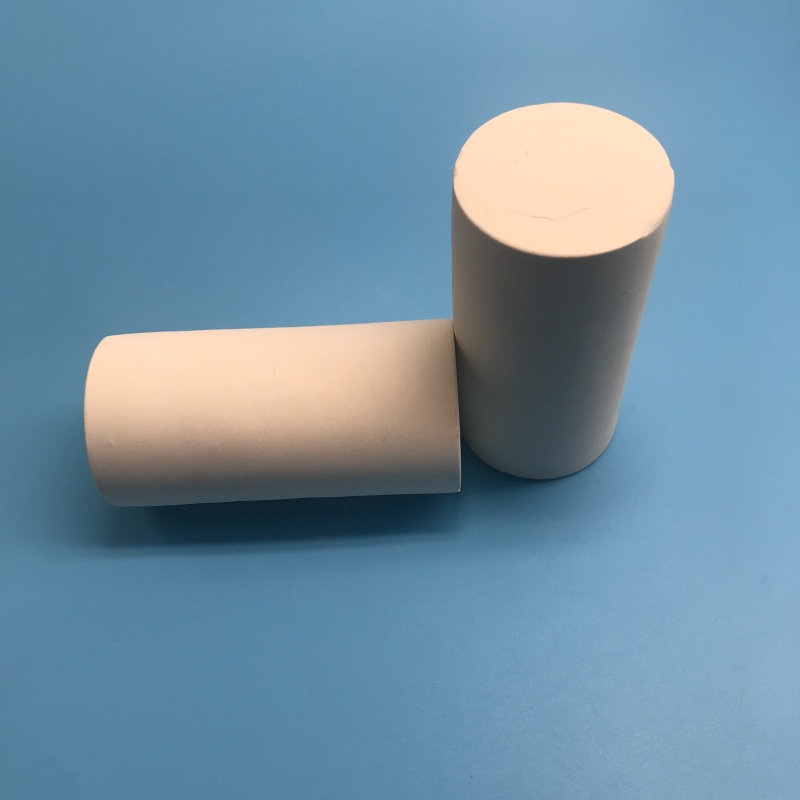
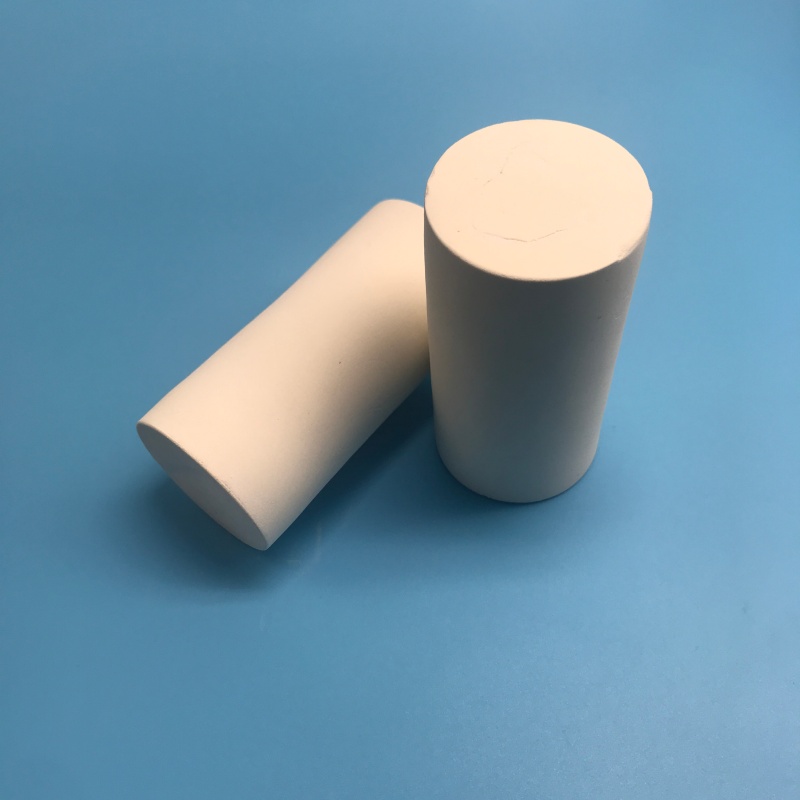
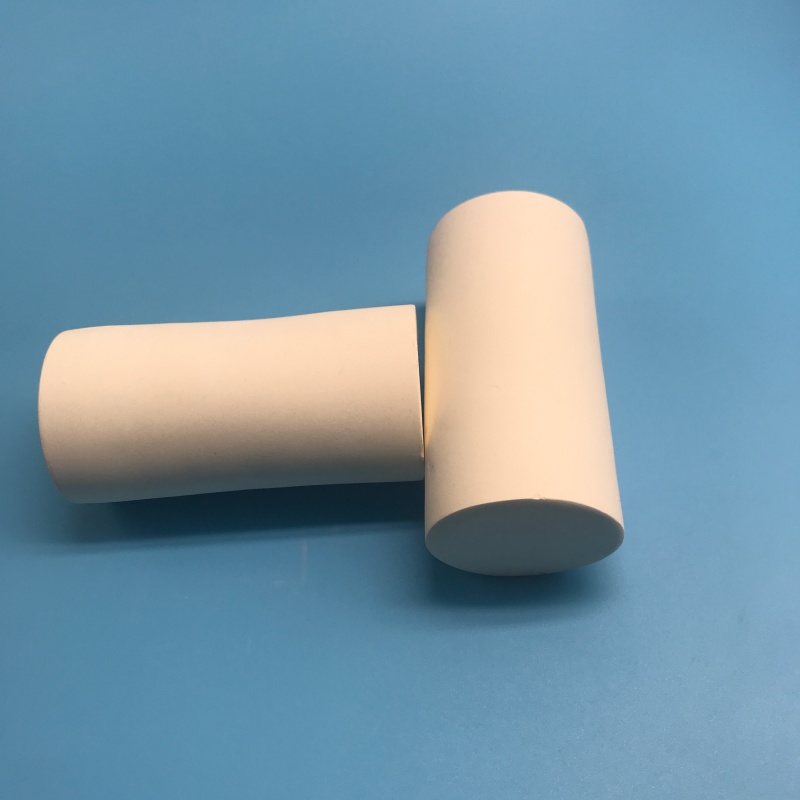
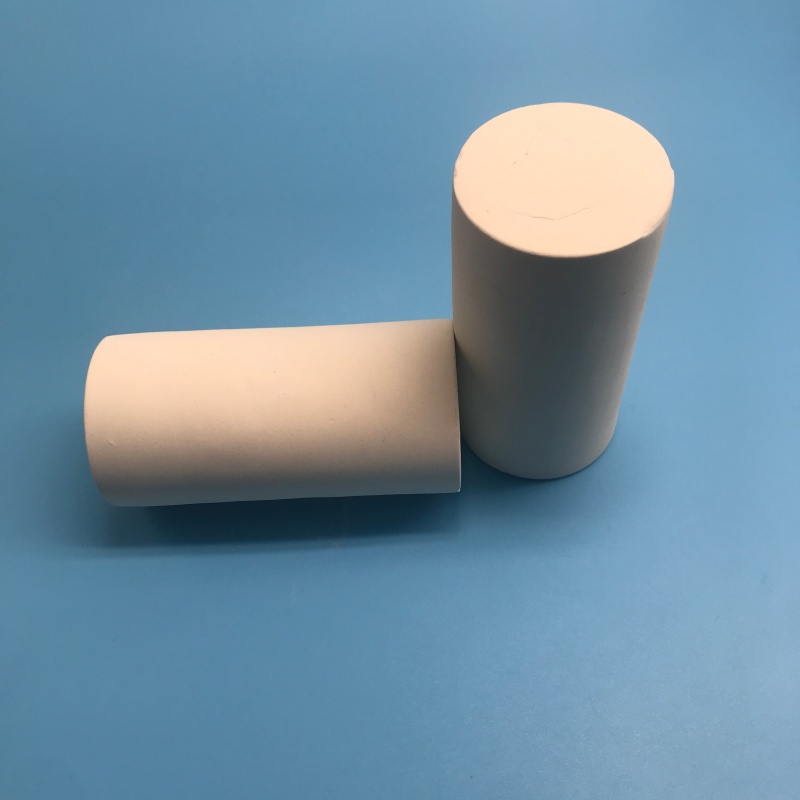
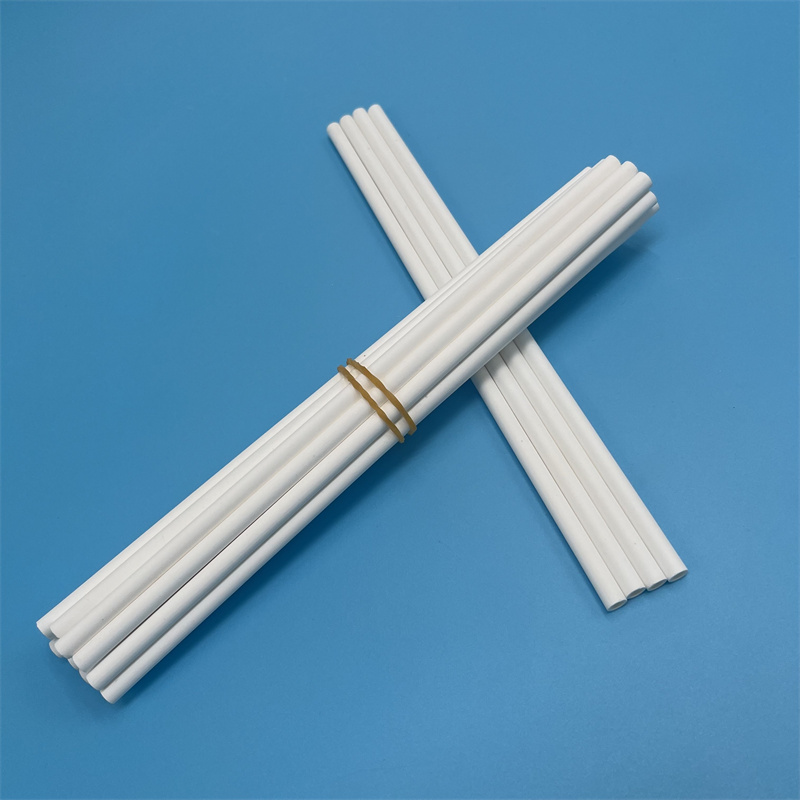
A microporous ceramic stick for essential oil scent diffusion is a porous ceramic component designed for passive fragrance release. It is sintered from carefully formulated ceramic raw materials at controlled high temperature, with no glazing on the surface. The unglazed body leaves a network of interconnected micro-pores open inside the structure, which is the feature that lets the material absorb essential oil and release fragrance slowly into the surrounding air.
Unlike a glazed ceramic part with a sealed surface, the open pore channels of a porous ceramic body pull liquid perfume or essential oil in by capillary action, then diffuse aroma evenly and steadily without any power supply or heating element. It is a carrier used across household essential oil diffuser products, car air fresheners, portable fragrance devices, and decorative scent ornaments.
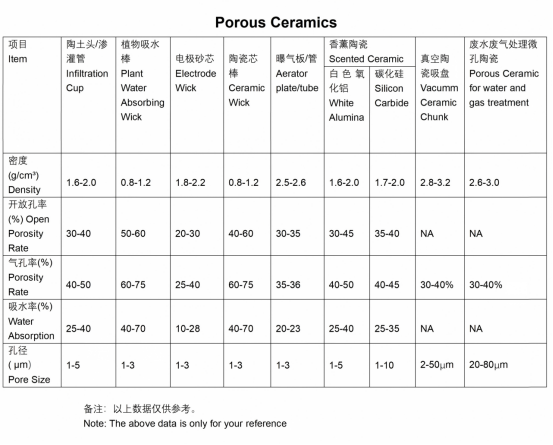
Raw material selection and sintering are controlled to keep pore size and porosity consistent from one finished stick to the next. The formula is tuned to balance absorption speed against fragrance lasting time: pores that are too large pull oil in quickly and let it evaporate in a short burst, while pores that are too small stop the liquid from wetting the ceramic smoothly. The process aims for a balanced micro-pore structure so the aroma releases gently and continuously.
The ceramic body itself is chemically inert. It does not react with most essential oils, alcohol-based perfume solutions, or plant extracts, so it does not alter the original scent of the fragrance liquid. It also holds up well against weathering and long oil contact, without deforming, softening, or swelling over time. This makes the porous ceramic rod a stable carrier compared with absorbent organic materials that can yellow or degrade.
The stick has decent mechanical strength for minor impact during assembly and shipping. The surface is matte and unglazed, which is the natural state of microporous ceramic — no coating or glaze is applied, because a glaze would seal the pores and block absorption. Customers can choose diameters and lengths to match their product design, and custom shapes are available, including round rods, flat strips, and special profiles drawn from technical drawings.
Porosity can also be adjusted to suit a target release rate: a more open pore structure supports faster diffusion for small, enclosed spaces, while a tighter, finer pore structure slows the release for longer-lasting scent. That tuning is what makes the ceramic diffuser stick flexible enough across product categories rather than a one-size part.
In automotive fragrance products, the stick sits inside a vent diffuser and releases a soft scent through the cabin. For home décor, it pairs with a glass bottle as a passive desktop aroma ornament. It also fits small portable scent devices for travel. Compared with cotton wicks and fiber absorbents, a ceramic aroma stick does not turn yellow, support bacteria, or break down after long contact with oil, and it can be cleaned and refilled with a different essential oil once the first scent evaporates.
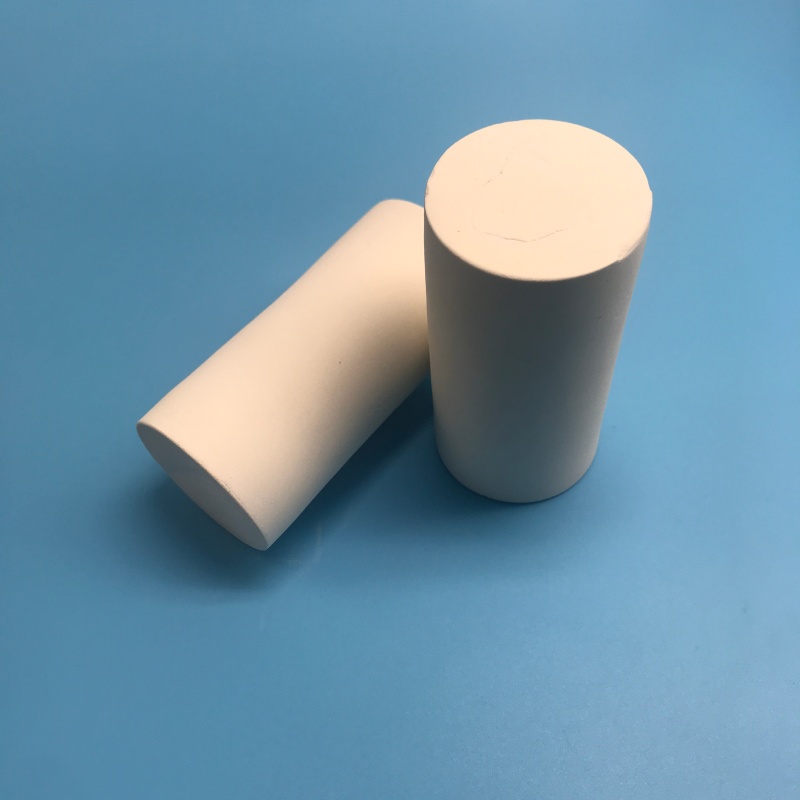
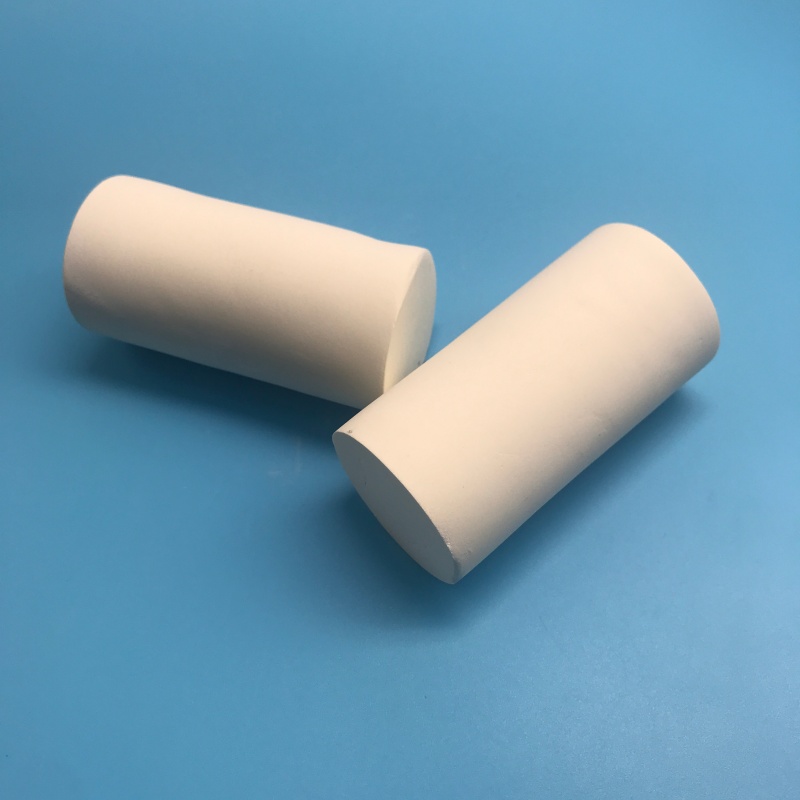
Quality checks run through each stage: incoming powder inspection, sintering temperature monitoring, absorption-rate testing, and dimensional tolerance review per batch. Before shipment, random sampling verifies porosity and absorption performance so samples and bulk production stay consistent. The team supports custom development for new fragrance projects, adjusting the material formula to the target essential oil type and the expected diffusion speed. Whether you need a small trial run for a new product or stable mass production for ongoing market supply, the microporous ceramic stick can be scheduled to match the program.
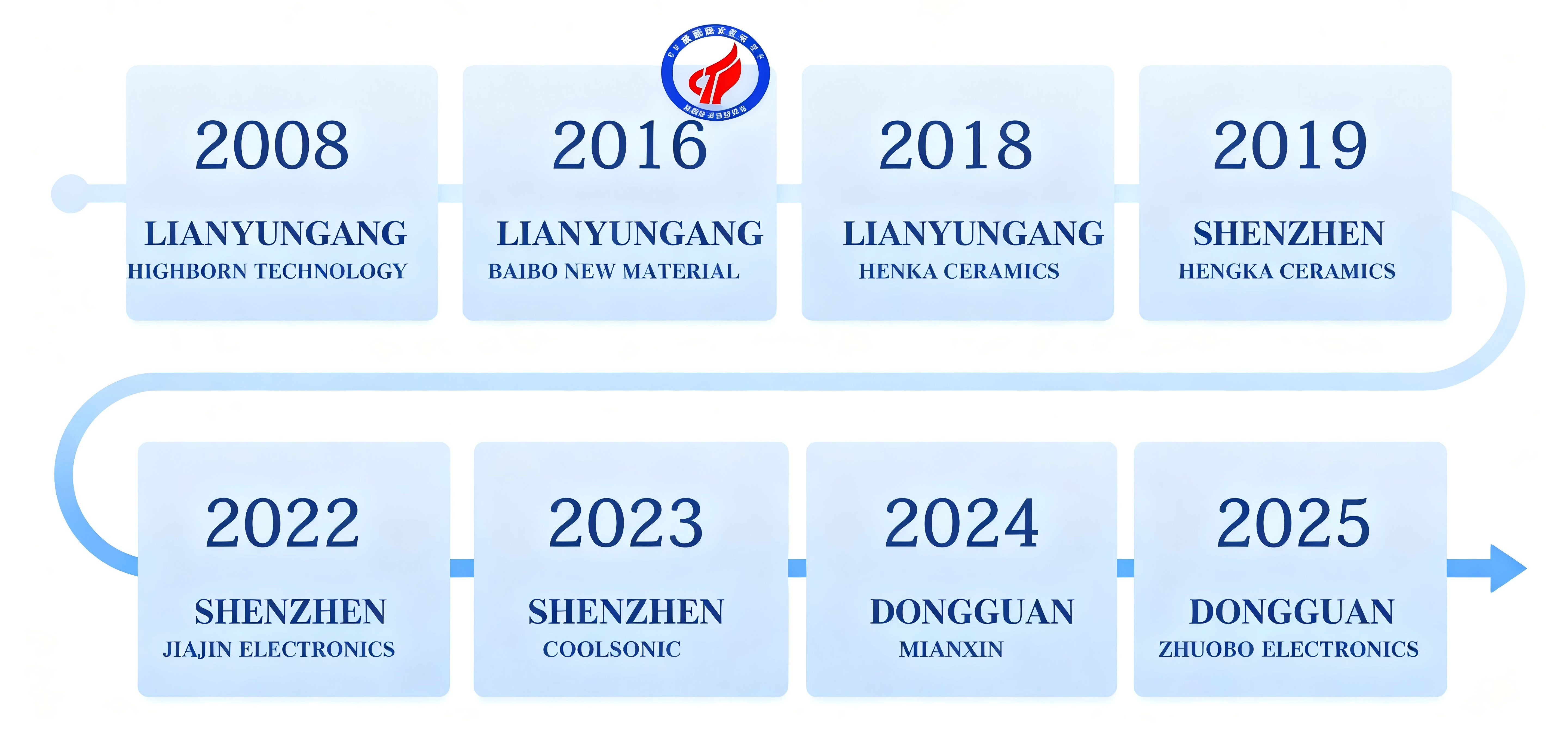
Development History
Patents and Certification
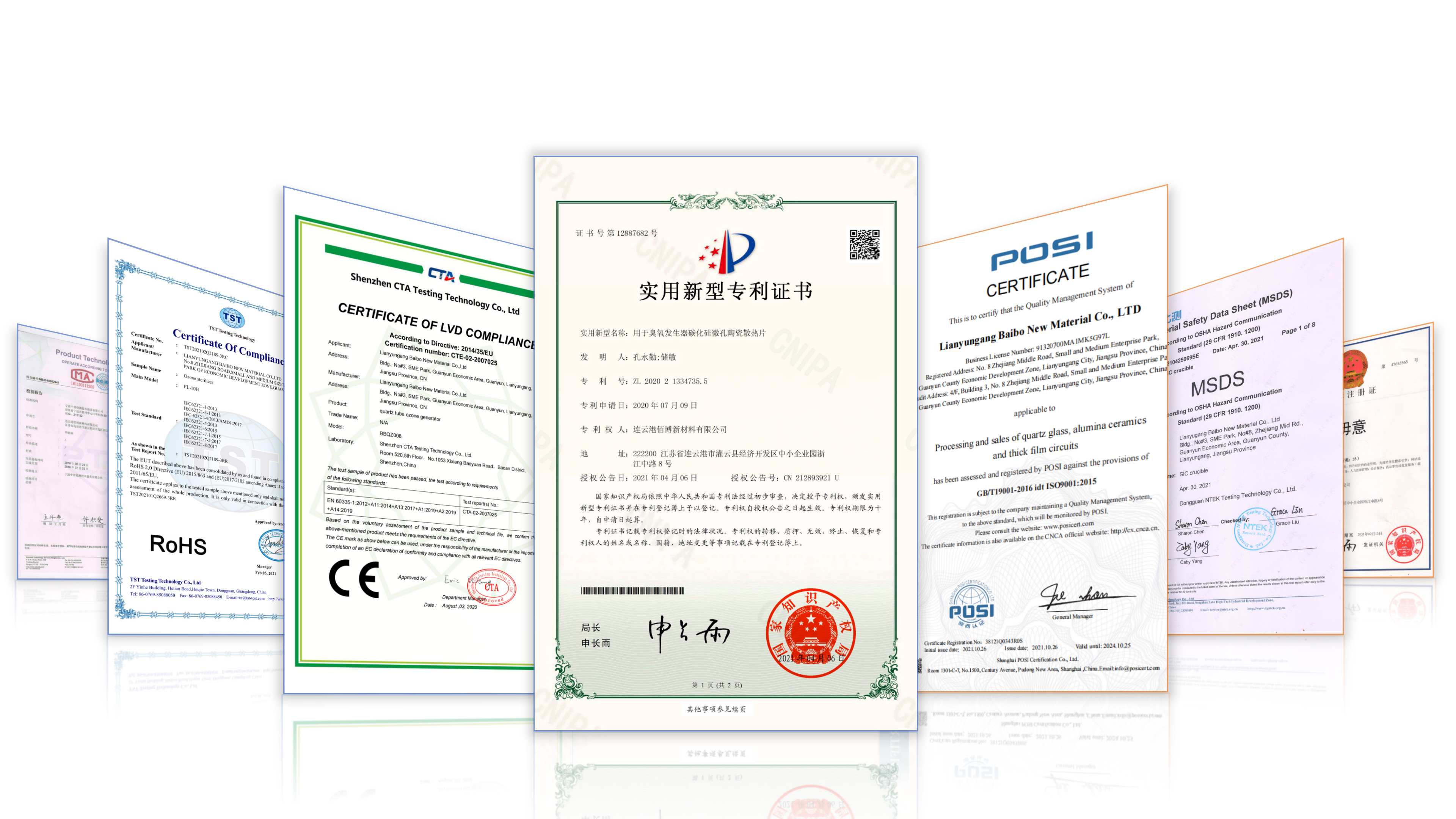
We hold a range of global certifications including IATF16949, CE, EMC, LVD, RoHS, FDA, MSDS, ISO 9001, SGS, and TUV, together with registered trademarks and technical patents supporting in-house R&D. Our core technologies span porous ceramics, industrial ceramic components, special glass, metallized ceramics, liquid absorption cotton, ozone generators, and silicone goods, with production held to international quality standards for every porous ceramic component we ship.
Package
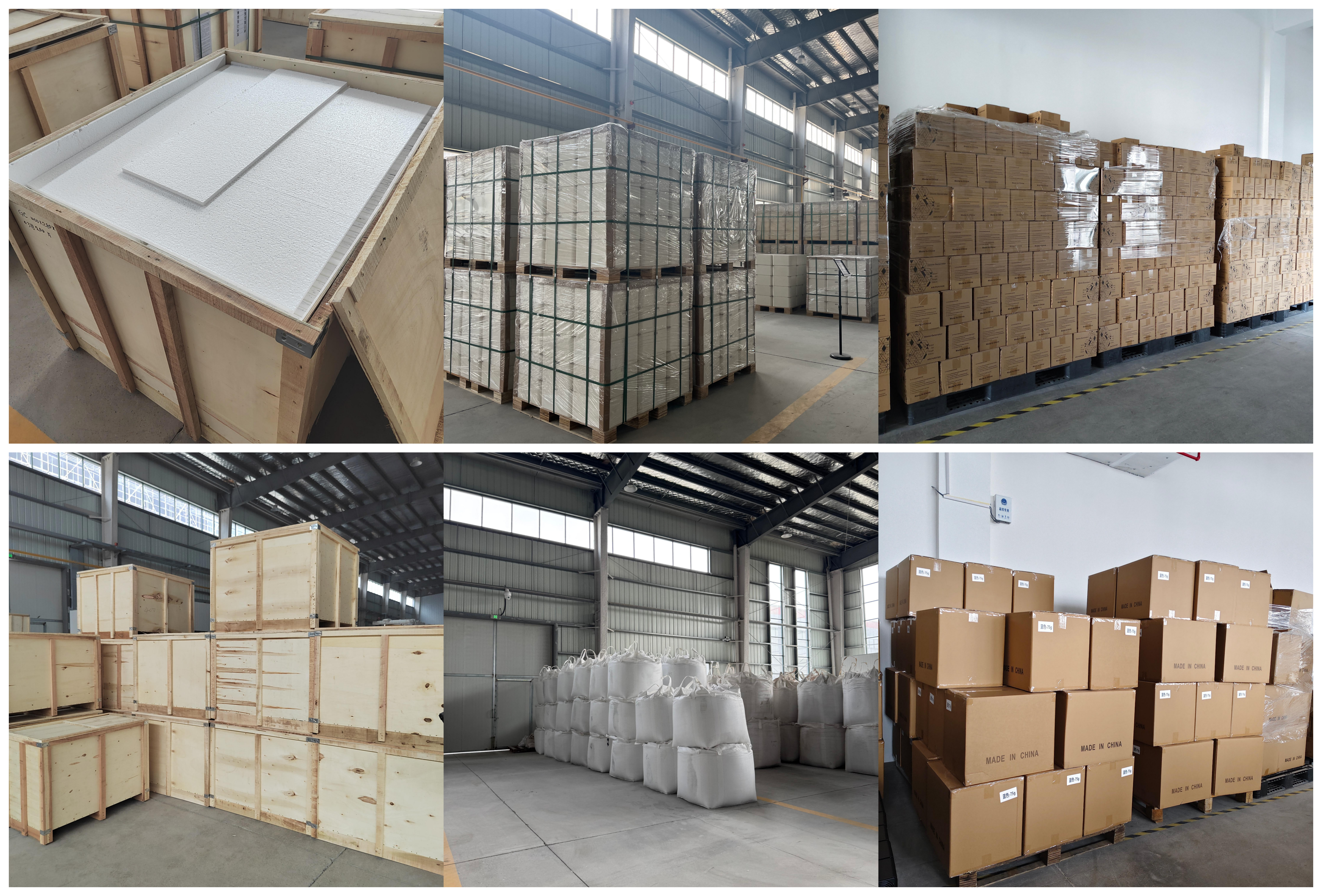
We use standardized packaging matched to each product's characteristics to protect against collision, extrusion, dust, and moisture. With an established shipping network and pre-shipment inspection, we work to keep every ceramic diffuser stick intact over long-distance delivery and provide one-stop logistics support.
Services
We respond to inquiries with a clear quotation and offer flexible OEM & ODM customization to match your ceramic aroma stick design, packaging, and branding needs.
We keep you updated on production progress through the order cycle and run a pre-shipment inspection to help ensure goods meet your quality standard before delivery.
We prepare standard export documents—commercial invoice, packing list, certificate of origin, and related certification papers—to support smooth customs clearance.
Sea freight, air freight, and express options are available to match your schedule and budget, with cargo tracking so you can monitor the shipment.
We support common cross-border payment terms such as T/T, L/C, and Western Union to reduce transaction friction.
Our team provides ongoing technical and business support and maintains steady supply to back up your repeat orders and project demands.
FAQ
Answer: Yes. We accept technical drawings in the common CAD and document formats, and we can work from a physical sample. Before production, our engineering team sends a short DFM feasibility review.
Answer: Custom mold: 5–10 working days. Mass production: 7–20 working days, depending on shape complexity and order quantity. We confirm sample timing separately after reviewing your drawing.
Answer: We offer flexible MOQ. We keep the minimum low for trial orders while handling stable mass production for long-term bulk demand.
Answer: Diameter, length, cross-section shape, porosity level, surface finish, and tolerance. We can also tune the pore structure to a target absorption and release rate for your essential oil. Custom engraved logo and exclusive packaging are available on request.
Answer: Yes. We cooperate with recognized bodies such as SGS and BV and can provide inspection reports and material certification documents as required.
Answer: Yes. Based on your essential oil type, viscosity, and target scent intensity and duration, we adjust the pore size and porosity and run absorption and evaporation tests before locking the formula for production.
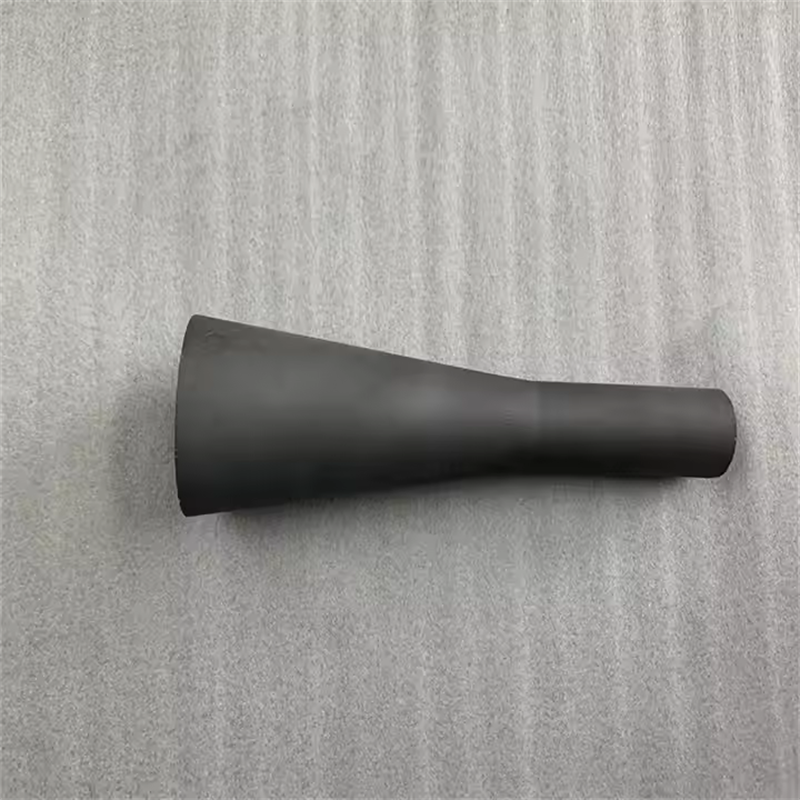
Excellent Abrasive Resistant Silicon Carbide Tube Ceramic Nozzle for Sandblasting Machine
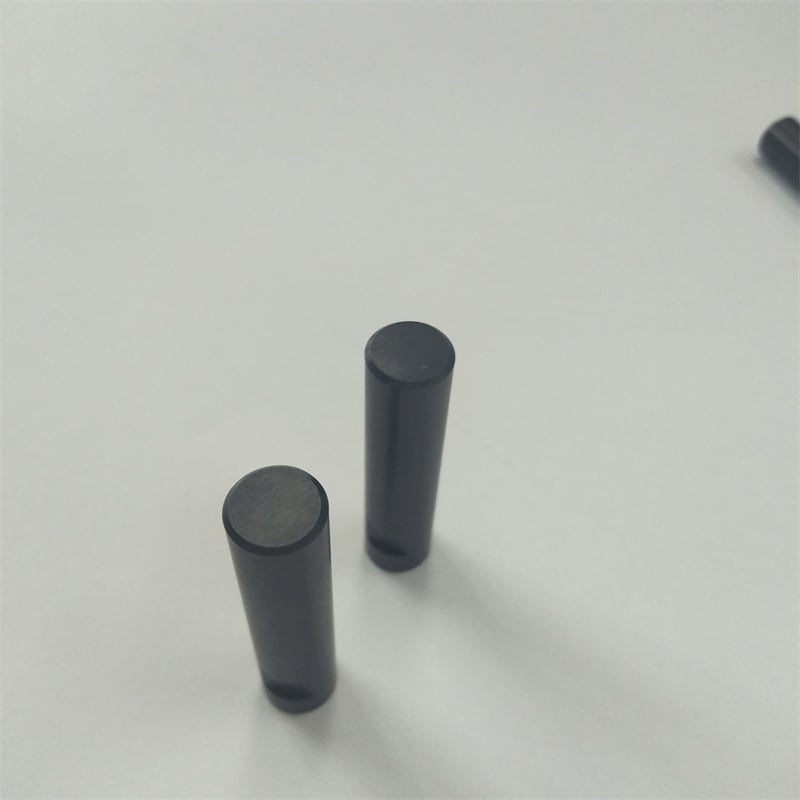
Custom Silicon Nitride Ceramic Shaft Si3N4 ceramic Rods
High Purity Magnesium Oxide Ceramic Tube MGO Pipe for Cartridge Heater Insulator
Rocket Shape Silicone Rubber Dog Chew Toy Teeth Cleaning Silastic Pet Plaything


 EN