Introduction
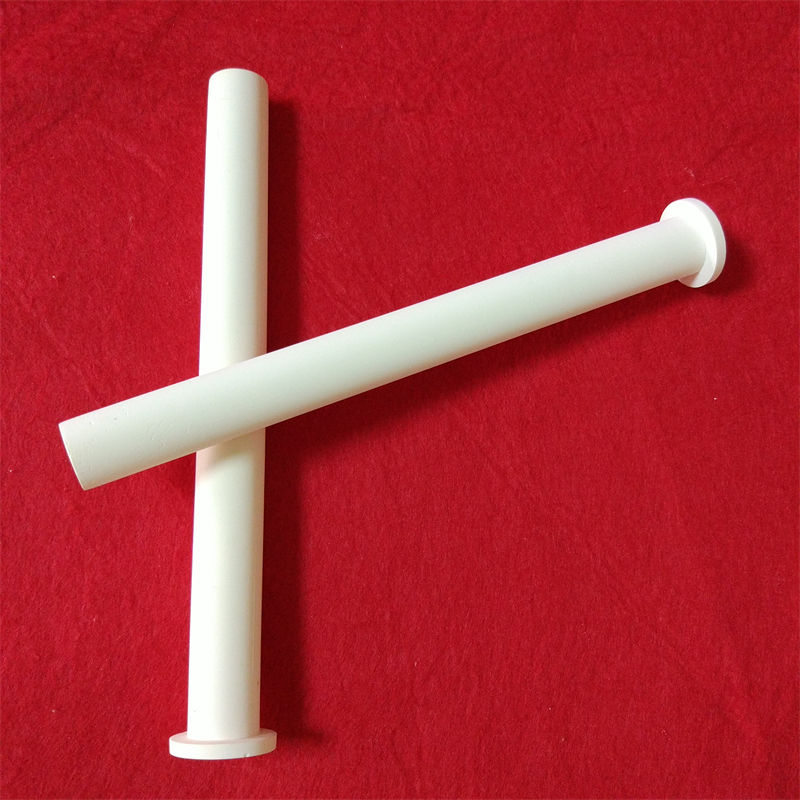
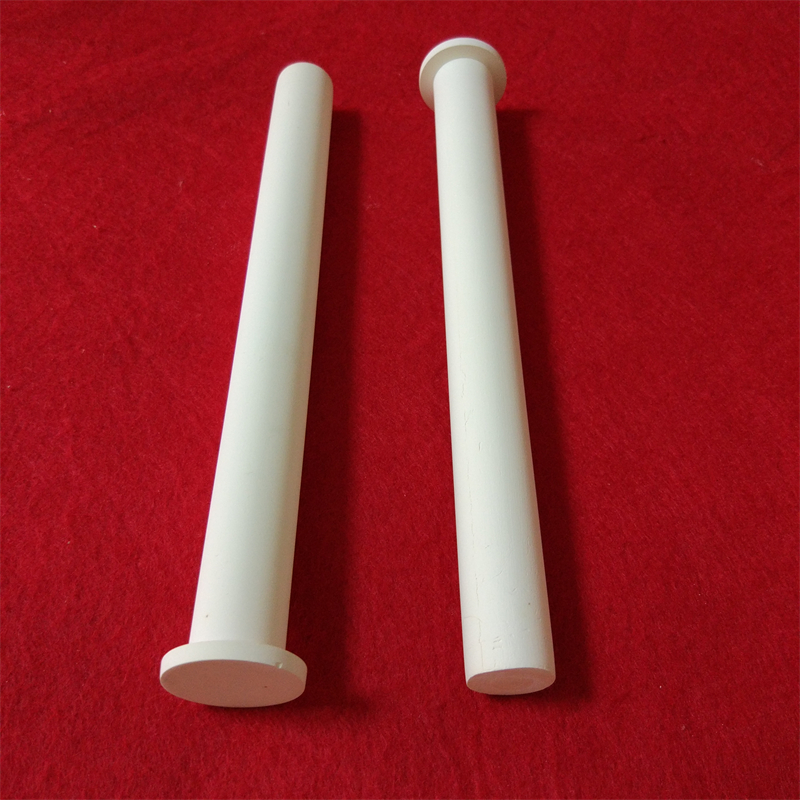
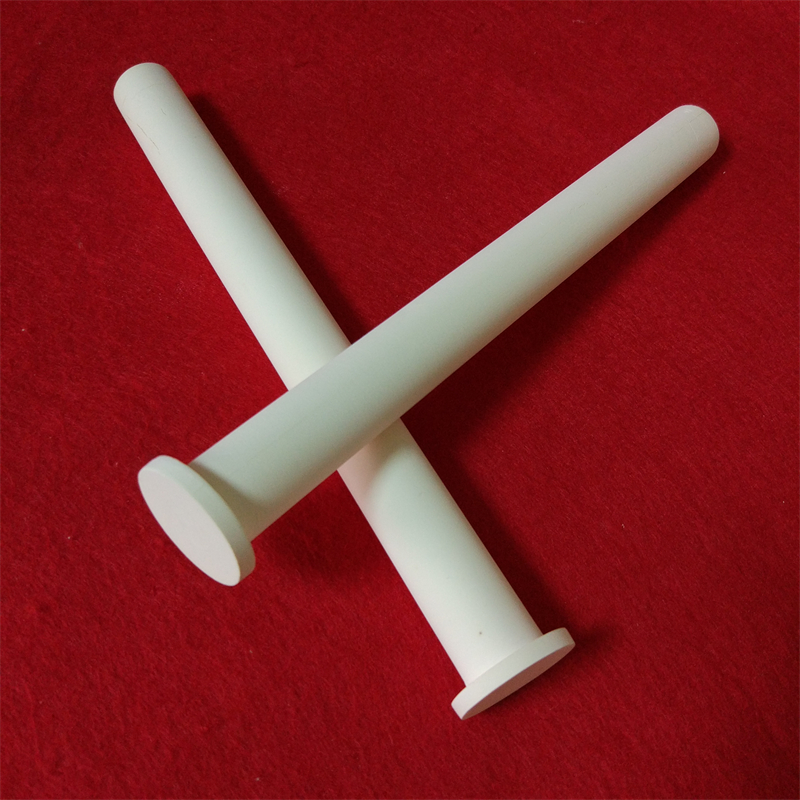
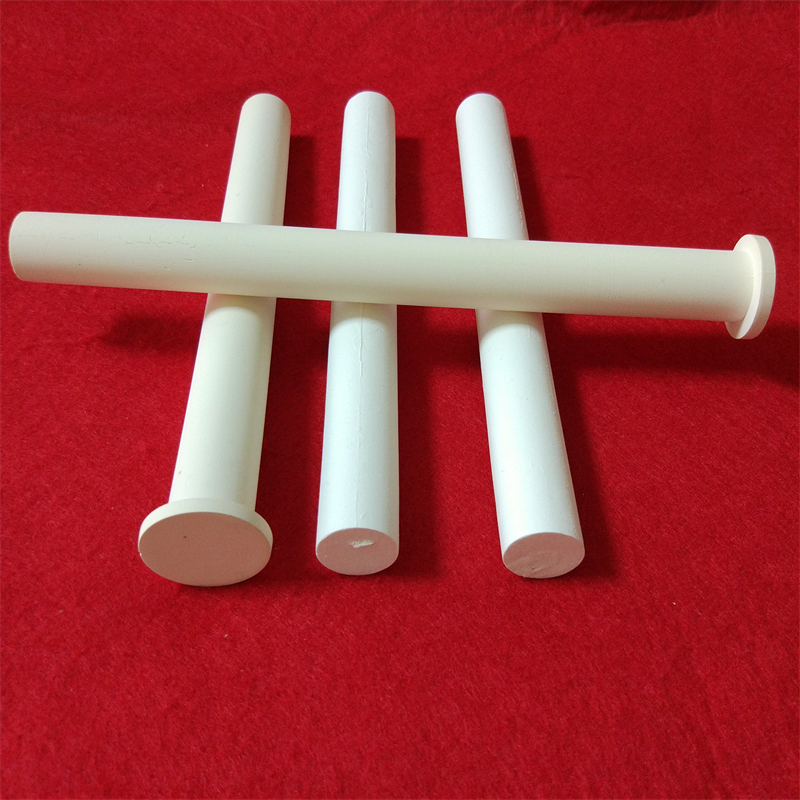
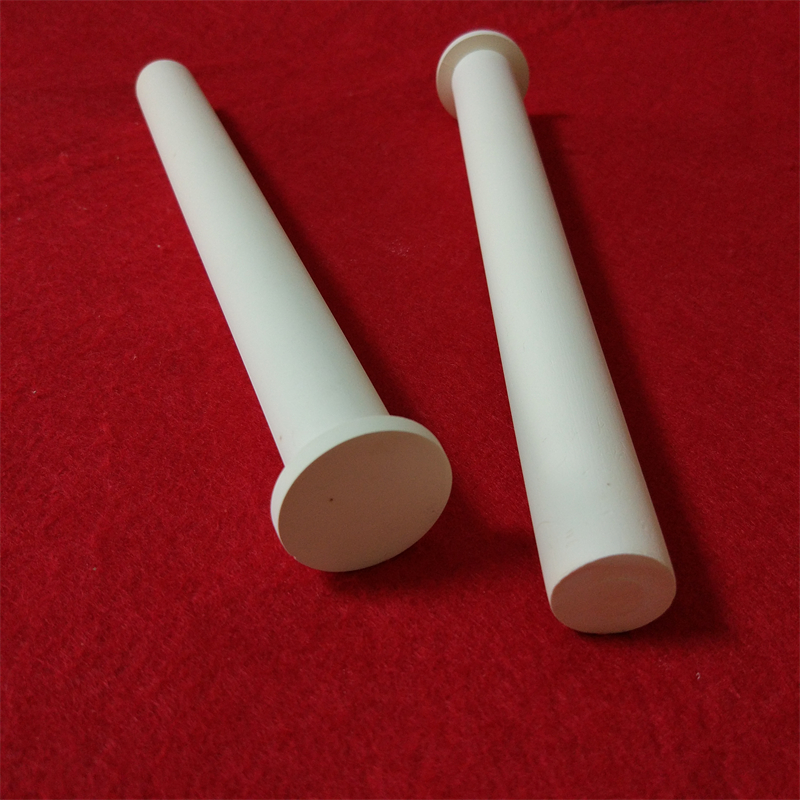
1.Porous Ceramic Self-Watering Planter Rod
As a core component of modern horticultural irrigation, the porous ceramic self-watering planter wick has its performance rooted in scientific material selection and precision manufacturing. The product uses high-purity α-alumina ceramic powder as the base material, mixed with 30%-40% natural porous aggregates—among which diatomite accounts for 20%-25% to provide abundant microporous carriers, and attapulgite accounts for 10%-15% to enhance material adhesion and crack resistance. After the raw materials are ultra-finely ground to 200 meshes, an organic binder is added and isostatic pressing is adopted to ensure uniform green density (≥1.8g/cm³). Then, staged sintering is carried out at 800-1000℃: organic impurities are removed at 300-500℃, mineral phase transformation is completed at 500-800℃, and grain boundary bonding between particles is achieved at 800-1000℃, finally forming a stable three-dimensional porous structure.
Self-Watering Ceramic Wick
This manufacturing process endows the product with a unique porous structure: the pore size is gradiently distributed, with 2-10μm micropores accounting for 60% (responsible for water adsorption), 10-50μm mesopores accounting for 30% (undertaking water conduction function), and 50-100μm macropores accounting for 10% (ensuring air permeability). The overall porosity is precisely controlled at 35%-55%, and the compressive strength reaches more than 15MPa, which not only prevents damage caused by soil pressure but also reserves sufficient channels for water transmission. The surface of the wick is roughened, with a roughness Ra value of 1.6-3.2μm, which can enhance the adhesion to the soil and reduce water transmission resistance.
Ceramic Water Absorbing Stick
The self-watering function of the product relies on the synergistic mechanism of capillary action and porous adsorption. When the lower end of the wick is immersed in the water storage layer, water molecules enter the micropores due to surface tension and adhesion to form a continuous water film. After the upper end is inserted into the soil, when the soil moisture is lower than that of the wick, water is transmitted upward along the micropore gradient until the soil reaches the optimal moisture range of 30%-60%. This process requires no electric drive and is in dynamic balance: when the soil is saturated, the water transmission rate drops to 0.2ml/h; when the moisture is lower than 30%, the rate increases to 1.5ml/h, which fully matches the water demand law of plants. Practical tests show that under the environment of 25℃, a wick with a diameter of 10mm can stably transmit 30-36ml of water in 24 hours, which is suitable for the daily water demand of small and medium-sized potted plants.
Self-Absorbing Planter Wick
Compared with traditional water-absorbing components, it has significant core advantages: first, precise moisture control, with a moisture fluctuation of ≤±5% and an 80% reduction in root rot rate; second, safety and durability, with heavy metal content <0.001% tested by SGS, neutral pH value of 6.5-7.5, antibacterial rate of 99%, and service life of 3-5 years, far exceeding the 1-year service life of plastic parts; third, strong environmental adaptability, with stable water conduction efficiency in the range of -10℃-60℃ and a water retention time of up to 48 hours in dry environments; fourth, simple maintenance, which only requires rinsing with clean water every 6 months, with a micropore blockage rate of <5%.
2.Porous Ceramic Core
Its application scenarios cover multiple fields such as home, office and agriculture: in home gardening, it is suitable for 80% of common potted plants such as succulents and epipremnum aureum; office greening can realize unattended maintenance with a water-saving rate of 40%; when used in batches in flower bases, it can reduce labor costs by 60% when matched with automatic water supply systems. The product provides three diameters of 8mm, 10mm and 12mm, and the length can be customized from 5cm to 30cm, which is suitable for flower pots with a diameter of 5-30cm. It can be used with special double-layer flower pots or modified for ordinary flower pots. This in-depth matching of "material-structure-performance" makes it an ideal choice for efficient irrigation in modern horticulture.
To ensure customer satisfaction, we offer comprehensive support:
- ·After-Sales Policy: 1-year warranty for regular products. For quality issues during warranty, we respond within 48 hours and complete maintenance/replacement within 7 days.
- ·Featured Services: Customization according to your requirements ad drawings(size: 5-500mm diameter; shape: circular/irregular; porosity:30%-70%) with free design solutions.
New customers get 1-3 samples (15-30-day production cycle). Professional teams provide one-on-one installation guidance and free operation training.
Porous ceramic’s physical properties are derived from fossilized diatom frustules, with high porosity as its core feature.
It has a porosity of 80%–90% and a large specific surface area, delivering strong adsorption capacity for liquids, gases and fine particles. Its rigid frustule structure maintains good stability under pressure, with excellent wear resistance and filtration performance.
The only physical limitations are low natural plasticity and relatively low mechanical strength caused by high porosity, which can be effectively improved by modification treatment.
3.Contact Information:
Consultation Hotline: 0518-81060611 (8:00-18:00 workdays); Address: 919-923 Bldg.A, Dongshengmingdu Plaza, No.21 Chaoyang East Rd, Lianyungang, Jiangsu.
4. Industry-Specific Applications of Diatomite Ceramic
4.1 Food and Beverage Industry
As a high-precision, food-grade filtration aid (over 60% of global usage), diatomite removes tiny impurities down to 0.1 μm. It is widely used for clarifying beer, wine, juice and edible oil and complies with FDA and EU safety standards.
4.2 Water Treatment Industry
Thanks to high porosity and strong adsorption, it effectively removes suspended solids, heavy metals and organic pollutants, suitable fordrinking water, industrial wastewater and swimming pool water purification.
4.3 Construction & Building Materials Industry
Added to mortar, concrete, fireproof coatings and interior paints, it improves thermal insulation, sound insulation and fire resistance, and can regulate humidity and adsorb formaldehyde for eco-friendly interiors.
4.4 Daily Chemical Industry
With fine particles and mild abrasiveness, purified diatomite is safe for toothpaste, facial scrubs and metal polishes, providing gentle cleaning without scratching surfaces.
4.5 Agricultural Industry
It acts as a zero-residue natural insecticide for crop and grain storage pest control, and serves as an efficient carrier for slow-release fertilizers and pesticides to optimize soil structure.
Porous Ceramics
| Item |
Infiltration Cup |
Plant Water Absorbing Wick |
Electrode Wick |
Ceramic Wick |
Scented Ceramic |
| White alumina |
Silicon Carbide |
| Density(g/cm³) |
1.6-2.0 |
0.8-1.2 |
1.8-2.2 |
0.8-1.2 |
1.6-2.0 |
1.7-2.0 |
| Open Porosity Rate(%) |
30-40 |
50-60 |
20-30 |
40-60 |
30-45 |
35-40 |
| Porosity Rate(%) |
40-50 |
60-75 |
25-40 |
60-75 |
40-50 |
40-45 |
| Water Absorption(%) |
25-40 |
40-70 |
10-28 |
40-70 |
25-40 |
25-35 |
| Pore Size(μm) |
1-5 |
1-3 |
1-3 |
1-3 |
1-5 |
1-10 |
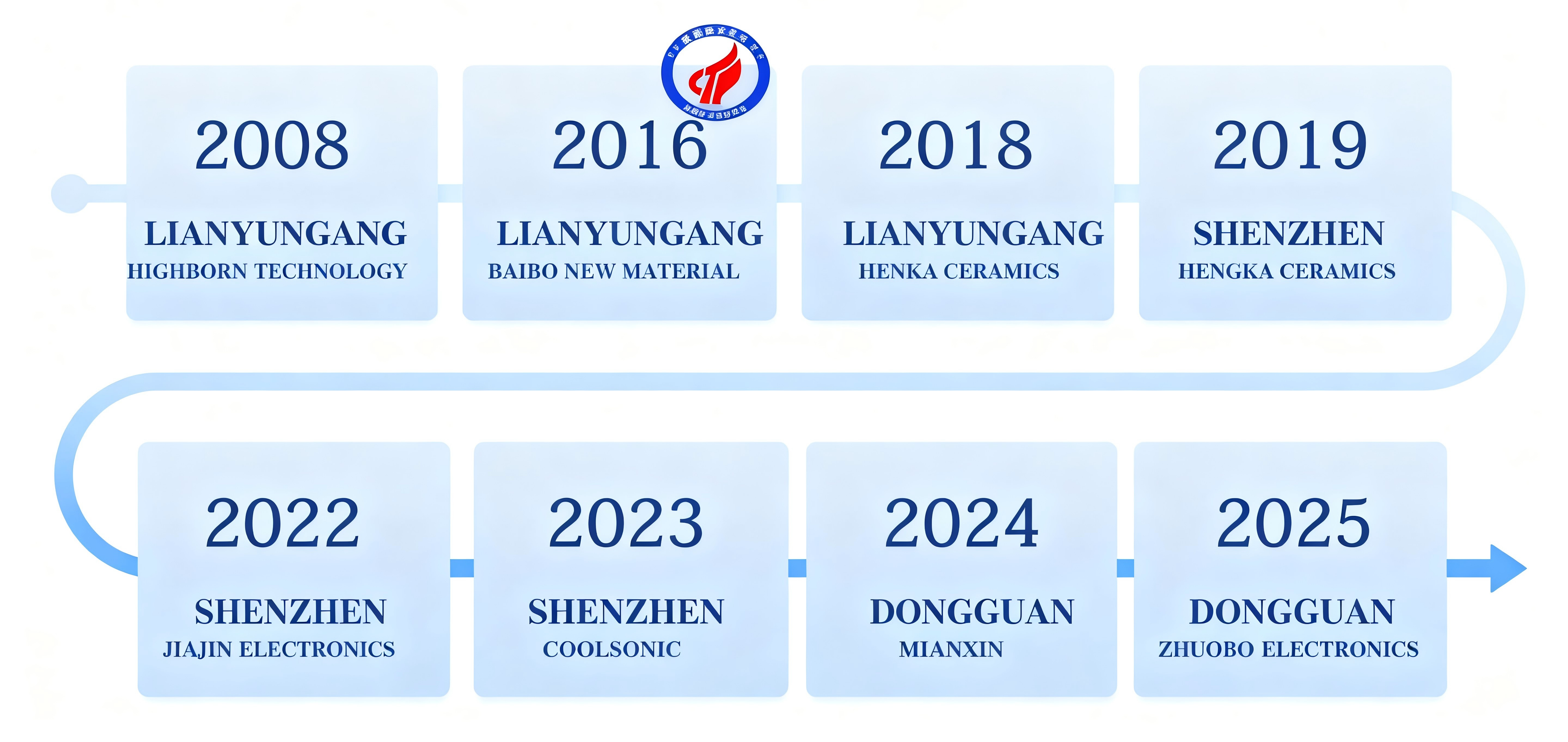
Development History
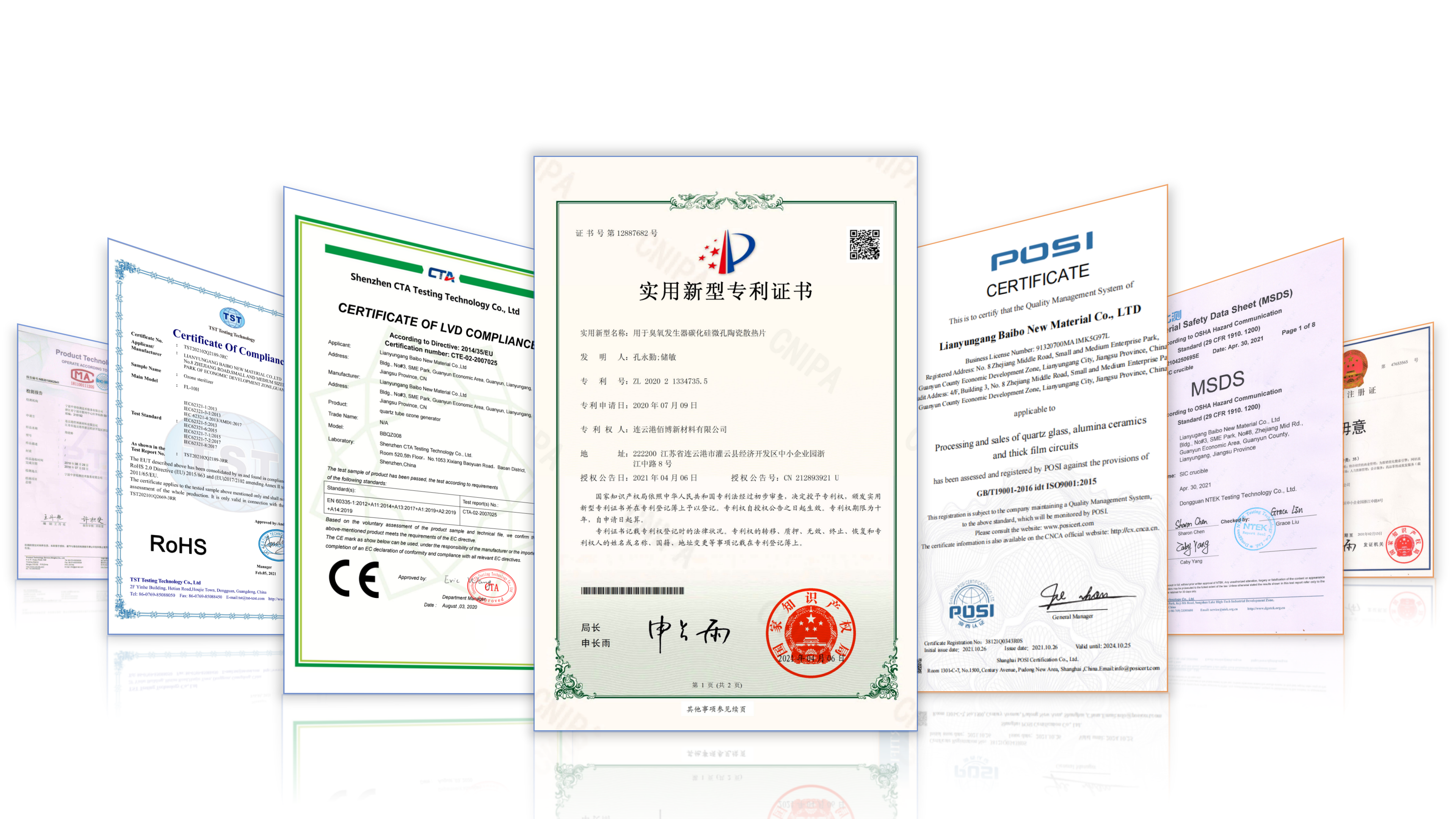
Patents and certification
We’ve obtained various global certifications including CE, EMC, LVD, RoHS, FDA, MSDS, ISO 9001, SGS and TUV. We also own eight registered trademarks and forty technical patents to support independent R&D.
Our proprietary core technologies run through all product lines: porous ceramics, industrial ceramic components, special glass, metallized ceramics, liquid absorption cotton, ozone generators and silicone goods. All products are manufactured in strict accordance with international quality standards, delivering reliable and high-performance solutions that have gained wide recognition and market trust worldwide.
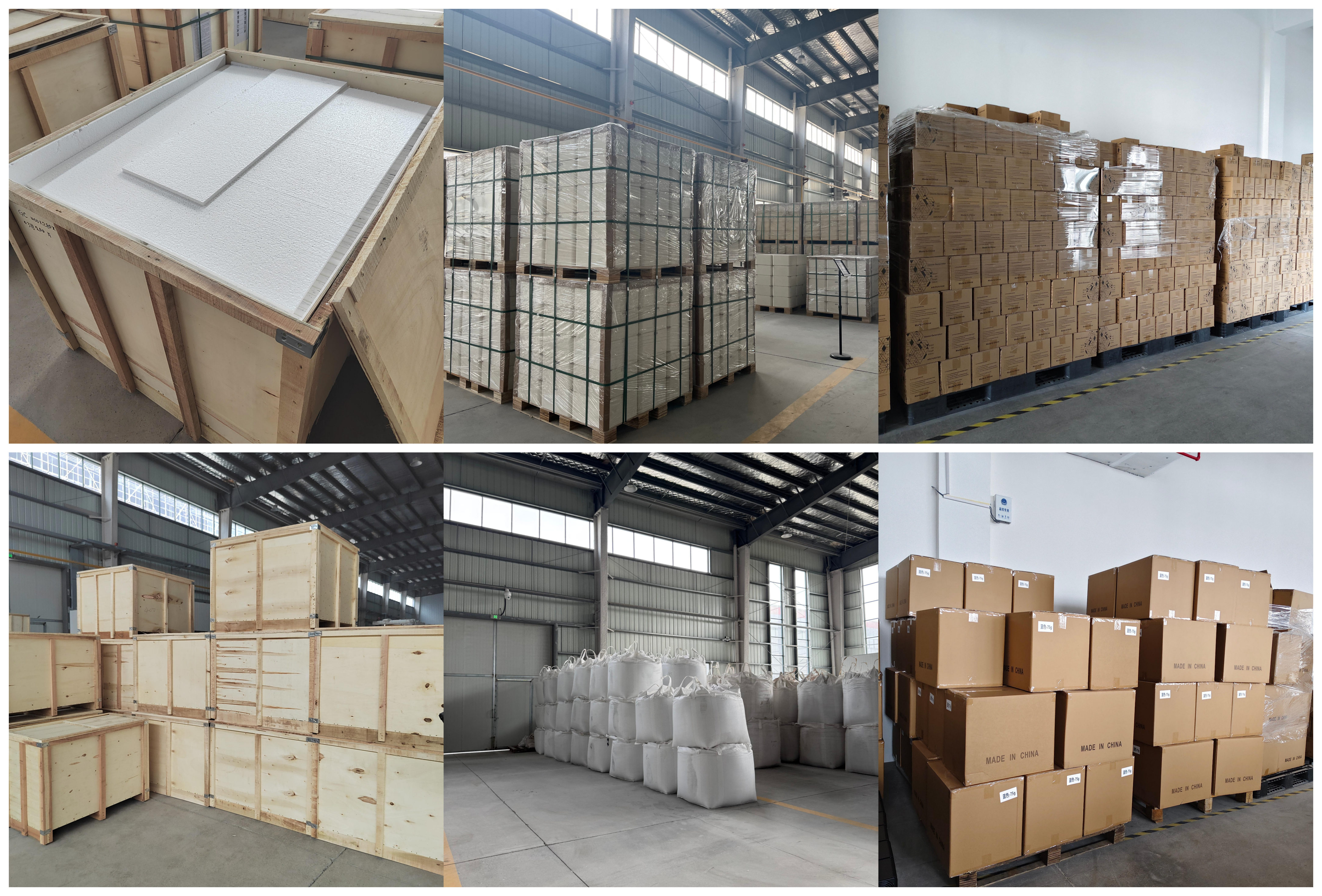
Package
We adopt scientific and standardized packaging solutions tailored to product characteristics to effectively prevent collision, extrusion, dust and moisture damage. With mature global transportation system and strict shipment inspection procedures, we ensure all products remain intact and stable during long-distance delivery, providing customers with safe, efficient and reliable one-stop logistics service.
Services
Inquiry & Customization
We provide fast and accurate quotation response for all your inquiries. Flexible OEM & ODM customization solutions are available to meet your unique product design, packaging and branding requirements.
Order Quality Control
We keep clients updated with full production progress throughout the whole order cycle. Our QC team carries out strict comprehensive pre-shipment inspection to guarantee all goods comply with your quality standards before delivery.
Customs Document Support
We prepare a full set of standard export documents including commercial invoice, packing list, certificate of origin and other certification papers, to ensure smooth global customs clearance for shipments to all destinations worldwide.
One-Stop Logistics
Multiple shipping methods including sea freight, air freight and express delivery are offered to match your schedule and budget. We supply real-time cargo tracking service so you can monitor shipment status anytime.
Flexible Payment
We support a wide range of secure international payment terms such as T/T, L/C, Western Union and other mainstream cross-border settlement methods to reduce your cross-border transaction risks.
After-Sales Support
Our professional after-sales team offers timely technical and business support all year round. We maintain steady long-term stable supply capacity to fully back up your continuous market sales and project demands.
FAQ
01
Question: Can you produce based on customers’ drawings or physical samples?
Answer: Absolutely yes. We accept technical drawings in all mainstream file formats as well as actual physical samples. Before formal production, our engineering team will provide a full professional DFM feasibility evaluation for your reference.
02
Question: How long is the production lead time for custom orders?
Answer: Sample lead time: 3–7 working days. Custom mold lead time: 5–10 working days (we will confirm the cycle separately with you for complex molds). Mass production lead time: 7–20 working days, depending on product structure complexity and order quantity.
03
Question: What’s your minimum order quantity for custom products?
Answer: We provide flexible MOQ solutions for all customized items. We will try our best to set a low minimum order volume to support your small-batch trial orders, meanwhile we can handle stable mass production to satisfy your long-term bulk demands.
04
Question: What customization services can you provide?
Answer: We support comprehensive one-stop customization, including product size, shape, appearance, precision tolerance, surface treatment, hole grooving, bending, cutting and adjustable high-temperature resistant parameters. Custom engraved LOGO and exclusive customized packaging are also available as extra personalized options upon request.
05
Question: Do you accept third-party inspection of finished products?
Answer: Yes, we fully cooperate with all mainstream authorized third-party testing institutions. Well-known organizations such as SGS, BV and other internationally recognized inspection bodies are all acceptable. We can supply complete official inspection reports and material certification documents as you require.
06
Question: Can you customize raw material options for products?
Answer: Sure. We can select and match appropriate raw materials according to your application scenarios, working conditions and performance requirements, including alumina, zirconia, quartz, silicone and other special engineering materials, and adjust related performance parameters to meet your usage standards.



 EN
EN