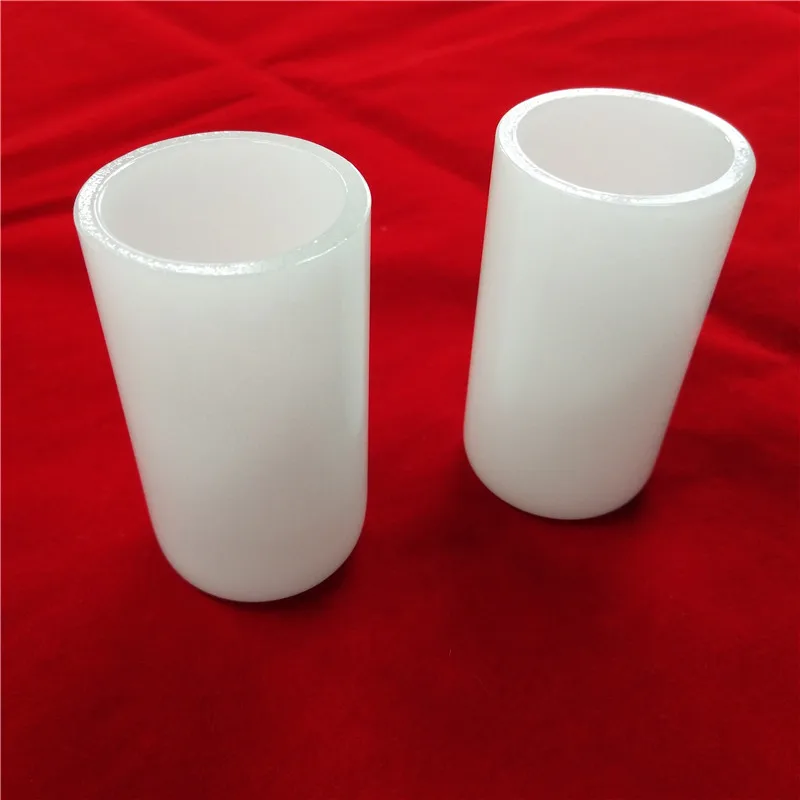
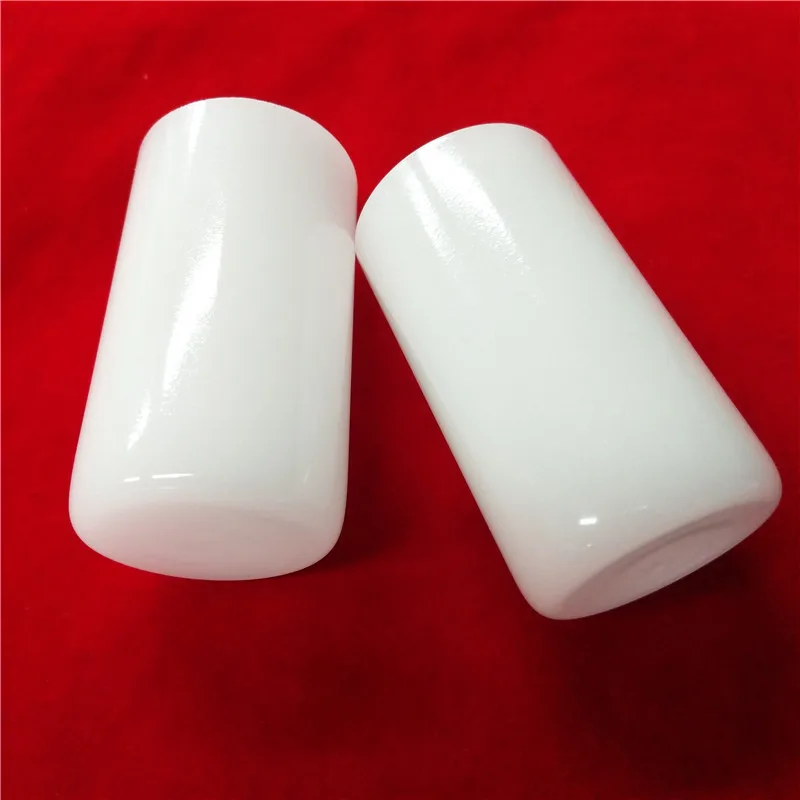
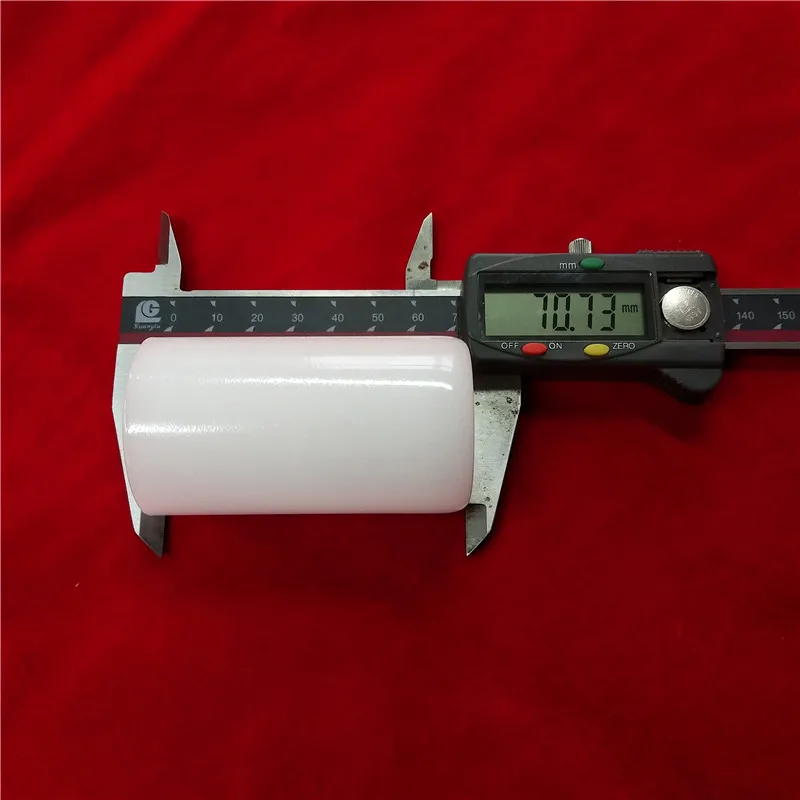
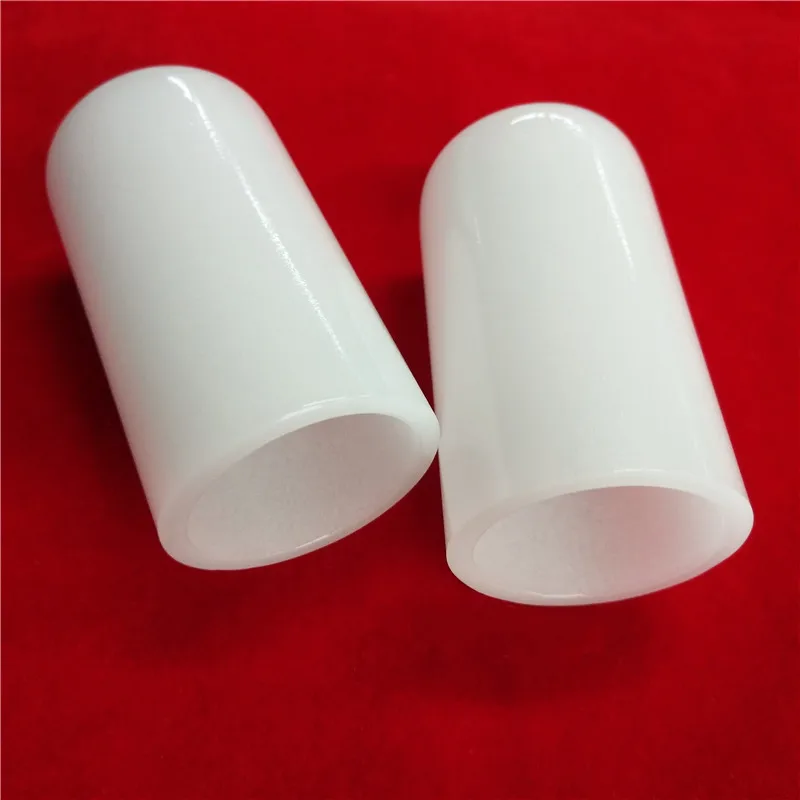
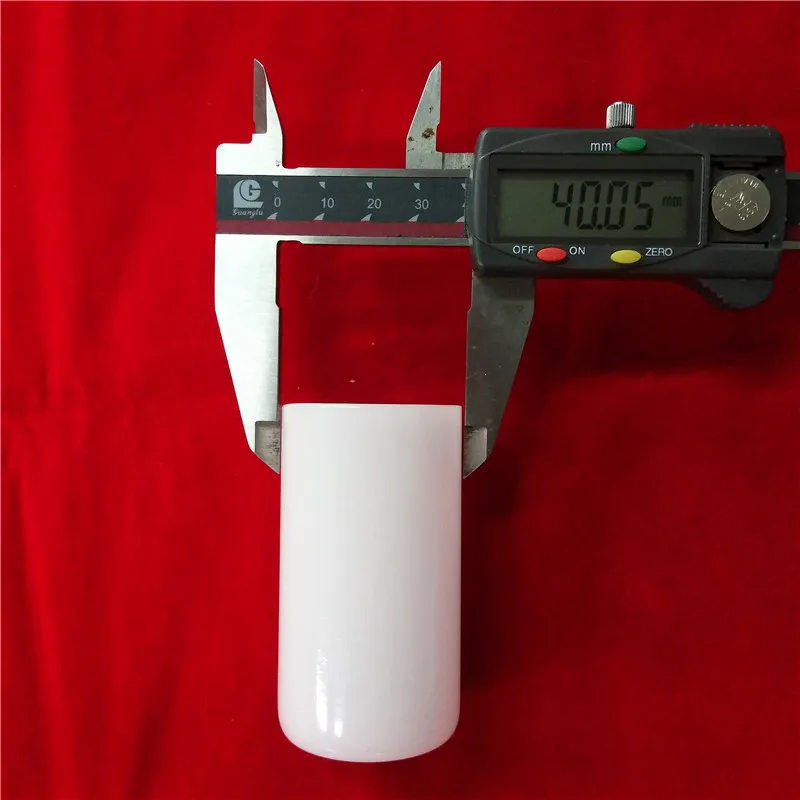
Product Details
1.Production Process:
The production of milky white quartz crucible adopts the vacuum arc melting method as the mainstream process, with the complete process chain as follows:
1.1Raw Material Preparation
High-purity quartz sand (SiO₂ ≥ 99.9%) is selected as the main raw material, which is screened, cleaned and dried to remove impurities and moisture. For high-end products, a layered sand-feeding structure is used: the inner layer uses ultra-high-purity sand (SiO₂ ≥ 99.998%), and the outer layer uses ordinary high-purity sand to balance performance and cost.
1.2 Vacuum Loading & Forming
The prepared quartz sand is loaded into a rotatable graphite mold. The mold rotates at a constant speed, and the quartz sand is evenly distributed on the inner wall of the mold by centrifugal force to form a crucible-shaped blank. The entire loading process is carried out in a closed environment to avoid dust contamination.
1.3 Vacuum Arc Melting
The loaded mold is transferred into the melting furnace, and the furnace chamber is evacuated (vacuum duration: 3–5 minutes). Then three graphite electrodes are lowered to generate an arc. The arc temperature reaches approximately 1700–1800°C, rapidly melting the quartz sand into a molten glass state. The melting duration is typically 20–40 minutes, depending on the crucible diameter. During this process, micro air bubbles are intentionally retained in the outer layer, forming the characteristic milky white, opaque structure, while the inner layer remains relatively dense and transparent.
1.4 Cooling & Demolding
After melting is complete, the arc is shut off and the mold is withdrawn from the furnace for natural cooling (approximately 10–20 minutes). Once solidified, the crucible is gently tapped out of the graphite mold. The graphite mold can be reused for over a dozen batches before being scrapped due to cracks or deformation.
1.5 Cold Processing
The outer surface loose sand is removed by sandblasting. Then the crucible rim is cut to the required height and chamfered using diamond cutting blades, with wet cooling applied during the process to prevent thermal stress cracking.
1.6 Cleaning & Acid Washing
The crucible undergoes multi-stage cleaning: pre-washing with pure water → acid washing (immersed in 6%–8% hydrofluoric acid solution for no more than 5 minutes to remove surface contaminants and residual fused quartz) → three rounds of high-pressure pure water rinsing → ultrasonic cleaning to eliminate residual ions. Finally, it is dried in an electric oven at 400–500°C.
1.7 Barium Coating (Optional, for Crystal Growth Applications)
For crucibles used in single-crystal silicon pulling, a barium hydroxide aqueous solution is uniformly sprayed onto the inner surface by a coating machine. The coating reacts with CO₂ in the air to form a BaCO₃ layer, which creates a uniform devitrification layer during high-temperature use, improving crystal growth yield.
1.8 Final Inspection & Packaging
Each finished crucible undergoes dimensional inspection (outer diameter, wall thickness, height, weight), visual inspection, and micro-bubble detection. Qualified products are vacuum-packaged and stored in a dry warehouse.
2.Key Advantages:
2.1 Superior thermal shock resistance:
The uniformly distributed micro-bubble structure enhances resistance to rapid temperature changes, making it more durable than transparent quartz under frequent heating/cooling cycles.
2.2Excellent thermal insulation:
The opaque structure scatters and retains heat more effectively, improving energy efficiency during high-temperature processes.
2.3High chemical inertness:
Resistant to most acids (except hydrofluoric acid), ensuring minimal contamination of processed materials.
2.4Cost-effective:
More economical than transparent quartz for large-scale industrial applications where visual monitoring is not required.
2.5High purity:
SiO₂ content typically exceeds 99.9%, with total metallic impurities controlled below 10 ppm.
3.Precautions for Use:
Control heating rate to ≤5°C/min (especially below 300°C) and cooling rate to ≤3°C/min; always cool inside the furnace — never quench.
Maximum continuous operating temperature: 1100°C; short-term peak: up to 1450°C.
Strictly avoid contact with hydrofluoric acid (HF) and alkaline substances (e.g., NaOH, K₂CO₃), which corrode quartz at high temperatures.
Ensure all materials loaded are completely dry; avoid volatile compounds that may cause splashing.
Handle with care — quartz is brittle. Use quartz or ceramic tongs; never use metal tools that may scratch the inner surface.
Discard if the inner wall shows whitening, devitrification, or cracks.
4.Application Scenarios:
Metallurgy: Melting and refining of precious metals (gold, silver, platinum) and non-ferrous alloys.
Powder heat treatment: Calcination of phosphorescent/fluorescent powders, alumina, and rare earth materials.
Chemical & laboratory analysis: High-temperature reactions, gravimetric analysis, and solid-phase extraction.
Semiconductor & photovoltaic: As a supporting component in polysilicon casting and crystal growth processes.
Aerospace & advanced materials: High-temperature alloy synthesis and material sintering.
Technical Parameters Table
| Property Content | Property Index |
| Density | 1.9-2.0g/cm3 |
| Strength | 585KHN100 |
| Tensile Strength | 4.9×10⁷ Pa |
| Compression Strength | 8x10¹⁰ Pa |
| Rigidity modulus | 3x10¹⁰ Pa |
| Young modulus | 7.25x10⁸ Pa |
| Poisson’s ratio | 0.17 |
| Coefficient of Thermal Expansion | 5.4x10⁻⁷ K |
| Thermal Conductivity | 1.4W/(m·K) |
| Specific Heat | 650J/(kg·℃) |
| specific resistance | 7×10⁷ Ω·cm |
| insulating property | 20℃ |
| dielectric strength | 250KV/cm |
| dielectric constant | 3.5 |
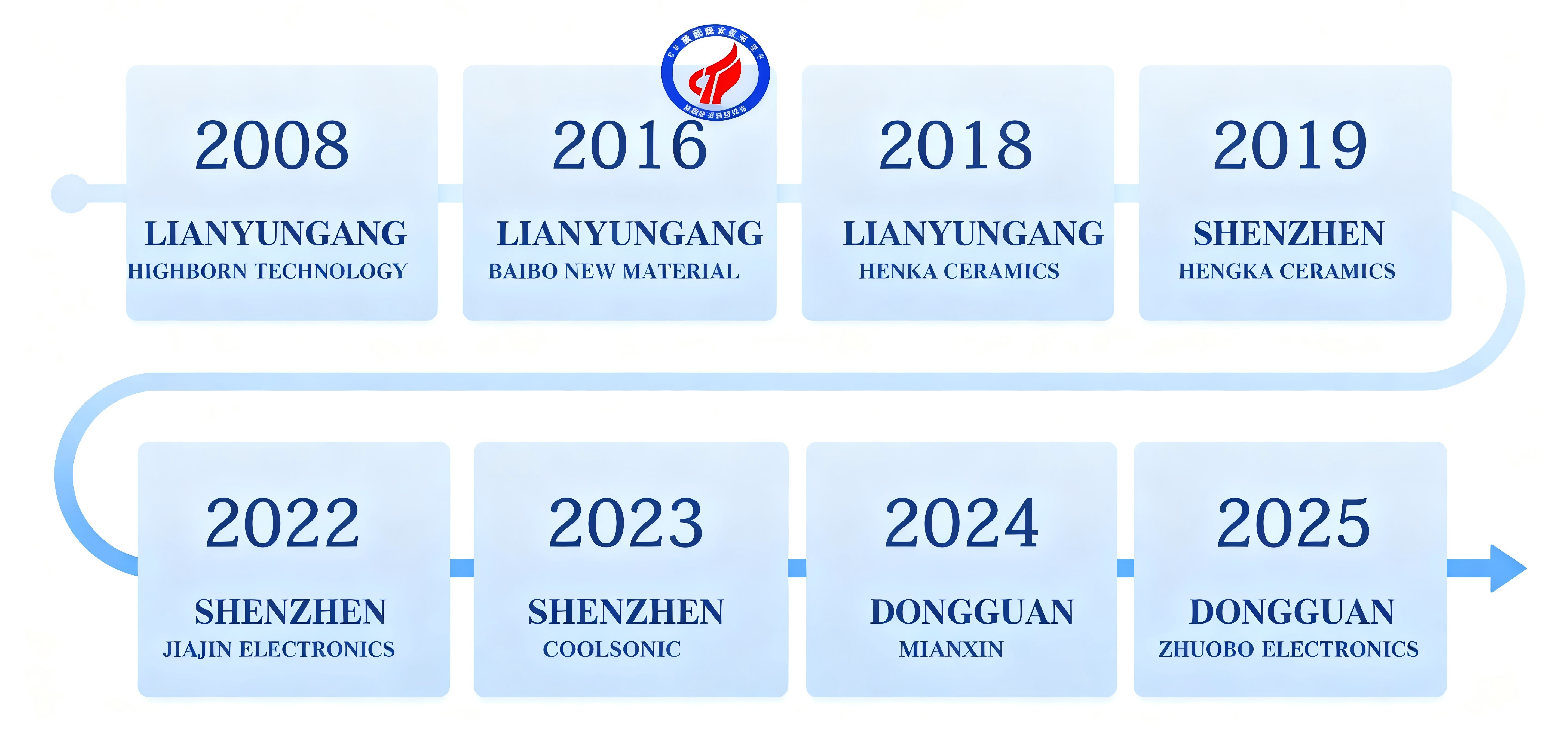
Development History
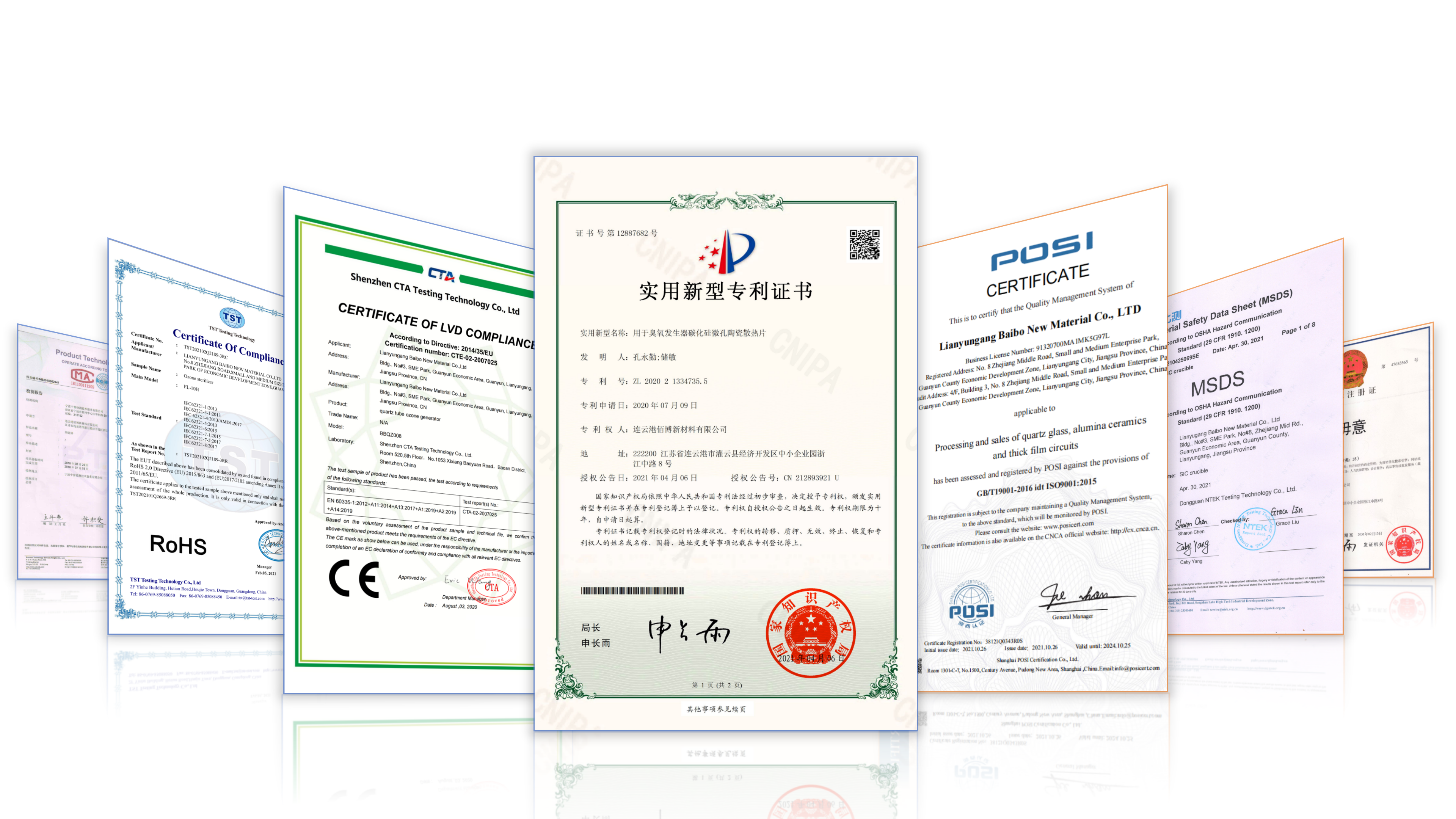
Patents and certification
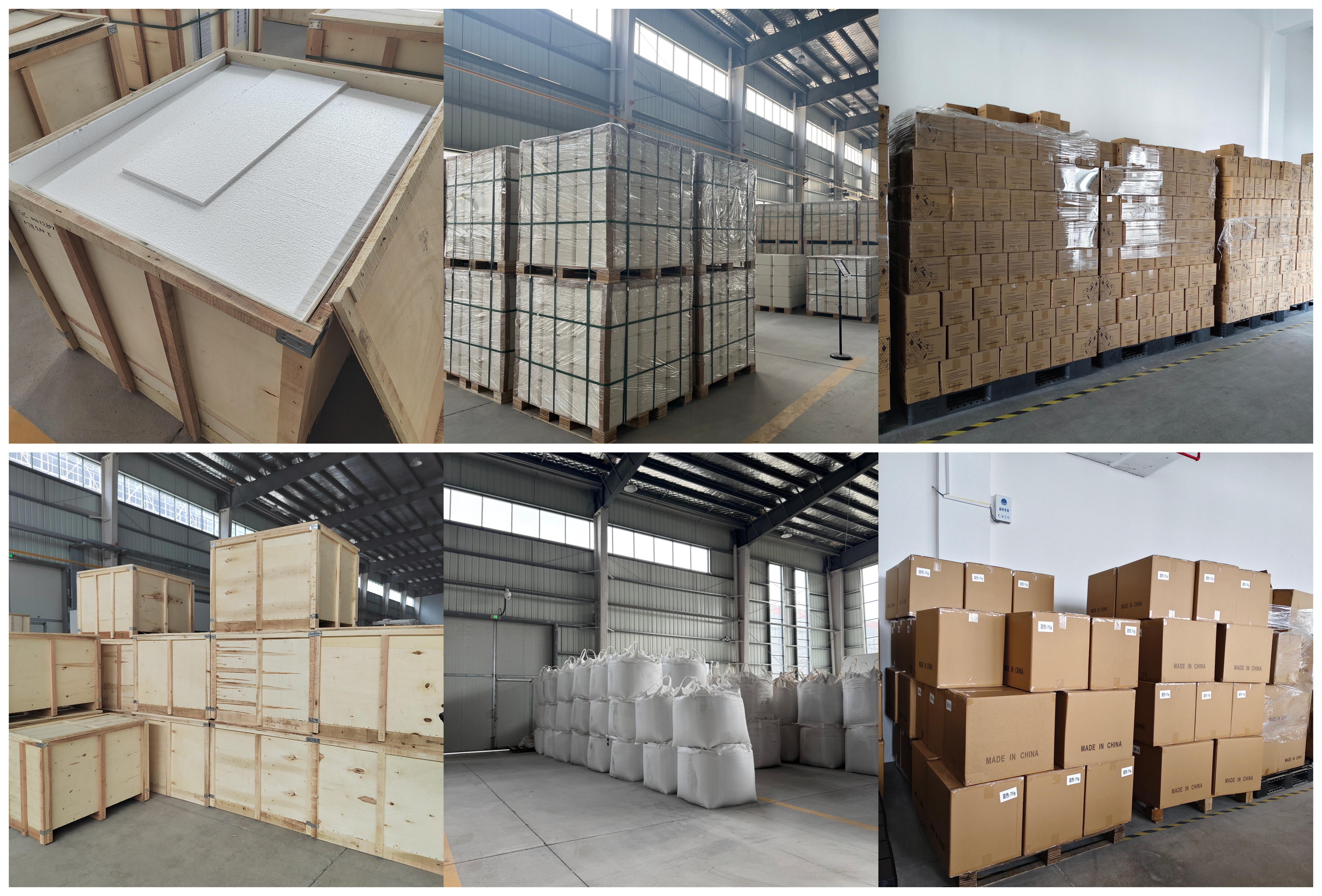
Package
Services
FAQ
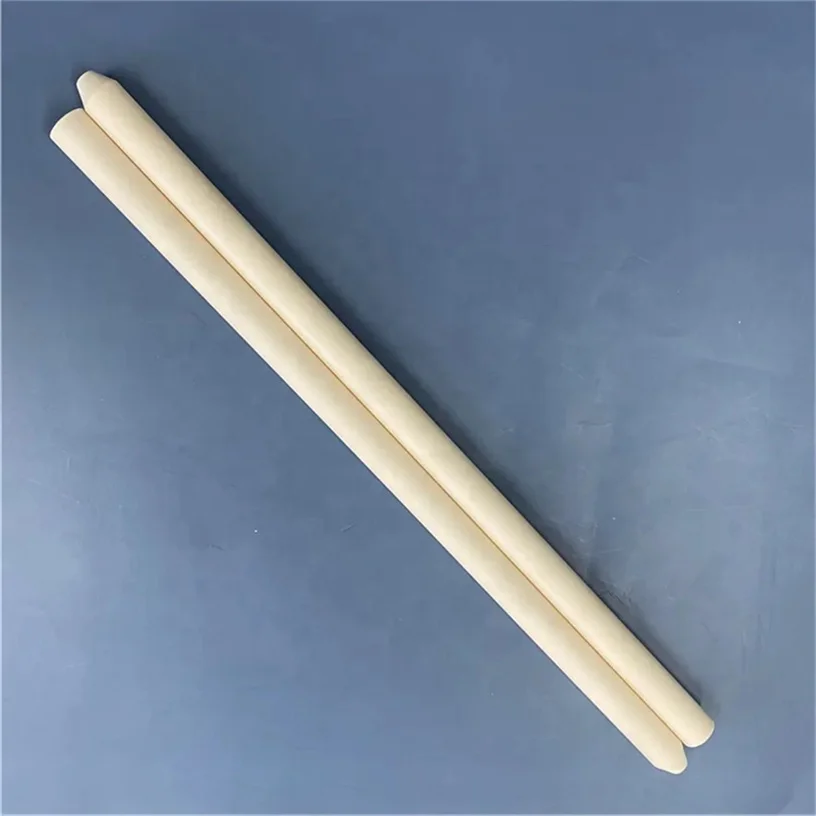
95% Aluminum oxide ceramic Rod 99% ceramic rod
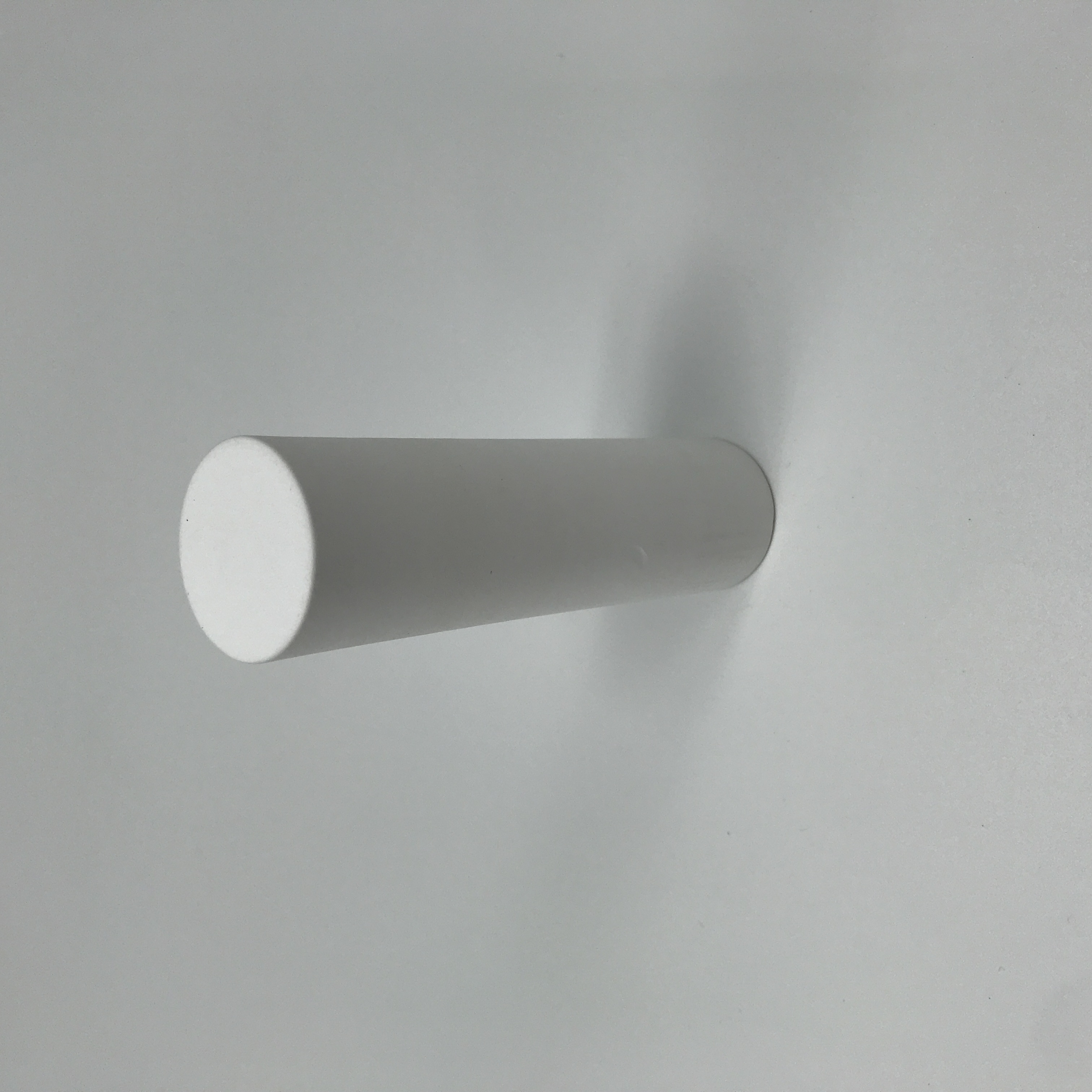
Nanometer Microporous Micro Alumina Al2O3 Ceramic rod
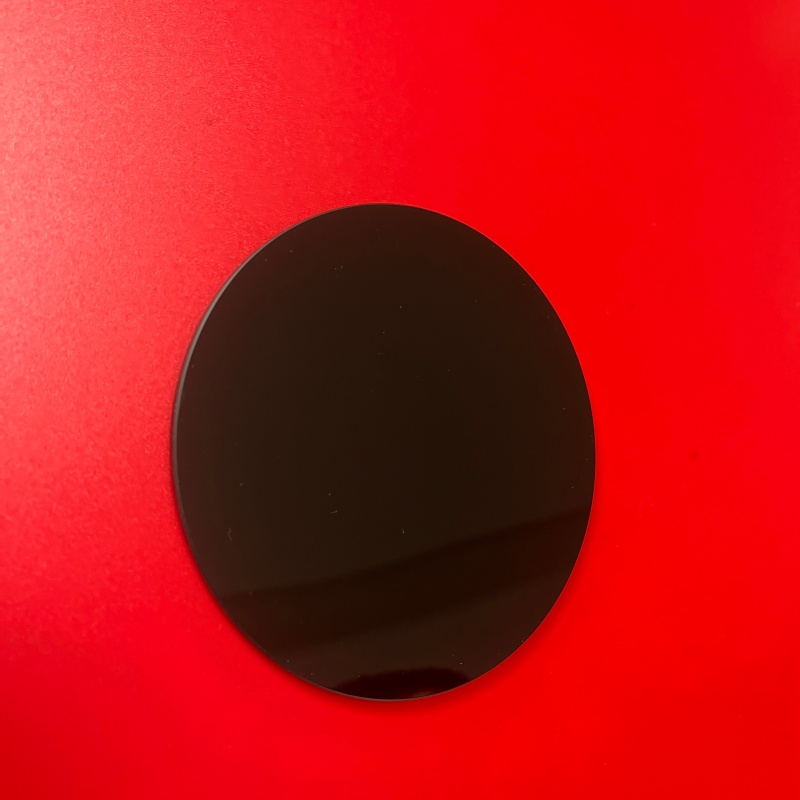
YΦC UG U Glass Filter UV Optical Glass plate lens for UV Curing and Flame Sensor

Portable 10g/h Large Capacity Stainless Steel Housing Ozone Generator for Home and Car Air Purifiers OEM Customizable


 EN
EN