 EN
EN

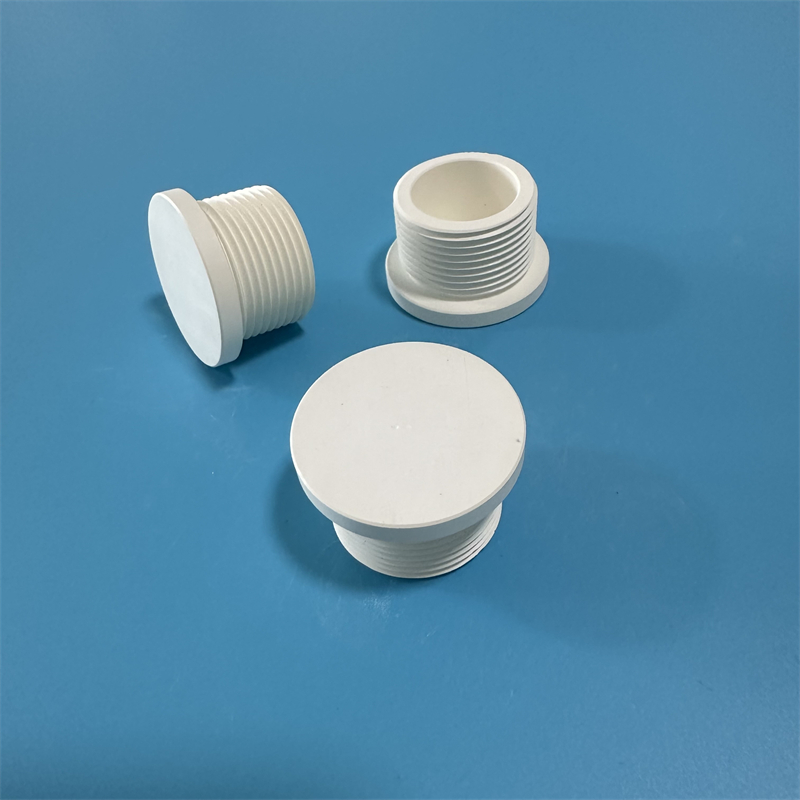
Özelleştirilmiş 1400°C Sırlı Seramik Parçalardan Hangi Performans Artışlarını Bekleyebilirsiniz
Faz bozulması, şişme veya alkali uçuculuğu nedeniyle standart seramik bileşenler 1200°C üzeri sıcaklıklarda arıza verdiğinde, özel olarak üretilen 1400°C'de glazurlu seramik parçalar, termal kararlılık, yapısal bütünlük ve işletme ekonomisi açısından ölçülebilir iyileşmeler sağlar. Zirkonya ile stabilize edilmiş spinel matrisleri veya mulit bazlı sistemlerle geliştirilen bu gelişmiş glazurlar, yoğun mikroyapıları, neredeyse sıfır gözenekliliği ve üstün termal şok direncini korur. Bağımsız laboratuvar testleri ve saha verileri, dört ana performans artışı olduğunu doğrular.
Aşırı Termal Döngü Koşullarında Uzatılmış Hizmet Ömrü
Özel olarak üretilen 1400°C sırlı seramikler, ortam sıcaklığı ile 1400°C arasında 500'den fazla hızlı termal döngüye çatlama veya deformasyon olmadan dayanır. Buna karşılık, geleneksel sırlar 120 ila 180 döngü içinde bozulur. Geliştirilmiş dayanıklılık, standart kaplamalardaki %5,8 ila %7,2'lik doğrusal büzülmeye kıyasla yalnızca %0,9 ila %1,5'lik doğrusal büzülmeden kaynaklanmaktadır. Bu, fırın astarları ve refrakter alt tabakalar için %40 daha uzun hizmet ömrü anlamına gelir. Havacılık türbin uygulamalarında, sırlı mullit sarkıtlar 1400°C'den oda sıcaklığına 50 hızlı soğutmaya dayanır ve yine de orijinal mukavemetlerinin %92 ila %98'ini korur. Kaplamasız seramikler aynı koşullar altında mukavemetlerinin yarısından fazlasını kaybeder. Bu kazanımlar, daha az parça değişimi ve daha uzun bakım aralıkları anlamına gelir.
Plansız Duruş Sürelerinde ve Bakım Maliyetlerinde Önemli Azalma
1400°C dayanımlı glazurlu seramik parçalar kullanan tesisler, yıllık plansız duruş sayısında %72'lik bir azalma bildirmektedir; bu da her üretim hattı başına yılda 450 ekstra üretim saati anlamına gelmektedir. 2023 yılından itibaren yapılan tesiste denetim raporlarına göre, bakım maliyetleri beş yıl içinde %28 oranında düşmektedir. Bu tasarruflar, ara katman yenileme işlemlerinin ortadan kaldırılmasından, acil onarımların %80 oranında azaltılmasından ve bakım aralıklarının üç aylık süreden iki aylığa uzatılmasından kaynaklanmaktadır. Tek bir üretim hattı için üç yıllık dönemde tahmini toplam tasarruf, %95 işletme kullanılabilirliği sağlanırken 740.000 ABD dolarına ulaşmaktadır. Ozon modülleri hem yüksek sıcaklığa hem de oksidatif ozona maruz kalan su arıtma tesislerinde ise glazur, bakım aralıklarını üç ila beş kat uzatarak tek bir modülün felaket boyutunda arızalanmasını önlemektedir.
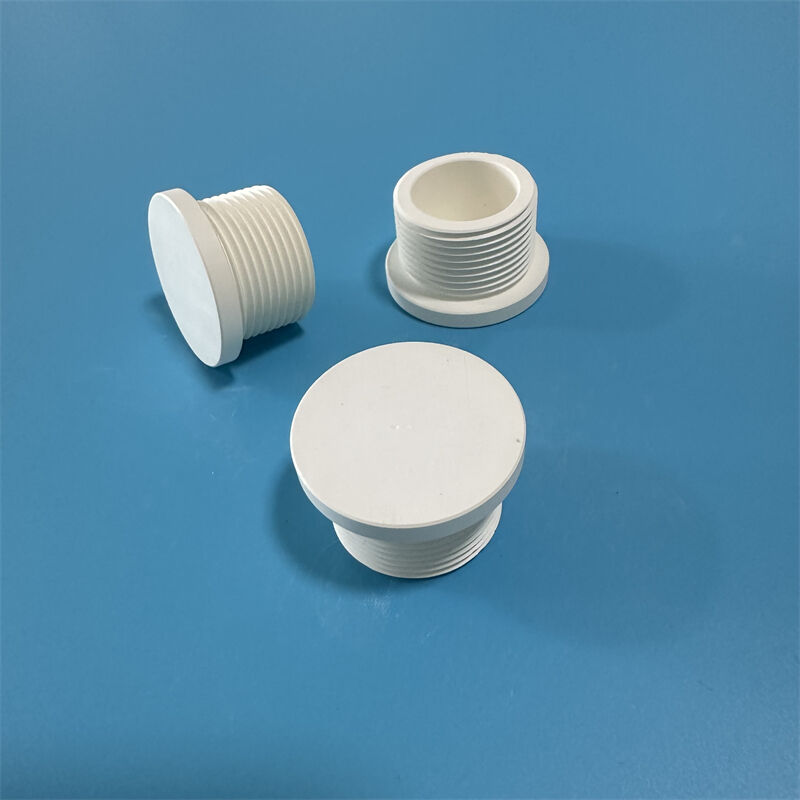
Üstün Termal Şok Direnci ve Boyutsal Kararlılık
Hızlı ısıtma ve soğutma döngüleri, yüzey ile çekirdek arasındaki genleşme uyumsuzluğundan dolayı geleneksel seramiklerin çatlamasına neden olur. Özel olarak üretilen 1400°C’de glazurlu parçalar, mühendislikle tasarlanmış mikroçatlak yönlendirme ve %2’den düşük doğrusal büzülme ile bu sorunu çözer. 1400°C’den oda sıcaklığına kadar yapılan 500’den fazla ani soğutma testiyle doğrulanmıştır; bu parçalar, geleneksel glazurların yalnızca %45 ila %60’ı kadar kalan dayanımını korurken, %92 ila %98 arası kalıcı dayanım gösterir. Termal şok direnci, sektör ortalamasının üç katıdır. Türbin kanadı kaplamaları ve alüminyum ergitme elektrotları gibi zorlu uygulamalarda bu güvenilirlik, gerilim çatlaklarını ortadan kaldırır ve oksitleyici atmosferlerde sızdırmazlık arızalarını azaltır. Çimento önısıtıcılarında yeniden astarlama sıklığı %40 oranında azalır.
Daha Düşük Toplam Sahiplik Maliyeti ve Net Yatırım Getirisi
Zirkonya ile stabilize edilmiş glazürler, yaklaşık %25 oranında ham madde maliyeti primi taşısa da uzatılmış kullanım ömrü ve azaltılmış duruş süreleri sayesinde güçlü bir yatırım getirisi sağlar. Üretim tesislerinden elde edilen saha verileri, değiştirme aralıklarının 14 aydan 23 aya yükseldiğini göstermektedir. Glazürlü refrakter alt tabakalar, hızlı ısıtma ve soğutmada çatlak yayılmasını %65 oranında azaltır. Gözeneksiz mikroyapı, yüksek sıcaklıklarda oksijen difüzyonunu engeller ve süreç saflığı için gerekli olan hermetik sızdırmazlığı korur. Havacılık alanında glazürlü mulit taşıyıcılar, metal alternatiflere kıyasla %40 daha hafiftir ve ısı transferini %60 ila %70 oranında azaltarak yüksek itki operasyonları sırasında özgül yakıt tüketimini %8 ila %12 oranında düşürür. Planlanmamış bakım olayları %62 oranında azalır ve her olayda ortalama 740.000 ABD doları tutarındaki duruş maliyetlerinden kaçınılır.
Özetle, özel 1400°C’lik glazurlu seramik parçalar, en zorlu yüksek sıcaklık endüstriyel ortamlarında daha uzun ömür, daha az duruş süresi, daha düşük bakım maliyetleri ve güvenilir performans sunar. Fırın mobilyaları, türbin bileşenleri, ozonlayıcı muhafazaları veya cam eritme sistemleri için kullanılsın kullanılmaz, bu performans kazanımları doğrudan kar marjınızı artırır.

