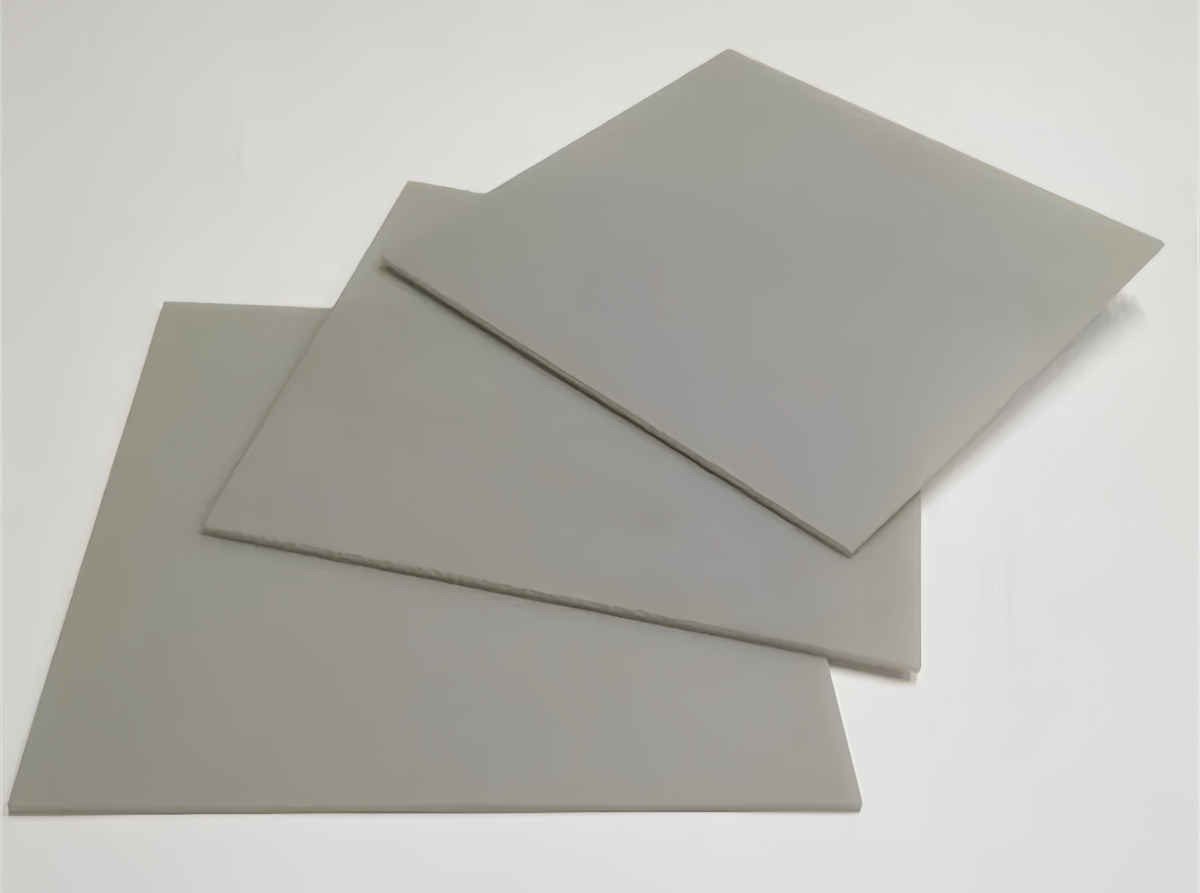
The AlN substrate really stands out when it comes to managing heat, with thermal conductivity numbers around 170 to 200 W/mK. That's pretty impressive compared to other materials like aluminum oxide at just 20 to 30 W/mK or silicon nitride with 15 to 35 W/mK under similar conditions. What makes AlN so good is its unique wurtzite crystal structure. This arrangement lets heat move through the material efficiently without compromising electrical properties, maintaining strong insulation at about 14 kV/mm. Power modules using AlN typically show thermal resistance reductions of 30 to 40% over traditional oxide substrates. Less heat buildup means semiconductors last longer before failing. For those working on high frequency designs, this kind of efficiency actually cuts down on the need for extra cooling parts. The end result? Systems that take up less space, weigh less, and pack more power into smaller packages than ever before possible.
AlN maintains impressive thermal conductivity even when really thin, staying above 90% of what it would be in bulk form because there's not much interference from phonon scattering at interfaces. This makes it stand out for applications involving thin films or multiple layers where heat buildup is a common problem. The material's thermal expansion rate sits at about 4.5 ppm per Kelvin, which lines up pretty well with both silicon and silicon carbide dies. That match cuts down on thermal resistance between materials by around 60% compared to stuff like alumina that doesn't fit so nicely together. Pair this property with good metallization techniques, especially direct bonded copper (DBC), and we see interfacial thermal conductance numbers going past 3,000 W per square meter per Kelvin. These characteristics make AlN suitable for tough thermal environments, such as power systems in aircraft or powerful laser diodes that go through extreme temperature changes exceeding 200 degree Celsius differences during normal operation.
Silicon Carbide (SiC) MOSFETs along with Gallium Nitride (GaN) HEMTs work best when their junction temperatures stay within tight limits. Aluminum Nitride (AlN) stands out because it conducts heat so well that it cuts down on those pesky hot spots inside power modules by around 20 to 30 degrees Celsius. This makes a big difference in preventing thermal runaway issues in high voltage applications over 1.2 kV like industrial motor drives or server power supplies. According to what we know from reliability studies similar to the Arrhenius model, lowering these temps actually makes devices last much longer. Take SiC MOSFETs combined with AlN for instance they keep operating at about 98.5% efficiency even when switching at 50 kHz frequencies without needing any performance adjustments. Another important benefit comes from how AlN matches up with semiconductor materials in terms of expansion rates. This compatibility stops mechanical stress caused by temperature changes, which means no more microcracks forming or solder joints wearing out after all those cycles through heating and cooling.
The thermal management for electric vehicle traction inverters needs to be tough enough to handle vibrations, temperature fluctuations, and the intense heat generated by these compact power systems. Aluminum nitride (AlN) substrates make cooling systems about 30% smaller while still handling heat fluxes as high as 500 W per square centimeter in those 800 volt battery setups. This material cuts down on junction temperatures inside those IGBT/SiC hybrid modules by around 15 to 25 degrees Celsius compared to regular ceramic materials. Real world testing has shown some impressive results too. Solar microinverters placed in desert locations have seen their failure rate drop by 40% after just five years of operation. Wind turbines equipped with AlN components maintain better than 99% uptime even when dealing with harsh coastal conditions including salt air, moisture, and starting up in temperatures as low as minus 40 degrees Celsius. What makes AlN stand out is its ability to resist electrical arcs in damp or dirty environments, which is why it's becoming so important for building reliable, durable infrastructure across various renewable energy applications.
The world of power electronics needs substrates that handle three big things at once: managing heat well, lasting through tough conditions, and offering flexible packaging options. Aluminum nitride checks all these boxes. Its thermal conductivity ranges between 170 and 200 W/mK, which means it pulls heat away effectively from those dense power components like IGBTs and thyristors. Plus, the coefficient of thermal expansion at around 4.5 ppm/K works really well with silicon and those newer wide bandgap semiconductors, so there's less chance of parts warping or solder joints failing when temperatures fluctuate. Industry standards set by ASME show that mechanical strain builds up quite a bit in layered packages - sometimes over 0.8% for every 100 degree temperature change. But AlN's compatibility with different materials helps cut down on that risk significantly. When it comes to strength, AlN holds up against pretty harsh vibrations found in cars and planes, surviving forces up to 50G. And here's another plus: AlN allows for insulation layers as thin as 0.3mm, shrinking package sizes by nearly half without sacrificing electrical insulation properties. This makes it ideal for shrinking down components in electric vehicle drivetrains and renewable energy systems connected to the grid.


 EN
EN