Páxina de inicio>Produtos>Cerámica Porosa>Cerámica para a agricultura
Visión xeral da microporosidade Placa cerámica de aeración
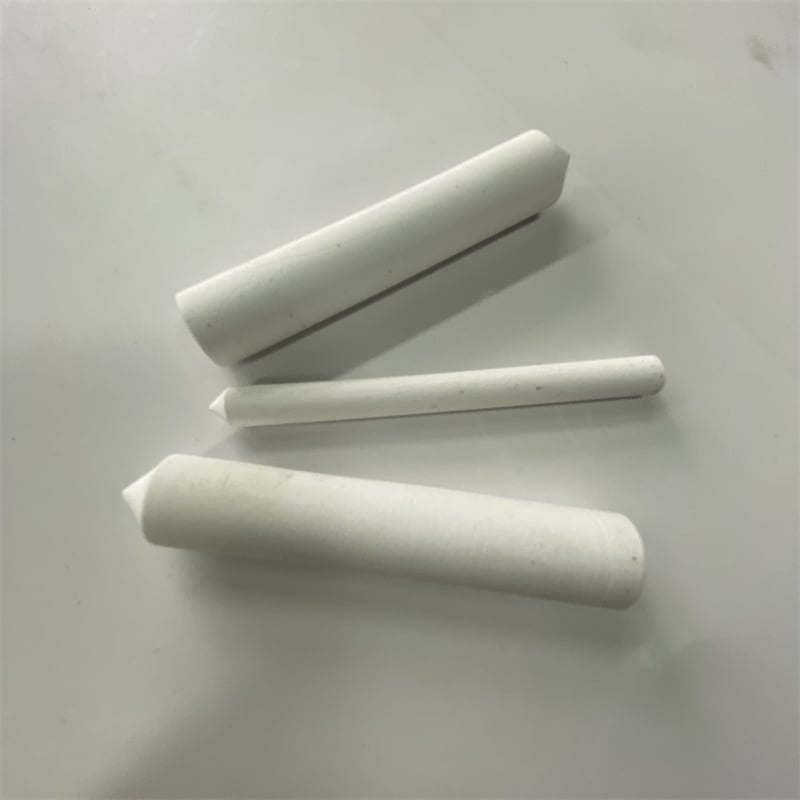
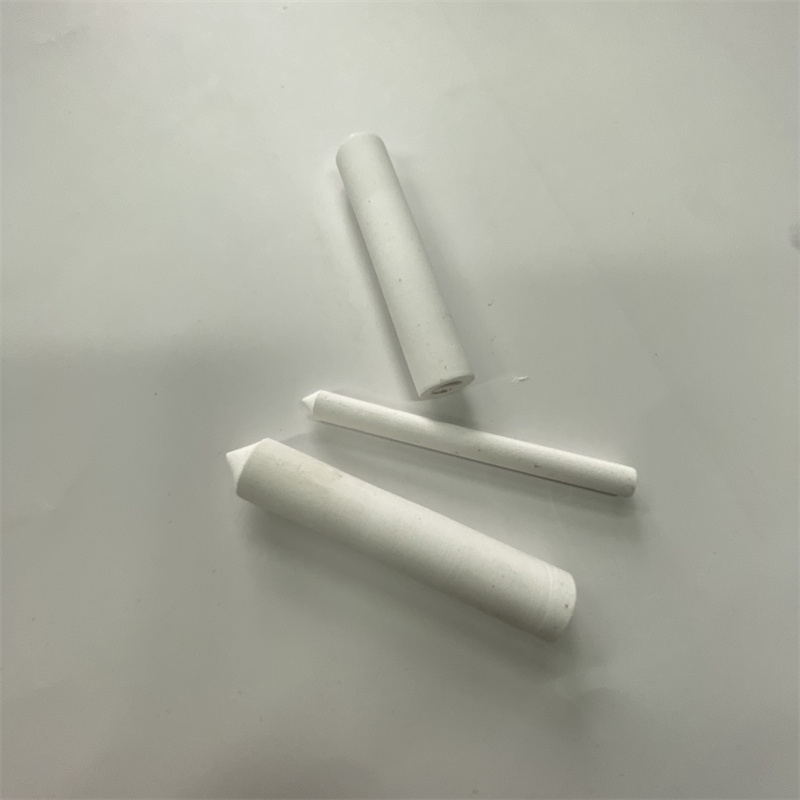
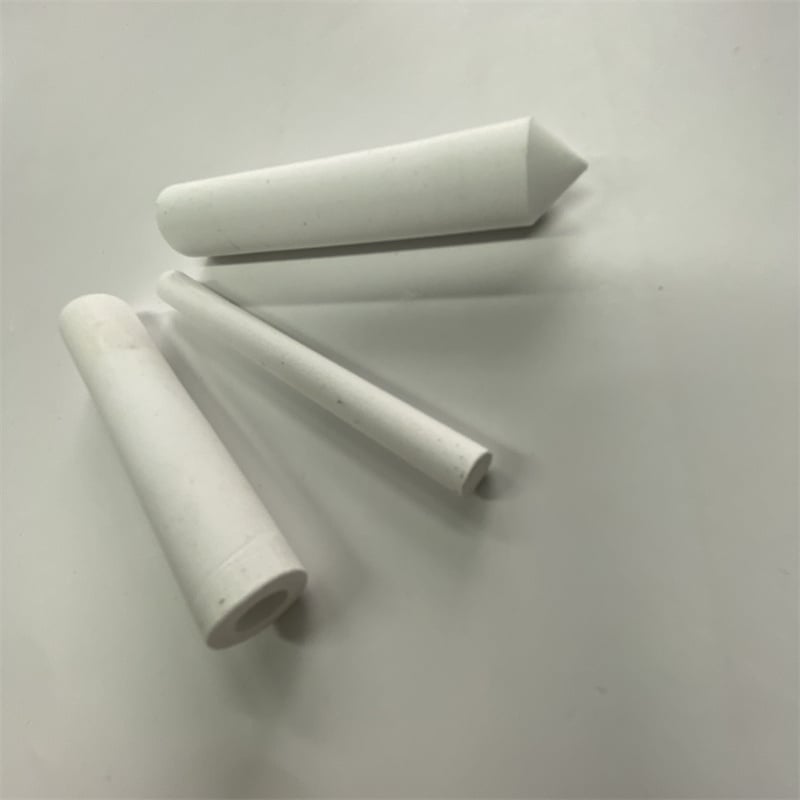
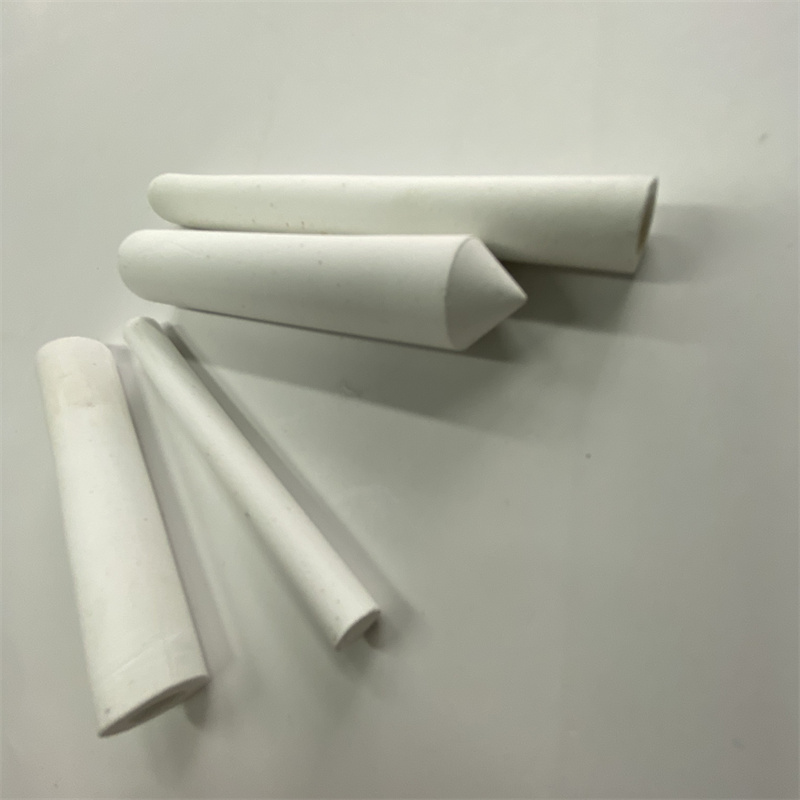
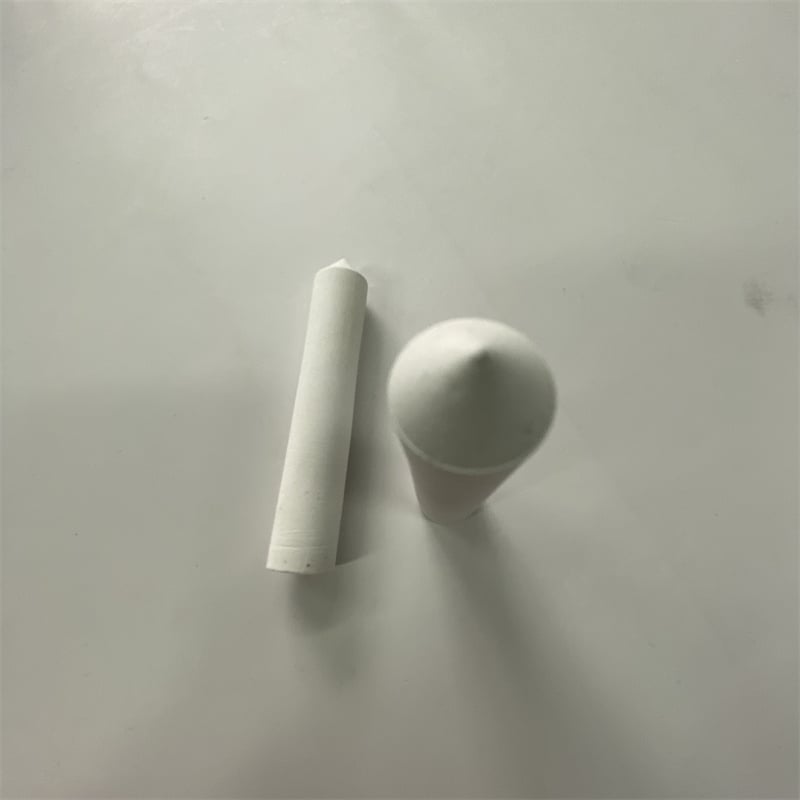
Copo de infiltraitón de alúmina porosa, coñecido comunmente como tubo de irrigación por infiltraitón de barro, é un compoñente cerámico poroso especializado para a condución de auga, fabricado mediante sinterización integrada a temperatura media-alta de materias primas minerais de caolín de alta alumina. Todo o proceso de produción abandona a cola orgánica e os aglutinantes químicos; o pó refinado de barro de alta alumina sométense a mestura uniforme, prensado estático en pezas únicas e calcinación a temperatura constante para formar capilares microporosos interconectados e distribuídos de maneira uniforme ao longo de toda a estrutura do produto.
A rede interna de microporos xera unha forza capilar estable, que empuja a auga de riego para que saia lentamente e de maneira uniforme sen fluxo de auga grande e instantáneo. Ao contrario da irrigación por aspersión superficial e da irrigación por inundación, este produto permite un fornecemento subterráneo de auga dirixido ás raíces, minimizando a perda de auga inefectiva. Está desenvolvido personalmente para resolver os problemas de derroche de auga, obstrución das tuberías e curta vida útil dos accesorios tradicionais de riego por goteo de plástico, adaptándose amplamente á agricultura en invernadoiros, terras secas de montaña e entornos de plantación paisaxística en todo o mundo.
O compoñente químico principal dos produtos acabados é óxido de aluminio de alta pureza, con contido de óxido de aluminio superior ao 80% , complementado con fases minerais de silicato natural para equilibrar a resistencia estrutural e a permeabilidade ao auga. Segundo a temperatura de sinterización e as diferenzas de rendemento, os produtos divídense en dúas categorías principais: tipo estándar sinterizado a temperatura media e tipo reforzado de alta resistencia sinterizado.
A categoría estándar emprega unha temperatura de cocción moderada, equilibrando a porosidade e o custo para a irrigación convencional en invernadoiros e xardíns. A versión reforzada calcínase a unha temperatura máis elevada para aumentar a densidade global e a resistencia á compresión, sendo adecuada para enterramento profundo en solos pesados, terras salino-alcalinas e plantacións de froiteiras de longo ciclo. Todas as materias primas son minerais inorgánicos naturais, sen plastificantes tóxicos nin aditivos con metais pesados, cumprindo completamente os estándares de materiais agrícolas ecolóxicos sen precipitacións nocivas no solo.
A estrutura capilar microporosa é a base funcional fundamental da cerámica de infiltrasión, con índices físicos fixos e estables. A súa densidade aparente é de 1,6–2,0 g/cm³ , ofrecendo unha textura sólida que resiste ao colapso baixo a presión do solo superior. A porosidade total alcanza o 40%–50%, mentres que a porosidade aberta efectiva é do 30%–40%, creando canais continuos suficientes para a transmisión da auga.
O tamaño uniforme dos poros de 1–5 μm controlase con precisión durante a sinterización, formando unha tracción capilar estable. A taxa correspondente de absorción de auga varía entre 25%–40%, garantindo unha infiltrasión suave e continuada sen saídas bruscas de auga baixo a presión normal de traballo. O esqueleto cerámico ríxido sinterizado evita os problemas de deformación e redución dos poros propios dos gotejadores plásticos flexibles, mantendo un volume constante de saída de auga durante toda a operación subterránea a longo prazo. As partículas finas de solo e os residuos orgánicos non se integran facilmente nin obstrúen os canais internos, reducindo considerablemente a frecuencia de limpeza.
Apoiado por unha matriz de alta alumina, o material posúe excelente inercia química. Soporta a corrosión provocada por fertilizantes orgánicos ácidos, humus do solo alcalino e auga subterránea lixeiramente salina, sen reaccións químicas que xeran precipitados que obstrúan os microporos. O produto é completamente non tóxico e bioloxicamente inofensivo; tras un enterramento a longo prazo, non liberará substancias tóxicas que contaminen as zonas radiculares das culturas, o solo nin a auga subterránea, cumprindo plenamente os estándares de cultivo de froitas e hortalizas ecolóxicas. Ademais, mantén un rendemento estable cando se mestura coa maioría dos fertilizantes solubles en auga ricos en nitróxeno, fósforo e potasio para a irrigación integrada de auga e fertilizantes.
A sinterización de alta temperatura en unha soa peza elimina as xuntas de montaxe e as interfaces adhesivas, erradicando fundamentalmente as avarías por fisuración, descolado e estalamento comúns nas pezas de irrigación de plástico e caucho. A capa exterior cerámica densa resiste a fricción das pedras do solo e a compresión provocada pola compactación do solo. Sen danos mecánicos artificiais, o produto pode permanecer enterrado no subsolo durante varios ciclos de plantación sen que se altere a súa permeabilidade ao auga. Non envellece, non se endurece nin se fisurea baixo as alternancias estacionais de temperatura entre os invernos fríos e os veráns cálidos, unha vantaxe destacada respecto das cintas de goteo poliméricas, cunha vida útil de só 1–2 anos.
Baseándose no efecto capilar de 1–5 μm microporos uniformes, a auga de rega permea directamente á capa radicular das cultivos, en vez de espallarse pola superficie do solo. Reduce drasticamente as perdas ineficaces de auga causadas pola evaporación superficial e o escoamento lateral, mellorando moito a eficiencia no uso da auga comparado co rego por inundación e co rego por aspersión. Para as rexións montañosas e áridas con escaseza de auga, reduce considerablemente o consumo total de auga para rego e diminúe os custos operativos das bombas de auga e do equipo de abastecemento de auga.
As paredes lisas e ríxidas dos poros cerámicos non son propensas á adhesión de algas, lodos orgánicos e partículas finas de silte, que son as principais causas de obstrución dos gotejadores de plástico. Non é necesario limpar con frecuencia os filtros, lavar as tuberías nin substituír os gotejadores obstruídos durante o ciclo de plantación. A súa vida útil extremadamente longa reduce os custos de manodobra e de substitución de materiais para os agricultores e xestores de xardíns ano tras ano.
Grazas á súa resistencia ao ácido e á alcalinidade, o tubo de infiltración é compatible co solo ácido dos pomares, co solo neutro dos campos de horticultura e coas terras salinas-alcalinas costeiras. Permite a aplicación conxunta con fertilizantes orgánicos líquidos, fertilizantes inorgánicos solubles e solucións nutricionais de oligoelementos, sen obstrución química nas microporos. A densidade e a resistencia á compresión moderadas permiten unha instalación flexible, superficial ou profunda, segundo a profundidade das raíces das distintas culturas, cubrindo case todos os escenarios de plantación terrestre.
O produto está feito de abundante caolín natural con procedementos de procesamento sinxelos e un custo de produción relativamente baixo, servindo como unha alternativa económica aos produtos de irrigación plásticos de uso único. Ao ser un material mineral completamente inorgánico, non se descomporá en contaminantes de microplásticos tras un enterramento a longo prazo, polo que non causará danos permanentes na estrutura ecolóxica do solo. A súa aplicación aliña-se coa tendencia global da agricultura sustentable de reducir a contaminación por plásticos e protexer a saúde do solo.
Actúa como compoñente central de irrigación aforradora de auga para invernadoiros onde se cultivan tomates, pepinos, verduras de folla e froitas como os melóns. O fornecemento preciso de auga na zona radicular estabiliza a humidade do solo, evita as enfermidades foliares causadas pola acumulación de auga na superficie e mellora eficazmente a taxa de supervivencia e o rendemento das cultivos.
Enterrado arredor dos sistemas radiculares de árbores de manzana, cítricos, uvas e outros froitos, proporciona unha infiltración lenta e continua para os froitais secos de montaña con fontes de auga insuficientes, aliviando o estrés por sequía e promovendo a expansión dos froitos e a acumulación de açúcar.
Adecuado para o fornecemento subterráneo de auga a arbustos urbanos, céspedes e grandes plantas en maceta ao aire libre. Permite unha infiltração automática e equilibrada de auga, reduce a frecuencia de rega manual e mantén un estado de crecemento estable da vexetación paisaxística.
É o material de irrigación preferido para campos de sequeiro áridos e terraços en zonas montañosas con recursos hídricos limitados, maximizando a utilización da auga de irrigación limitada e resolvendo o problema central da produción agrícola nas zonas con escaseza de auga.
Táboa de parámetros técnicos
Artigo |
Copa de infiltración |
Auga para plantas Pavizo absorbente |
Pavizo de electrodo |
Pavizo cerámico |
Placa/tubo areador |
Cerámica aromática |
Fragmento cerámico ao baleiro
|
Cerámica porosa para o tratamento de auga e gases |
|
|
|
|
|
|
|
Alúmina branca |
Carburo de silicio |
|
|
Densidade |
1.6-2.0(g/cm³ ) |
0.8-1.2(g/cm³ ) |
1.8-2.2(g/cm³ ) |
0.8-1.2(g/cm³ ) |
2.5-2.6(g/cm³ ) |
1.6-2.0(g/cm³ ) |
1.7-2.0(g/cm³ ) |
2.8-3.2(g/cm³ ) |
2.6-3.0(g/cm³ ) |
|
Porosidade aberta Taxa |
30-40% |
50-60% |
20-30% |
40-60% |
30-35% |
30-45% |
35-40% |
NA |
NA |
Taxa de Porosidade |
40-50% |
60-75% |
25-40% |
60-75% |
35-36% |
40-50% |
40-45% |
30-40% |
30-40% |
|
Auga Absorción |
25-40% |
40-70% |
10-28% |
40-70% |
20-23% |
25-40% |
25-35% |
NA |
NA |
Tamaño do Por |
1-5 μm |
1-3μm |
1-3μm |
1-3μm |
1-3μm |
1-5μm |
1-10μm |
2-50 μm |
20-80 µm |
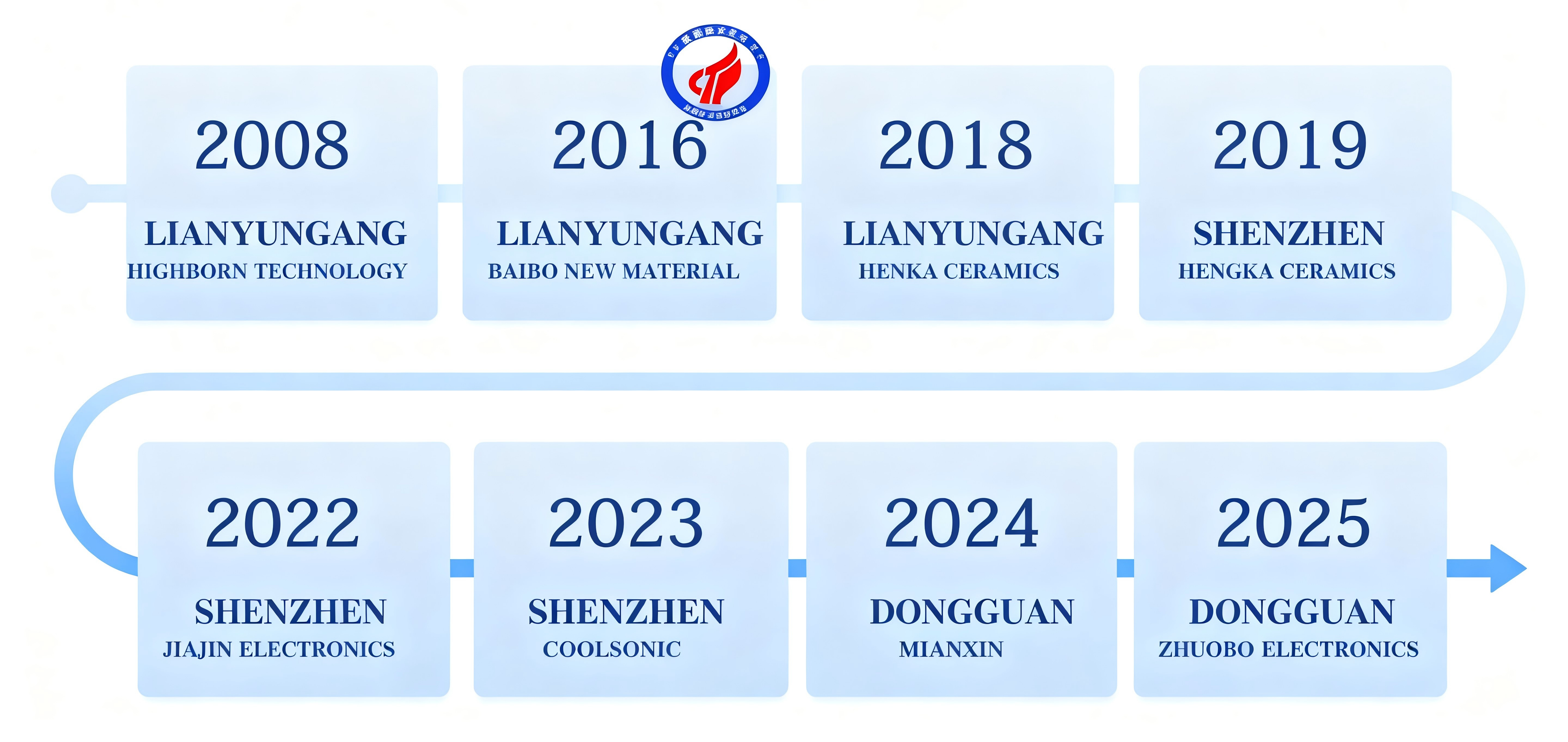
Historial de desenvolvemento
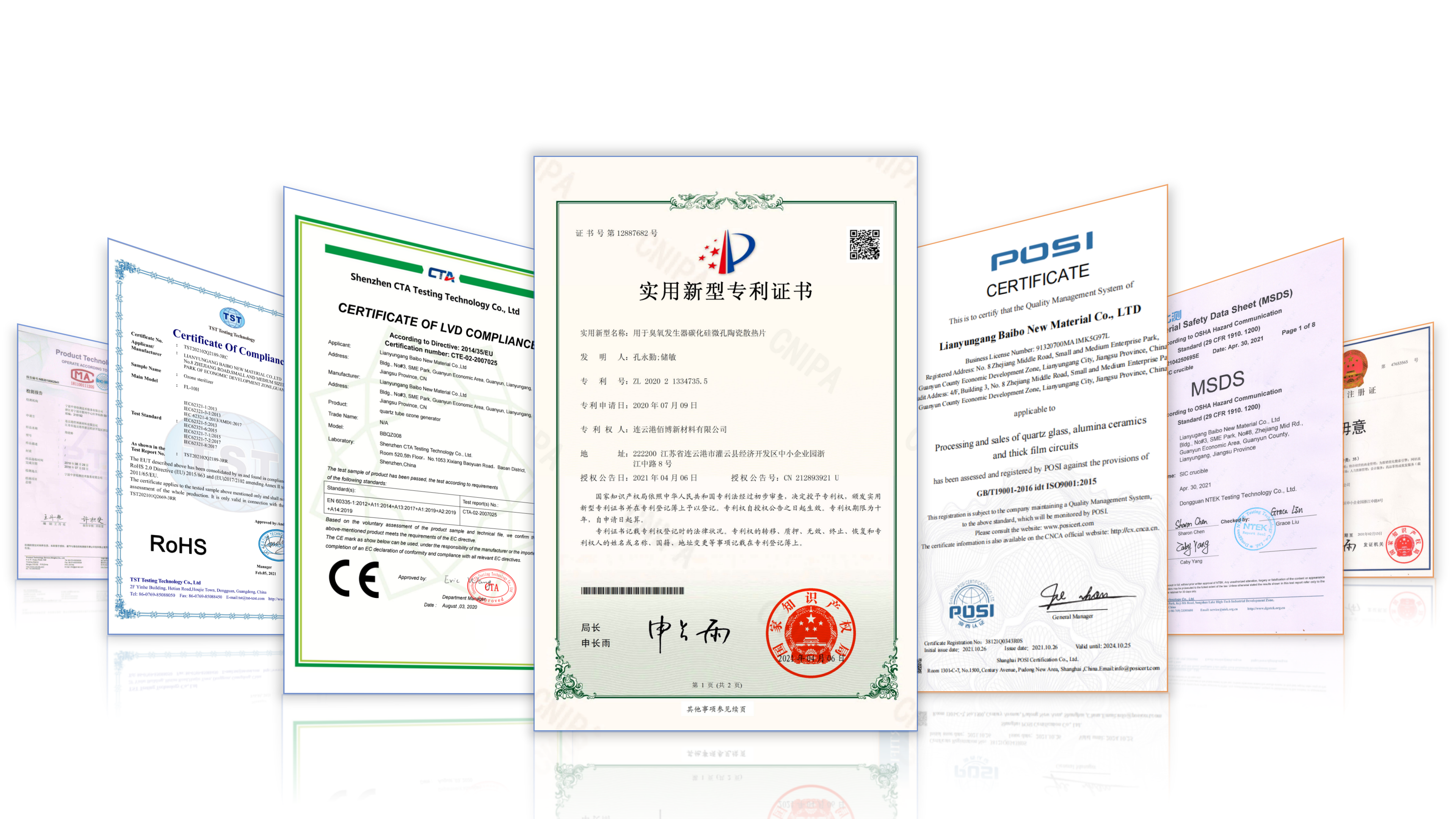
Patentes e certificacións
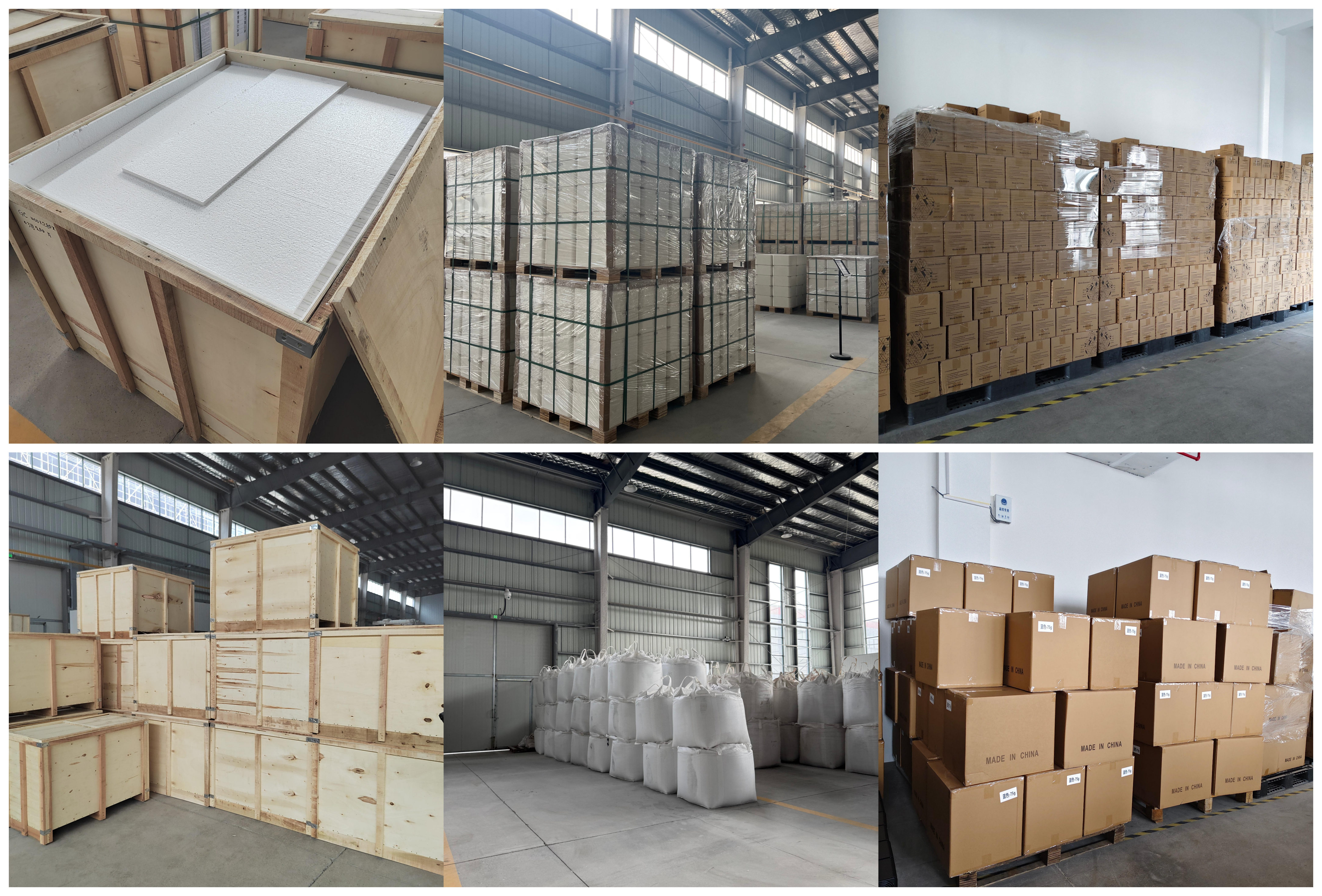
Embalaxe
Servizos
Preguntas frecuentes
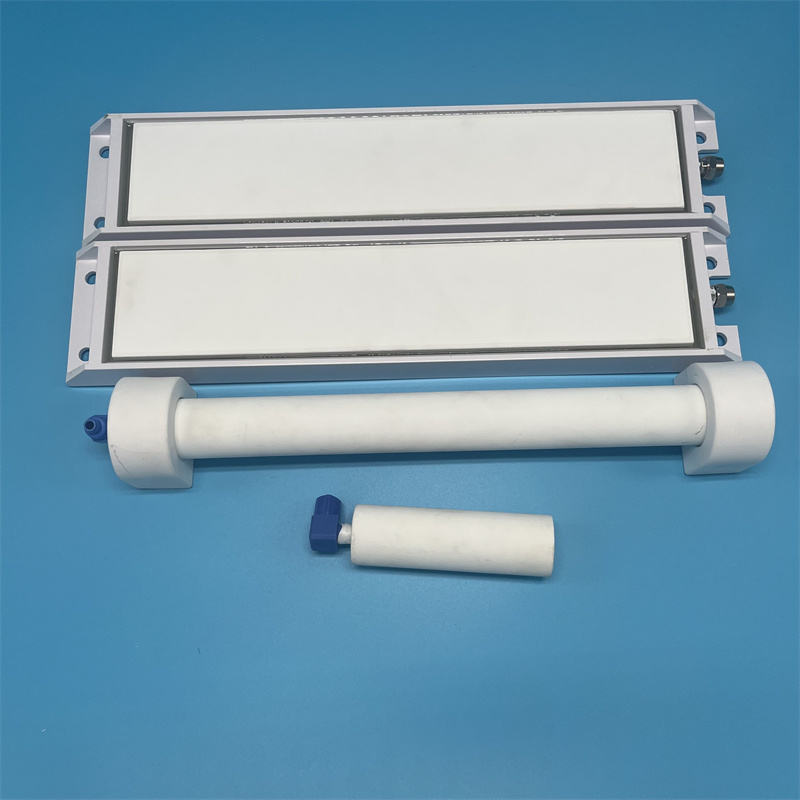
Disco de aireación para acuicultura difusor de oxíxeno cerámico micro-poroso para estanques de piscifactoría
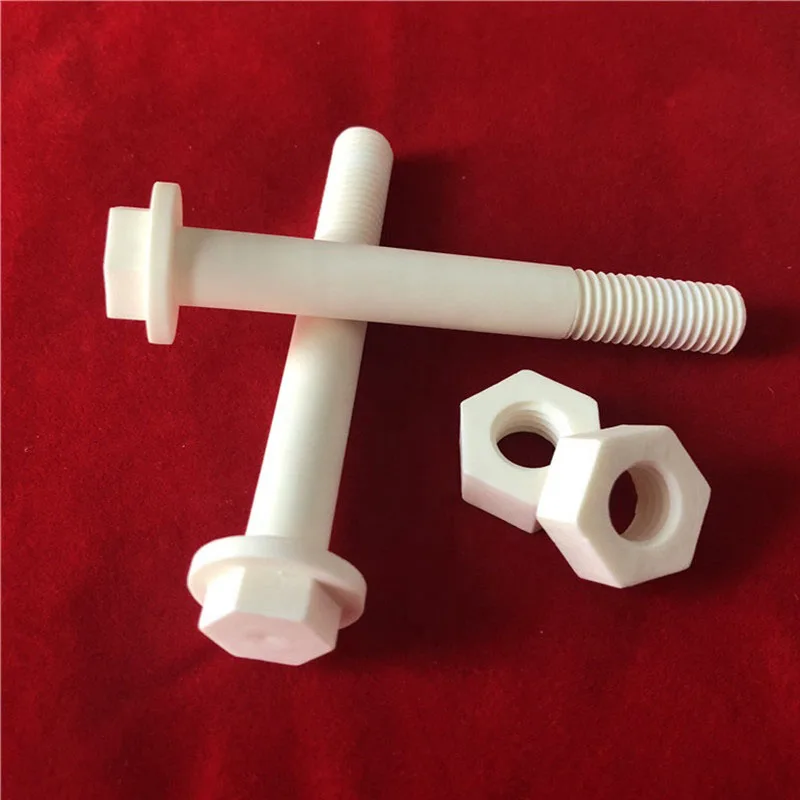
Parafuso cerámico de óxido de aluminio parafuso cerámico
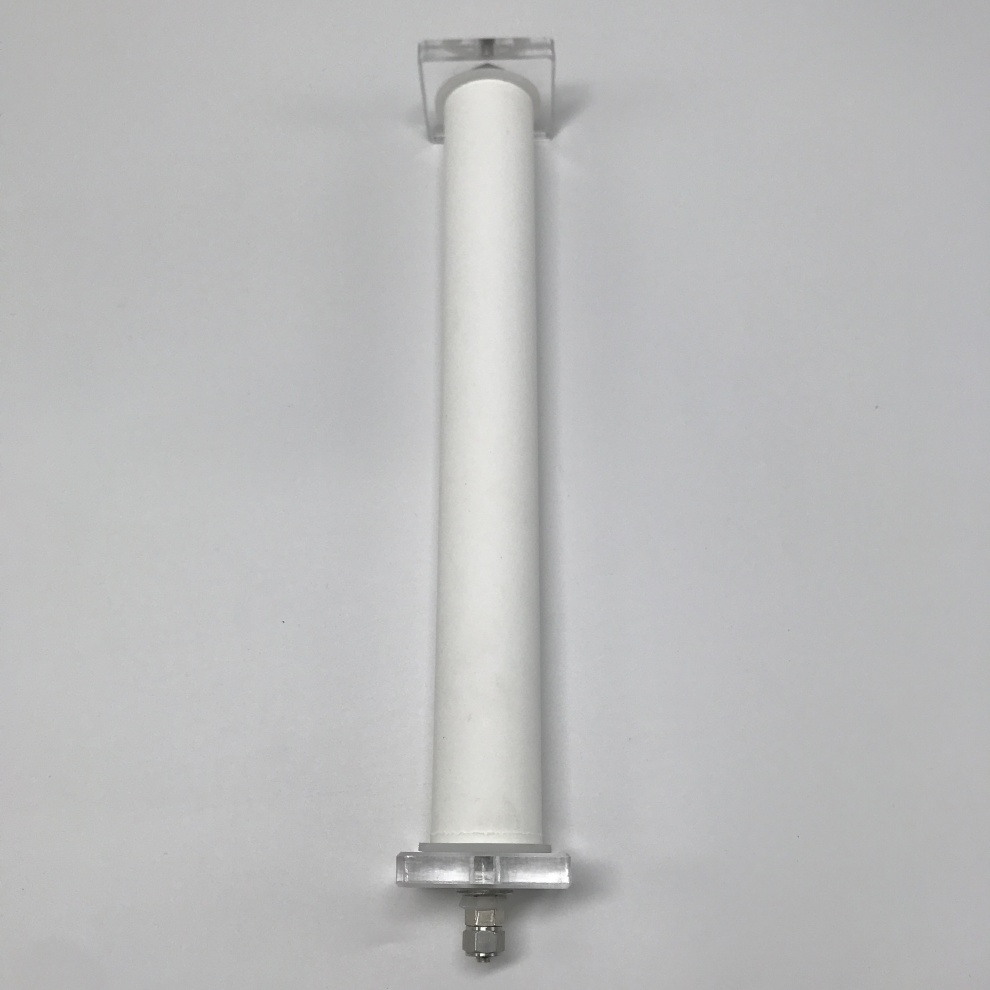
Cartucho tubular de aeración con burbullas de aire de cerámica porosa microporosa
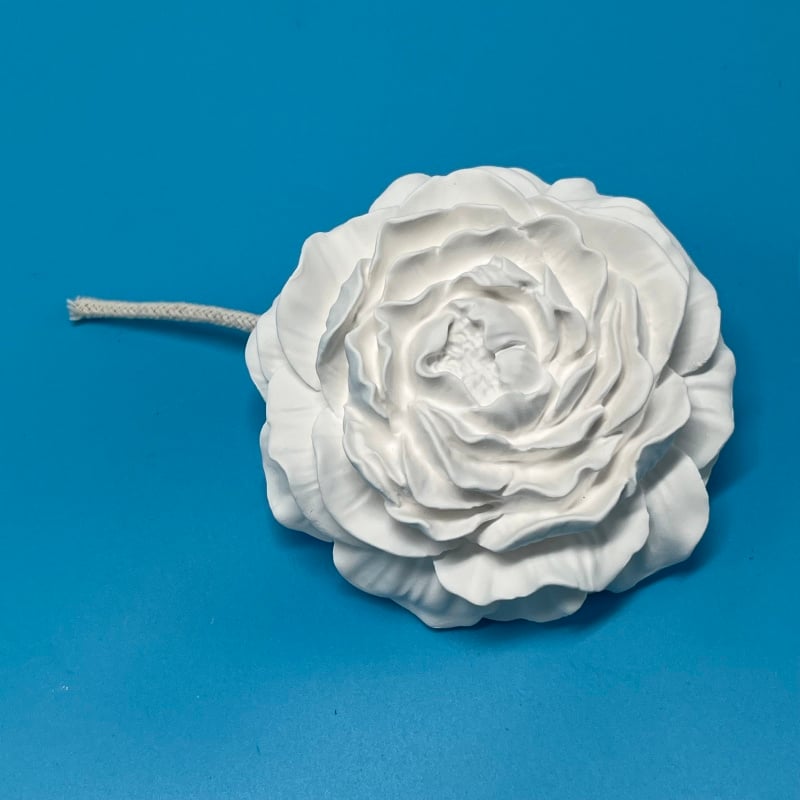
Difusor de Aroma Personalizado en Pedra de Xeso, Flor Aromática Perfumada/Sen Perfumar para Aromaterapia


 EN
EN