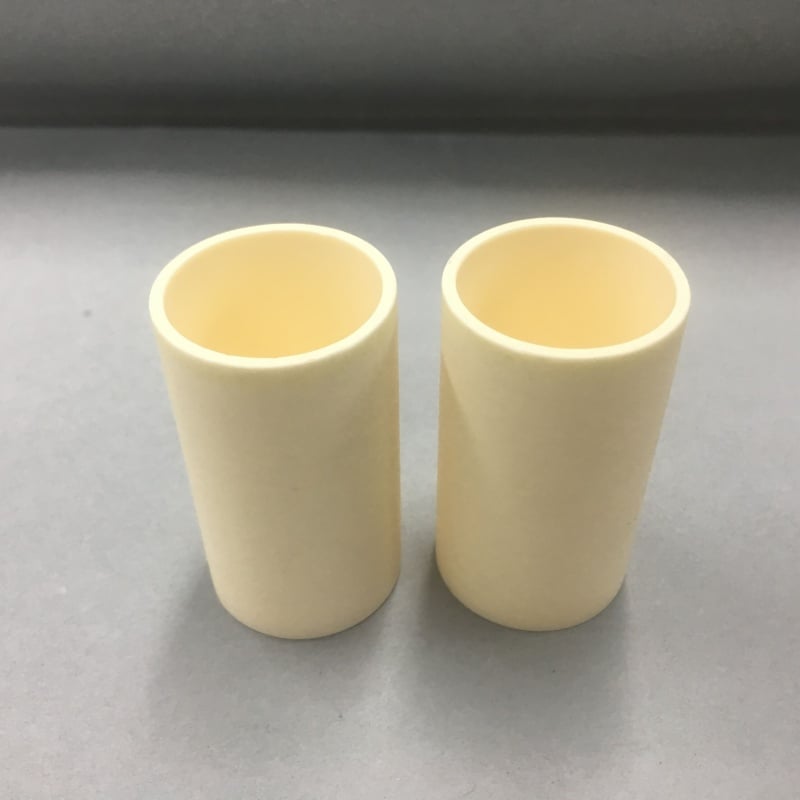
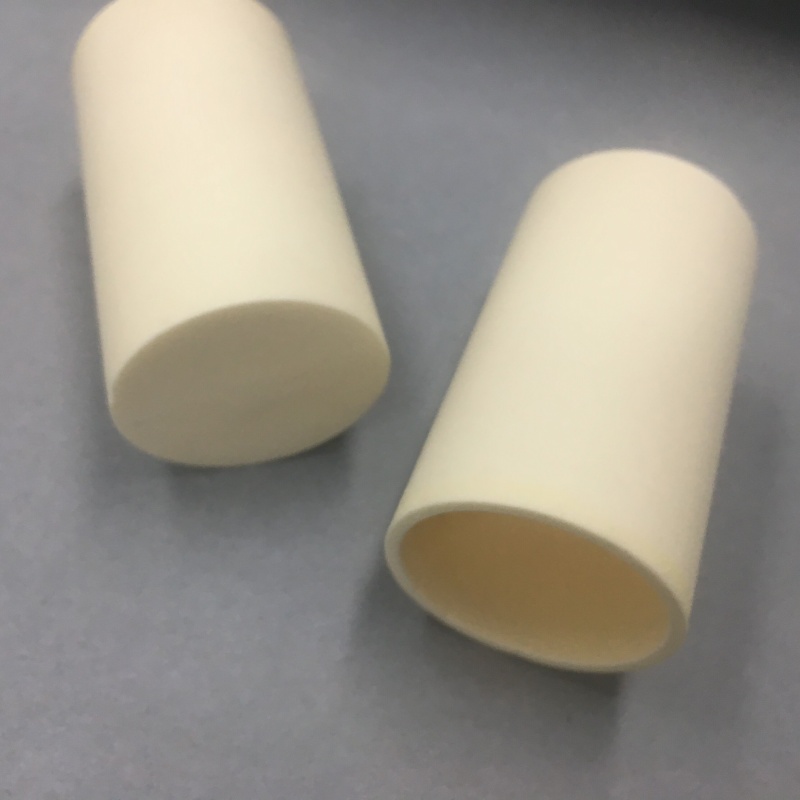
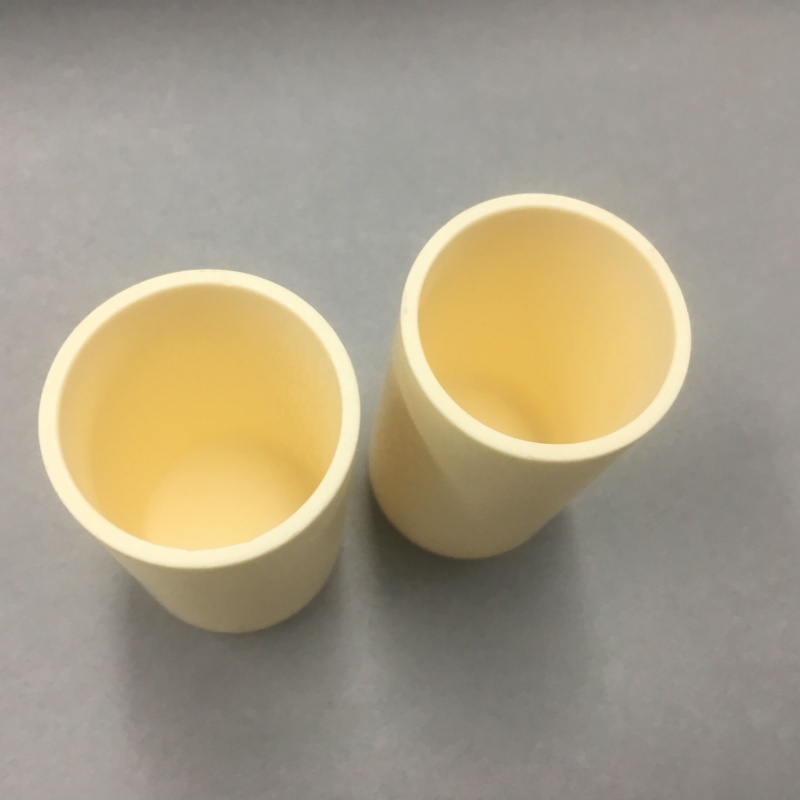
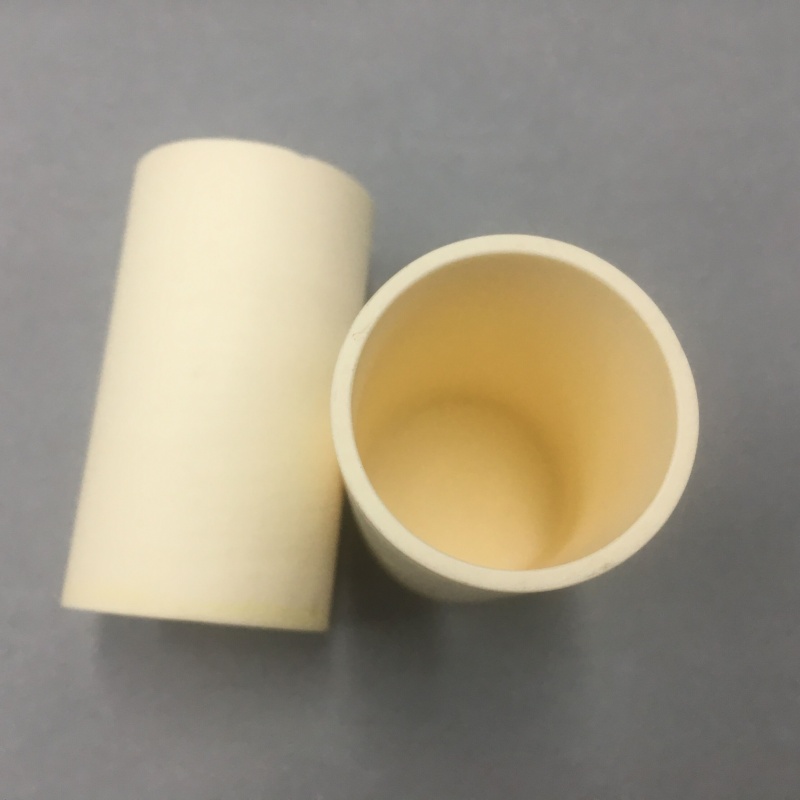
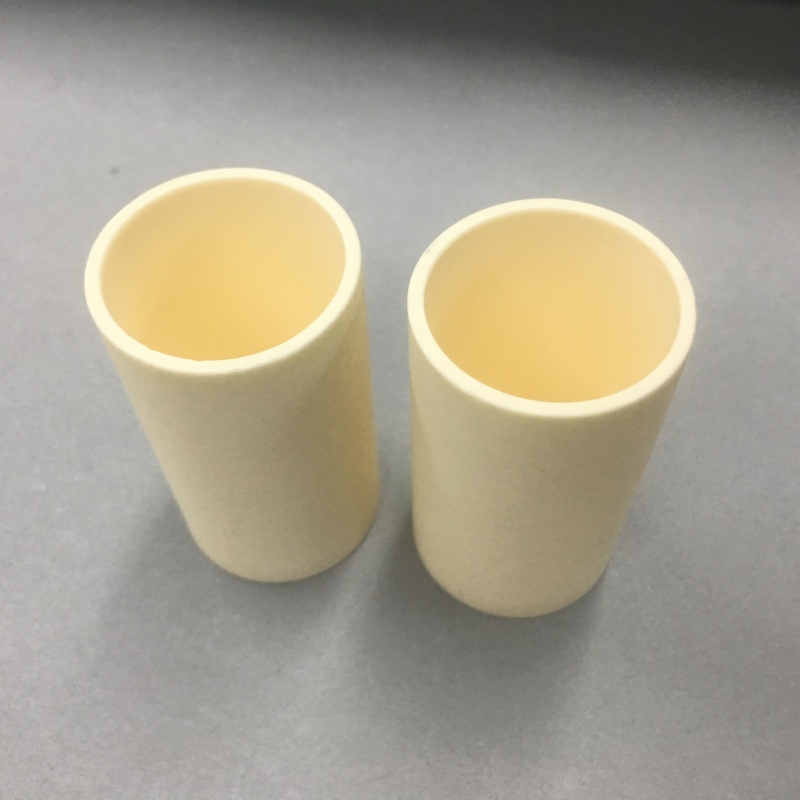
Main Component:
High-purity 99% alumina (Al₂O₃) ceramic powder as raw material.
Purpose of Ceramic crucible:
Ceramic crucibles are refractory containers used for high-temperature heating in chemical experiments and industrial production.
Main Appications:
They belong to the category of chemical instruments and are mainly applied in fields such as metallurgy, casting, and semiconductor preparation.
Working Condition:
Long-term stable service at 1600℃, short-time peak temperature resistance up to 1750℃.
Structure Type:
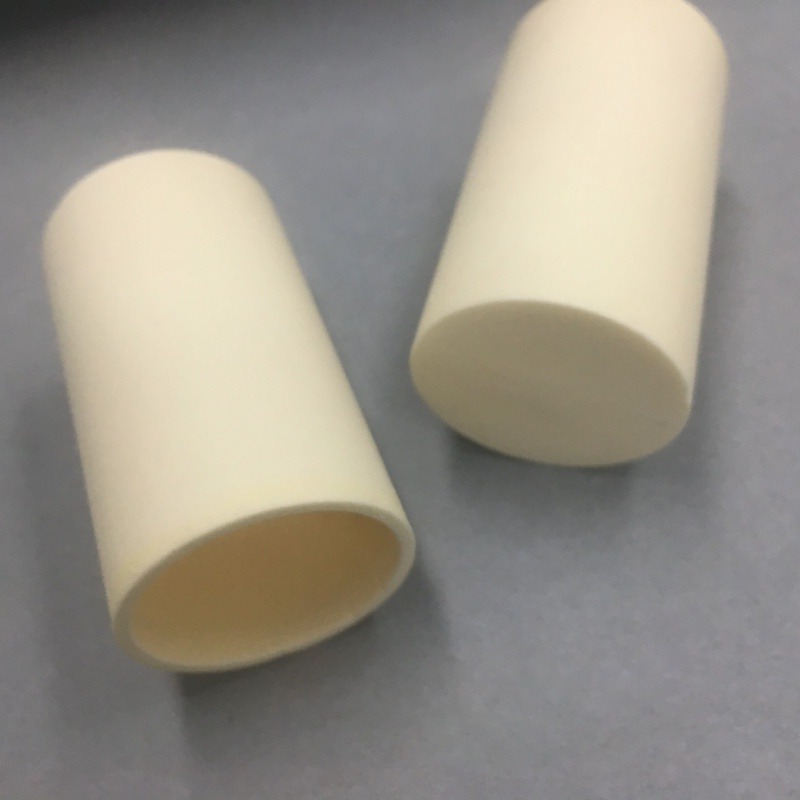
Cylindrical with flat bottom
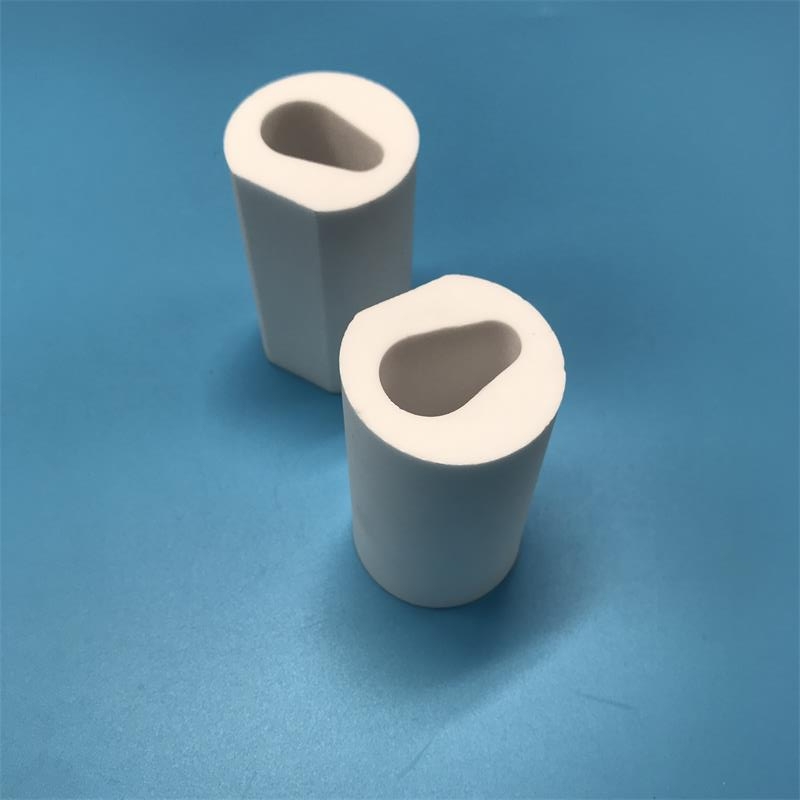
Main Component:High purity 99% alumina (Al₂O₃) ceramic powder as raw material, molded into seamless cylindrical melting crucible containers shown in the picture.
Porosity:Ultra-dense sintered structure with internal porosity below 0.3%, low water absorption and zero internal penetration channels.
Shape Form:Straight cylindrical integral forming design, uniform wall thickness, complete standard sizes from 5ml to 2000ml, customized dimensions available
1.2 Production Craft & Market Positioning
Processing Type:
Dry pressing / isostatic pressing forming + 1600℃–1750℃ high-temperature sintering + fine surface grinding
Industrial Standard:
Compliant with laboratory ceramic consumable testing standards, non-toxic, heavy metal free
Core Positioning:
Universal high-temperature lab vessel for sample melting, calcination, ashing and chemical reaction tests, replacing low-temperature quartz and clay crucibles
2. Core Characteristics
2.1 Ultra High Temperature Resistance
Max Working Temperature:Long-term stable service at 1600℃, short-time peak temperature resistance up to 1750℃.
Thermal Stability:Low thermal expansion coefficient, withstand rapid temperature rise and cooling without cracking
2.2 Excellent Chemical Inert Performance
Key Properties:Resistant to most acids, weak alkalis and molten metal solutions; will not react with lab samples to cause contamination
Material Purity:99% alumina content, no impurity precipitation during high-temperature heating, guarantee accurate experimental data
2.3 Dense & Smooth Surface Structure
Surface Feature:Glossy compact inner and outer walls, non-sticky molten samples, easy cleaning after experiments.
Seamless Integral Body:No gaps or joints inside the crucible, effectively prevent liquid sample leakage under high-temperature melting.
2.4 Stable Mechanical Strength
Hardness Index:High flexural strength and compressive strength, resist collision damage during daily lab handling
Anti-oxidation:No oxidation, softening or deformation under continuous high-temperature heating cycles
3. Advantages of ceramic crucible
3.1 Long Service Life & Cost Saving
Durability Advantage:Not easy to crack or deform under repeated high-temperature cycles, service life 4–6 times longer than clay crucibles.
Low Replacement Frequency:Stable physical performance reduces consumable purchasing cost for laboratories.
3.2 Zero Sample Contamination
High Purity Advantage:High alumina composition avoids ion precipitation, ensures no interference with element analysis and chemical testing
Anti-Corrosion Benefit:No chemical reaction with most experimental reagents, maintain original sample composition
3.3 Wide Temperature & Operation Adaptability
Scene Compatibility:Suitable for muffle furnaces, tube furnaces, high-temperature box furnaces and microwave heating equipment.
Thermal Shock Resistance:Survive frequent heating-cooling cycles without breakage, simplify complex experimental operation steps.
3.4 Flexible Customization & Complete Specifications
Size Customization:Support customized height, inner diameter, wall thickness and lid matching according to customer experimental demands.
Diversified Styles:Standard cylindrical, square, arc-bottom crucible shapes optional, small micro-volume and large-capacity models in stock.
4. Application of Alumina Ceramic Melting Crucible
4.1 Material Analysis Laboratory Testing
Used for mineral sample ashing, metal element melting and inorganic material calcination.
Experimental Demand:Meet high-temperature pretreatment requirements.
4.2 University & Research Institute Labs
Usage Scenario:Chemistry, material science, geology laboratory daily melting, sintering and thermal decomposition experiments.
Environment Adaptation:Fit long-term continuous heating in high-temperature muffle furnaces for academic research projects.
4.3 Industrial Quality Inspection Labs
Matching Equipment:Factory quality control laboratories for raw material purity detection, waste residue high-temperature treatment.
Value Output:Improve test result stability, reduce experimental error caused by crucible impurity pollution.
4.4 New Energy & Advanced Material Development Labs
High-End Matching:Lithium battery material sintering, ceramic powder calcination, rare earth element melting and separation experiments.
Special Demand:Meet ultra-high purity and high-temperature long-time holding requirements for new material development.
5. Usage notes
5.1 Handle with care:
Be careful during transportation to avoid dropping or shaking that may cause damage to the crucible.
5.2 Storage environment:
It should be stored in a dry and well-ventilated place to avoid moisture affecting the performance of the crucible.
5.3 Preheating treatment:
Before use, the crucible should be gradually heated to 500℃ to prevent cracking due to sudden temperature rise.
5.4 Feeding precautions:
Add materials according to the capacity of the crucible. Do not add too much material to avoid causing the crucible to expand.
5.5 Temperature control:
When heating in a high-temperature furnace, pay attention to controlling the rate of temperature increase to avoid rapid temperature changes.
6. More details about materials
The materials of ceramic crucibles mainly include alumina, zirconia, aluminum nitride, silicon carbide, silicon nitride, boron nitride, quartz ceramics, porcelain etc. Arc-shaped, cylindrical, square and rectangular shapes are all available here. There are many inventory specifications. The shape, size and surface treatment can all be customized according to your requirements.
7. Technical Data
| Item | Test Condition | Unit Symbol | 95% | 99% | 85% |
| The main chemical ingredient | Al2O3 | Al2O3 | Al2O3 | ||
| Bulk Density | g/cm3 | 3.6 | 3.89 | 3.4 | |
| Maximum Use Temperature | 1450℃ | 1600℃ | 1400℃ | ||
| Water absorption | % | 0 | 0 | <0.2 | |
| Flexural strength | 20°C | MPa (psi x 103) | 358 (52) | 550 | 300 |
| Coefficient of thermal expansion | 25 - 1000°C | 1×10⁻⁶/°C | 7.6 | 7.9 | 7 |
| Coefficient of thermal conductivity | 20°C | W/m·K | 16 | 30 | 18 |
Note: The above data is only for your reference.
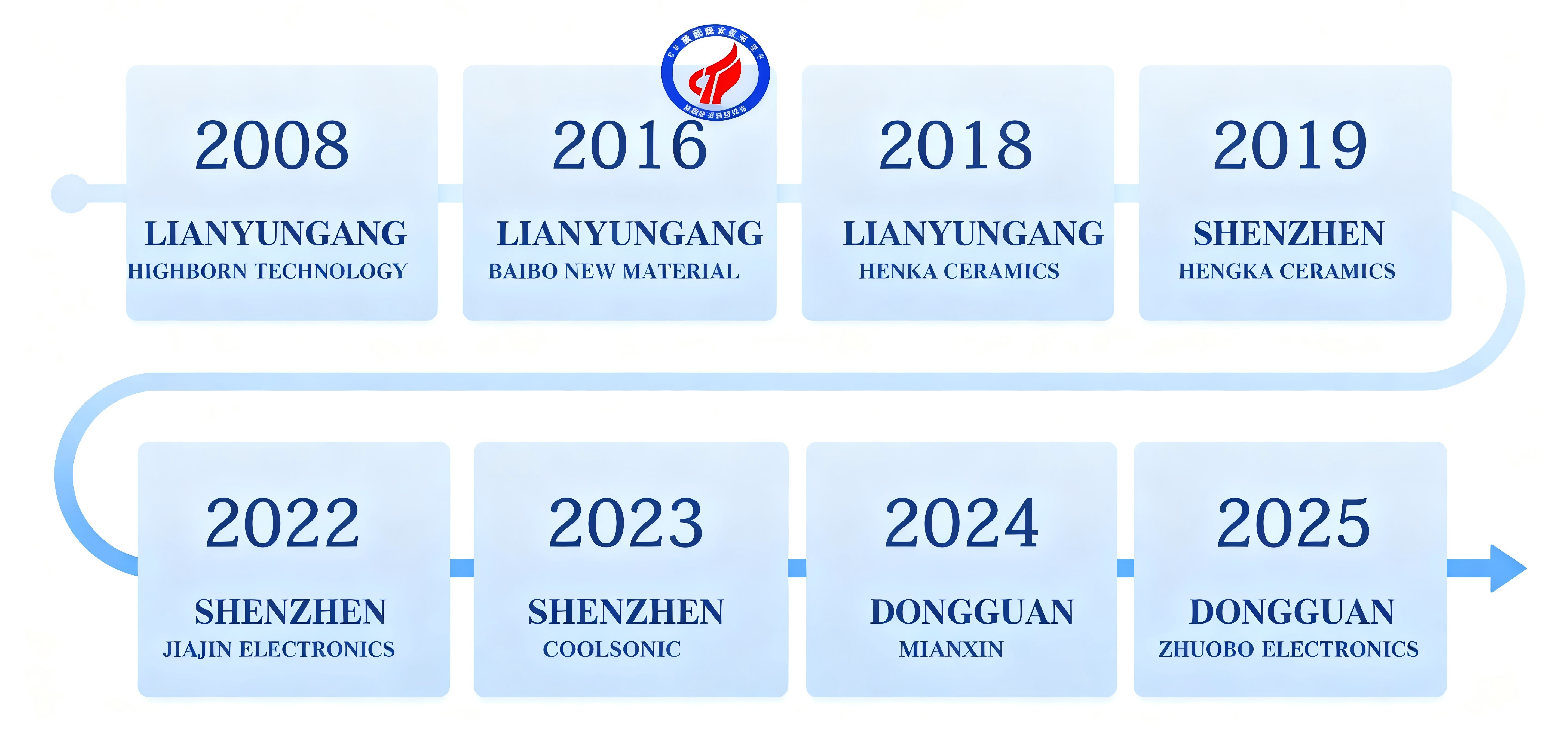
Development History
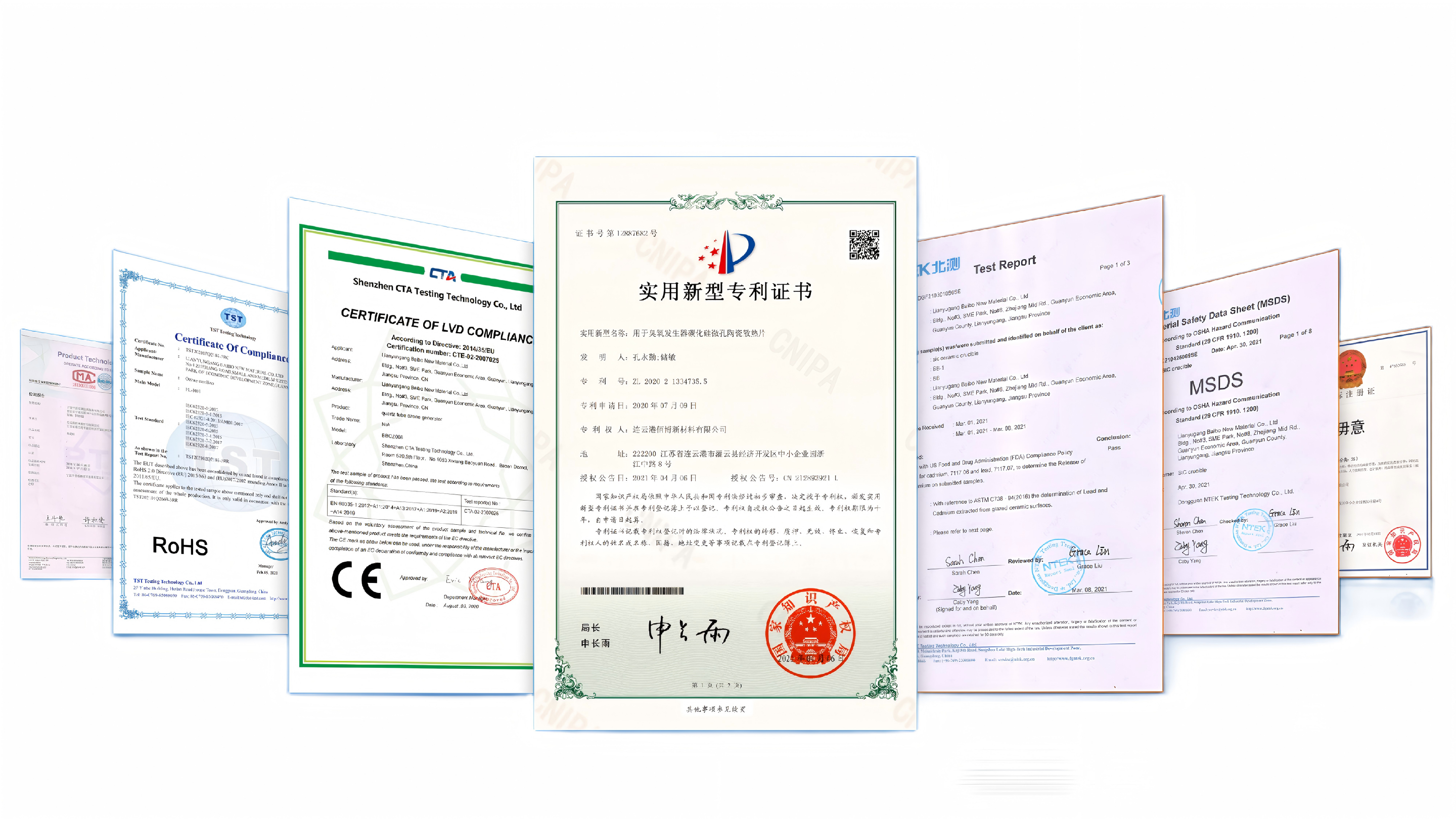
Patents and certification
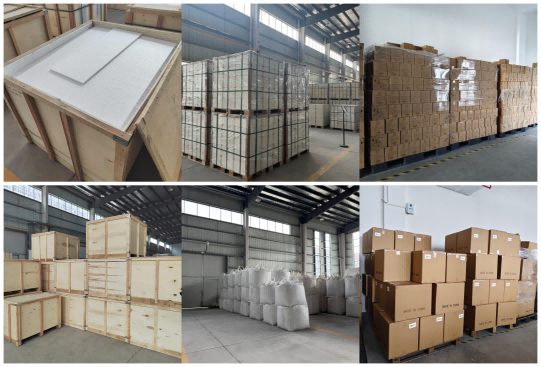
Package
Services
FAQ
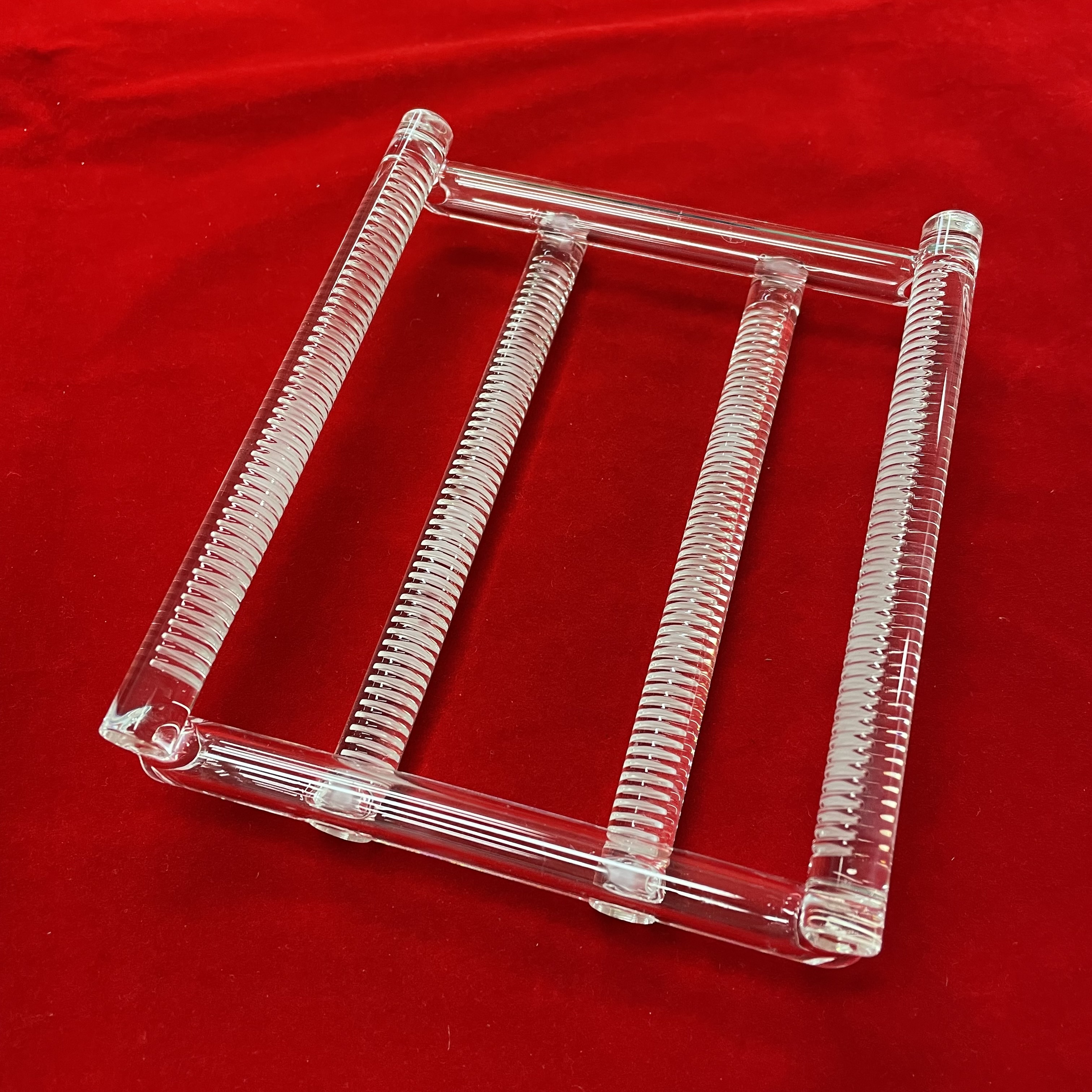
Solar Energy Customized Transparent Fused Silica Quartz Glass Boat
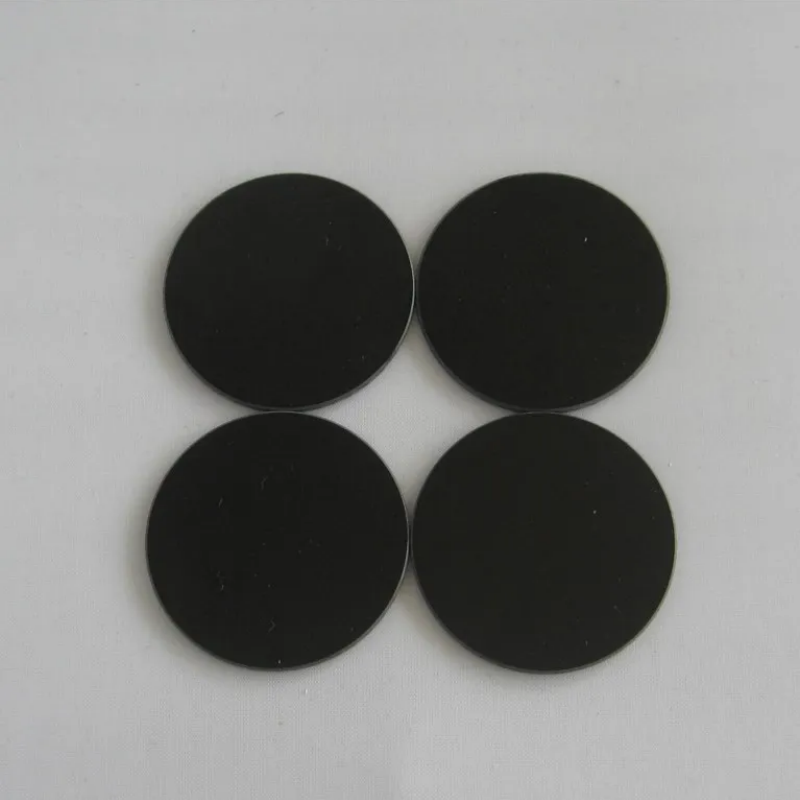
Customize Long pass Infrared Black RG IR RM Series Optical Filter Glass
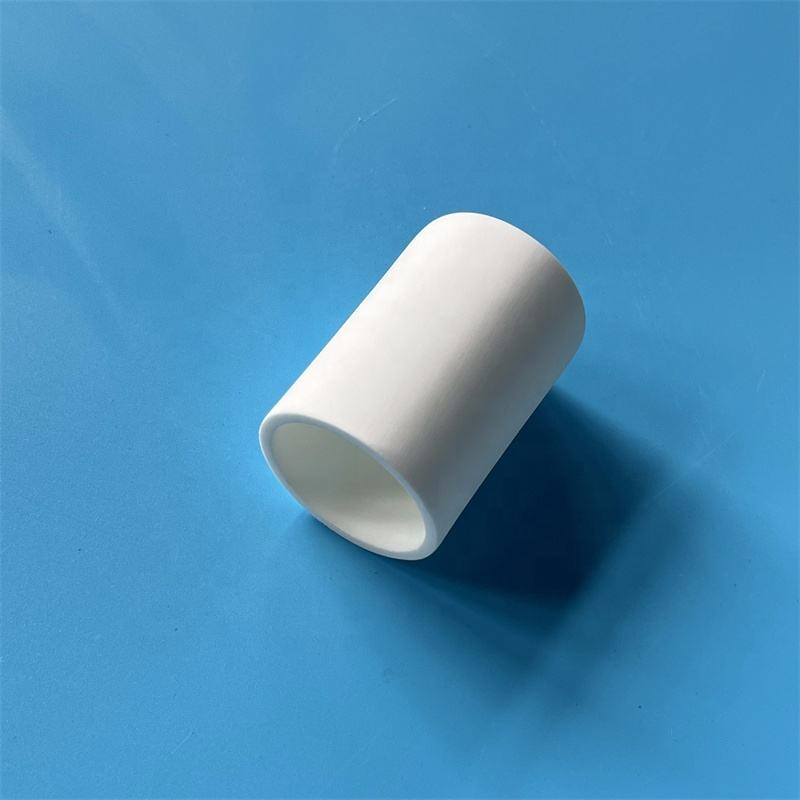
Custom High Temperature MgO Ceramic Crucible
High Reflectivity Laser Welding Ceramic Reflectors 99% Alumina Ceramic Cavity


 EN
EN