Core advantage
The core advantage of the silicone rubber sealing plug lies in its strong adaptability to extreme environments and its compliance with safety standards. This is specifically manifested in the following aspects:
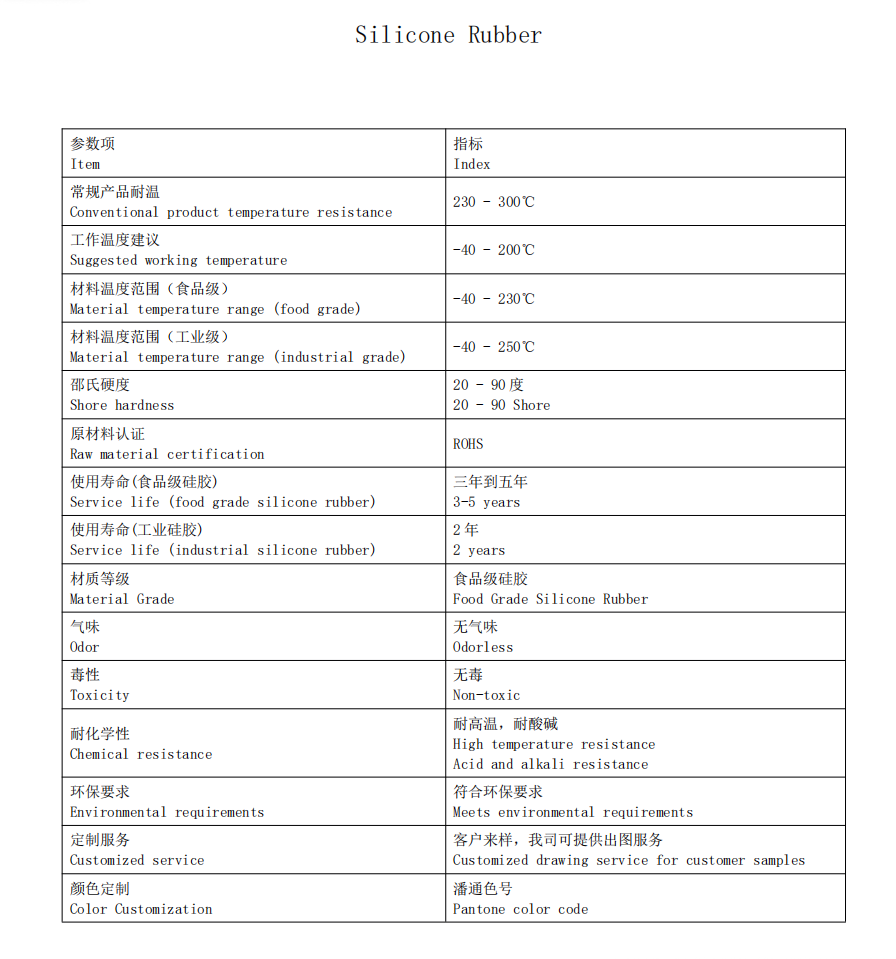
- Exceptional temperature resistance: It can operate for a long time within a wide temperature range of -60°C to +250°C, maintaining elasticity without cracking or softening, making it particularly suitable for alternating hot and cold conditions.
- Excellent weather resistance and chemical resistance: Resistant to ozone, ultraviolet rays and aging, suitable for outdoor exposure to sunlight and rain; also resistant to acids and alkalis, not easily corroded by common chemicals.
- Excellent electrical insulation and sealing performance: Possesses good dielectric properties and is less affected by moisture or temperature increase, making it an ideal choice for protecting electronic connectors; through optimizing the lip structure design, it can provide multiple redundant seals, effectively preventing leakage and pollutant intrusion.
- Outstanding safety and biocompatibility: The material is non-toxic, odorless, and physiologically inert, and can pass food-grade and medical-grade tests, widely used in baby products, medical devices and food equipment.
- Reliable elasticity and mechanical properties: The permanent deformation under compression is small, ensuring long-term tight sealing; at the same time, it has high tensile strength and tear strength, and is not easily damaged during assembly and use.
Application fields
Based on the core advantages of silicone rubber, it is widely applied in the field of sealing, covering almost all aspects from daily life to high-tech technologies. It can mainly be divided into the following major categories:
- Preformed sealing components (customized products)
This is the most common form, where silicone rubber is processed into specific shapes using molds and then used directly.
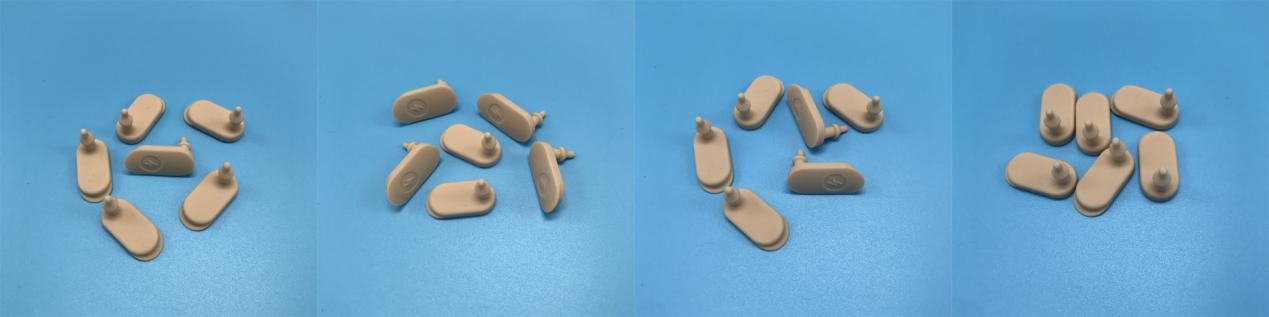
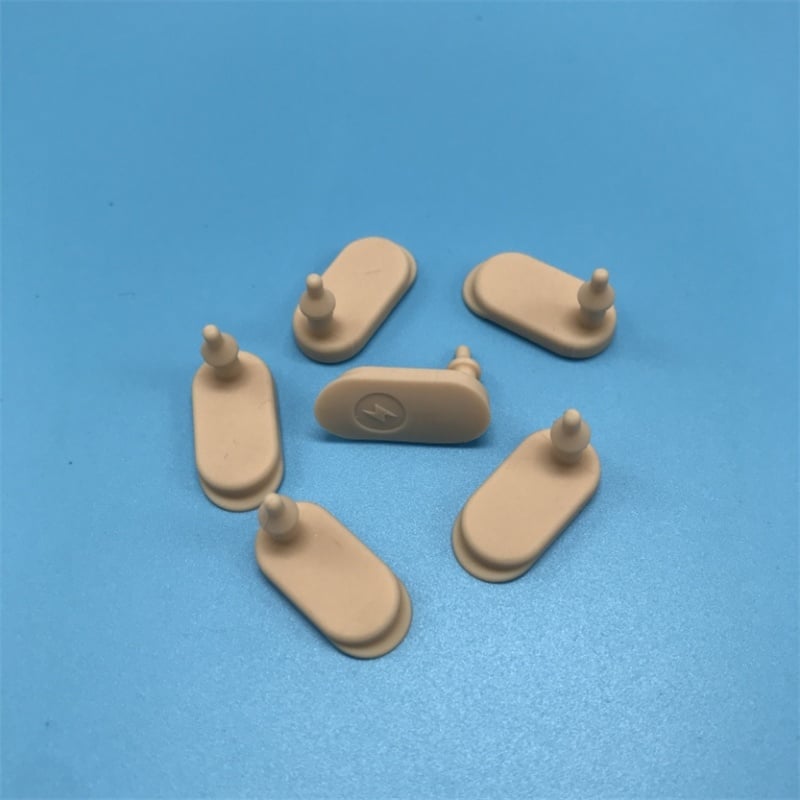
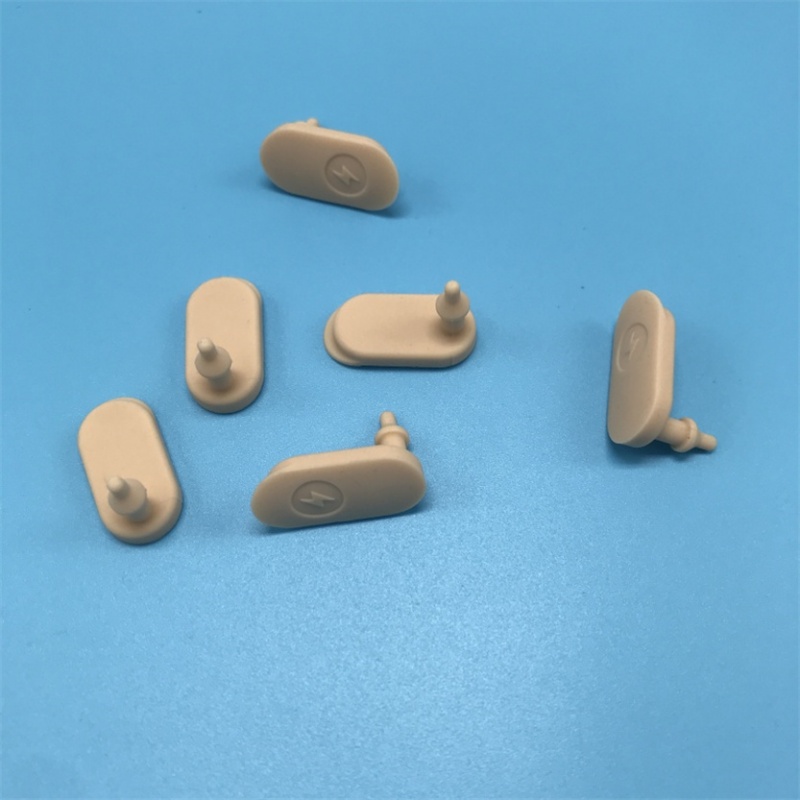
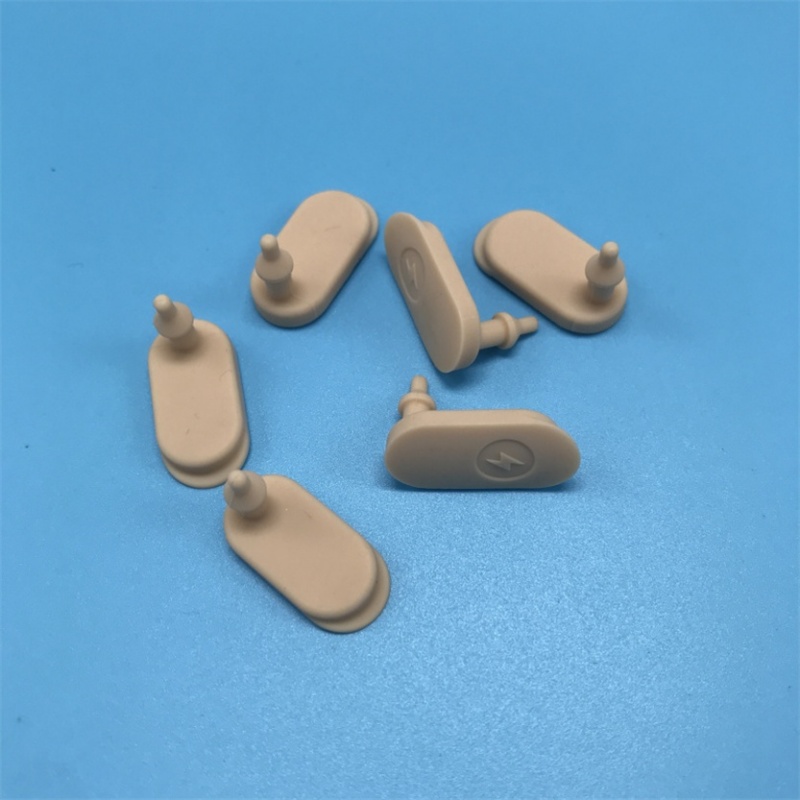
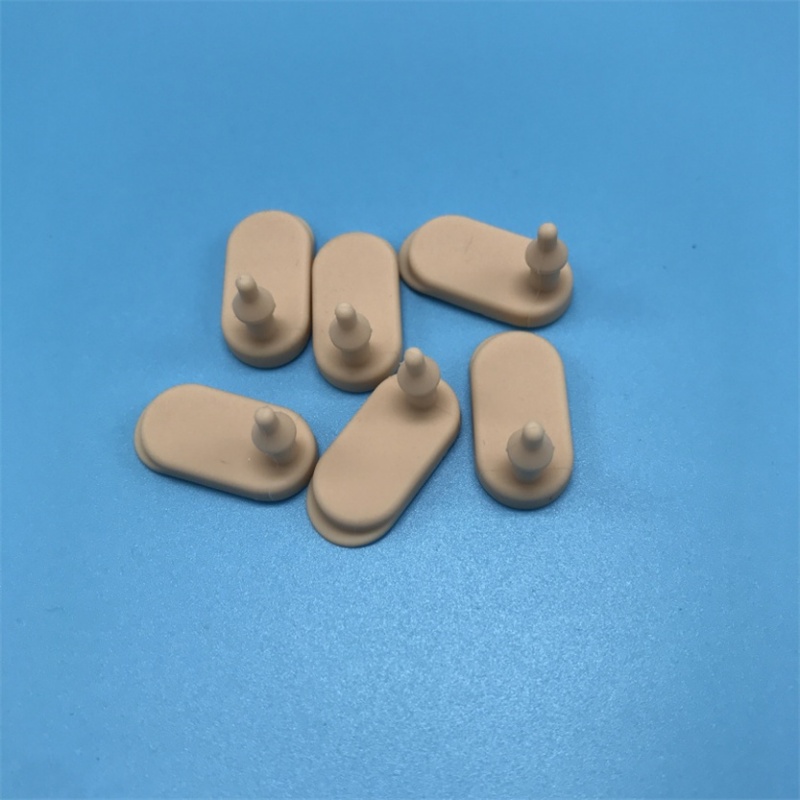
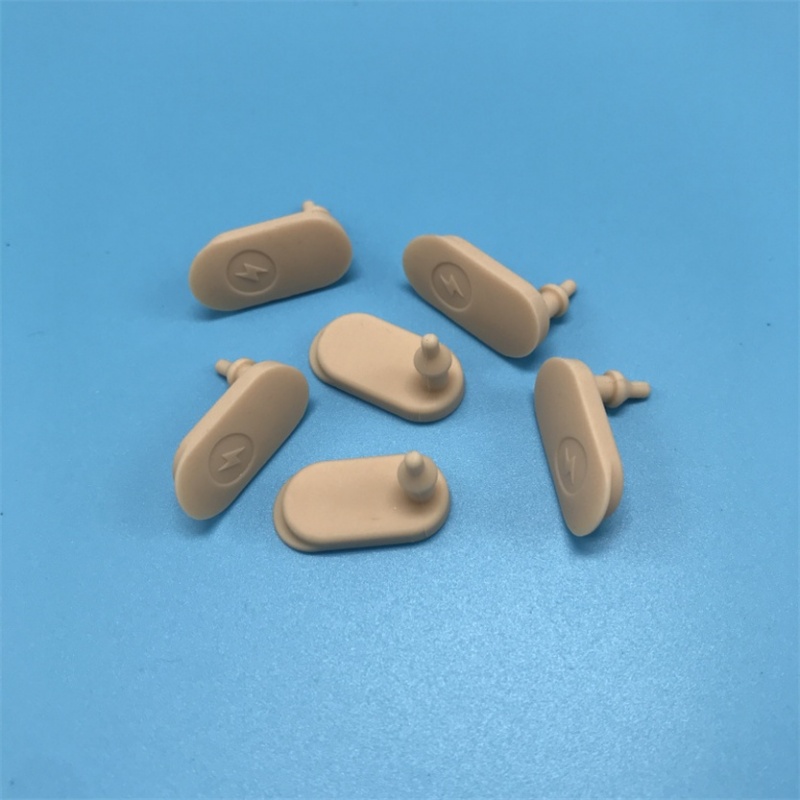
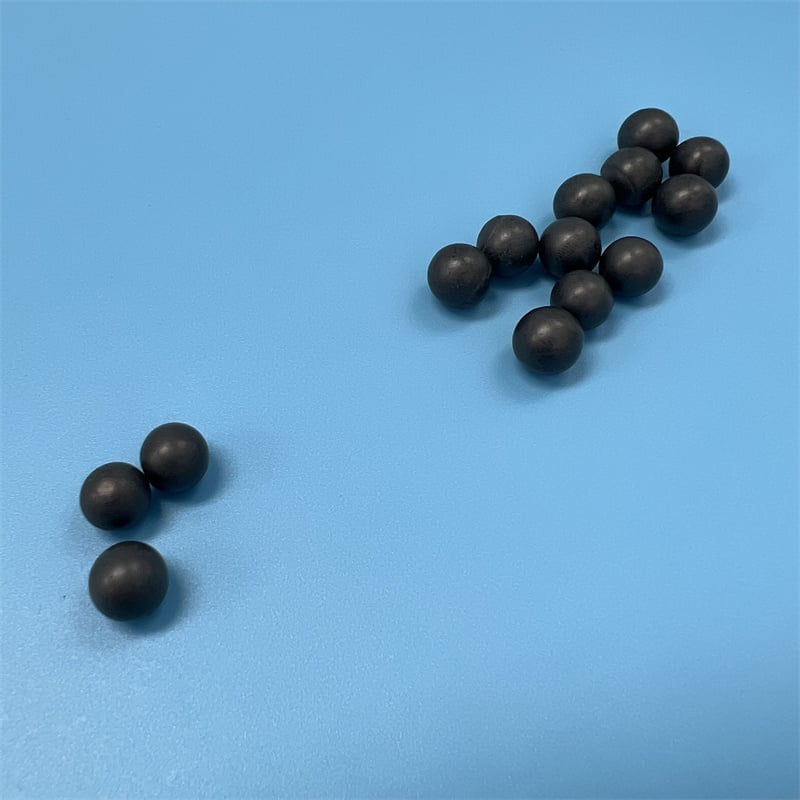
- Industrial plugs/coverings: Used for sealing holes or ports, such as waterproof plugs for protecting electronic connectors, and pipe end covers.
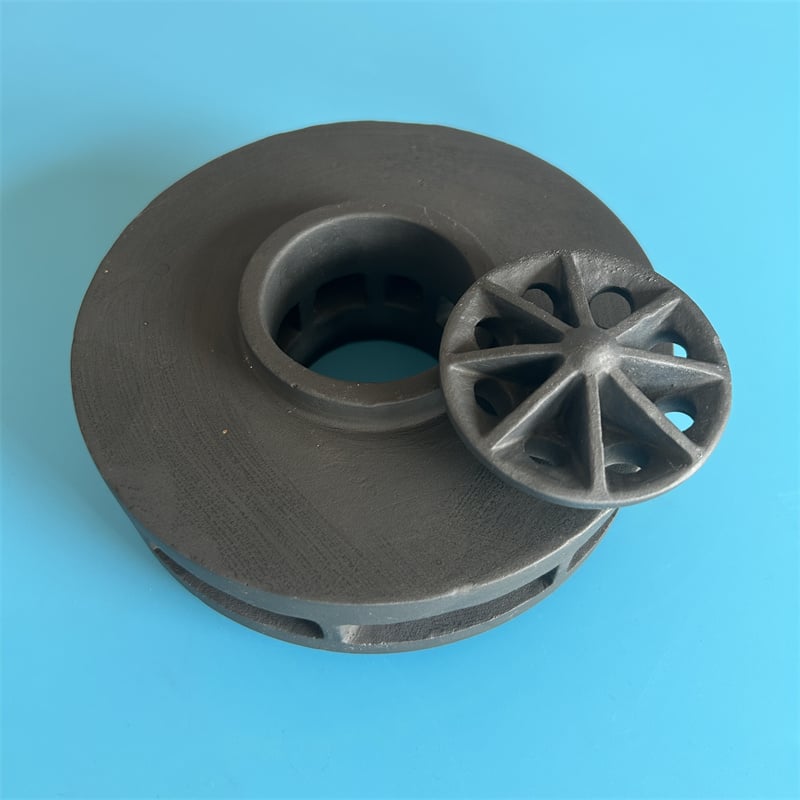
- Gaskets/Seals: Used for static sealing on flat surfaces, such as flanges, O-rings around engines, and special-shaped gaskets.
- Special-shaped sealing strips: Used for long-stroke sealing in doors, oven doors, etc., providing buffering and isolation functions.
- On-site molded sealing components (liquid adhesive)
This liquid silicone rubber is directly applied to the component and then solidifies to form the shape.
- On-site solidified/molded gaskets: Applied directly onto components such as engine cylinder blocks and pump interfaces and then solidified, they can perfectly fill uneven surfaces and simplify the assembly process.
- Typical Applications by Industry
Silicone rubber seals play an indispensable role in the following key areas:
- Automotive industry: Surroundings of engines (valve cover gasket, oil pan gasket), cooling system, waterproof sealing of electronic connectors.
- Electronic and electrical products: Waterproof plugs for mobile phones and smartwatches, sealing of battery casings, and dust-proof and water-proof rings for outdoor lamps.
- Medical and food: Pistons of syringes, sealing pads for medical devices, baby bottle drinking spout plugs, and sanitary sealing components for food processing equipment at pipeline connection points.
- Industrial manufacturing: Hydraulic system sealing rings, flange gaskets for chemical pipelines, and door seals for high-temperature ovens.
Notes (Recommendations)
Although silicone rubber seals have excellent performance, improper design or usage can still lead to early failure. During the actual selection and assembly process, there are several key points to note:
- Mechanical Design: Prevent Physical Damage
- The compression amount should be moderate: The elasticity of silicone rubber is excellent, but an excessive compression amount (typically recommended to be 15%-30%) will cause stress relaxation or permanent deformation, resulting in loss of sealing effect; insufficient compression amount will not be able to fill the gap.
- Leave expansion space: The thermal expansion coefficient of silicone rubber is higher than that of metals. In high-temperature environments, if the sealing piece is completely restricted in a rigid groove and cannot expand, it may bulge and cause sealing failure. Therefore, the groove design should reserve sufficient space.
- Avoid sharp edges and strong friction: During assembly, if there are sharp edges and corners in contact, it is very likely to cut the silicone rubber. It is recommended to design an introduction angle at the shaft end or hole end and apply lubricating grease to assist in installation.
- Chemical Compatibility: Be Alert to Medium Corrosion
- Poor oil resistance: Ordinary silicone rubber is not resistant to mineral oil, fuel oil, and solvents. In these media environments, the material will undergo swelling, dissolution or a decline in properties, and special materials such as fluorosilicone rubber must be used instead.
- Avoid strong acids and strong bases: Although silicone rubber is resistant to dilute acids and bases, it will decompose in high-concentration strong acids (such as concentrated sulfuric acid) or strong bases.
- Assembly and Storage: Maintain cleanliness and stability
- Prevent contamination by foreign substances: The surface of silicone rubber has strong adsorption capacity and is relatively soft. Once dust, burrs, etc. from the assembly environment adhere to it, they will form leakage channels. At the same time, if particles are embedded in the surface, it may also cause stress concentration and cracking.
- Avoid corona discharge: As an excellent insulator, the surface of silicone rubber is prone to accumulate static electricity and adsorb dust. In a high-voltage environment, if there is corona discharge, ozone will accelerate its aging and cracking.
Avoid long-term compression storage: If it is compressed for a long time during packaging or storage, the silicone rubber may undergo permanent compression deformation, resulting in failure before installation. It is recommended to use unpressurized horizontal place
Technical specifications



 EN
EN