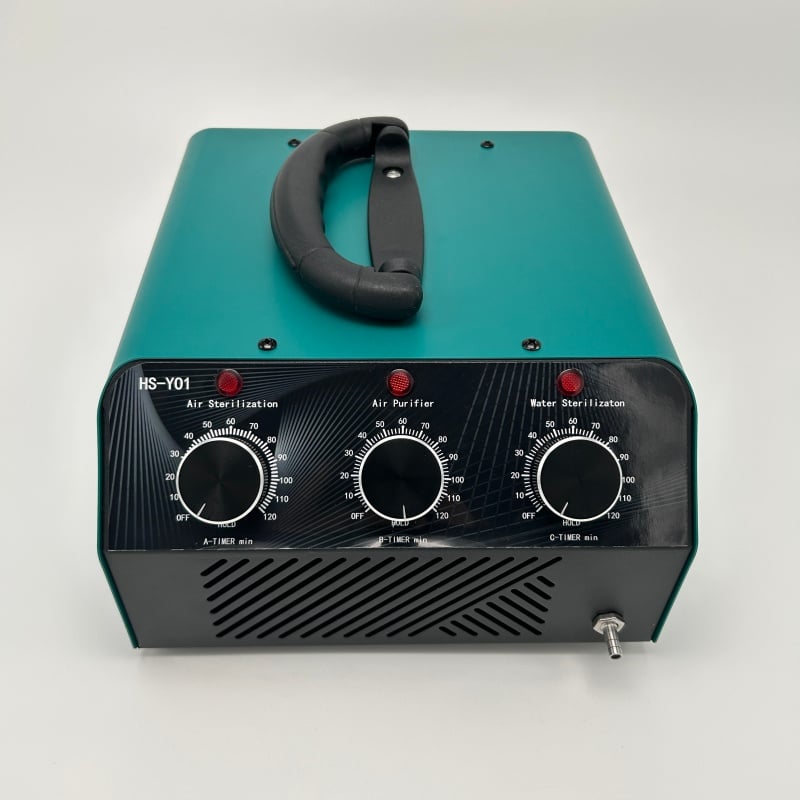
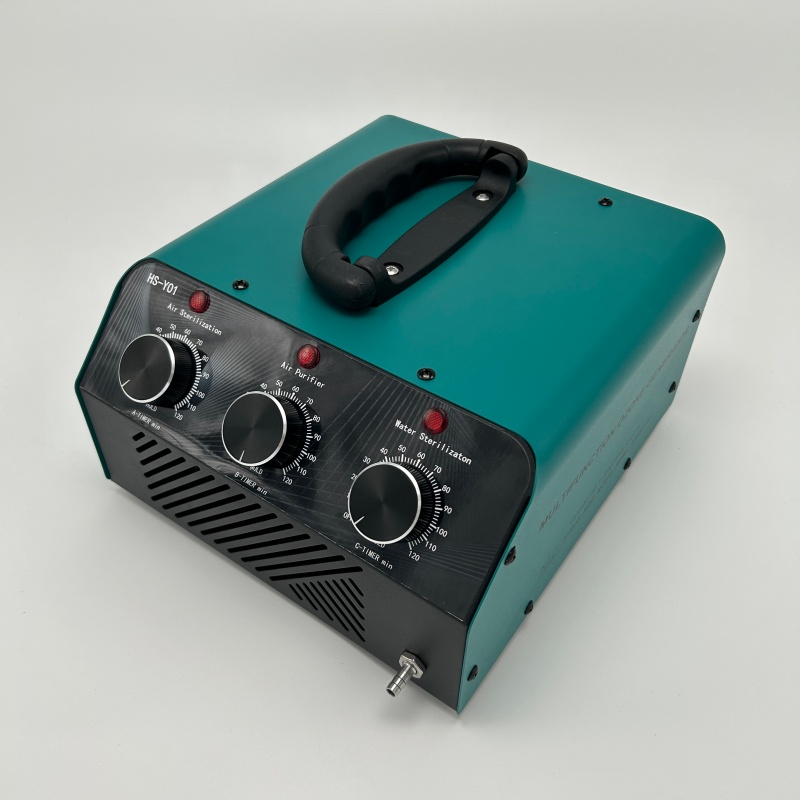
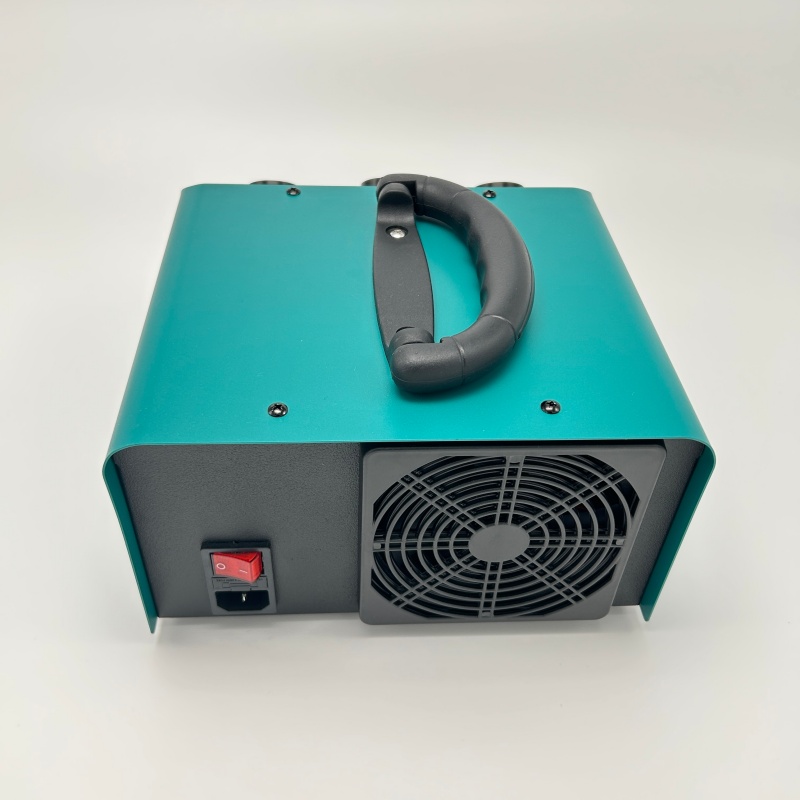
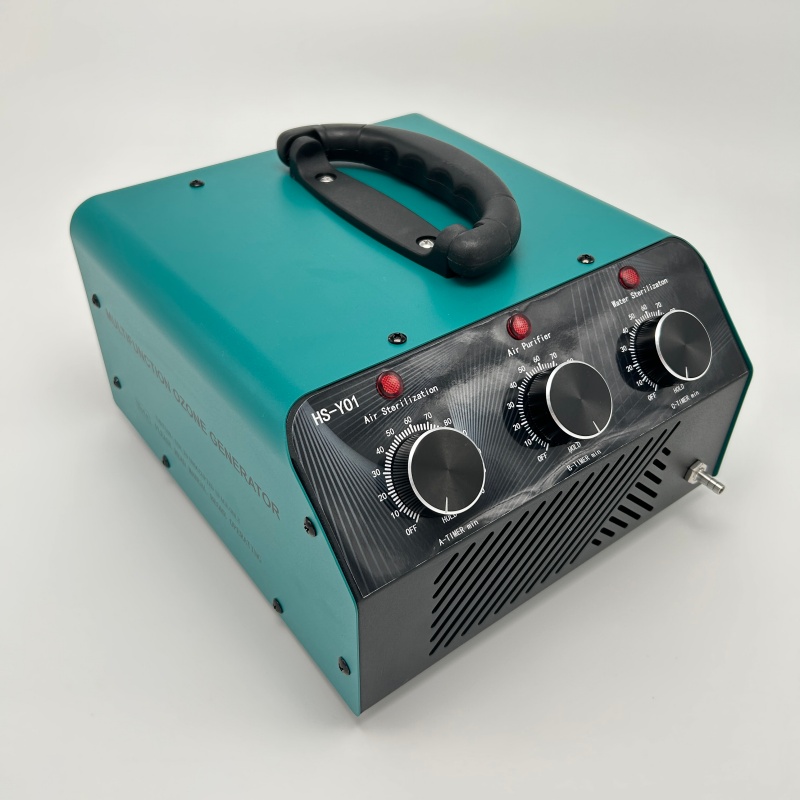
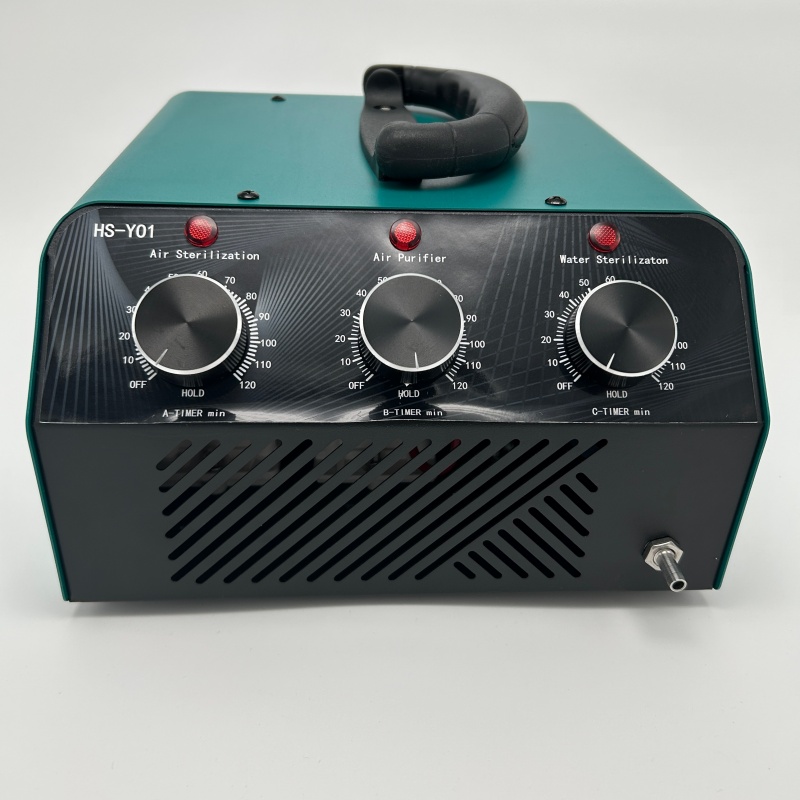
The ozone disinfection and sterilization machine (ozone generator) produces ozone (O₃) by using the principle of ozone light discharge (corona/crawl discharge). It takes air as the main raw material and applies a high-voltage electric field to split oxygen molecules into atoms, which then combine with O₂ to form ozone. Ozone is one of the strongest oxidants known. At a certain concentration, it can quickly kill various harmful bacteria, viruses, and organic contaminants in water and air. It is a broad-spectrum, high-efficiency sterilizer recognized worldwide.
Ozone generators are classified by feed gas type and cooling method:
Air-source type: Uses ambient air (dried and filtered). Lower cost but may produce trace nitrogen oxides.
Oxygen-source type: Uses concentrated oxygen from a concentrator or cylinder. Higher output and purity.
Cooling method: Air-cooled (small/medium units) or water-cooled (industrial systems).High-end models comply with ISO 9001, CE, FDA (food contact), and GB/T 37859-2019. They include overload protection, automatic shutdown, and timer controls for safe operation.
The core component is the dielectric discharge tube (ceramic, quartz, or glass with stainless steel electrodes). The discharge gap is precisely controlled to maximize ozone generation efficiency. The only physical limitations are low natural plasticity and relatively low mechanical strength due to high porosity, which can be improved by modification treatment.
Ozone output: adjustable from 5 g/h to 500 g/h.
Concentration: up to 60–120 mg/L with oxygen feed.Ozone is a broad-spectrum antimicrobial agent.
Power consumption:6–10 kWh per kg of ozone produced.Operating temperature: ambient; cooling system prevents overheating.
Housing: corrosion-resistant materials (316L stainless steel or ABS plastic).
Ozone (O₃) is a pale blue gas with a pungent odor. It is chemically unstable and decomposes back to oxygen (O₂) within minutes to hours, leaving no residue. Key chemical behaviors:
Strong oxidation potential (2.07 V), second only to fluorine.
Reacts rapidly with organic compounds, breaking double bonds, oxidizing sulfides, amines, and phenols.
Effectively neutralizes VOCs, smoke particles, and microbial metabolites.
Does not produce chlorinated by-products (unlike chlorine).
Ozone is toxic at high concentrations (>0.1 ppm prolonged exposure). Therefore, commercial machines include:
Automatic shutoff wheoor opens or room occupancy detected.
Timer-controlled operation for unattended shock treatment.
Built-in ozone destructor (catalytic or thermal) for exhaust gas.After treatment, ozone naturally reverts to oxygen within 30–120 minutes, making it an environmentally friendly method with zero secondary pollution.
Ozone does not mask odors — it destroys them at the molecular level through oxidation. Effective against:
Smoke (cigarette, fire) – ideal for shock treatments in cars, homes, hotels.
Pet odors (urine, feces, dander).
Cooking smells (fish, grease, spices).
Volatile organic compounds (VOCs) from paints, carpets, adhesives.
Mold and mildew musty odors.
Ozone is a broad-spectrum antimicrobial agent. It oxidizes cell walls, causing rupture, and disrupts internal DNA/reproduction. Targets include:
Bacteria: E. coli, Salmonella, Legionella.
Viruses: Influenza, norovirus, SARS-CoV-2 (surface and airborne).
Mold spores: kills on surfaces and in air.
Dust mites: neutralizes allergens.At appropriate concentrations (1–5 ppm air, 0.4 mg/L water), ozone achieves >99.9% reduction in pathogens within minutes.
As a gas, ozone reaches places that sprays, wipes, and filters cannot. It permeates entire rooms, flowing into air ducts, deep carpet fibers, upholstery, wall cavities, and behind appliances — areas impossible to clean manually.
Unlike deodorizing sprays or chemical cleaners, ozone leaves no physical residue. After its job, it naturally reverts to breathable oxygen (O₂) within 30 minutes to a few hours. No perfumes, sticky surfaces, or disposal containers.
For targeted problems, ozone works much faster than passive methods (HEPA filters, charcoal bags). A single concentrated shock treatment over several hours can eliminate odors that would otherwise persist for weeks, or achieve results impossible with other methods.
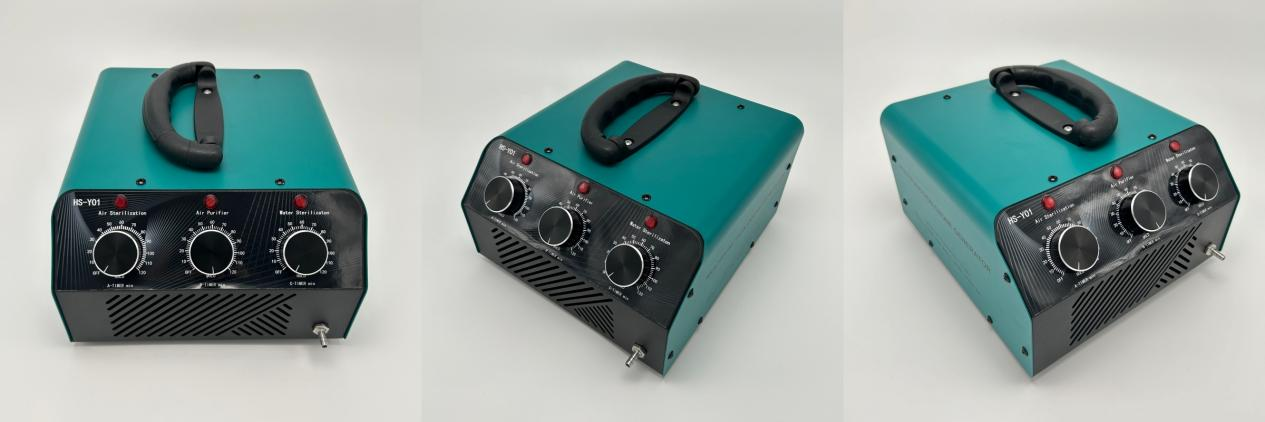
4.1 Water Treatment
Ozone serves as a primary disinfectant in water treatment, often outperforming chlorine without chemical taste or harmful by-products.
Municipal Water Plants: Kills bacteria, viruses, and parasites (Giardia, Cryptosporidium) more effectively than chlorine, without chemical taste.
Bottling Plants: Disinfects bottles and sterilizes water before bottling.
Swimming Pools & Spas: A chlorine-free alternative — no red eyes or strong chemical smell.
Aquaculture: Maintains water quality and reduces disease in fish farms without harming fish
4.2 Water Treatment
Ozone helps extend shelf life and improve food safety through powerful oxidation.
Cold Storage: Inhibits mold and bacteria growth in fruit and vegetable storage rooms, significantly extending shelf life.
Surface Sanitation: Disinfects food processing equipment, conveyor belts, and preparation surfaces.
Meat & Poultry: Reduces bacterial loads (E. coli, Salmonella) on meat produc
4.3 Healthcare & Laboratories
Ozone provides chemical-free sterilization for sensitive medical and lab environments.
Medical Device Sterilization: Sterilizes heat-sensitive equipment without high temperatures.
Surface Disinfection: Creates a sterile environment in labs and pharmaceutical facilities.
4.4 Restoration & Remediation
Ozone is the industry standard for eliminating stubborn odors and contaminants after disasters.
Fire & Smoke Damage: The primary method for removing persistent smoke smell from buildings and vehicles after a fire.
Water & Mold Damage: Kills mold spores and eliminates musty odors after moisture removal.
Biohazard Cleanup: Neutralizes odors from decomposition, sewage backups, and biological contaminants.
| Advantage | The Associated Risk / Critical Limitation |
| Powerful Odor Destruction | Ozone is a toxic gas and a lung irritant. It is unsafe for humans and pets to breathe. You must never be in the room while it is operating. |
| Effective Disinfection | It is not a substitute for cleaning. It will not remove physical mold or dirt. Its effectiveness varies with concentration and exposure time. |
| Gas-Phase Penetration | It can damage materials. Its oxidizing power degrades rubber, weakens certain plastics and fabrics, and can corrode electronics and artwork over time. |
| Leaves No Residue | The gas itself is the hazard. The space must be thoroughly ventilated for 1-4 hours after treatment before it is safe to re-enter. |
| Operational Speed | It is a "shock treatment" tool, not an everyday air purifier. It is completely unsuitable and dangerous for improving air quality in an occupied space. |
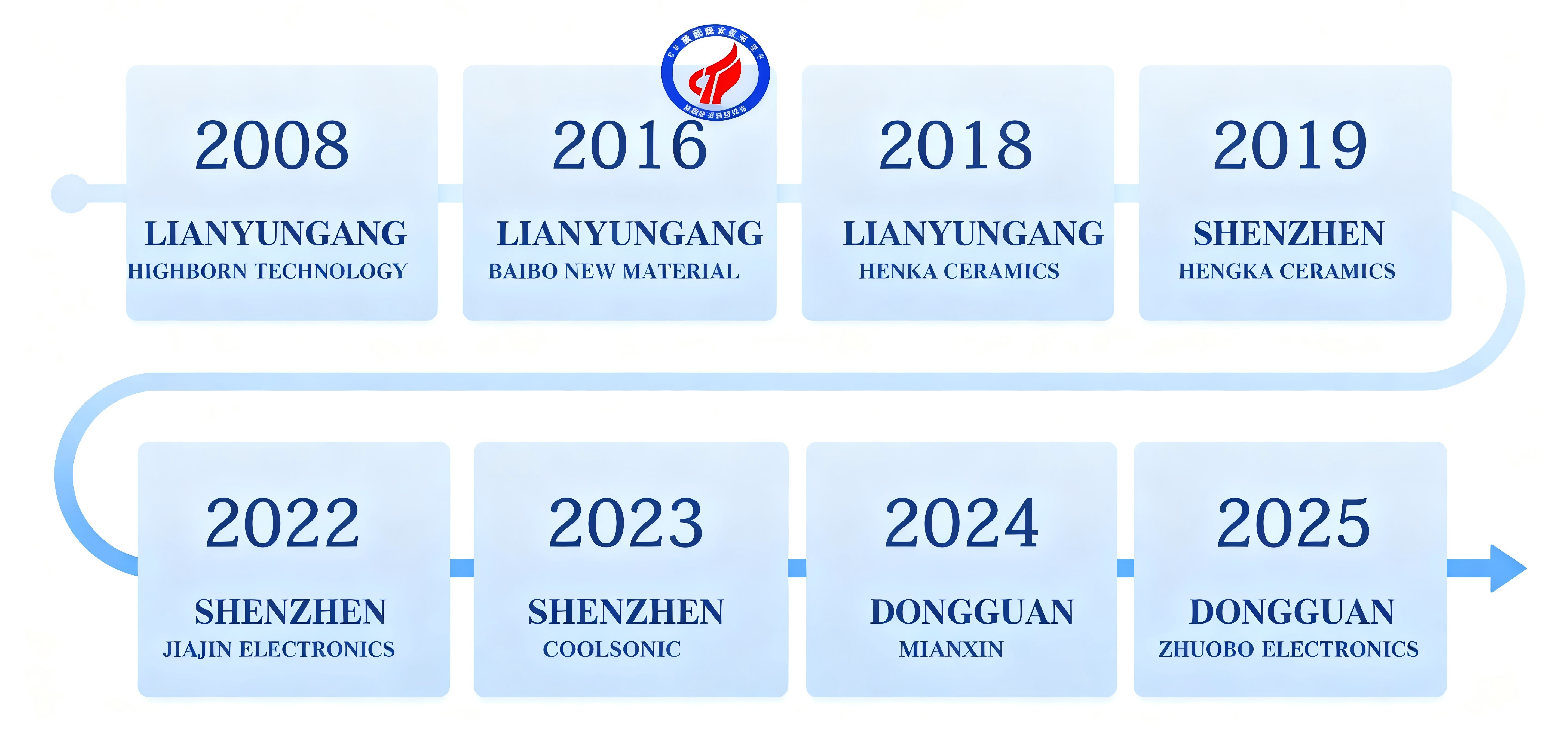
Development History
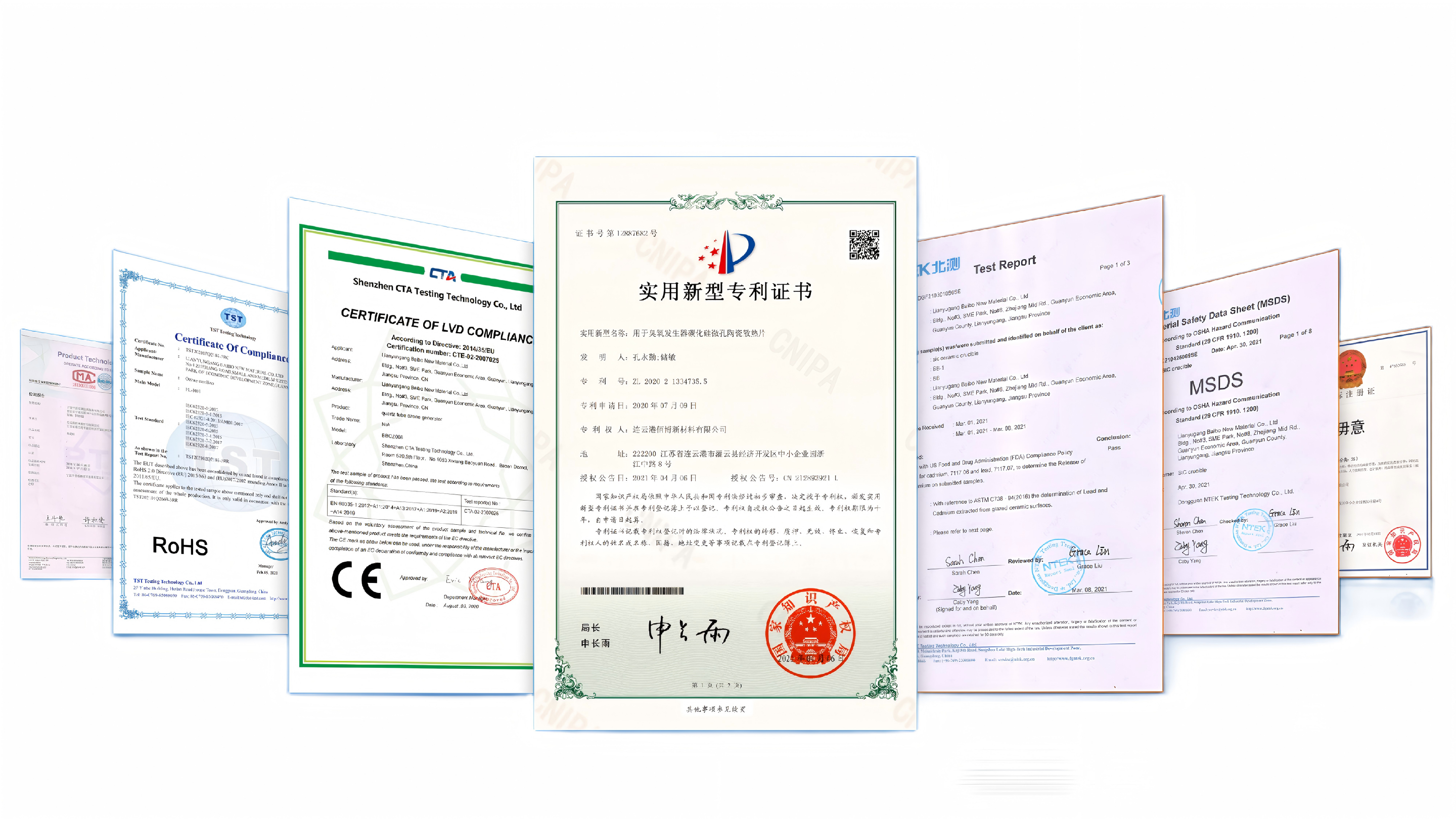
Patents and certification
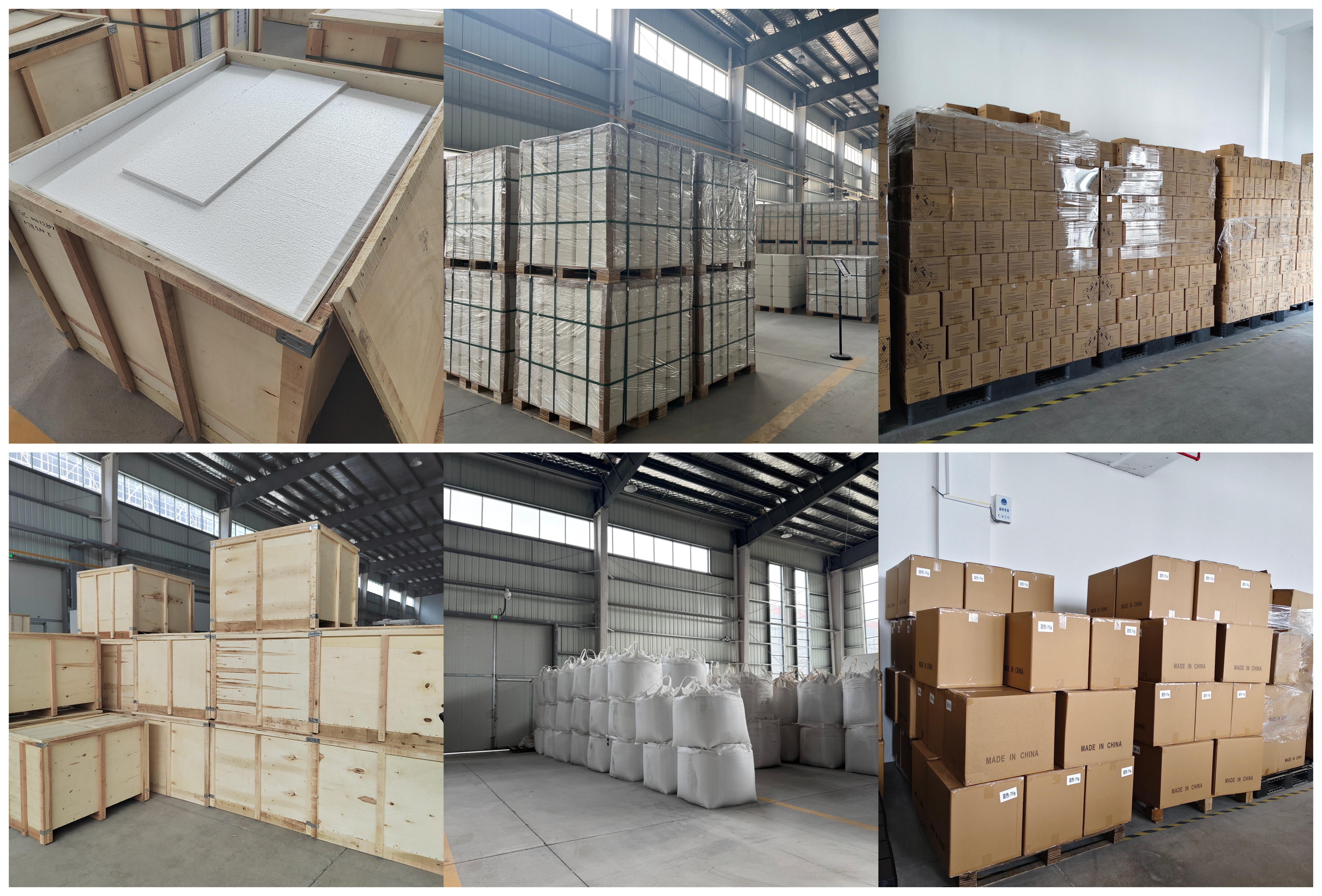
We adopt scientific and standardized packaging solutions tailored to product characteristics to effectively prevent collision, extrusion, dust and moisture damage. With mature global transportation system and strict shipment inspection procedures, we ensure all products remain intact and stable during long-distance delivery, providing customers with safe, efficient and reliable one-stop logistics service.
Services
FAQ
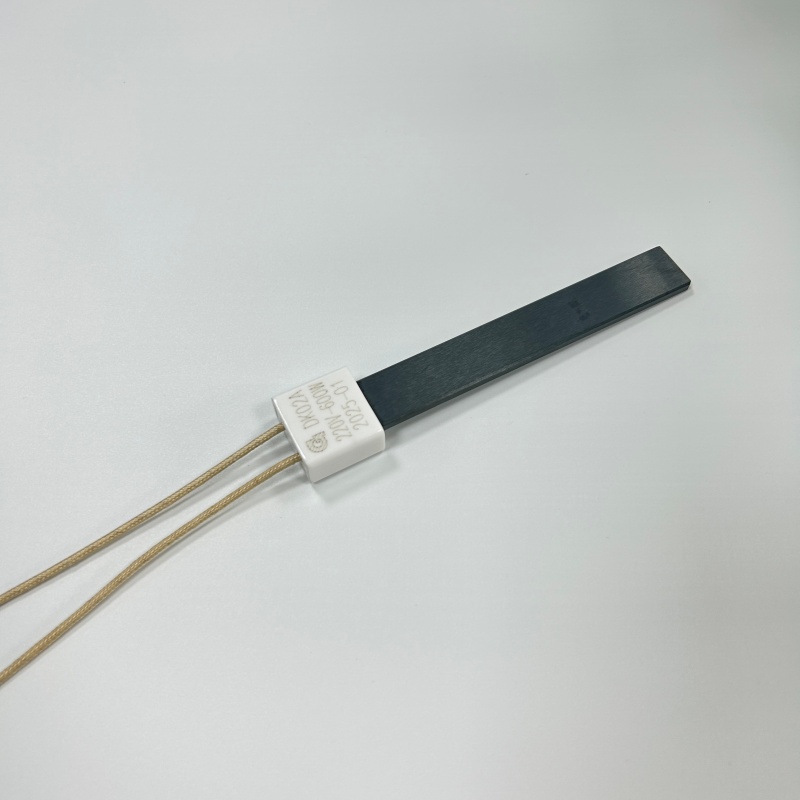
Custom110 V 220V Silicon Nitride Ceramic Igniter 280W 600W Si3N4 Ceramic Heater
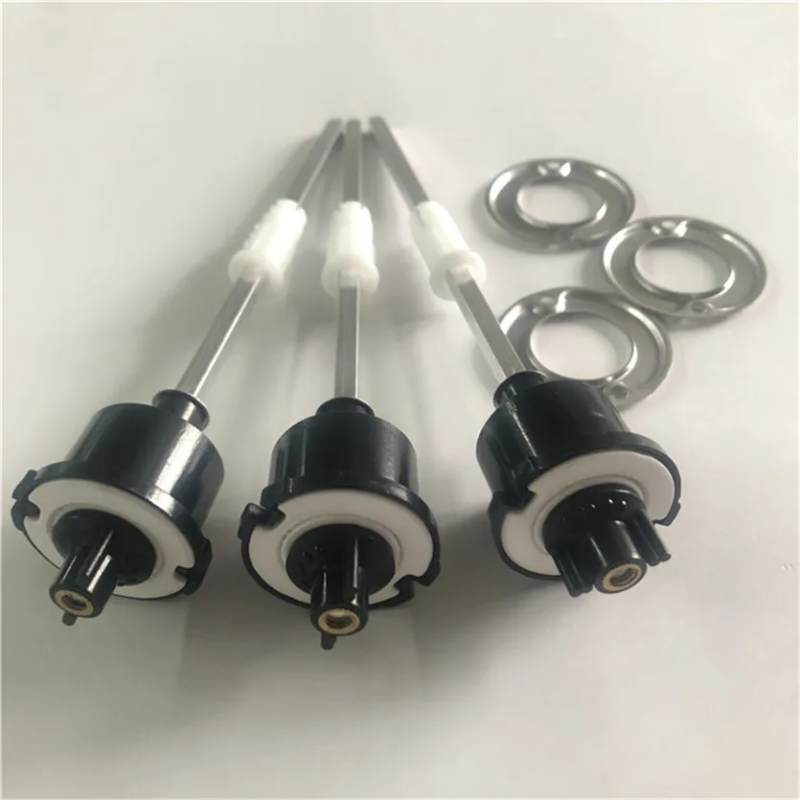
Alumina Ceramic Grinder Core Coffee Grinder Core Aluminum Rod Accessories Pepper Grinder Kit Complete Set with Aluminum Rod Core
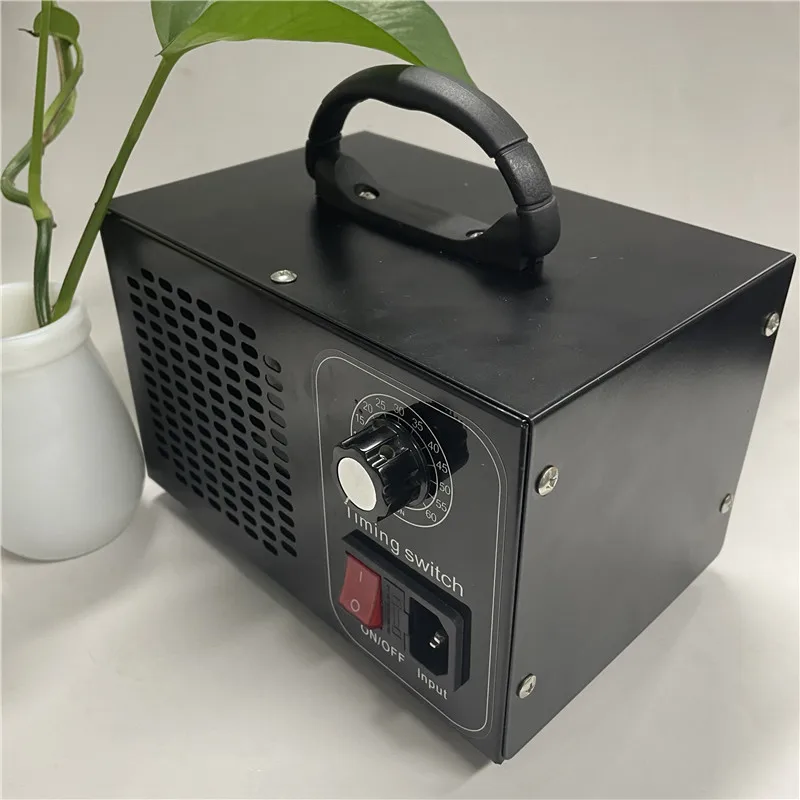
Ozone Generator Air Purifier Household Formaldehyde Removal Instrument Agricultural Gas Disposal Machinery
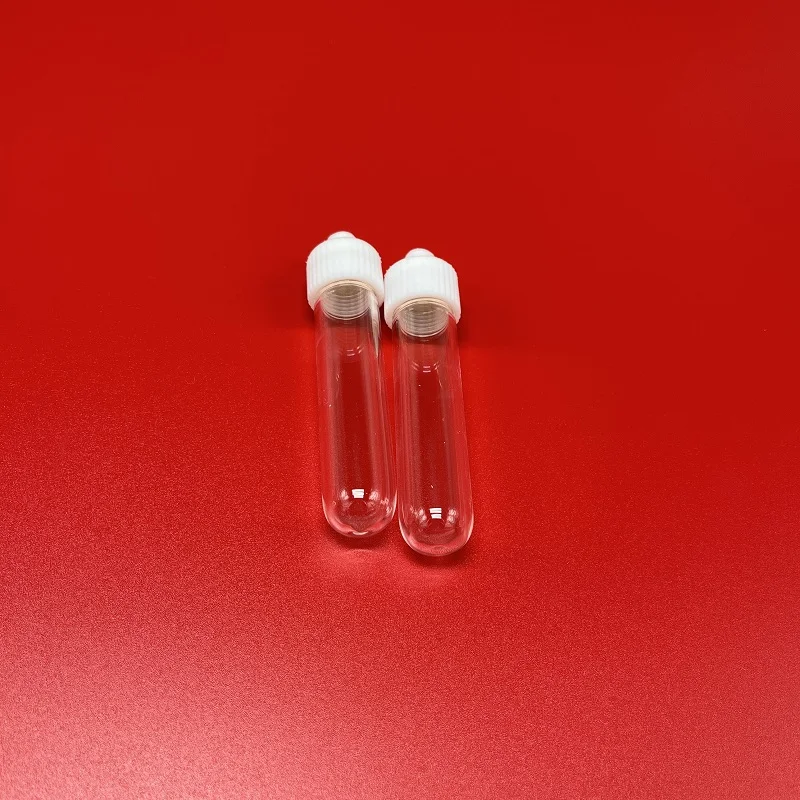
Clear quartz test tube with screw cap


 EN
EN