 EN
EN

Оптимизована испорука раствореног кисеоника на интерфејсу седимента-воде
Како керамичке плоче за ваздушење стварају фине мехурице за ефикасан пренос кисеоника близу дна језера
Керамичке аерационе плоче раде тако што разбијају стиснути ваздух кроз ситне поре у својој структури, стварајући скупље малих мехурића пречника око 1 до 3 милиметра. Мања величина значи да овим мехурићима треба дуже време да дођу до површине, што им даје више времена да комуницирају са водом и повећавају укупну површину доступну за размену кисеоника. То је заправо оно што чини цео процес тако ефикасним у преносу кисеоника. Традиционални површински аератори могу да донесу кисеоник само у горње слојеве воде, али керамичке плоче монтиране на дну иду доле до места где се седимент сусреће са водом. Тамо је потреба за кисеоником највећа јер се све врсте органске материје тамо распадају. Када је реч о стварним резултатима, овај усмерени приступ пружа око 30 посто бољи пренос кисеоника у поређењу са старим методама. Зашто је то? Јер ови мали микро мехурићи имају око осам пута већу површину у односу на њихову запремину у поређењу са већим мехурићима. Осим тога, они се крећу горе на глатки начин који не узбуђује седимент, што помаже да ниже водене области буду засићене кисеоником, баш тамо где риба проводи већину свог времена хранећи се и одмарајући, и где је највероватније да ће патити од ниског нивоа кисеоника.
Утицај на здравље риба: Стабилна ДО >5 мг/л смањује стрес на жлебове, учесталост болести и смртност
Одрживање растворене кисеоника (ДО) доследно изнад 5 мг/Л спречава хипоксични стрес који изазива хиперплазију жлезда, супресију имунитета и метаболичку неефикасност. Процедура је спроведена у оквиру пројекта "Страјна хигиена" (CIP) у оквиру пројекта "Страјна хигиена" (CIP) у оквиру пројекта "Страјна хигиена".
- Оштећење ткива жлезда за 45%,
- Избијања коломниса и сапролегнијазе 31%,
- Кумулативна смртност од 22%.
Када је на дну водног система константан кисеоник, рибе могу боље да регулишу баланс соли и обрађују отпад без трошења додатне енергије на стресне реакције. Видели смо да ниво кортизола пада за око 37% у нашим пројектима праћења тилапије, што заправо значи да преобразују храну у телесну масу око 18% ефикасније. Керамичке плоче за ваздух заиста чине разлику овде јер заустављају те досадне клањење нивоа кисеоника на дну језера. То ствара много стабилније окружење за рибе током целог њиховог животног циклуса. Од малих пржених које расту правилно до зрелих риба које су спремне за тржиште, све ради боље када се услови воде не мењају стално.
Побољшање квалитета дна воде и стабилизације седимента
Супресија токсичних метаболита: 41% мањи укупни амонијачки азот (ТАН) и водонични сулфид са аерацијом плоча
Када кислород доносимо до места где вода сасреће седимент, он зауставља оне лоше анаеробне процесе и њихове непријатне нуспроизводе. Прошла студија излазила је прошле године у Аквакултурном инжењерству која показује да ове керамичке плоче за ваздушење смањују укупни азот амонијака и водоник суффид за око 40 одсто у поређењу са редовним методама површинског ваздушења. Држење високих нивоа раствореног кисеоника у доњем делу поможе да се опасни амонијак претвори у безбедније нитрате кроз процес који се зове нитрификација. Истовремено, држи оне бактерије које смањују сулфат на удару, које су у основи оно што узрокује све те проблеме са водониким сулфидом. Дакле, овај двоструки ефекат заправо смањује ризик од болести и смрти риба у великом броју због дуготрајног недостатка кисеоника у води.
Превенција накупљања анаеробних седимената и повезаних несавршених аромата у риби спремној за жетву
Када ниво кисеоника остане низак превише дуго у системима аквакултуре, ствара се окружење у коме се развијају неке лоше бактерије. Ове бактерије стварају супстанце са непријатним укусом које се називају геосмин и МИБ, а апсорбују се у рибно месо и тешко се одмију након сакупљања. Једноставно решење је континуирано ваздушење дна које разбија ниске услове кисеоника потребне за формирање ових лоших мириса. Истовремено, помаже у расту добрих бактерија које заправо разграђују постојеће контаминате. Земљопривредници на местима као што су Индија и Бразил су видели да су њихови проблеми драматично смањени - неке фарме пријављују око две трећине мање одбацивања због проблема са укусом када инсталирају те посебне керамичке аерационе плоче на дну језера. Комбинујте овај приступ са озонским машинама или обрадом ултраљубичастом светлошћу и одједном видимо чврсту основу за управљање квалитетом воде у целини. То значи мање потребе за скупим поправкама након чињенице и боље шансе за добијање премијских цена за улов.
Енергетска ефикасност, оптимизација густине залиха и оперативна одрживост
Виша ефикасност преноса кисеоника: 1,82,3 кг О2/кВтц у поређењу са 0,91,4 кг О2/кВтц за механичке аероаторе
Керамичке плоче за ваздушну опрему могу да производе између 1,8 и 2,3 килограма кисеоника за сваки киловат сат који потроше, што је скоро двоструко више него што традиционални механички ваздушници могу да раде, на основу недавних референтних вредности од УСДА-АРС-а 2023. године. Шта чини ове плоче тако ефикасним? Они стварају ситне мехуриће који се равномерно шире по површини воде, повећавајући површину где кисеоник спада са водом док троше мање енергије на непотребне турбуленције или прскаве површине. Рибоводци који пређу на ову технологију обично виде да им се рачуни за електричну енергију смањују за око 30 до 45 посто у поређењу са старим системима са падовима. То значи штедњу новца без смањења нивоа раствореног кисеоника, што је апсолутно неопходно за одржавање здраве рибе, за њихов правилни раст и за осигурање да преживљавају стресне услове у густо препуним резервоарима.
Омогућавање 35~50% веће густине стада без колапса ДО у РАС-у и глинитим језерцима
Тестирања на индијским и бразилским фармама показују да ове керамичке плоче за ваздушну опрему омогућавају фармерима да своје резервоаре и језера складиште за око 35 до 50 посто гушће него раније, а све то без проблема са раствореним кисеоником. Када се кисеоник равномерно шири кроз воду, те непријатне мртве тачке са ниским нивоом кисеоника нестају са дна, где се рибљи отпад трупа и прожре оно мало кисеоника што је остало. Системи одржавају ниво раствореног кисеоника изнад 5 мг по литру чак и када има више од 80 килограма рибе по кубни метар воде. То значи да нема неочекиваних неуспјеха система који би убили читаве парче рибе. Земљопривредници који пређу на ову технологију откривају да могу сигурно да узгајају више рибе док смањују колико често треба да замењују воду у својим системима за око четвртину. То не само да чини операције одрживијим већ и штеди новац на ресурсима у дугорочном смислу.
Стратешка интеграција са напредним системима за пречишћавање воде
Синергија између аерационих плоча и генератора озона за побољшано оксидацију и контролу патогена
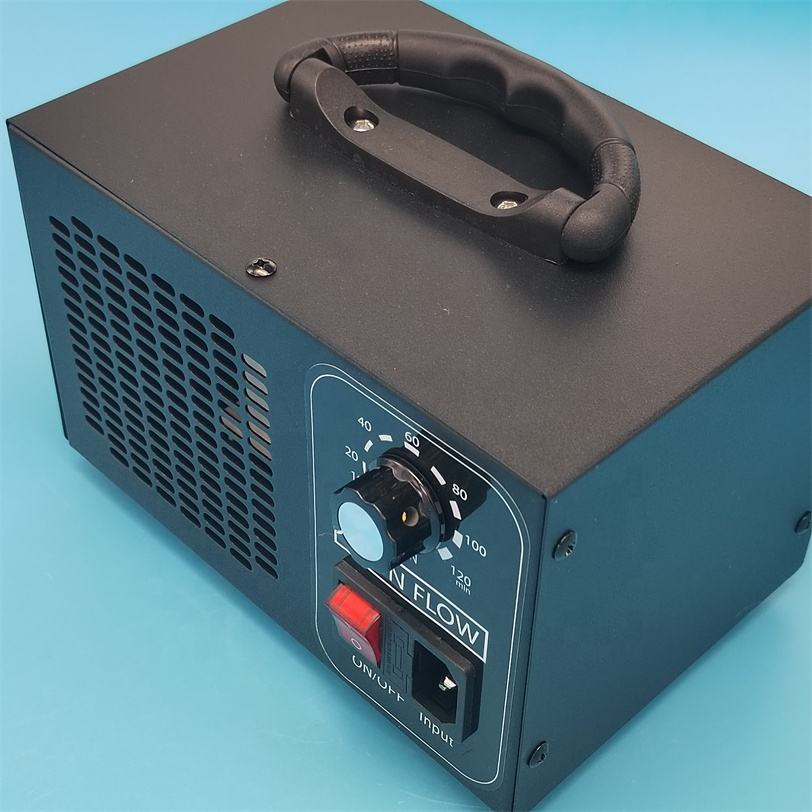
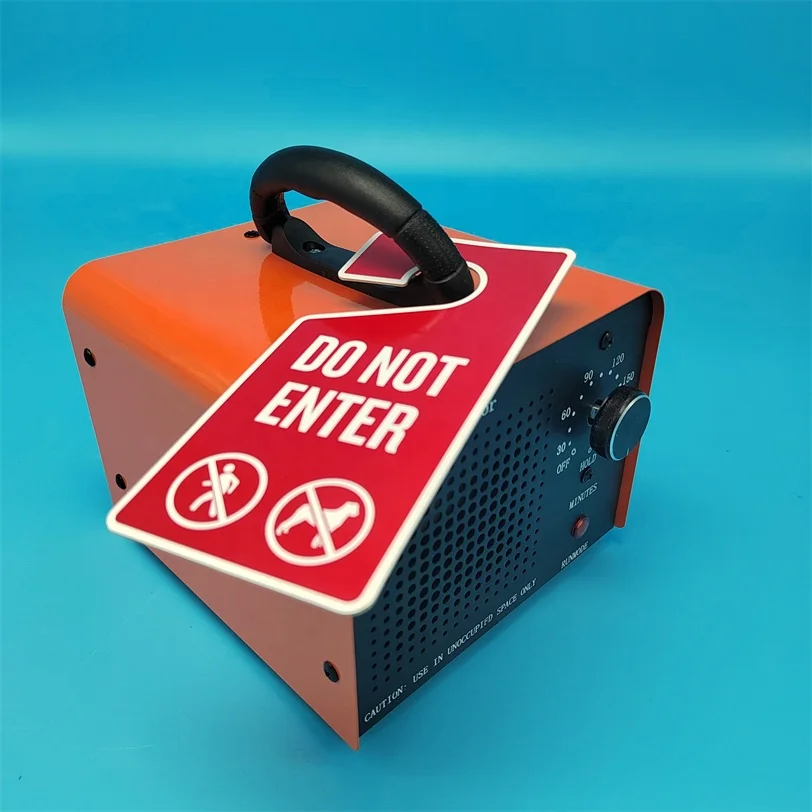
Керамичке плоче за ваздух заиста повећавају како добро озон ради за пречишћавање воде. Када озон (О3) уђе у воду, брзо се раздваја и ствара супер јаке хидроксилне радикала који убијају лоше ствари и чисте органско загађење. Али постоји улов, јер озон не траје дуго, па нам је потребна добра дистрибуција и довољно времена да би правилно радио. Лепе плоче за ваздушну балону раде управо овај посао. Они равномерно шире озон по води и истовремено додају додатни кисеоник како би преостали озон поново претворили у обични гас кисеоника (О2). Овај систем од два дела успева да уништи око 99% штетних организама према тестовима које је спровела Организација за храну и пољопривреду 2022. године, гледајући ниво вируса. Оно што ове плоче чини посебним је то што спречавају да се озон превише акумулише око места где се убризгава, што помаже у убрзавању распада сулфида водоника и остатака амонијака. Шта је било резултат? Вода постаје прозрачнија за око 5 НТУ јединица, нежељени укуси нестају пре времена жетве, растворен кисеоник стално остаје изнад 5 мг по литру, а ми можемо смањити употребу хемијских дезинфекција између 30 и 50 посто.

