Home > Products > Special glass > Cuvette
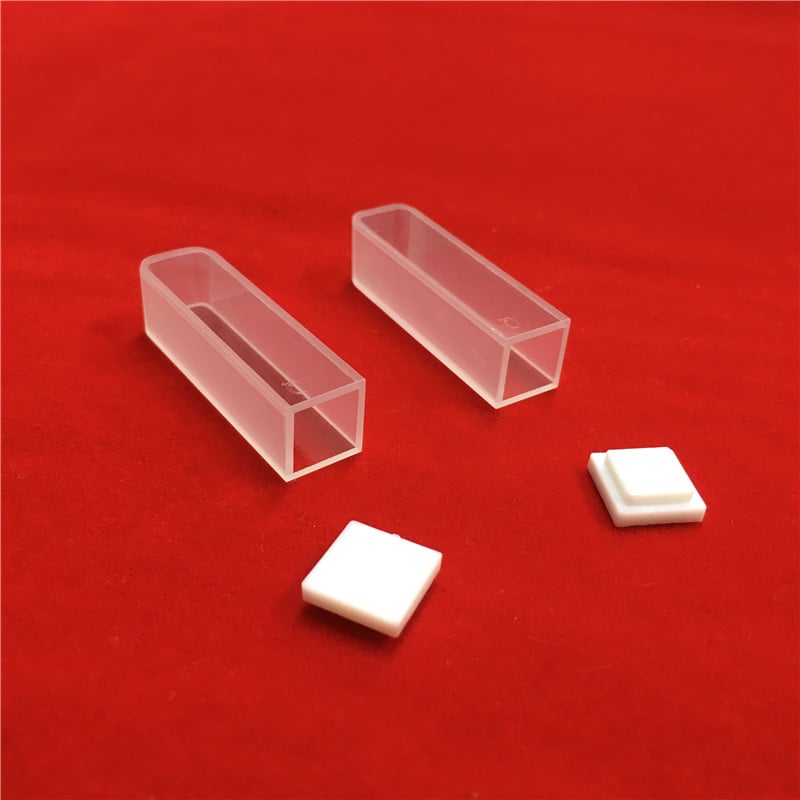
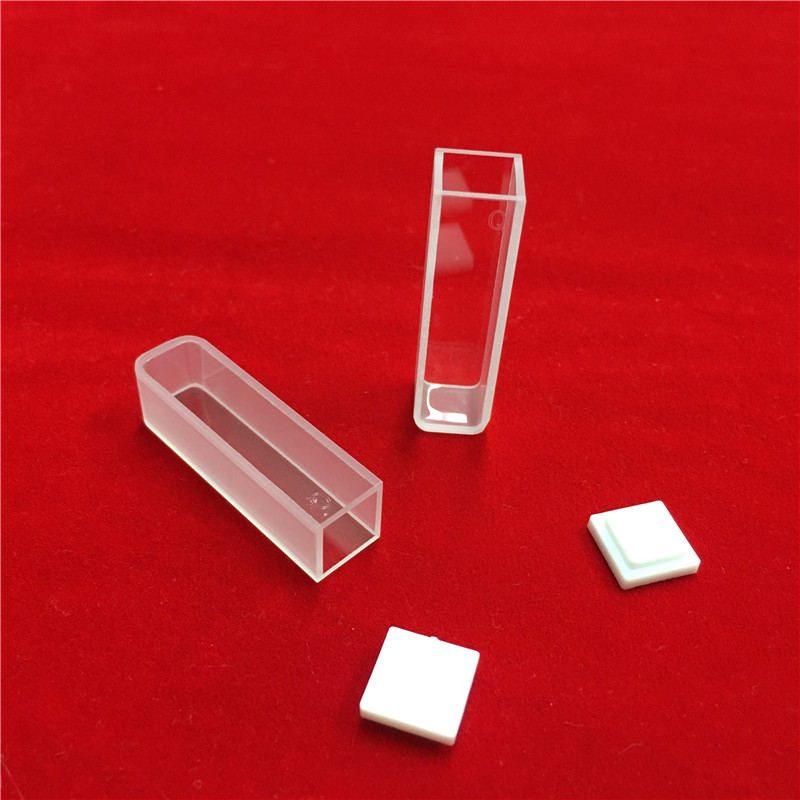
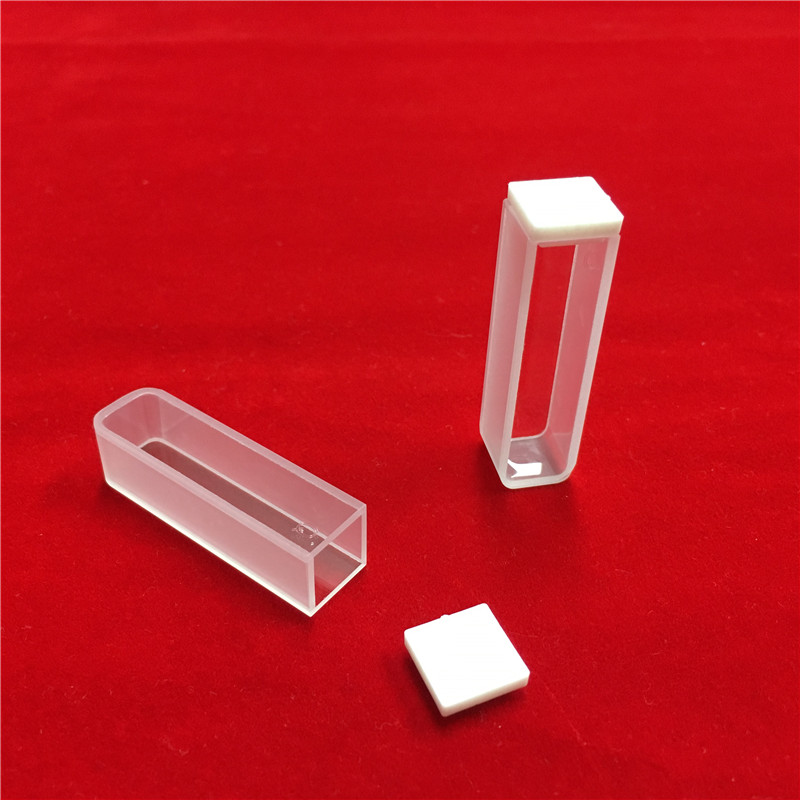
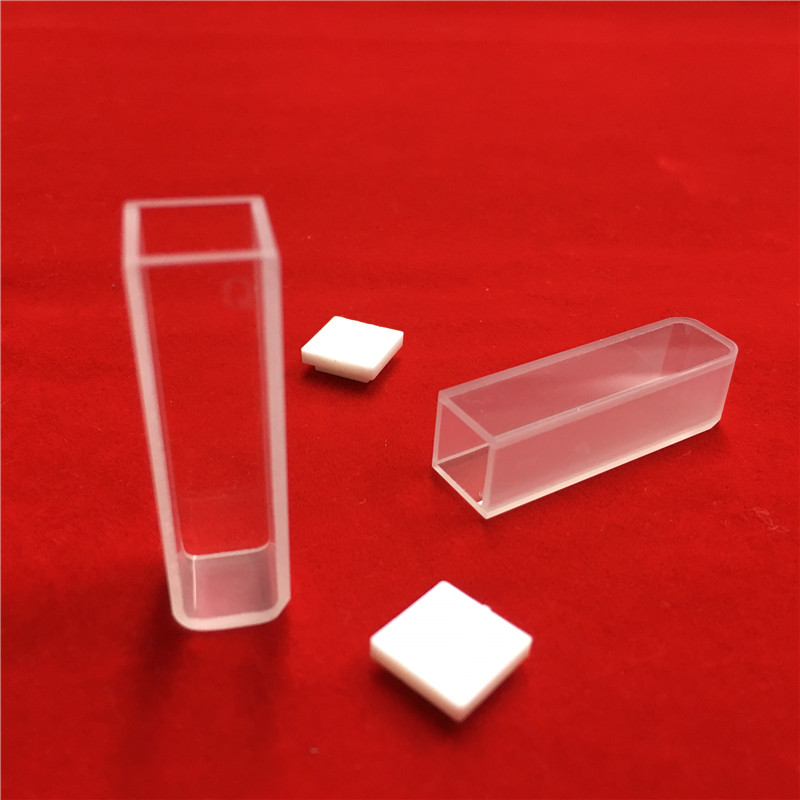
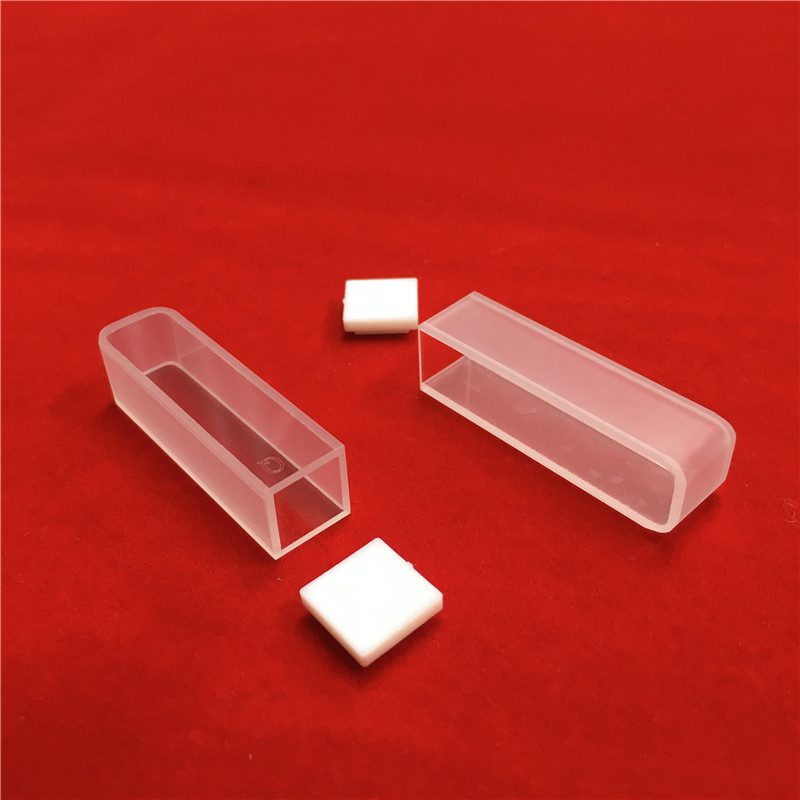
Quartz cuvette Material purity:
SiO₂, content up to 99.9%
Transmission range: :
Quartz cuvette transmission range is 190nm-2500nm, excellent transmittance across ultraviolet, visible and near-infrared spectrum
Cuvette type:
Micro cell, flow cell, semi-micro cell, vapor cell and so on.
Feature:
Long service life, durable for repeated cleaning and use
Key Properties:
High temperature resistance, stable against thermal shock and Chemically inert, acid and alkali resistant
Application:
For UV-Vis, fluorescence, biochemical, pharmaceutical and environmental spectral tests
1.1 Strong mechanical strength, strong adaptability to temperature change, very strong bonding part, internal pressure can withstand several air pressure.
1.2 Extremely precise optical processing technology, excellent optical performance of the transparent surface.
1.3 Choose high-quality quartz glass, ensureno bubbles, no stripes.
1.4 Strong corrosion resistance, can withstand 6mol/L hydrochloric acid, 6mol/L hydrochloric acid, anhydrous ethanol, carbon tetrachloride and benzene for 24 hours without degluing and leakage.
2.1 When taking cuvettes, you can only touch the frosted glass on both sides with your fingers to avoid touching the optical surface. At the same time, pay attention to handle gently to prevent the external force from contrasting the cuvette and causing damage after stress.
2.2 Any solution containing substances that corrode glass should not be stored in a cuvette for a long time.
2.3 Do not place cuvettes on a flame or electric stove for heating or baking in a drying box.
2.4 When the inside of the cuvette is found to be contaminated, it should be cleaned without water and wiped clean in time.
2.5 Do not contact the light-transmitting surface of the cuvette with hard or dirty objects. When the solution is contained, the height is only 2/3 of the cuvette. If there is residual liquid on the optical surface, it can be gently adsorbed with filter paper, and then wiped with lens paper or silk.
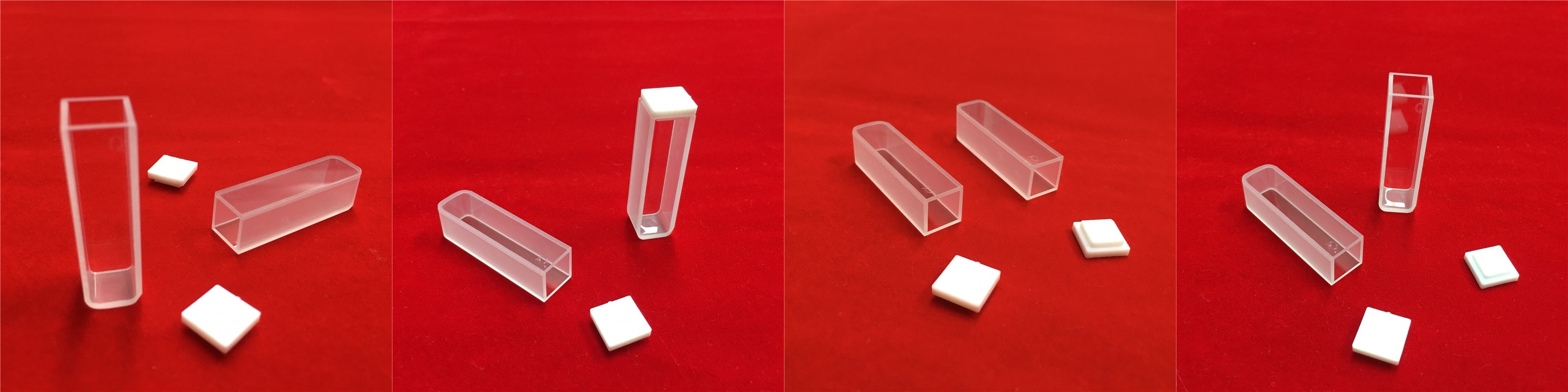
Laboratories in departments such as chemistry, biology, medicine, environment, materials, and food. This is one of the largest customer groups, with diverse demands ranging from basic teaching to cutting-edge research.
Demand characteristics: Wide variety (quartz, glass, micro-volume), high quality requirements (optical performance, precision), and also a large demand for low-cost routine consumables. Purchasing is influenced by research projects and budgets.
Used for basic chemistry and biology teaching experiments.
Demand characteristics: Pursue economic durability, mainly low-end glass or disposable plastic cuvettes, centralized purchasing, and sensitive to price.
Environmental Monitoring Stations, Food Testing Institutions, Pharmaceutical Inspection Institutes, Product Quality Supervision and Inspection Institutes, etc.
Demand Characteristics: Large purchase volume, frequent use, and strict adherence to national standards (GB) or industry standards. They pursue accuracy and repeatability of data, and have extremely high requirements for the matching of colorimetric cells, optical path accuracy, and material purity. They are core customers for high-end quartz and high-quality glass colorimetric cells.
Present in all manufacturing enterprises that require process control or finished product inspection.
Used for blood analysis, biochemical indicators (such as blood glucose, blood lipids, enzyme activity) testing, etc.
Demand Characteristics: Typically serve as core accessories/consumables for fully automatic or semi-automatic biochemical analyzers. They must be perfectly matched with the instruments, with high precision, no residue, and easy to stack and feed automatically. Most are customized or brand-specific, with strong customer stickiness.
When producing reagent kits and developing instruments, they need to purchase a large number of cuvettes for testing and calibration. Some also package cuvettes as part of their instrument consumables for sale.
Used throughout the process from R&D to quality control (QC). It is applied in drug content determination, purity analysis, monitoring of cell culture density (OD600), etc.
Demand Characteristics: Special requirements for sterility and pyrogen-free (especially for micro-volume cuvettes used in cell culture and protein purification), and some need disposable products to prevent cross-contamination.
Used for raw material testing, nutritional component analysis, additive monitoring, contaminant screening, etc.
Used for reaction monitoring, product component analysis, catalyst research, etc.
Used for online or offline water quality monitoring in the wastewater treatment process.
Spectrophotometer, Enzyme-Linked Immunosorbent Assay (ELISA) Reader, and Biochemical Analyzer Manufacturers: Such as Agilent, Thermo Fisher, Shimadzu, PerkinElmer, Mindray, Bio-Rad, etc.
4.Parameter
| Material | Code | Transmission on empty cell | Deviations of matched sets |
| Optical glass | G | at 350nm approx. 82% | at 350nm max. 0.5% |
| UV quartz glass | H | at 220nm approx. 80% | at 220nm max. 0.5% |
| ES quartz glass | Q | at 200nm approx. 80% | at 200nm max. 0.5% |
| IR quartz glass | I | at 2730nm approx. 88% | at 2730nm max. 0.5% |
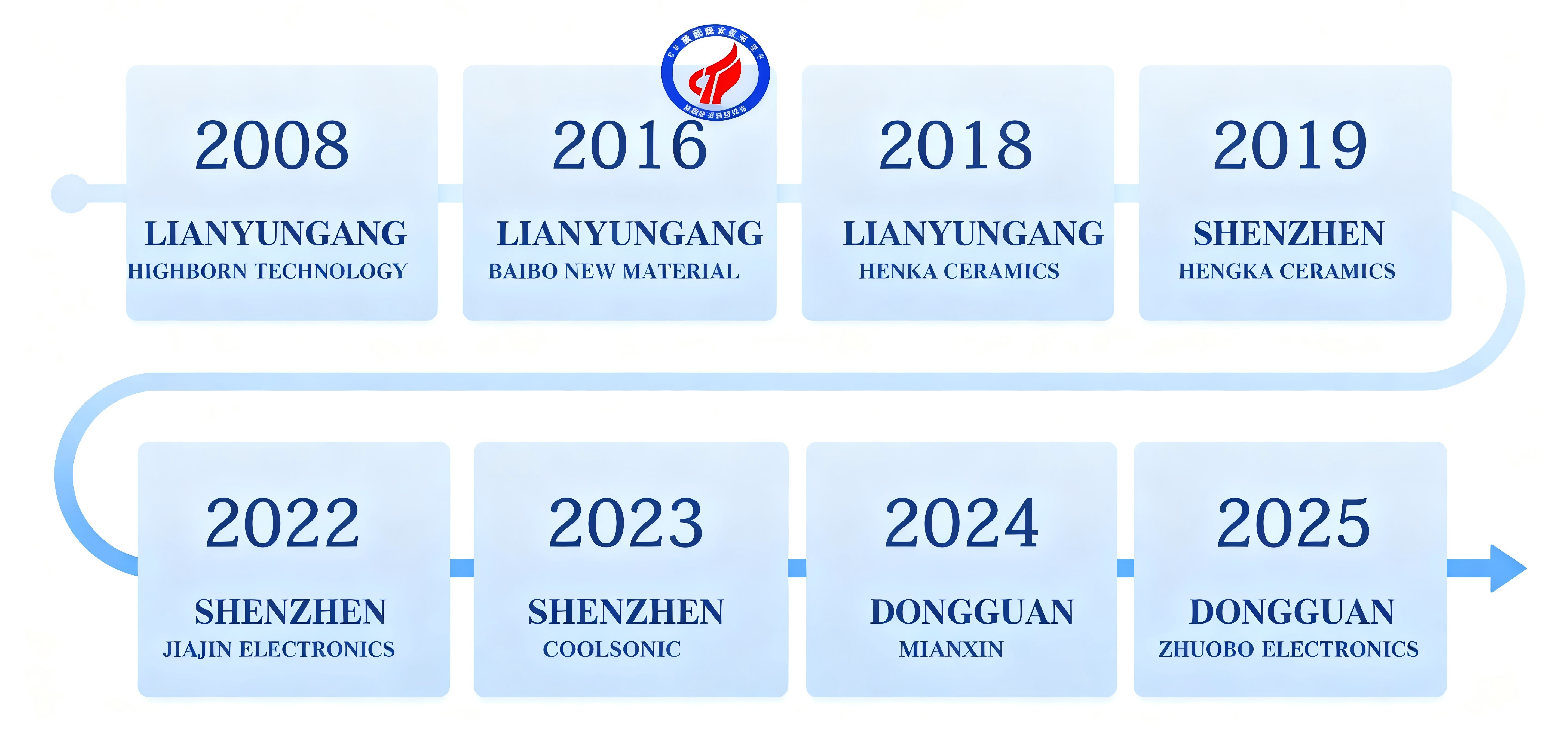
Development History
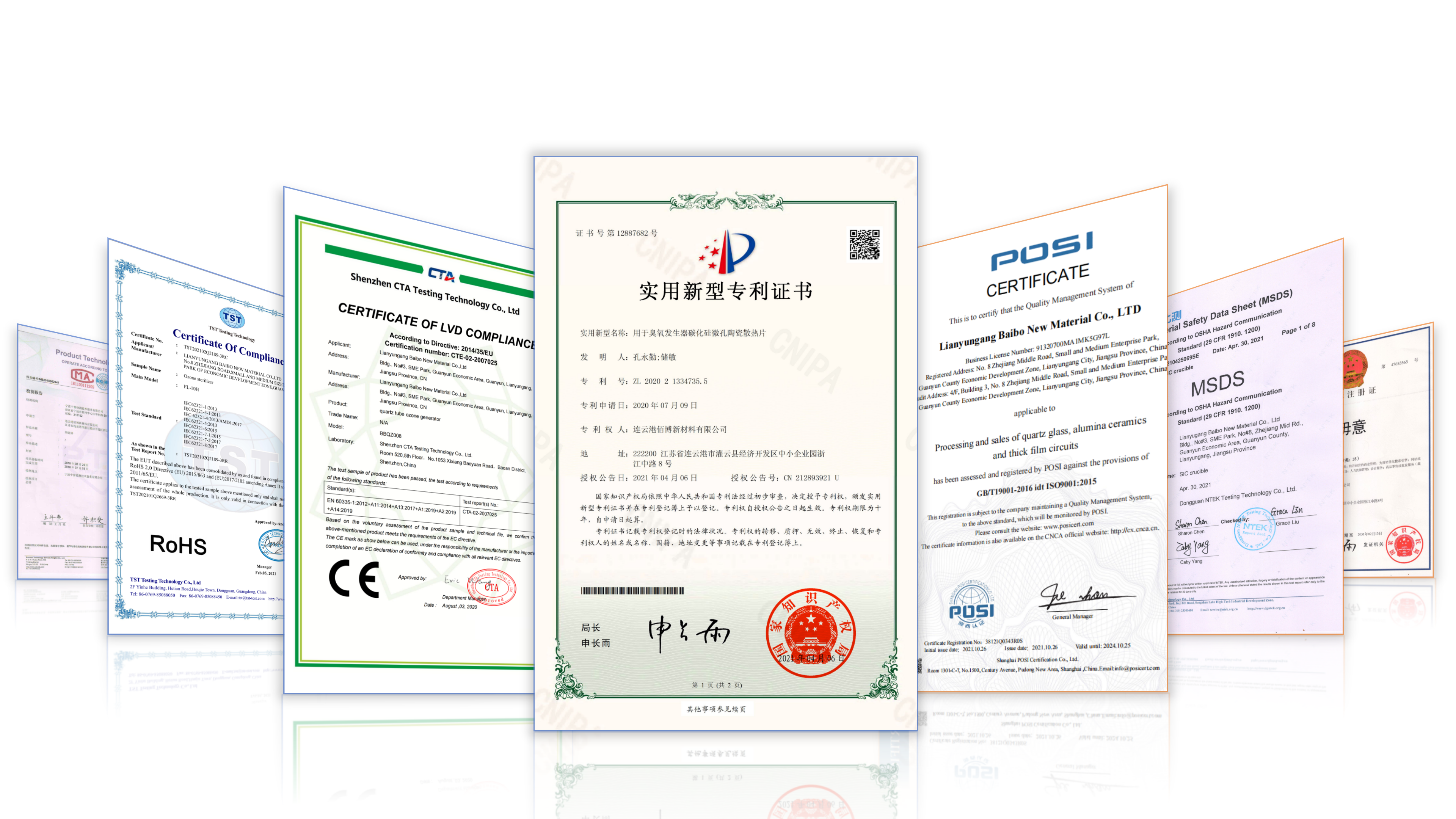
Patents and certification
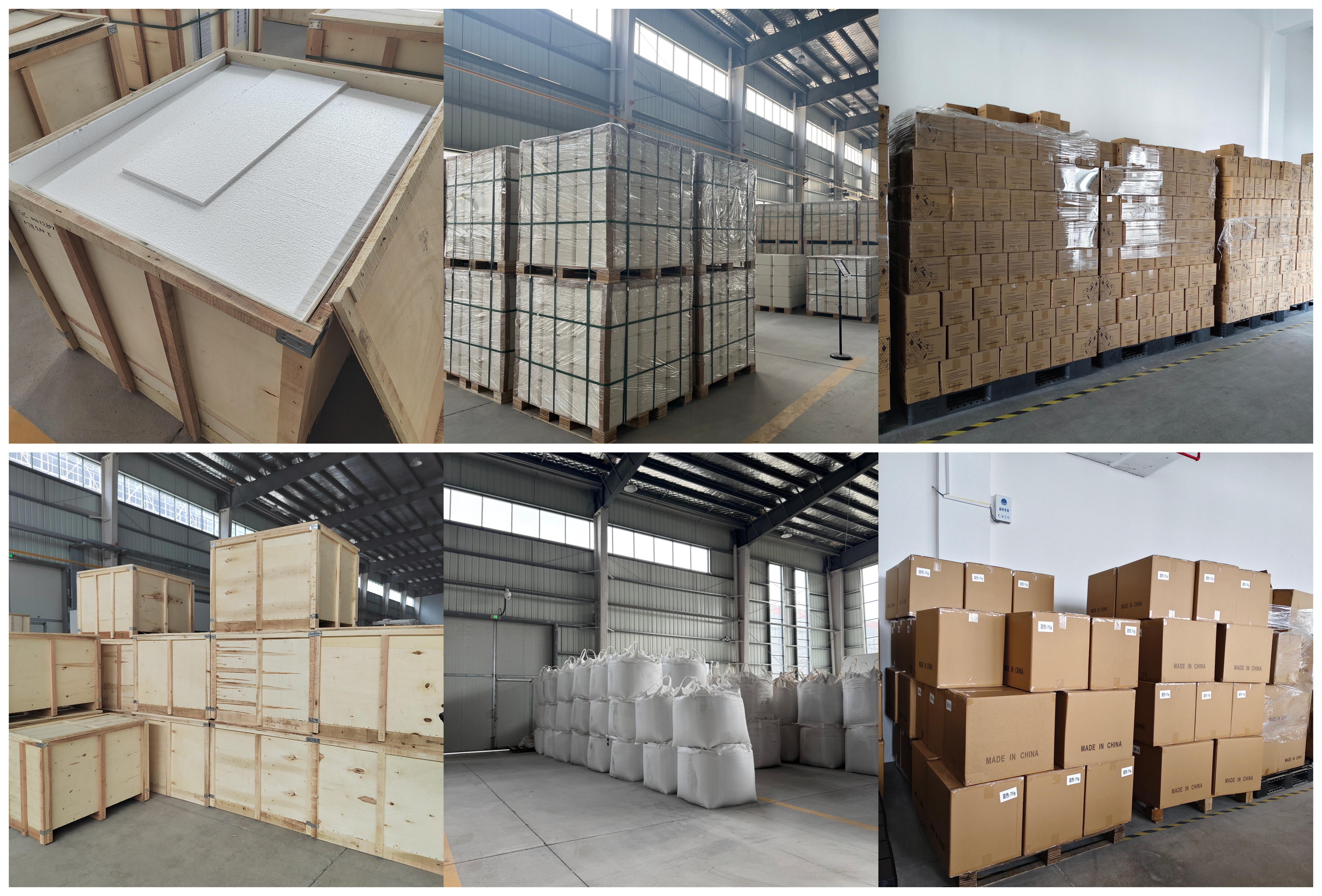
Package
Services
FAQ
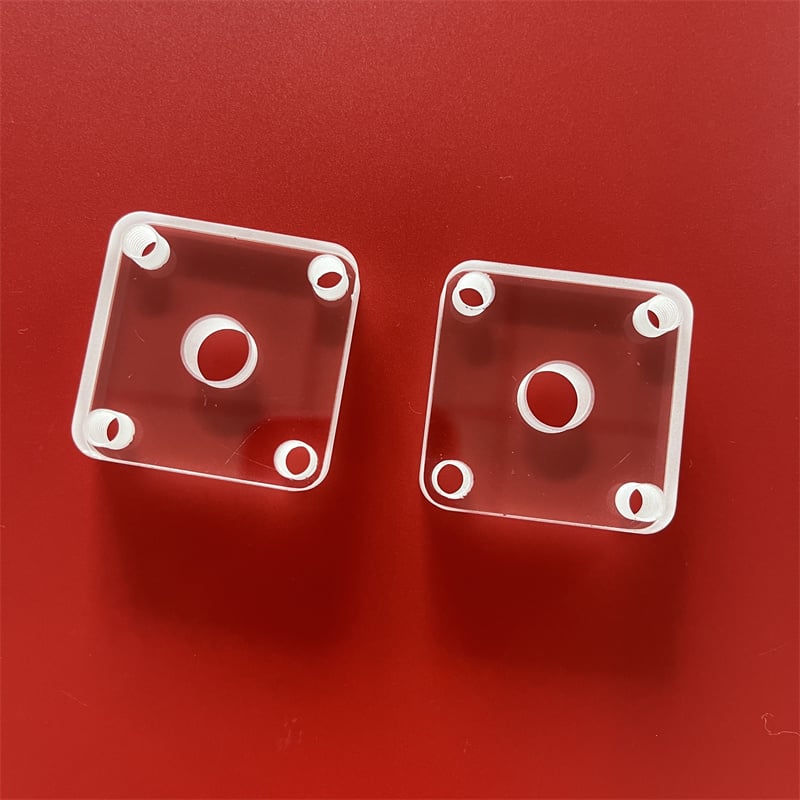
High Purity Clear Optical Silica Fused Quartz Glass Plates
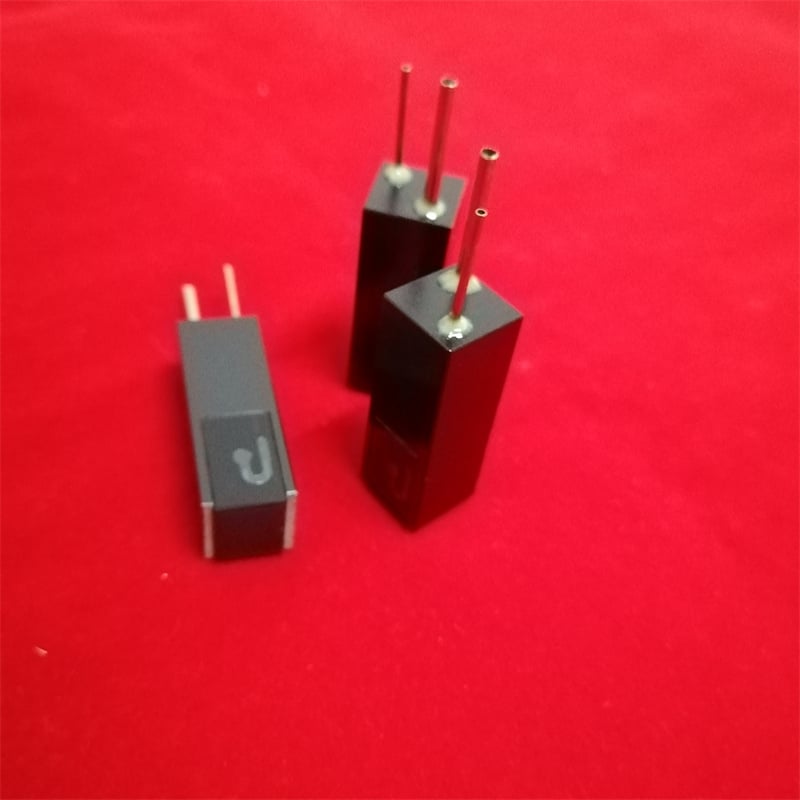
Q614 Black Wall Avoid Light Flow Cell Biochemical Analyzer Quartz Glass Cuvette For Biochemical Analyzer
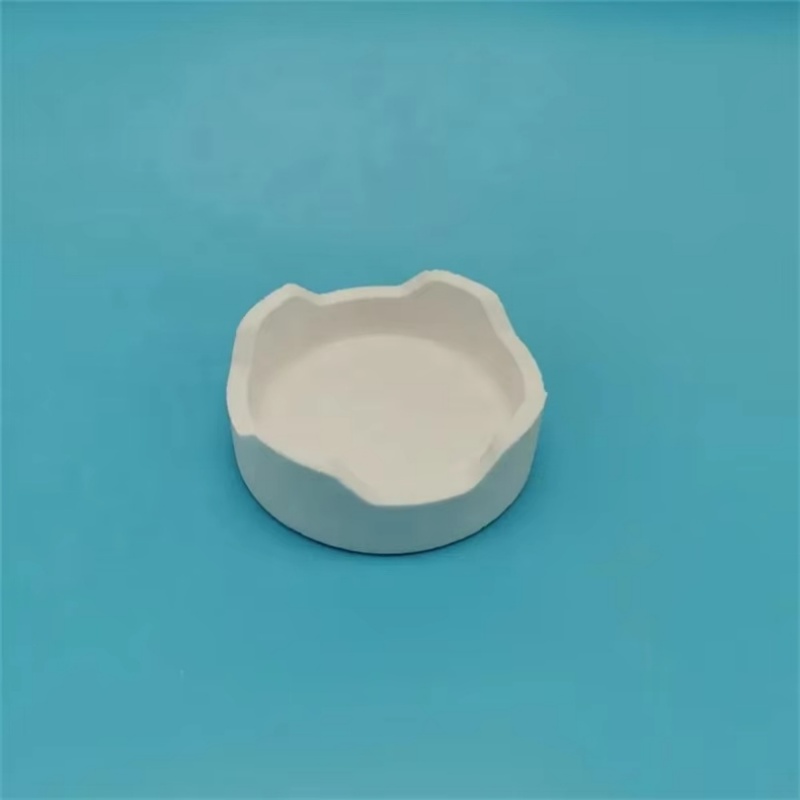
Custom High Temperature Mullite Ceramic Crucible for Melting Metals
High Purity 99% MgO Ceramic Spacers Magnesium Oxide Gasket for Thermocouple


 EN
EN