Product Details
1. Overview of Mullite Ceramic Crucible
1.1 Definition and Basic Features
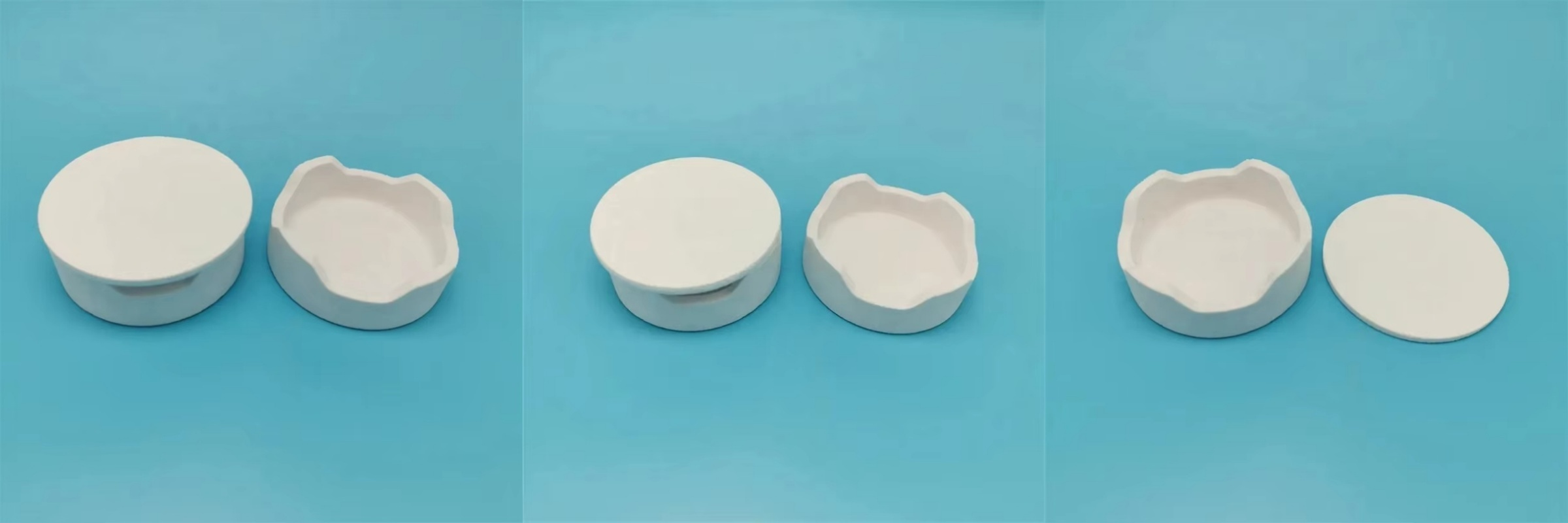
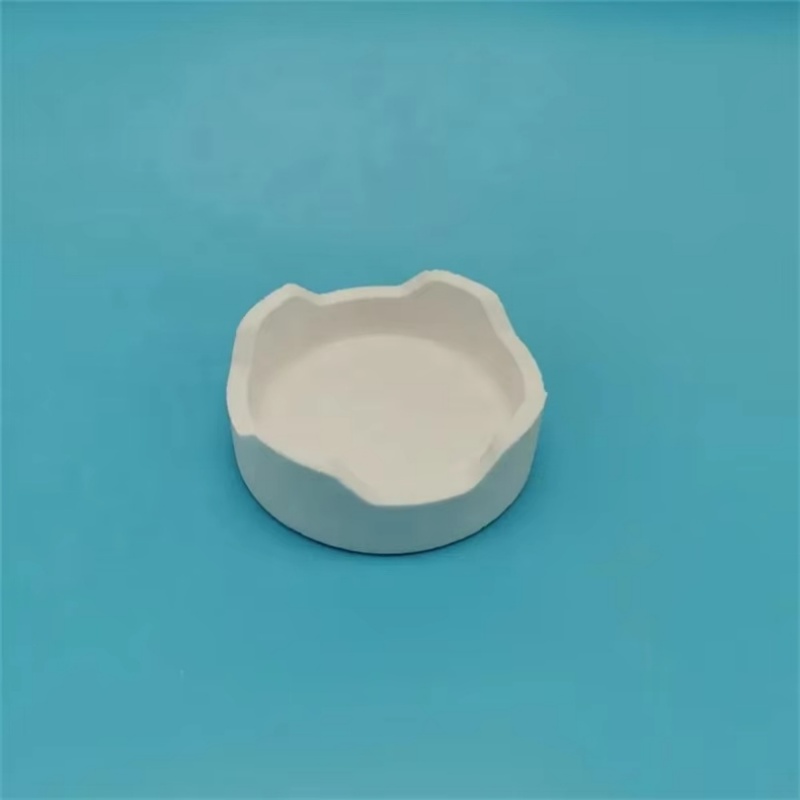
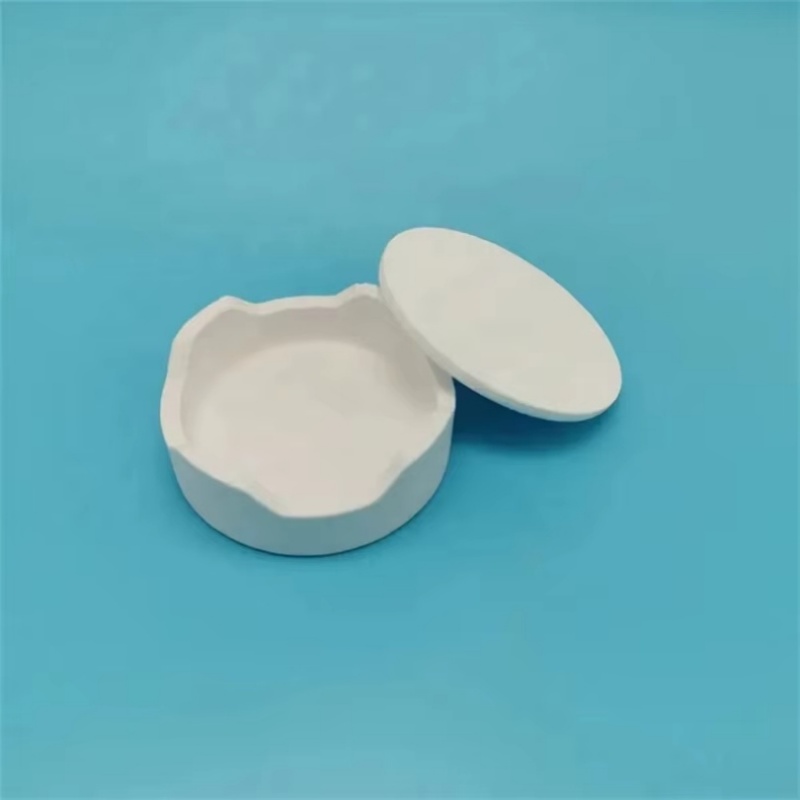
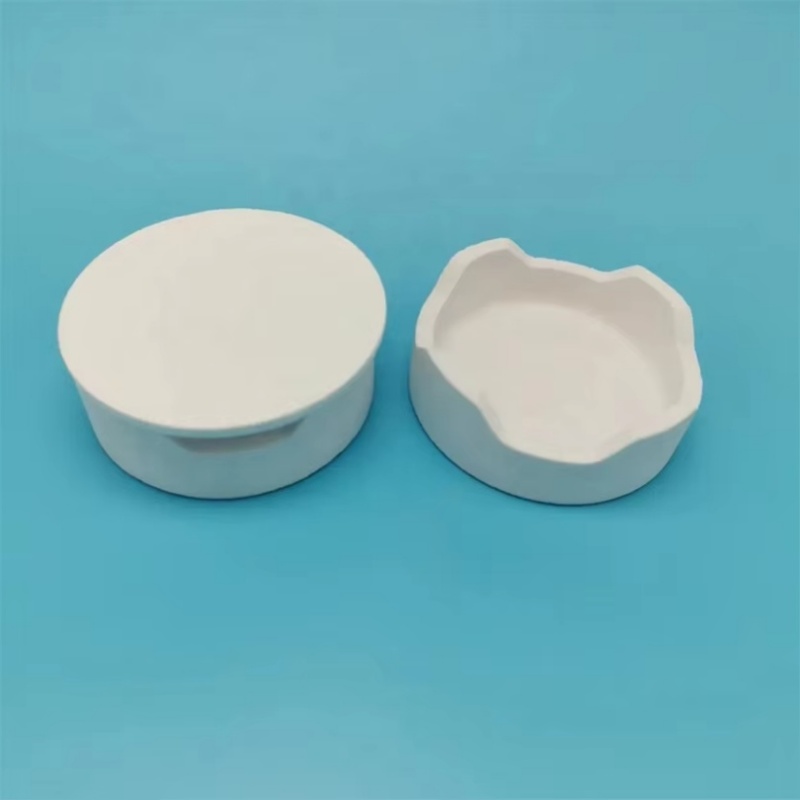
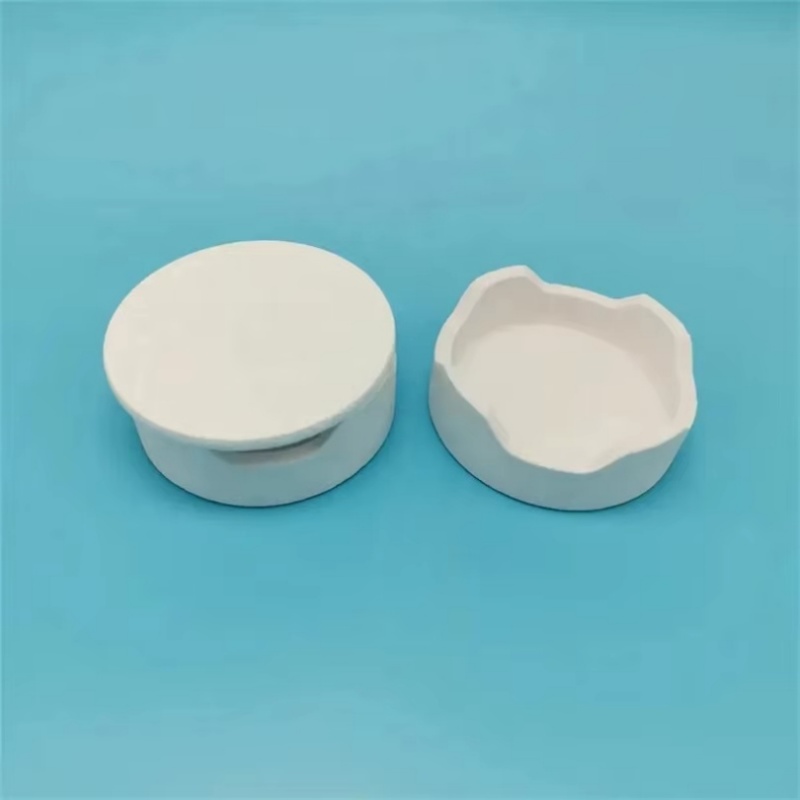
Mullite ceramic crucible is a conventional refractory laboratory vessel formed by molding high-purity mullite powder followed by high-temperature integrated sintering. It is a cost-effective high-temperature container widely used for material calcination, glass melting, thermal analysis and general high-temperature reaction experiments in laboratories and small industrial production.
Thanks to its prominent thermal shock resistance and stable medium corrosion resistance, mullite crucible makes up for the defect of poor thermal shock performance of corundum crucibles. It is the mainstream supporting consumable matched with muffle furnaces, tube furnaces, atmospheric sintering furnaces and common high-temperature heating equipment.
1.2 Classification and Grade Standards
Classified according to chemical composition and impurity content, our conventional mullite crucible adopts stable formulation to satisfy most medium & low temperature thermal treatment experiments:
General grade mullite material: Al2o3≥65%,SiO2≤28%,ferric oxide impurity Fe2O3 ≤1.5%. The impurity content is strictly controlled to avoid impurity precipitation polluting samples during high-temperature calcination, applicable for most conventional powder sintering, inorganic material thermal treatment and routine thermal analysis tests.
2. Core Characteristics of Mullite Ceramic Crucible
2.1 Physical Properties
The biggest physical advantage of mullite crucible lies in its excellent thermal shock resistance and moderate bulk density. After high-temperature densification sintering, the crucible body forms a relatively compact structure, which can effectively block the permeation and leakage of general molten slag and glass liquid under long-term high-temperature service conditions.
It possesses matched bending strength, compressive strength and structural toughness. It will not crack instantly under frequent rapid heating and cooling impact; it maintains stable structural rigidity within the allowable service temperature range without softening and permanent deformation. The inner and outer walls are smoothly processed, easy to clean residual samples after experiments and can be reused many times under standardized operation.
2.2 Chemical Properties
The main crystalline phase is stable mullite crystal, with stable chemical inertness against weak acid, weak alkali, most molten salts and glass melts. Hardly produce dissolution reaction with conventional experimental samples, effectively guarantee the purity of calcined materials and the accuracy of experimental test data.
Limitation note: Mullite material is susceptible to erosion by strong alkali and long-term high-concentration molten alkali liquid; long-term melting treatment of strong alkaline samples is not recommended.
2.3 Thermal Performance
Mullite crucible has reliable high-temperature refractory capacity. Its long-term safe maximum working temperature reaches 1300℃, refractoriness up to1670℃, which can bear short-time instantaneous ultra-high temperature impact.
The thermal expansion coefficient at 1000℃ is only 5.0%, with small thermal deformation caused by temperature rise and fall. After 1130℃ water cooling thermal shock test for 20 cycles, the crucible remains intact without cracking, perfectly matching the temperature rise and fall curve of conventional box furnaces and tubular furnaces. The bulk density is 2.4 g/cm³, lighter than corundum products, more convenient for manual taking and sample loading operation.
3.Advantages of Mullite Ceramic Crucible
3.1 Outstanding Thermal Shock Resistance & Anti-Cracking Ability
Different from alumina crucibles, quartz crucibles and porcelain crucibles which are easy to crack under sharp temperature changes, mullite crucible has low thermal expansion property and good structural toughness. It will not crack or damage during repeated heating and cooling cycles, adapting to discontinuous batch high-temperature calcination experiments and ensuring good repeatability of each group of test data.
3.2 Low Sample Pollution & Stable Chemical Inertness
With controlled mullite formula and low ferric oxide impurities, the crucible will not separate out impurity ions under conventional high-temperature heating environments. It is suitable for ordinary inorganic powder calcination, ceramic raw material sintering, glass formula melting test and conventional differential thermal & thermogravimetric analysis, meeting the basic purity requirements of most laboratory sample tests.
3.3 Balanced Service Life & Superior Cost Performance
Combining excellent thermal shock stability and certain medium corrosion resistance, mullite crucible can be recycled many times under standardized experimental operating conditions. Compared with high-cost corundum crucibles and fragile ordinary ceramic crucibles, mullite products greatly reduce the single consumable cost for long-term batch experiments, being the most economical general refractory crucible for daily laboratory high-temperature work.
3.4 Rich Shape Specifications & Strong Furnace Equipment Compatibility
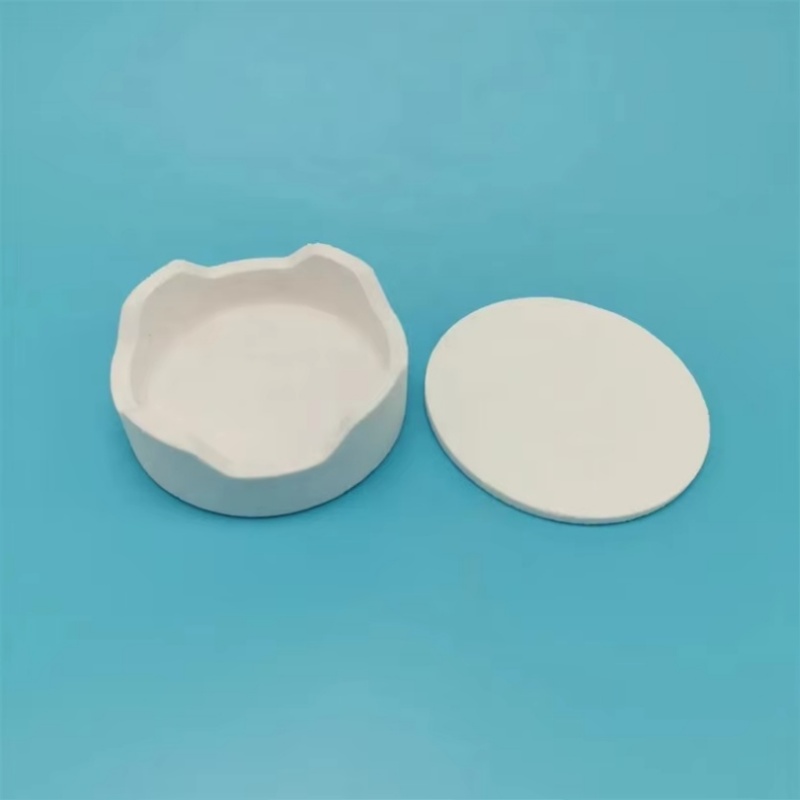
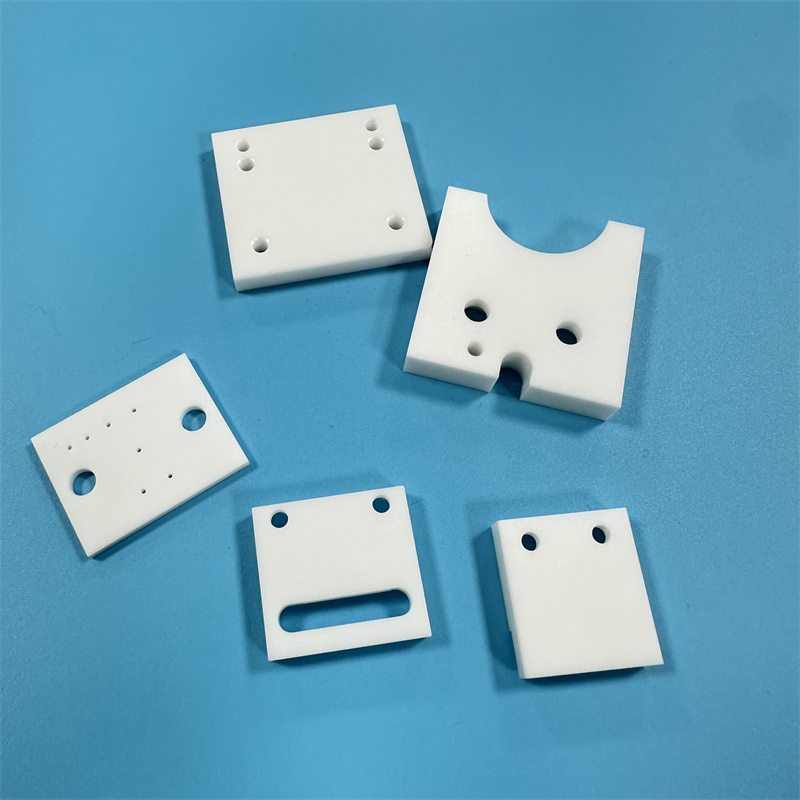
We supply standard cylindrical, rectangular, arc-bottom mullite crucibles with optional matched mullite lids; meanwhile, customized special-shaped crucibles (special contour, petal-shaped, irregular cavity structure) are supported. Customizable parameters include wall thickness, height, inner diameter and special internal grooves according to customer drawings.
Compatible with common laboratory equipment such as box muffle furnaces, horizontal tube furnaces, atmospheric sintering furnaces and various thermal analysis instruments. Widely used in powder material calcination, ceramic firing experiment, low-melting glass melting, catalyst high-temperature treatment and small-batch industrial raw material thermal processing.
Product Parameter Table
|
化学成分
Chemical composition
|
|
Unit |
莫来石
Mullite
|
刚玉莫来石 Corundum Mullite |
|
Al2O3 |
% |
≥65 |
≥80 |
|
SiO2 |
% |
≤28 |
≤20 |
|
Fe2O2 |
% |
≤1.5 |
≤0.5 |
|
密度
Density
|
|
g/cm³ |
2.4 |
2.65~2.75 |
|
抗热震性
thermal shock resistance(water cooling 1130℃)
|
|
Times |
20 |
12 |
|
耐火
Refractoriness
|
|
℃ |
1670 |
1850 |
|
热膨胀率
thermal expansion 1000℃
|
|
% |
5.0 |
7.8 |
|
最高使用温度
Max working temperature
|
|
℃ |
1300 |
1720 |
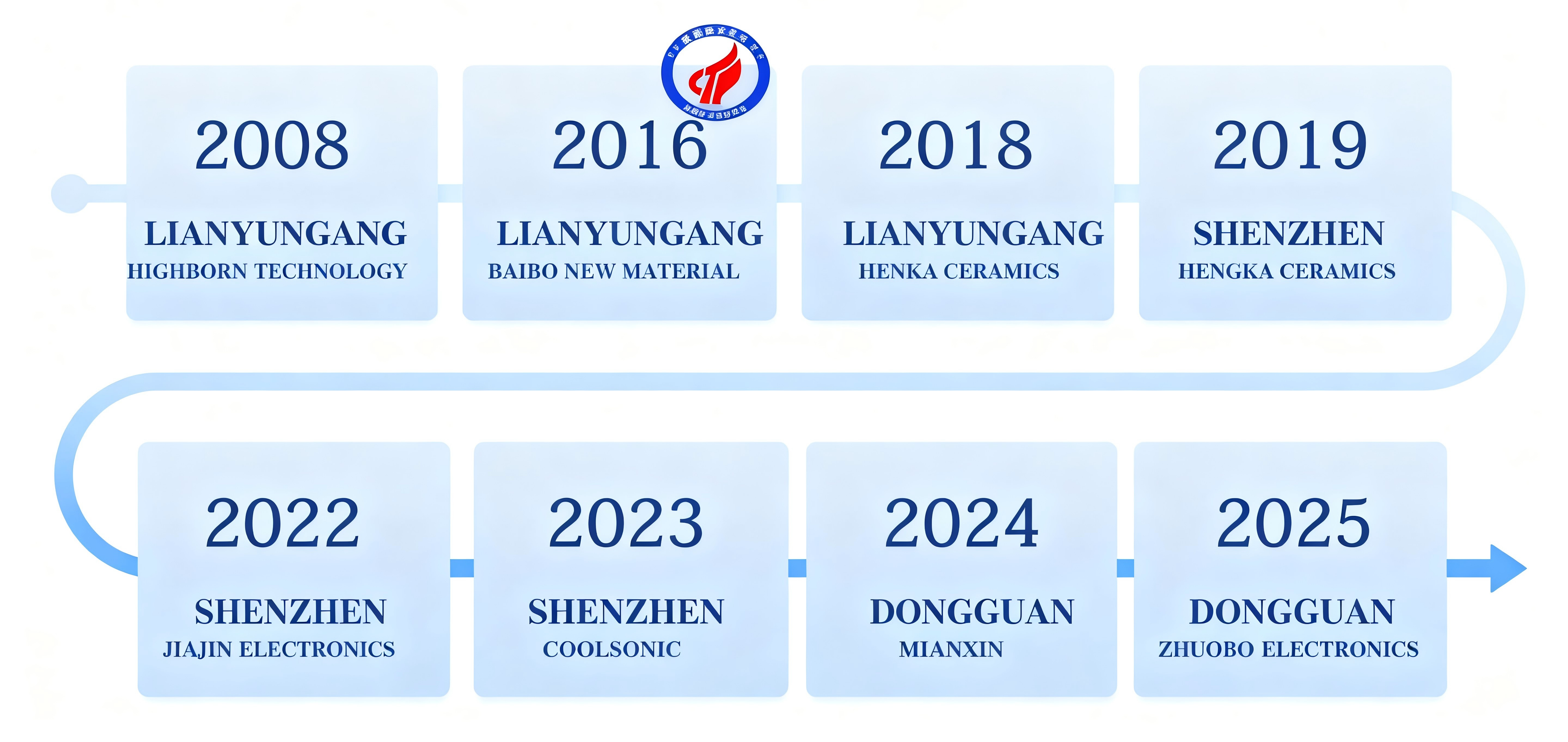
Development History
Patents and Certification
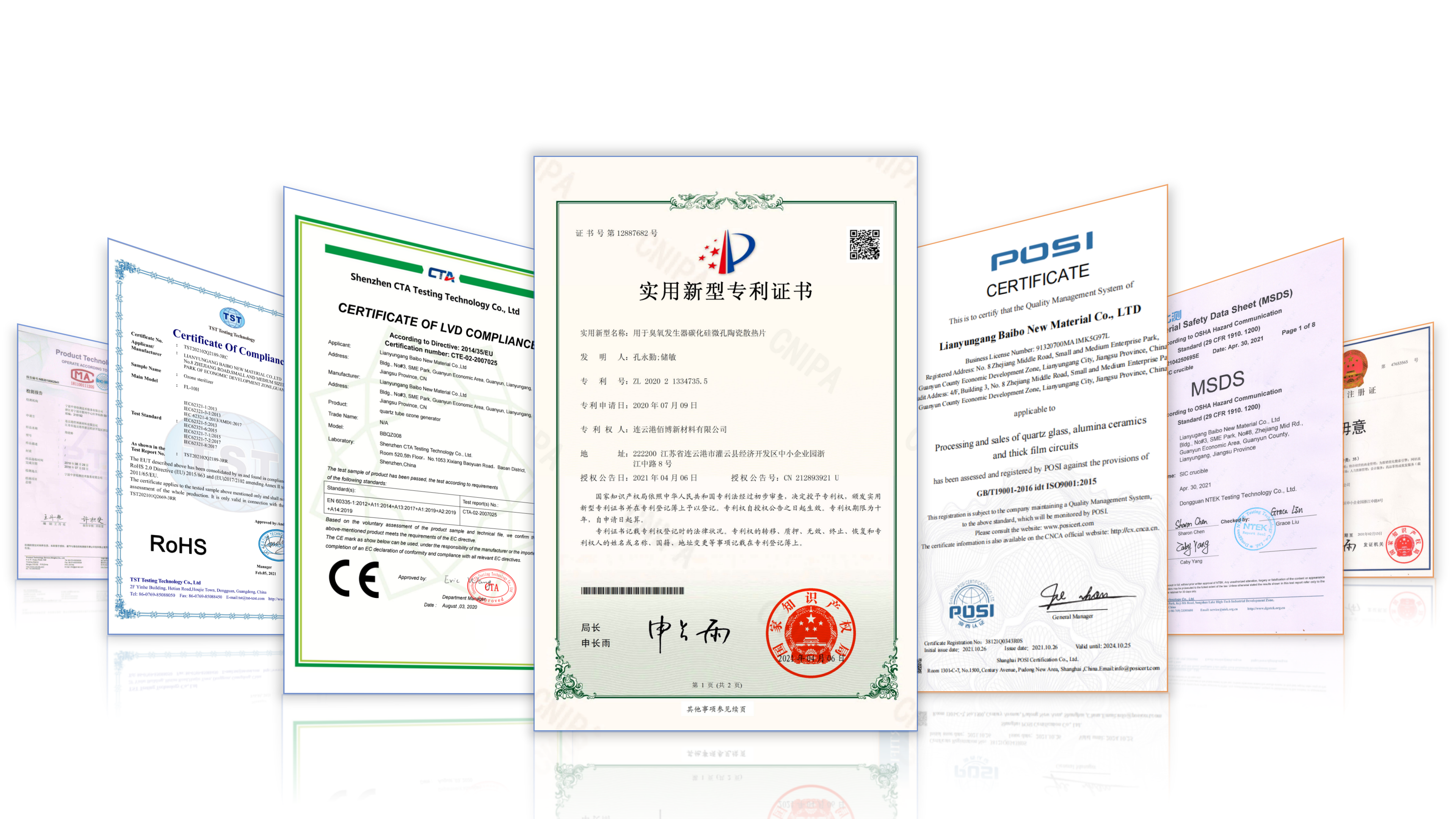
We’ve obtained various global certifications including CE, EMC, LVD, RoHS, FDA, MSDS, ISO 9001, SGS and TUV. We also own eight registered trademarks and forty technical patents to support independent R&D.
Our proprietary core technologies run through all product lines: porous ceramics, industrial ceramic components, special glass, metallized ceramics, liquid absorption cotton, ozone generators and silicone goods. All products are manufactured in strict accordance with international quality standards, delivering reliable and high-performance solutions that have gained wide recognition and market trust worldwide.
Package
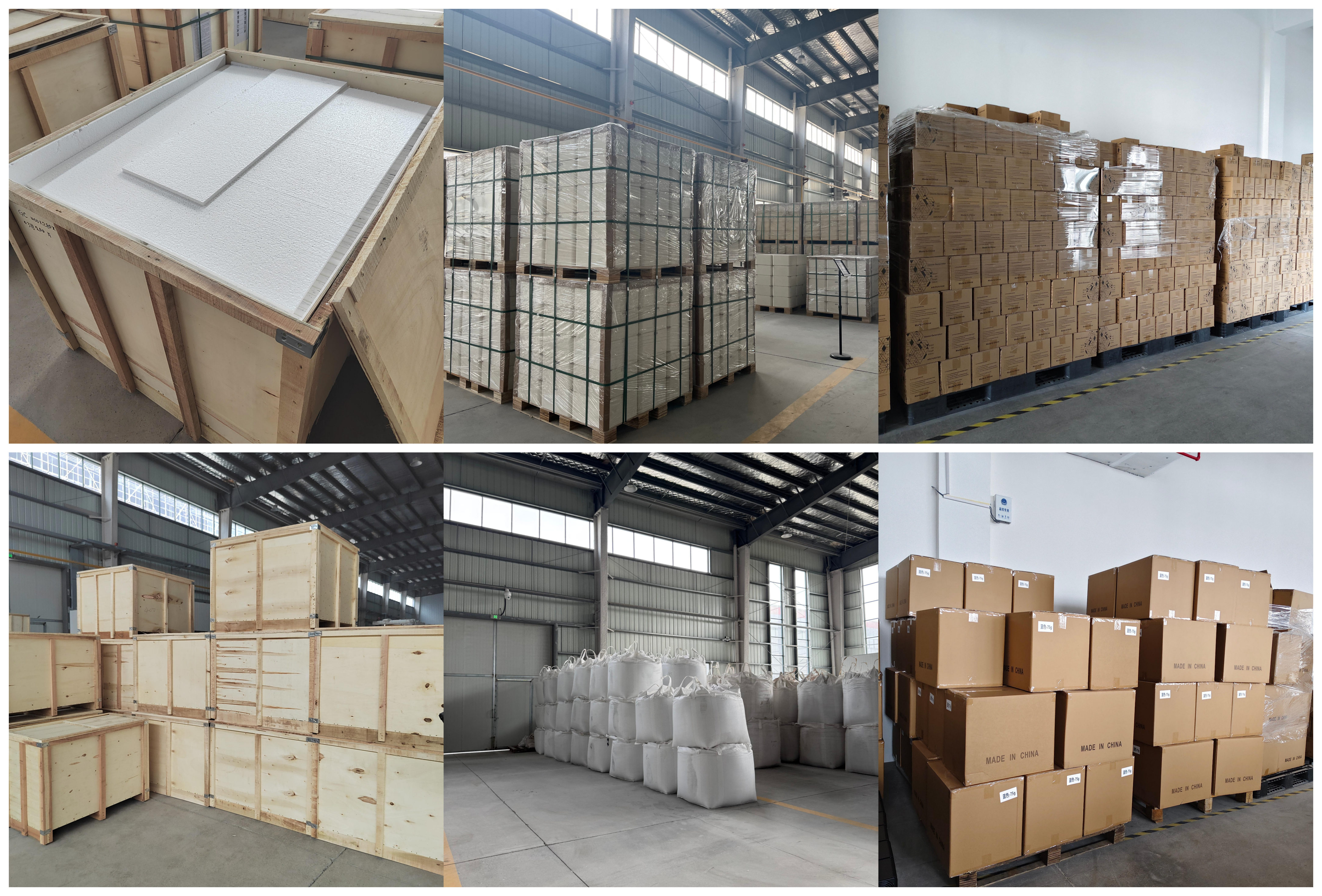
We adopt scientific and standardized packaging solutions tailored to product characteristics to effectively prevent collision, extrusion, dust and moisture damage. With mature global transportation system and strict shipment inspection procedures, we ensure all products remain intact and stable during long-distance delivery, providing customers with safe, efficient and reliable one-stop logistics service.
Services
Inquiry & Customization
We provide fast and accurate quotation response for all your inquiries. Flexible OEM & ODM customization solutions are available to meet your unique product design, packaging and branding requirements.
Order Quality Control
We keep clients updated with full production progress throughout the whole order cycle. Our QC team carries out strict comprehensive pre-shipment inspection to guarantee all goods comply with your quality standards before delivery.
Customs Document Support
We prepare a full set of standard export documents including commercial invoice, packing list, certificate of origin and other certification papers, to ensure smooth global customs clearance for shipments to all destinations worldwide.
One-Stop Logistics
Multiple shipping methods including sea freight, air freight and express delivery are offered to match your schedule and budget. We supply real-time cargo tracking service so you can monitor shipment status anytime.
Flexible Payment
We support a wide range of secure international payment terms such as T/T, L/C, Western Union and other mainstream cross-border settlement methods to reduce your cross-border transaction risks.
After-Sales Support
Our professional after-sales team offers timely technical and business support all year round. We maintain steady long-term stable supply capacity to fully back up your continuous market sales and project demands.
FAQ
01
Question: Can you produce based on customers’ drawings or physical samples?
Answer: Absolutely yes. We accept technical drawings in all mainstream file formats as well as actual physical samples. Before formal production, our engineering team will provide a full professional DFM feasibility evaluation for your reference.
02
Question: How long is the production lead time for custom orders?
Answer: Sample lead time: 3–7 working days. Custom mold lead time: 5–10 working days (we will confirm the cycle separately with you for complex molds). Mass production lead time: 7–20 working days, depending on product structure complexity and order quantity.
03
Question: What’s your minimum order quantity for custom products?
Answer: We provide flexible MOQ solutions for all customized items. We will try our best to set a low minimum order volume to support your small-batch trial orders, meanwhile we can handle stable mass production to satisfy your long-term bulk demands.
04
Question: What customization services can you provide?
Answer: We support comprehensive one-stop customization, including product size, shape, appearance, precision tolerance, surface treatment, hole grooving, bending, cutting and adjustable high-temperature resistant parameters. Custom engraved LOGO and exclusive customized packaging are also available as extra personalized options upon request.
05
Question: Do you accept third-party inspection of finished products?
Answer: Yes, we fully cooperate with all mainstream authorized third-party testing institutions. Well-known organizations such as SGS, BV and other internationally recognized inspection bodies are all acceptable. We can supply complete official inspection reports and material certification documents as you require.
06
Question: Can you customize raw material options for products?
Answer: Sure. We can select and match appropriate raw materials according to your application scenarios, working conditions and performance requirements, including alumina, zirconia, quartz, silicone and other special engineering materials, and adjust related performance parameters to meet your usage standards.



 EN
EN