Home > Products > Special glass > Cuvette
Transmittance Range:
Optical glass cell transmission at 350nm is about 82%
ES quartz cell transmission at 200nm is about 80%
Standard size:
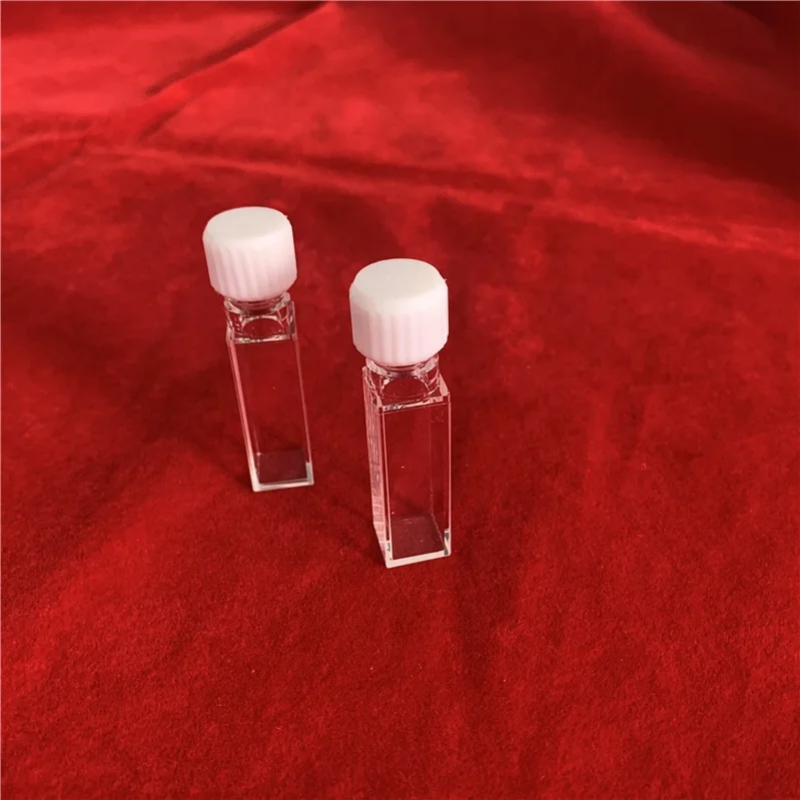
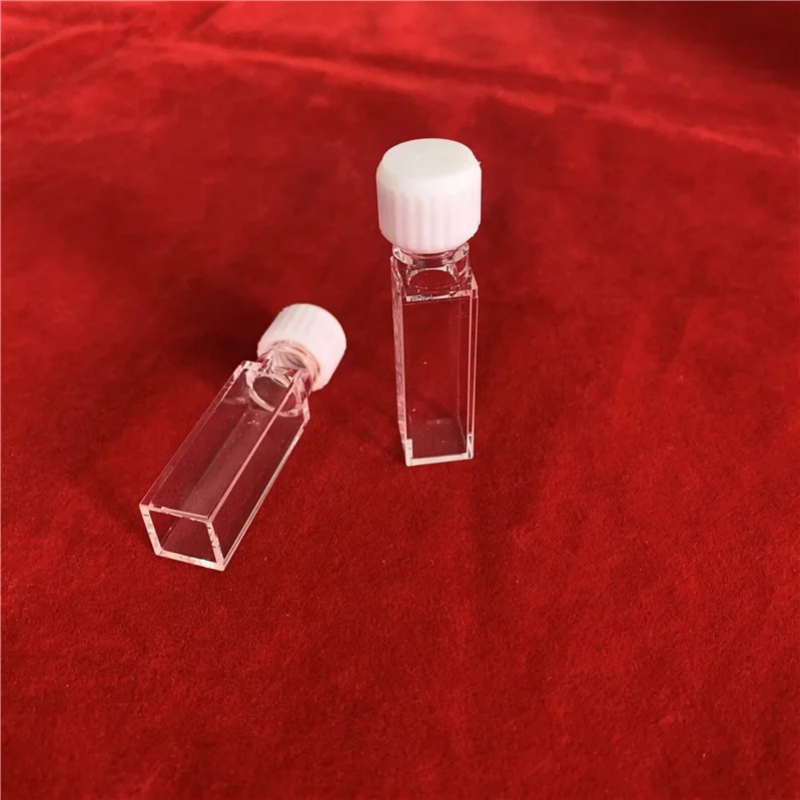
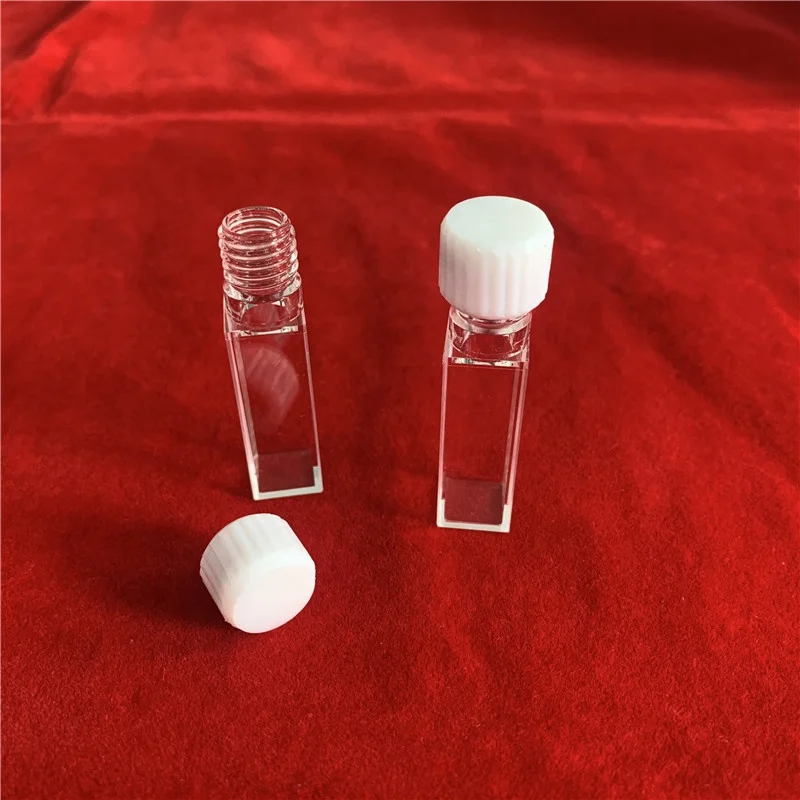
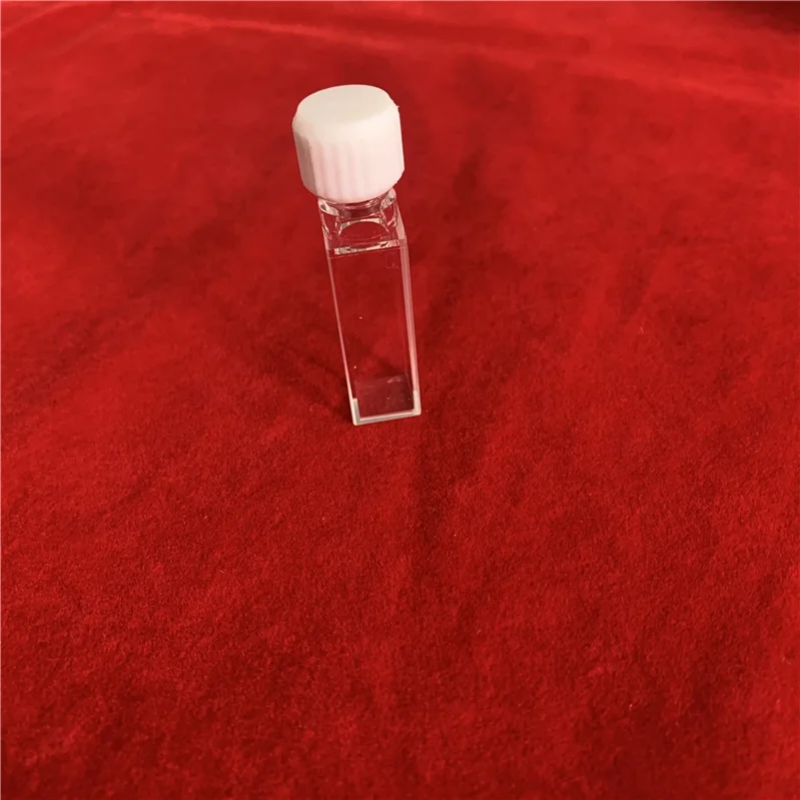
56*12.5*12.5mm , path length 10mm, volume 3.5ml
Capacity :
can customize according to clents’ reaquirements
Heat Resistance:
-40℃~+200℃, some models support 121℃ autoclaving
Product Details
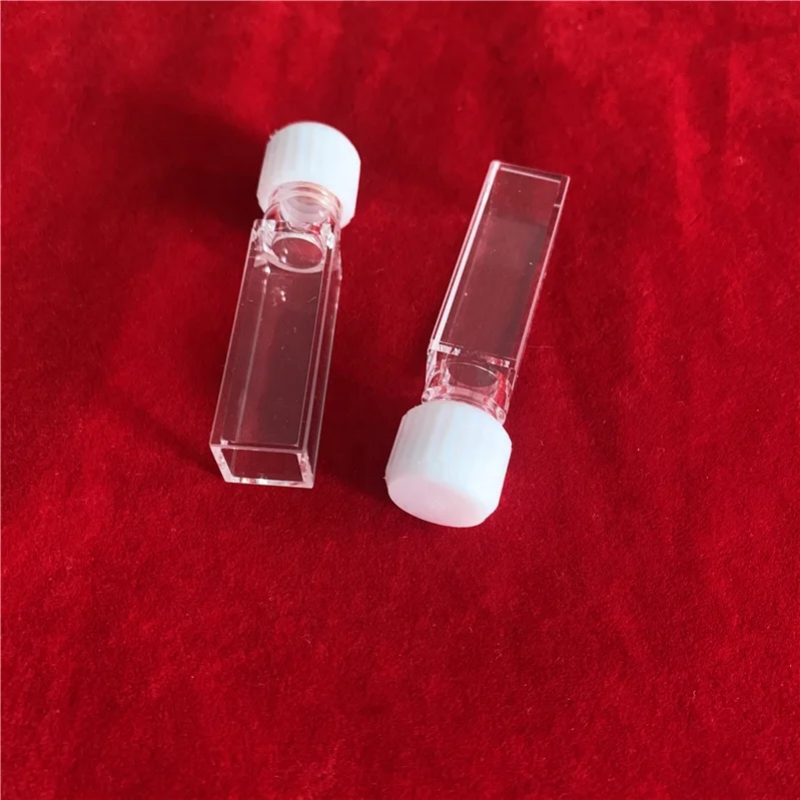
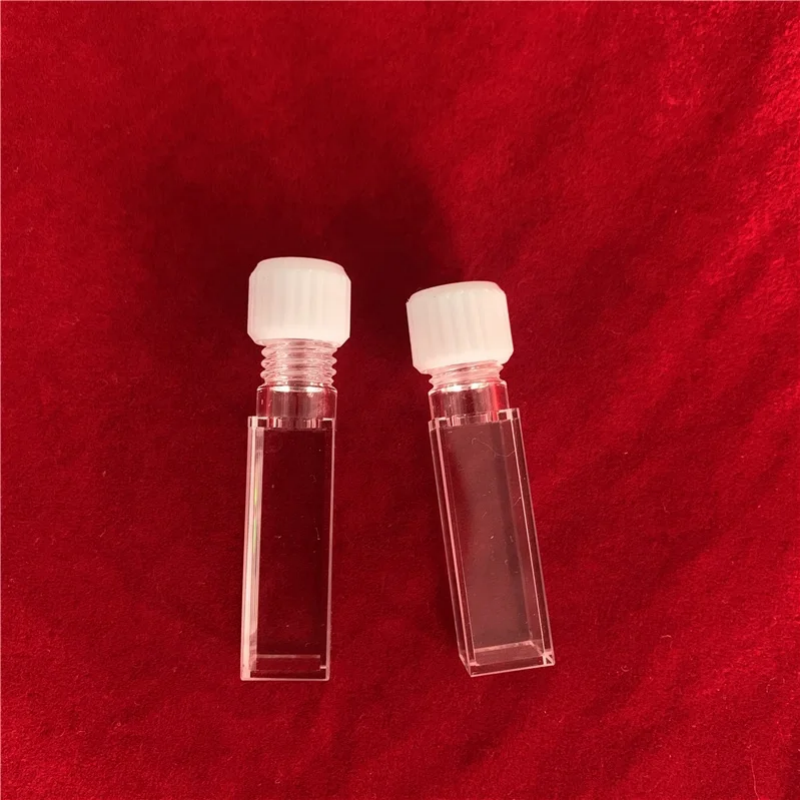
A screw cap cuvette is a spectroscopic cell with a threaded cap that forms a secure, leak-resistant seal around the sample. It is commonly molded from fused quartz or optical glass, and the screw thread helps cut down evaporation and contamination, which makes it a good fit for volatile, sensitive, or long-running liquid samples. Choosing the right quartz cuvette starts with the wavelength range and the chemistry inside the cell.
1.1 Optical Glass Cuvette
An optical glass cell offers good light transmittance across the visible range (340–2500 nm), at a friendlier price point for routine visible-spectrum work. It has solid mechanical strength, wipes clean easily, and is suited to everyday colorimetric and visible absorbance measurements. It is not intended for deep-ultraviolet work, where quartz is the better choice.
1.2 Fused Quartz Glass
A fused quartz cuvette brings excellent chemical resistance and thermal stability, with high transmittance in the ultraviolet and visible range and low optical background below 300 nm. That makes it the common pick for high-precision quantitative work in UV-Vis spectroscopy, where low absorption and predictable performance matter. For deep-UV work below 200 nm, a fused quartz cuvette is the standard choice over glass.
Buyers often upgrade from a plain open cell to a quartz cuvette with screw cap when the sample is volatile, valuable, or needs to stay sealed between runs. The threaded cap, paired with a PTFE gasket, closes the cell against evaporation and sample loss and keeps airborne dust and moisture out during the measurement.
2.1 Full UV-Vis-NIR Transmittance
High-quality quartz transmits from about 190 nm to 2500 nm, so a single quartz cuvette covers ultraviolet, visible, and near-infrared spectroscopy without switching cells between wavelengths.
2.2 Tight, Leak-Resistant Seal
The screw thread and PTFE sealing ring together create a consistent seal that helps prevent leaks and evaporation, even when the cell sits in the holder for an extended scan.
2.3 Protection Against Contamination
The closed cap isolates the sample from dust, airborne particles, and accidental spills, which helps protect the optical windows and keeps baseline drift low between measurements.
2.4 Excellent Chemical Resistance
Quartz stands up to most acids and common organic solvents, and the PTFE ring is itself chemically inert, so the assembly holds up well in routine analytical chemistry environments.
2.5 High Thermal Stability
Quartz tolerates elevated temperatures and sudden thermal changes, which makes a screw cap cuvette suitable for warmed samples and rapid temperature-ramp experiments.
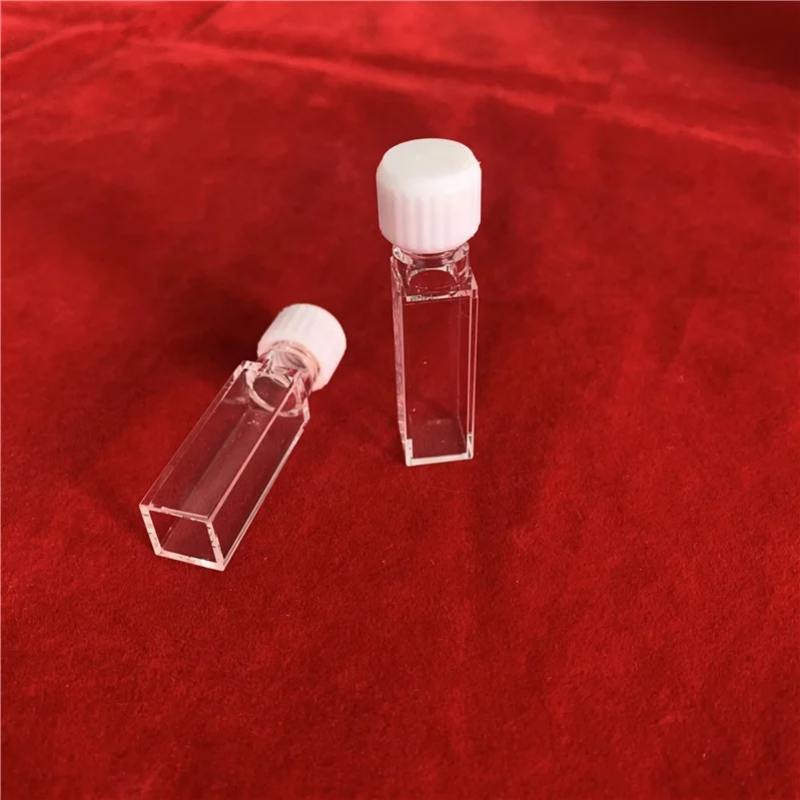
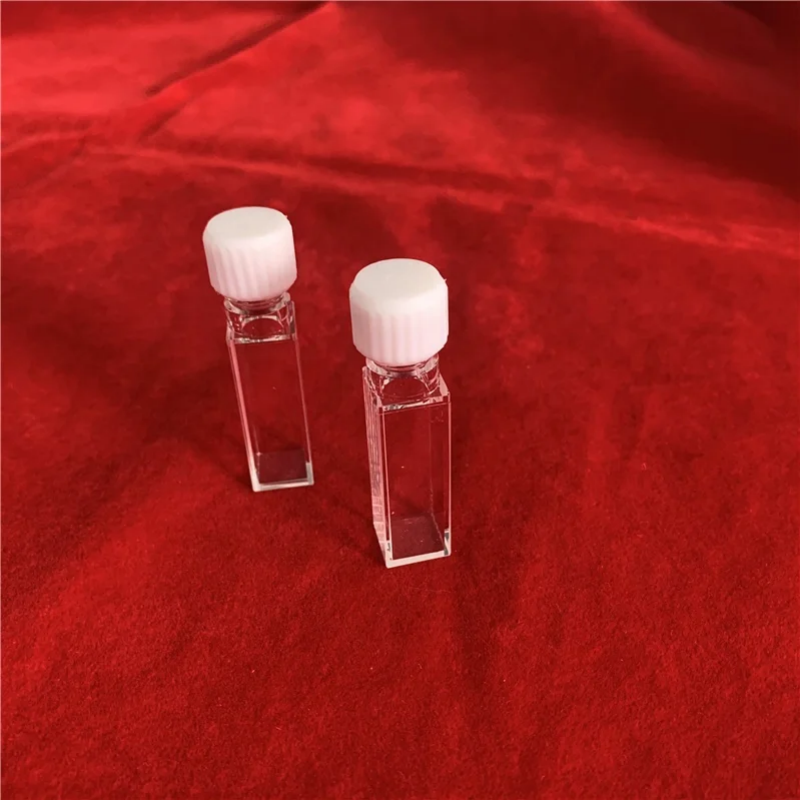
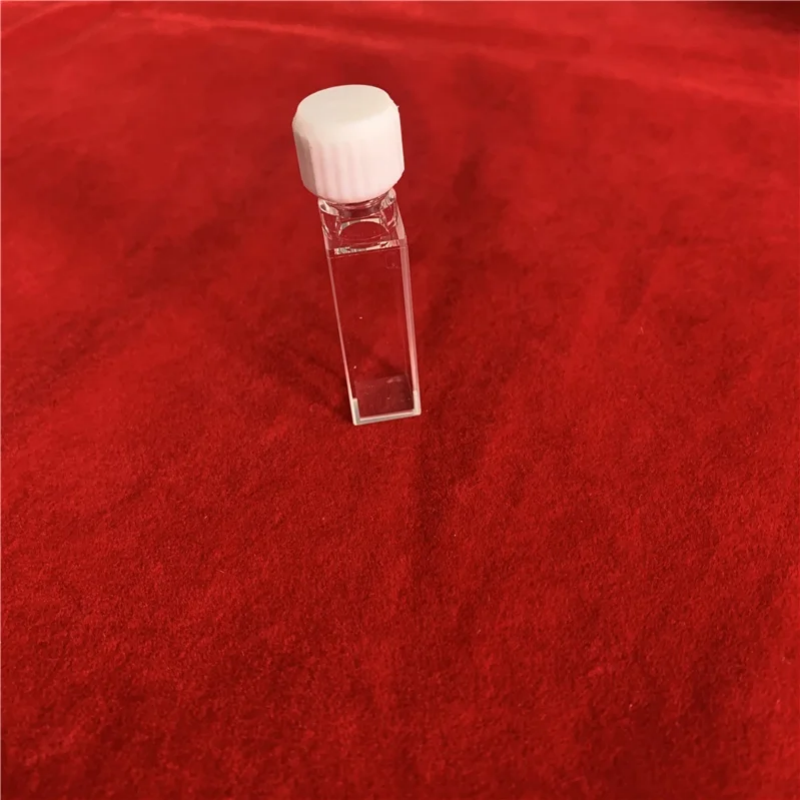
3.1 High optical transparency. Optical cells are built with polished windows so absorbance, transmittance, and fluorescence readouts stay accurate. Quartz versions cover 190–2500 nm, while glass versions are mainly for the visible range.
3.2 Standardized 10 mm path length. Most cells use a standard 10 mm optical path, which makes Beer–Lambert concentration calculations straightforward and keeps results consistent from one instrument to the next.
3.3 Good chemical resistance. Quartz and glass cells handle many aqueous solutions, dilute acids, and common organic solvents, fitting a broad range of routine laboratory samples.
3.4 High measurement accuracy. Quality cells have parallel optical windows, low internal stress, and few bubbles or streaks, which helps reduce baseline drift and measurement error.
3.5 Reusable and cost-effective. Reusable quartz and glass cells can be cleaned and run many times, which is more economical than disposable plastic cells for routine or high-precision work.
3.6 Wide instrument compatibility. Standard square cells fit most UV-Vis spectrophotometers, fluorescence spectrometers, colorimeters, and other optical analyzers on the market.
Across these applications, the right UV-Vis cuvette is matched to the wavelength, the solvent, and whether the sample needs to stay sealed on the instrument.
4.1 UV-Vis spectrophotometry. A screw-cap quartz cuvette is widely used for ultraviolet-visible analysis, with quartz material transmitting from about 190 nm to 2500 nm across UV, visible, and near-infrared bands.
4.2 DNA, RNA, and protein quantification. Biological and pharmaceutical labs use these cells to measure concentration and purity of nucleic acids and proteins, such as DNA/RNA at 260 nm and protein at 280 nm.
4.3 Fluorescence spectroscopy. With four polished windows, a screw-cap quartz cell supports fluorescence intensity and excitation-emission studies, including steady-state fluorescence measurements.
4.4 Environmental and water-quality analysis. The cells suit UV-absorbing pollutants in water, such as nitrates and benzene-type compounds; the screw cap limits evaporation and airborne contamination during the test.
5.1 Handle by the top or frosted areas. Hold the cell by the upper rim, the cap area, or the non-optical surfaces. Avoid touching the polished windows with bare fingers to prevent fingerprints, oil, and scratches.
5.2 Protect all four optical windows. Because all four sides are transparent, set the cell on a soft tissue, not directly on a hard bench, and keep it away from metal racks, tweezers, and abrasive materials.
5.3 Finger-tighten the cap only. Do not over-tighten, as excessive force can crack the quartz body or damage the sealing surface.
Technical parameters
|
|
|
|
|
G |
at 350 nm approx. 82% |
at 350 nm max. 0.5% |
|
Q |
at 200 nm approx. 80% |
at 200 nm max. 0.5% |
|
I |
at 2730 nm approx. 88% |
at 2730 nm max. 0.5% |
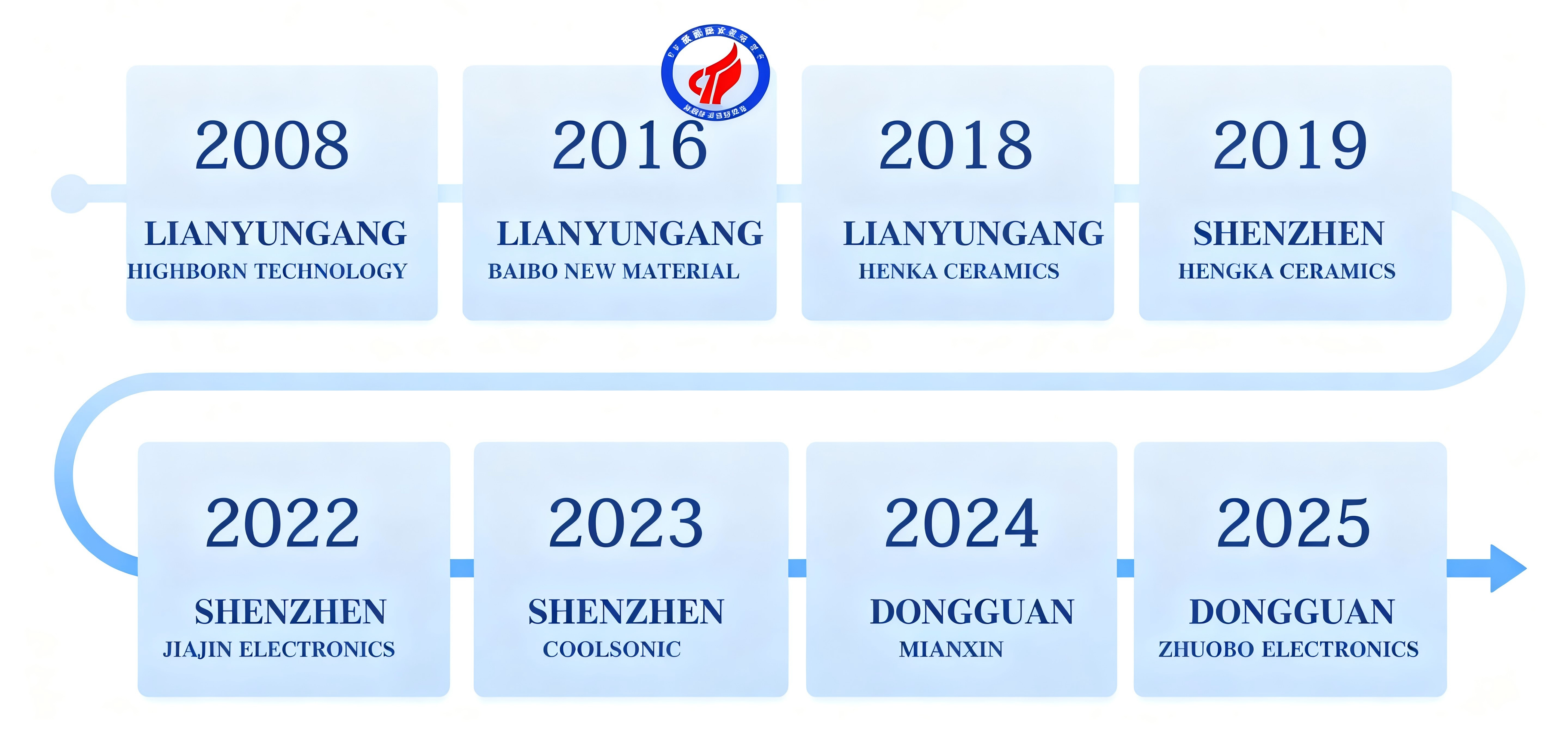
Development History
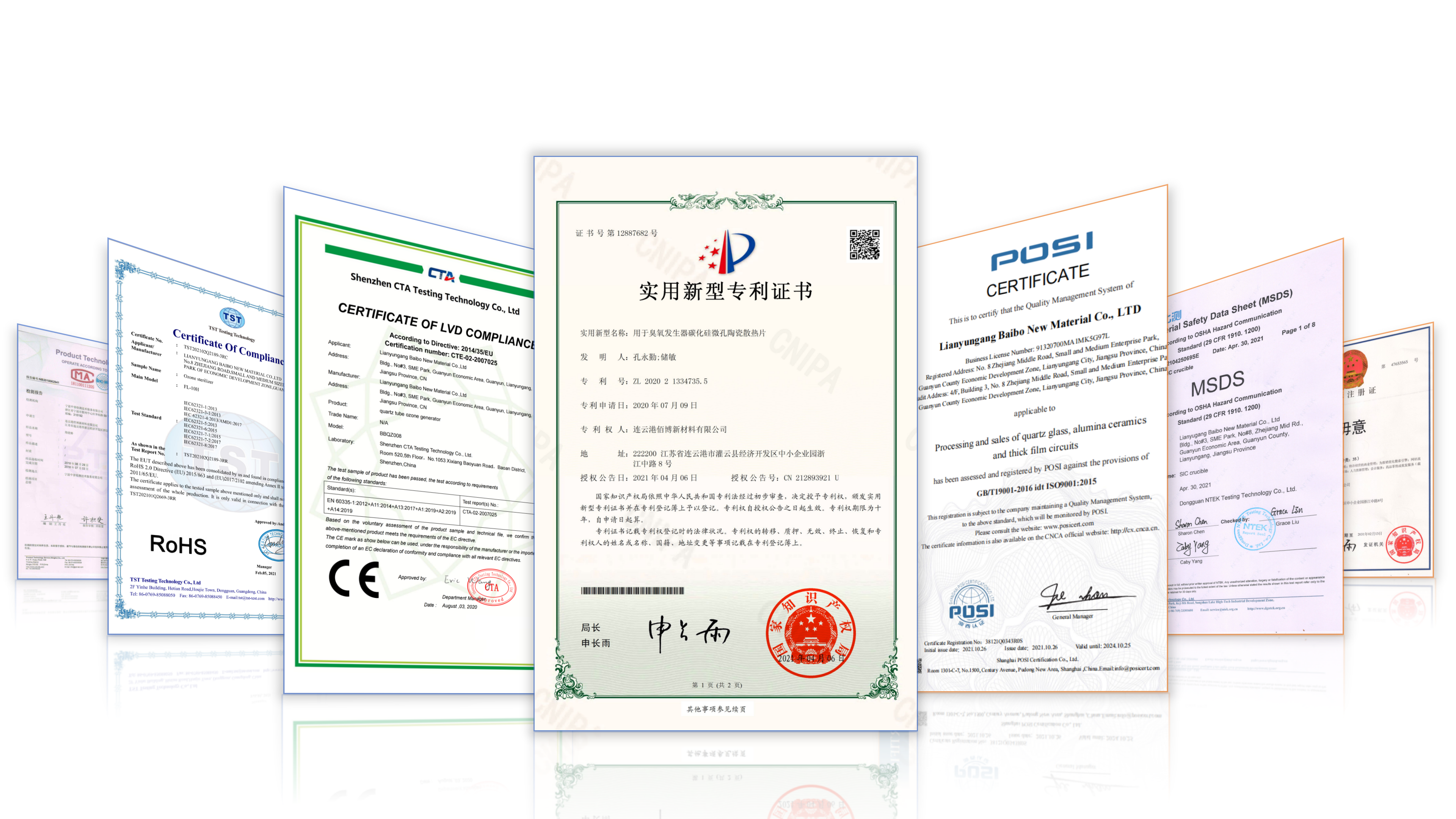
Patents and Certification
We have obtained a range of global certifications including IATF16949, CE, EMC, LVD, RoHS, FDA, MSDS, ISO 9001, SGS, and TUV, together with registered trademarks and technical patents that support in-house R&D. Our core technologies span porous ceramics, industrial ceramic components, special glass, metallized ceramics, liquid absorption cotton, quartz optical cells, and silicone goods, with production held to international quality standards for every screw cap cuvette we ship.
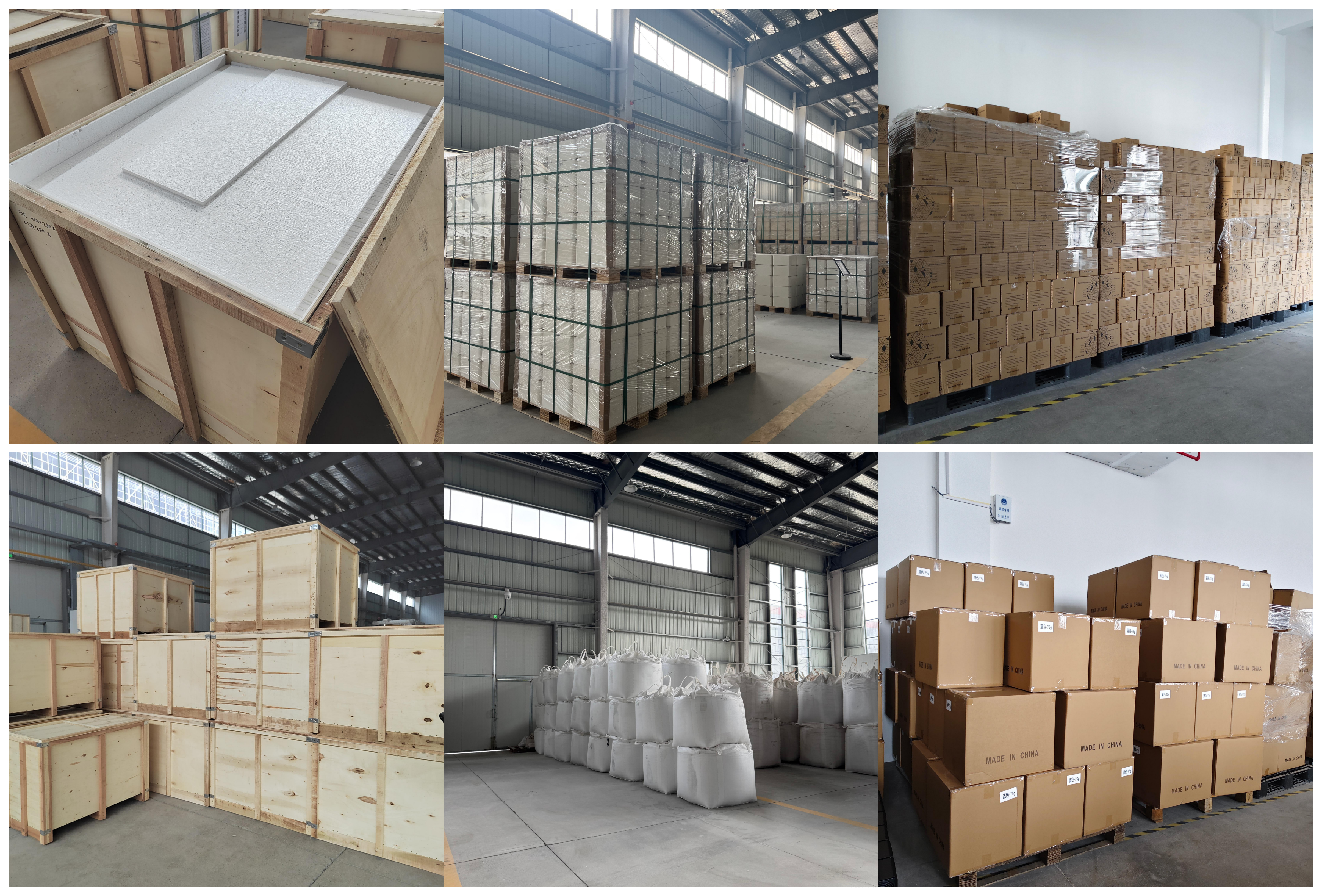
Package
We use standardized packaging matched to each product's characteristics to protect against collision, extrusion, dust, and moisture. With an established shipping network and pre-shipment inspection, we work to keep every quartz cuvette intact over long-distance delivery and provide one-stop logistics support.
Services
We respond to inquiries with a clear quotation and offer flexible OEM & ODM customization to match your custom quartz cuvette design, packaging, and branding needs.
We keep you updated on production progress through the order cycle and run a pre-shipment inspection to help ensure goods meet your quality standard before delivery.
We prepare standard export documents—commercial invoice, packing list, certificate of origin, and related certification papers—to support smooth customs clearance.
Sea freight, air freight, and express options are available to match your schedule and budget, with cargo tracking so you can monitor the shipment.
We support common cross-border payment terms such as T/T, L/C, and Western Union to reduce transaction friction.
Our team provides ongoing technical and business support and maintains steady supply to back up your repeat orders and project demands.
FAQ
Answer: Yes. We accept technical drawings in the common CAD and document formats, and we can work from a physical sample. Before production, our engineering team sends a short DFM feasibility review.
Answer: Custom mold: 5–10 working days. Mass production: 7–20 working days, depending on structure complexity and order quantity. We confirm sample timing separately after reviewing your drawing.
Answer: We offer flexible MOQ. We keep the minimum low for trial orders while handling stable mass production for long-term bulk demand.
Answer: Path length, window type, material (optical glass, ES quartz, IR quartz), cap style, PTFE gasket, tolerances, and surface treatment. Custom engraved logo and exclusive packaging are available on request.
Answer: Yes. We cooperate with recognized bodies such as SGS and BV and can provide inspection reports and material certification documents as required.
Answer: Yes. We select optical glass, ES quartz, or IR quartz based on your wavelength range and working conditions, and tune the transmission and matching tolerance to your standards.
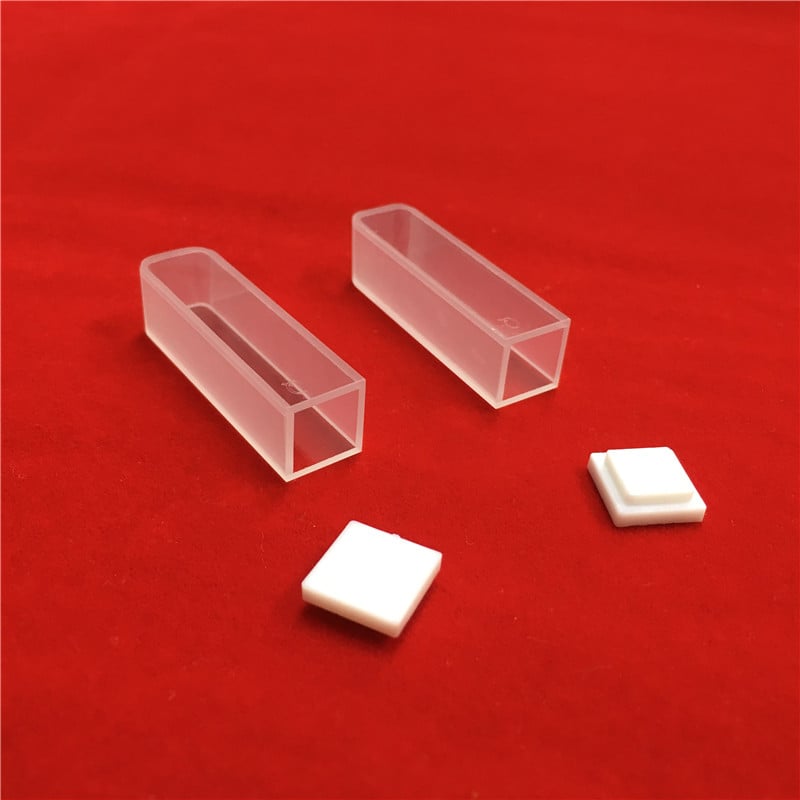
Two Sides Clear 10mm Light Path Quartz Glass Cuvette
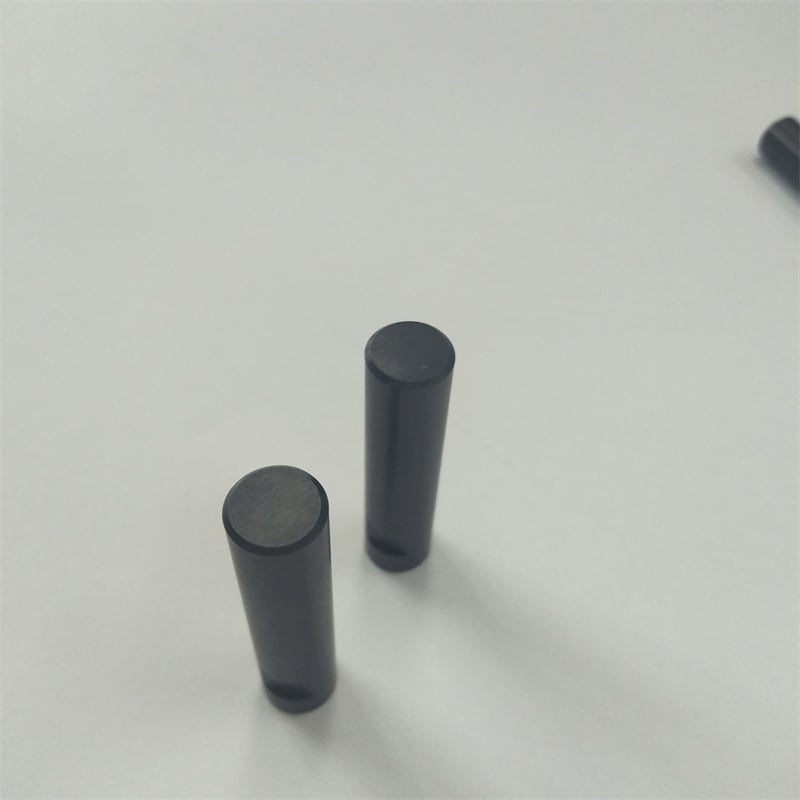
Custom Silicon Nitride Ceramic Shaft Si3N4 ceramic Rods
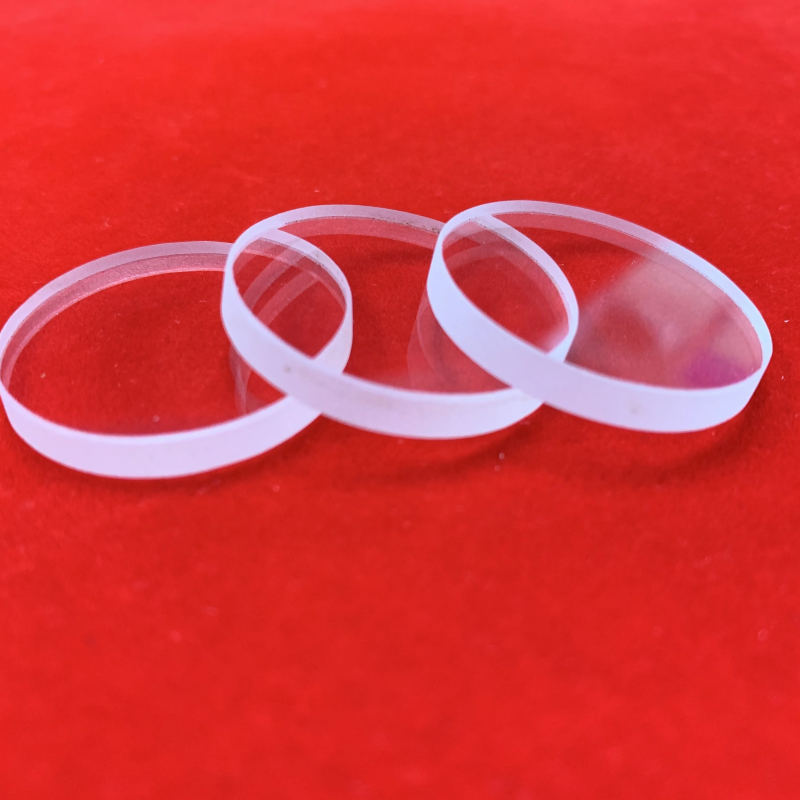
High UV transmission round clear fused quartz disc
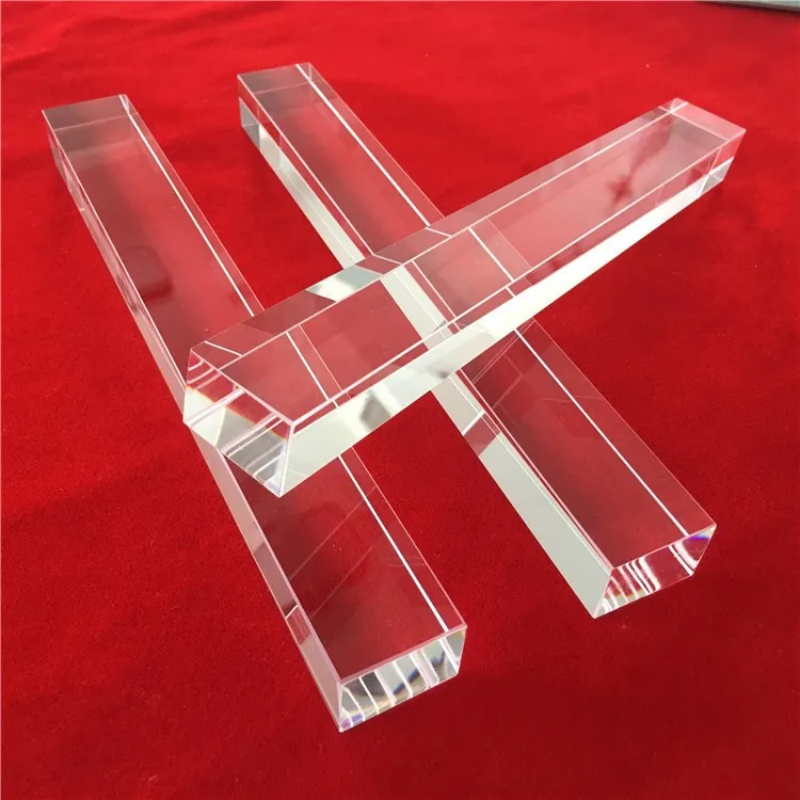
High Purity Custom Size square shape Clear Quartz Glass Rod


 EN