1. Overview of Quartz Glass
1.1 Definition and Formation
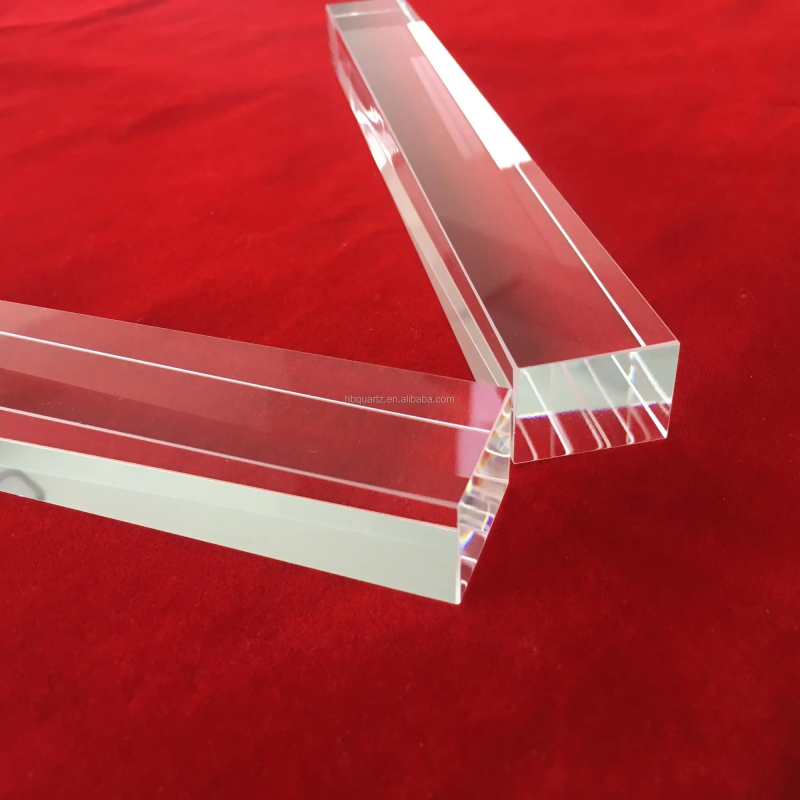
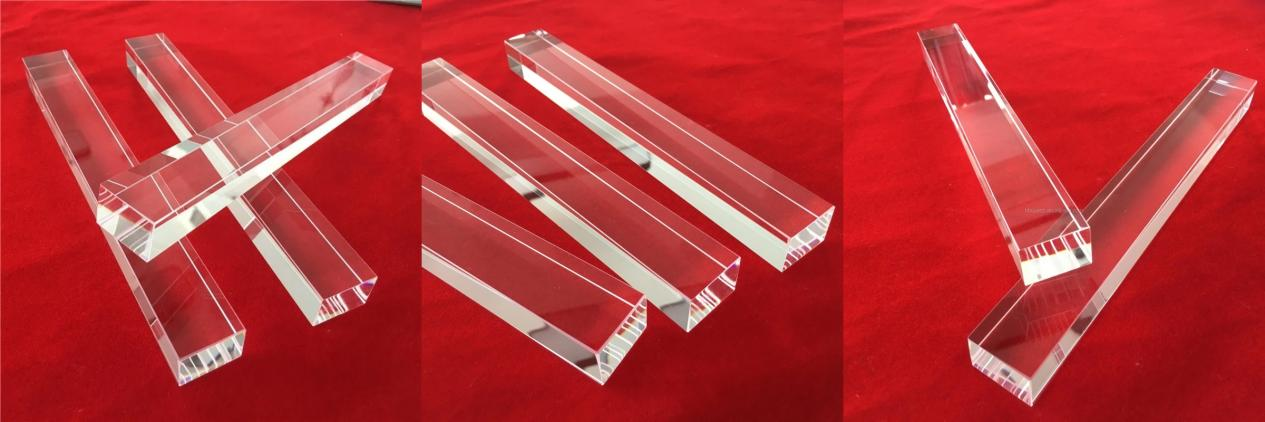
Quartz glass, also known as fused silica glass, is a special high-purity inorganic glass material with excellent comprehensive physical and chemical properties. It is manufactured using high-purity quartz crystal or synthetic silica raw materials as the base, processed through ultra-high temperature melting, clarification, molding and precision annealing procedures.
Different from ordinary glass, quartz glass adopts 2000–2300℃ ultra-high temperature melting technology to completely melt silica raw materials and eliminate internal crystal structures, forming a uniform amorphous glass state. After strict cooling and stress relief treatment, the material obtains stable structural properties. High-quality quartz glass raw materials and finished products are mainly produced and processed in industrial regions including China, the United States, Germany, and Japan, serving high-end industrial and precision manufacturing fields worldwide.
1.2 Classification and Grade Standards
Based on production processes and raw material types, quartz glass is mainly divided into two categories: natural fused quartz glass and synthetic fused quartz glass.
Natural fused quartz glass is melted directly from high-purity natural quartz sand, featuring stable performance and cost advantages for conventional industrial applications. Synthetic fused quartz glass is produced via gas-phase hydrolysis of high-purity silicon compounds, with ultra-low impurity content and superior optical performance.
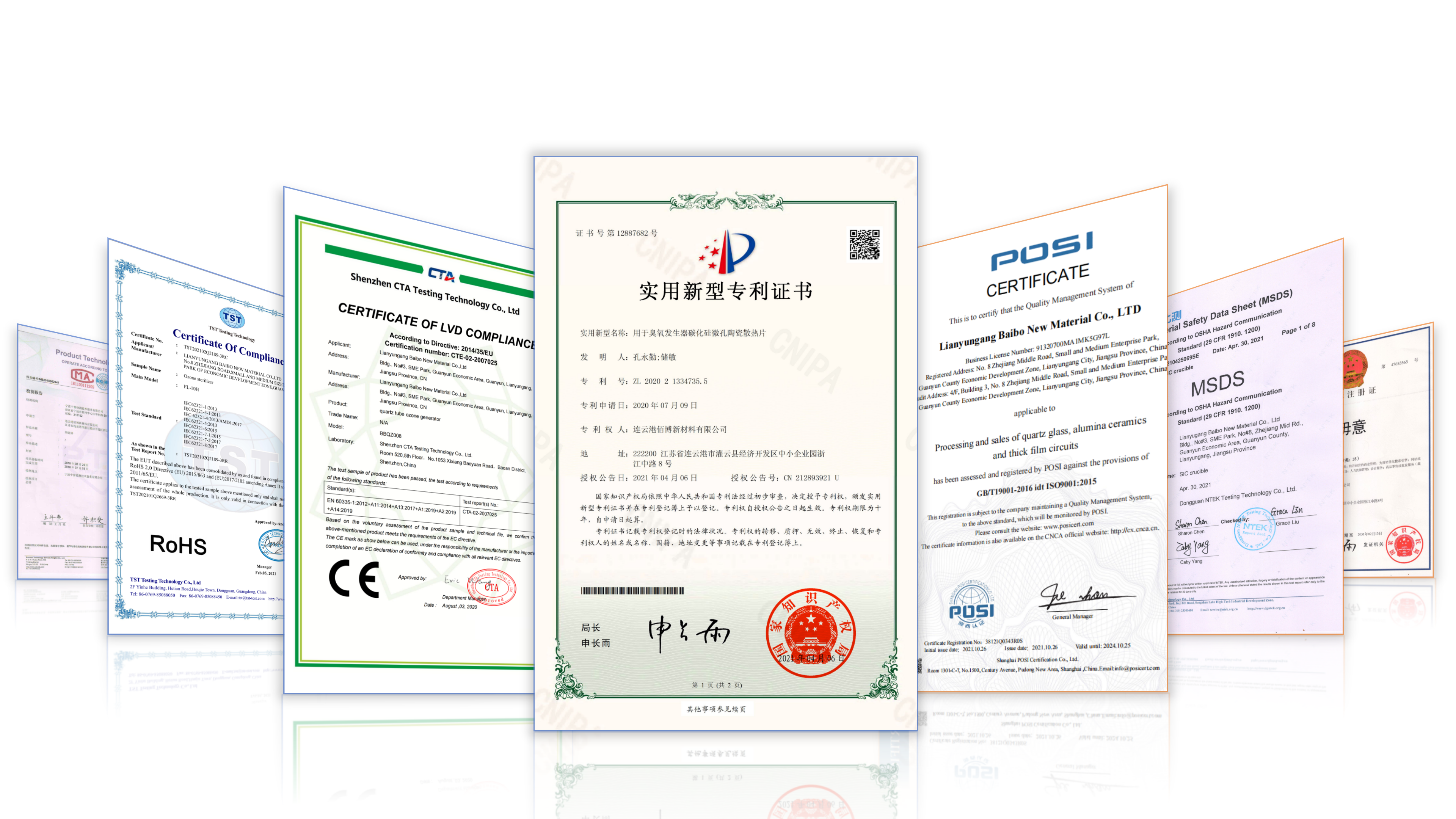
High-endoptical-grade, semiconductor-grade and medical-grade quartz glass undergoes multi-stage purification and high-precision annealing treatment, complying withSEMI semiconductor standards, FDA and EU industrial safety specifications. Featuring ultra-high purity, extreme temperature resistance and outstanding optical stability, quartz glass is an irreplaceable advanced new material with rapidly expanding high-end application scenarios.
2. Core Characteristics of Quartz Glass
2.1 Physical Structure Characteristics
The physical superiority of quartz glass originates from its uniform amorphous silica network structure, with ultra-low thermal expansion coefficient as its core physical feature.
It possesses excellent structural compactness and dimensional stability, with a thermal expansion coefficient as low as 5.0×10⁻⁷/℃, which is only 1/20 of ordinary borosilicate glass. It can withstand drastic cold and hot temperature alternations without cracking or deformation. The material features high hardness, high flatness and excellent light transmittance, supporting ultra-precision processing to meet micron-level and even nan-level precision component requirements.
The only physical limitations are high hardness leading to difficult cutting and processing, and low toughness, which can be effectively optimized through precision grinding and special tempering treatment.
2.2 Chemical Properties
The main chemical component of high-quality quartz glass is amorphous SiO₂ (99.95%–99.9999%), with trace impurities such as Al₂O₃, Fe₂O₃ and metal ions strictly controlled at ppb level for high-end grades.
It features extremely strong chemical inertness, resisting corrosion from almost all acids, alkalis and organic solvents under normal and high-temperature conditions, with only hydrofluoric acid and hot concentrated phosphoric acid capable of causing corrosion. Meanwhile, quartz glass is non-toxic, harmless and non-precipitating, ensuring safe and pollution-free application in semiconductor, medical, chemical and food processing fields.
2.3 Thermal Performance
Quartz glass has outstanding extreme temperature resistance with a softening point of 1730℃ and a long-term continuous service temperature of 1200℃. It possesses excellent high-temperature thermal stability and ultra-low thermal conductivity, maintaining stable physical and optical properties without deformation, bubbling or crystallization under long-term high-temperature working conditions.
Its superior thermal shock resistance makes it a reliable high-temperature heat insulation, thermal stabilization and anti-scald material widely used in extreme industrial high-temperature scenarios.
3. Advantages of Quartz Glass
3.1 Ultra-wide Spectrum Light Transmission Performance
Full-spectrum high light transmittance is the core competitive advantage of quartz glass. Different from conventional optical glass, it achieves stable high transmittance coveringdeep ultraviolet, visible light to mid-infrared bands.
It can efficiently transmit special ultraviolet and infrared light sources without spectral distortion, ensuring high precision and high stability of optical systems. Its comprehensive optical performance is far superior to ordinary glass and polymer optical materials, meeting the stringent requirements of precision optics and photoelectric industries.
3.2 Ultra-stable Chemical and High-purity Performance
Benefiting from ultra-high chemical inertness and ultra-low impurity content, quartz glass will not produce chemical reactions or precipitate metal ions in high-temperature and corrosive environments. It requires no anti-corrosion coating or auxiliary protection measures, and will not cause secondary pollution to precision instruments, chemical solutions and semiconductor wafers, meeting ultra-high purity industrial production standards.
3.3 High Temperature Resistance and Thermal Shock Resistance
Quartz glass features extreme high temperature resistance and rapid temperature change resistance. It will not deform or damage under long-term high-temperature operation and instant cold-hot alternation. It effectively improves the high-temperature stability and service life of industrial equipment and optical devices, realizing high-reliability material performance in extreme working environments.
3.4 Durable and High Cost-performance
As a high-performance inorganic functional material, quartz glass has super long service life, zero aging and zero deterioration, with no need for frequent replacement and maintenance. Although the processing technology is sophisticated, its long-term comprehensive use cost is far lower than special alloy and high-end polymer materials.
It features environmental friendliness, non-radiation and recyclability, perfectly fitting the requirements of high-end industrial precision manufacturing and sustainable green development.
4. Industry-Specific Applications of Quartz Glass
4.1 Semiconductor and Optoelectronic Industry
As a core high-purity auxiliary material for semiconductors, quartz glass is widely used in wafer diffusion furnaces, etching chambers, and lithography optical components. Its ultra-high purity and stable optical performance effectively avoid wafer contamination and optical deviation, supporting high-precision chip manufacturing.
4.2 Chemical and Laboratory Industry
Thanks to strong corrosion resistance and high temperature resistance, it is made into quartz crucibles, reaction vessels, condenser tubes and experimental instruments, suitable for high-temperature chemical reaction, solution purification and precision laboratory testing scenarios.
4.3 Optical and Lighting Industry
With excellent ultraviolet and infrared transmittance, quartz glass is used for UV lamp tubes, infrared heating lenses, precision optical lenses and laser device windows. It is the essential core material for medical disinfection lamps, industrial heating equipment and optical communication devices.
4.4 High-temperature Industrial Manufacturing
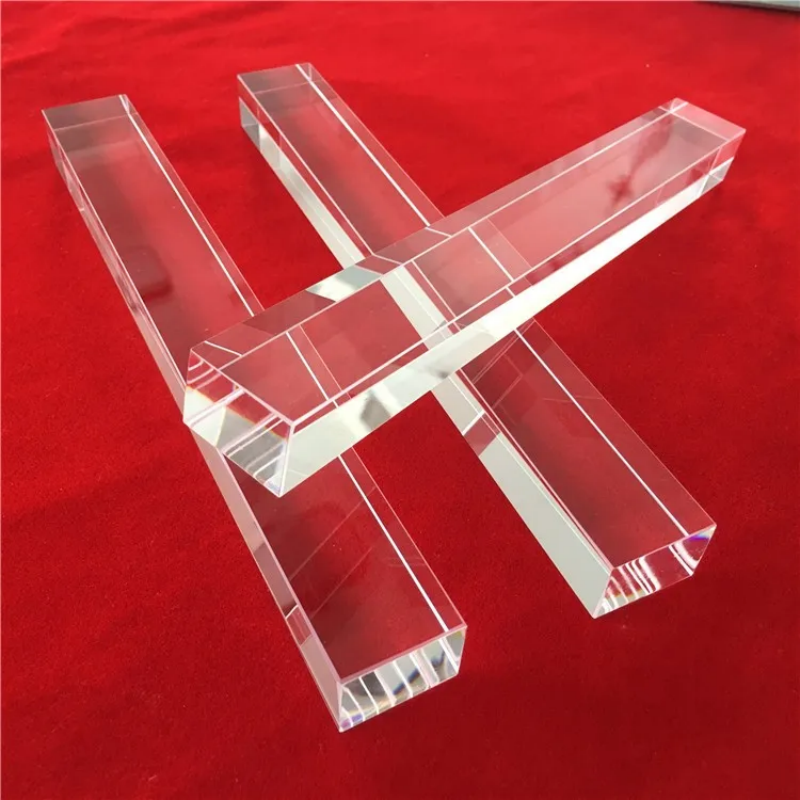
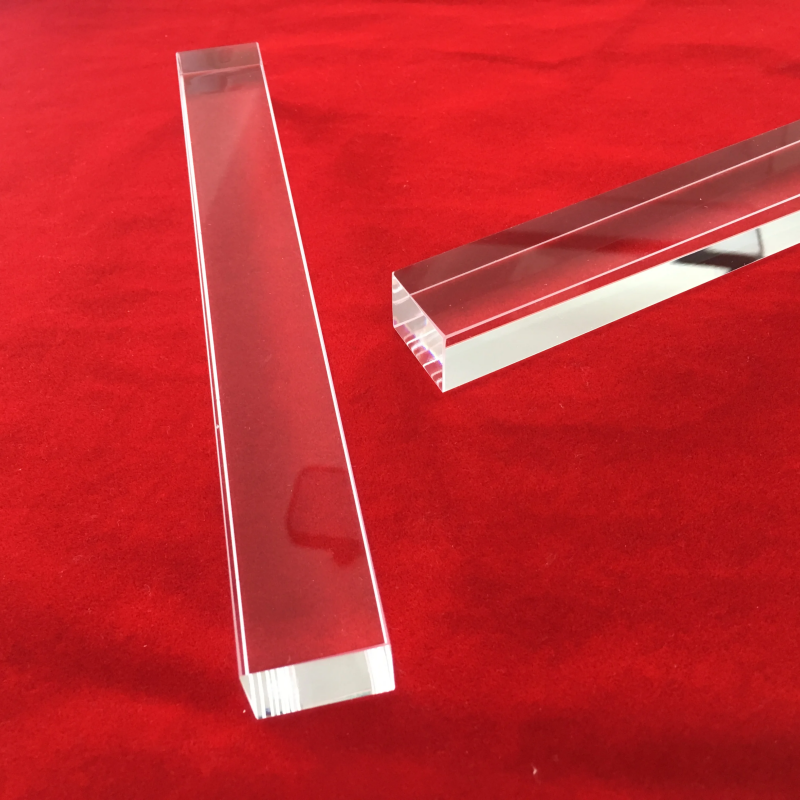
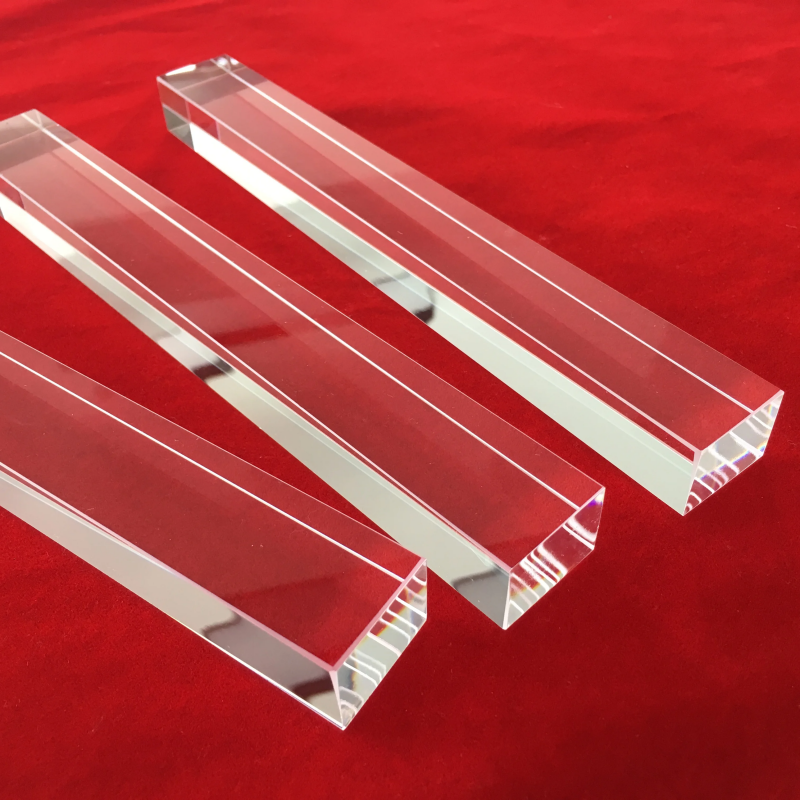
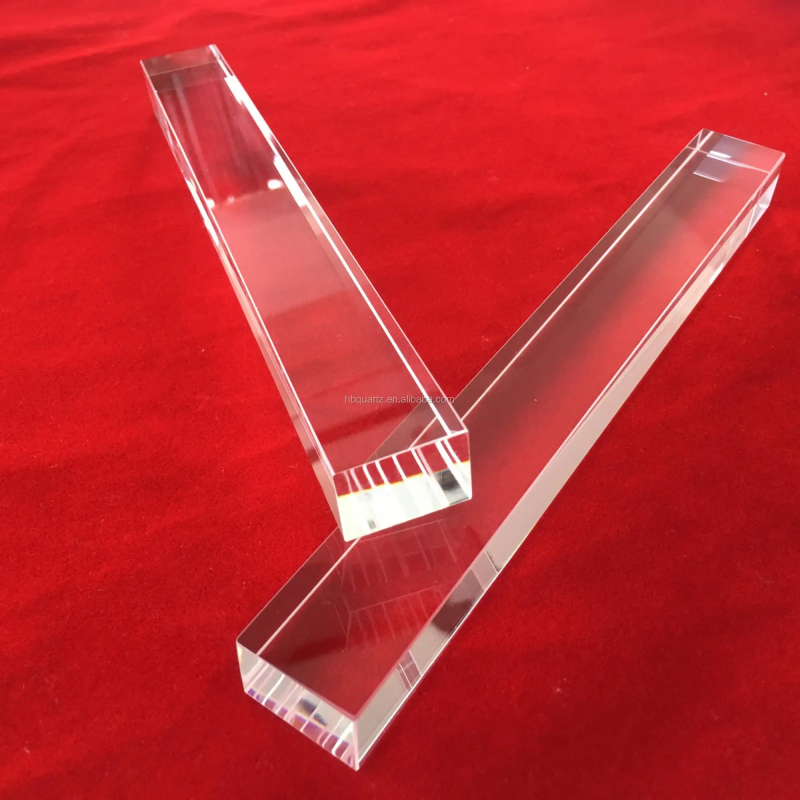
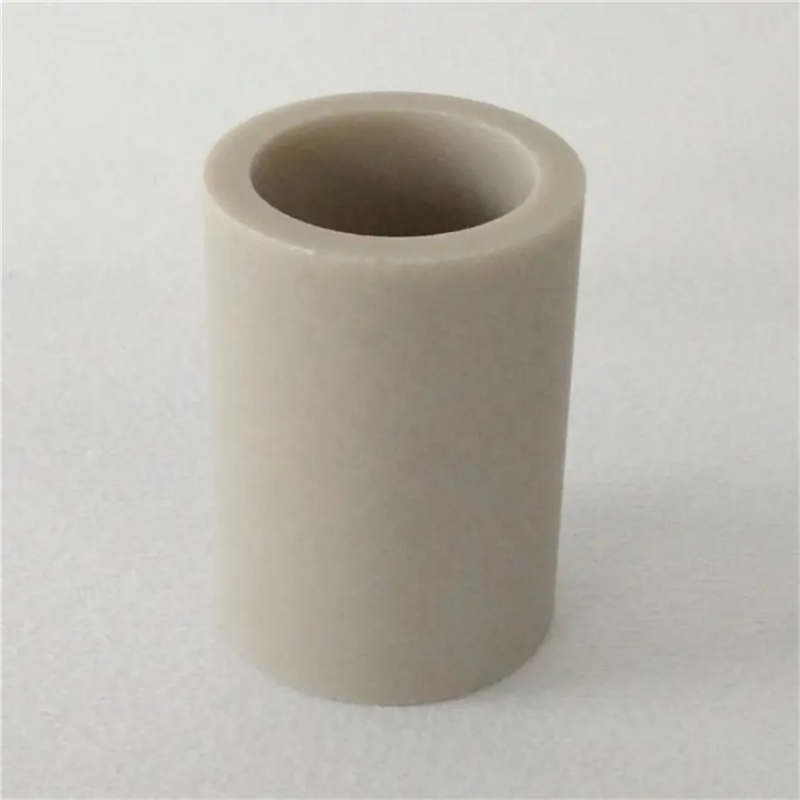
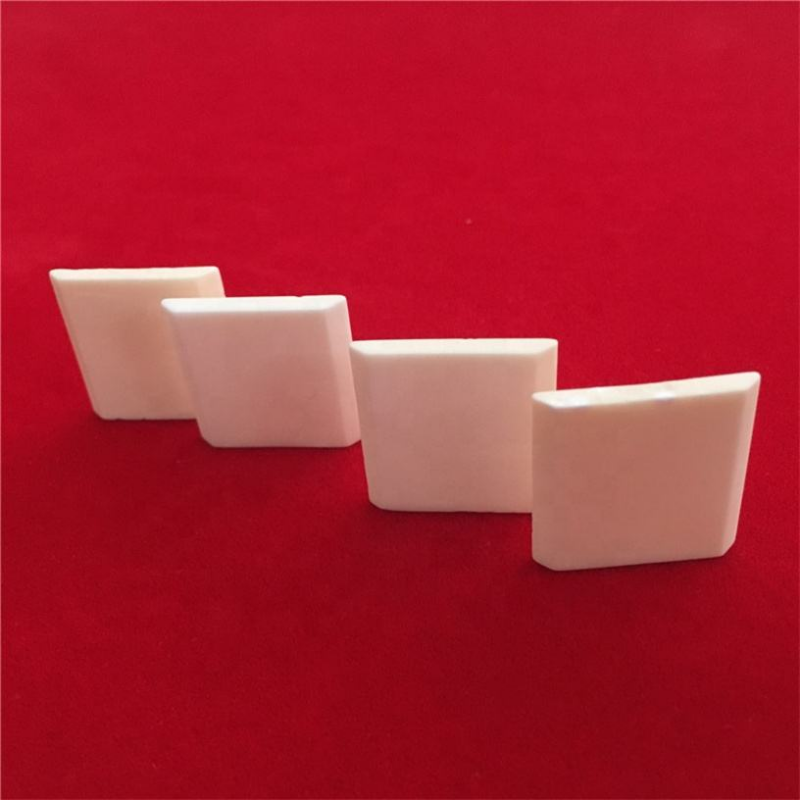
Processed into quartz tubes, quartz plates and special-shaped structural parts, it is applied in industrial furnace insulation, high-temperature observation windows and heat-resistant structural accessories. It effectively improves the high-temperature safety and operational stability of industrial production lines.
4.5 Medical and Environmental Protection Industry
High-purity medical-grade quartz glass is non-toxic and sterile, widely used in medical UV disinfection equipment, biological reaction vessels and water purification sterilization devices. Its stable and safe performance meets strict medical and environmental protection sanitation standards.
Technical Data of Clear Quartz Glass Tube
| Property Content |
Unit |
Property Index |
| SIO2 purity |
% |
99.95 |
| Density |
kg/cm³ |
2.2×10³ |
| Strength |
KHN100 |
570 |
| Tensile Strength |
Pa(N/㎡) |
4.8×10⁷ |
| Compression Strength |
Pa |
>1.1×10⁹ |
| Coefficient of Thermal Expansion |
cm/cm℃ |
5.5×10⁻⁷ |
| Thermal Conductivity |
W/m℃ |
1.4 |
| Specific Heat |
J/kg℃ |
660 |
| Softening Point |
℃ |
1630 |
| Continuous maximum operating temperature |
℃ |
1100 |



 EN
EN